Normal Logical Thinking Worksheets Activities With Answers for Ages 3-9 - Page 3
57 filtered results
-
From - To
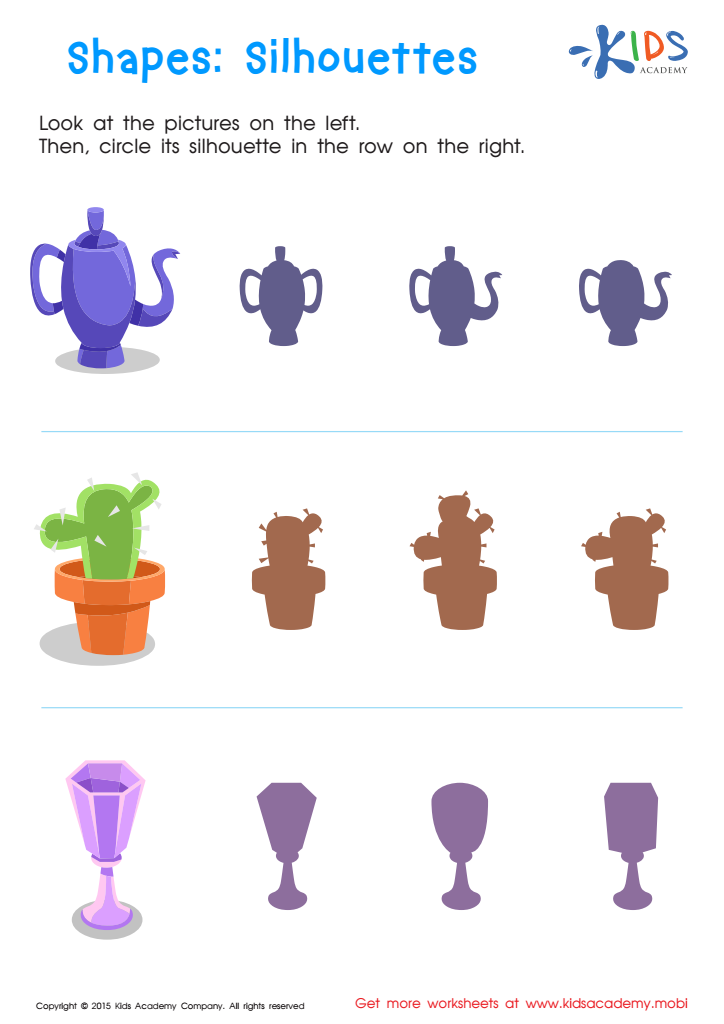
Silhouettes – Shapes Worksheet
 Assign to My Students
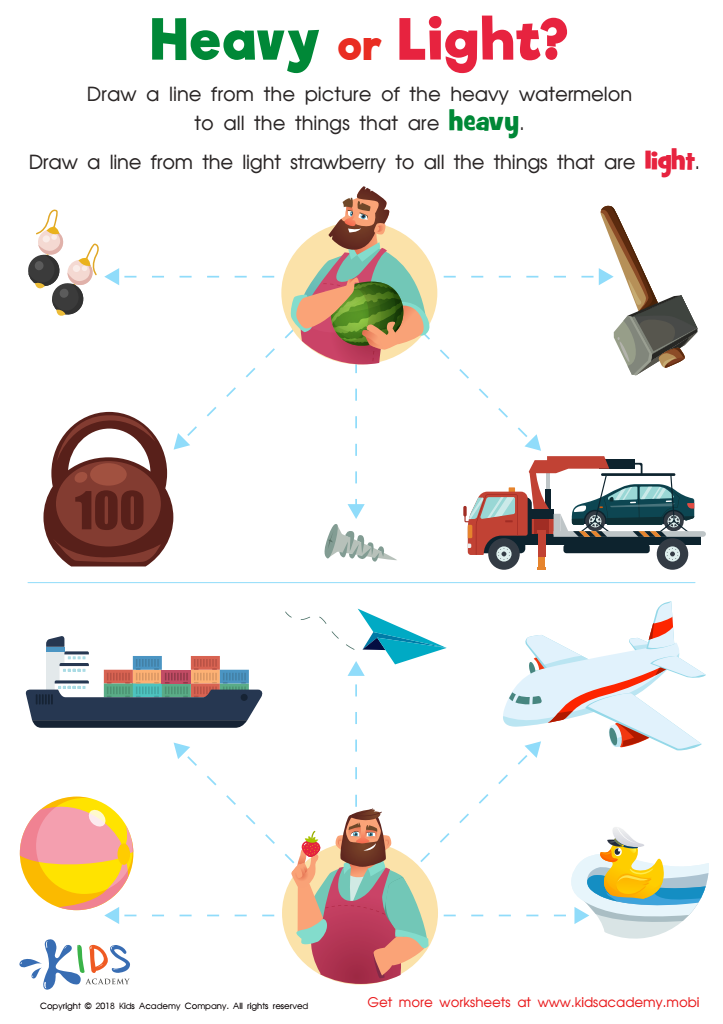
Heavy or Light? Worksheet

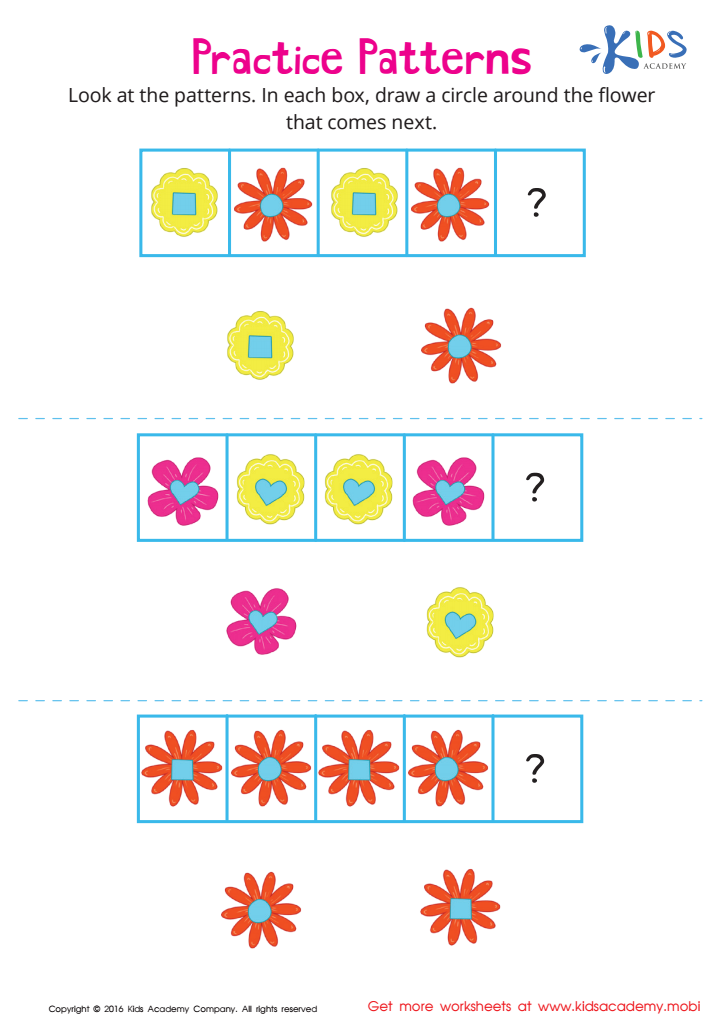
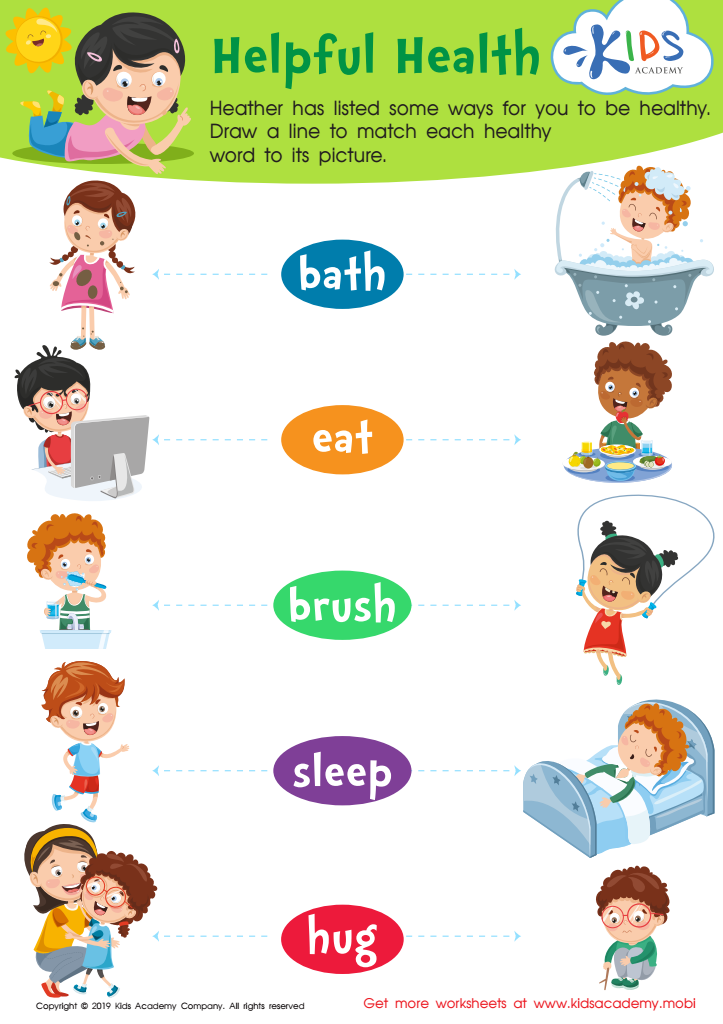
Helpful Health Worksheet
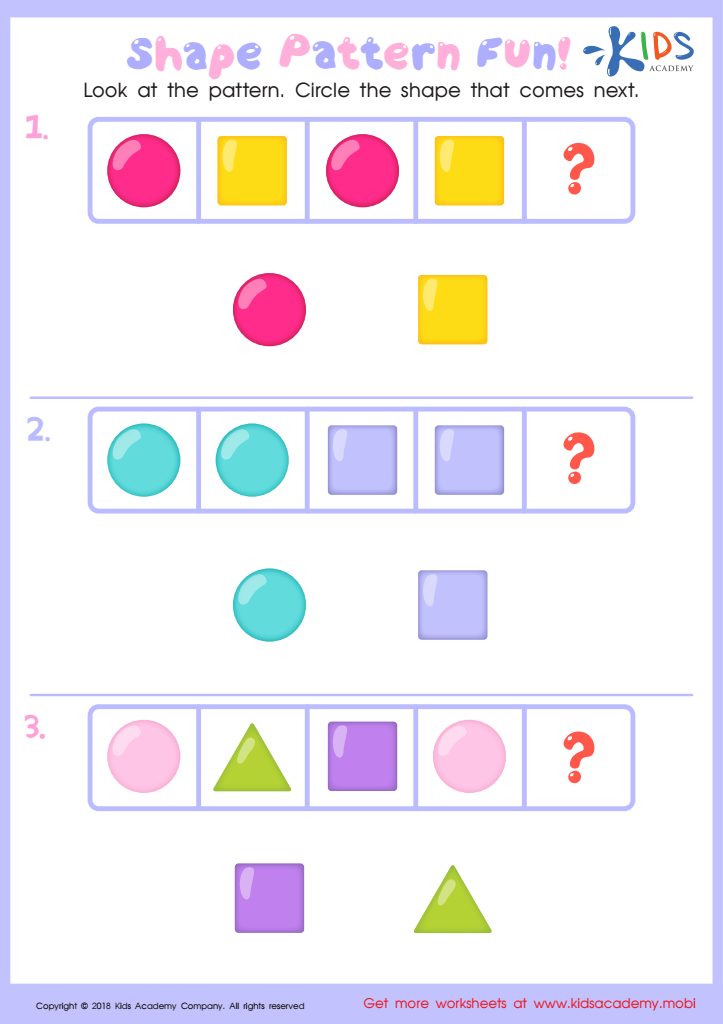
Shape Pattern Fun Worksheet
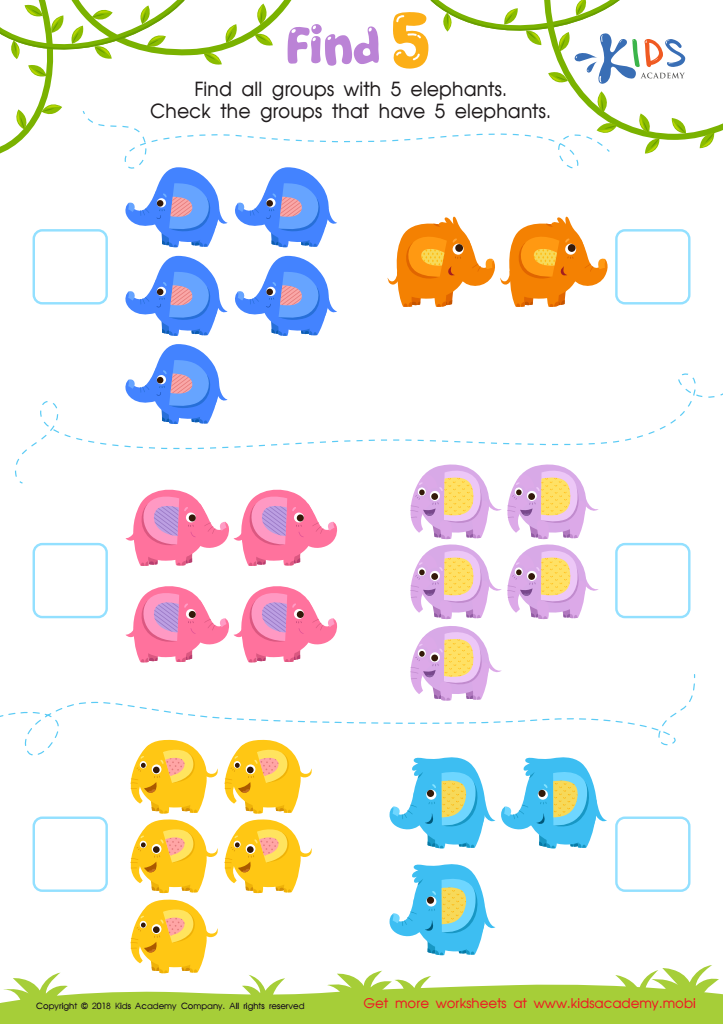
Find 5 Worksheet
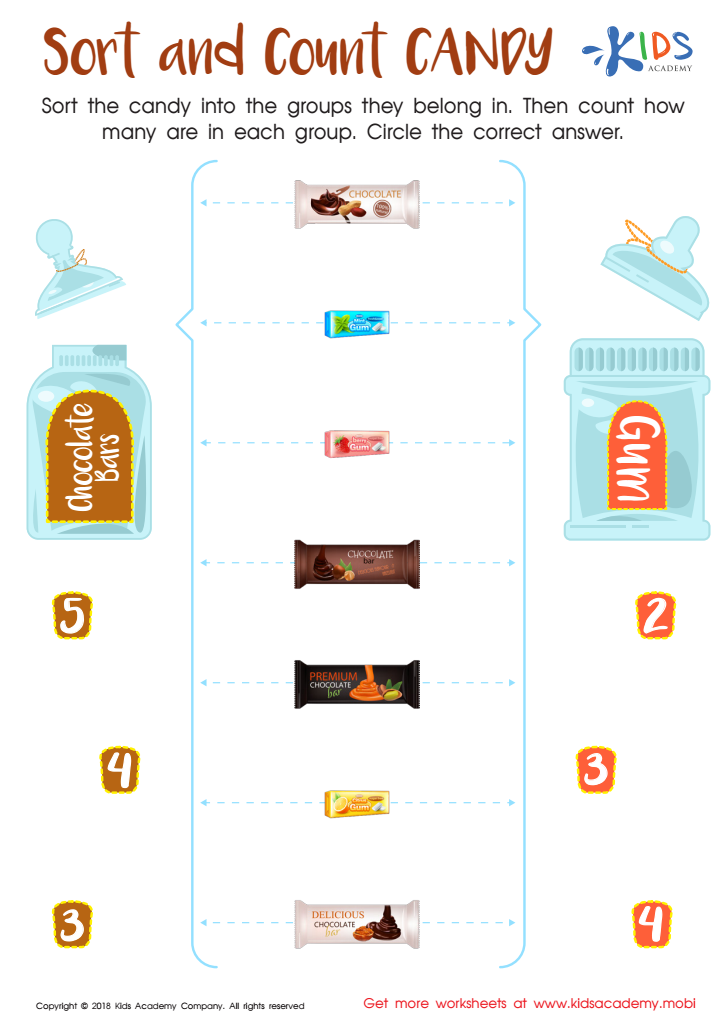
Sort and Count Candy Worksheet
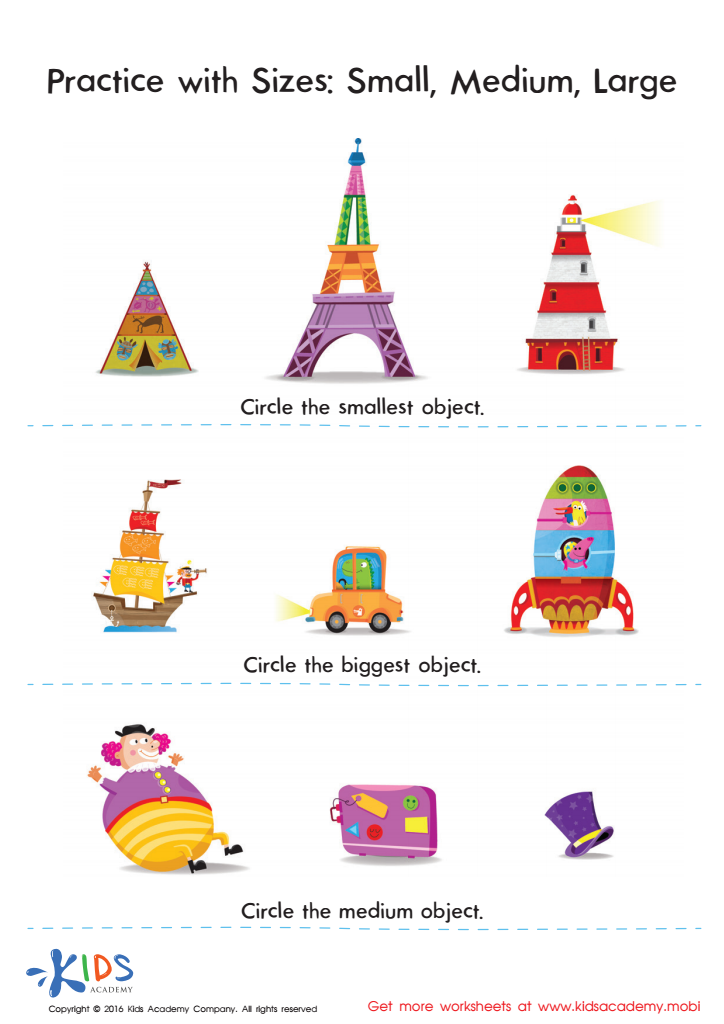








Parents and teachers should care about normal logical thinking activities for children aged 3-9 because these activities lay the foundation for critical cognitive skills essential for academic and personal success. Engaging in logical thinking exercises helps young learners develop problem-solving abilities, enhances their decision-making skills, and fosters creativity. These activities also encourage children to think methodically, analyze situations, and devise solutions — skills that are vital in everyday life and future academic pursuits.
Moreover, logical thinking activities can significantly boost children's confidence and self-esteem as they learn to tackle challenges independently. Activities such as puzzles, sequencing games, and pattern recognition can be both enticing and educational, making learning enjoyable. Additionally, these activities promote social skills as children often collaborate or communicate their reasoning with peers, enhancing their language and interpersonal skills.
Furthermore, introducing logical reasoning at an early age aligns with cognitive development theories, emphasizing developmental milestones crucial for academic readiness. By prioritizing logical thinking activities, parents and teachers contribute to cultivating a generation of thinkers equipped to navigate complexity and uncertainty in an ever-evolving world.








