Normal Logical Thinking Worksheets Activities With Answers for 4-Year-Olds - Page 3
54 filtered results
-
From - To
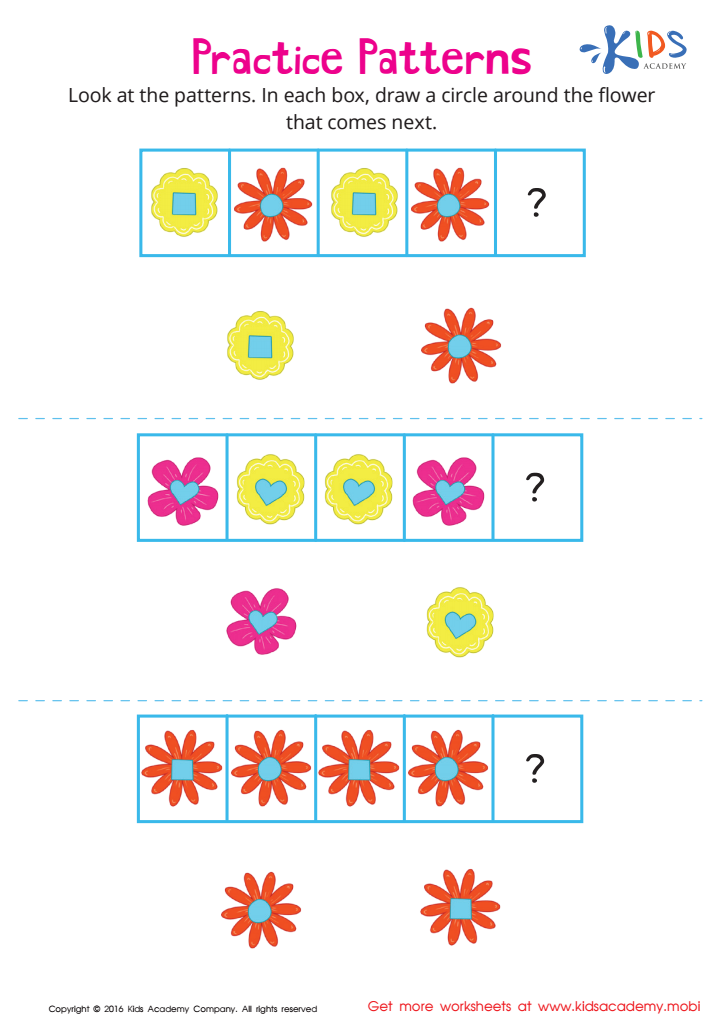
 Assign to My Students
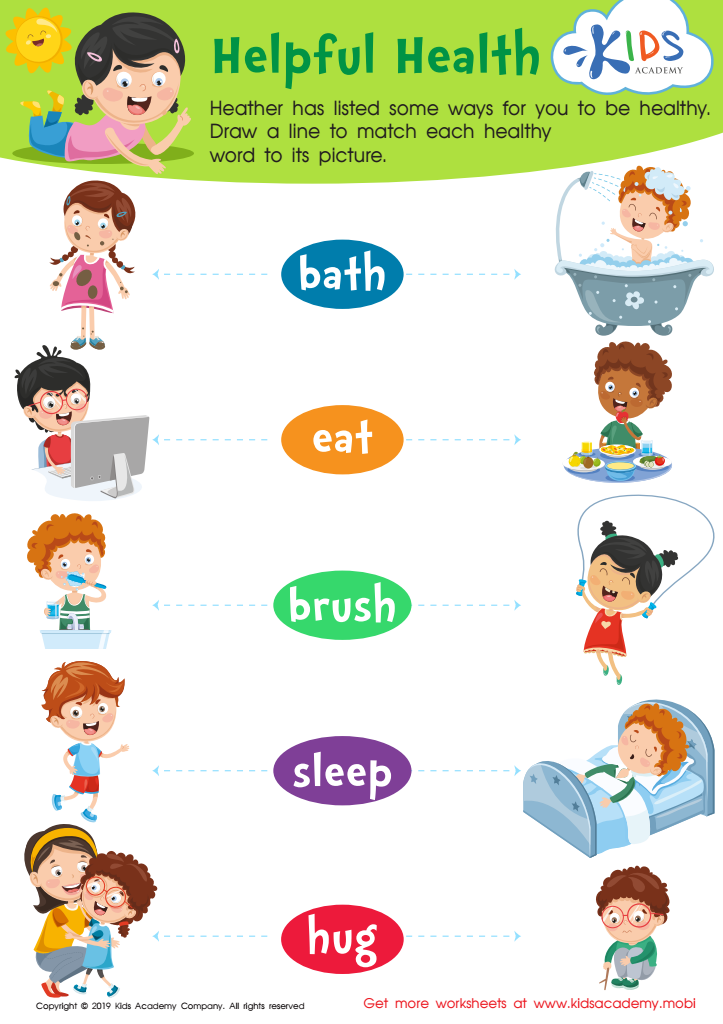
Helpful Health Worksheet
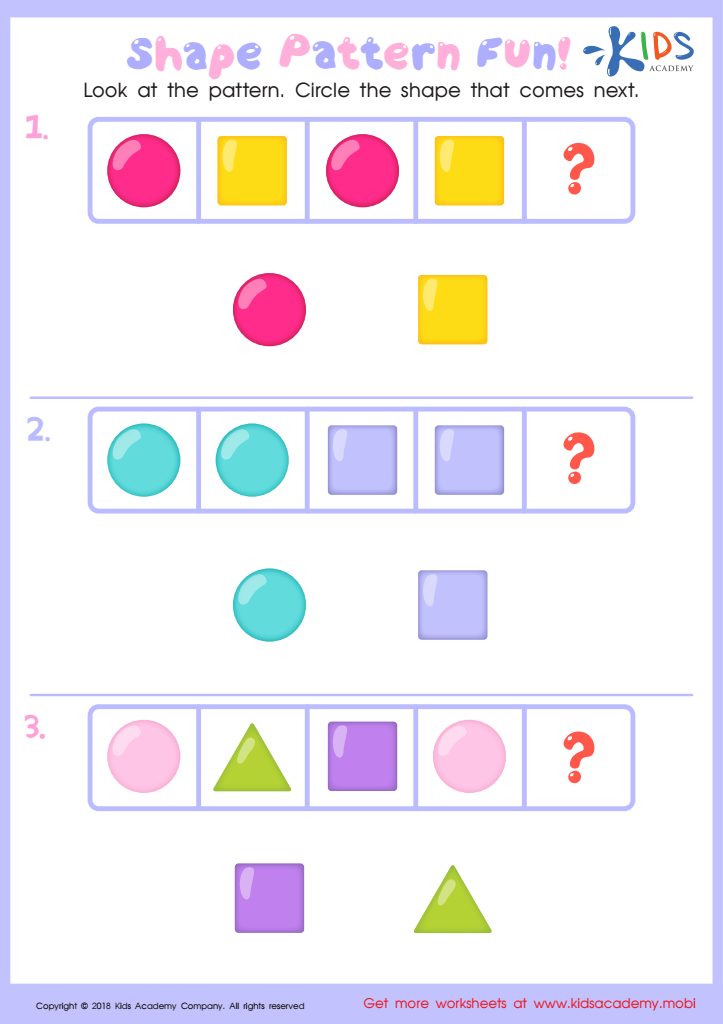
Shape Pattern Fun Worksheet
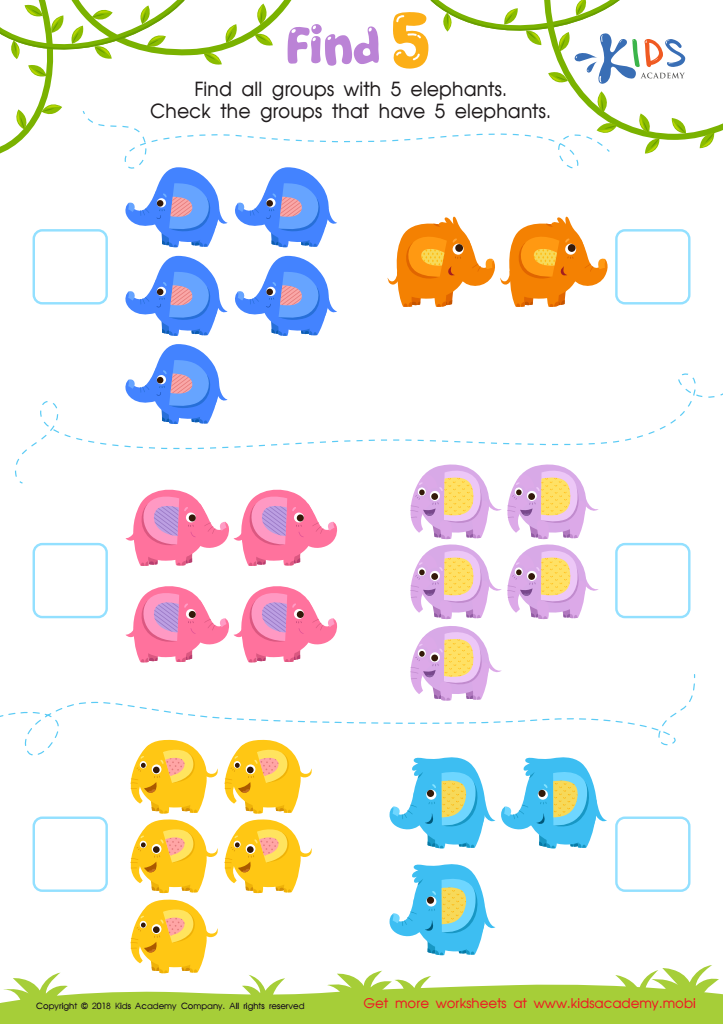
Find 5 Worksheet
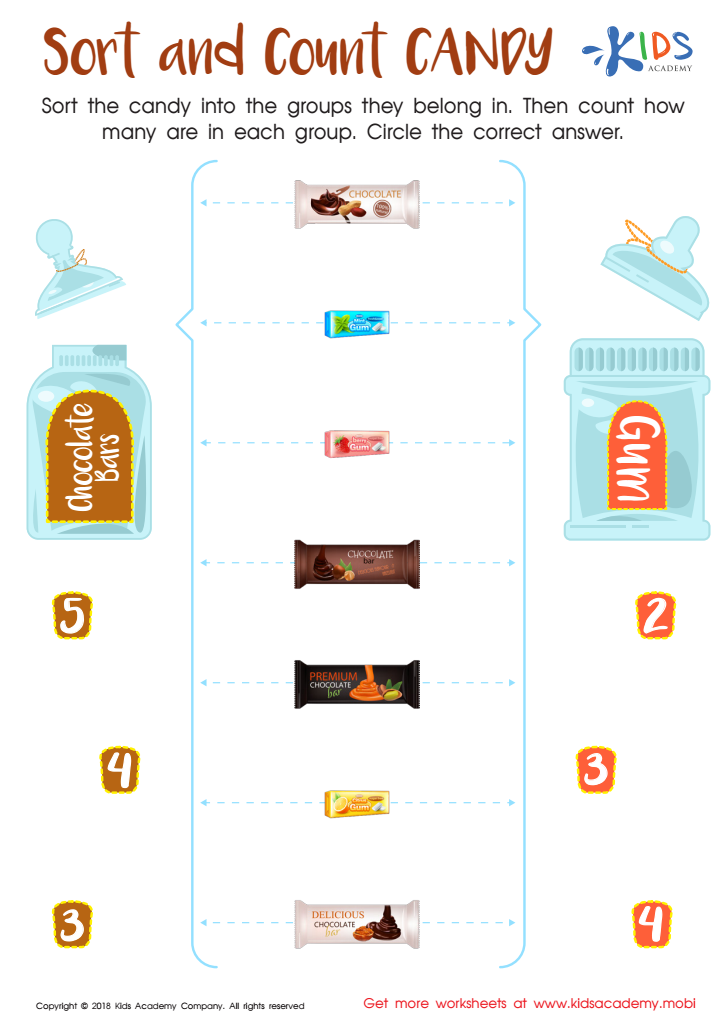
Sort and Count Candy Worksheet








Normal Logical Thinking Worksheets Activities, complete with answers, stand as an essential tool in the arsenal of educational resources aimed at developing critical thinking and problem-solving skills among learners of all ages. These meticulously crafted exercises are not just about solving puzzles or riddles; they are about nurturing a methodical approach to analysis and reasoning that finds application far beyond the classroom.
First and foremost, engaging in Normal Logical Thinking Worksheets Activities pushes students to step beyond mere memorization and encourages them to understand the 'why' and 'how' behind various concepts. This deep dive into the mechanics of thought processes aids in cementing a solid foundation of logical reasoning that is beneficial in every academic subject and, indeed, in everyday life decisions.
The addition of answers to these activities is particularly useful. It provides immediate feedback, allowing learners to recognize their mistakes and understand the correct reasoning processes. This aspect of self-assessment is invaluable in fostering a growth mindset, where mistakes are seen as opportunities for learning rather than failures.
Moreover, these activities are designed to be both challenging and enjoyable, making the learning process engaging and thus more effective. By solving diverse problems, students enhance their ability to think critically, recognize patterns, deduce conclusions from given premises, and apply logical principles in novel situations. These skills are crucial not just for academic success but also for making reasoned decisions and solving real-world problems.
In essence, Normal Logical Thinking Worksheets Activities With Answers serve as a bridge between theoretical knowledge and practical application. They encourage learners to develop a habit of questioning, analyzing, and reasoning—skills that are indispensable in the pursuit of knowledge and success in virtually every field. By integrating these activities into the learning process, educators can equip their students with the tools they need to navigate the complexities of the world with confidence and competence.








