Normal Matching Worksheets Activities With Answers for Ages 5-8 - Page 2
42 filtered results
-
From - To
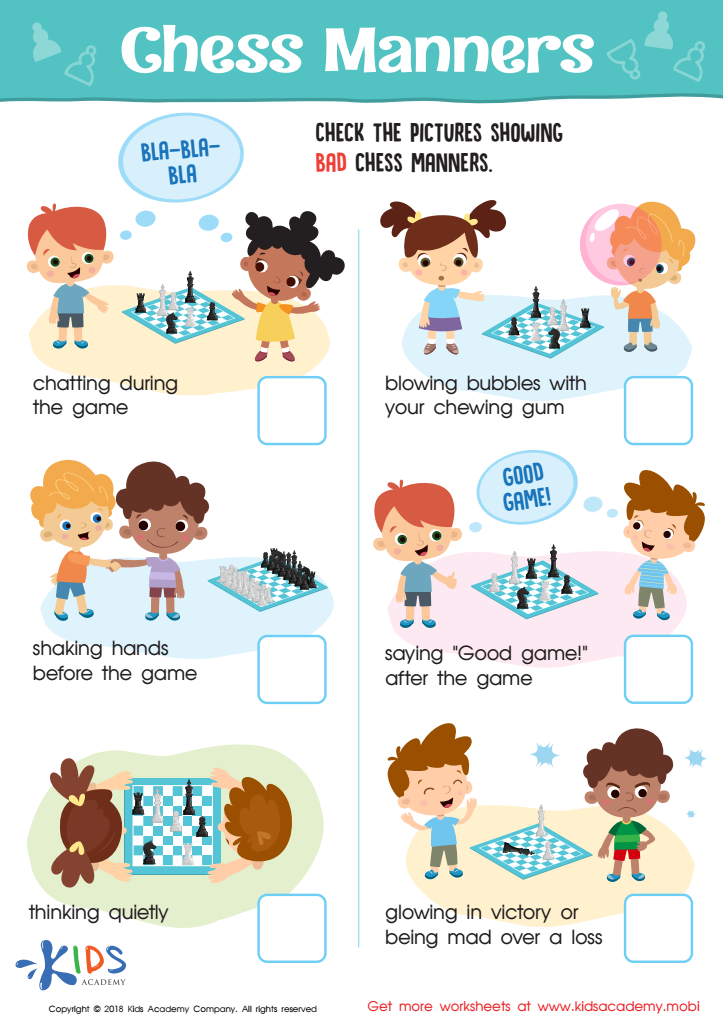
Chess Manners Worksheet
 Assign to My Students
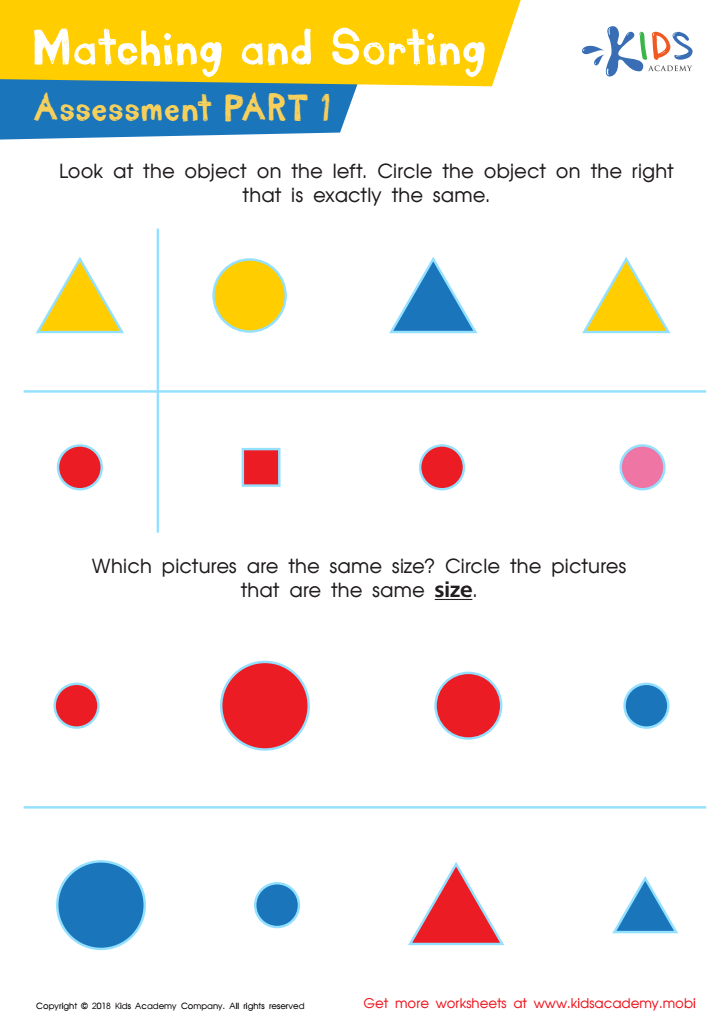
Matching and Sorting for Kindergarten: Assessment 1 Worksheet
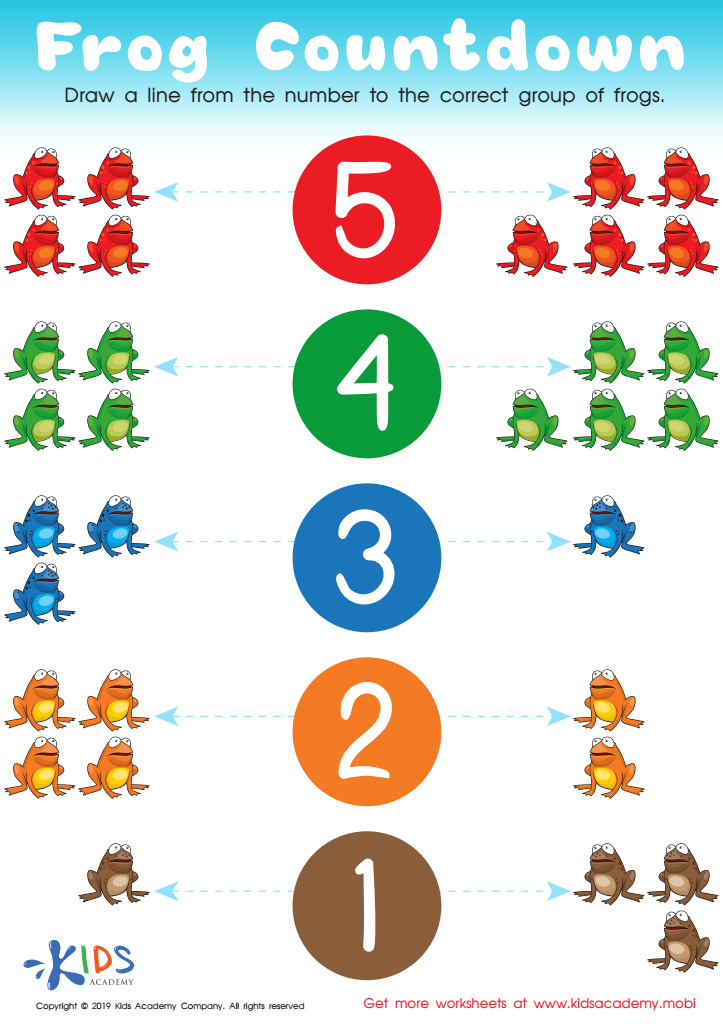
Frog Countdown Worksheet
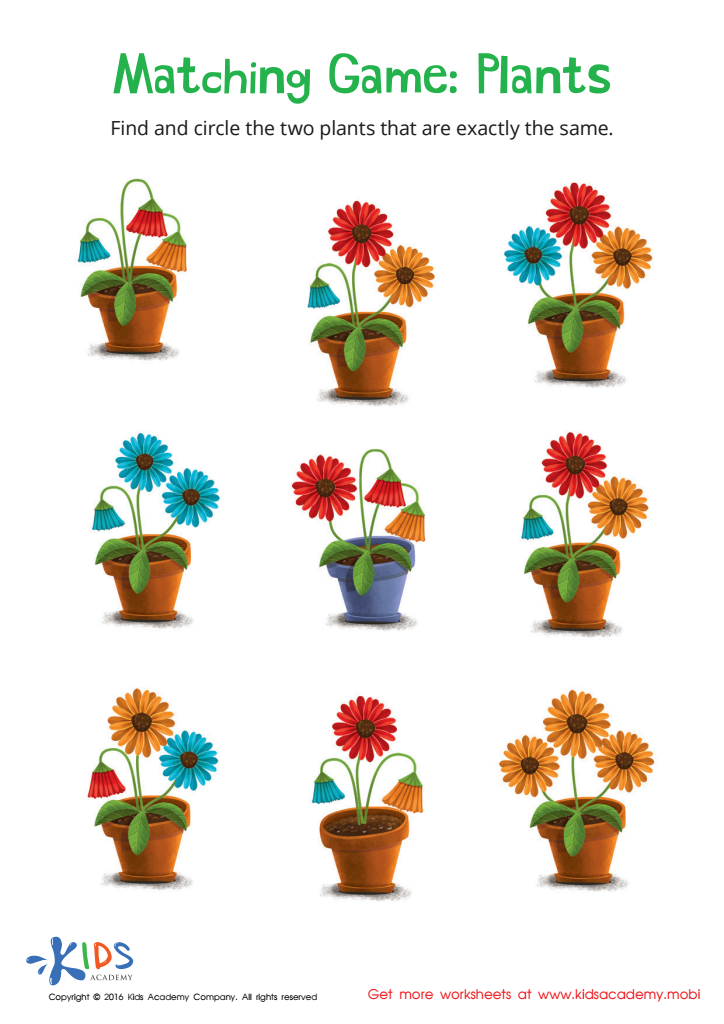
Matching: Plants Worksheet
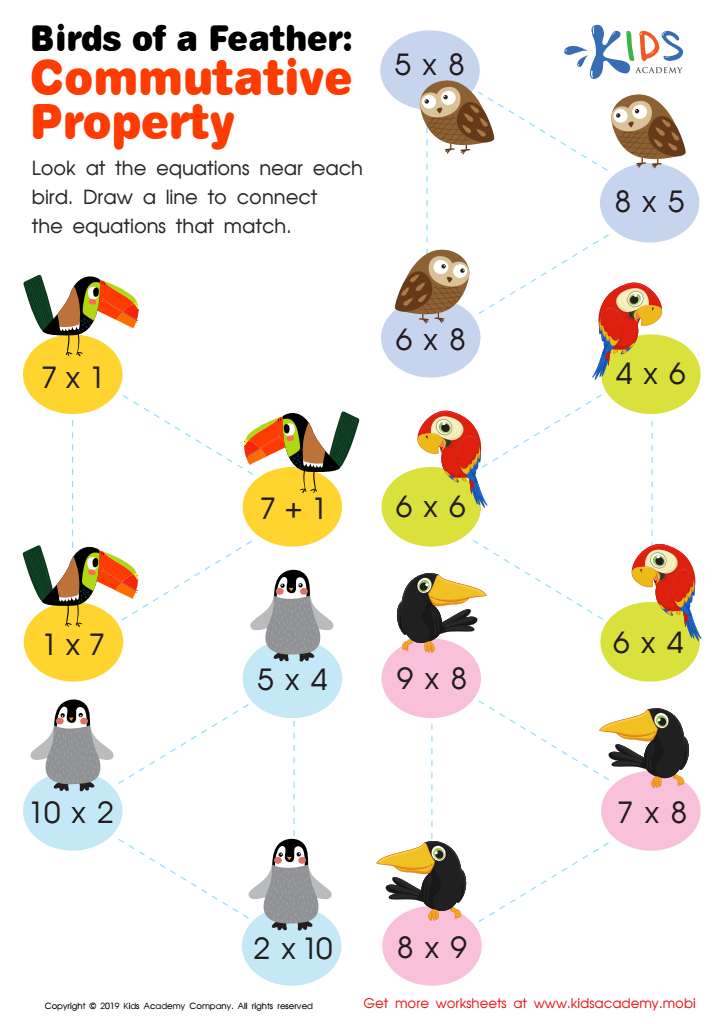
Birds of a Feather: Commutative Property Worksheet
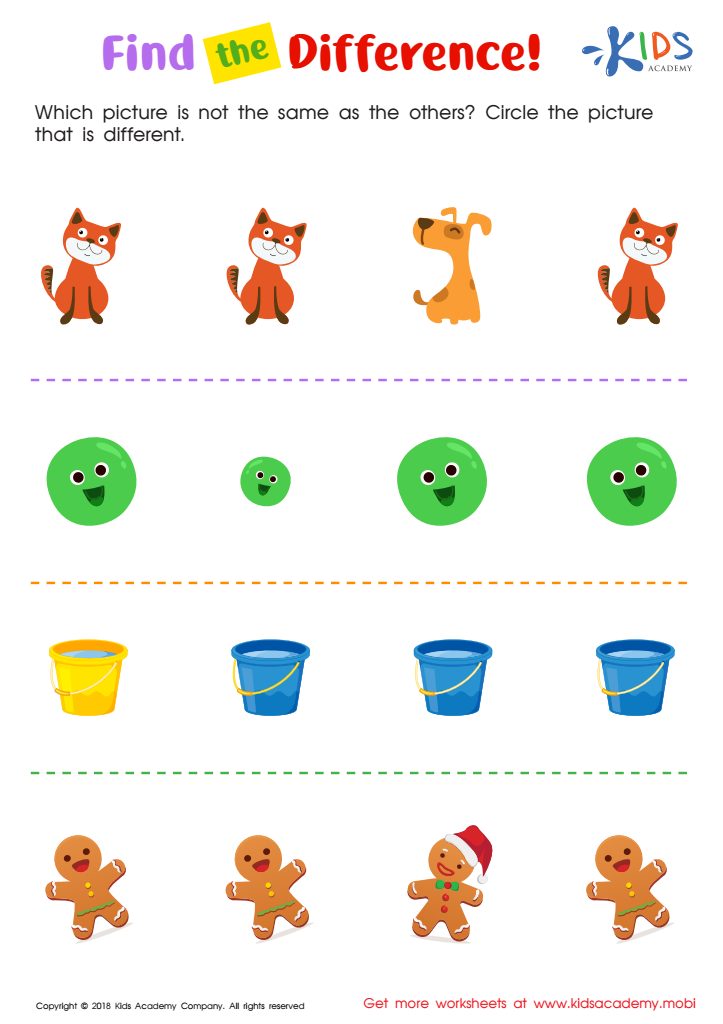
Find the Difference Worksheet
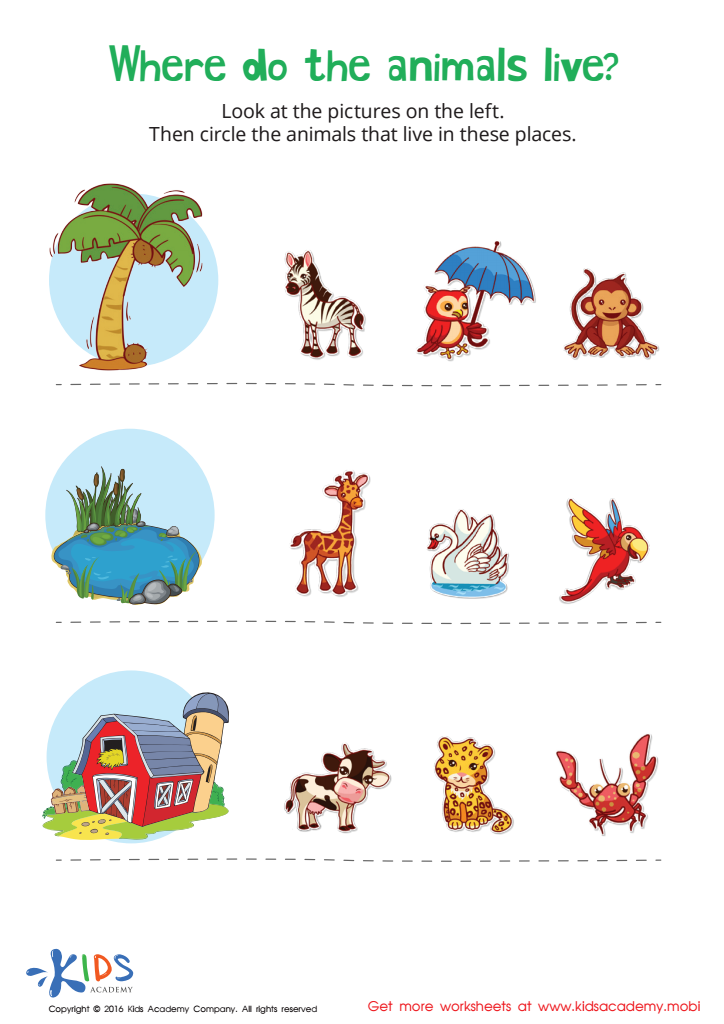
Where Animals Live Worksheet
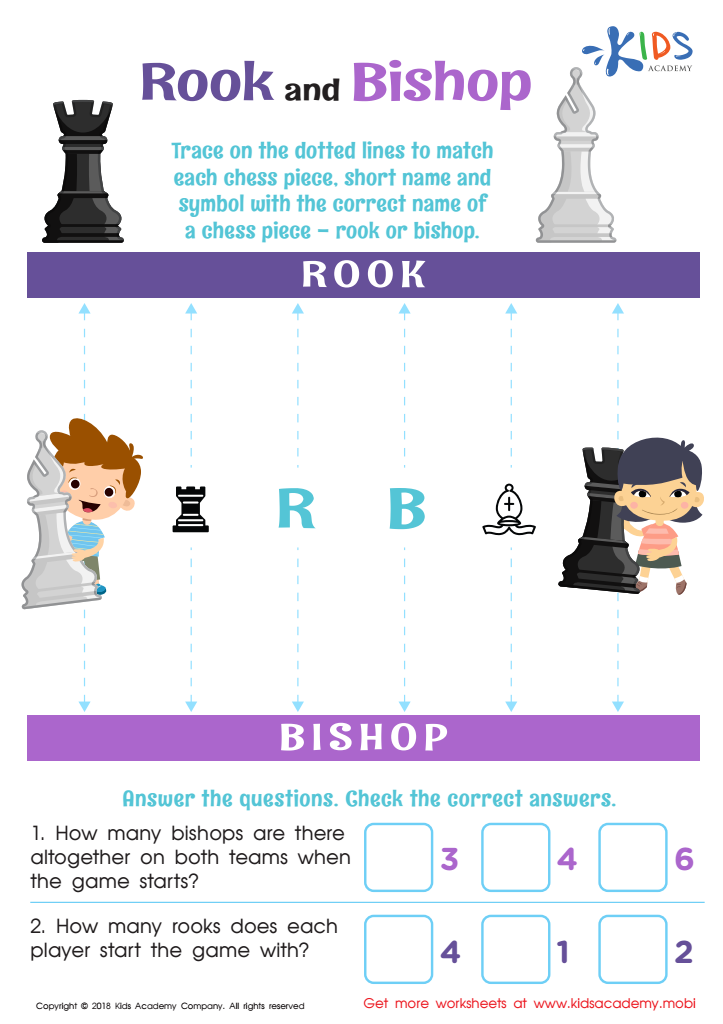
Rook and Bishop Worksheet
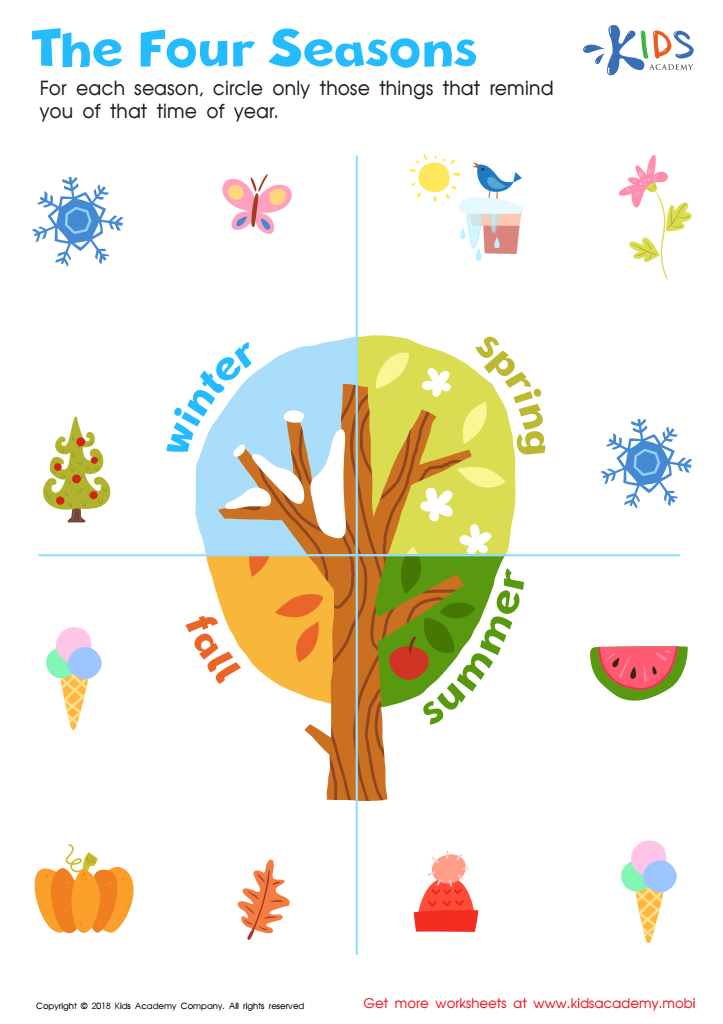
The Four Seasons Worksheet
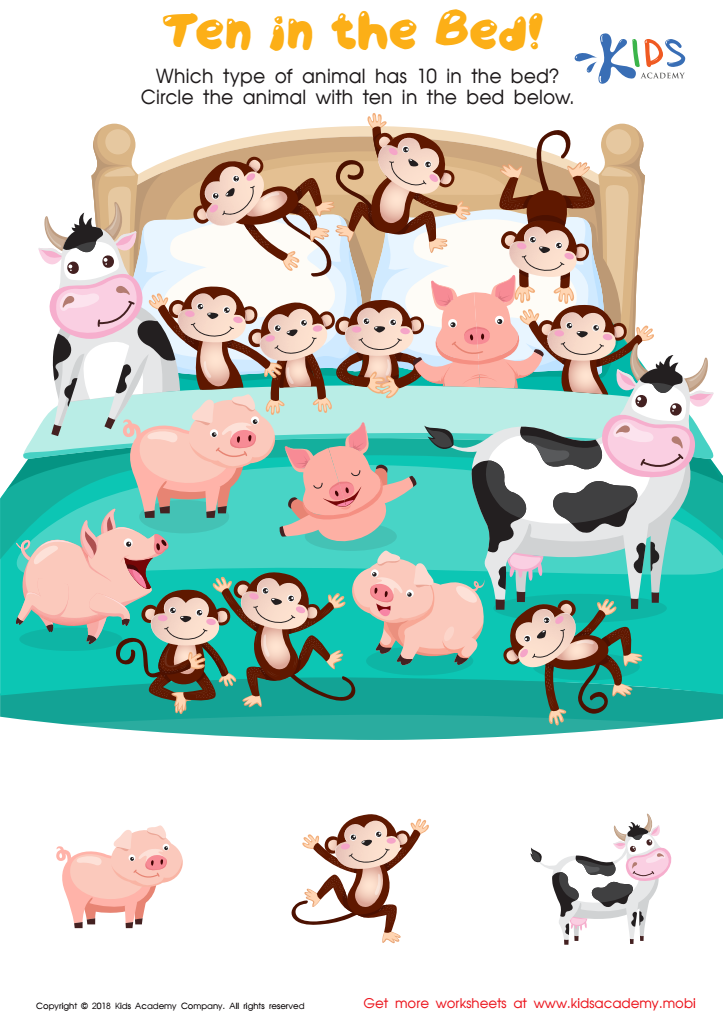
Ten in the Bed Worksheet
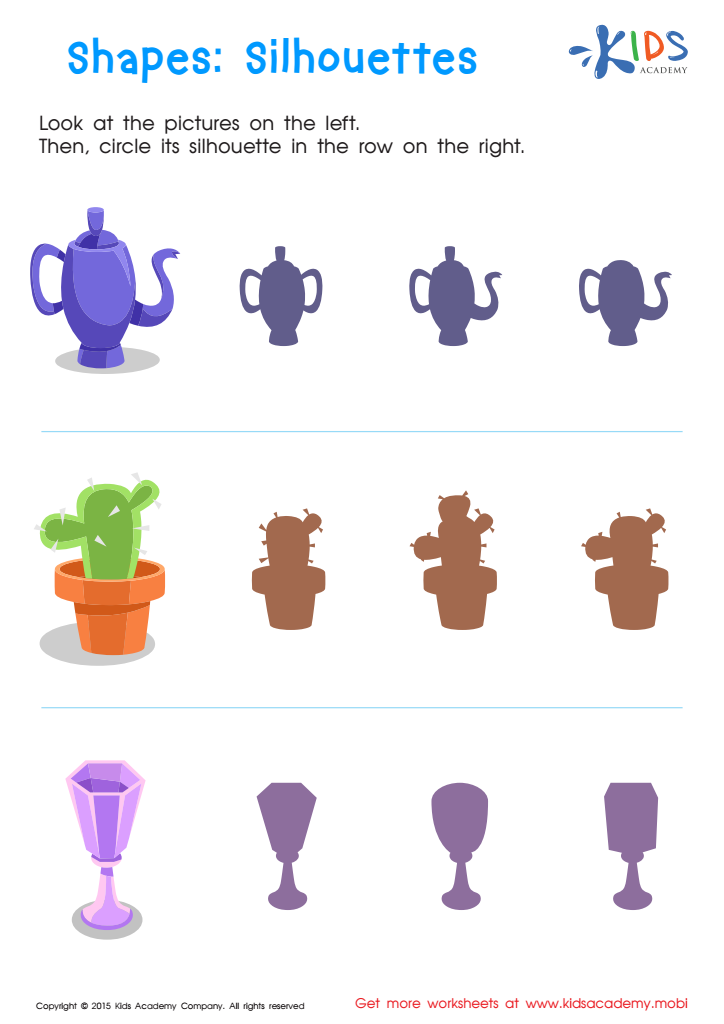
Silhouettes – Shapes Worksheet
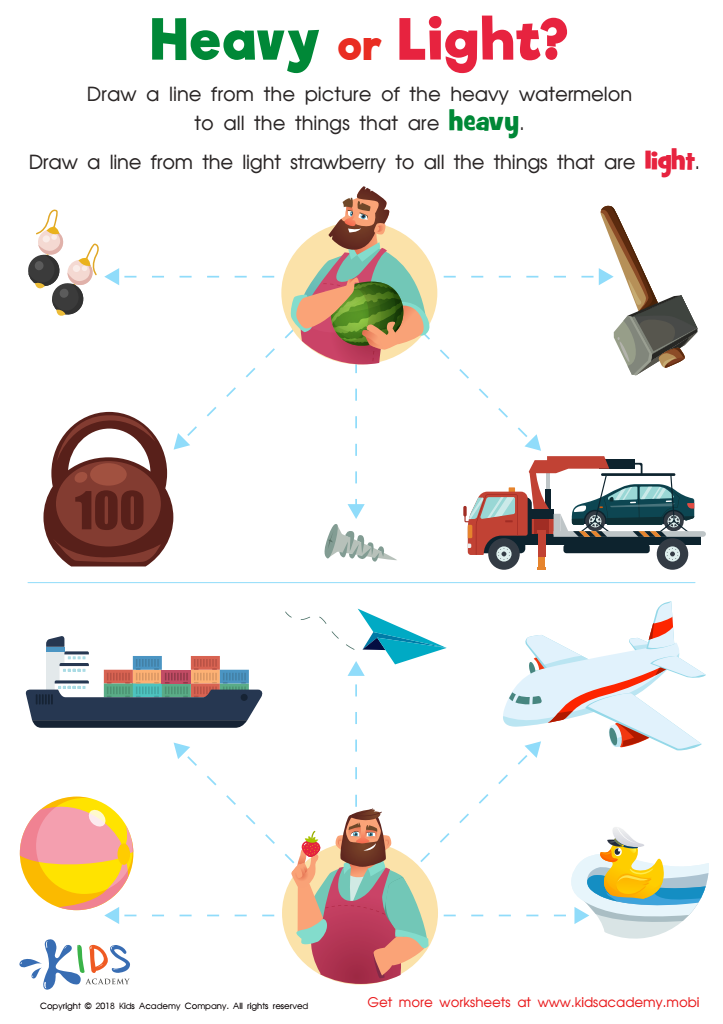
Heavy or Light? Worksheet
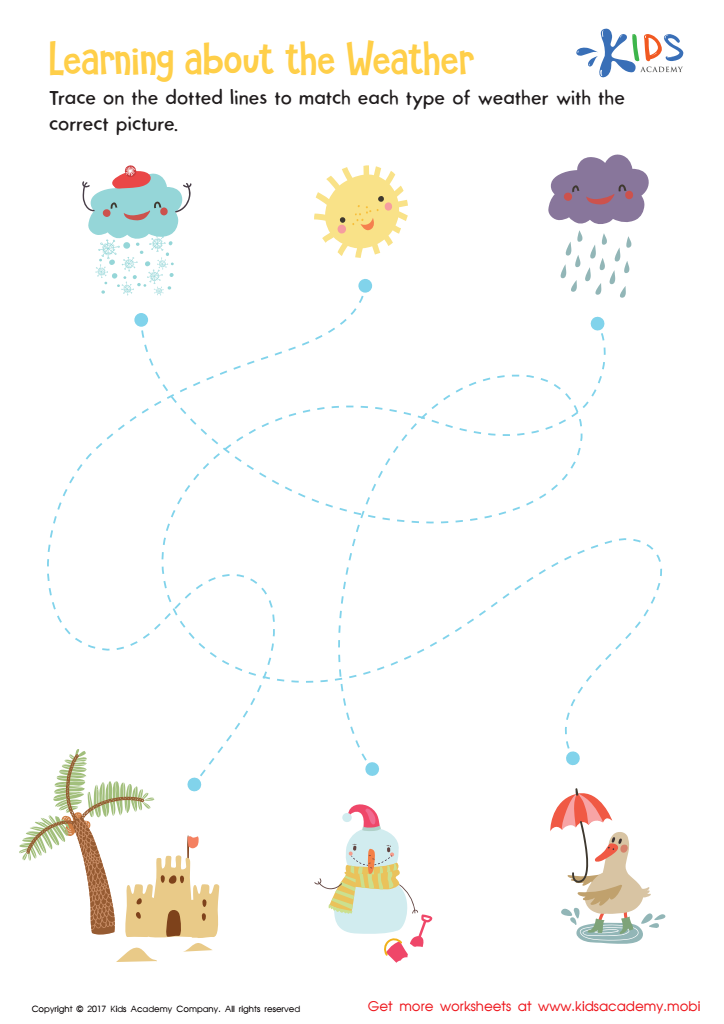
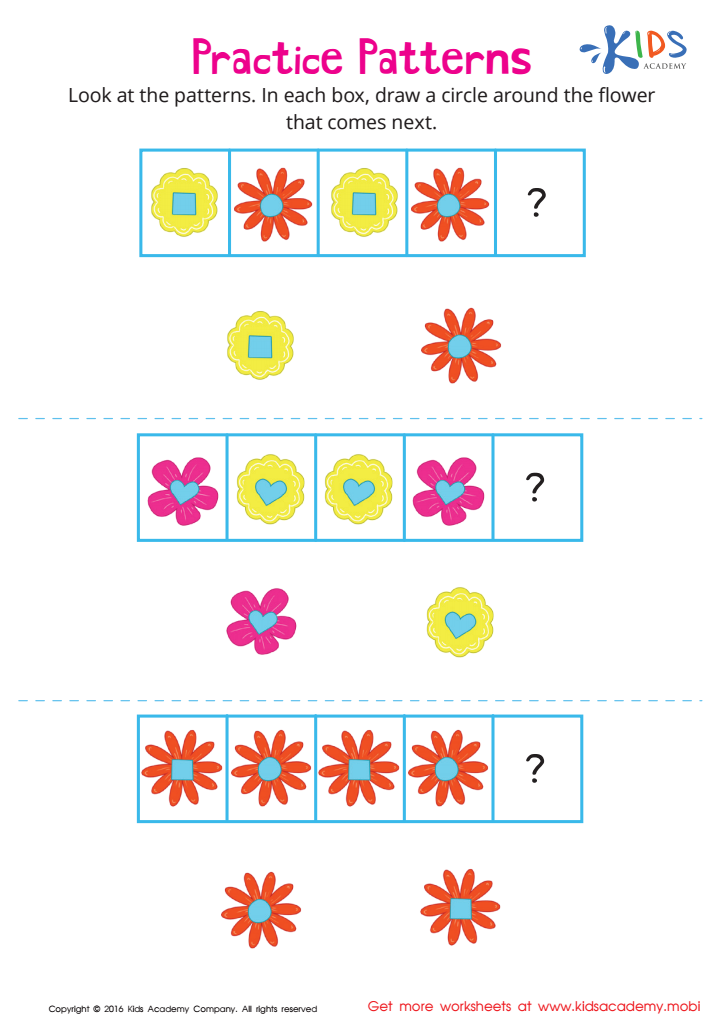
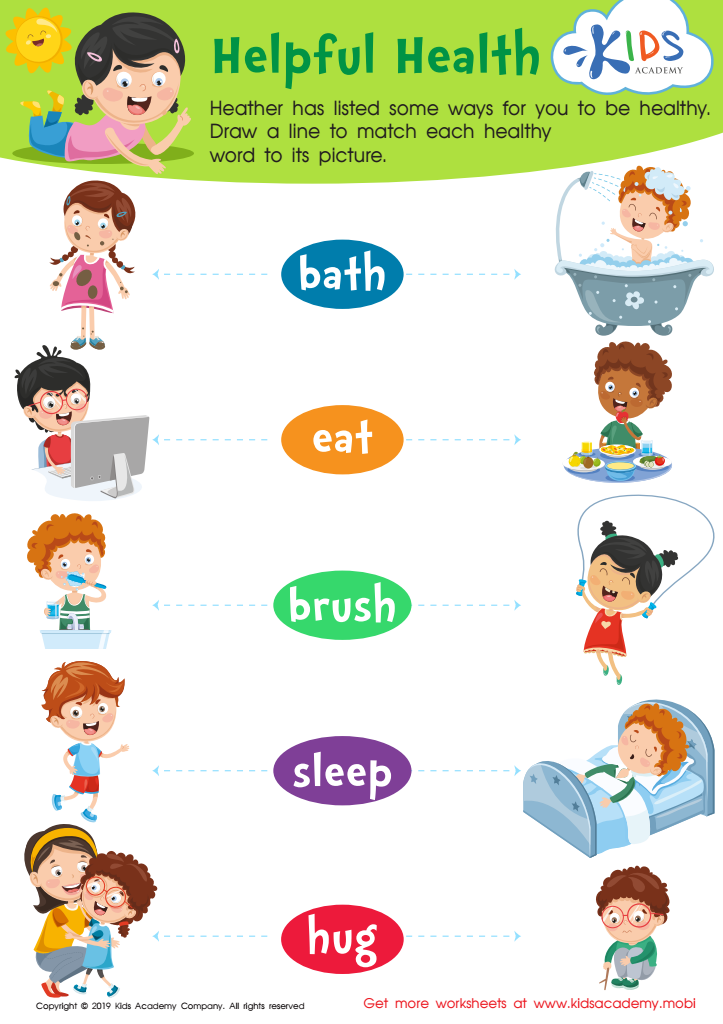
Helpful Health Worksheet
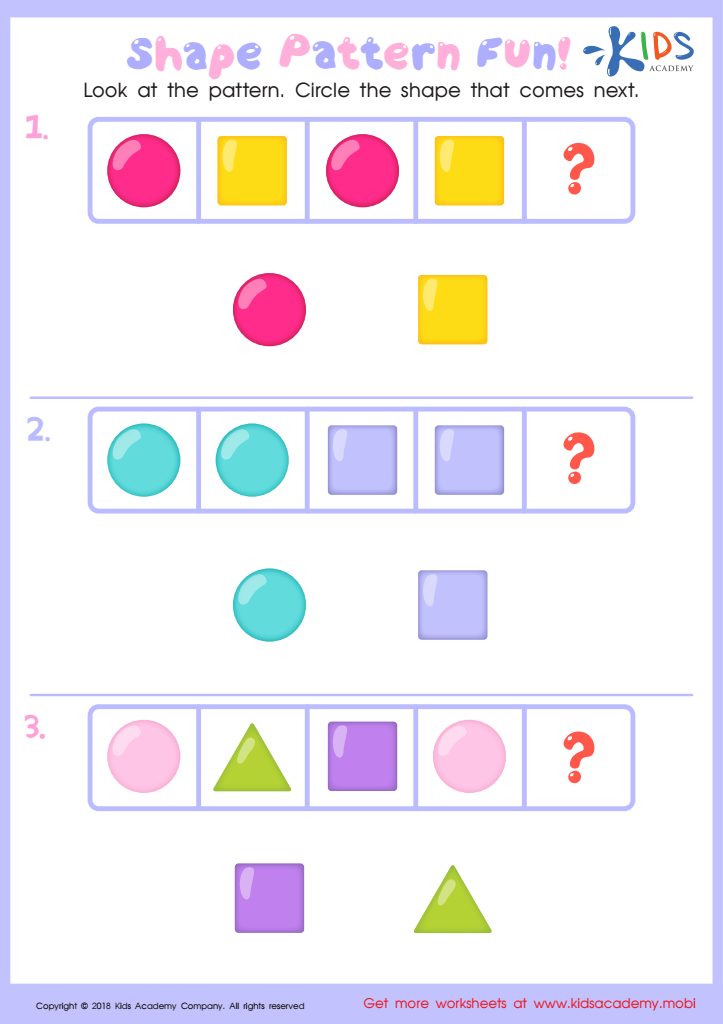
Shape Pattern Fun Worksheet
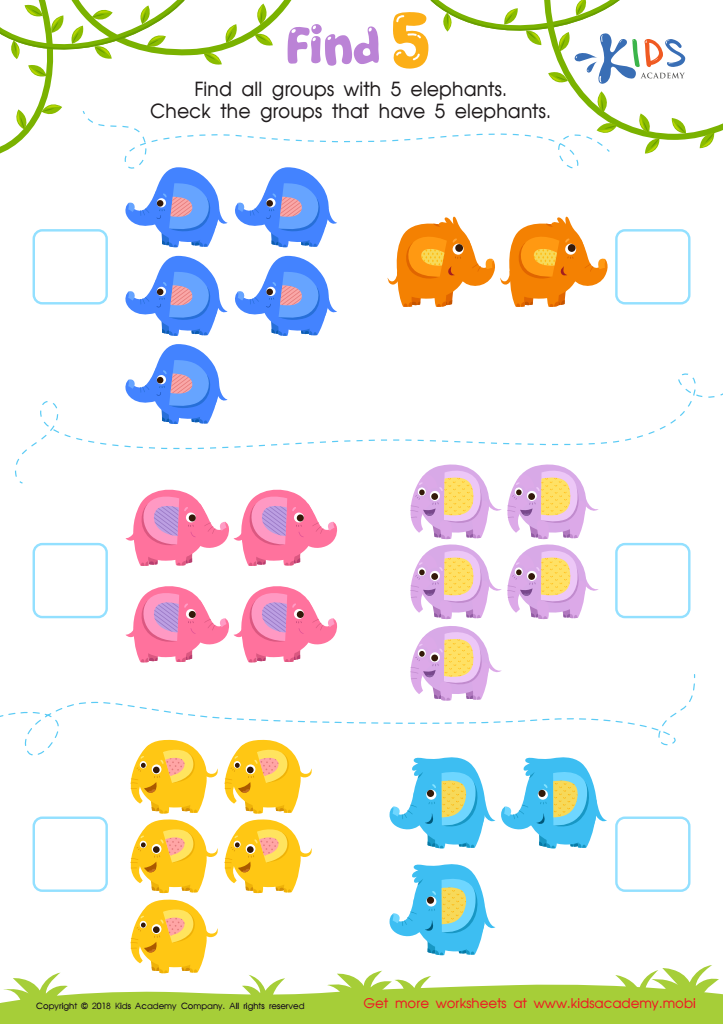
Find 5 Worksheet






Normal matching activities are invaluable for children aged 5 to 8, as they play a crucial role in developing cognitive and social skills. Parents and teachers should care about these activities because they engage young learners in fun, interactive ways that enhance their learning experience.
Firstly, matching activities strengthen memory skills and improve recognition abilities. When children match images or objects, they make connections between related concepts, which fosters critical thinking and cognitive development. These activities also refine fine motor skills, as children manipulate cards or pieces, encouraging hand-eye coordination.
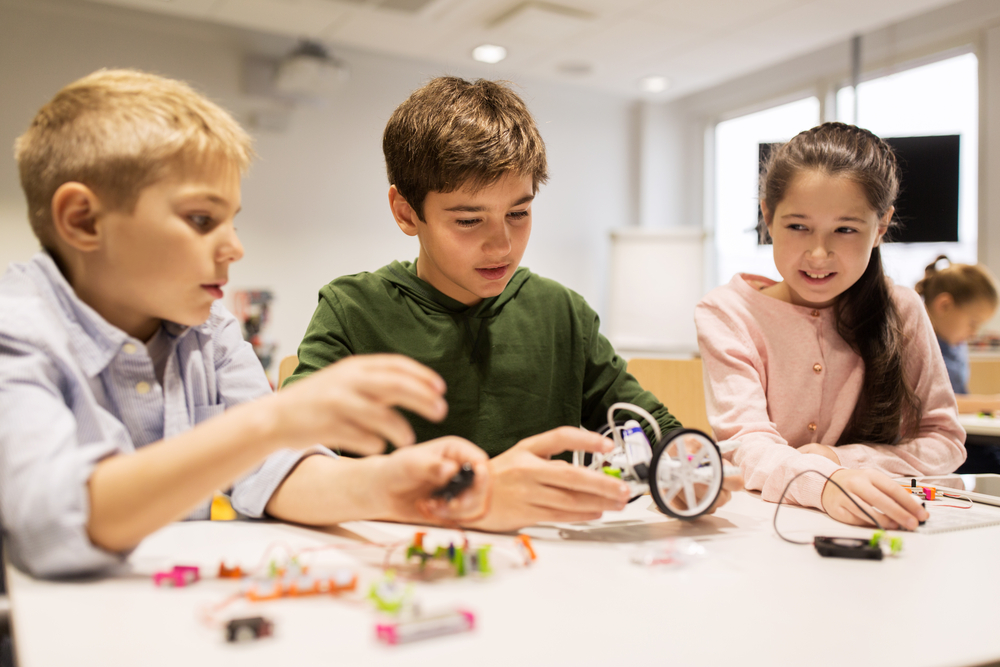
Moreover, normal matching activities promote social interaction. When done in pairs or groups, children learn to communicate, collaborate, and share ideas, building teamwork skills that are essential for future success. Teachers and parents can use matching games to teach various subjects in an engaging way, making lessons memorable.
Additionally, such activities can address different learning styles, enabling personalized education that caters to each child's strengths. These elements not only enhance academic engagement but also boost self-esteem as children feel competent and successful when they match correctly.
Ultimately, normal matching activities represent a powerful, multifaceted approach to early education, deserving attention from both parents and educators.








