Normal Tracing Words Worksheets Activities With Answers for 5-Year-Olds
25 filtered results
-
From - To
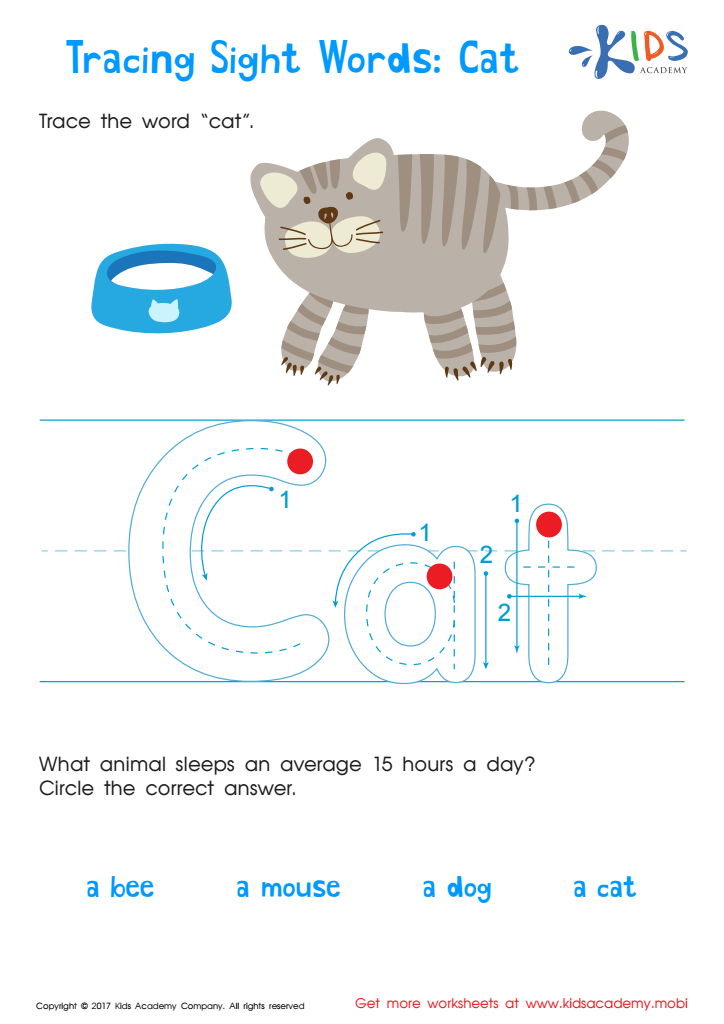
Cat Printable Sight Words Worksheet
 Assign to My Students
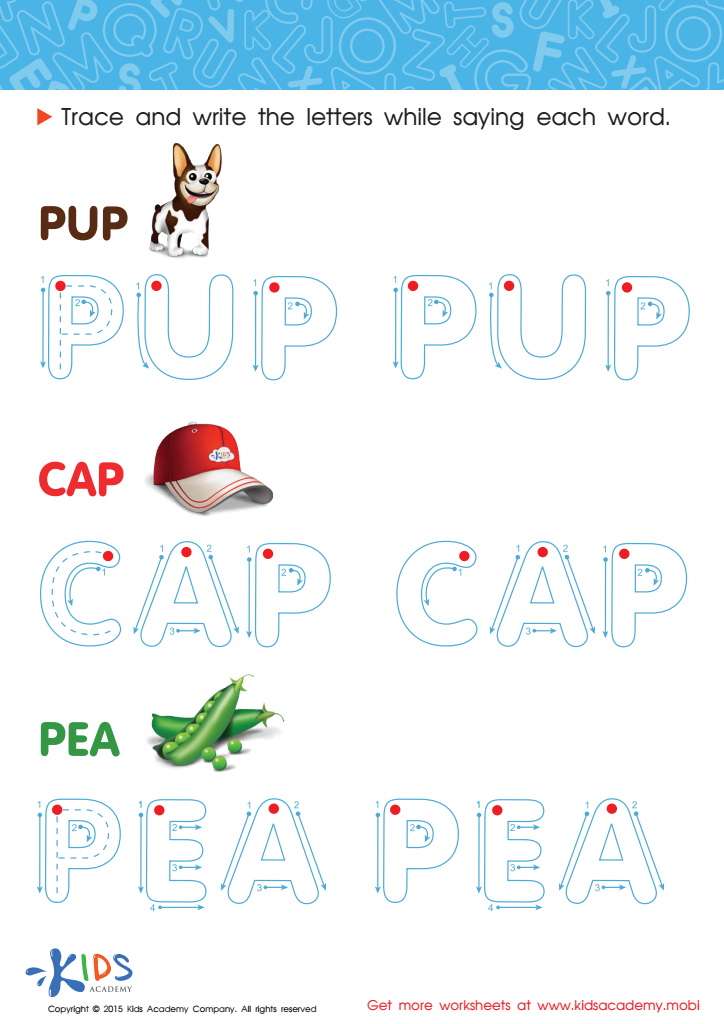
A Pup, a Cap and a Pea Spelling Worksheet
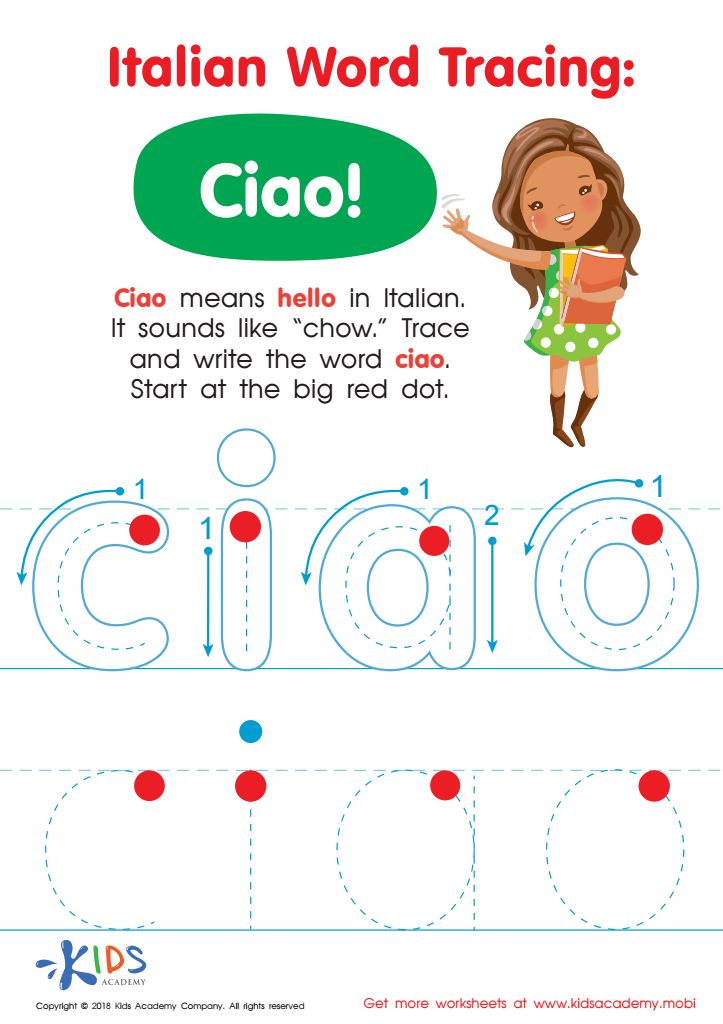
Italian Word Tracing: Ciao Worksheet
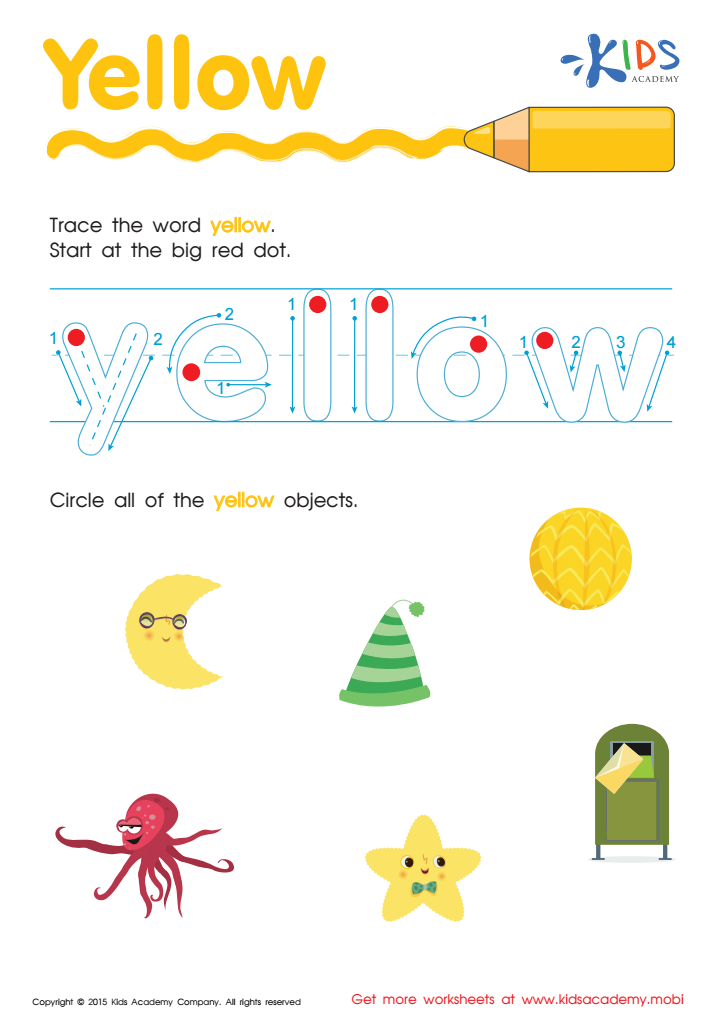
Yellow Tracing Color Words Worksheet
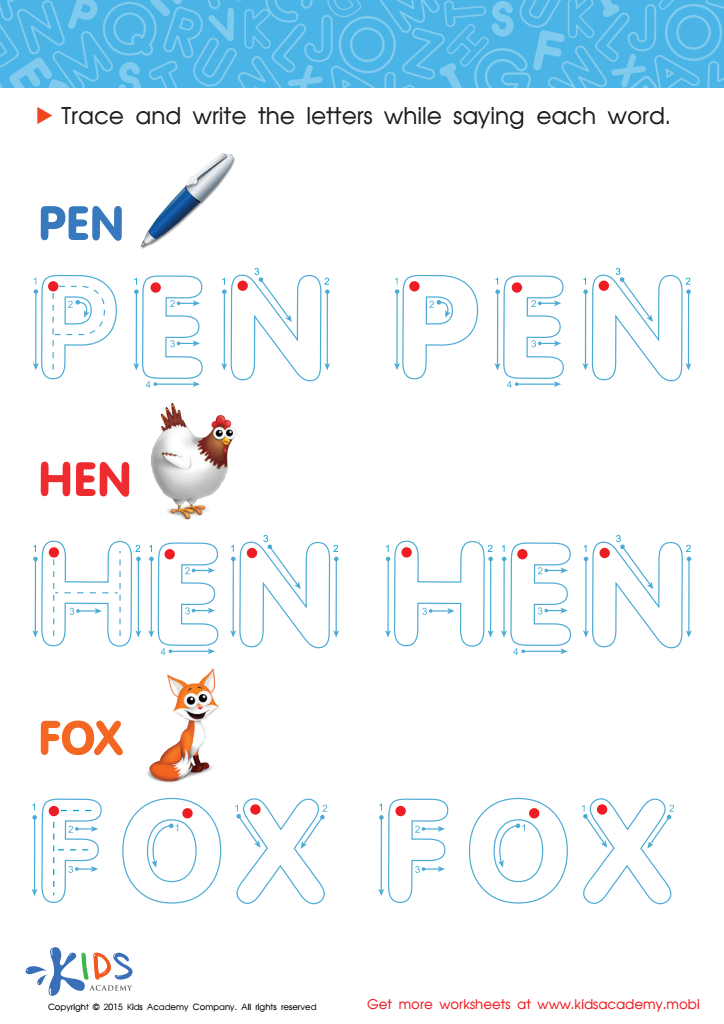
A Pen, a Hen and a Fox Spelling Worksheet
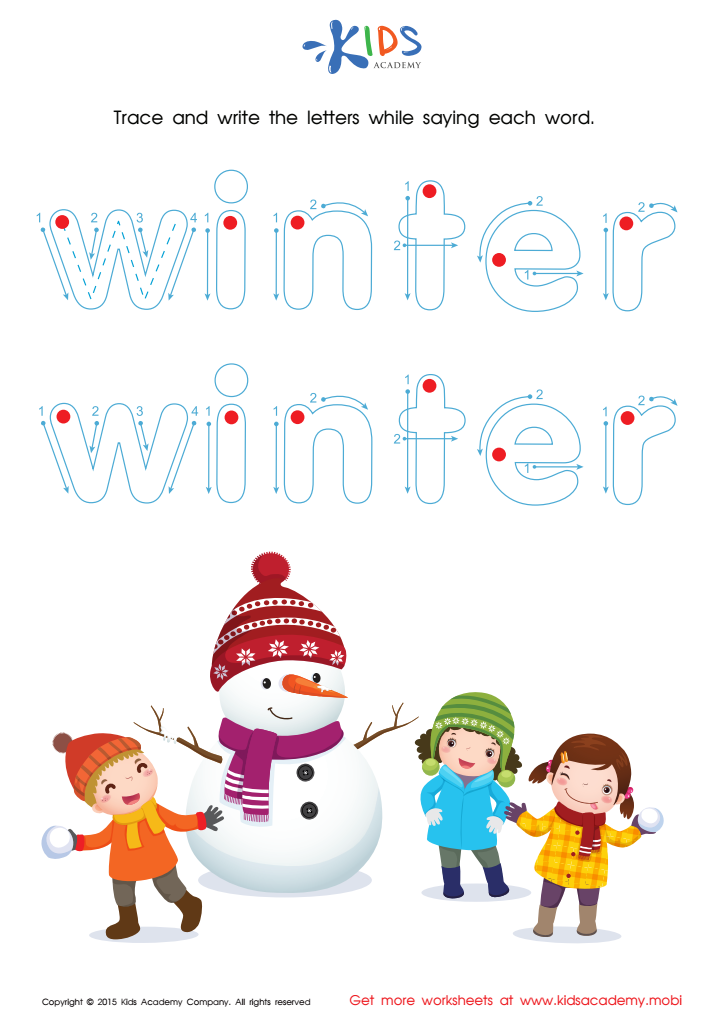
Snowman Tracing Winter Words Worksheet
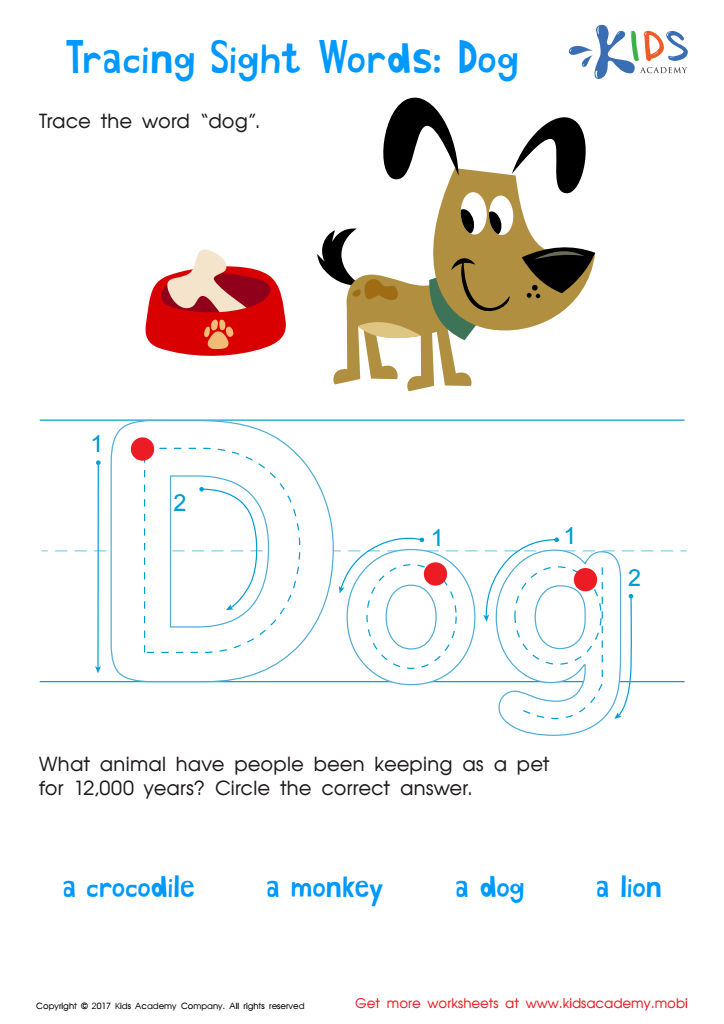
Dog Worksheet Sight Words Worksheet
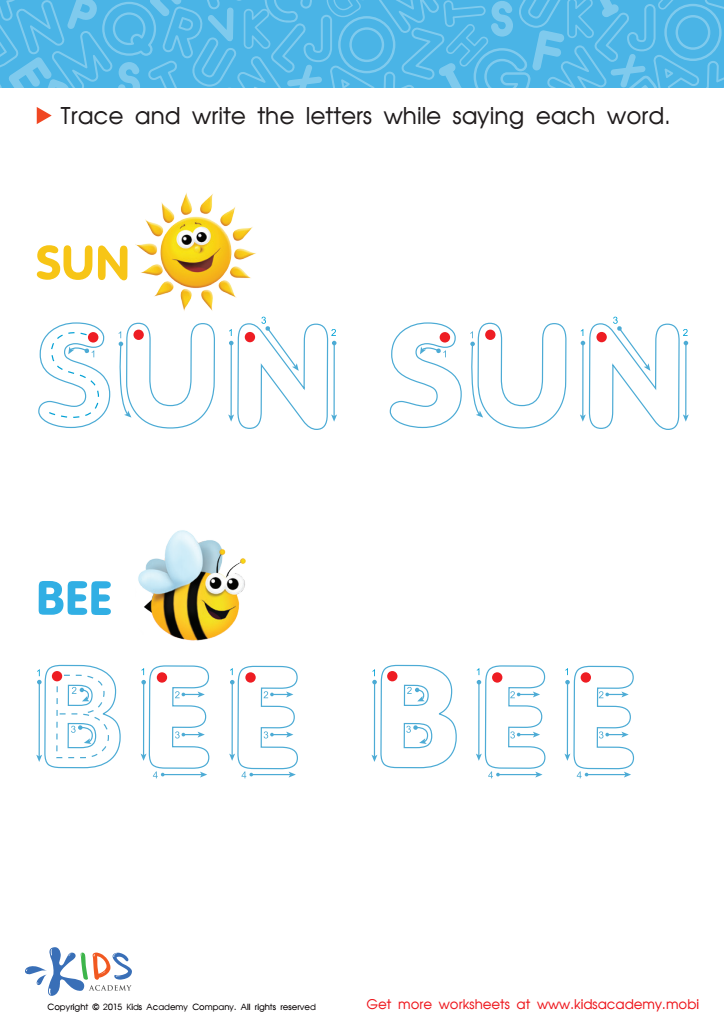
The Sun and a Bee Spelling Worksheet
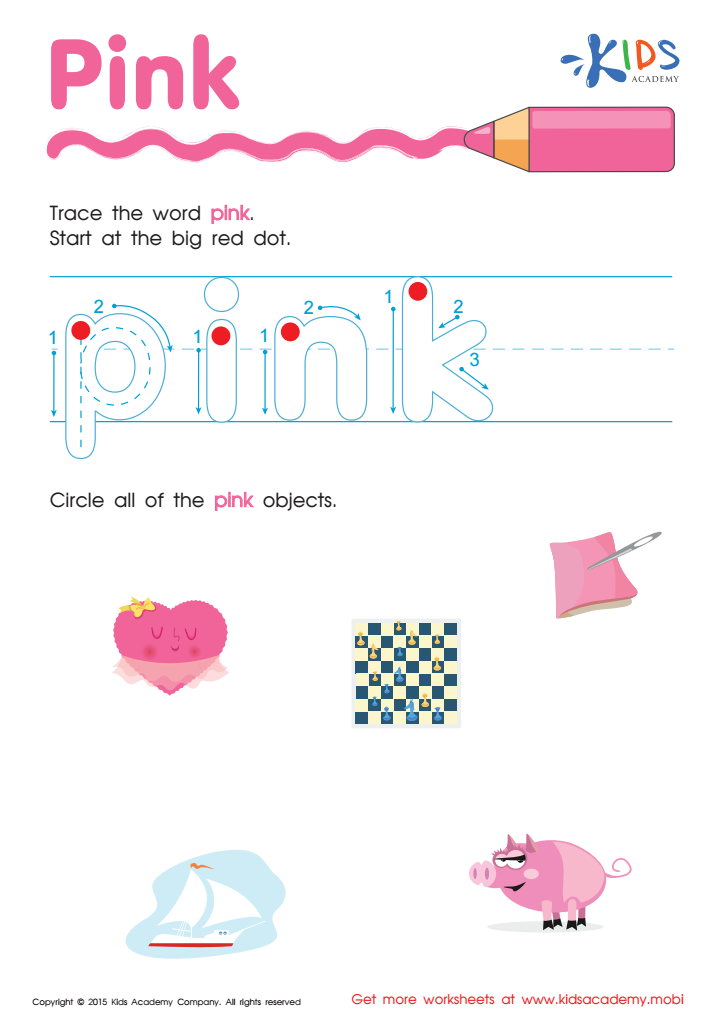
Pink Tracing Color Words Worksheet
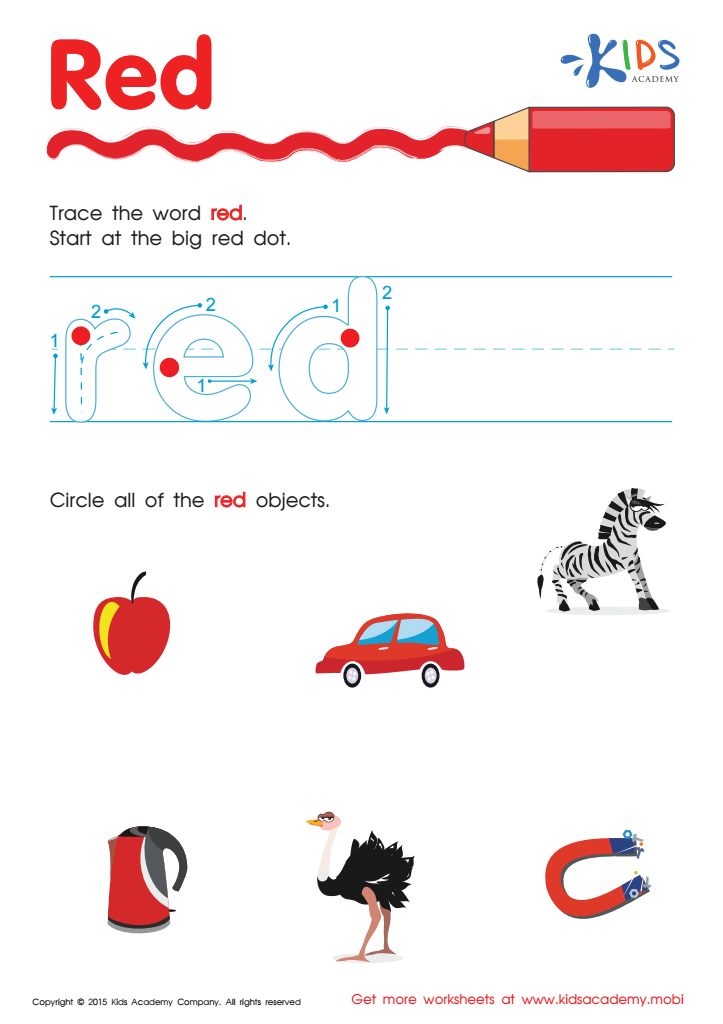
Red Tracing Color Words Printable
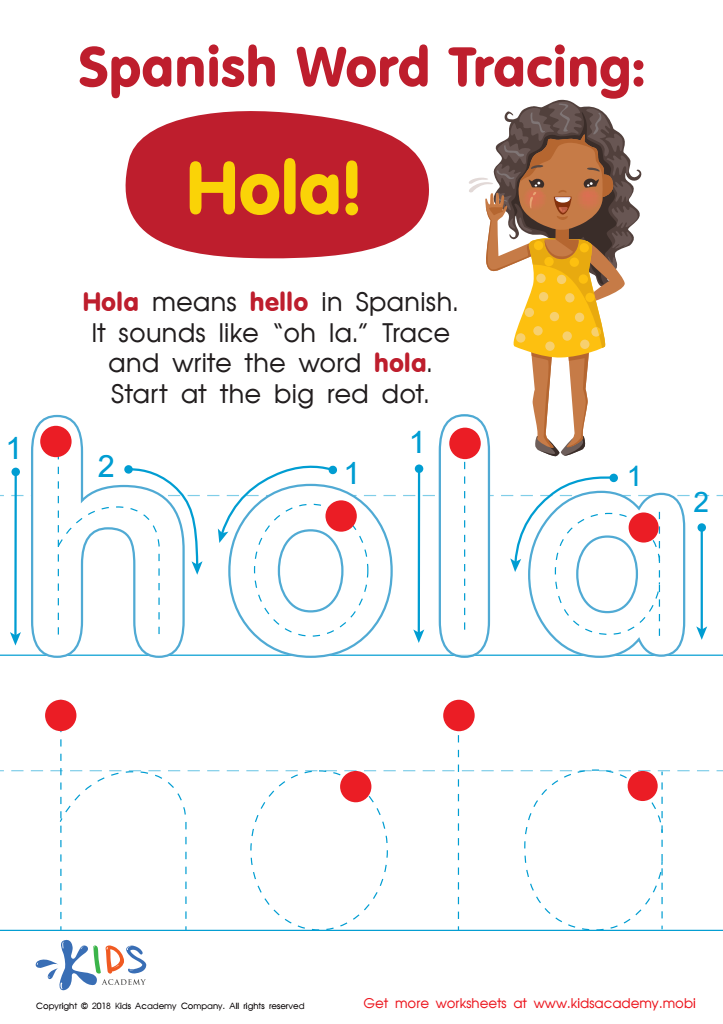
Spanish Word Tracing: Hola Worksheet
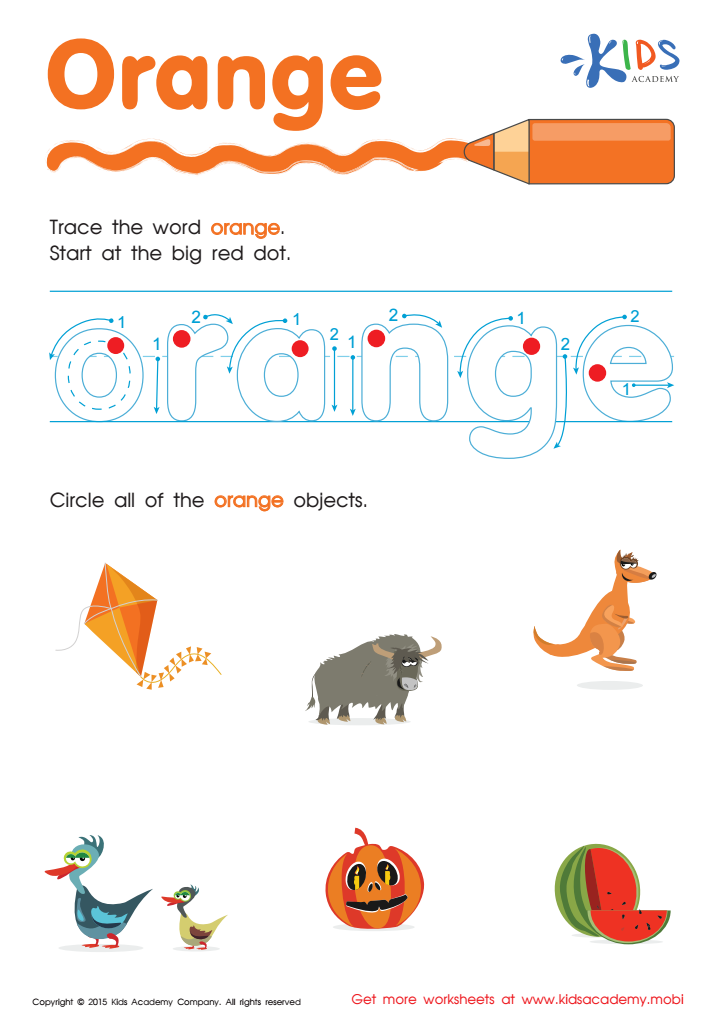
Orange Tracing Color Words Worksheet
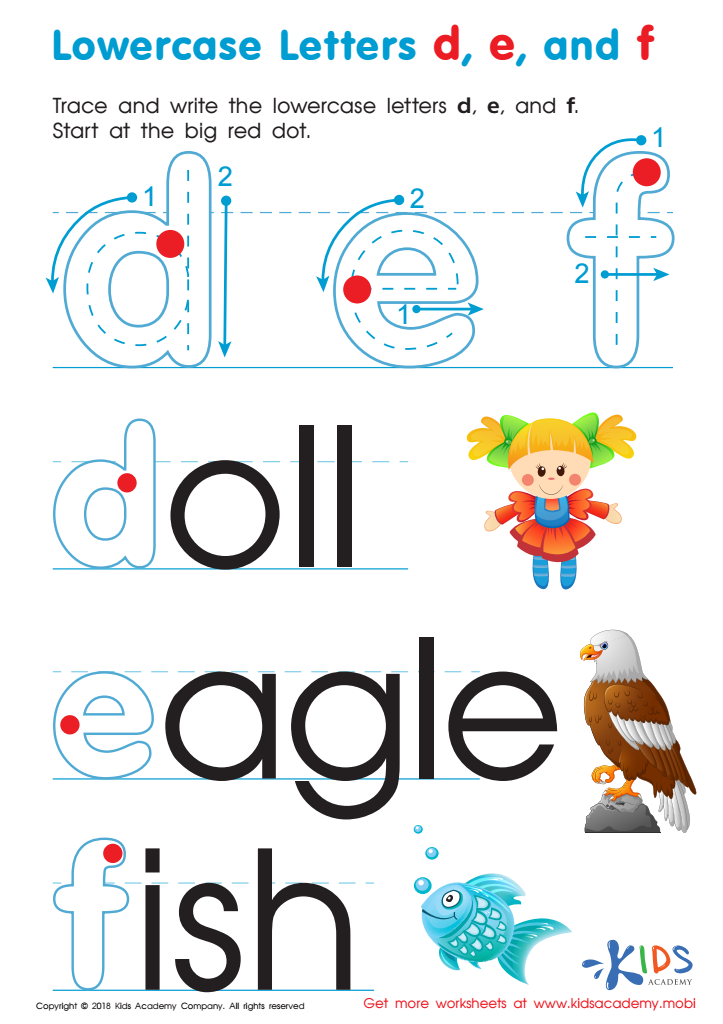
Lowercase Letters d e f Worksheet
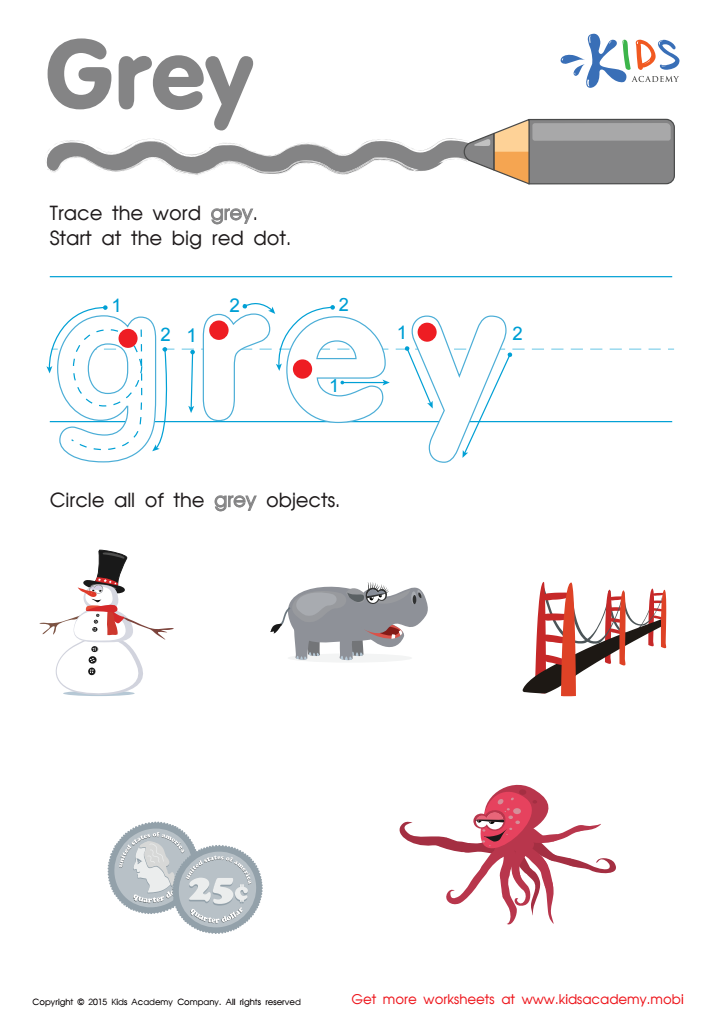
Grey Tracing Color Words Worksheet
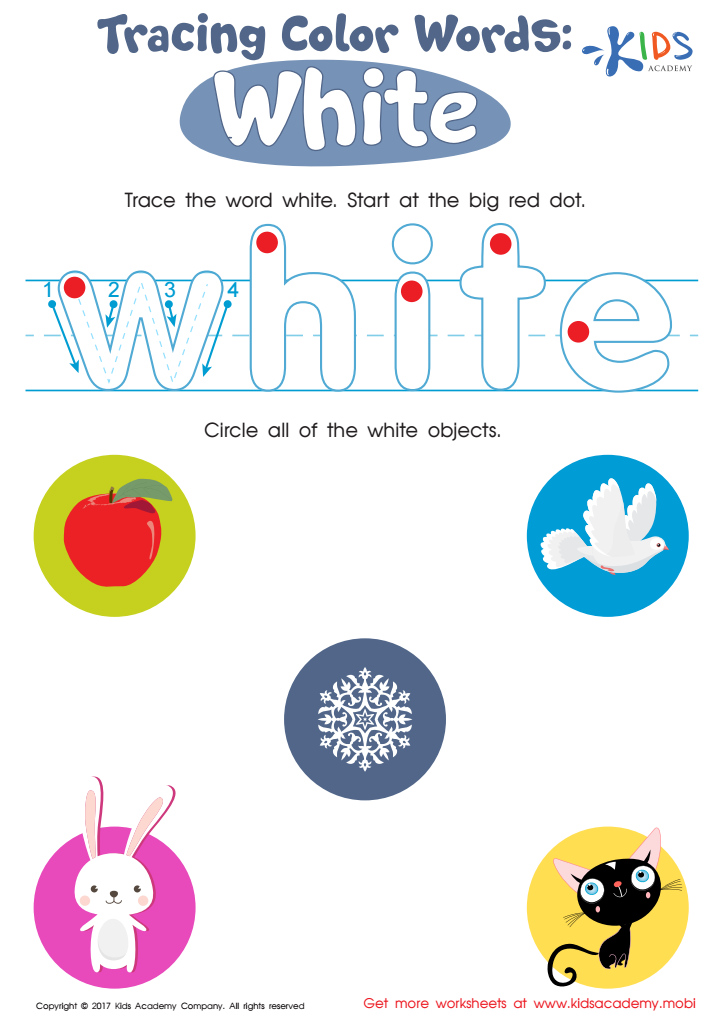
White Tracing Color Words Worksheet
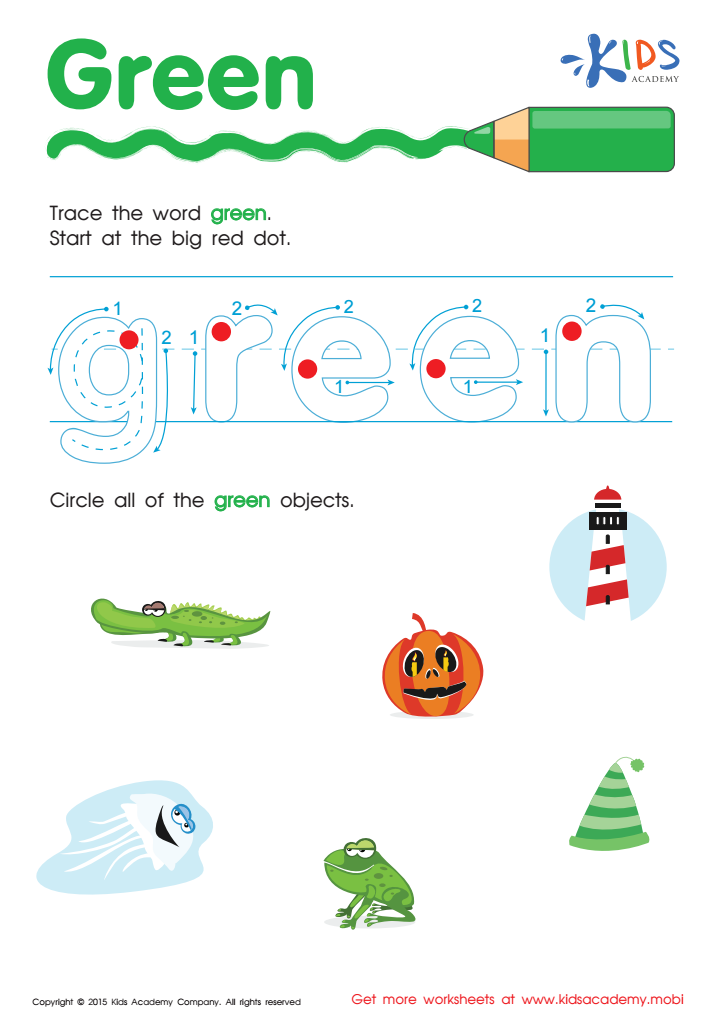
Green Tracing Color Words Worksheet
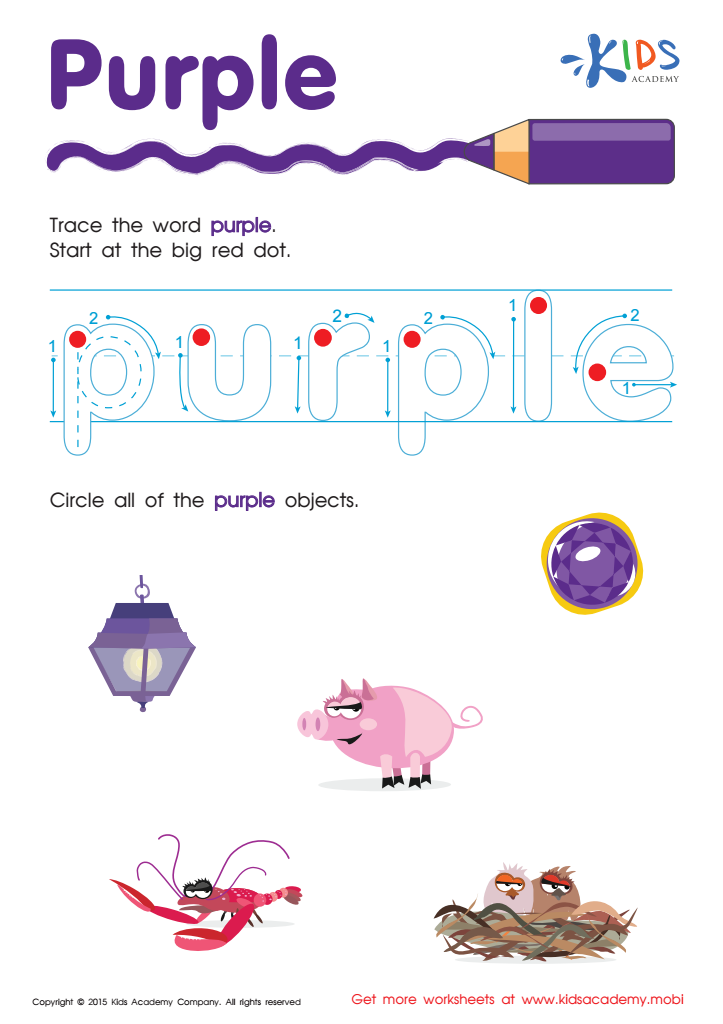
Purple Tracing Color Words Worksheet
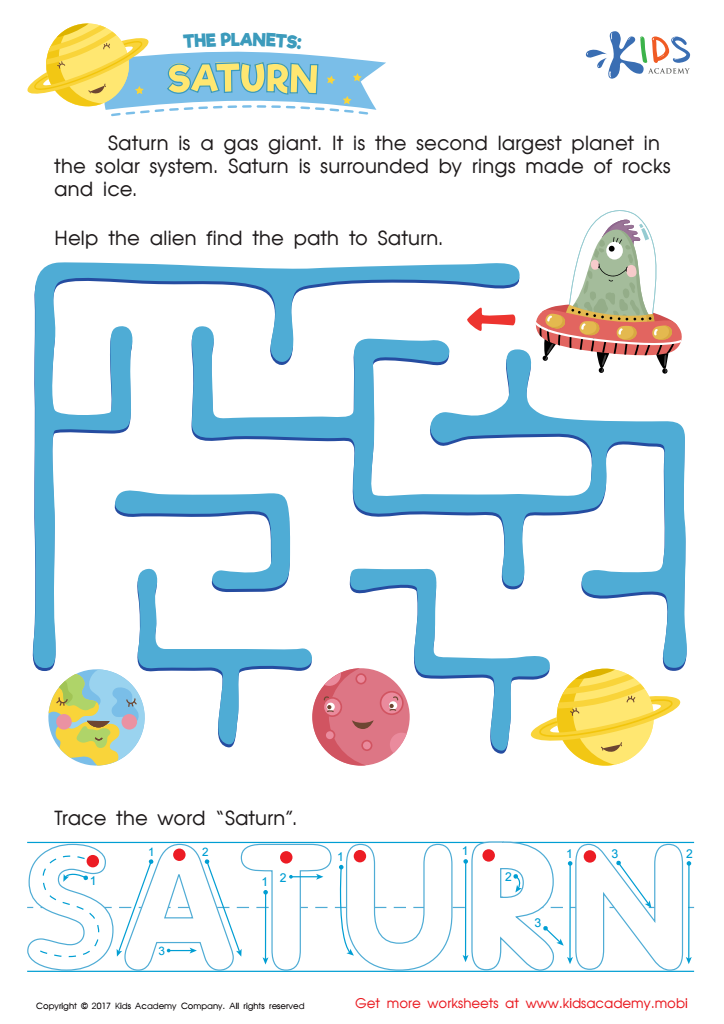
The Planets: Saturn Printable
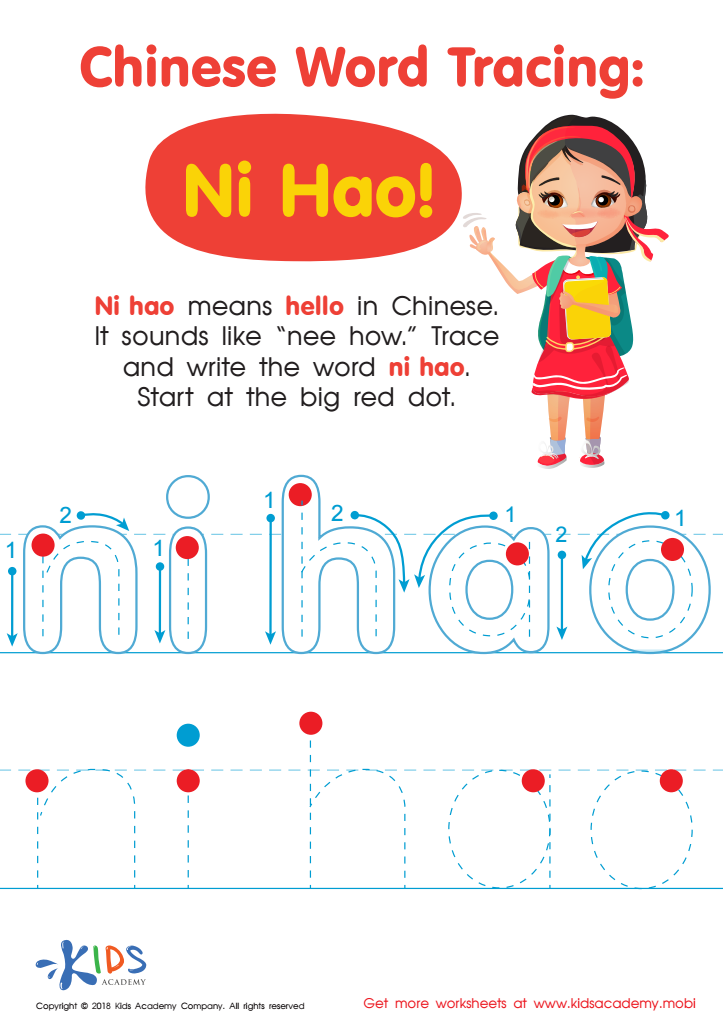
Chinese Word Tracing: Ni Hao Worksheet
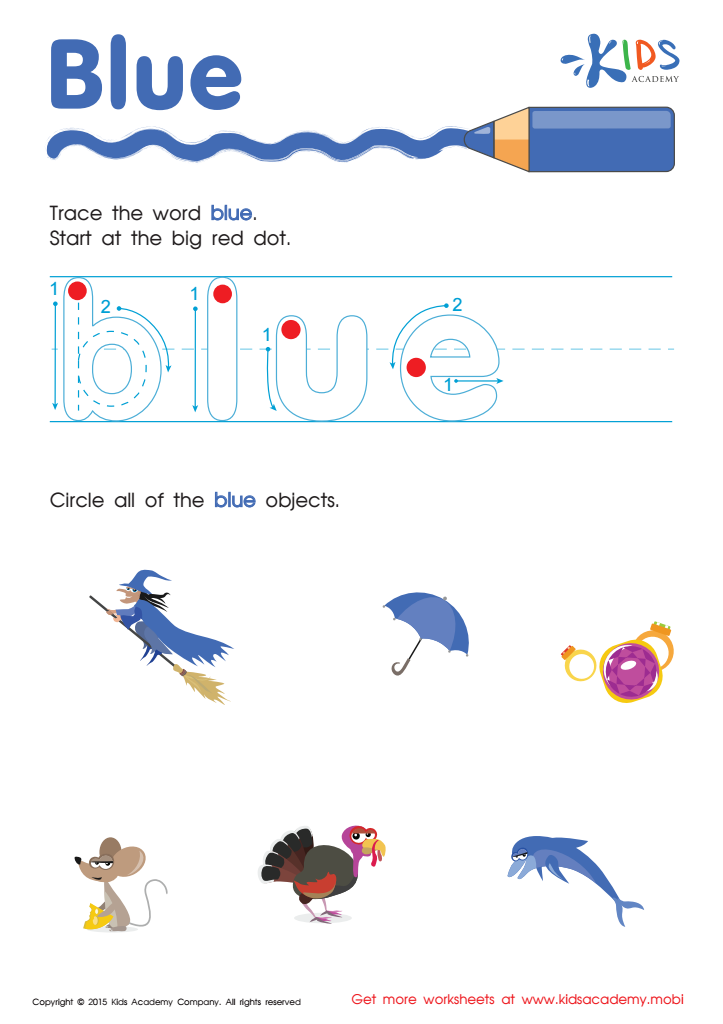
Blue Tracing Color Words Printable
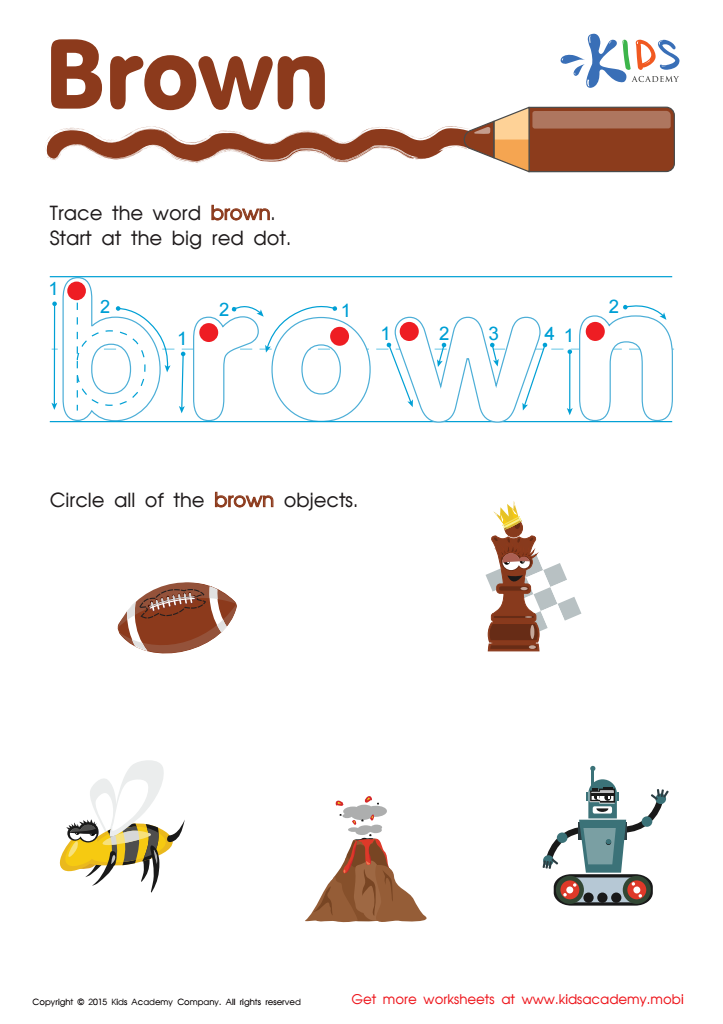
Brown Tracing Color Words Worksheet
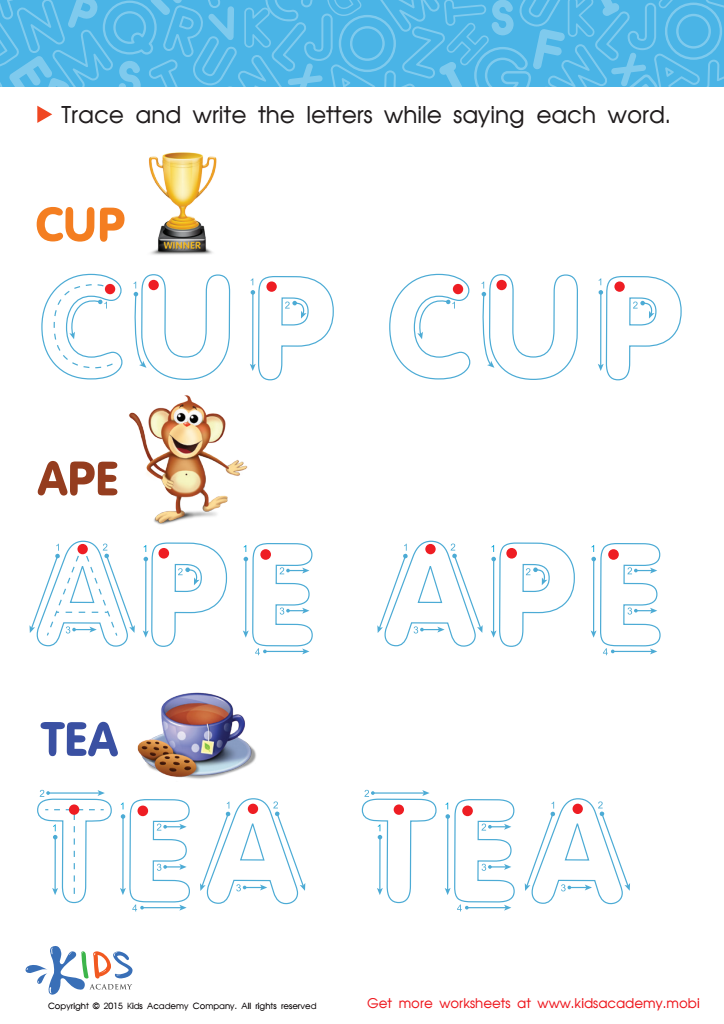
A Cup, an Ape and Tea Spelling Worksheet
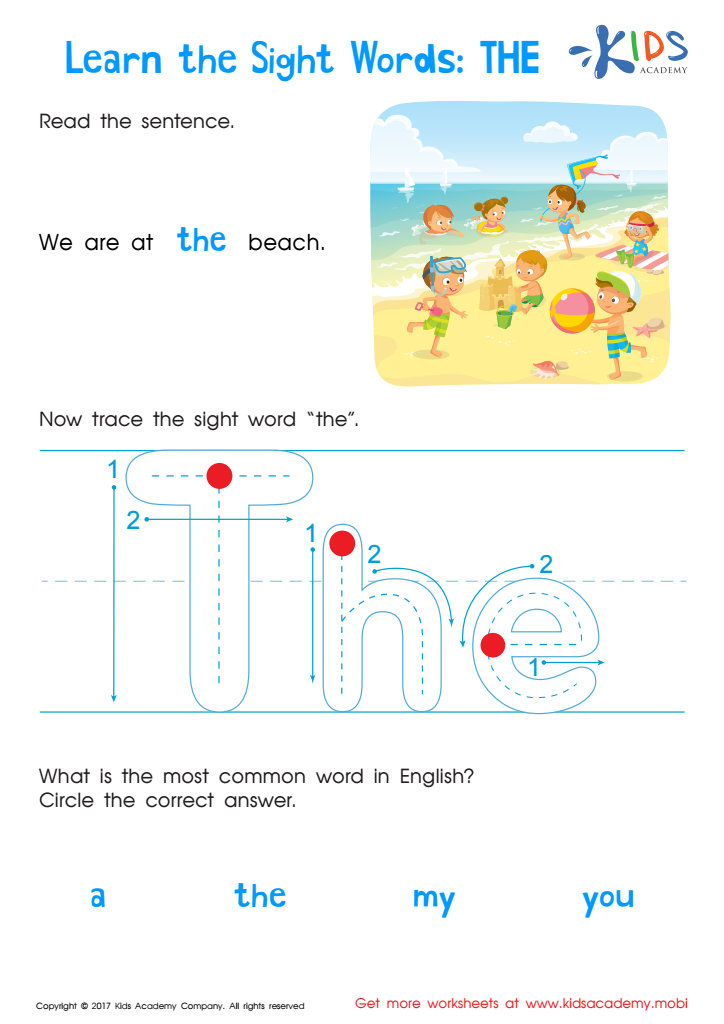
Sight Words: The Worksheet







Normal Tracing Words Worksheets Activities with Answers offer numerous benefits for learners at various stages of education. These activities, designed to enhance writing and cognitive abilities, provide a structured approach towards mastering the art of writing and spelling. But why are they so useful? Let's delve into the reasons.
Firstly, the structured nature of Normal Tracing Words Worksheets Activities With Answers allows for repetitive practice, which is crucial in the early stages of learning. This repetition helps in reinforcing memory retention, enabling learners to recognize and recall word shapes and spellings more efficiently. The guidance these worksheets provide, coupled with the answers, creates a self-learning environment where errors can be corrected immediately, fostering an understanding of right and wrong from an early stage.
Secondly, these worksheets are instrumental in improving fine motor skills. Tracing words requires control, precision, and coordination, all of which contribute to the development of handwriting skills. As learners follow the dotted lines or patterns, they are not just learning how to write letters and words but are also enhancing their hand-eye coordination, paving the way for more legible, neat handwriting.
Moreover, Normal Tracing Words Worksheets Activities With Answers encourage independent learning. Having the answers allows learners to check their work without immediate teacher intervention, promoting responsibility, and boosting confidence. It instills a sense of achievement when they successfully complete a worksheet and verify their answers, motivating them to continue learning.
Finally, these worksheets are versatile, catering to a wide range of learning levels from beginners to those who need more practice. They can be used in various educational settings - at home, in classrooms, or during tutoring sessions, making them an invaluable resource for continuous learning.
In conclusion, Normal Tracing Words Worksheets Activities With Answers are more than just simple educational tools; they are foundational building blocks that support linguistic development, fine motor skills, independent learning, and confidence in learners. They epitomize a holistic approach to learning how to write, making them an indispensable part of early education.








