Matching Worksheets for Ages 3-4 - Page 4
75 filtered results
-
From - To
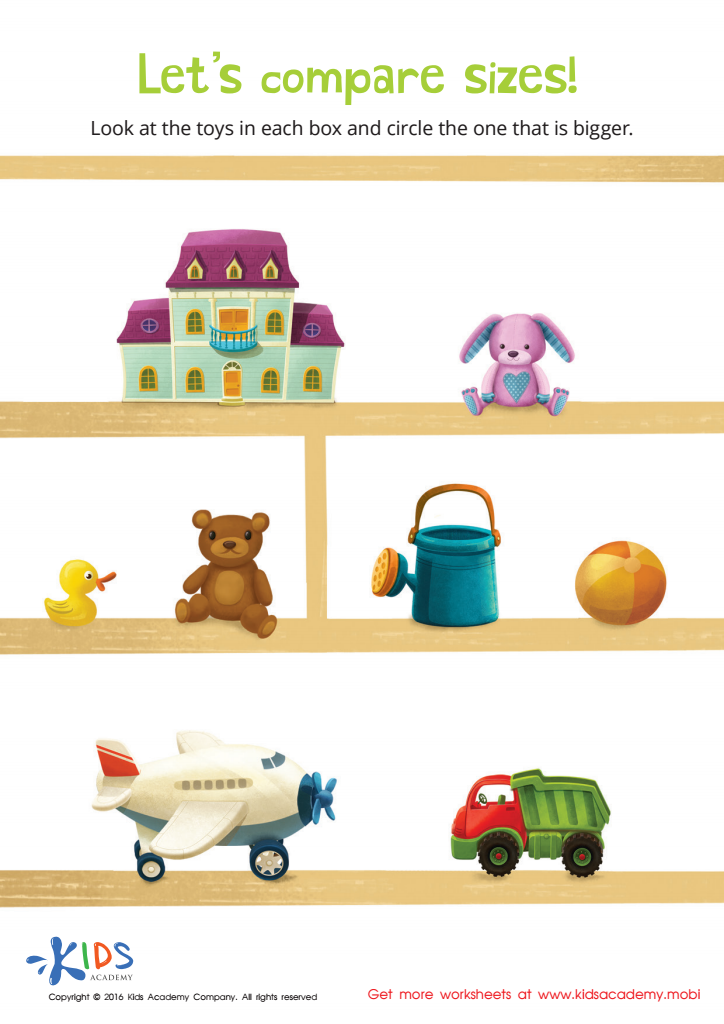
Classifying by Size Sorting Worksheet
 Assign to My Students
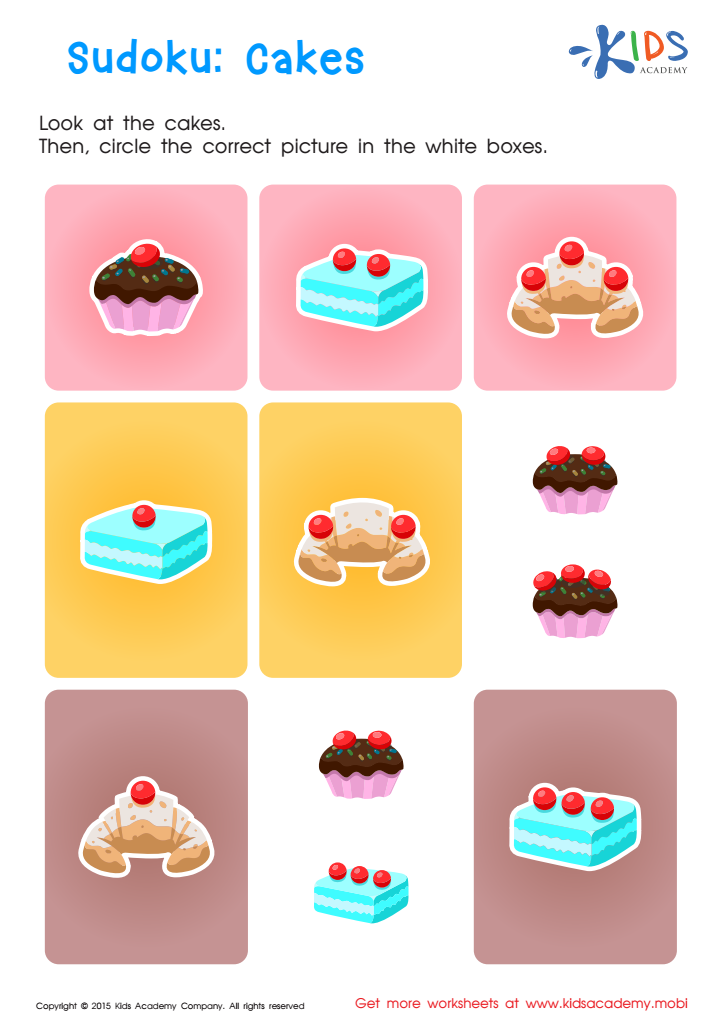
Sudoku Worksheet
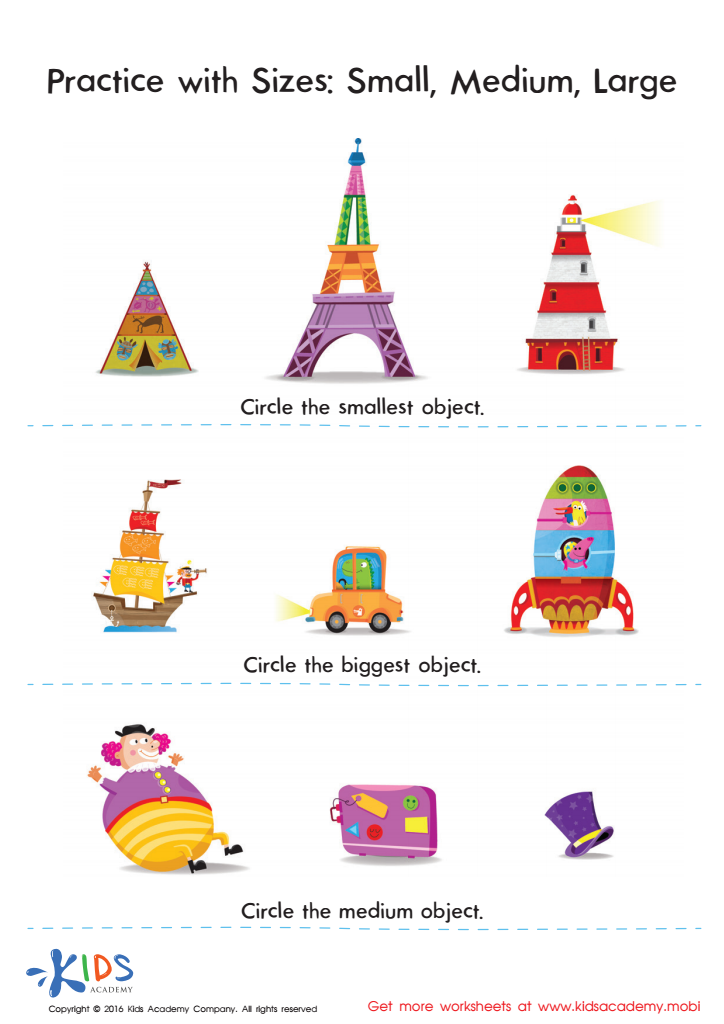







Matching worksheets, specially designed for ages 3-4, play a pivotal role in the early developmental stages of young learners. At this tender age, children are just beginning to explore the world around them, and their brains are like sponges, absorbing everything they come across. Engaging in matching activities through worksheets provides a structured yet fun way for these young learners to hone critical cognitive skills.
Firstly, matching for ages 3-4 aids in the development of visual discrimination, an essential skill that enables children to recognize similarities and differences among objects, shapes, and patterns. This foundational skill is crucial not only for academic success but also for everyday tasks. Additionally, these worksheets reinforce memory retention. Children must recall the appearance of symbols, letters, or numbers to make correct matches, thus strengthening their short-term and long-term memory.
Moreover, matching activities serve as an introduction to critical thinking and problem-solving. Children learn to compare, contrast, and make decisions, laying the groundwork for more complex reasoning skills in the future. Importantly, matching worksheets are designed to be engaging and entertaining, fostering a love for learning and self-confidence in one's abilities.
In summary, matching worksheets for ages 3-4 are invaluable tools that support early childhood development by enhancing visual discrimination, boosting memory, and fostering critical thinking, all while keeping learning enjoyable and accessible.








