Reading Non-Fiction Worksheets for Ages 3-6 - Page 2
50 filtered results
-
From - To
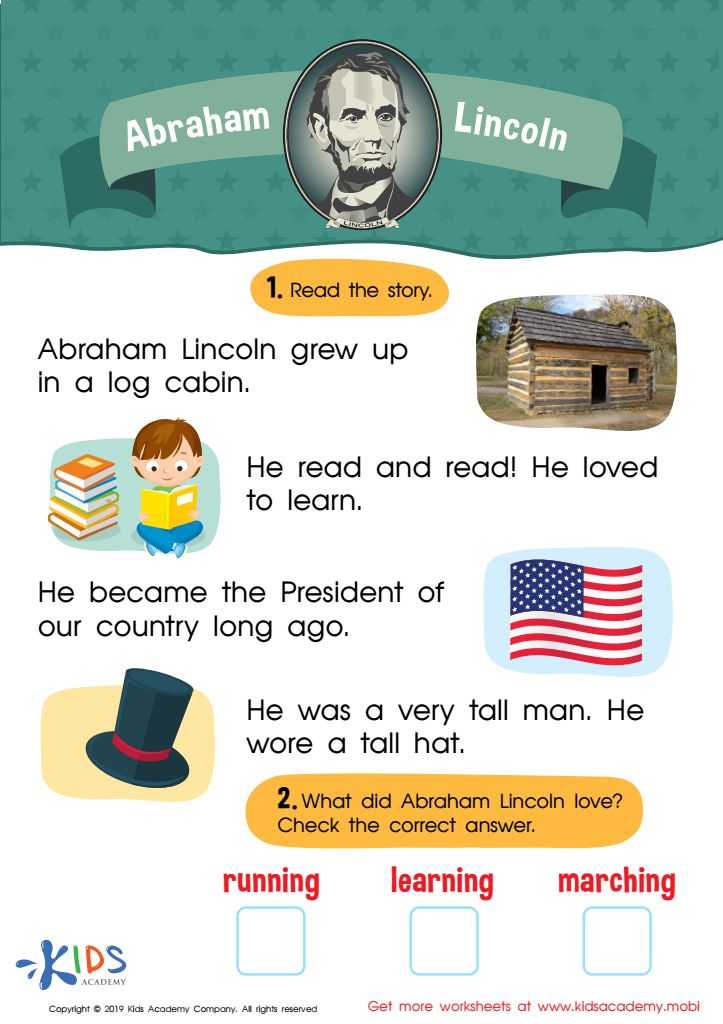
Abraham Lincoln Worksheet
 Assign to My Students
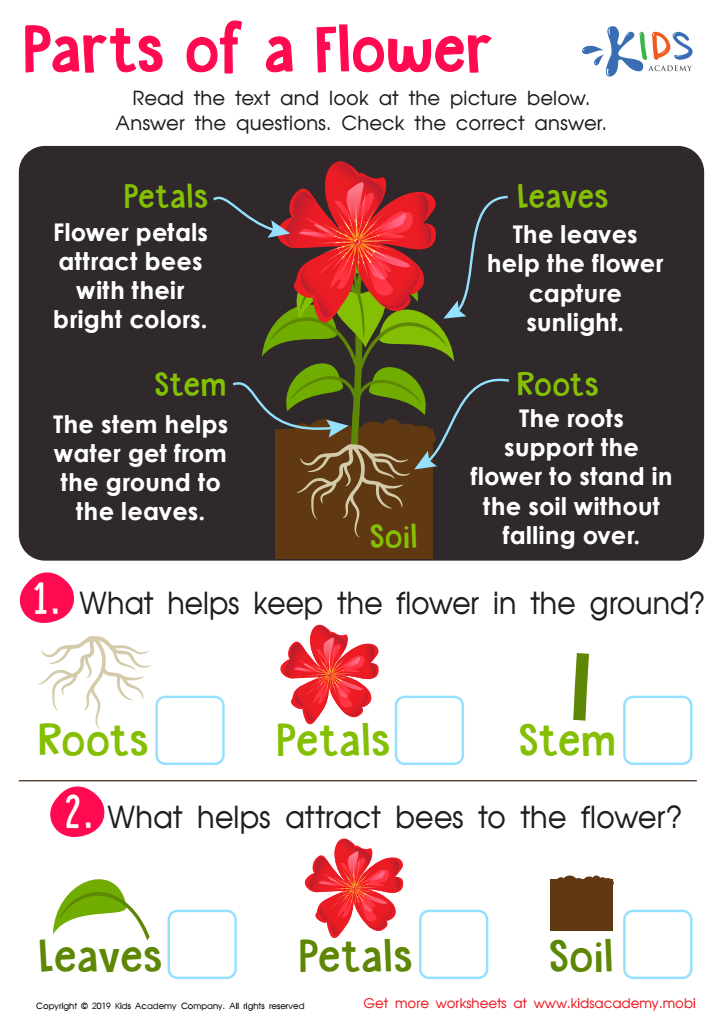
Parts of Flower Worksheet
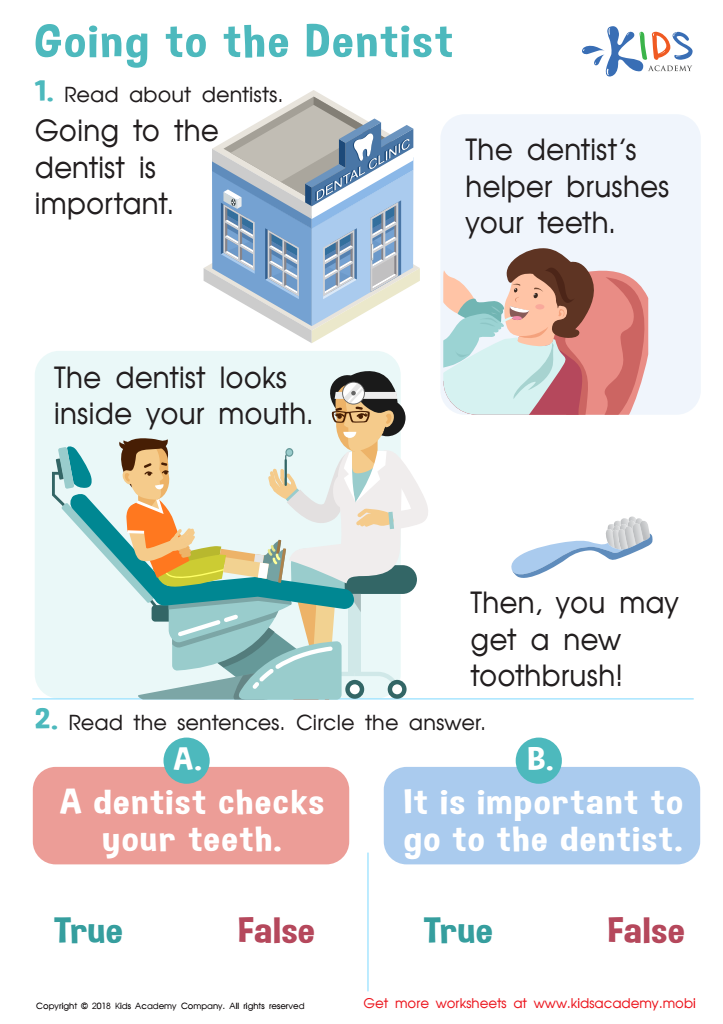
Going to the Dentist Part 2 Worksheet
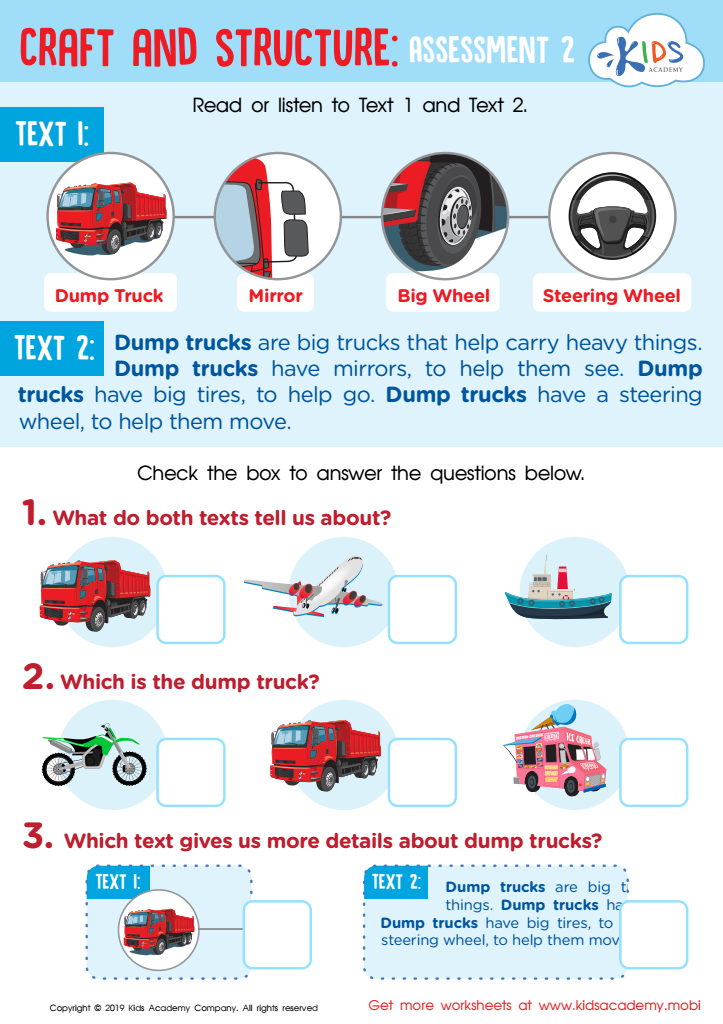
Craft and Structure: Assessment 2 Worksheet
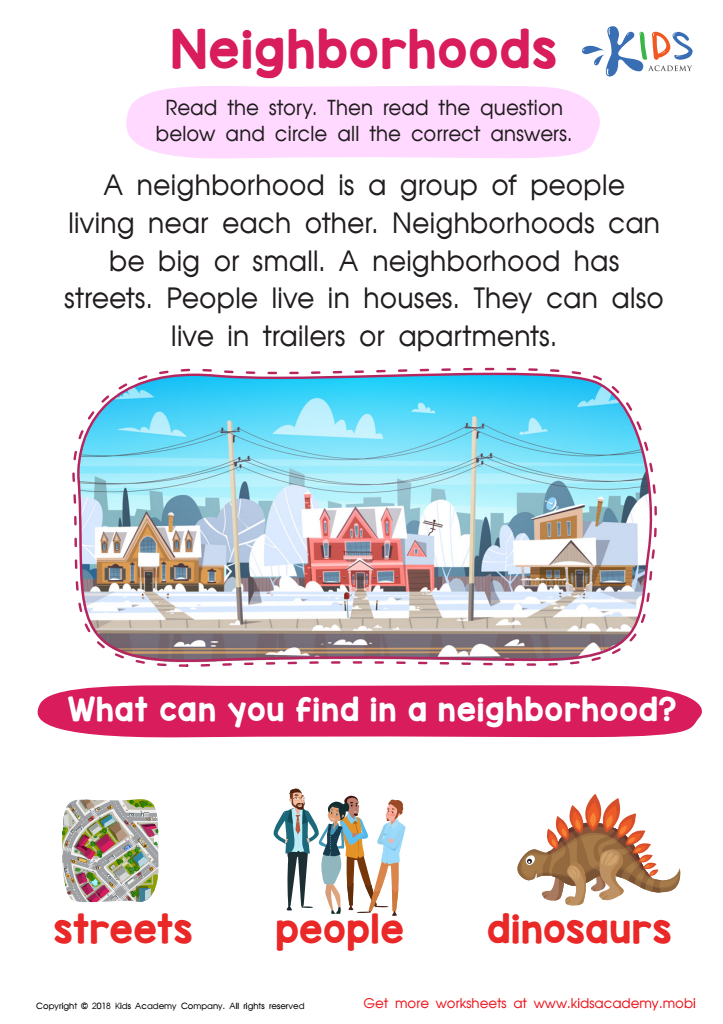
Neighborhoods Worksheet
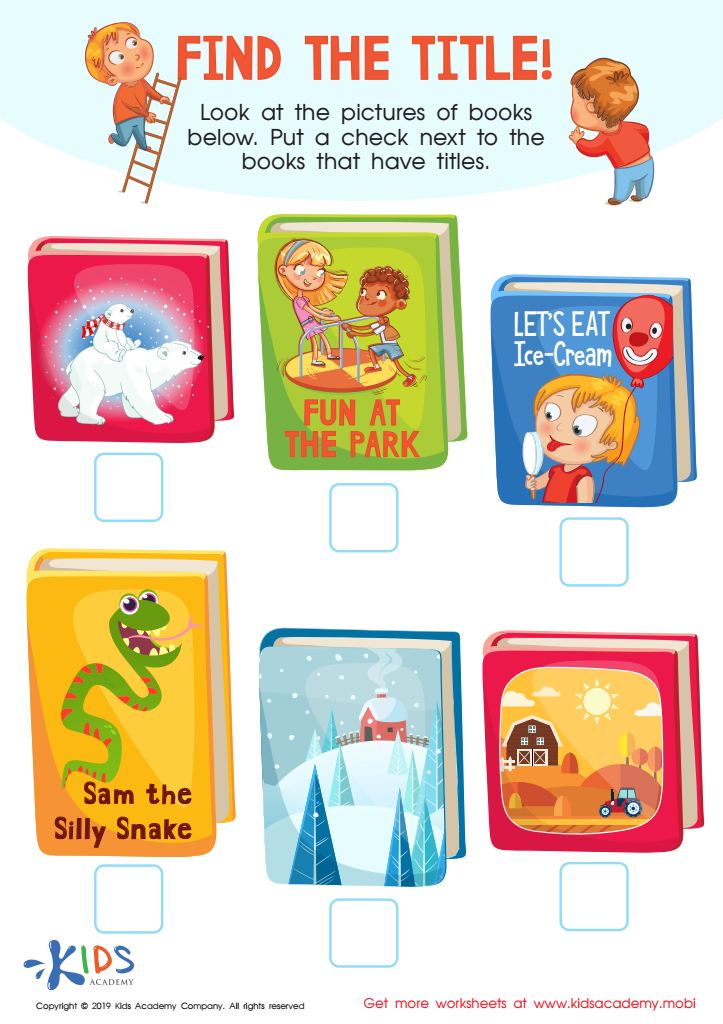
Find the Title Worksheet
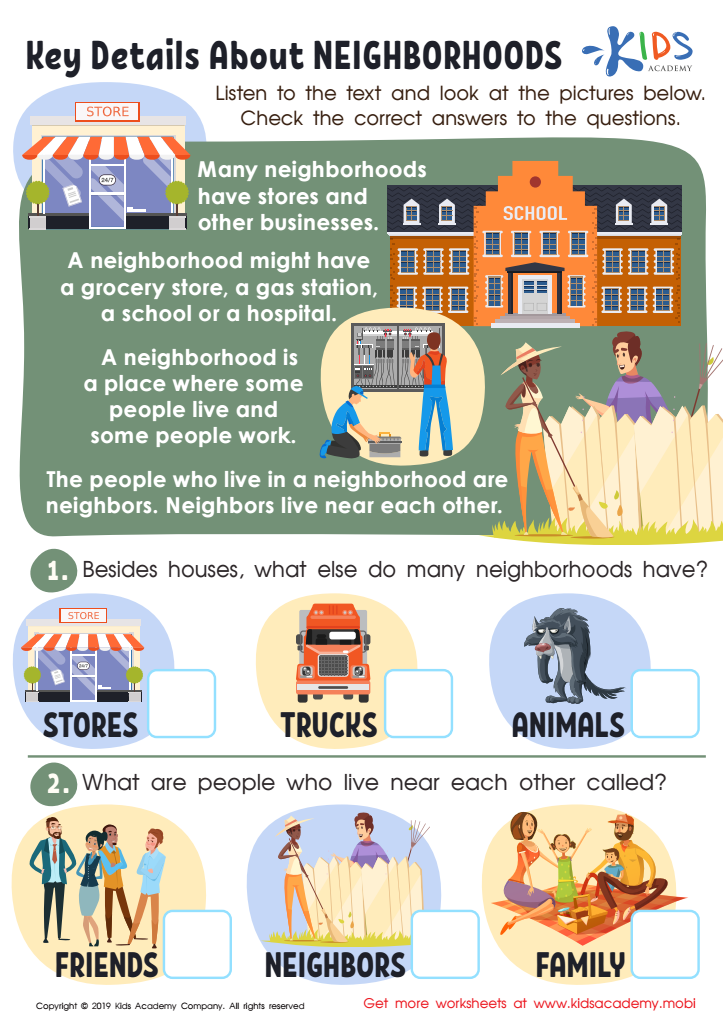
Key Details Neighborhoods Worksheet
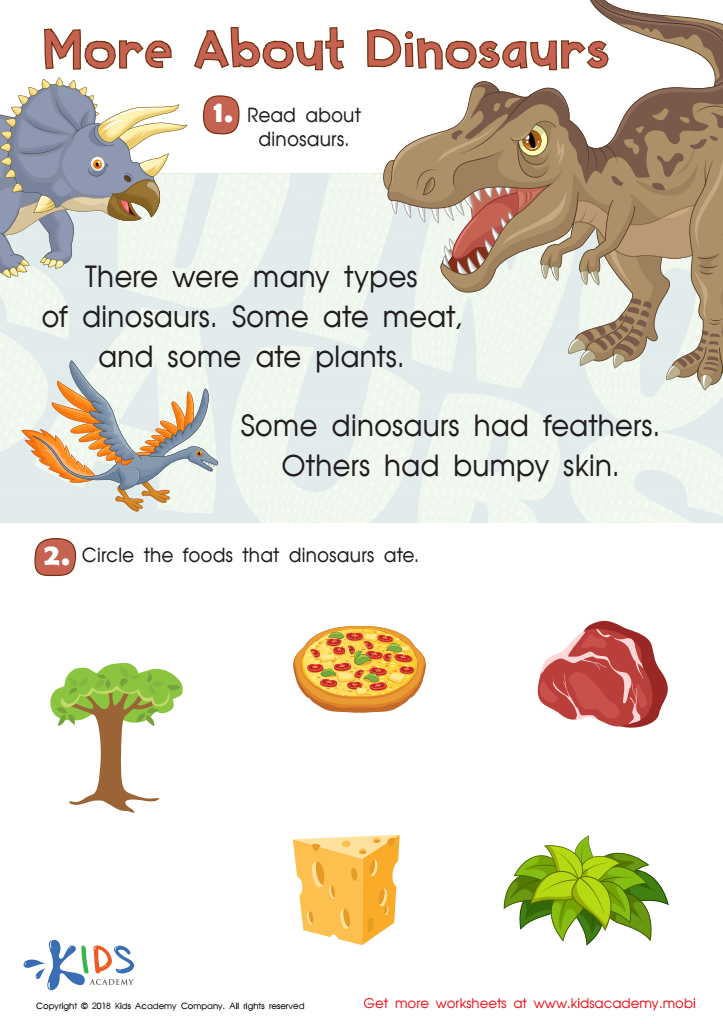
More About Dinosaurs Worksheet
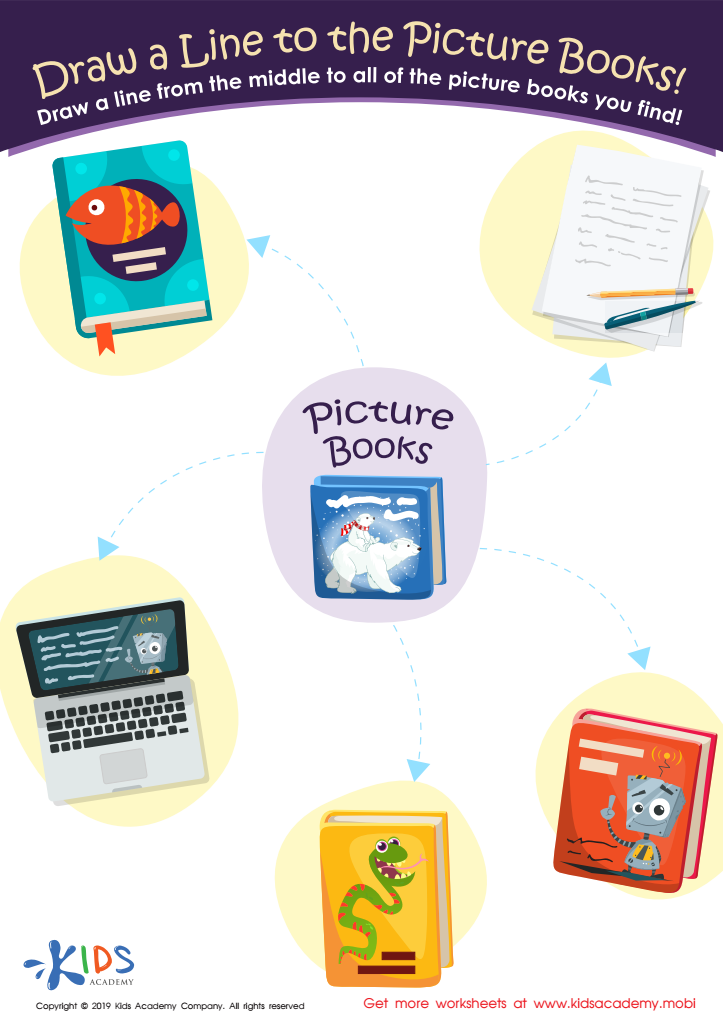
Draw a Line to the Picture Books Worksheet
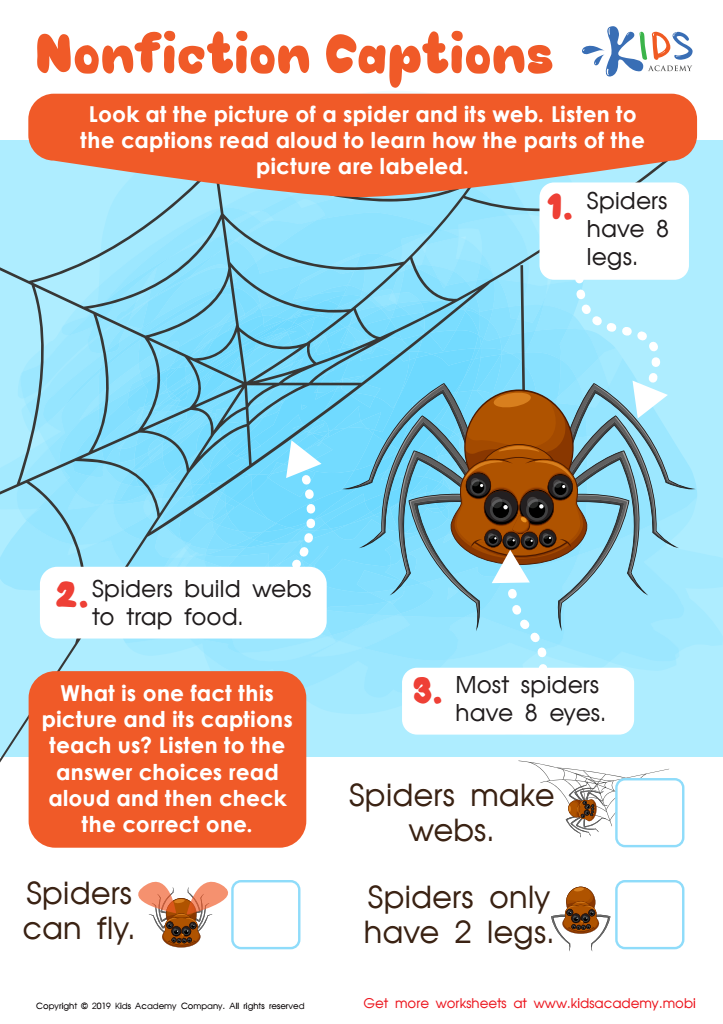
Nonfiction Captions Worksheet
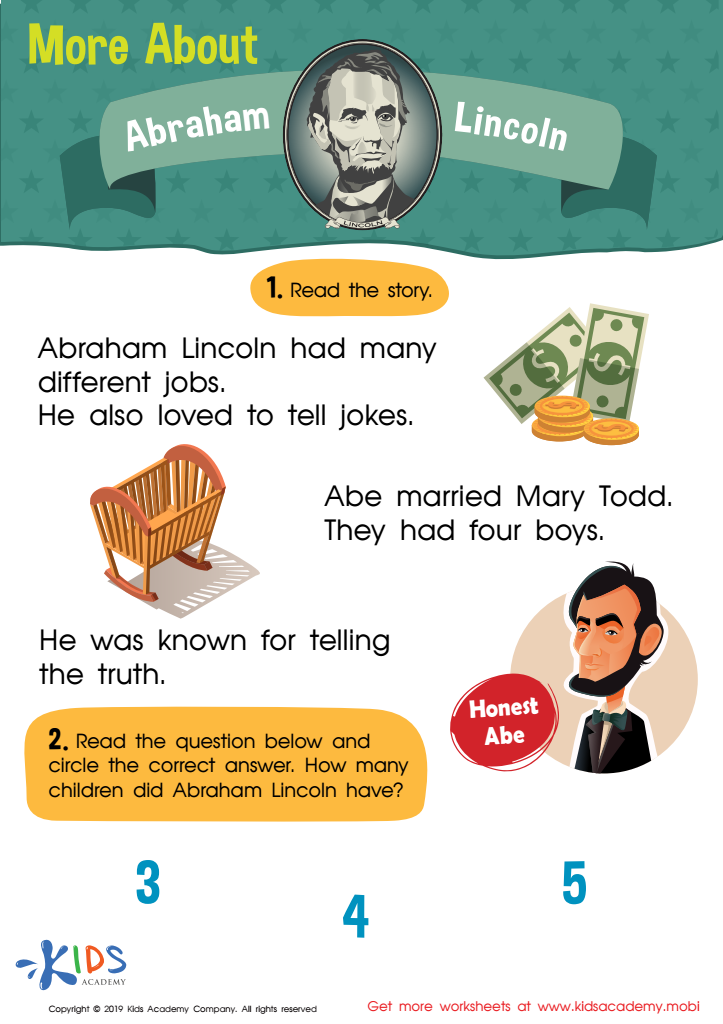
More About Abraham Lincoln Worksheet
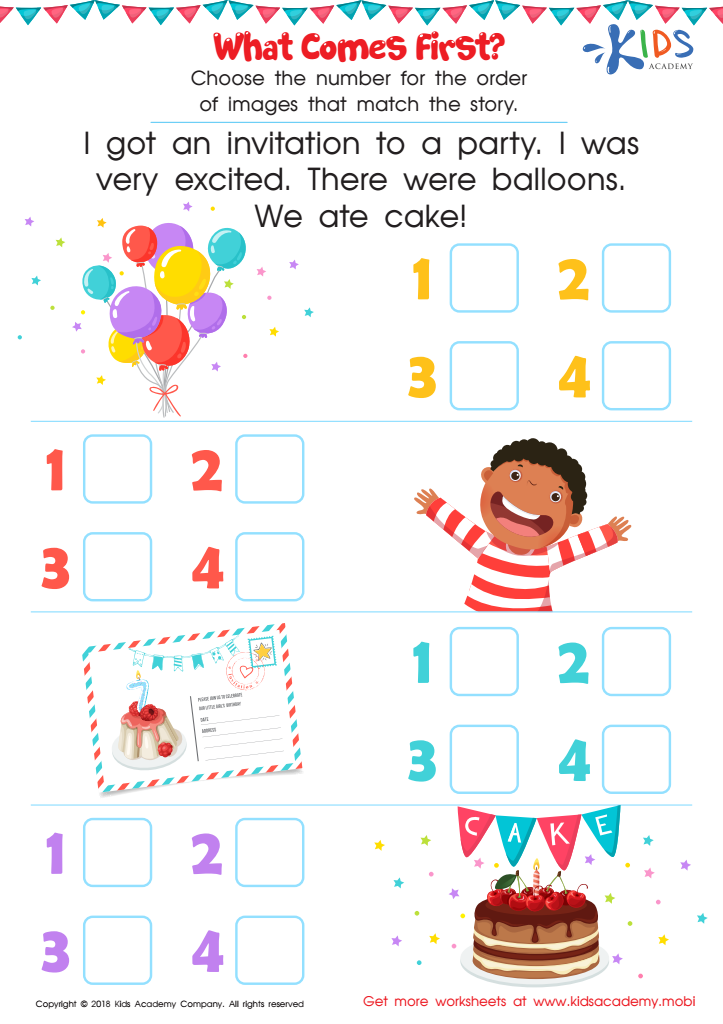
What Comes First Worksheet
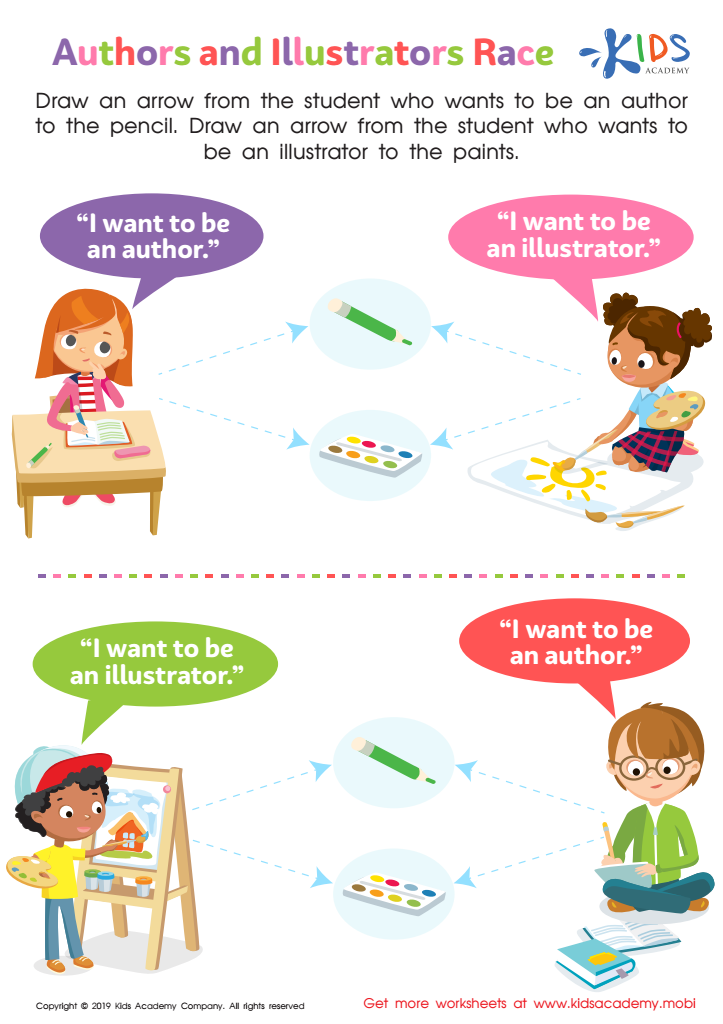
Authors and Illustrators Race Worksheet
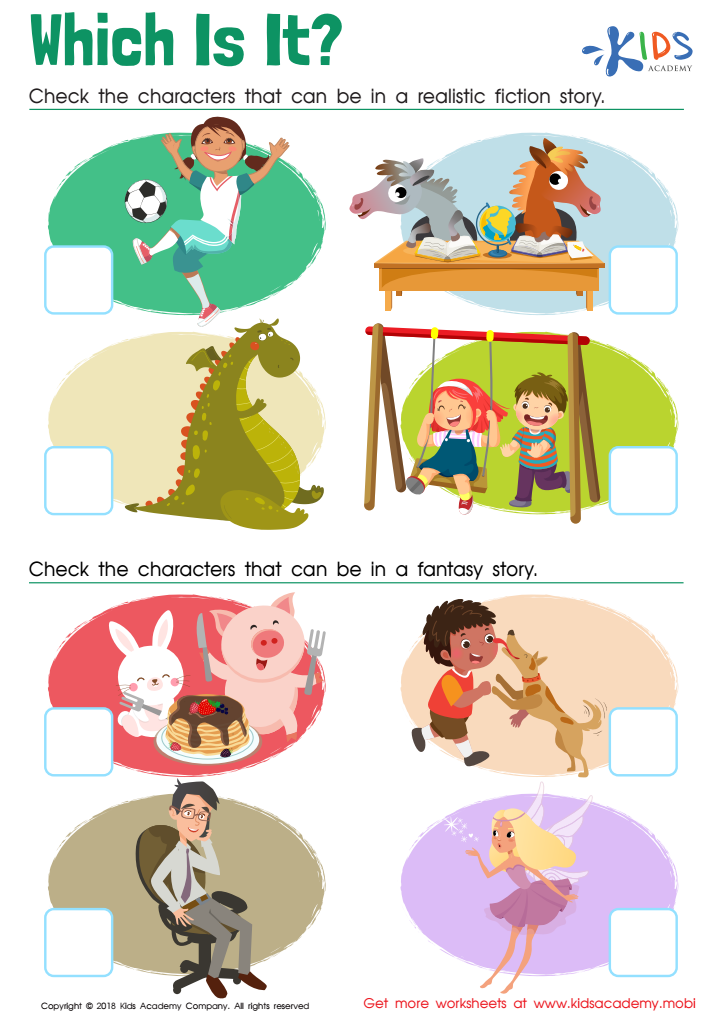
Which Is It? Worksheet
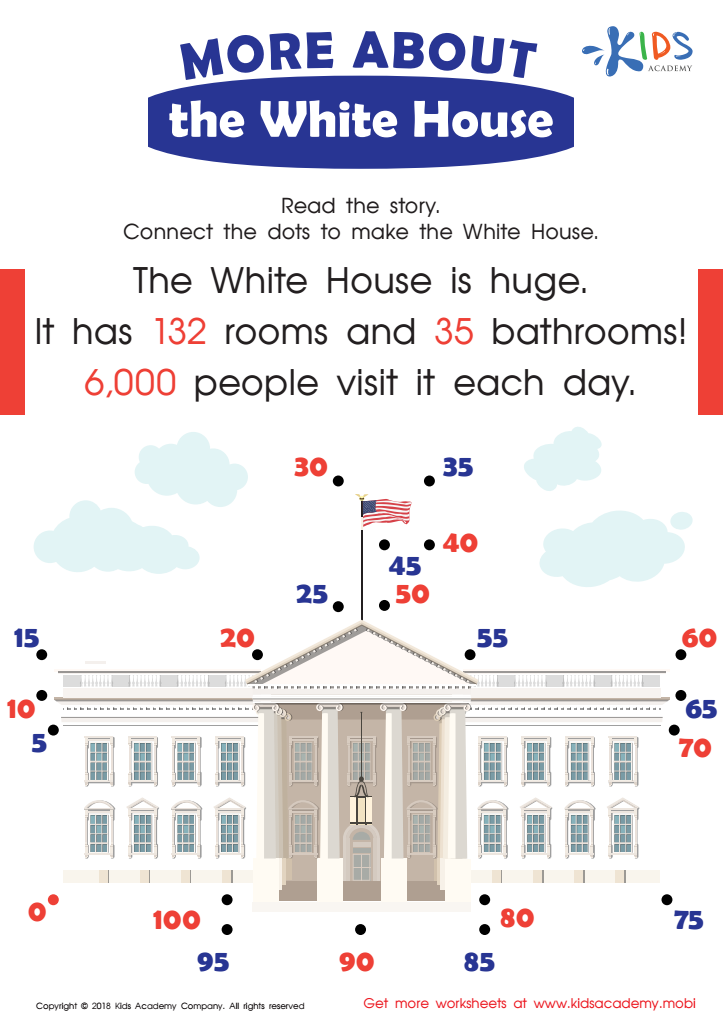
More About the White House Worksheet
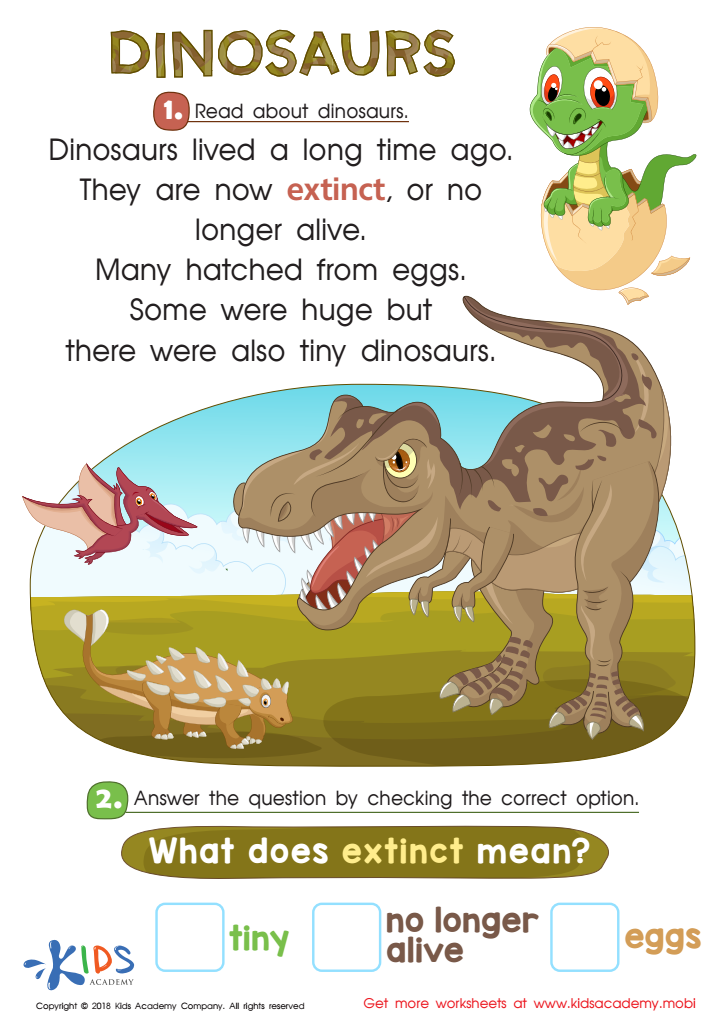
Dinosaurs Worksheet

Towns Worksheet
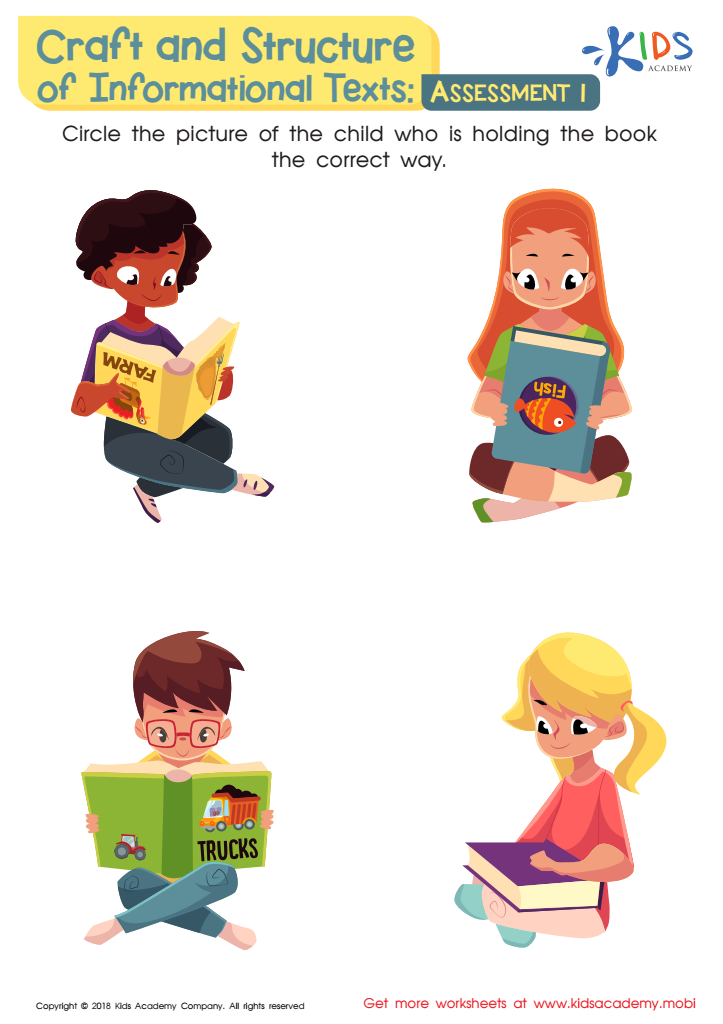
Craft and Structure of Informational Texts: Assessment 1 Worksheet
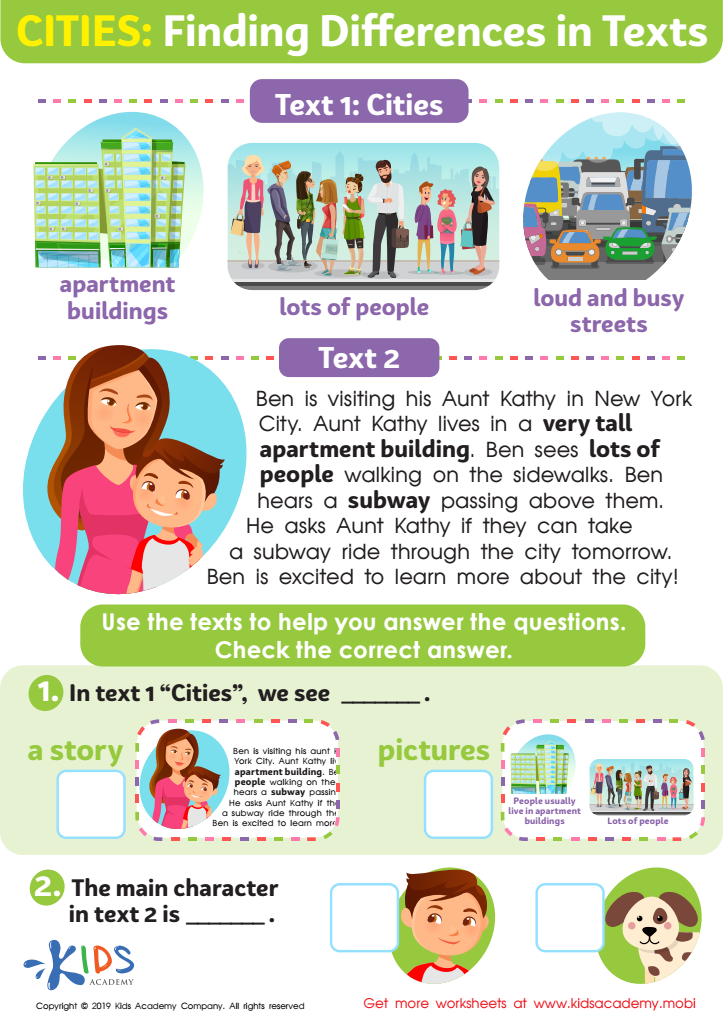
Cities: Finding Differences Worksheet
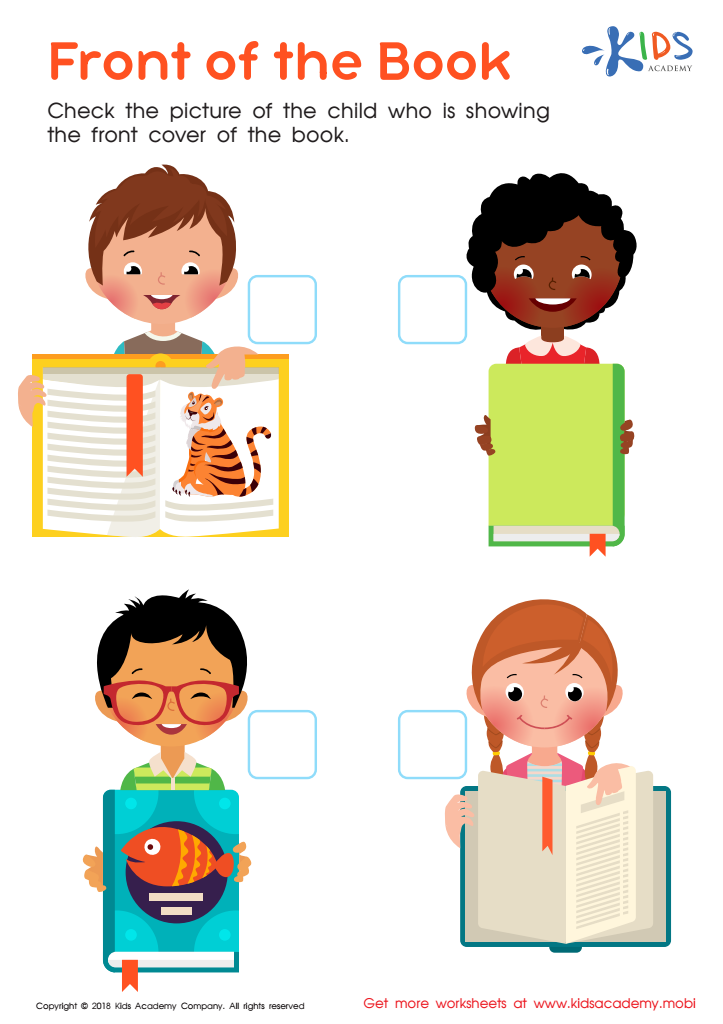
Front of the Book Worksheet
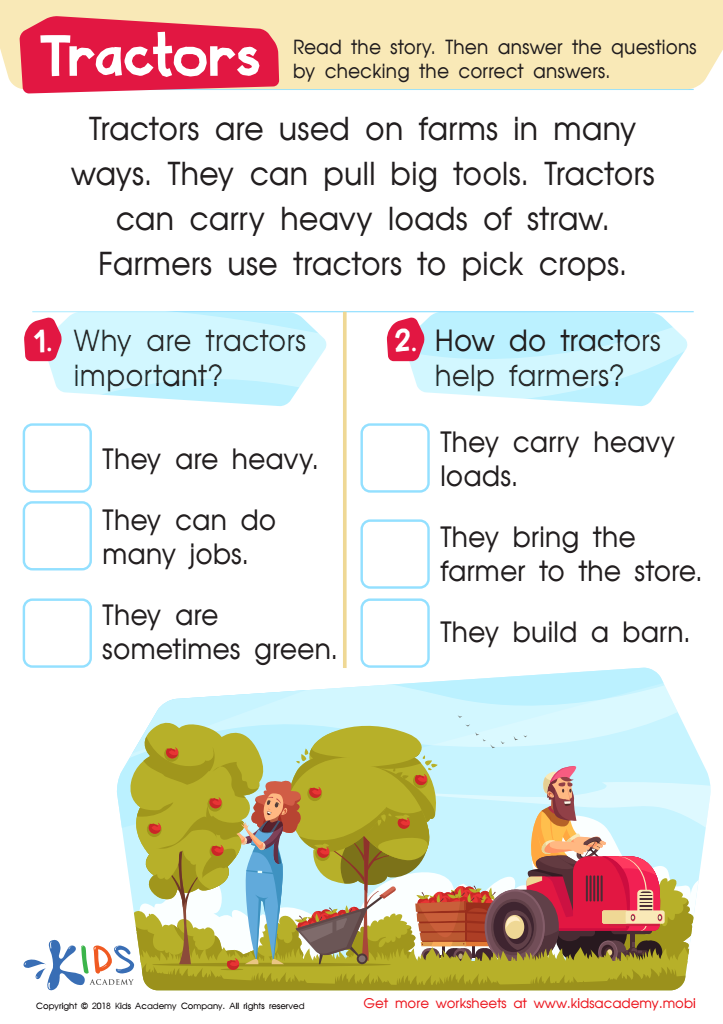
Tractors Worksheet
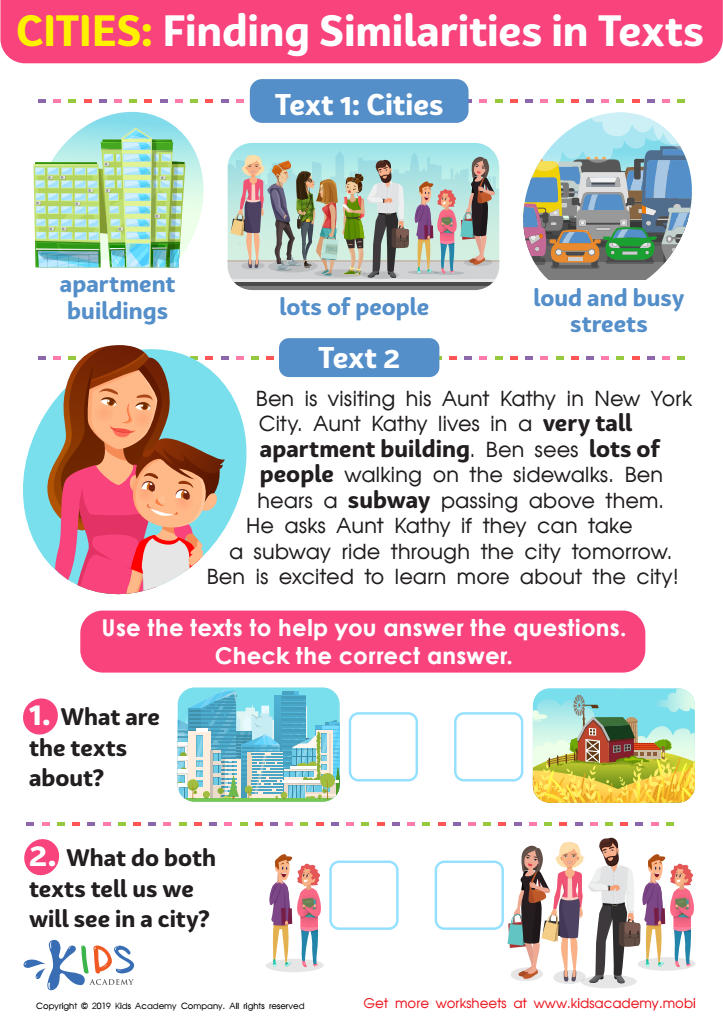
Cities: Finding Similarities Worksheet
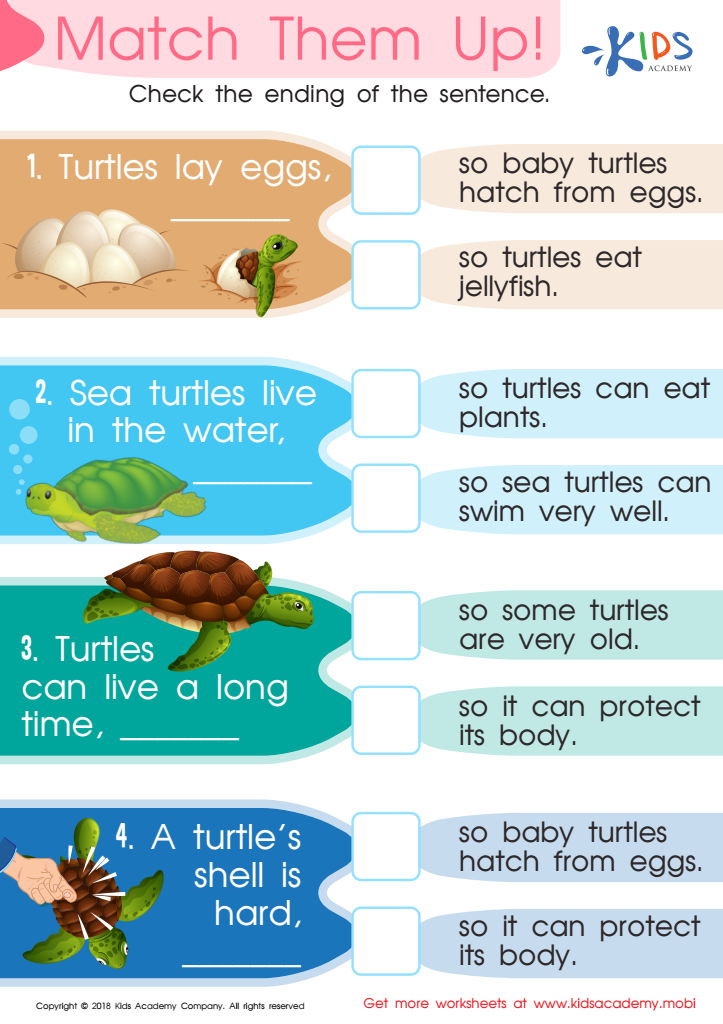
Match Them Up Worksheet
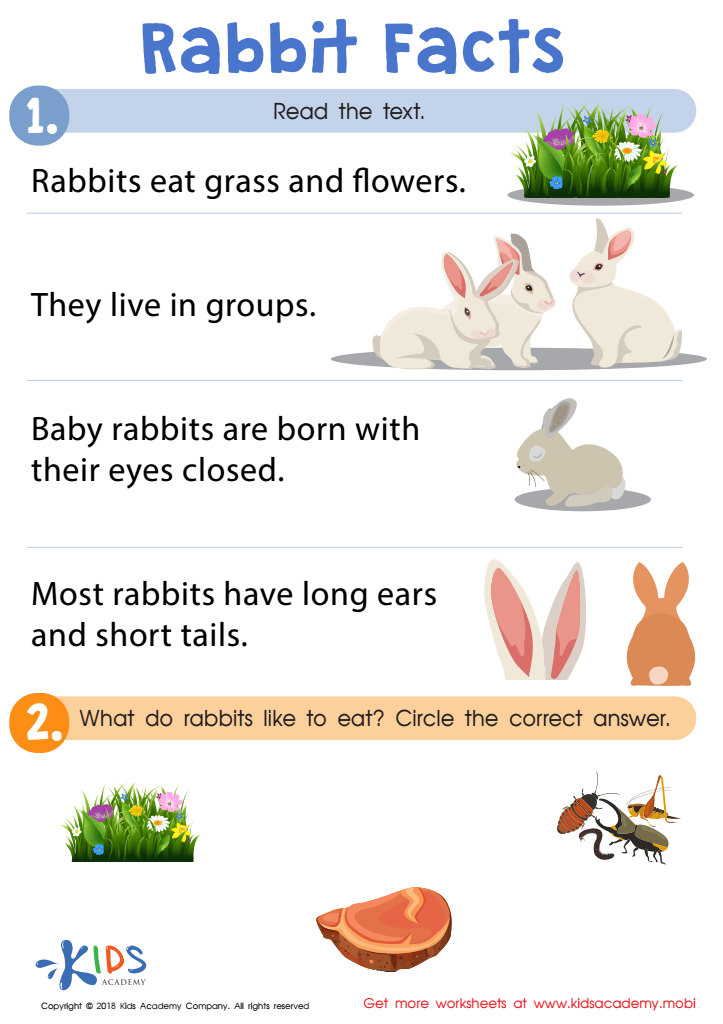
Rabbit Facts Worksheet







Reading non-fiction for children aged 3-6 is crucial for their academic and personal development. Firstly, non-fiction introduces young children to the real world. They learn about animals, plants, landmarks, and various cultures, broadening their horizons and sparking curiosity. This early exposure helps build a foundation of general knowledge that is essential for later learning.
Secondly, non-fiction books provide young readers with diverse vocabulary and complex sentence structures not often found in fiction. This broadens their language skills, helping them become better readers and communicators. As they encounter new terms and factual information, children learn to decode and comprehend, enhancing their cognitive abilities and preparing them for school.
Thirdly, non-fiction nurtures critical thinking and comprehension skills. Children learn to differentiate between fact and fiction, fostering analytical thinking and the ability to seek evidence-based information. This discerning approach to information is invaluable in our media-saturated society.
Finally, reading non-fiction fosters a sense of discovery and excitement about learning. When children engage with exciting facts and real-world phenomena, they develop a lifelong love of reading and learning. Parents and teachers who incorporate non-fiction into early childhood reading routines contribute to building curious, knowledgeable, and skilled learners.








