Physical Science Worksheets for Ages 3-6 - Page 3
50 filtered results
-
From - To
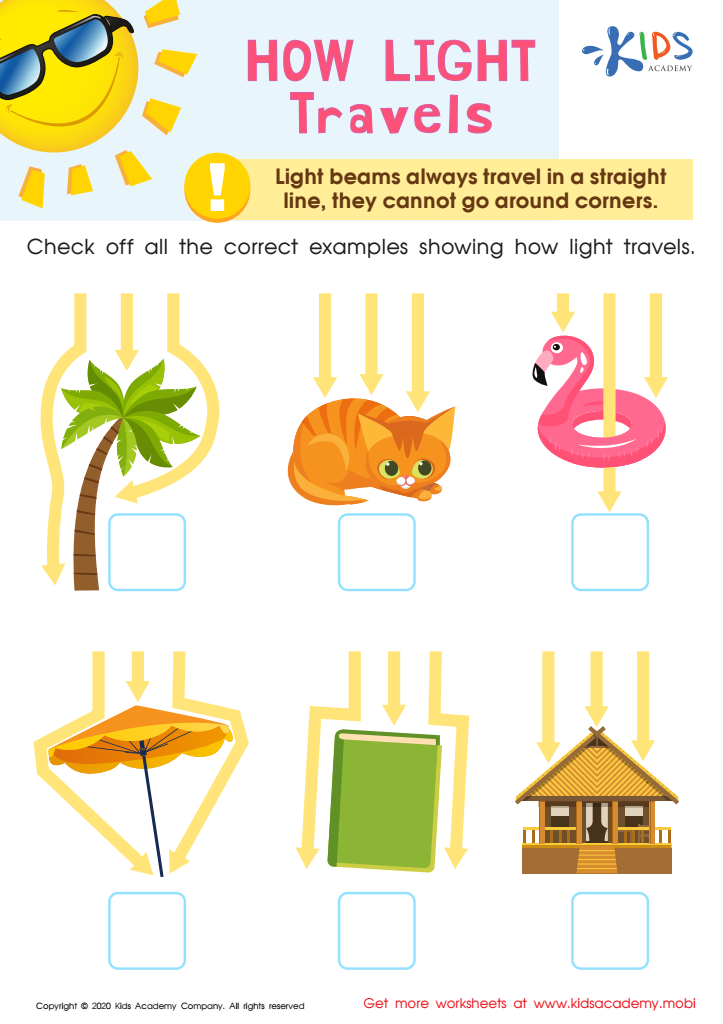
How Light Travels Worksheet
 Assign to My Students
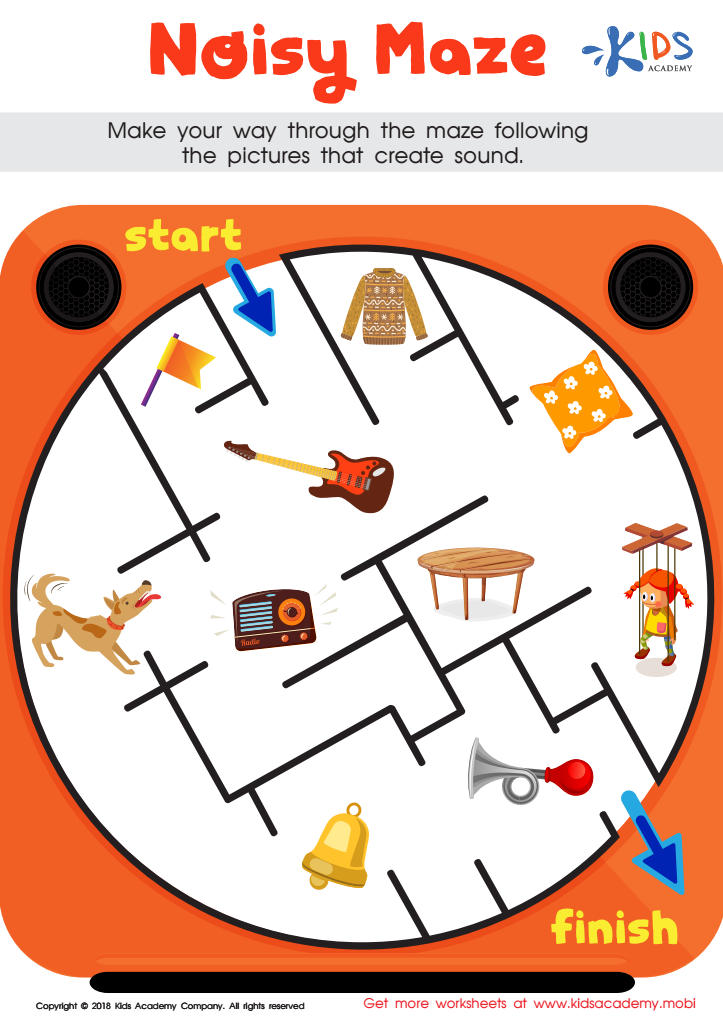
Noisy Maze Worksheet








Parents and teachers should care about Physical Science for ages 3-6 because it lays the foundational blocks for critical thinking, curiosity, and problem-solving skills that are essential for lifelong learning. At this young age, children are naturally curious about the world around them, displaying an innate desire to understand how things work. Engaging them with fundamental concepts of Physical Science, such as the properties of matter, forces, and simple machines, helps to harness their curiosity in a structured way.
Introducing science concepts through play-based learning can significantly enhance cognitive and motor skills, allowing children to learn through exploration and experimentation. Activities like building with blocks, observing sounds, or playing with water and sand foster creativity while teaching basic scientific principles.
Moreover, fostering an early interest in science builds confidence and encourages children to ask questions, observe, and make predictions, which are integral aspects of scientific inquiry. By prioritizing Physical Science education for young learners, parents and teachers equip them with the knowledge and skills necessary to navigate their environments and inspire a passion for discovery that can lead to further educational pursuits in STEM fields. Emphasizing these early connections can lead to empowered, inquisitive, and knowledgeable individuals in the future.







