Letter Recognition Worksheets for Ages 3-7 - Page 5
99 filtered results
-
From - To

Letter D Tracing Page
 Assign to My Students
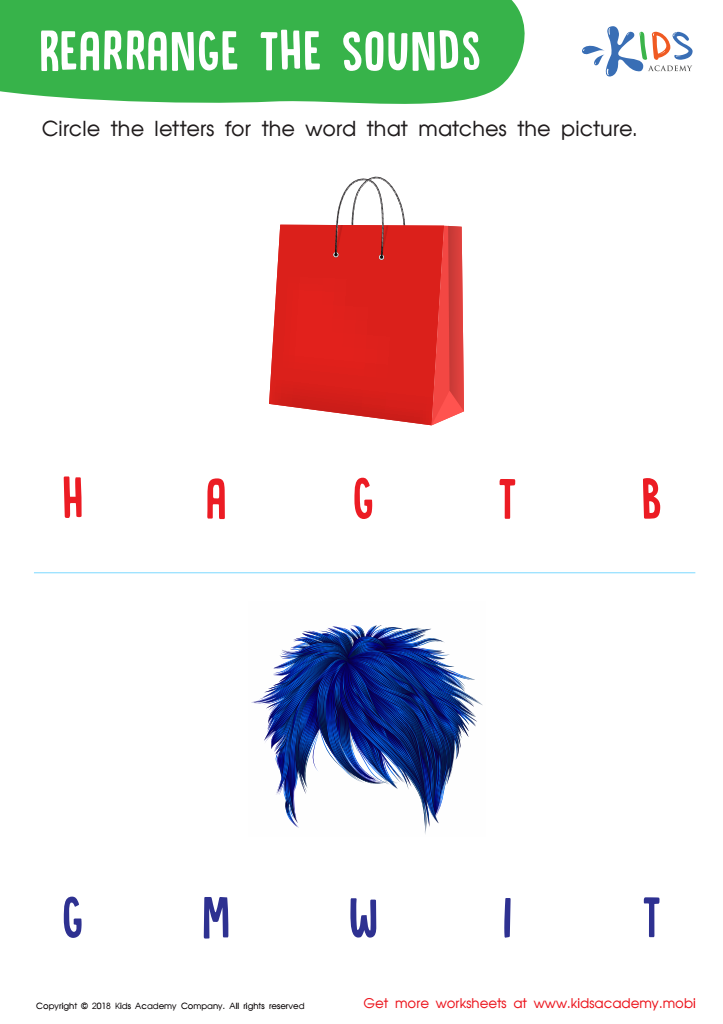
Rearrange the Sounds Worksheet
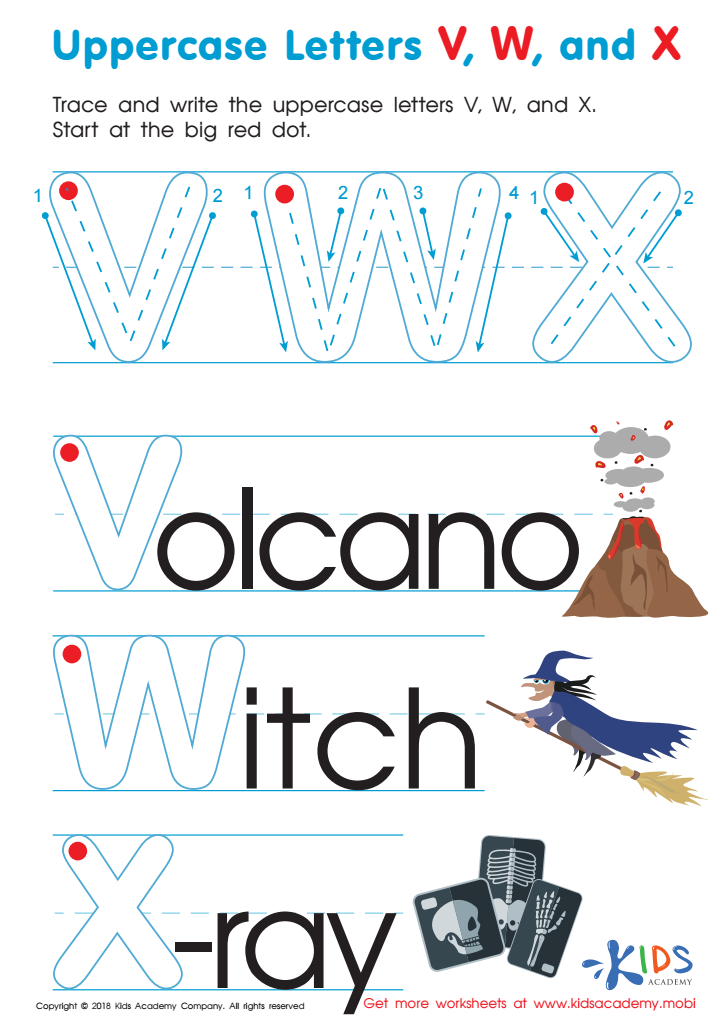
Uppercase Letters V, W, and X Worksheet








Letter recognition is a fundamental building block of literacy that significantly impacts a child's reading and writing development. For parents and teachers of children aged 3-7, emphasizing this skill is crucial as it lays the foundation for phonemic awareness and vocabulary acquisition. At this age, children are eager to learn and absorb new information quickly, making early exposure to letters engaging and effective.
Understanding letter shapes and sounds helps children connect written language to spoken language, facilitating the transition from pre-reading skills to actual reading. This makes it essential for parents to create opportunities to identify letters in everyday life, such as reading street signs, books, or labels in the home.
Teachers play a vital role by incorporating letter recognition activities, games, and multi-sensory learning experiences in the classroom. This not only captures children's interest but also appeals to diverse learning styles.
Moreover, master foundational literacy skills can boost a child's confidence, enhance their academic performance, and stimulate their overall cognitive development, leading to a lifelong love for reading. In essence, adopting a proactive approach to letter recognition ensures that children are better prepared for future educational challenges.







