Elementary Phonics Worksheets for Ages 3-8 - Page 2
35 filtered results
-
From - To
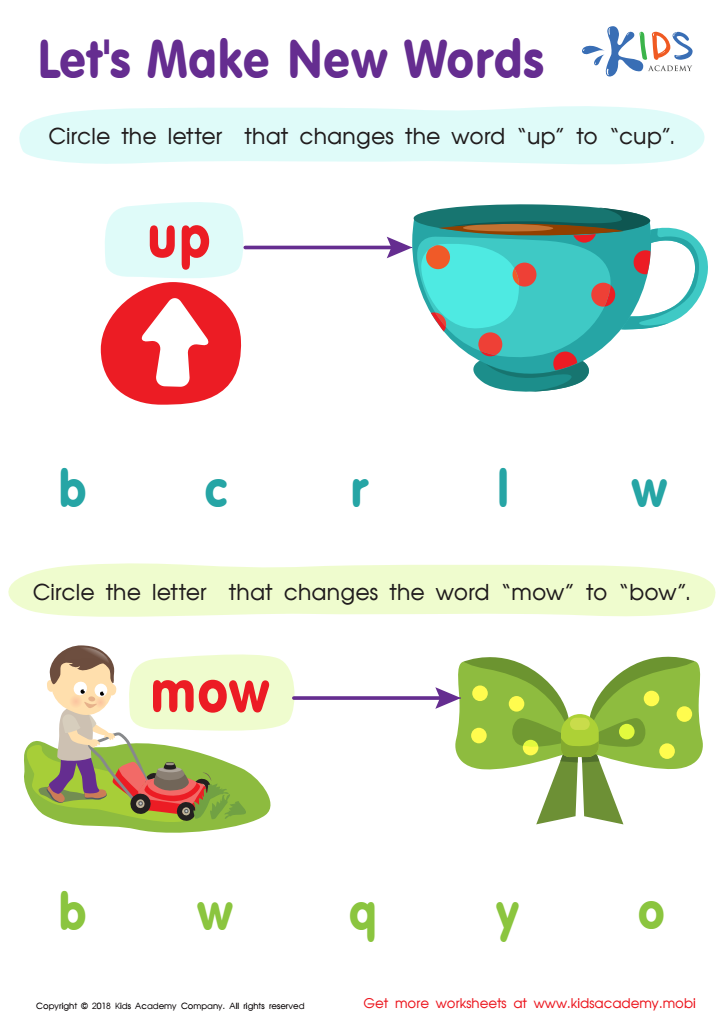
Let's Make New Words Worksheet
 Assign to My Students
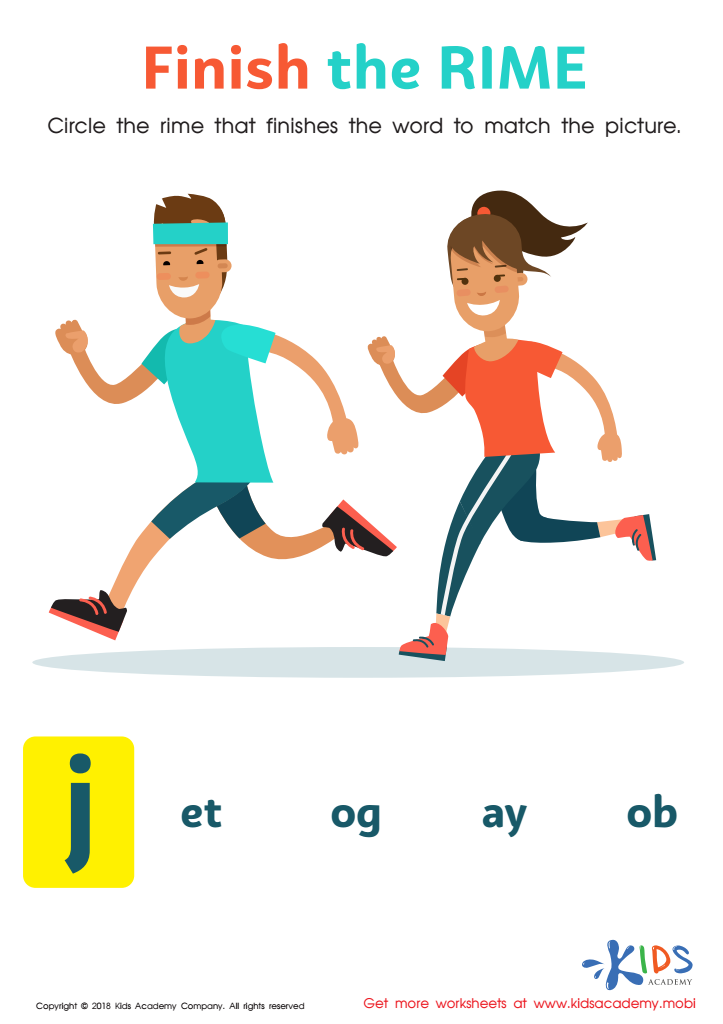
Finish the Rime Worksheet
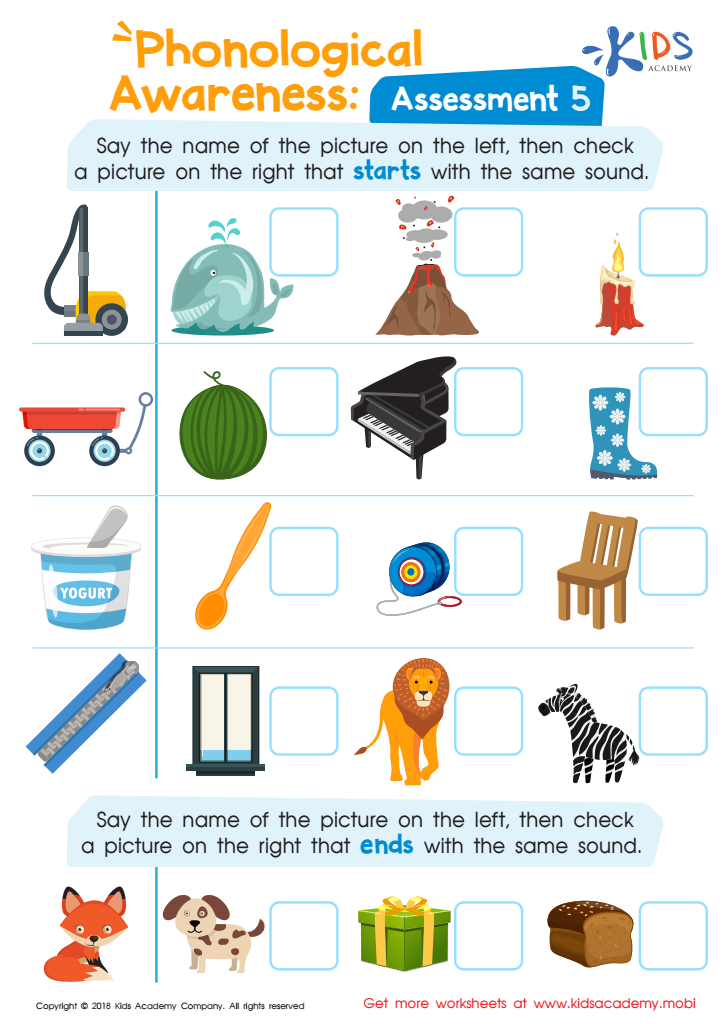
Phonological Awareness: Assessment 5 Worksheet
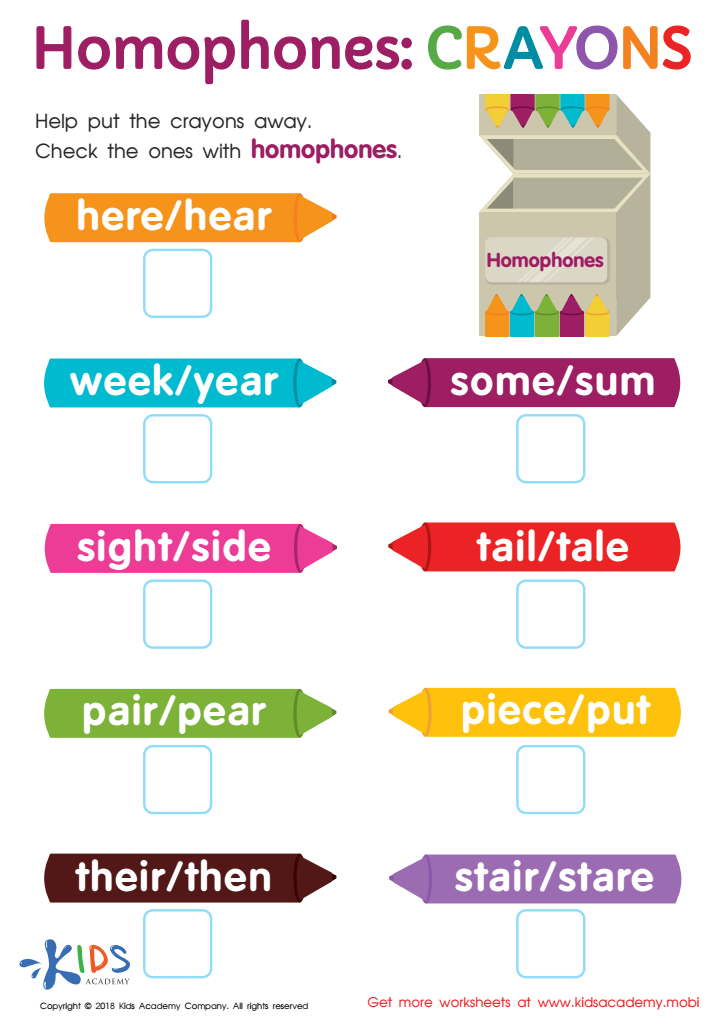
Homophones: Crayons Worksheet
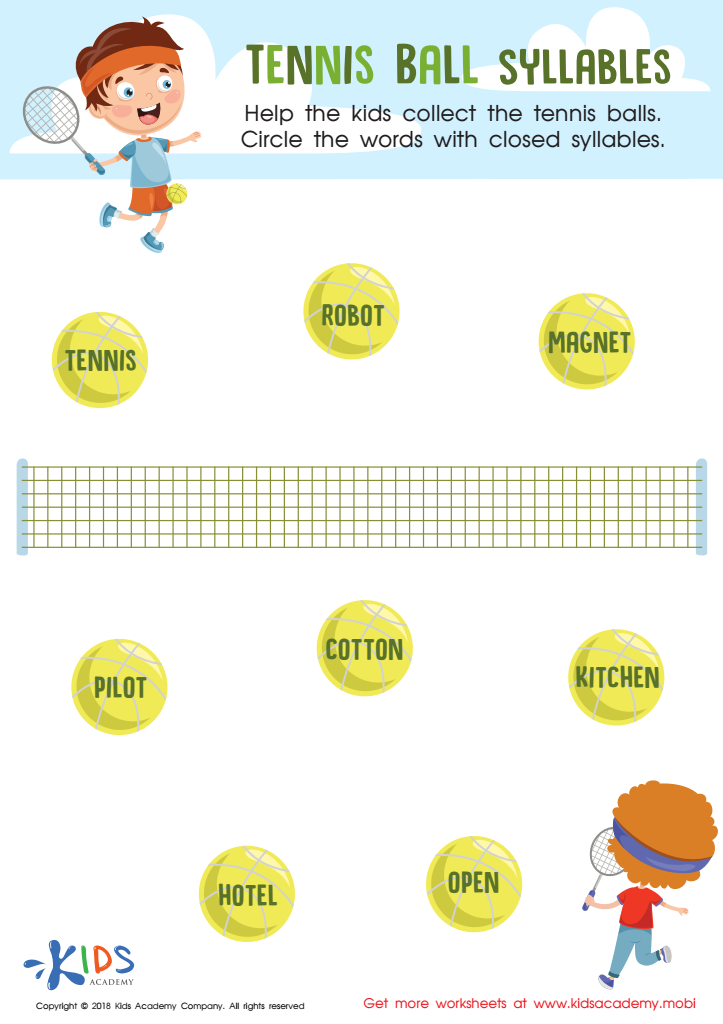
Tennis Ball Syllables Worksheet
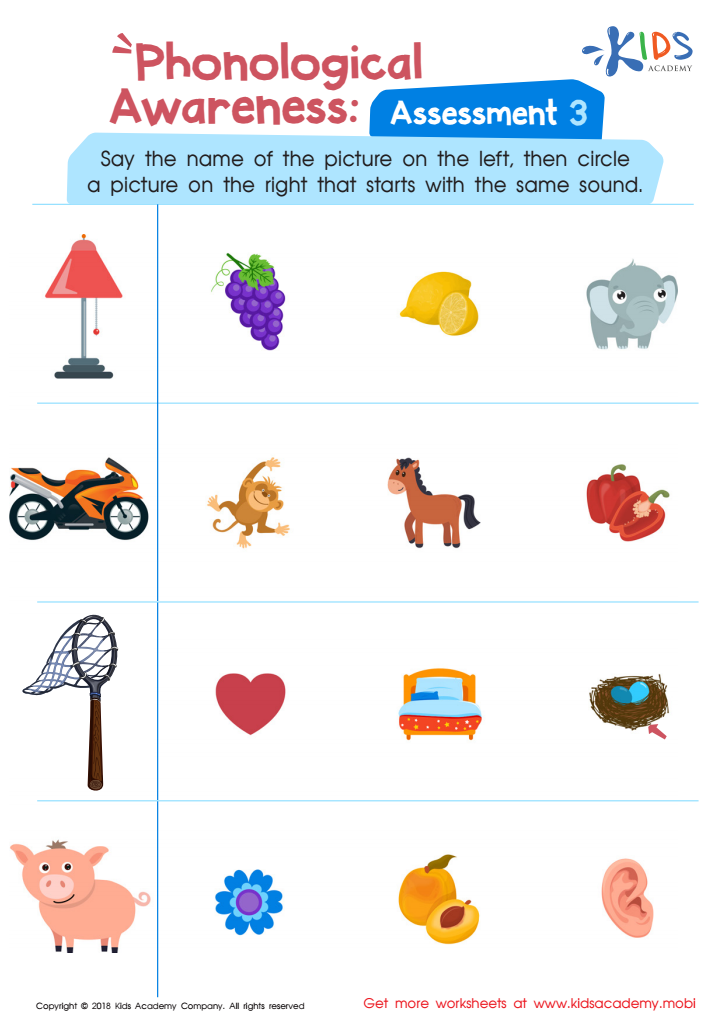
Phonological Awareness: Assessment 3 Worksheet
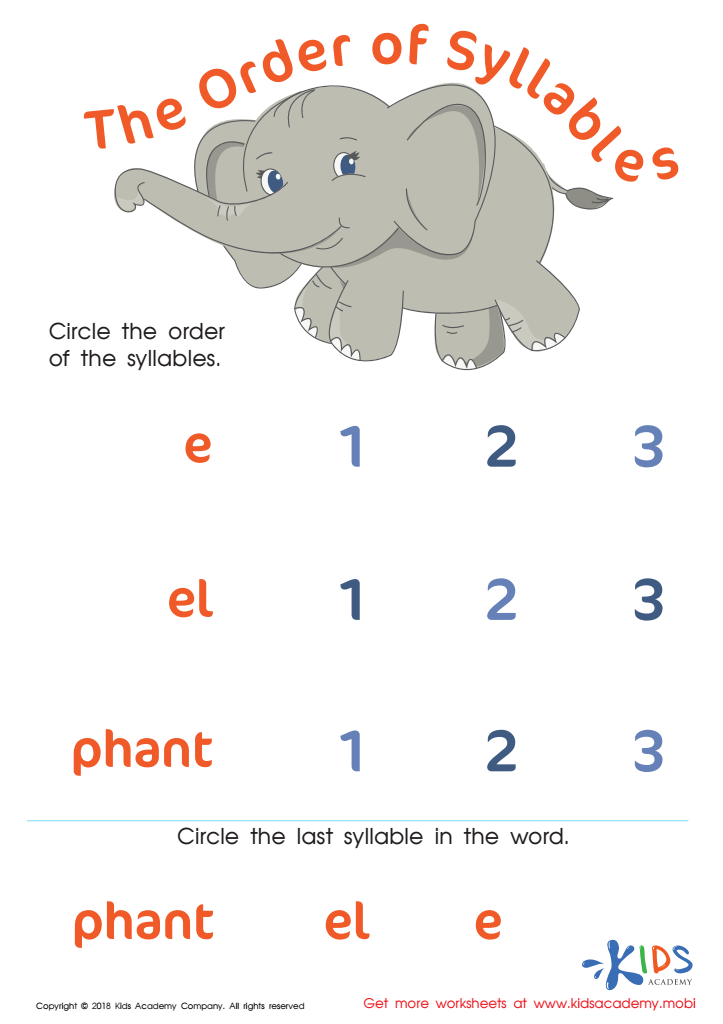
The Order of Syllables Worksheet
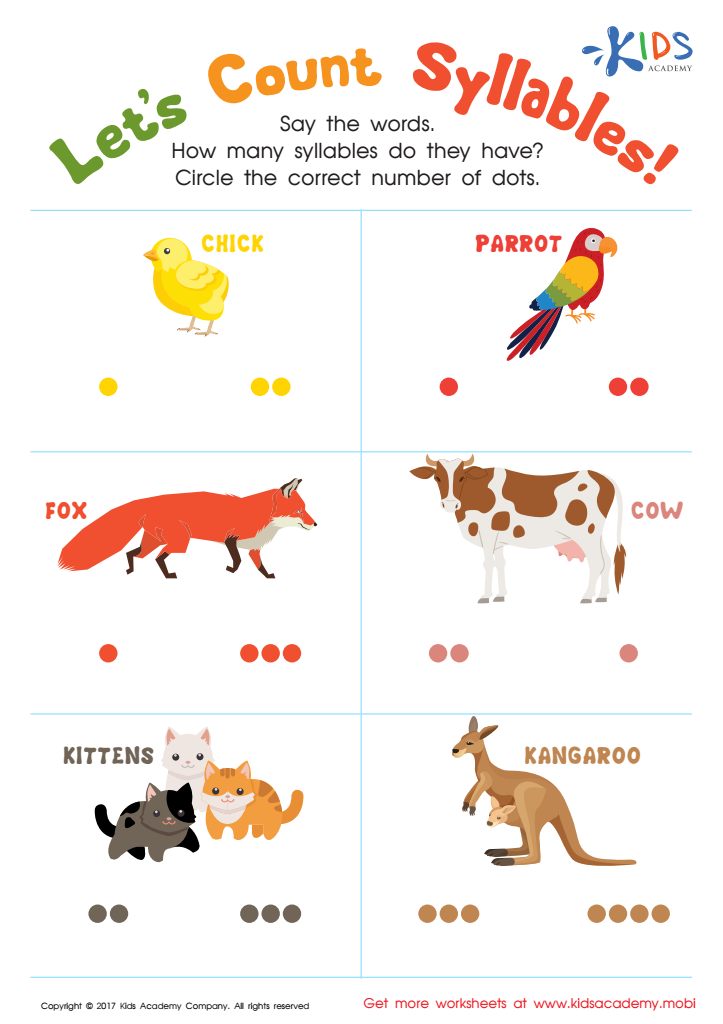
Lets Count Syllables Worksheet
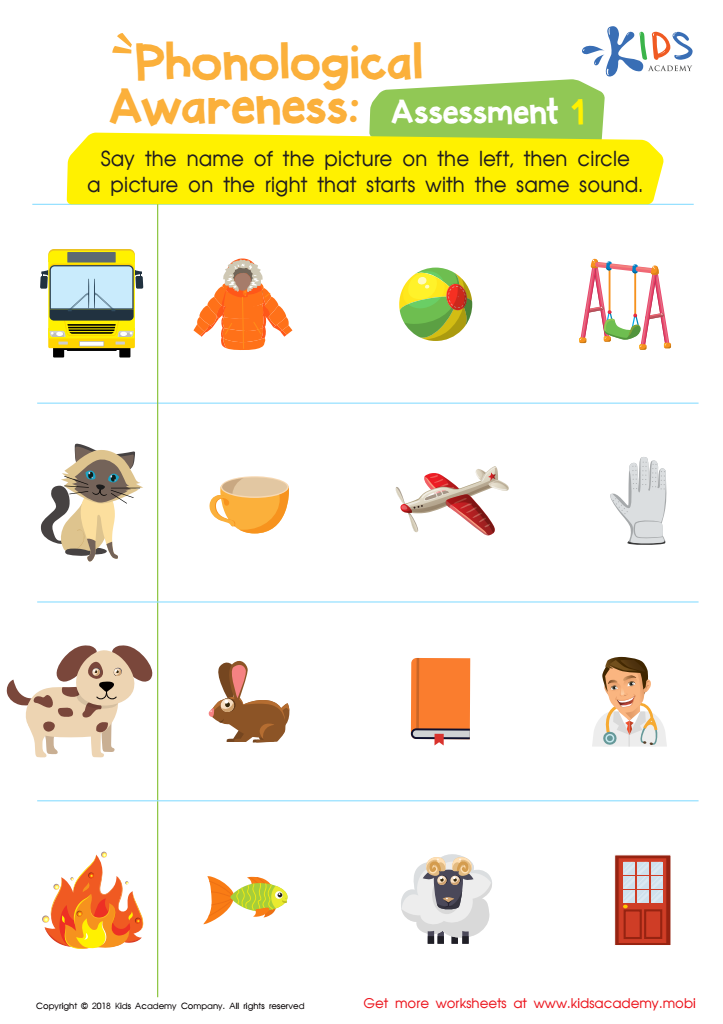
Phonological Awareness: Assessment 1 Worksheet
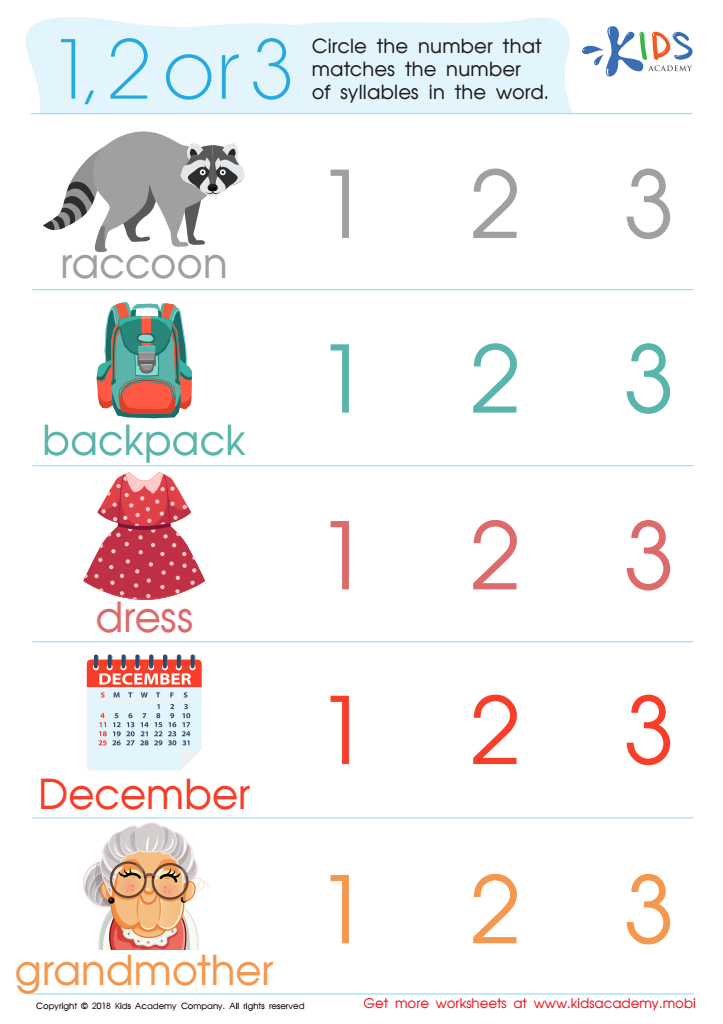
1, 2 or 3? Worksheet
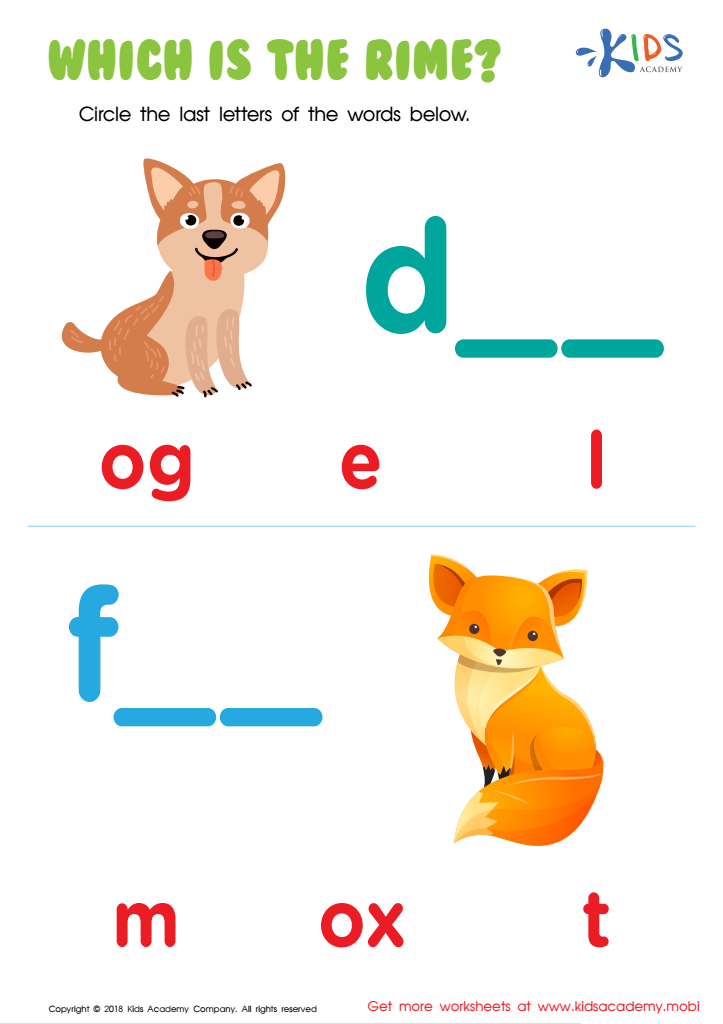
Which Is the Rime? Worksheet




Elementary phonics is essential for children ages 3-8 because it lays the foundational skills required for proficient reading and writing. At this age, the brain is highly adaptable and primed for linguistic development, making it the ideal period for phonics instruction. Phonics teaches children the relationship between letters and sounds, enabling them to decode new words, recognize patterns, and develop fluency in reading. This early competence boosts their confidence and interest in reading, transforming it from a challenging task into an enjoyable and rewarding activity.
Strong phonics skills also contribute to better spelling, comprehension, and vocabulary, which are crucial as children progress academically. Moreover, early mastery of phonics often correlates with longer-term educational success, reducing the likelihood of struggles with literacy in later years.
Parents and teachers should care about phonics because it equips children with the necessary tools to become successful readers. Engaging in phonics instruction can involve interactive and play-based activities, which are crucial at this formative age. For parents, supporting phonics at home through games, reading aloud, and practicing sounds furthers classroom efforts. When educators and parents prioritize phonics, they establish a strong literacy foundation essential for lifelong learning.







