Addition Worksheets for Ages 3-8 - Page 2
143 filtered results
-
From - To
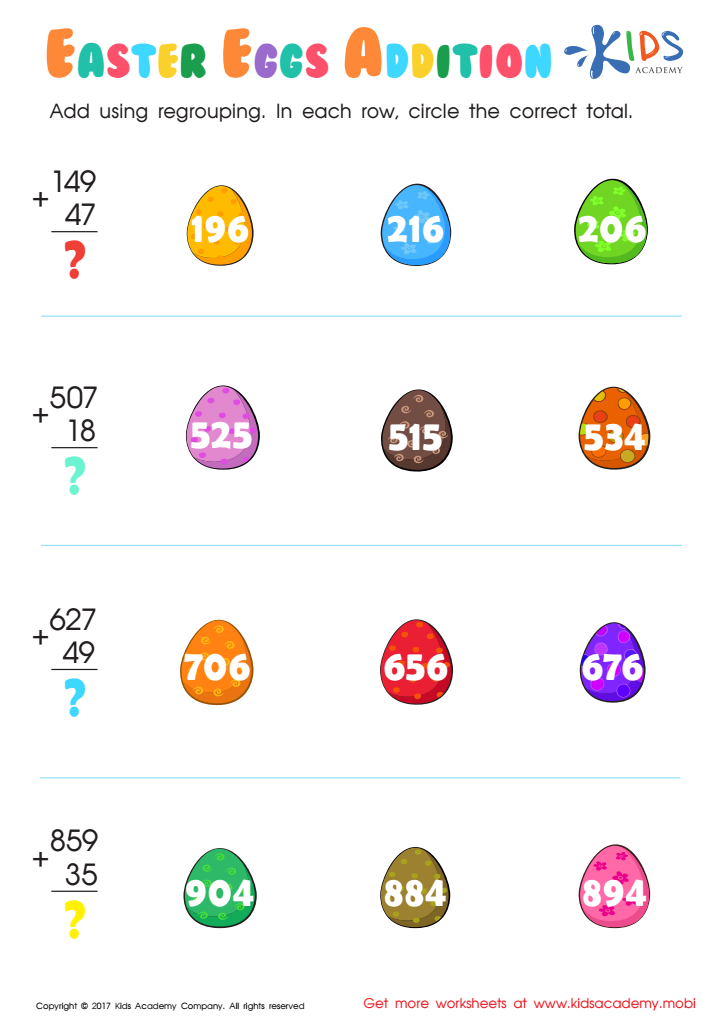
Addition with Regrouping Worksheet
 Assign to My Students
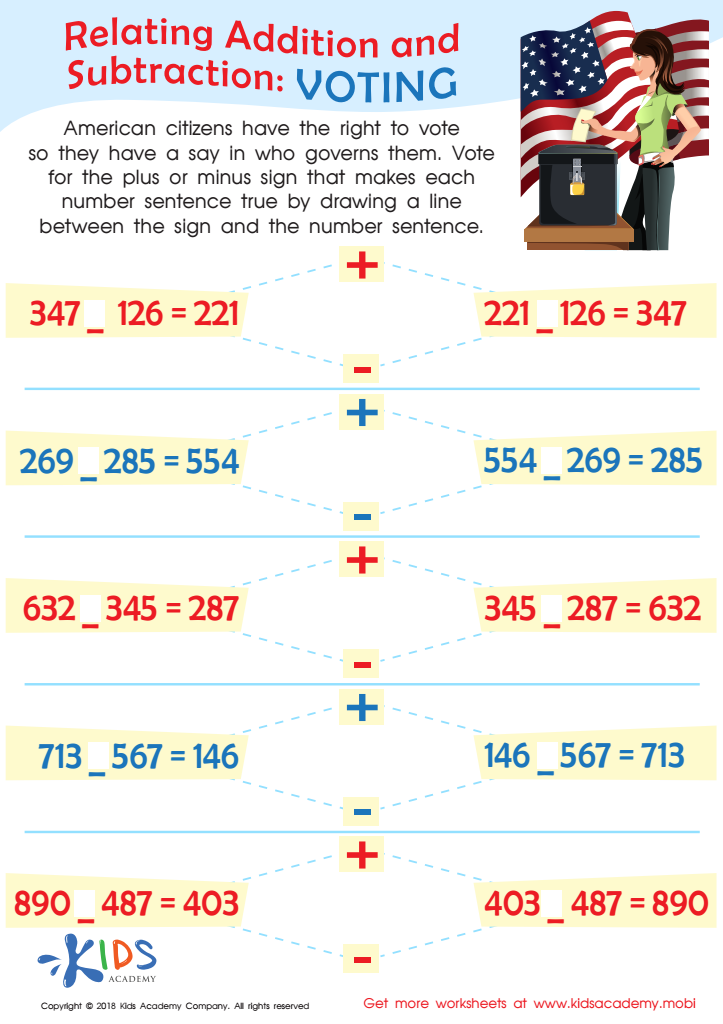
Voting Worksheet
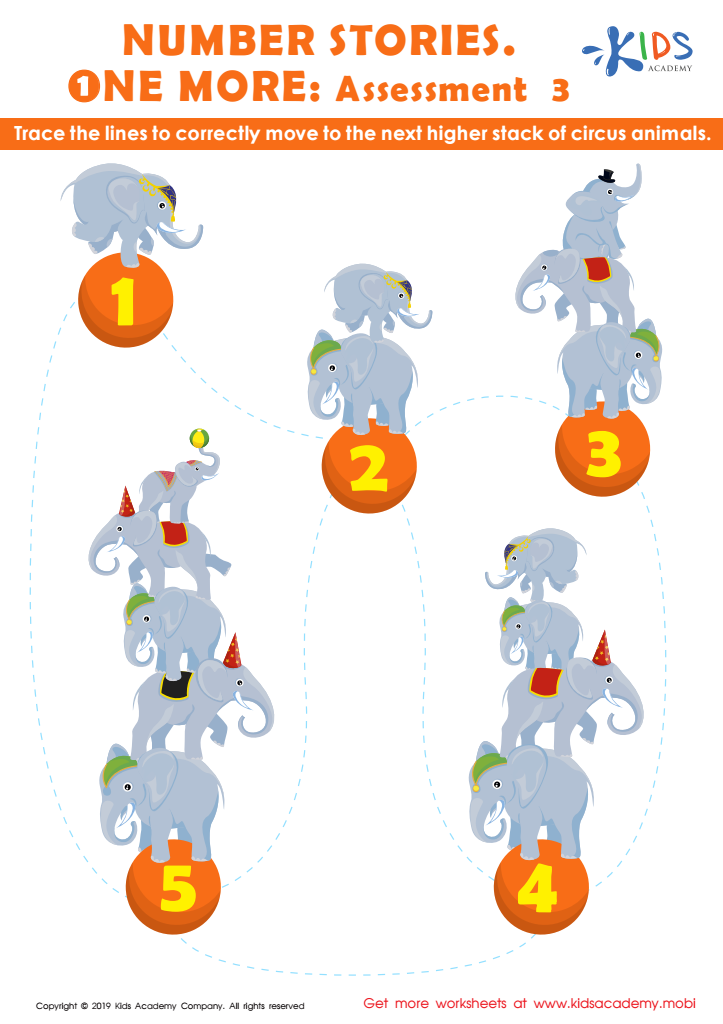
Number Stories One More: Assessment 3 Worksheet
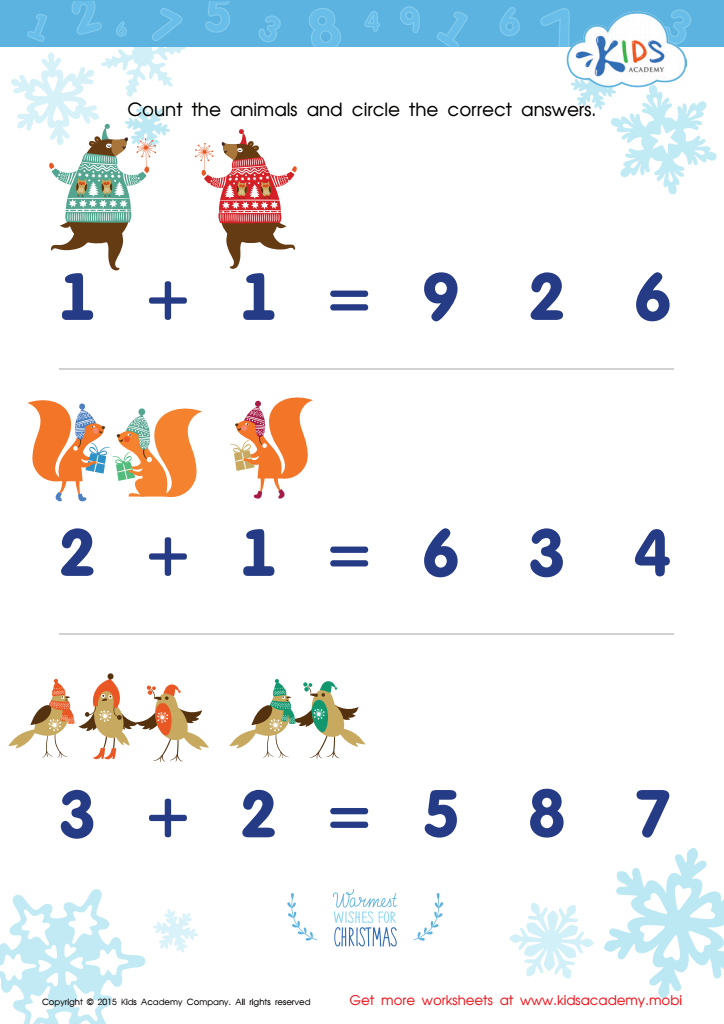
Count Funny Animals Worksheet
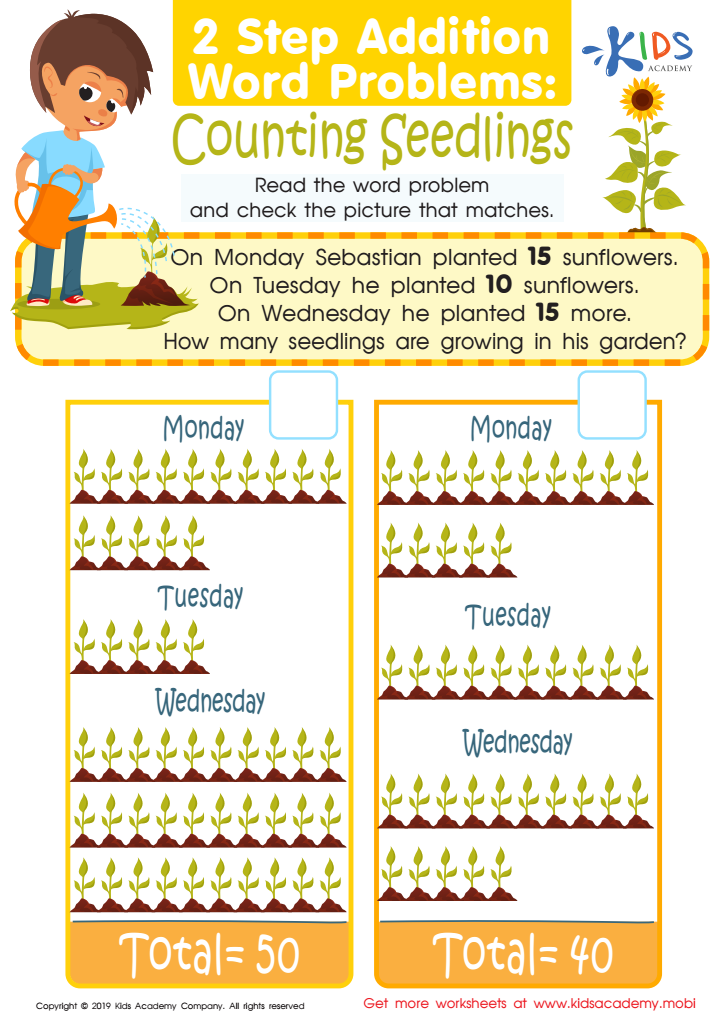
Counting Seedlings Worksheet
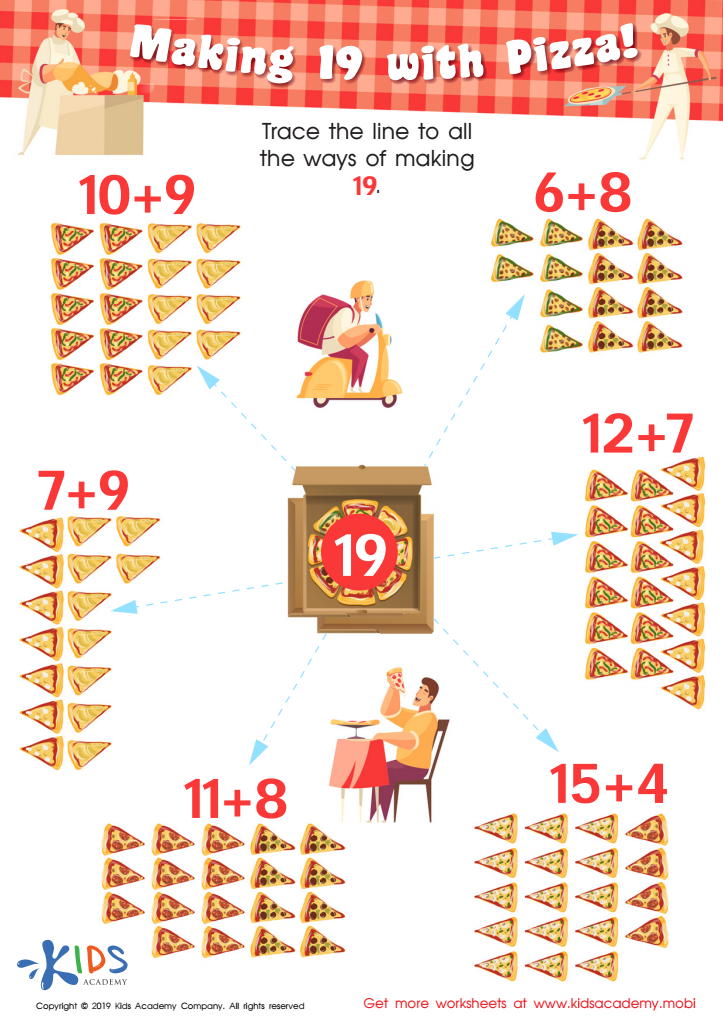
Making 19 with Pizza! Worksheet
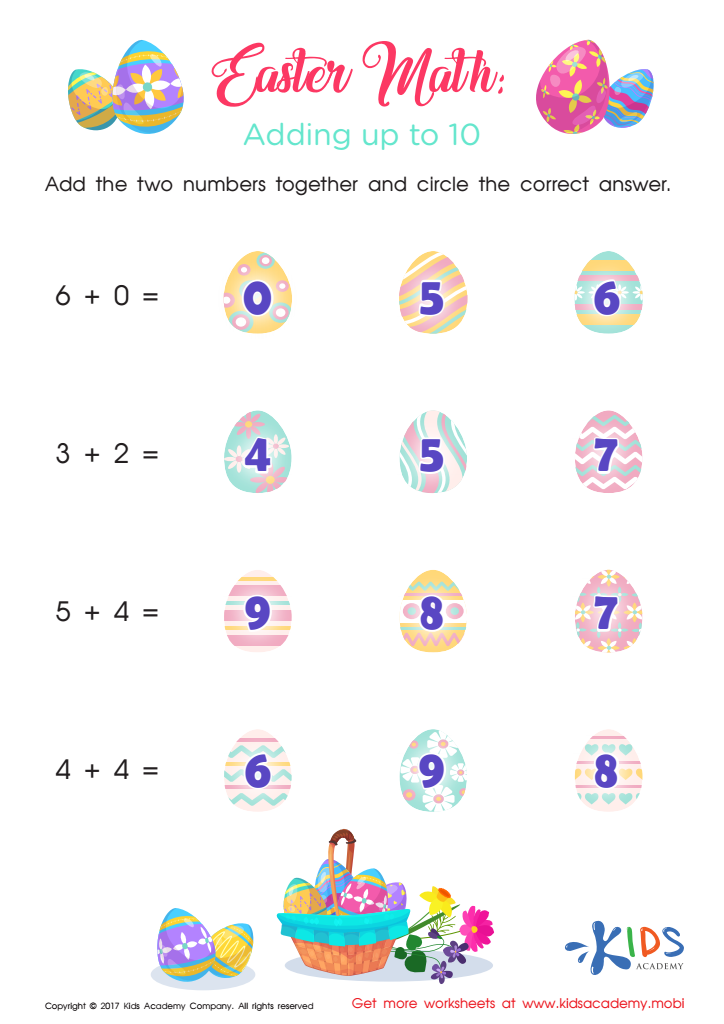
Addition Up To 10 Worksheet
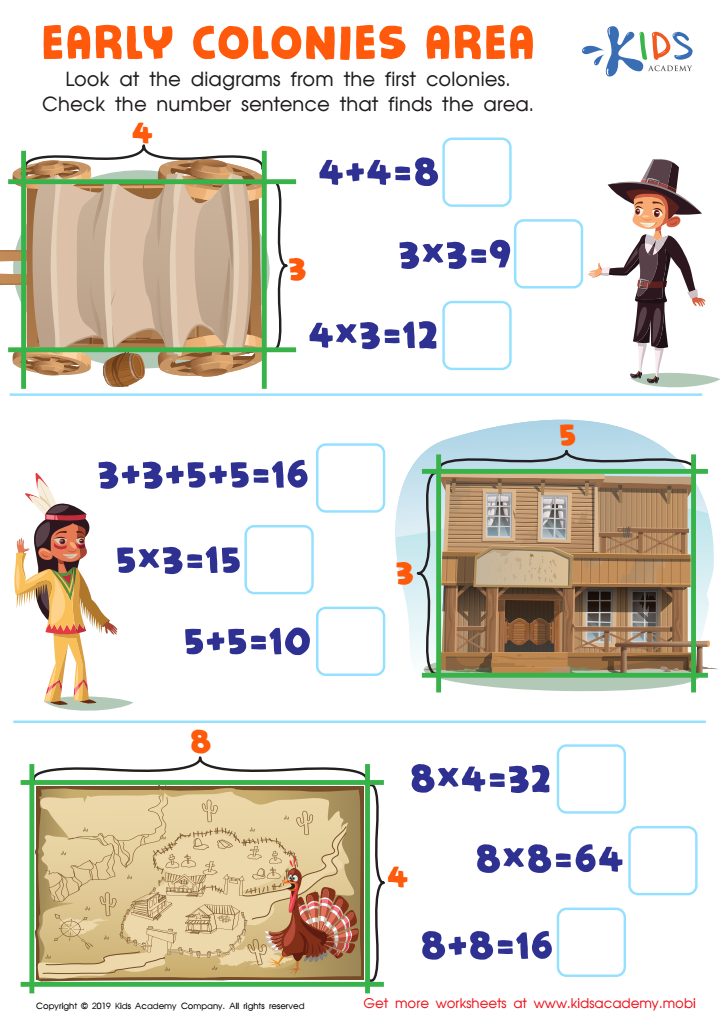
Early Colonies Area Worksheet
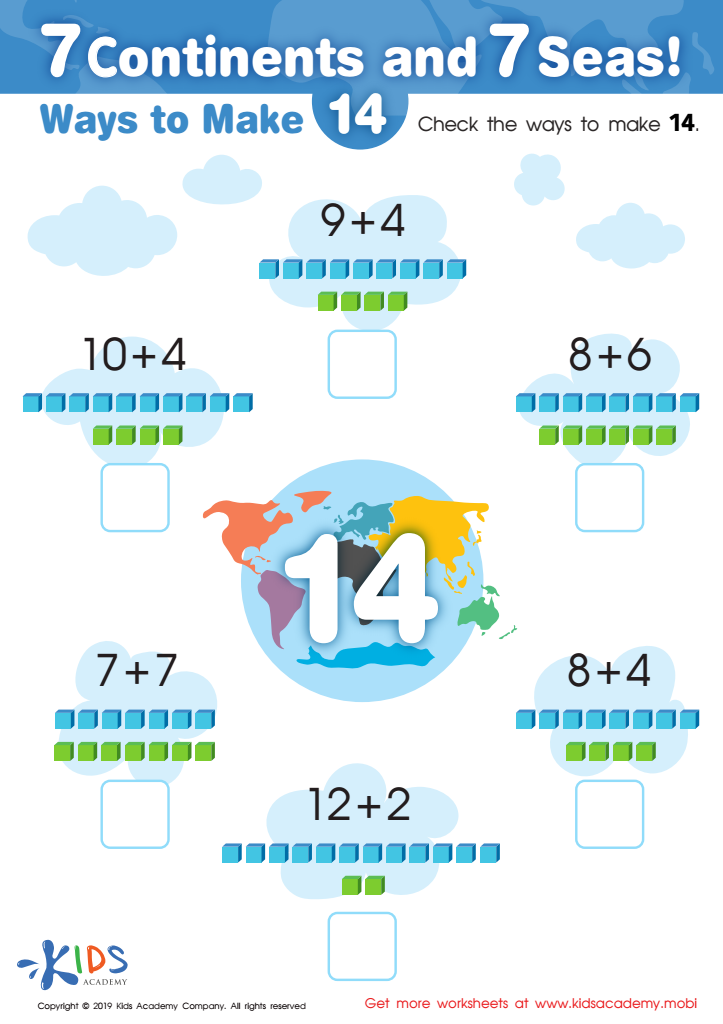
7 Continents and 7 Seas Worksheet
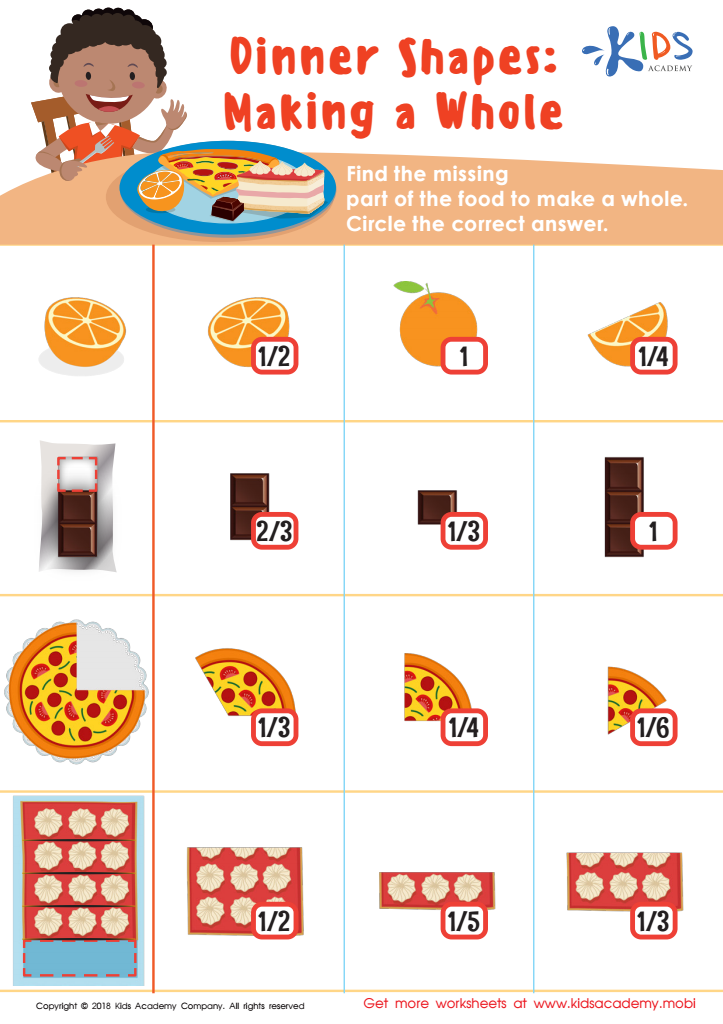
Dinner Shapes: Making a Whole Worksheet
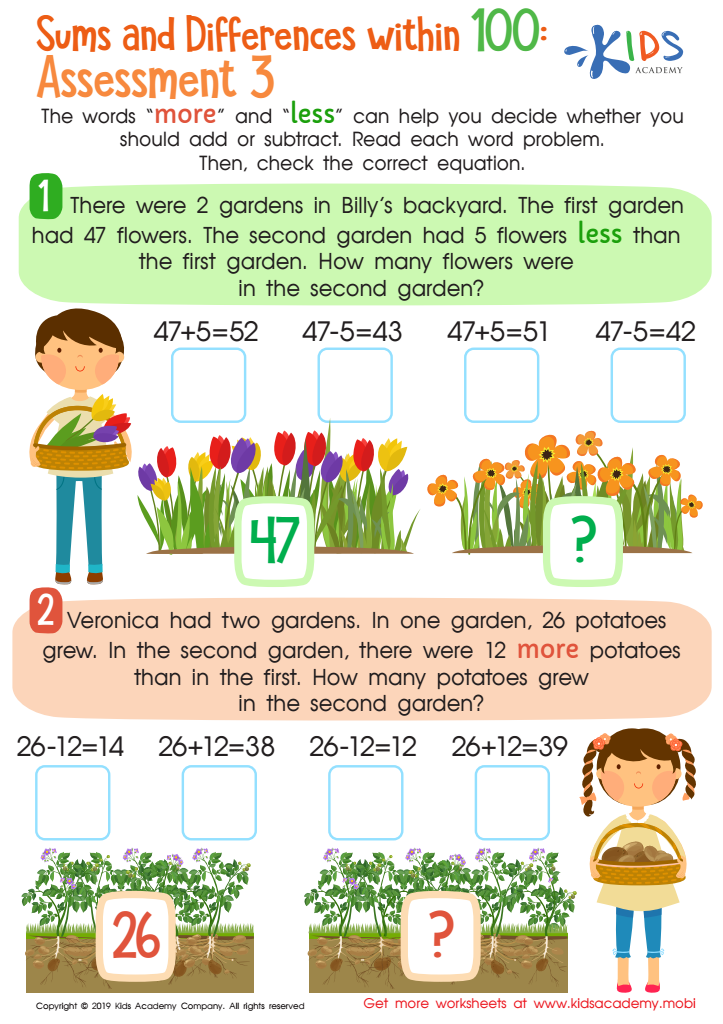
Sums and Differences Within 1 - Assessment 1 Worksheet
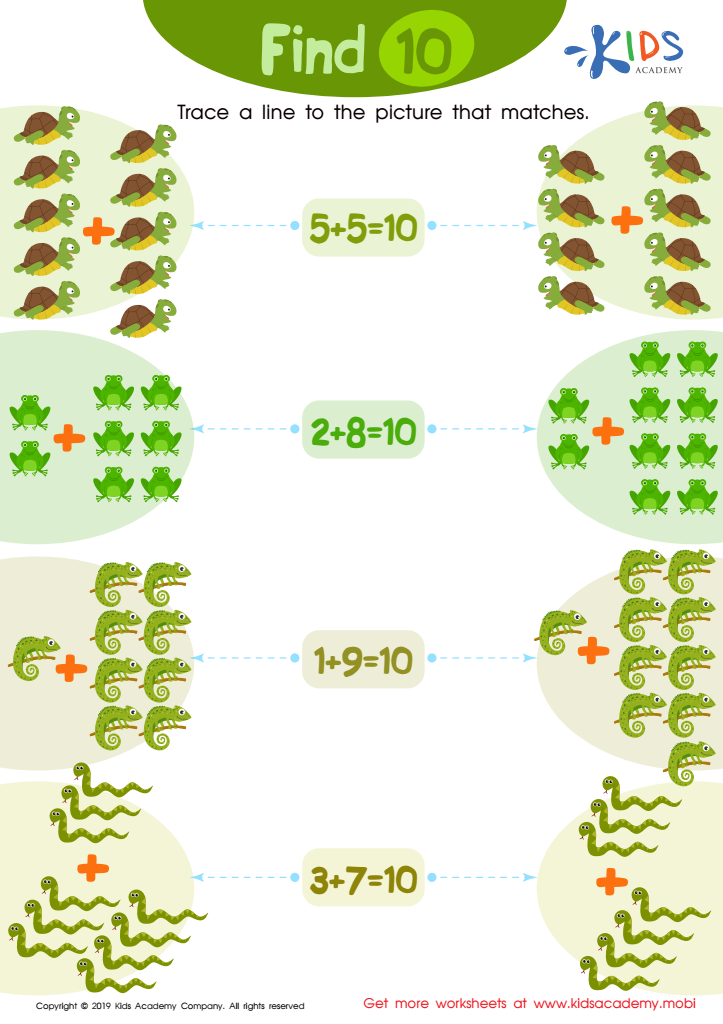
Find 10 Worksheet
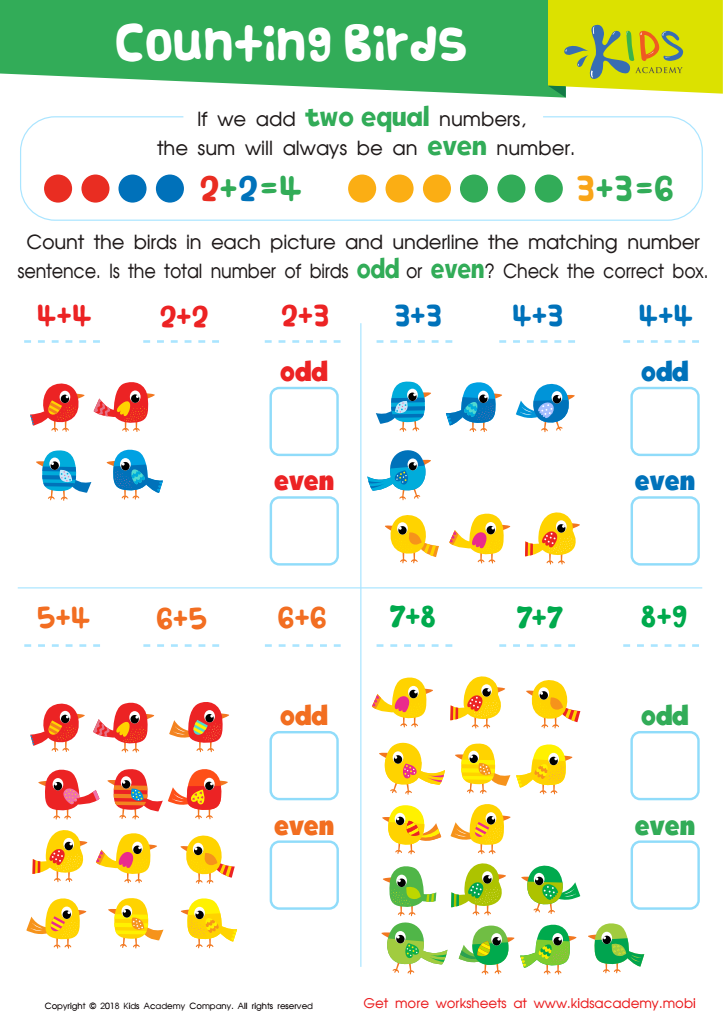
Counting Birds Worksheet
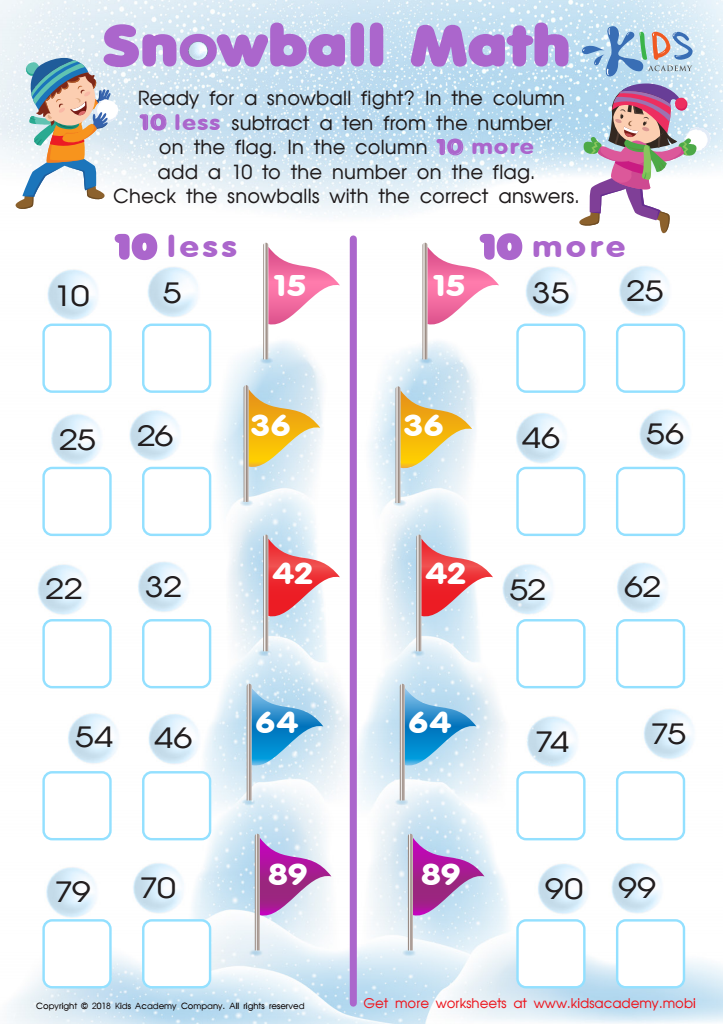
Snowball Math Worksheet
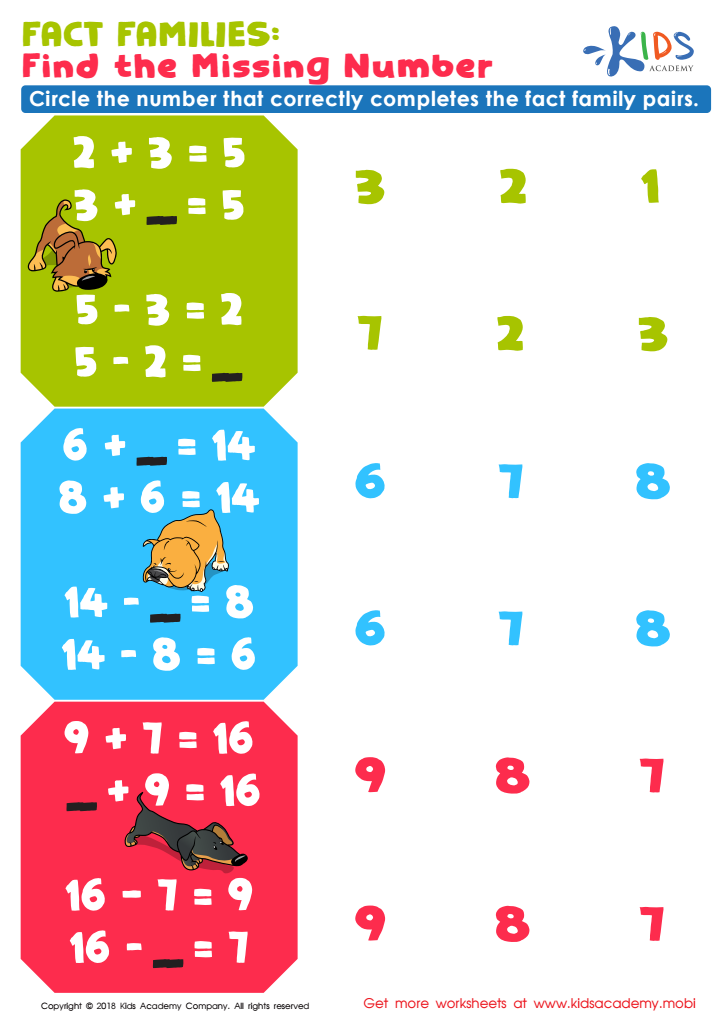
Fact Families: Find Missing Number Worksheet
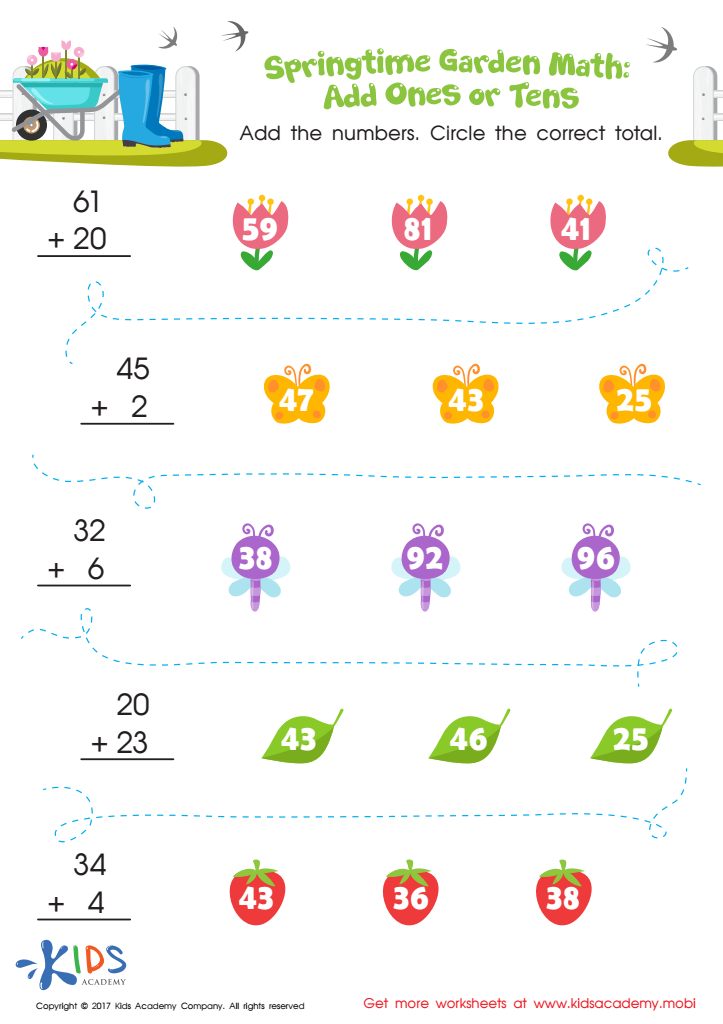
Springtime Garden Math Worksheet
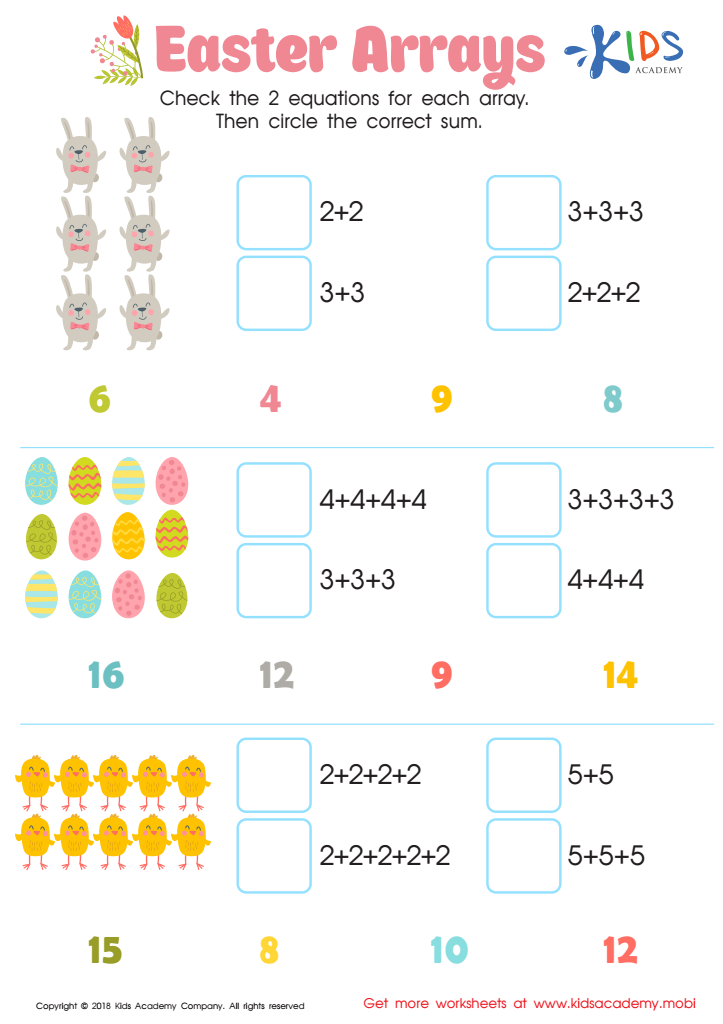
Easter Arrays Worksheet
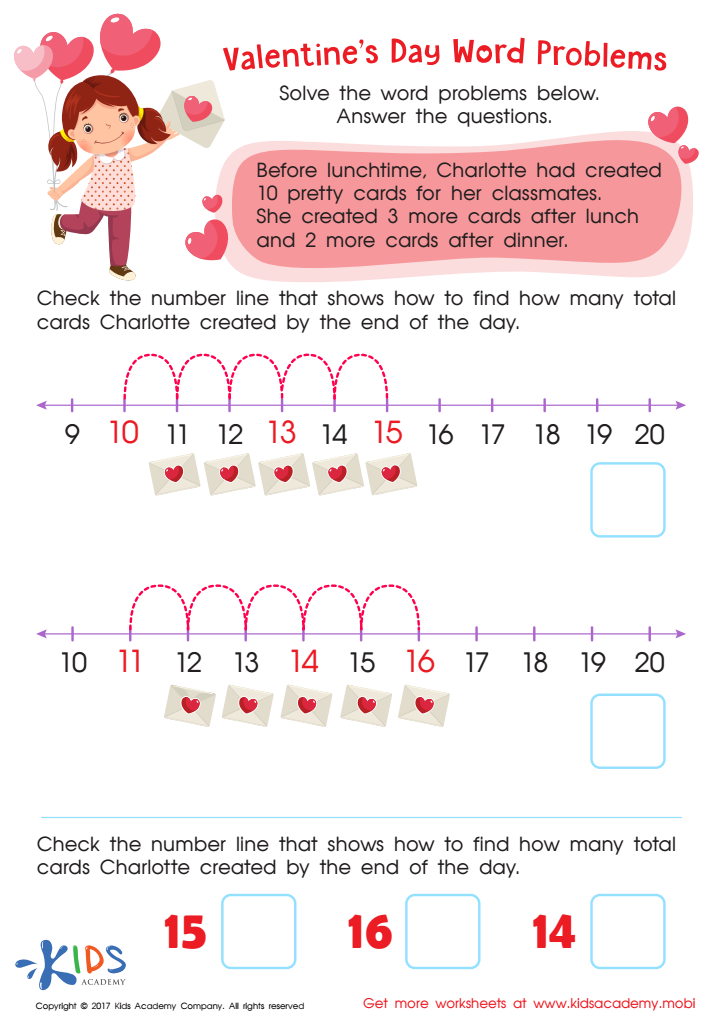
Valentines Day Word Problem Worksheet
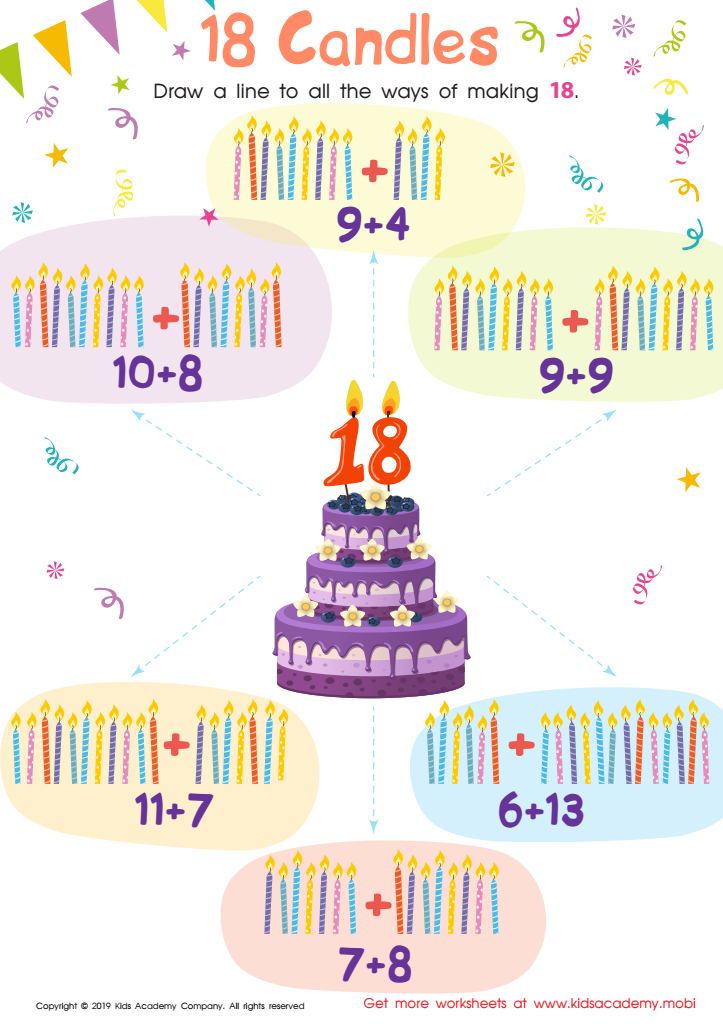
18 Candles Worksheet
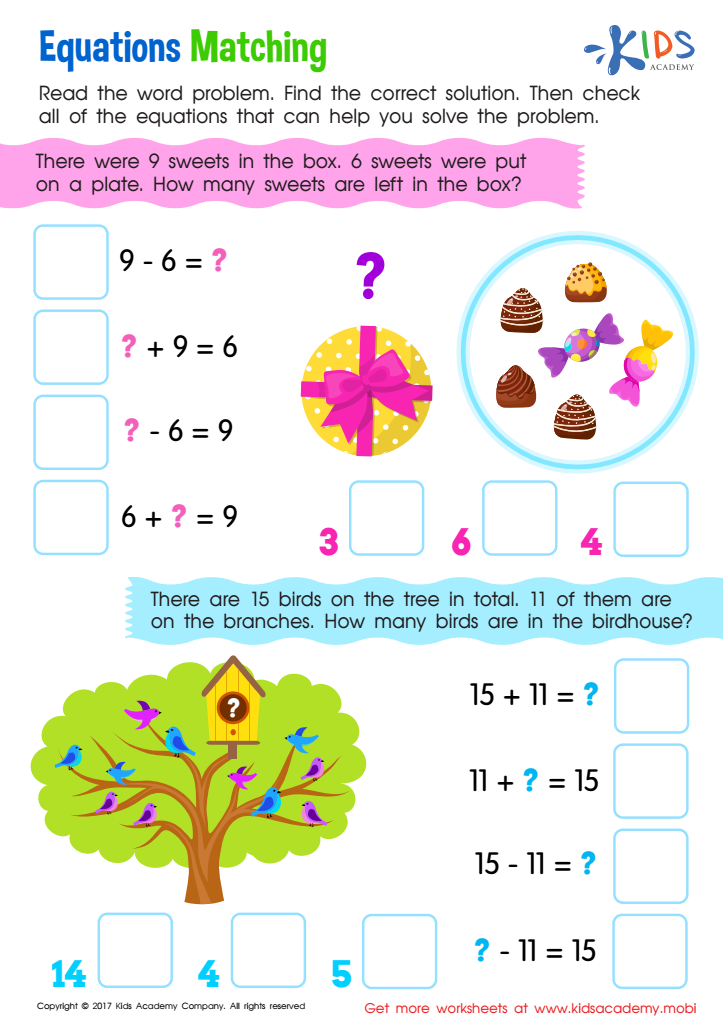
Equations Matching Word Problems Worksheet
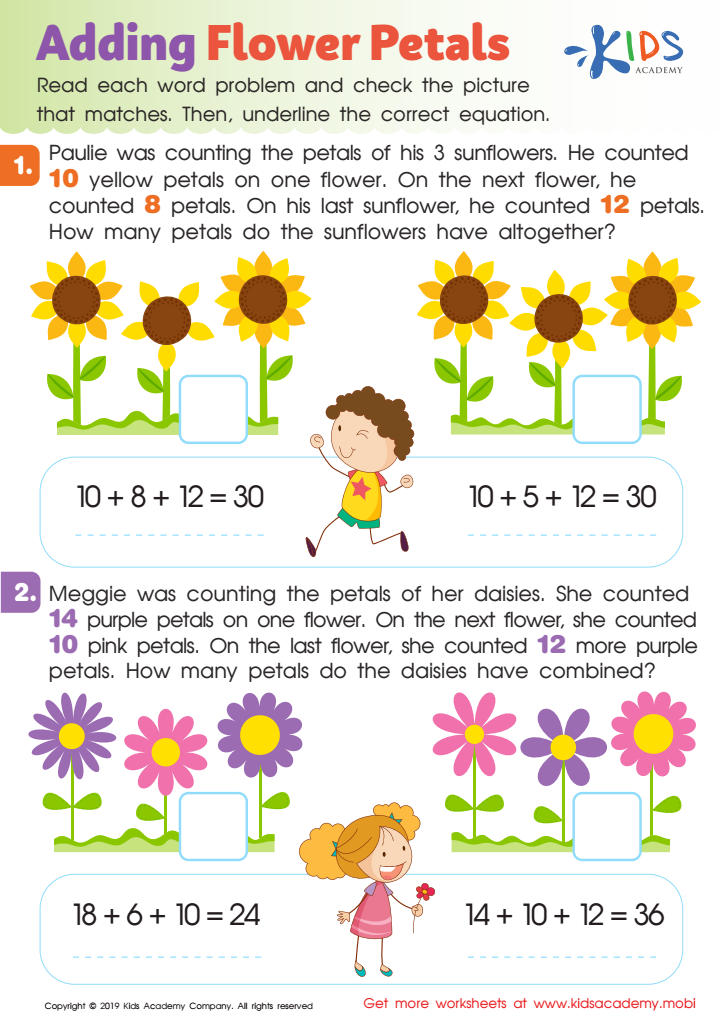
Adding Flower Petals Worksheet
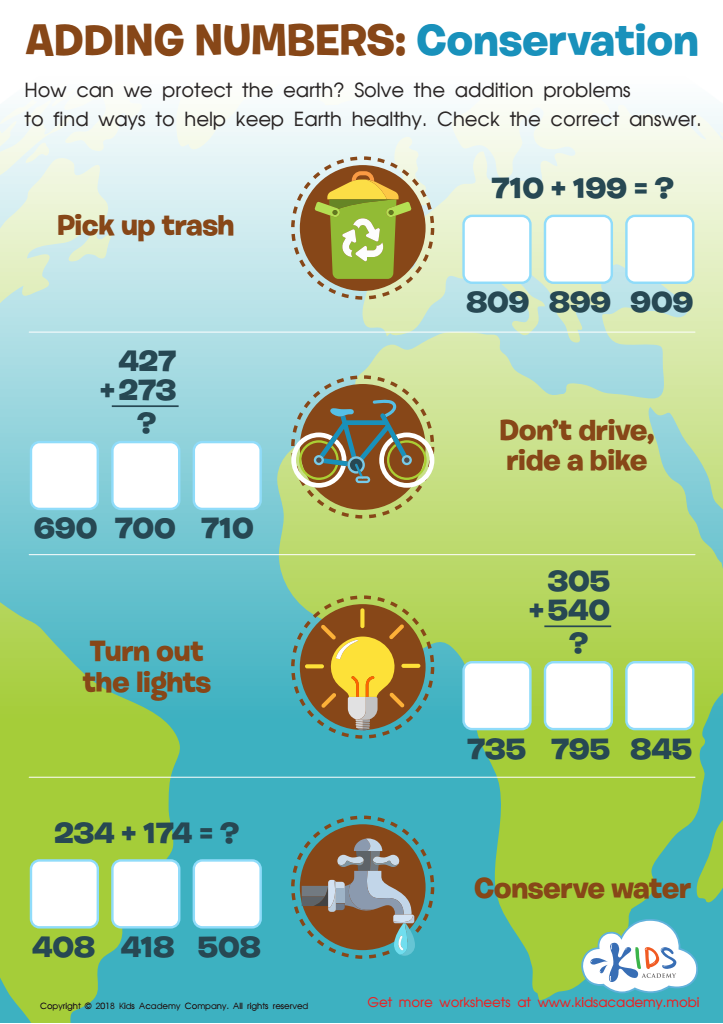
Adding Numbers: Conservation Worksheet
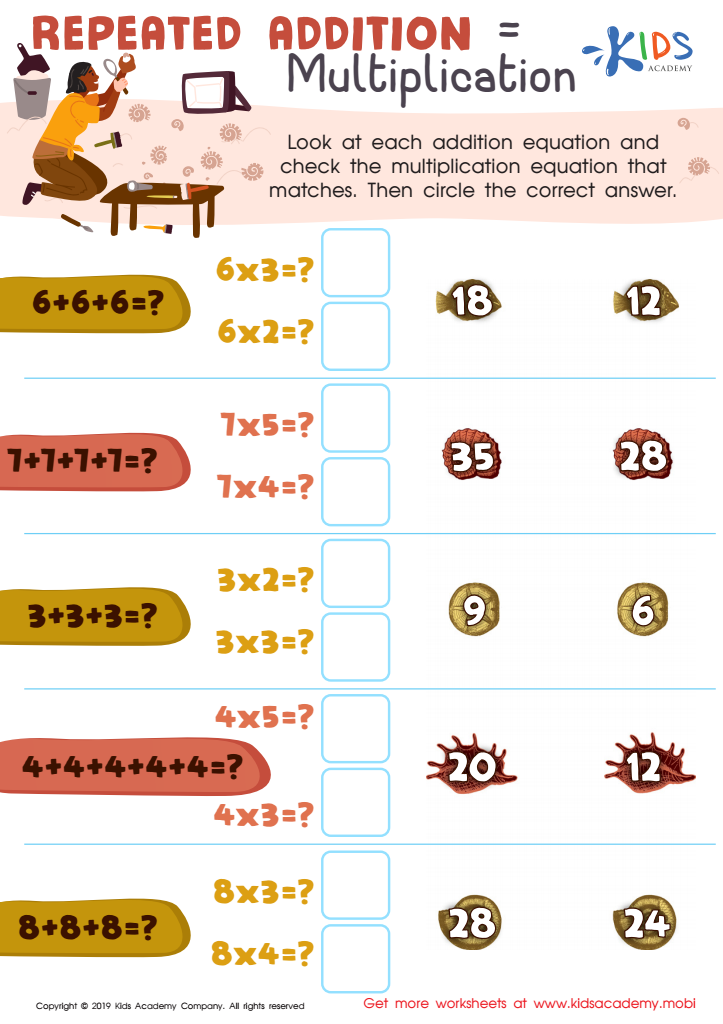
Repeated Addition = Multiplication Worksheet
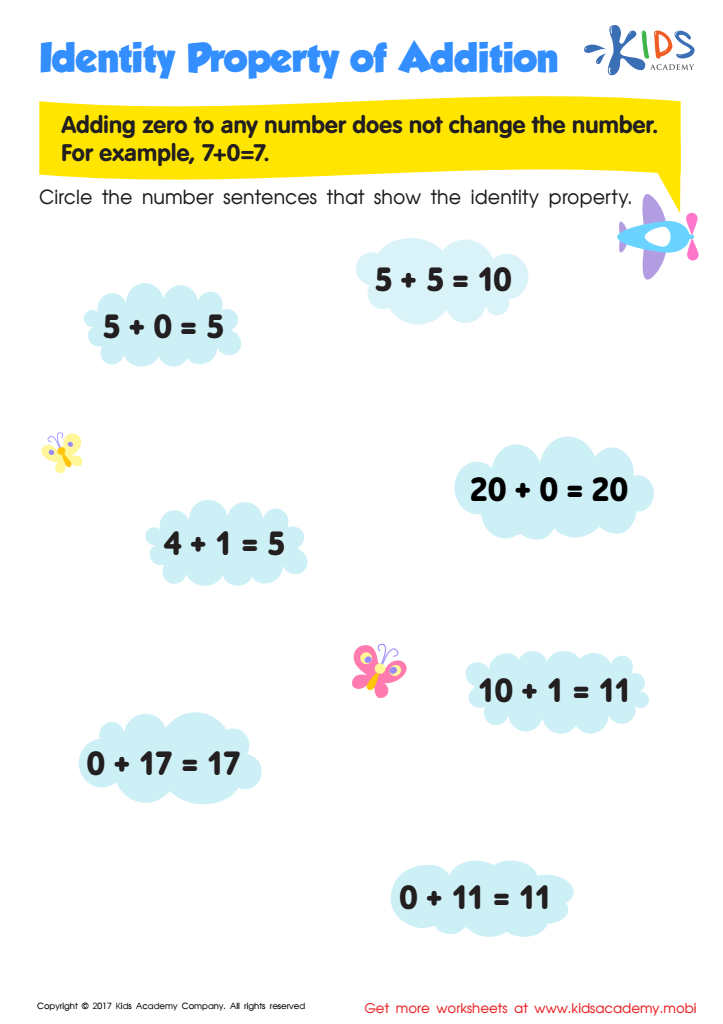
Identity Property of Addition Worksheet



.jpg)




Understanding addition at an early age lays a crucial foundation for all future mathematical learning. For ages 3-8, engaging in addition activities nurtures cognitive development. It enhances problem-solving abilities and logical thinking, which are vital across all subjects. By focusing on addition, children also develop attention to detail and improve their memory skills.
Moreover, early mastery of addition contributes to stronger arithmetic skills. This early proficiency sets a positive trajectory for more complex math concepts like subtraction, multiplication, and division. Essentially, addition skills build confidence, contributing positively to children’s self-esteem in the classroom.
From a practical perspective, addition ties into everyday-life skills. Counting toys, figuring out amounts during shopping, or playing board games all involve simple arithmetic, making addition not just a kindergarten necessity but a life skill.
Care from parents and teachers will ensure that children view learning as a fun and approachable activity, fostering a lifelong love for math. It's not merely about getting the right answers; it's about developing a way of thinking that will support their academic and real-world problem-solving. So, investing time in developing these skills is profoundly impactful, shaping the academic and personal success of our children.








