Matching Worksheets for Ages 3-8 - Page 4
82 filtered results
-
From - To
 Assign to My Students
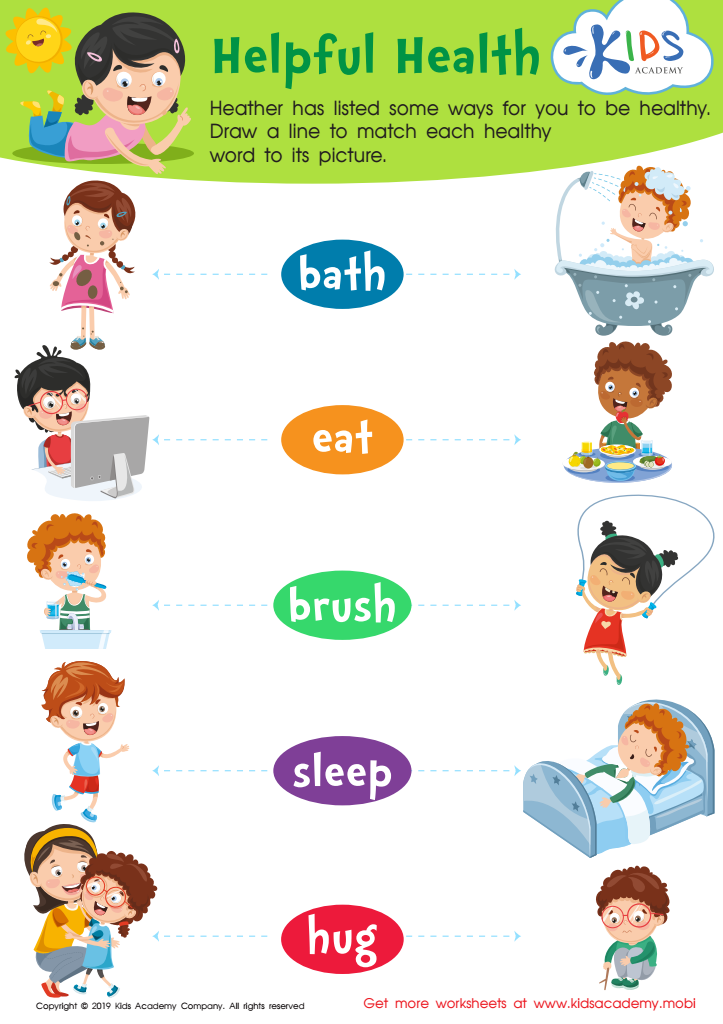
Helpful Health Worksheet
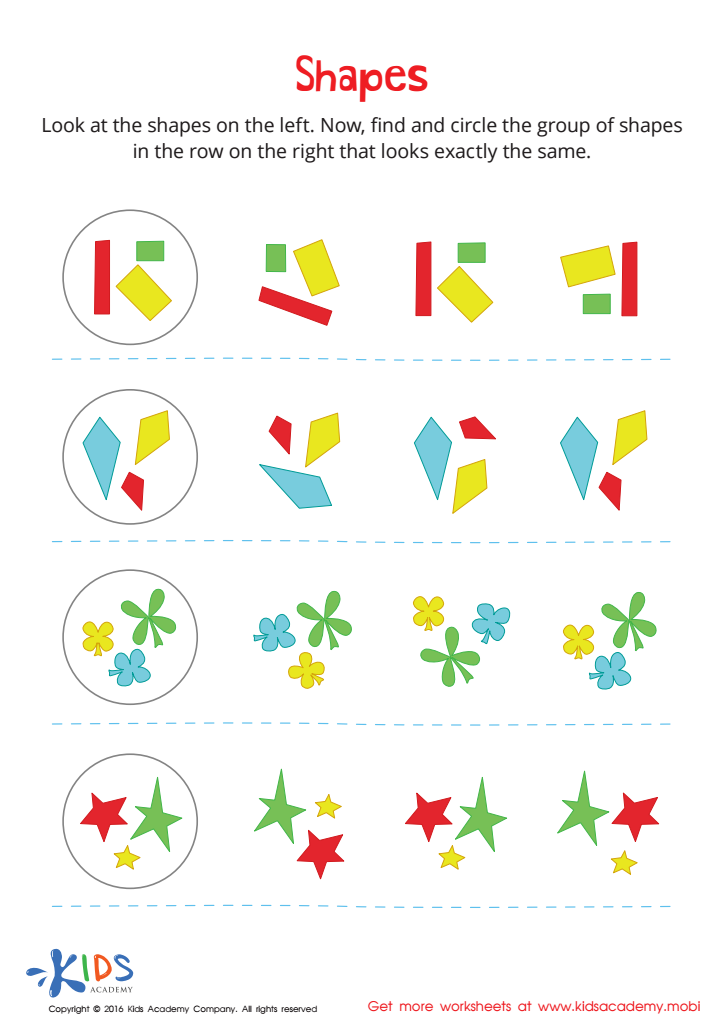
Shapes Worksheet
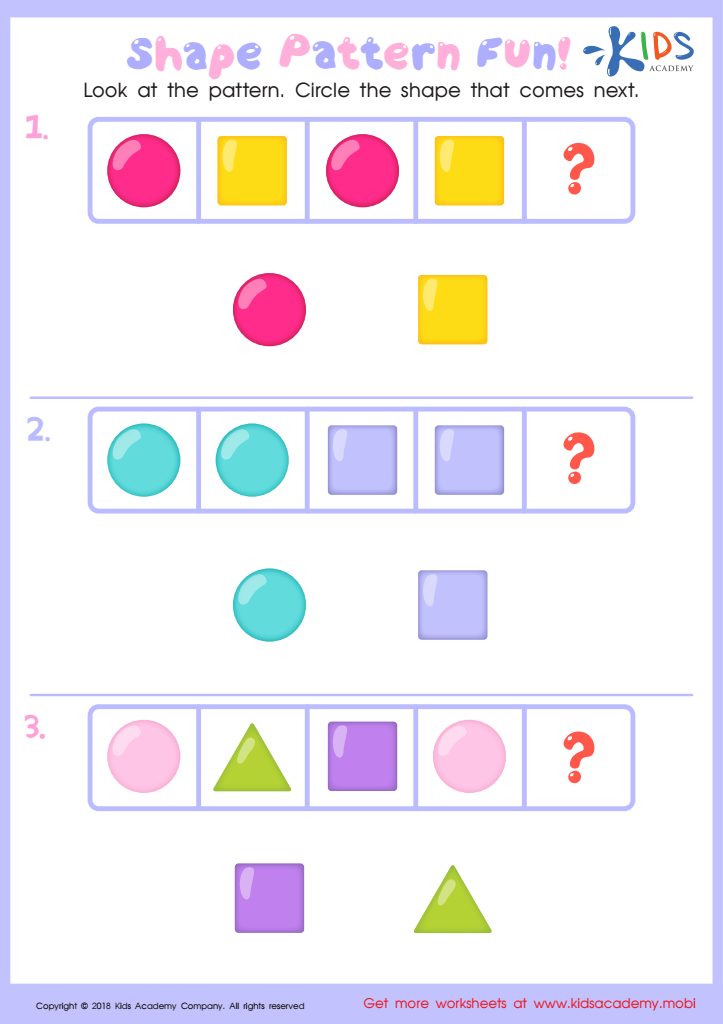
Shape Pattern Fun Worksheet
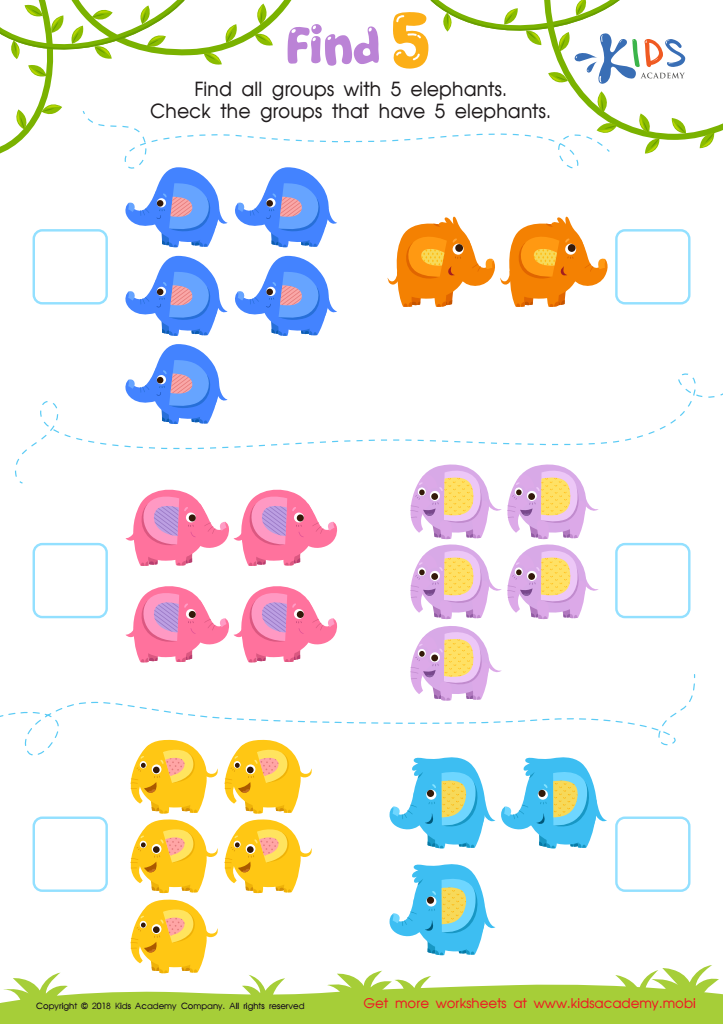
Find 5 Worksheet
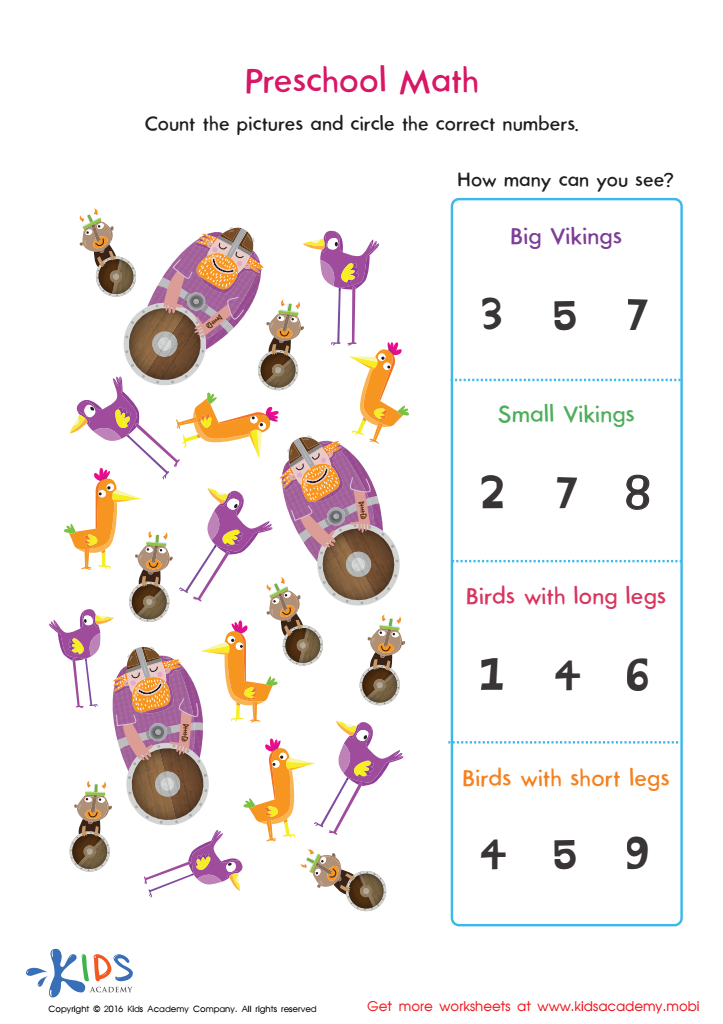
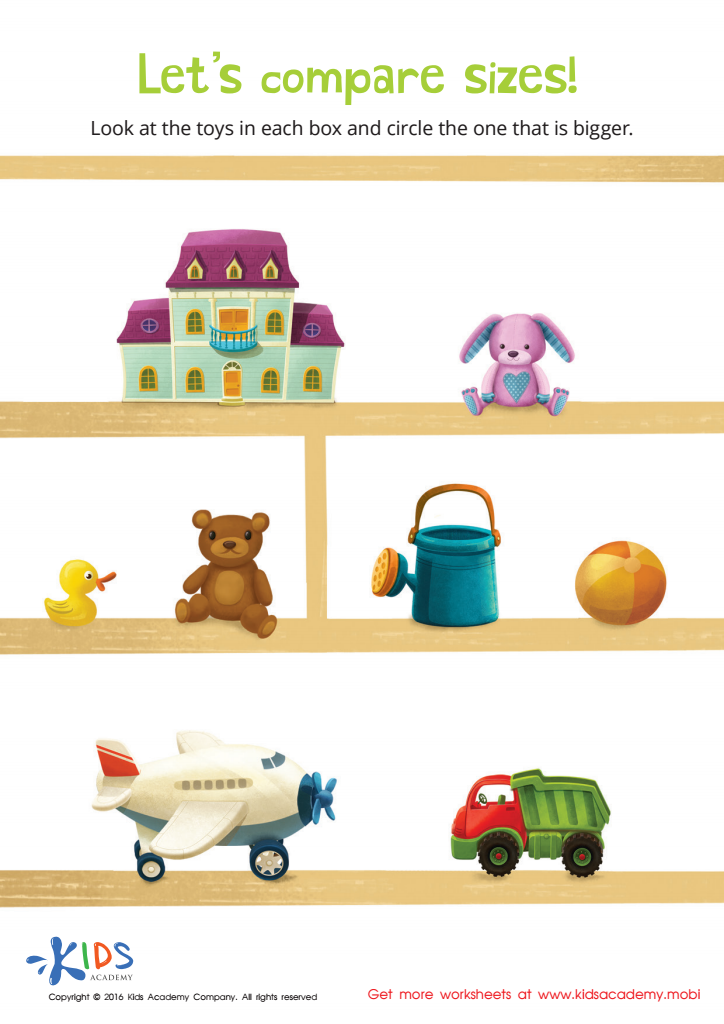
Classifying by Size Sorting Worksheet
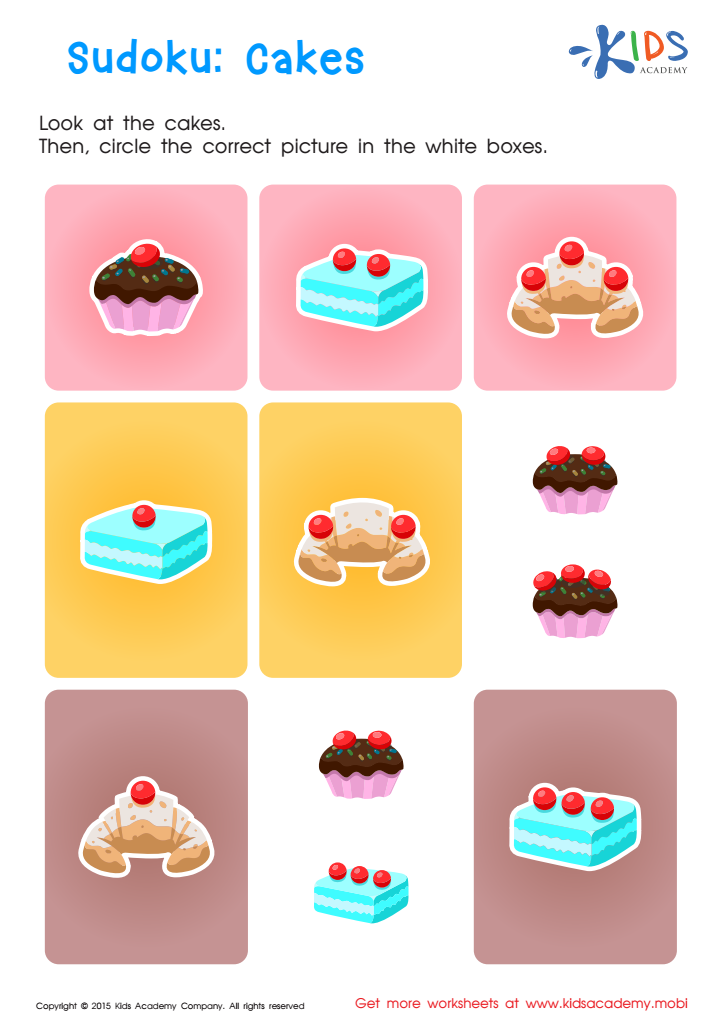
Sudoku Worksheet
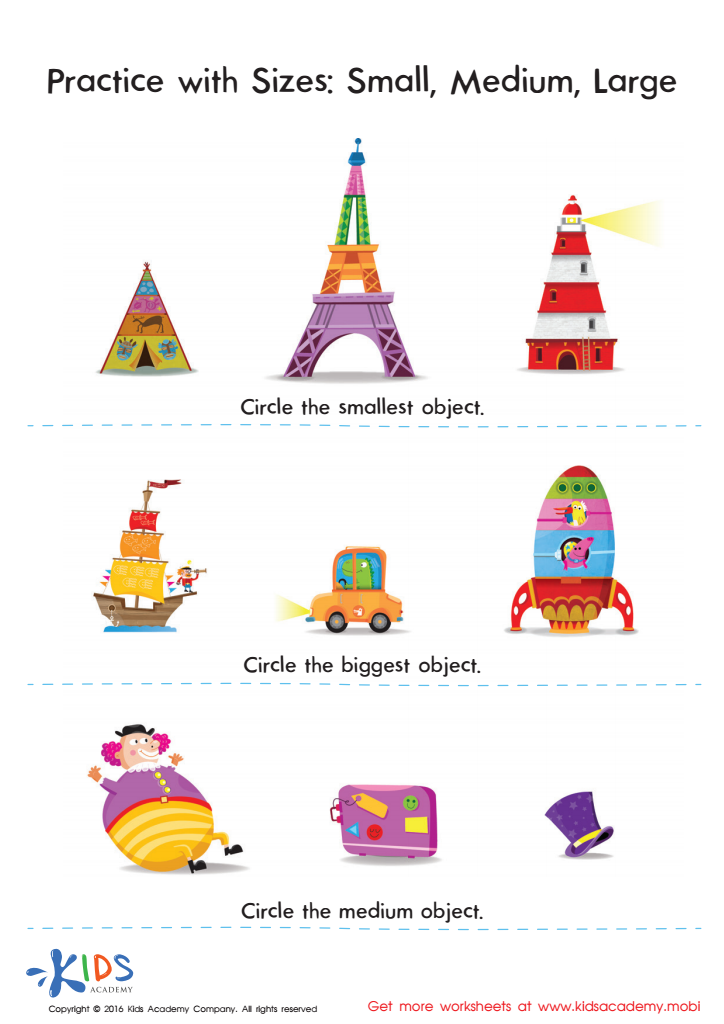








Matching activities for children ages 3-8 are vital for their cognitive, social, and emotional development. At this stage, children are naturally curious and eager to learn about the world around them. Engaging in matching games—whether through cards, colors, shapes, or objects—helps enhance their visual perception, attention to detail, and memory skills. These foundational abilities are crucial as they set the stage for more complex learning in reading, math, and problem-solving.
Additionally, matching activities promote social skills, especially when children participate in these games in groups. They learn to take turns, cooperate, and communicate with peers, which fosters friendships and enhances their emotional intelligence. Moreover, these activities can be easily adapted to encompass themes related to children’s interests, making learning engaging and enjoyable.
For parents and teachers, understanding the importance of matching for young learners means recognizing an essential method to support early educational experiences. By providing opportunities and environments where matching can thrive, they help nurture a love for learning that can galvanize their child's academic journey. In essence, matching lays the groundwork for critical skills development that will benefit children throughout their educational careers and beyond.








