Building Vocabulary Worksheets for Ages 3-8 - Page 2
254 filtered results
-
From - To

 Assign to My Students











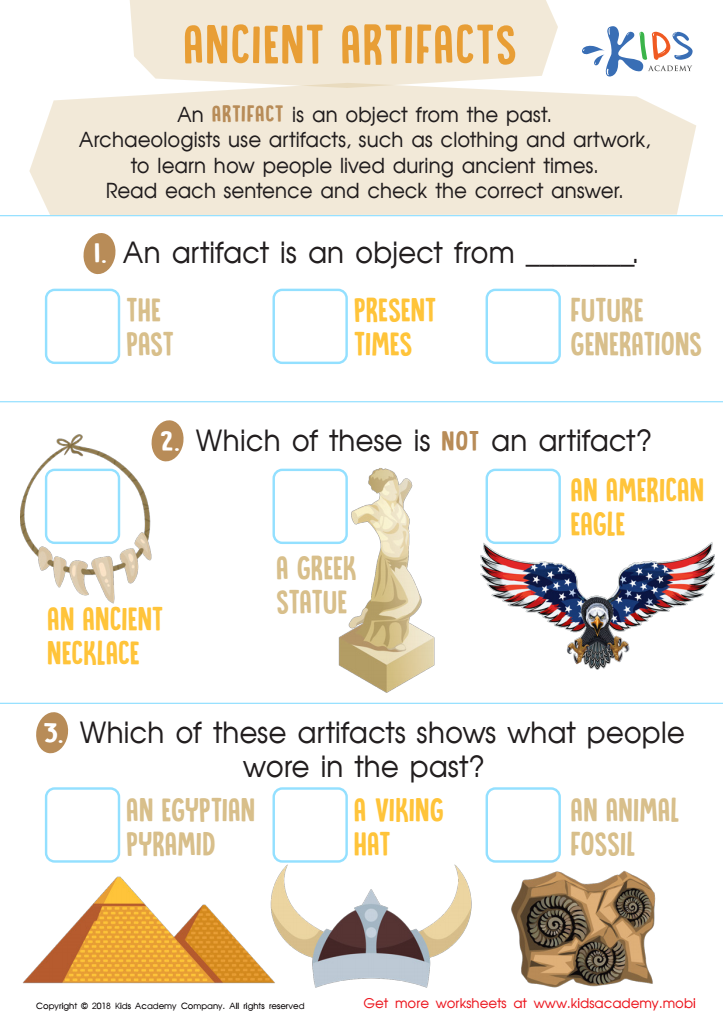
Ancient Artifacts Worksheet
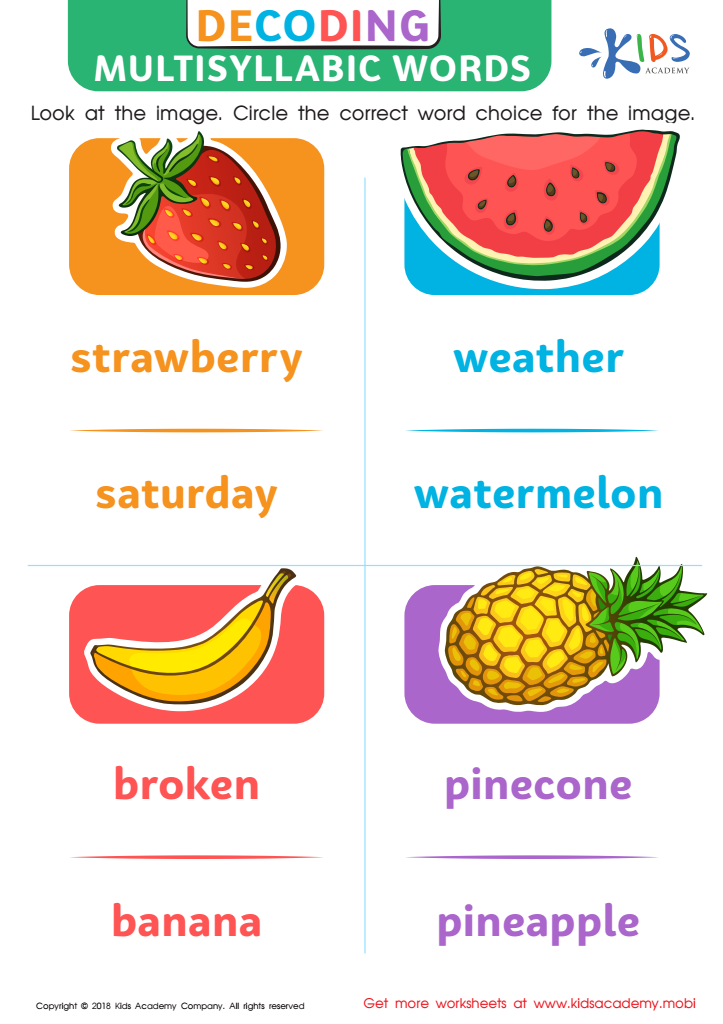
Decoding Multisyllabic Words Worksheet
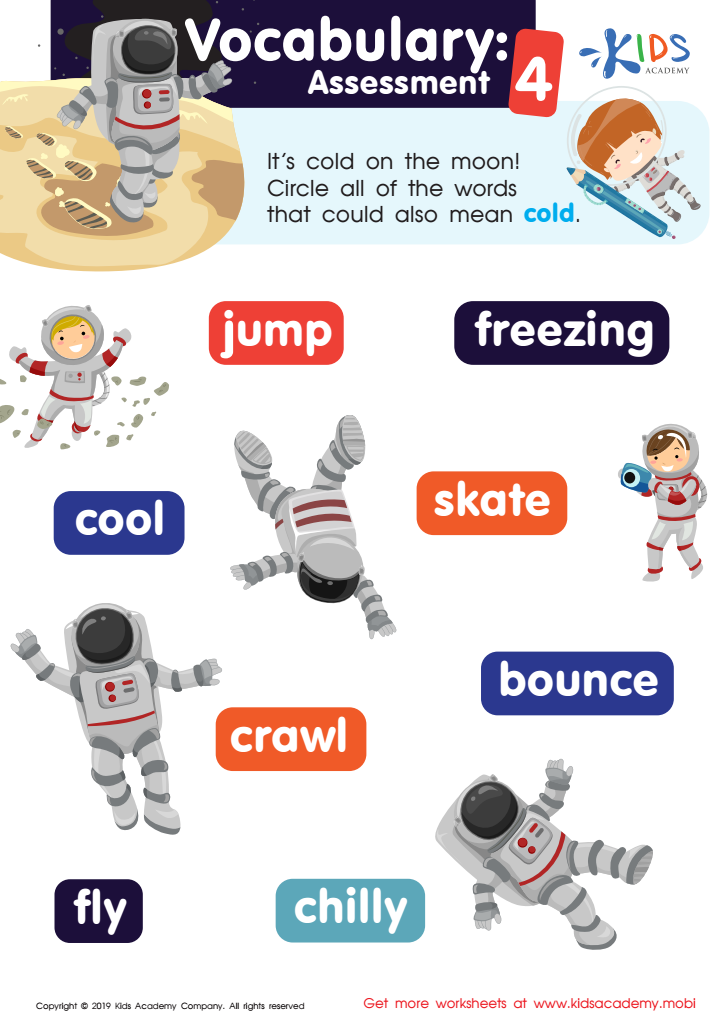
Vocabulary: Assessment 4 Worksheet
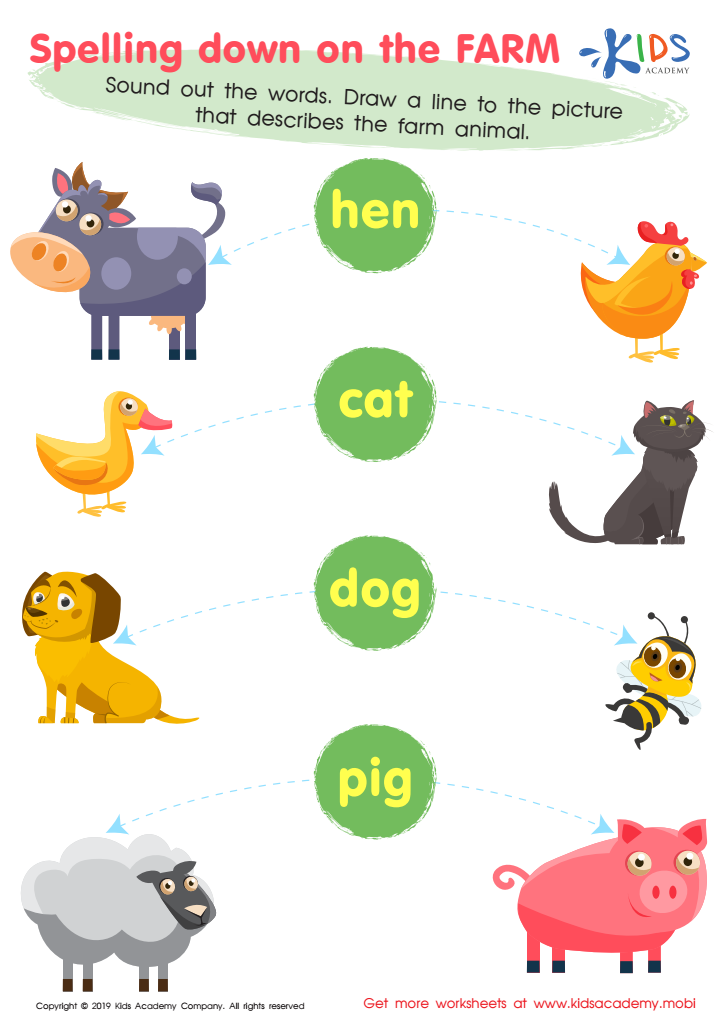
Spelling Down on the Farm Worksheet
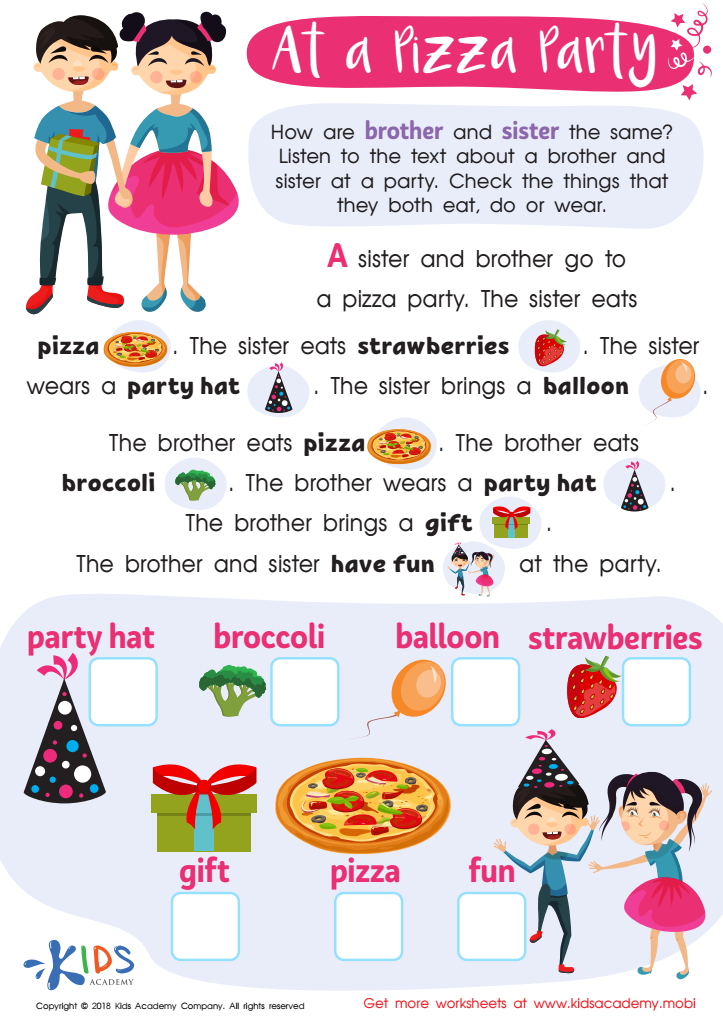
At a Pizza Party Worksheet

Constellations Word Search Printable

Frame it Up Worksheet
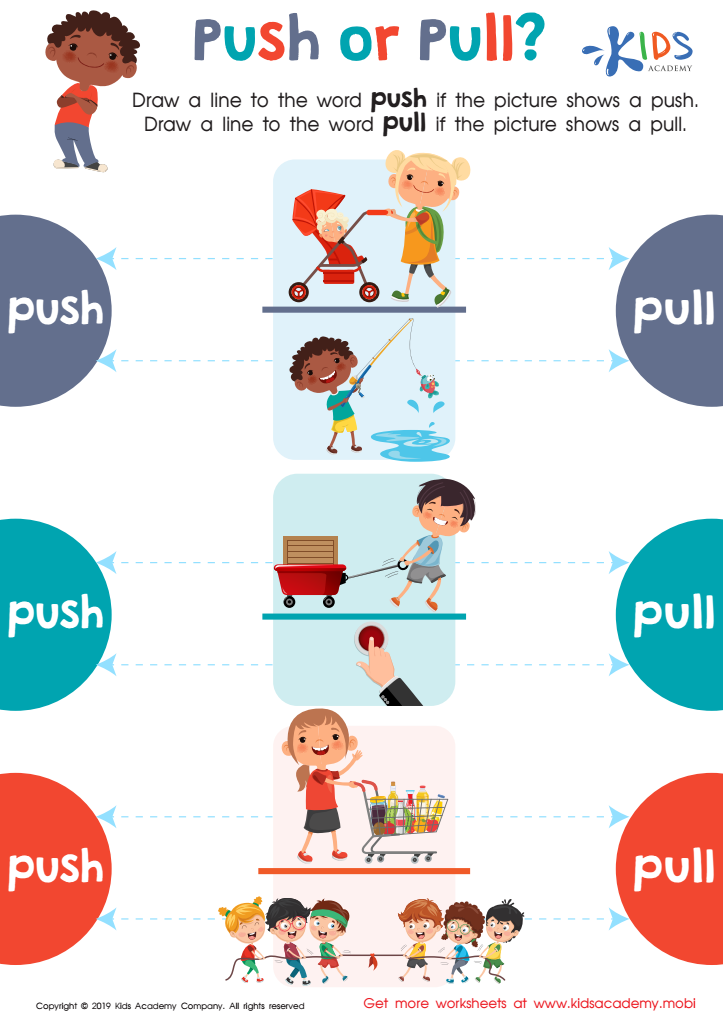
Push or Pull? Worksheet
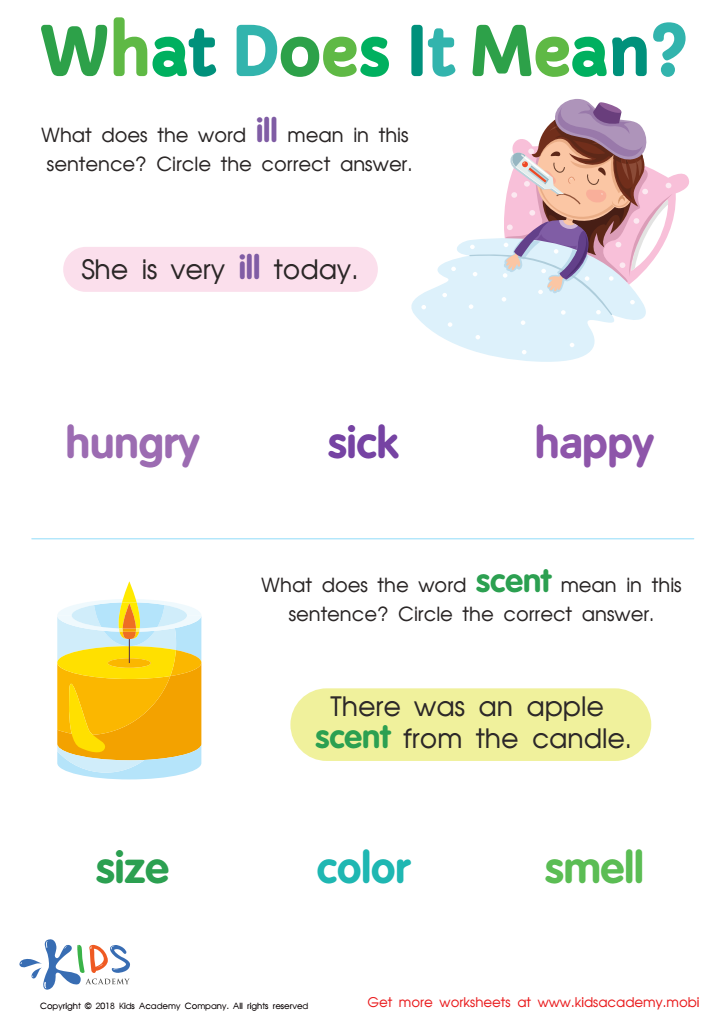
What Does It Mean? Worksheet
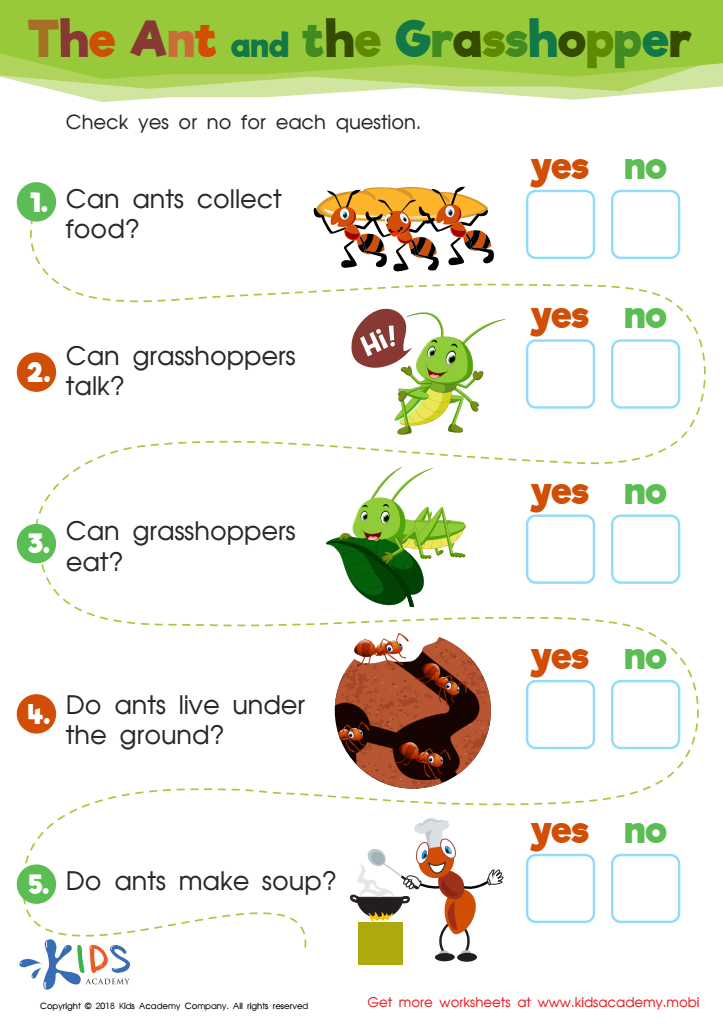
The Ant and The Grasshopper Worksheet
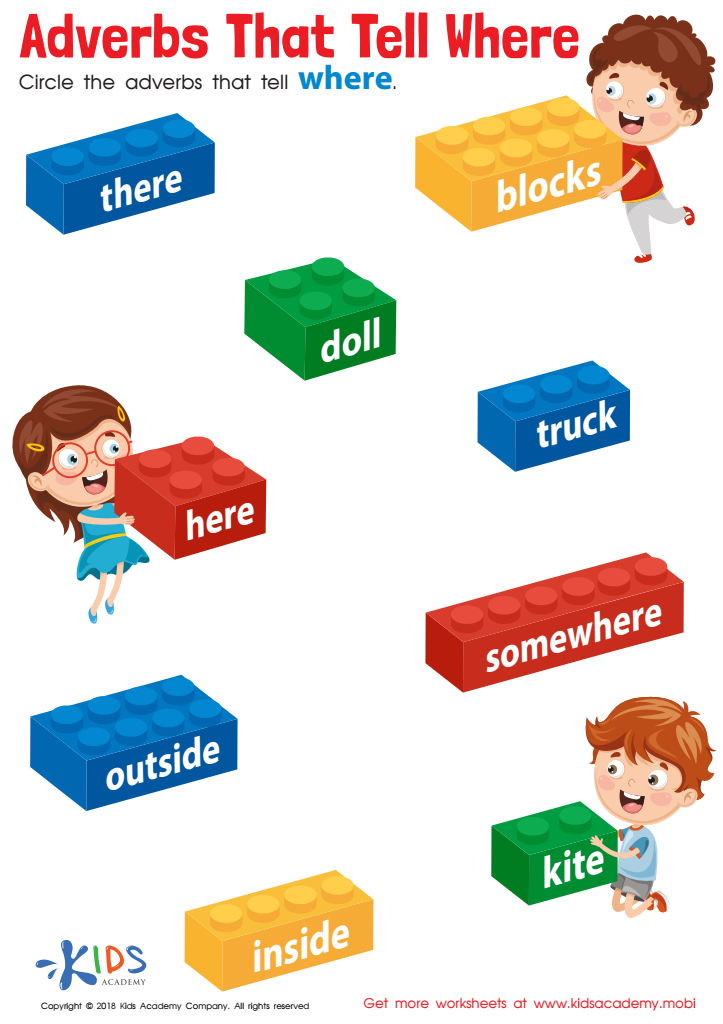
Adverbs That Tell Where Worksheet
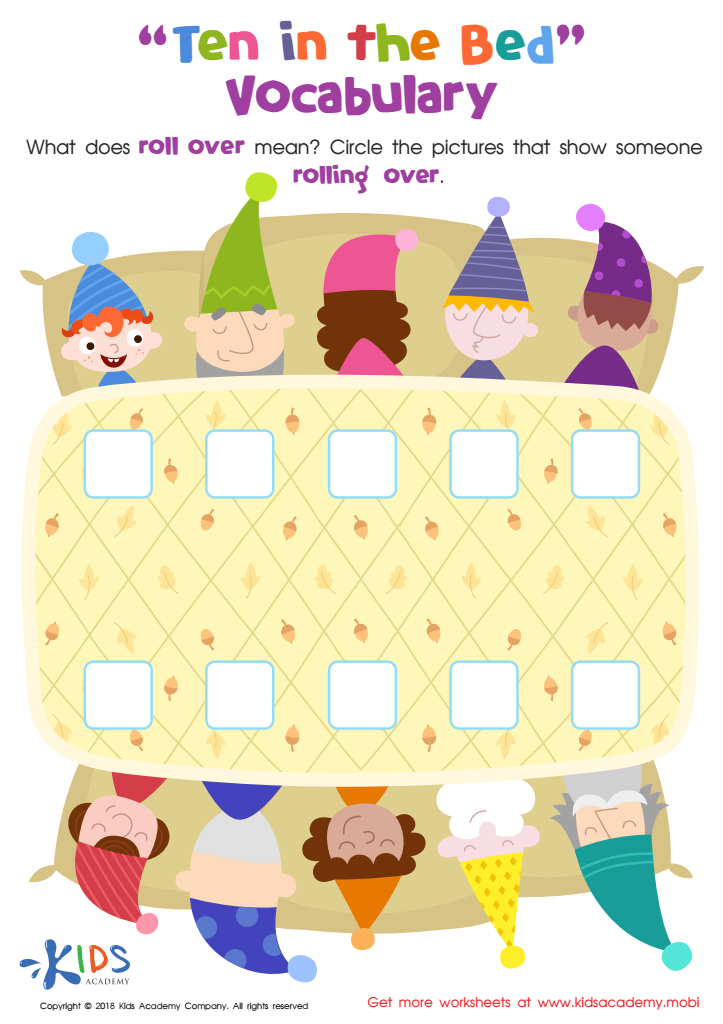
Ten in the Bed: Vocabulary Worksheet
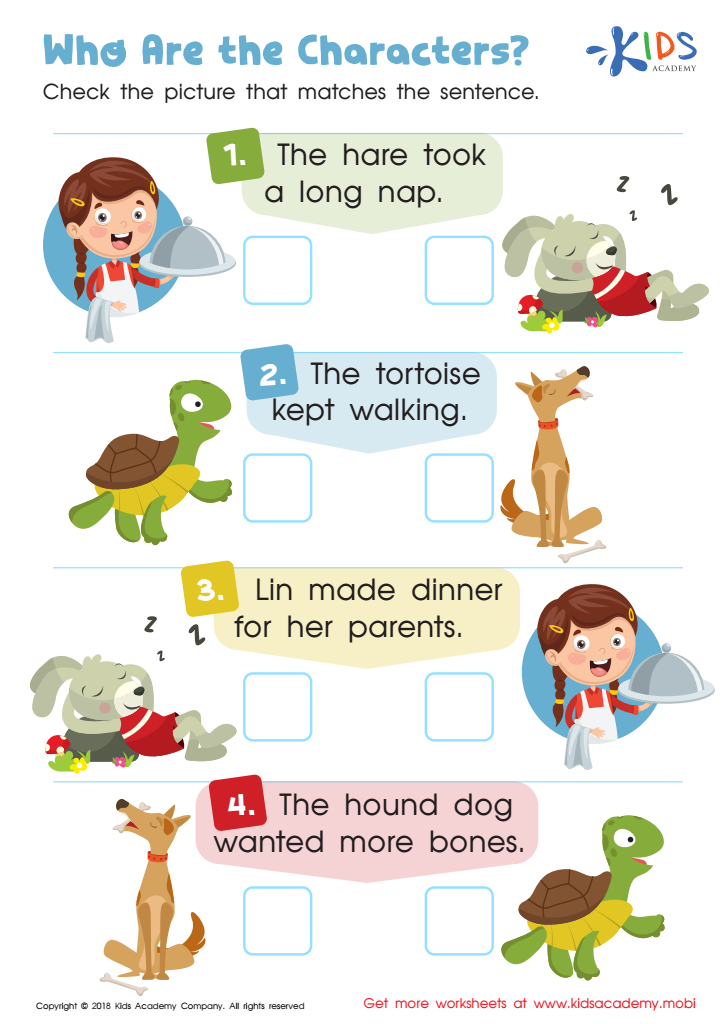
Who Are The Characters Worksheet
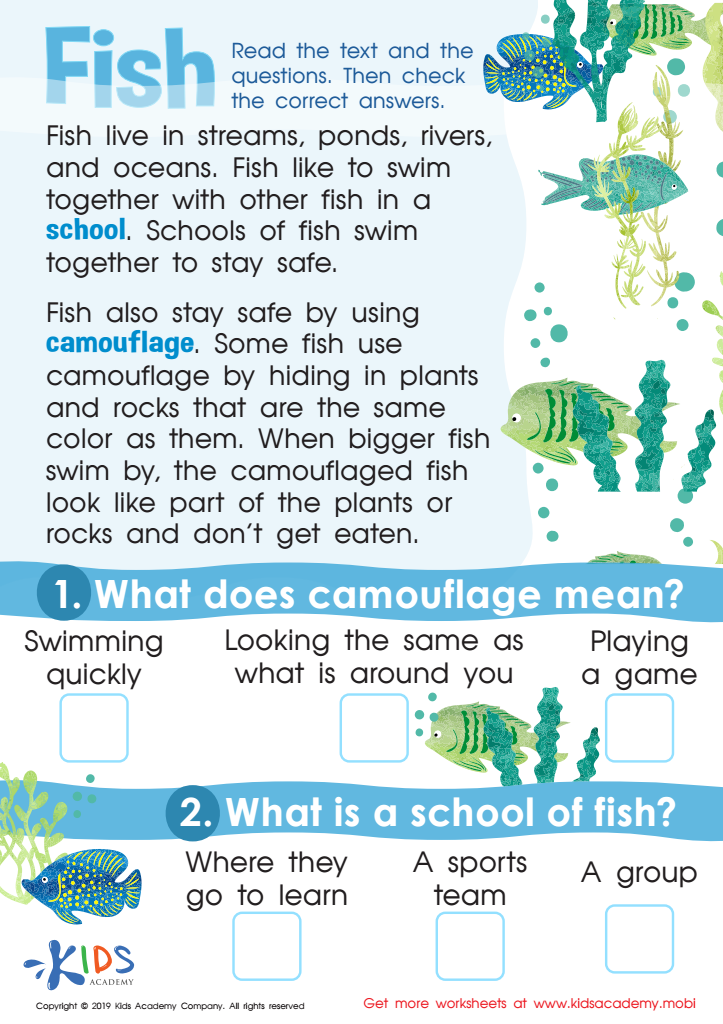
Fish Worksheet
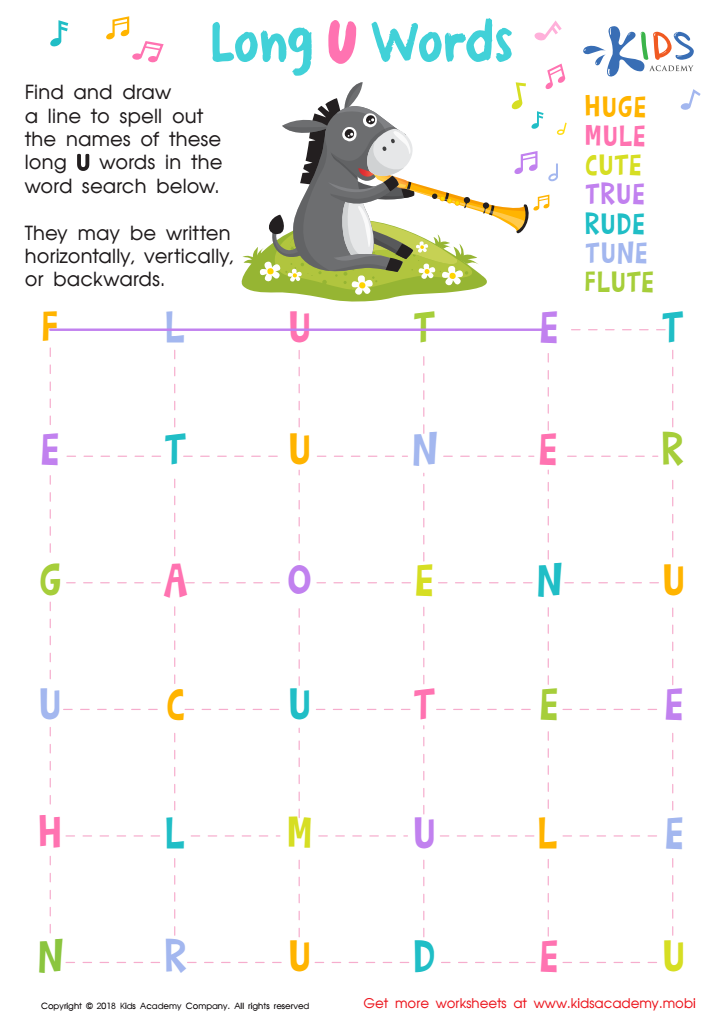
Long /u/ Words Worksheet
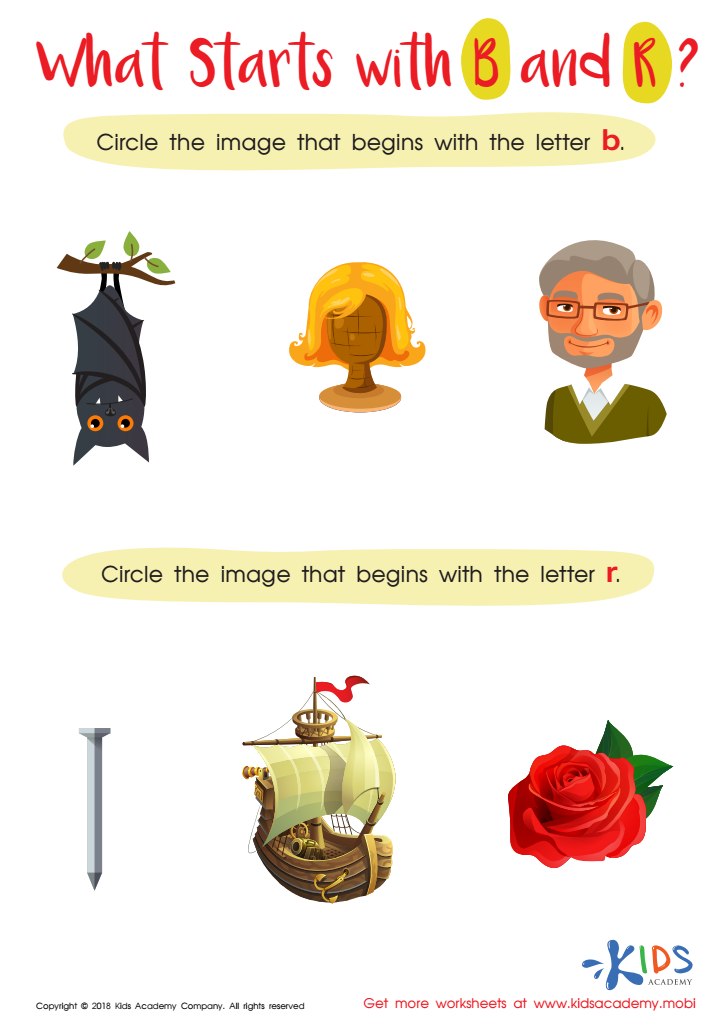
What Starts with B and R? Worksheet
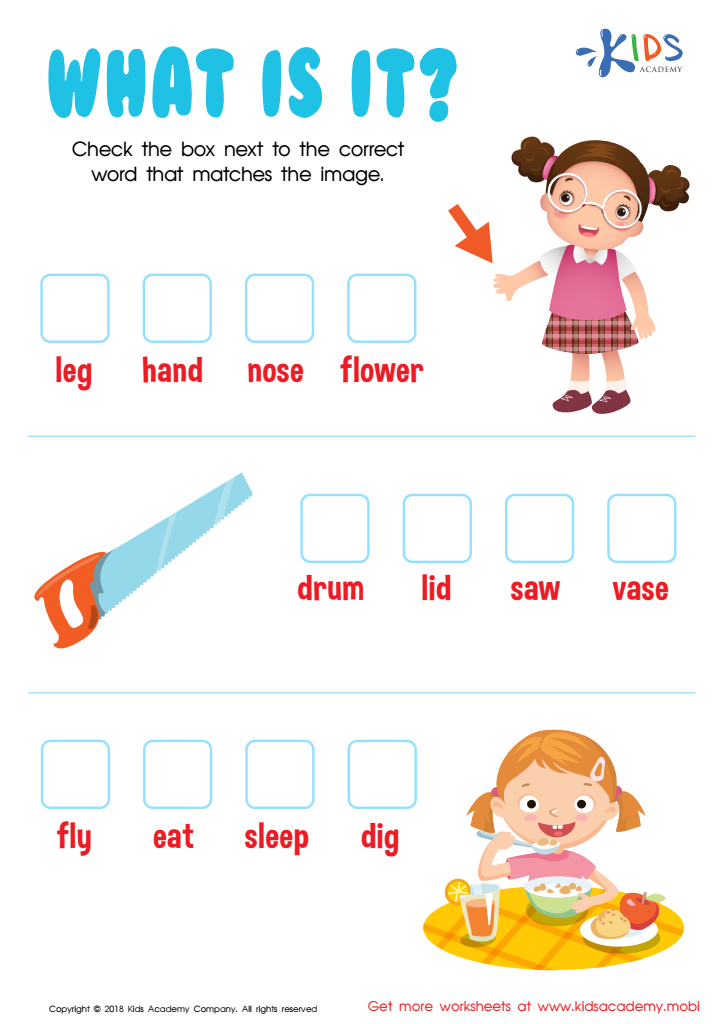
What Is It? Worksheet
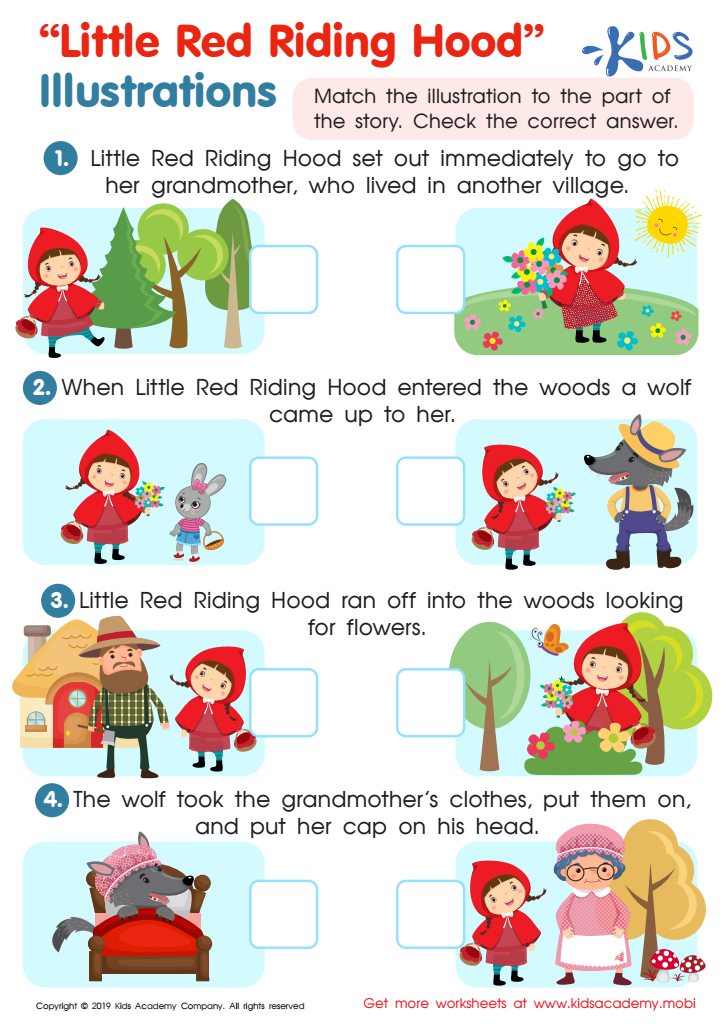
Little Red Riding Hood: Illustrations Worksheet
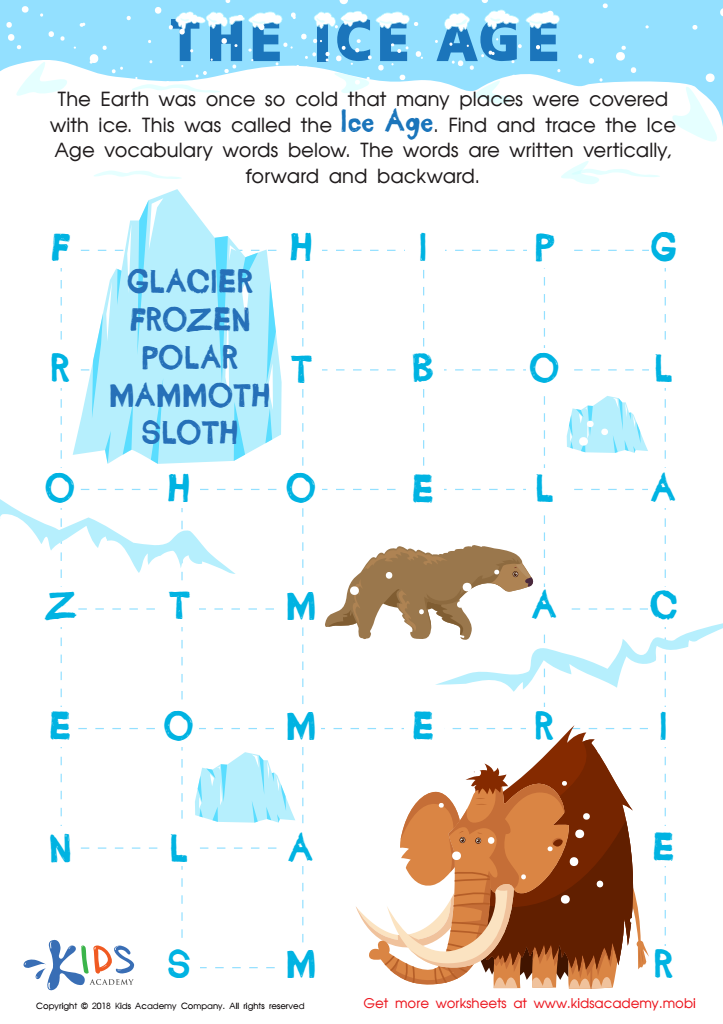
The Ice Age Worksheet

Suffix Ness Worksheet
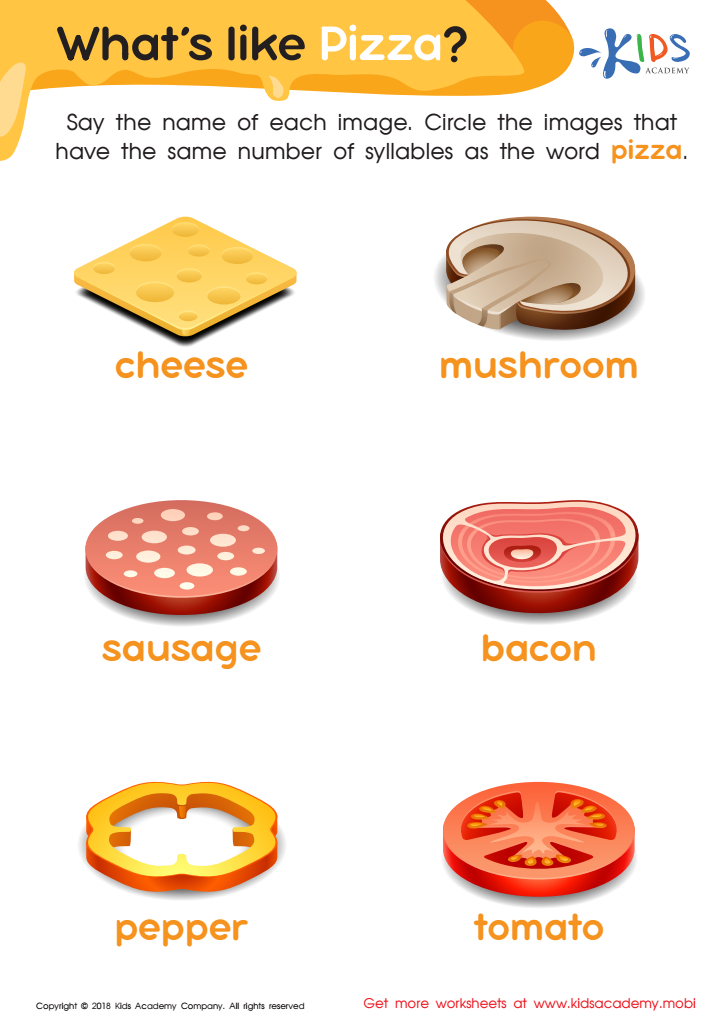
What's Like Pizza? Worksheet
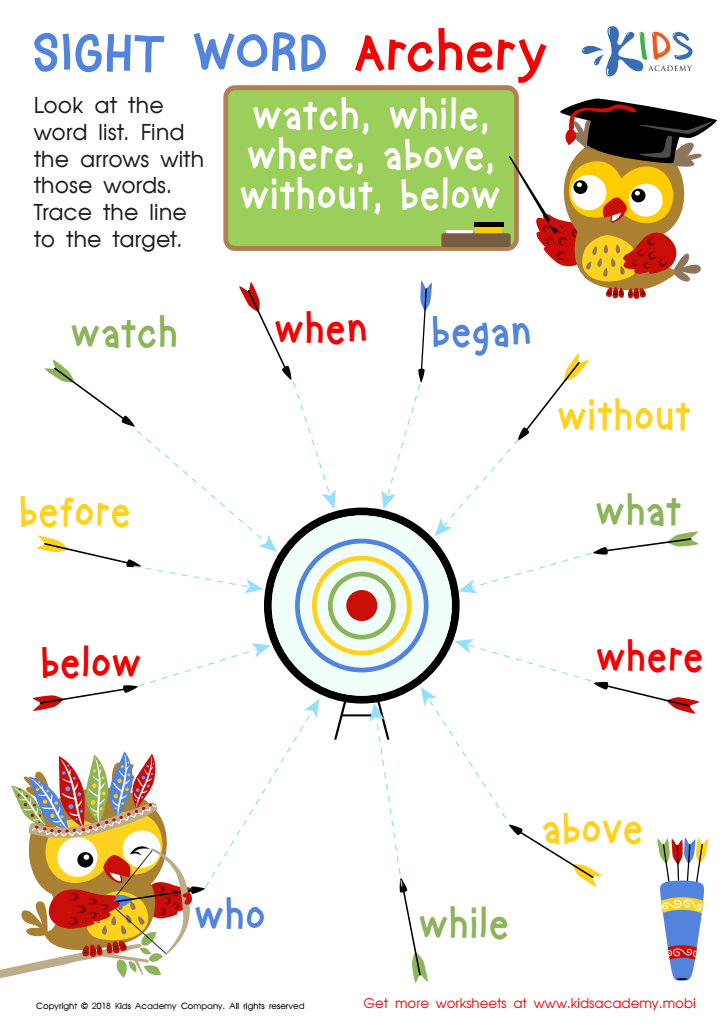
Sight Word Archery Worksheet
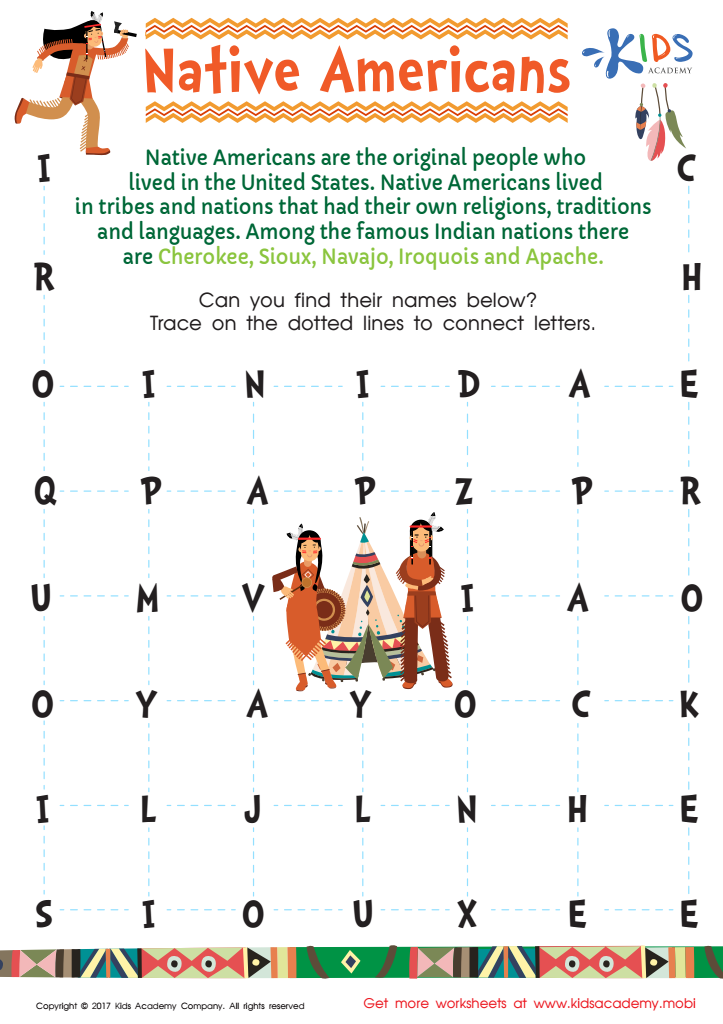
Native American Word Search Printable


.jpg)




Building vocabulary for children aged 3-8 is crucial for their overall development and academic success. During these formative years, children experience exponential growth in language acquisition, which lays a foundation for effective communication skills. A rich vocabulary enhances comprehension and encourages literacy. When children can articulate their thoughts clearly, it boosts their confidence and participation in discussions, both in and out of the classroom.
Moreover, a strong vocabulary is linked to cognitive development. It fosters critical thinking and creativity, allowing children to express their ideas and emotions more precisely. Parents and teachers can appreciate that vocabulary skills are fundamental to reading comprehension; the more words children know, the easier it becomes for them to understand and engage with texts.
Exposure to diverse vocabulary also helps children understand and navigate social interactions more effectively, fostering emotional intelligence and empathetic communication. By investing time in building vocabulary through reading, conversations, and play, adults can create a stimulating environment that supports lifelong learning. Thus, prioritizing vocabulary development can yield significant long-term benefits, shaping not just good learners but well-rounded individuals. Ultimately, the role of parents and teachers in this growth cannot be understated—they are pivotal in nurturing a child's linguistic journey.








