Tracing Letters Worksheets for Ages 3-9 - Page 3
58 filtered results
-
From - To
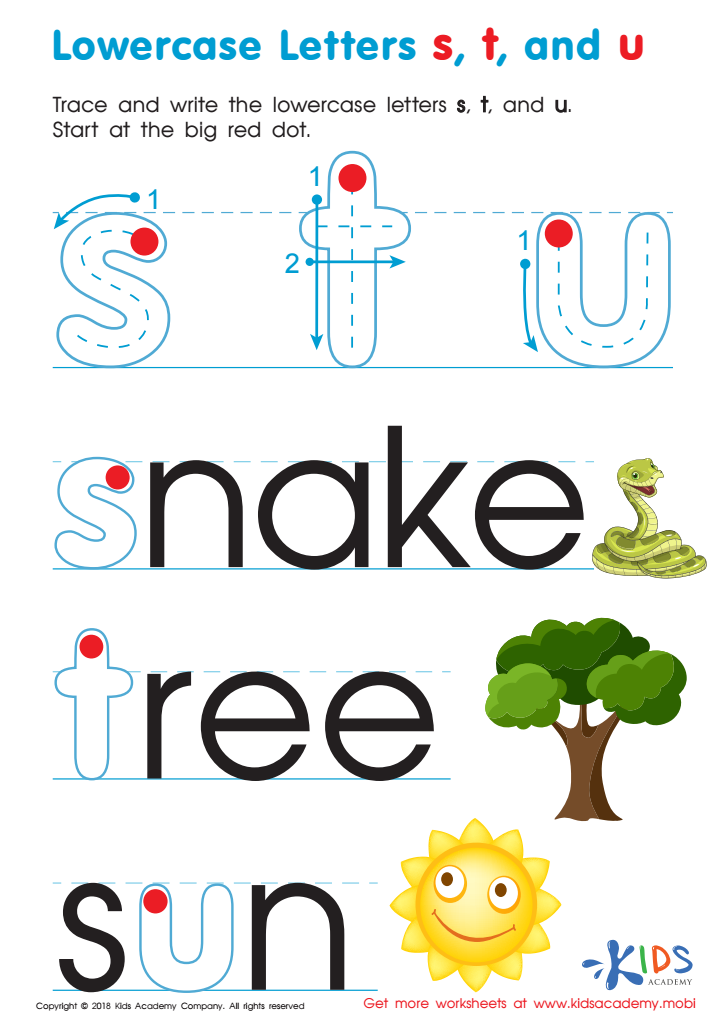
Lowercase Letters s t u Worksheet
 Assign to My Students
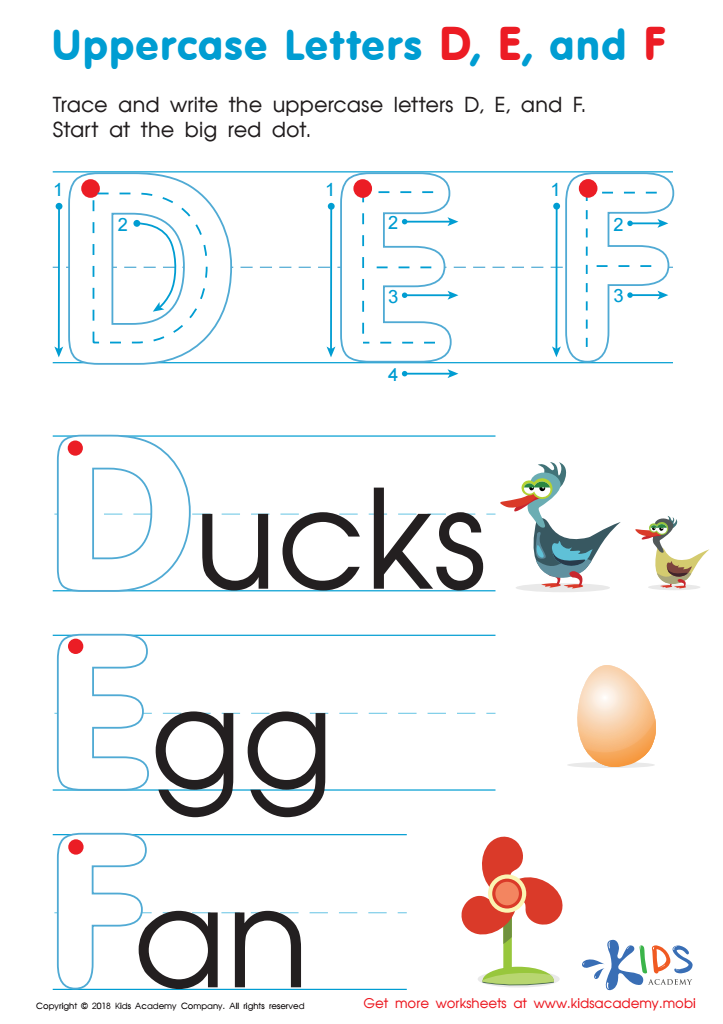
Uppercase Letters D, E, and F Worksheet
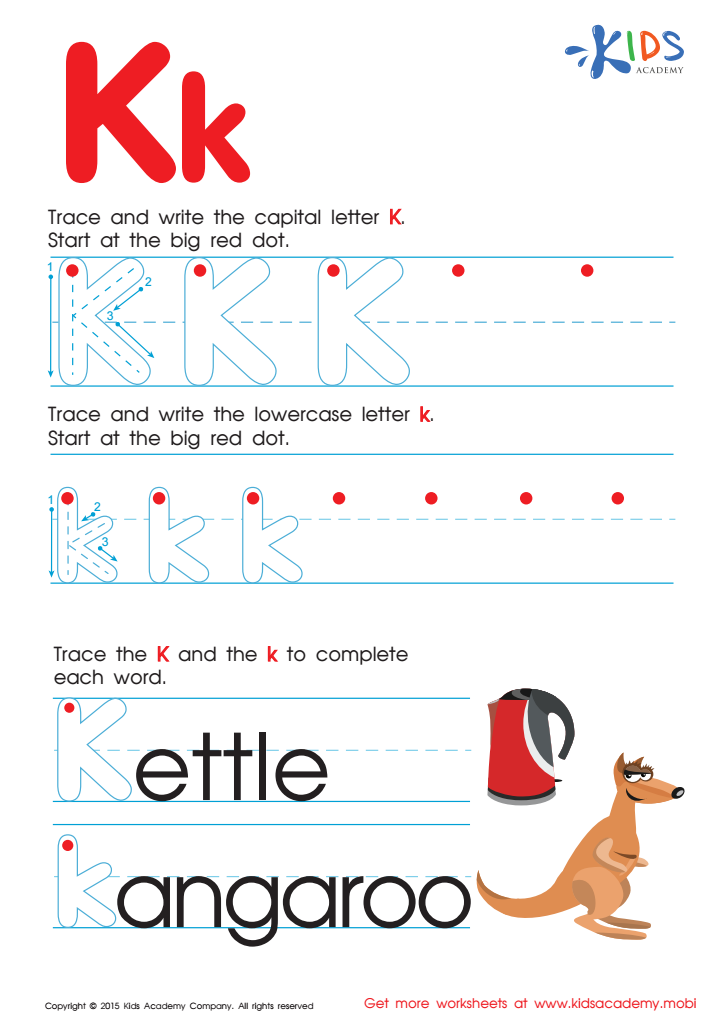
Letter K Tracing Page

Letter F Tracing Page
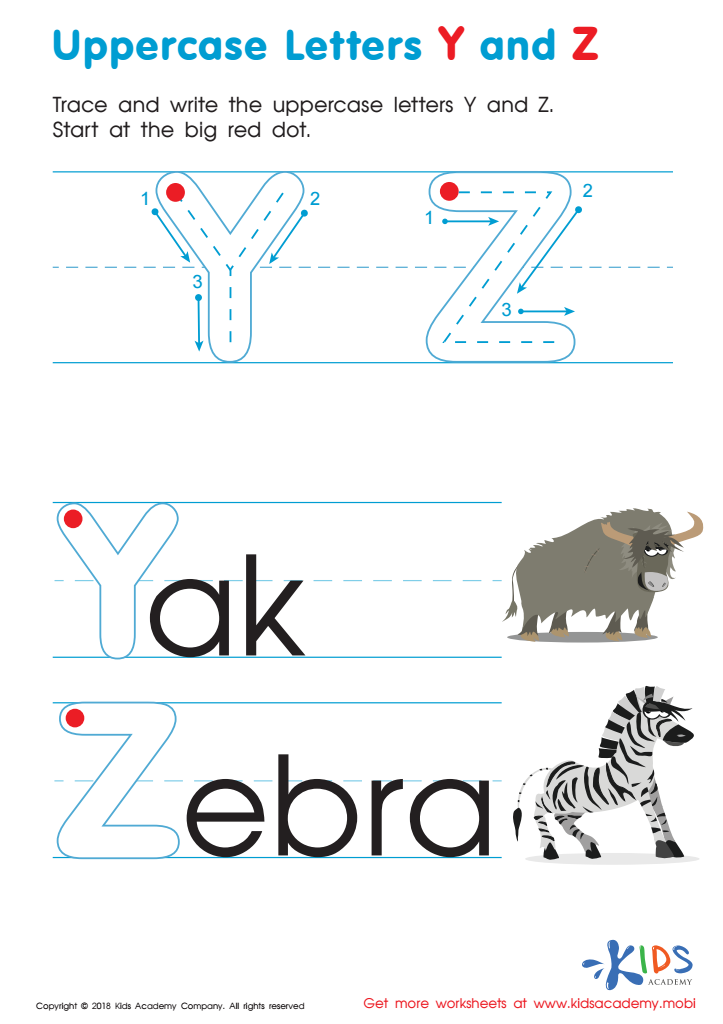
Uppercase Letters Y Z Worksheet
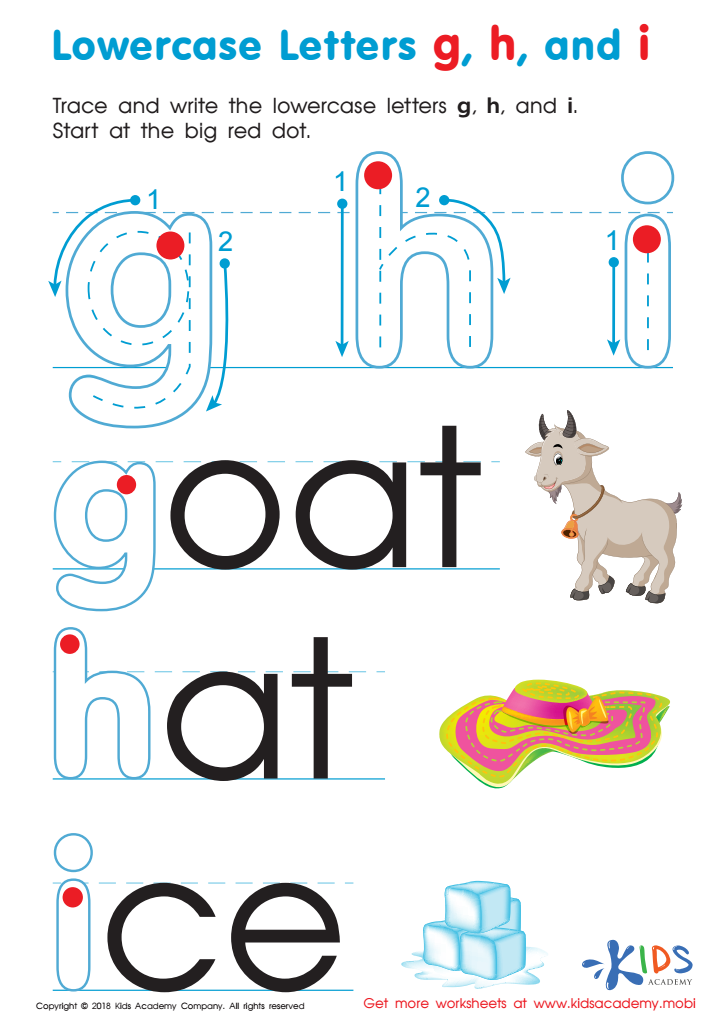
Lowercase Letters g h i Worksheet
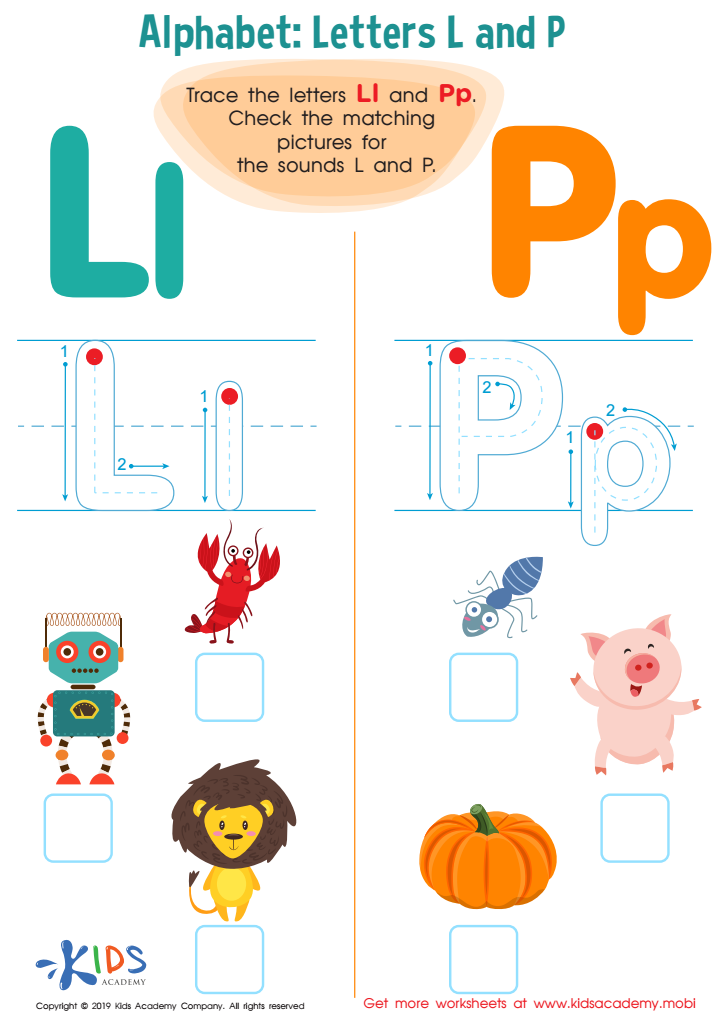
Letter L and P Tracing Worksheet
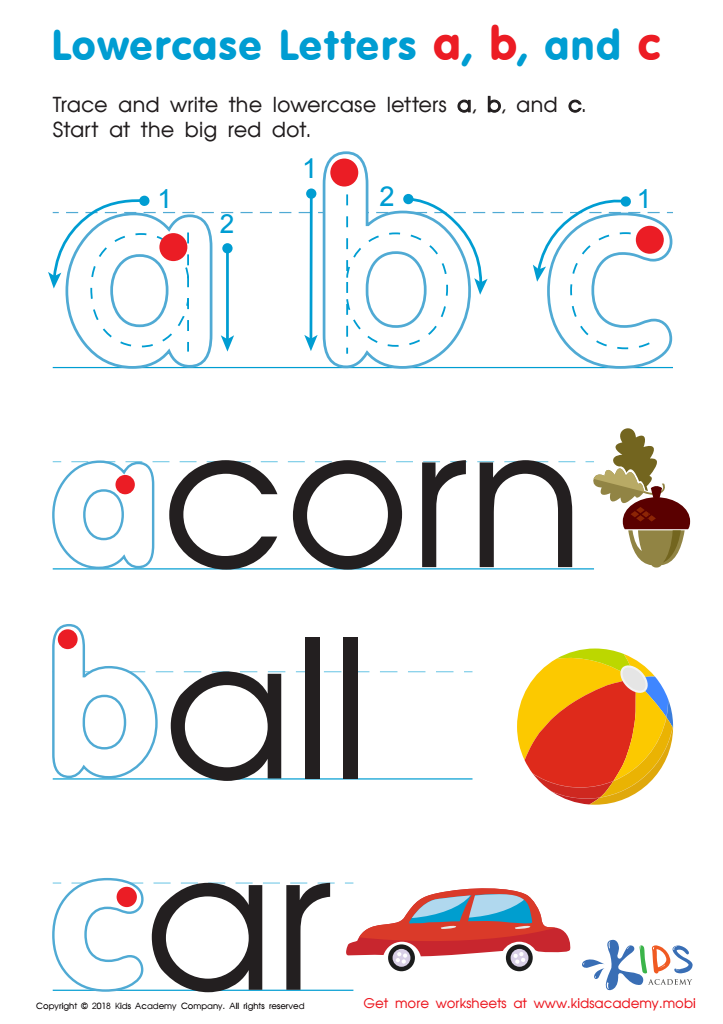
Lowercase Letters a b c Worksheet

Letter T Tracing Page

Letter D Tracing Page








Tracing letters is a foundational skill essential for children ages 3-9 as it serves as a cornerstone for literacy and academic success. For parents and teachers, emphasizing this activity offers numerous benefits. At its core, tracing helps young learners develop fine motor skills, such as hand-eye coordination and muscle control, which are crucial for writing legibly.
Furthermore, tracing letters promotes cognitive development by enhancing children’s abilities to recognize and memorize letter shapes and their corresponding sounds. This early familiarity paves the way for improved reading and writing capability. Research indicates that early literacy skills correlate with future academic achievements, making such activities pivotal during the formative years.
Engaging in tracing activities also fosters concentration and discipline. As children practice repeatedly, they hone their focus and patience, skills that are vital for various aspects of learning. Teachers can use tracing as a fun and interactive way to introduce new letters, incorporate engaging stories, and stir creativity through colorful letters and patterns.
In sum, prioritizing letter tracing offers a rich and multifaceted developmental experience, cultivating fine motor coordination, cognitive recognition, and emotional focus. By integrating this practice, parents and teachers provide a robust platform for children’s future learning endeavors, nurturing their ability to read, write, and express themselves effectively.








