Geometry Worksheets for Ages 3-9 - Page 9
198 filtered results
-
From - To
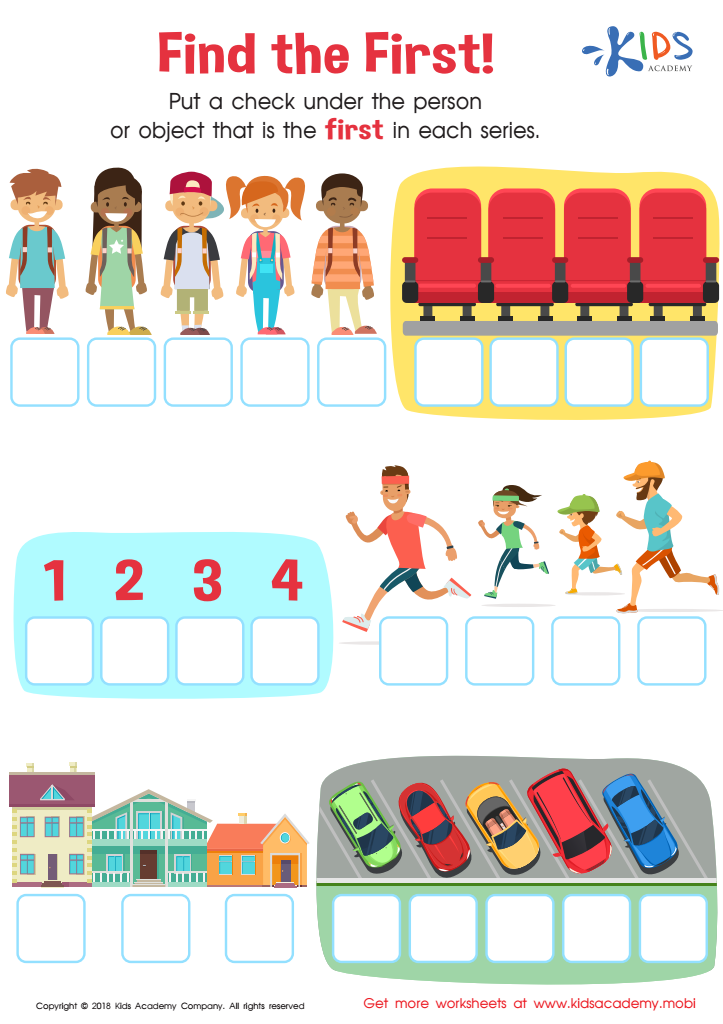
Find the First! Worksheet
 Assign to My Students











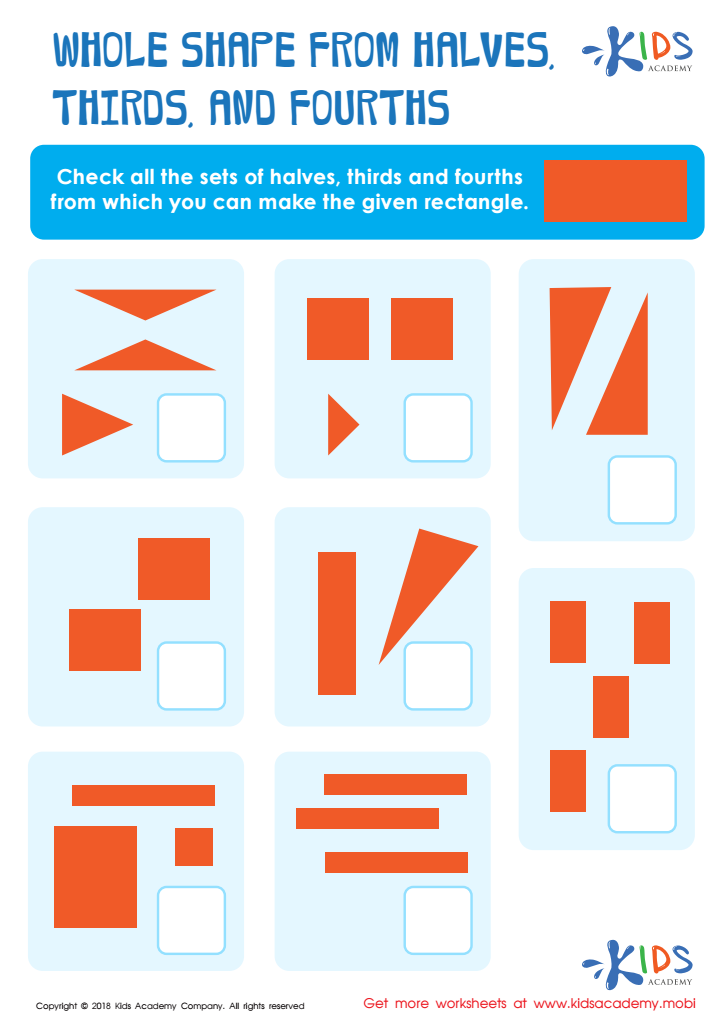
Whole Shape from Halves, Thirds and Fourths Worksheet
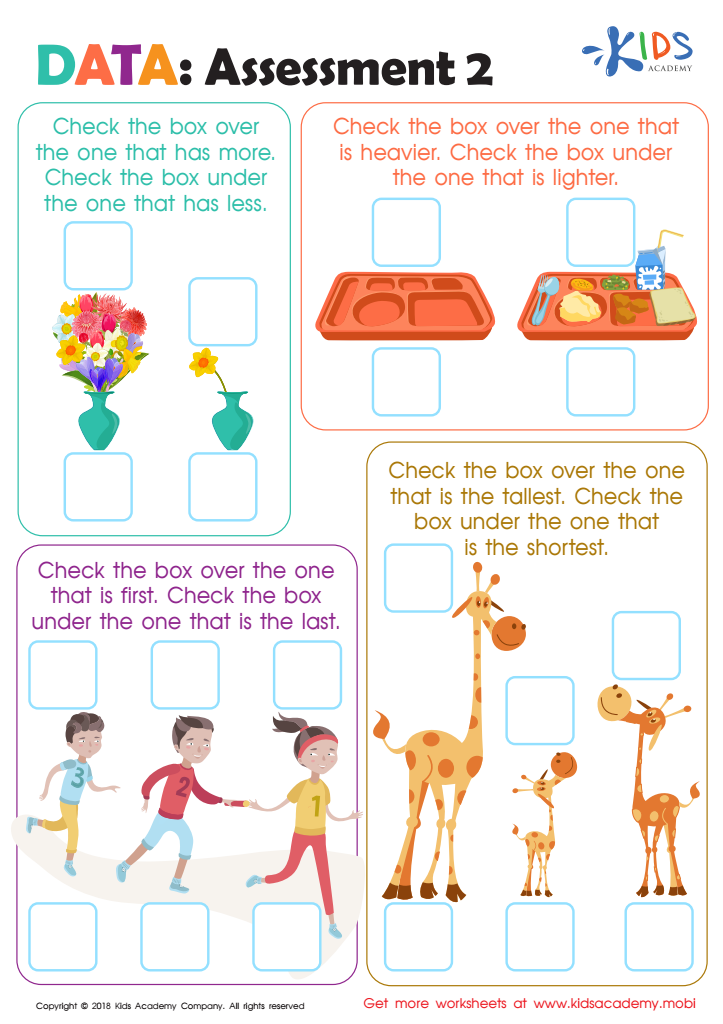
Data: Assessment 2 Worksheet
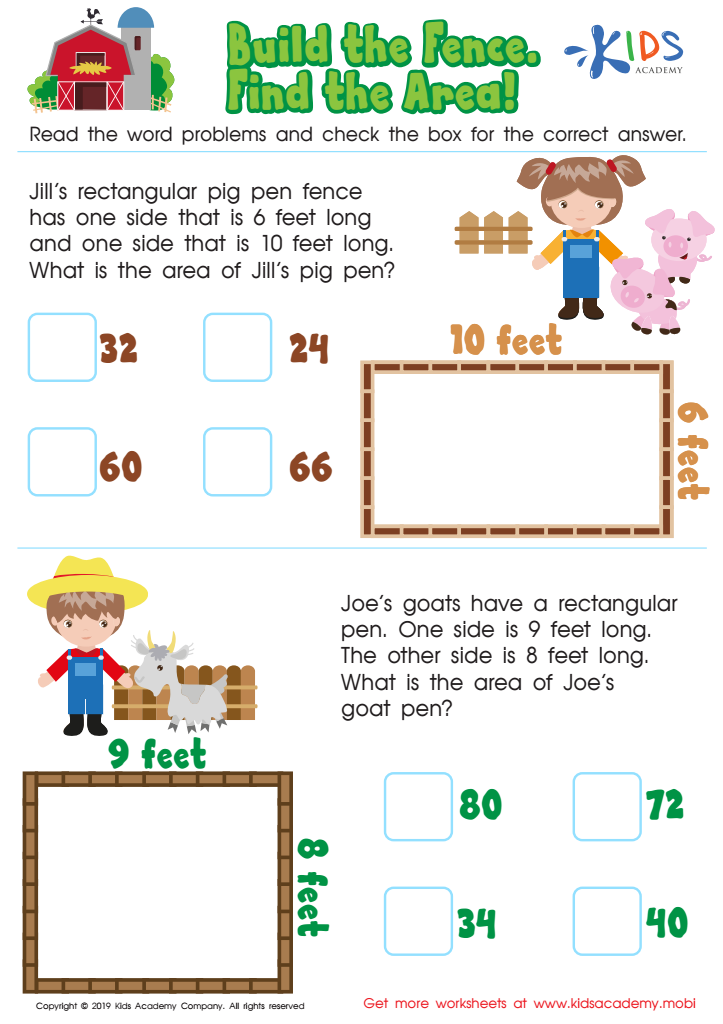
Build the Fence, Find the Area Worksheet
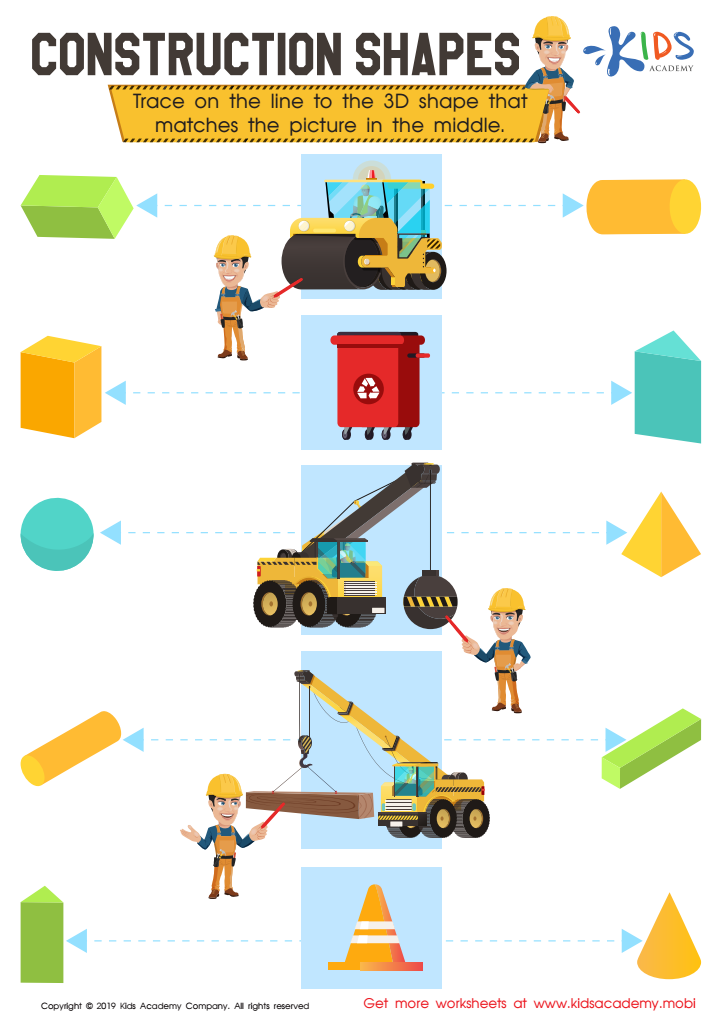
Construction Shapes Worksheet
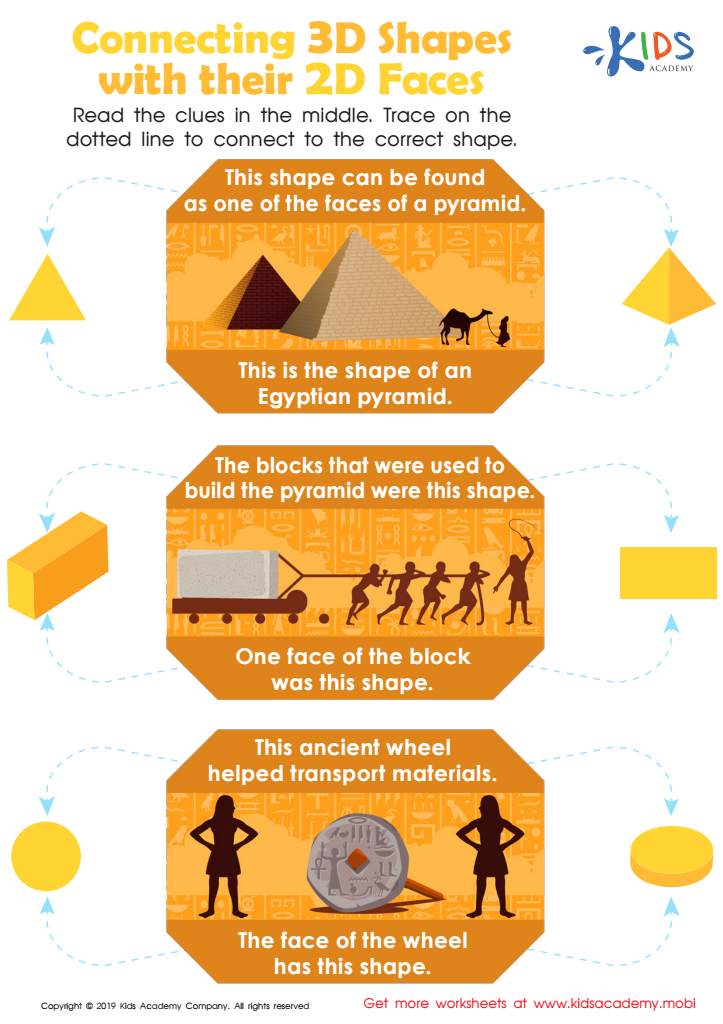
Connecting 3D Shapes with Their 2d Faces Worksheet








Geometry is an essential component of early childhood education, and parents and teachers should prioritize it for children aged 3 to 9 due to its significant benefits in cognitive development. At this age, children naturally explore and understand their world through shapes, sizes, and spatial relationships. Engaging with geometry helps them develop critical thinking and problem-solving skills as they classify, compare, and manipulate shapes.
Learning geometry also fosters mathematical understanding. Recognizing different geometric shapes lays the groundwork for more complex math concepts later on, such as measurement and spatial reasoning. Moreover, geometric activities stimulate creativity and enhance fine motor skills through hands-on tasks like building, drawing, and crafting.
In addition to academic growth, geometry nurtures children's ability to visualize and interpret their surroundings, which is crucial in a rapidly changing world. It also encourages social interaction during group activities, fortifying teamwork and communication skills.
By incorporating geometry into daily learning experiences through games, art, and real-life applications, parents and teachers can cultivate a love for math while supporting overall cognitive and social development. Emphasizing geometry in early education builds a strong foundation for future success in mathematics and reasoning skills.








