Multiplication Worksheets for Ages 3-9 - Page 2
70 filtered results
-
From - To
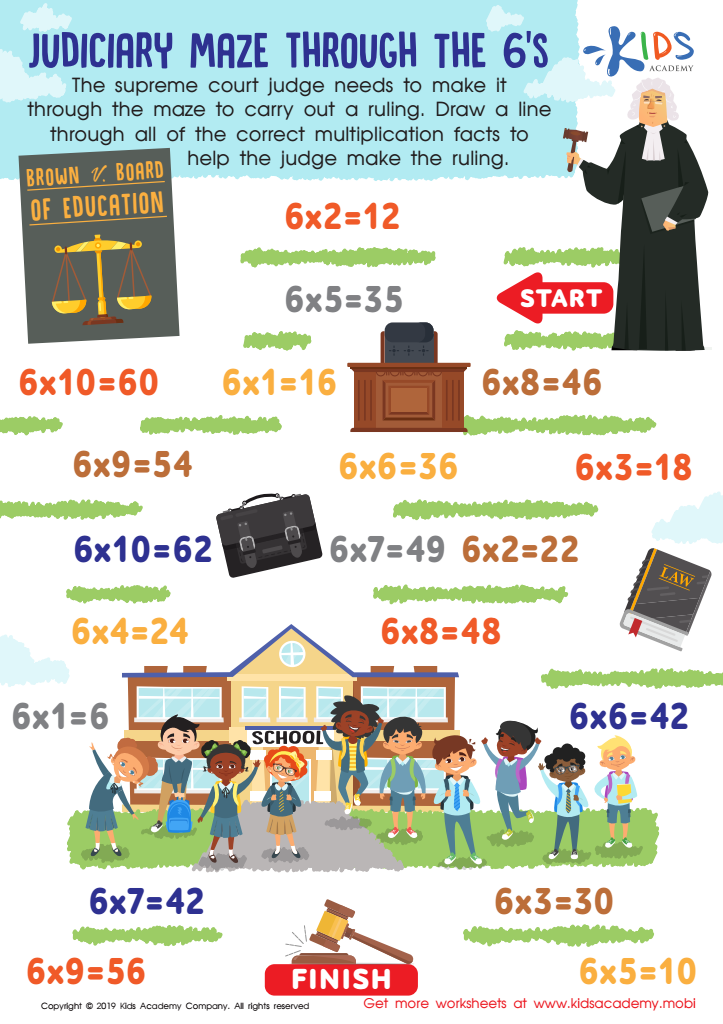
Judiciary Maze Through The 6’s Worksheet
 Assign to My Students
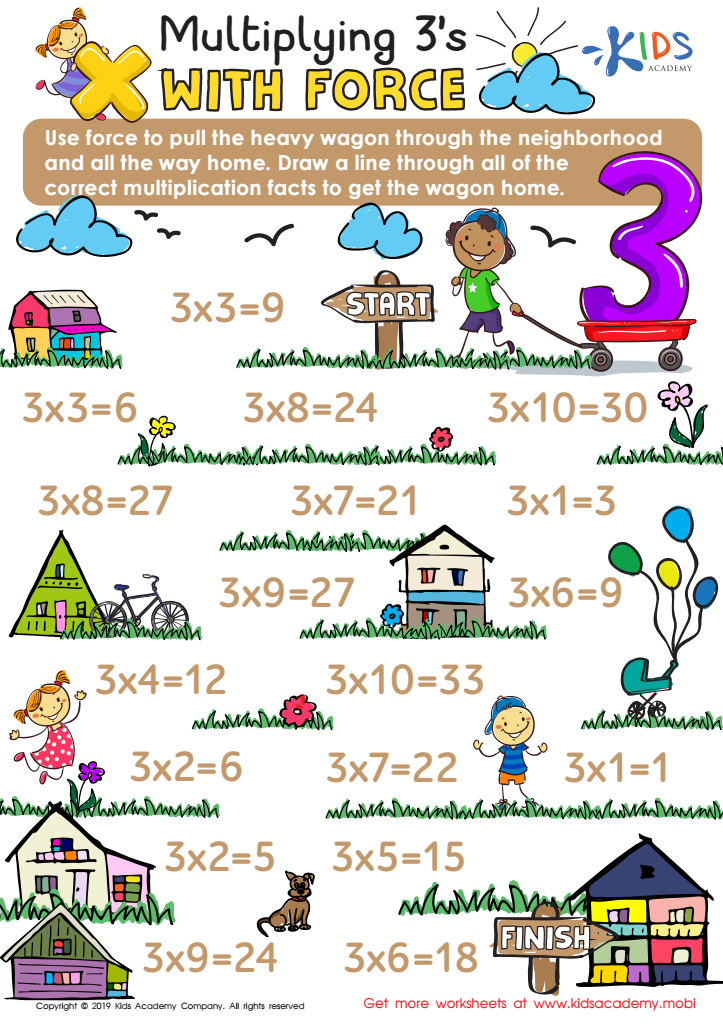
Multiplying 3s with Force Worksheet
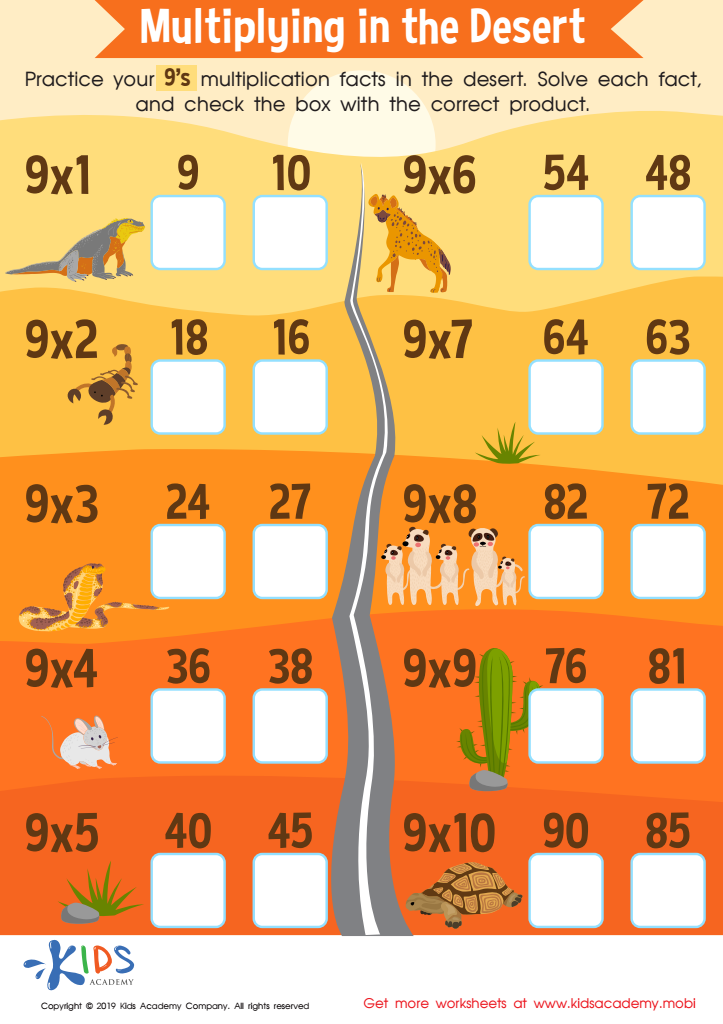
Multiplying in the Desert Worksheet
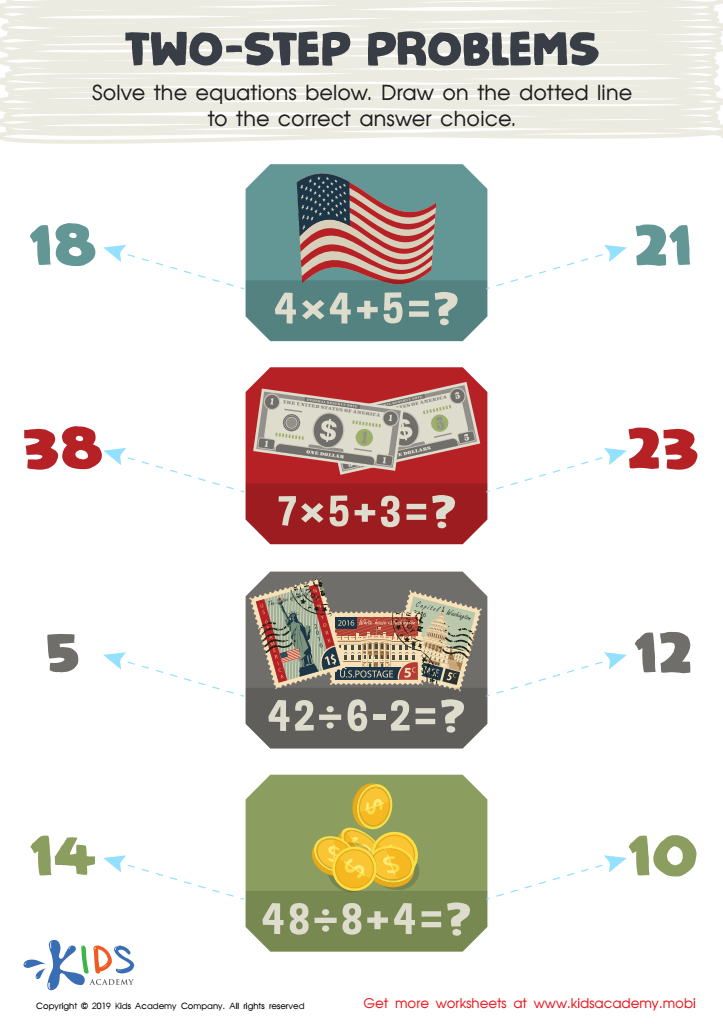
Two-Step Problems Worksheet
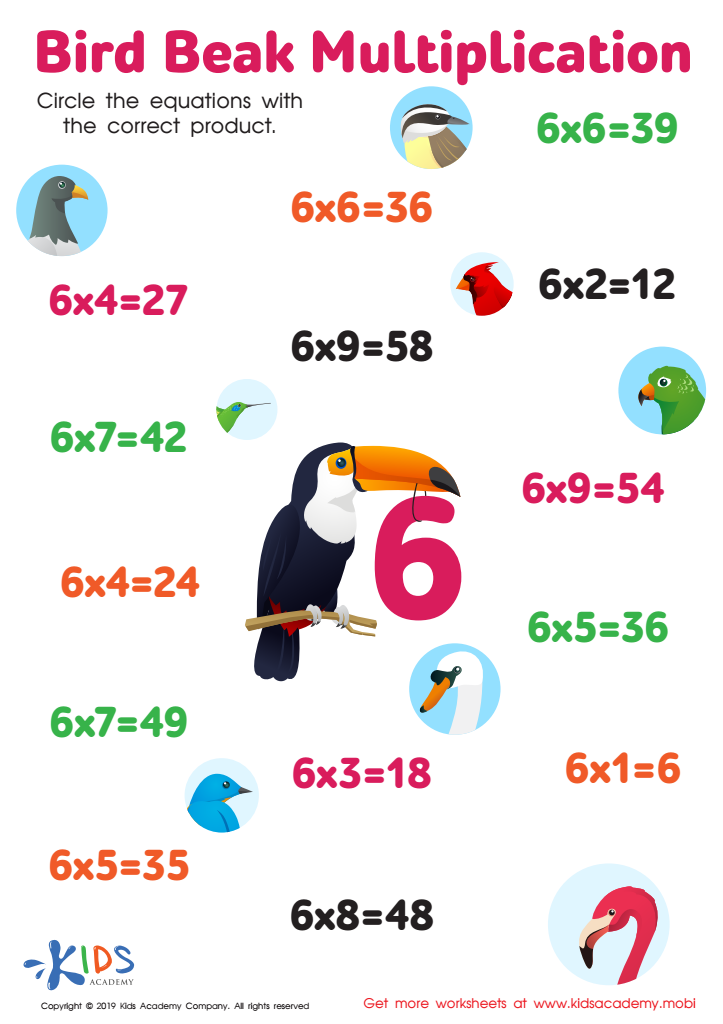
Bird Beak Multiplication Worksheet
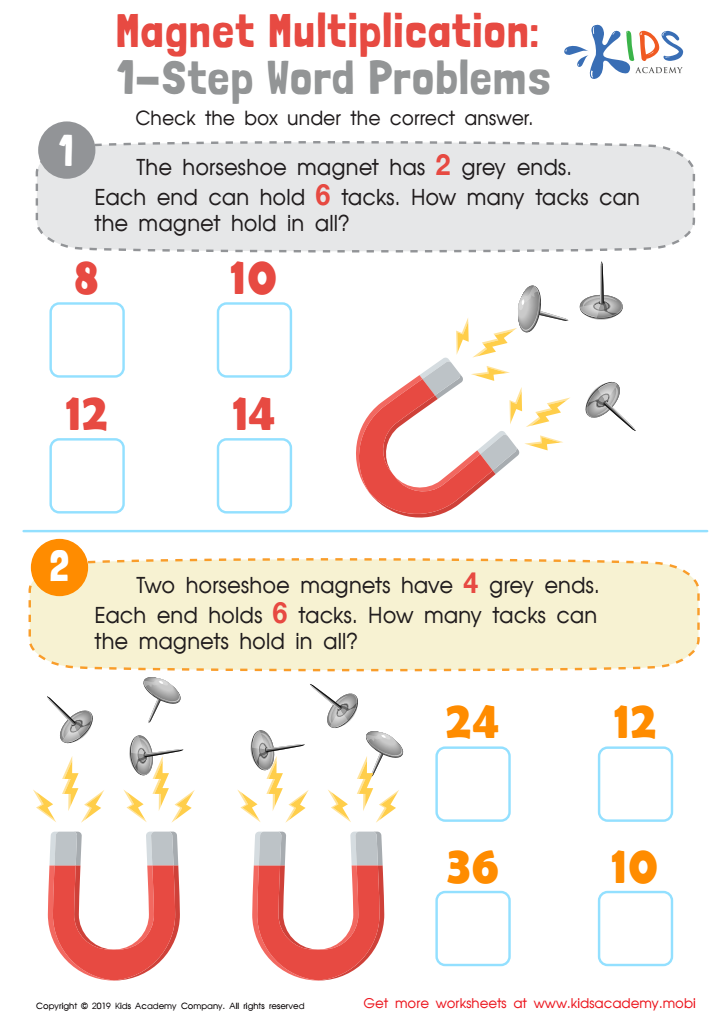
Magnet Multiplication: 1-Step Word Problems Worksheet
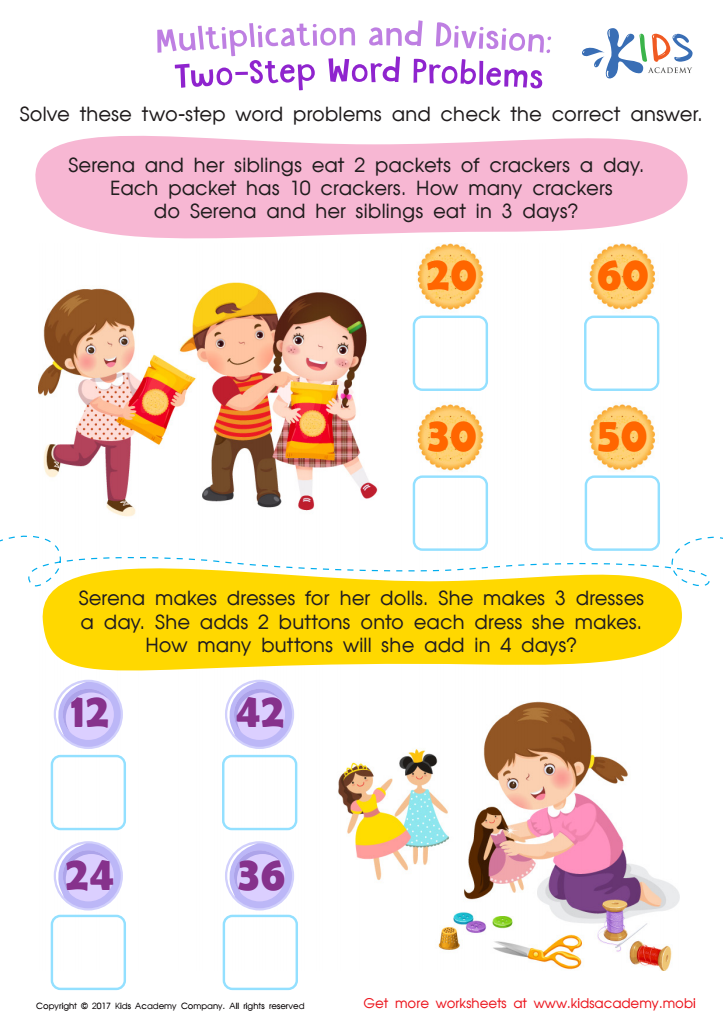
Two Step Word Problems Worksheet
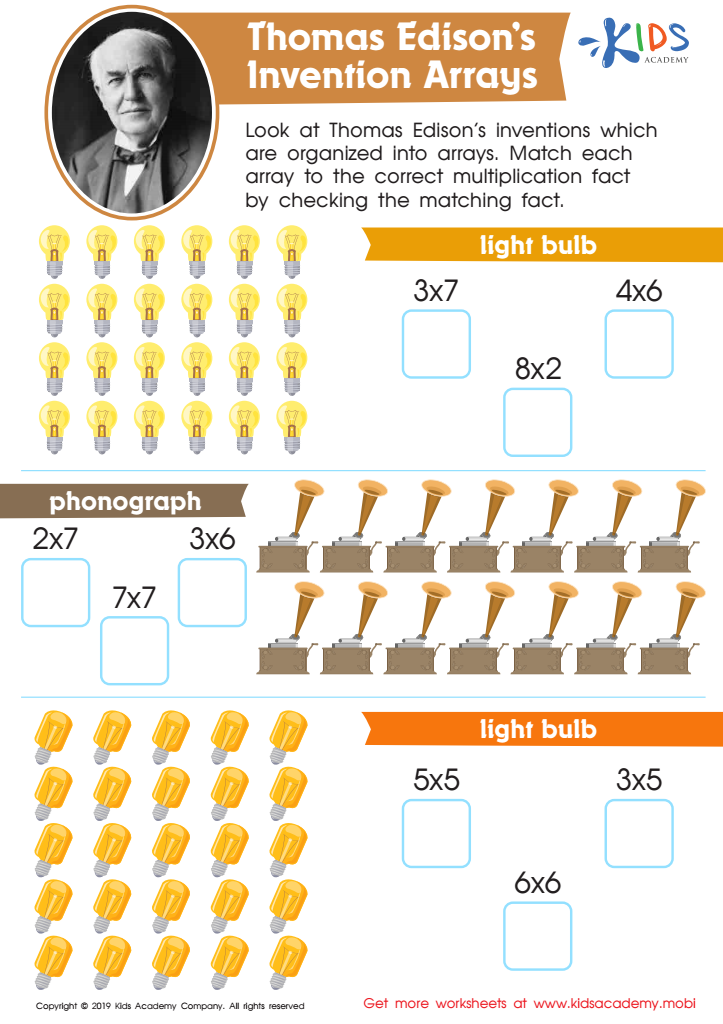
Thomas Edison’s Invention Arrays Worksheet
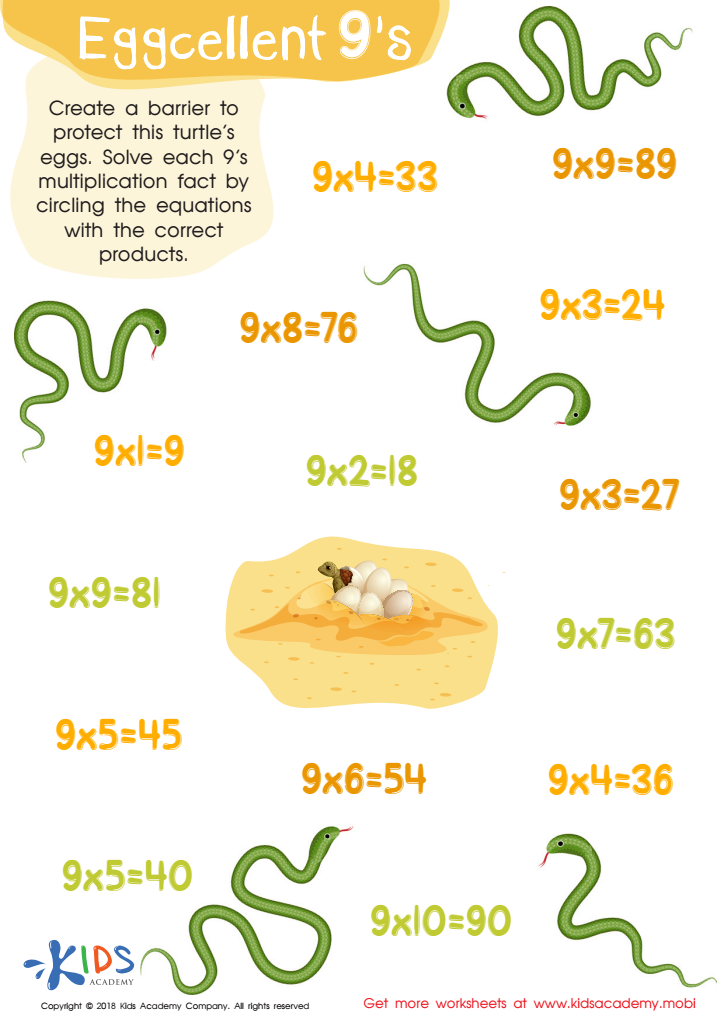
Eggcellent 9’s Worksheet
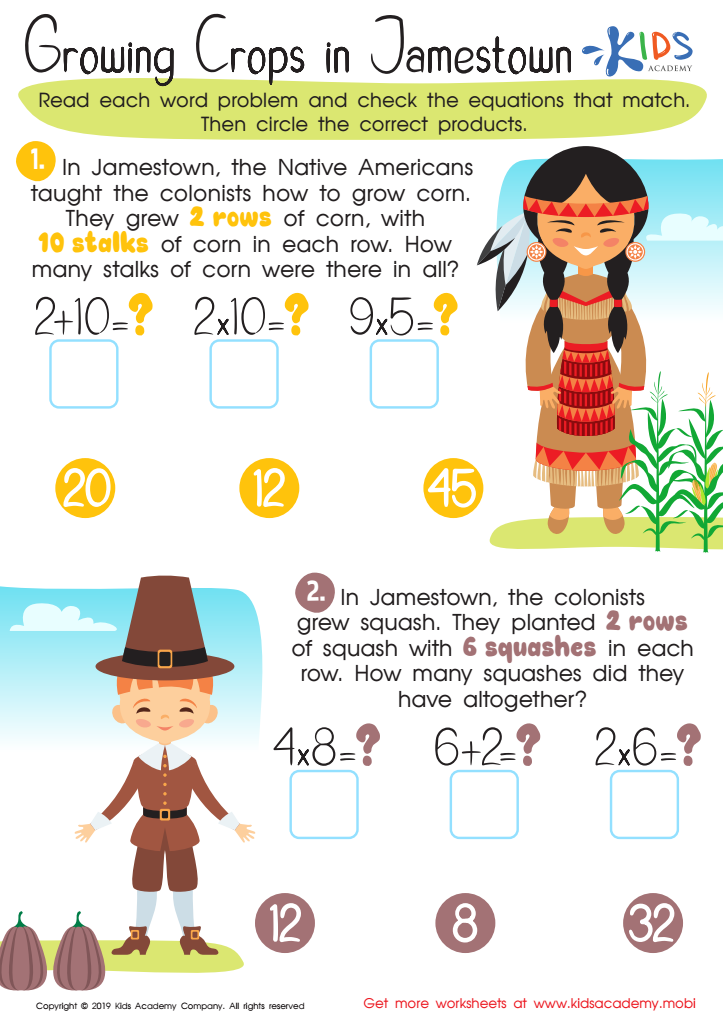
Growing Jamestown Worksheet
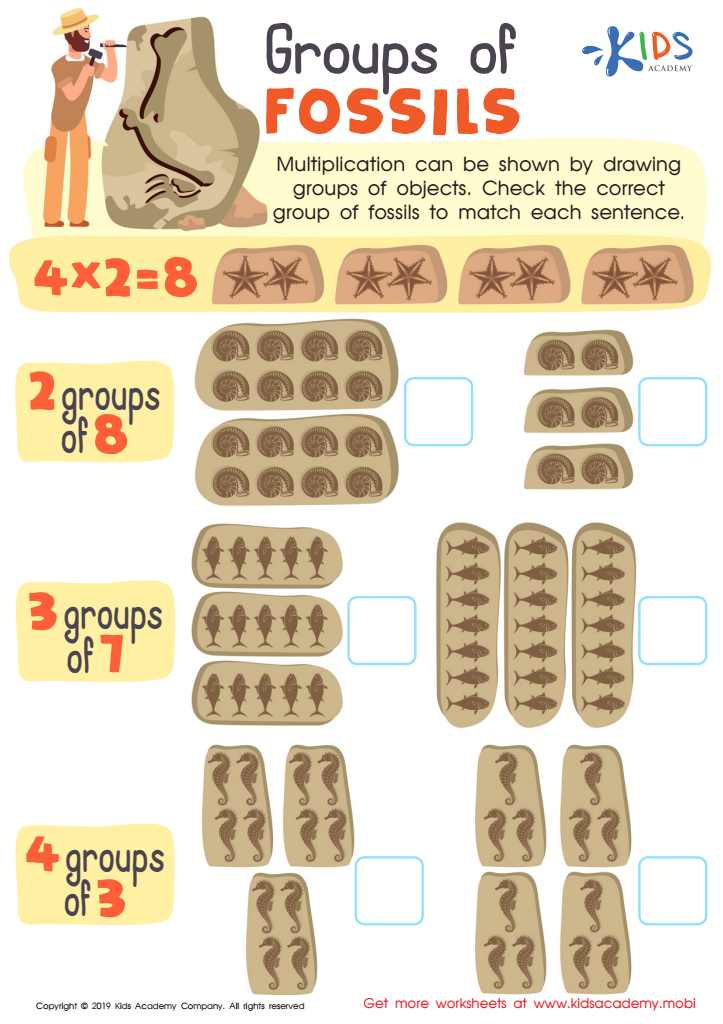
Groups of Fossils Worksheet
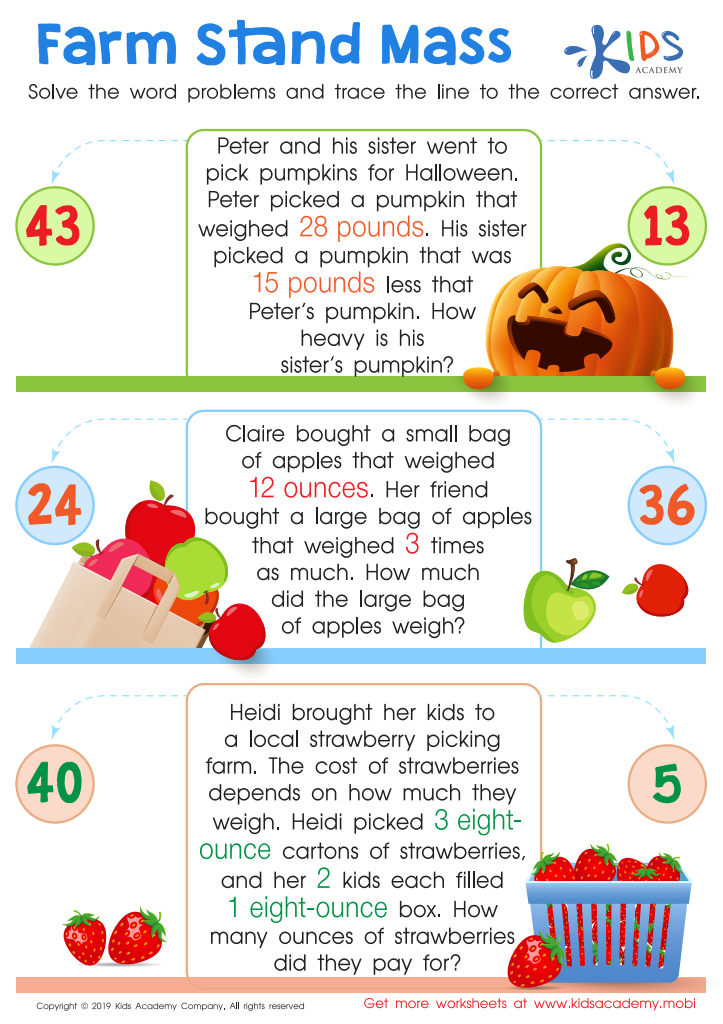
Farm Stand Mass Worksheet
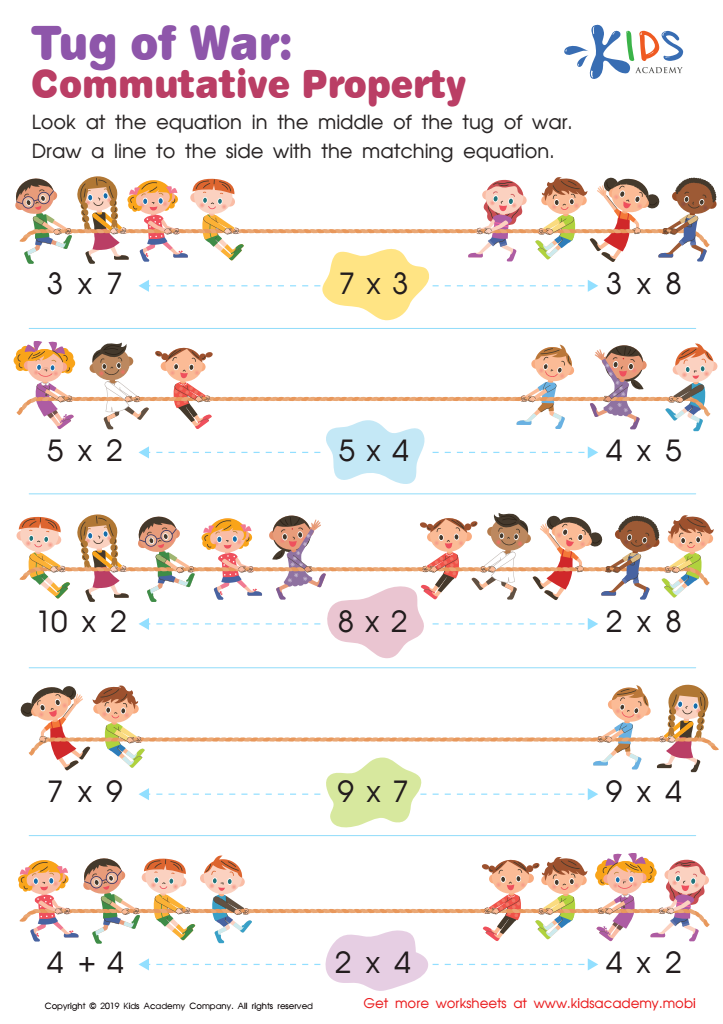
Tug of War: Commutative Property Worksheet
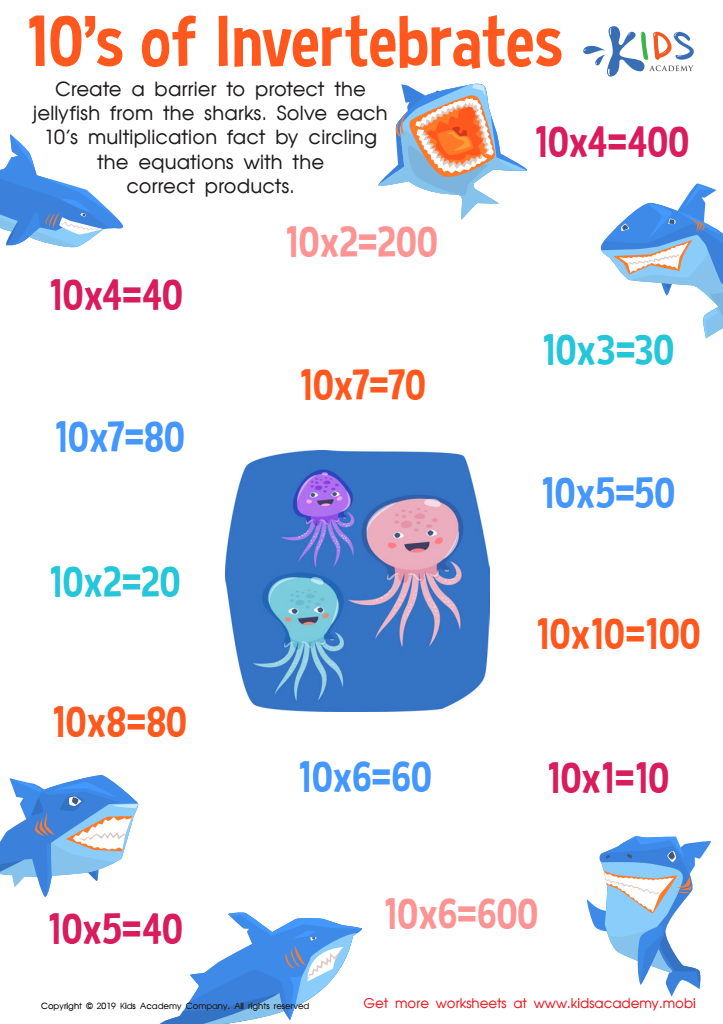
1s Invertebrates Worksheet
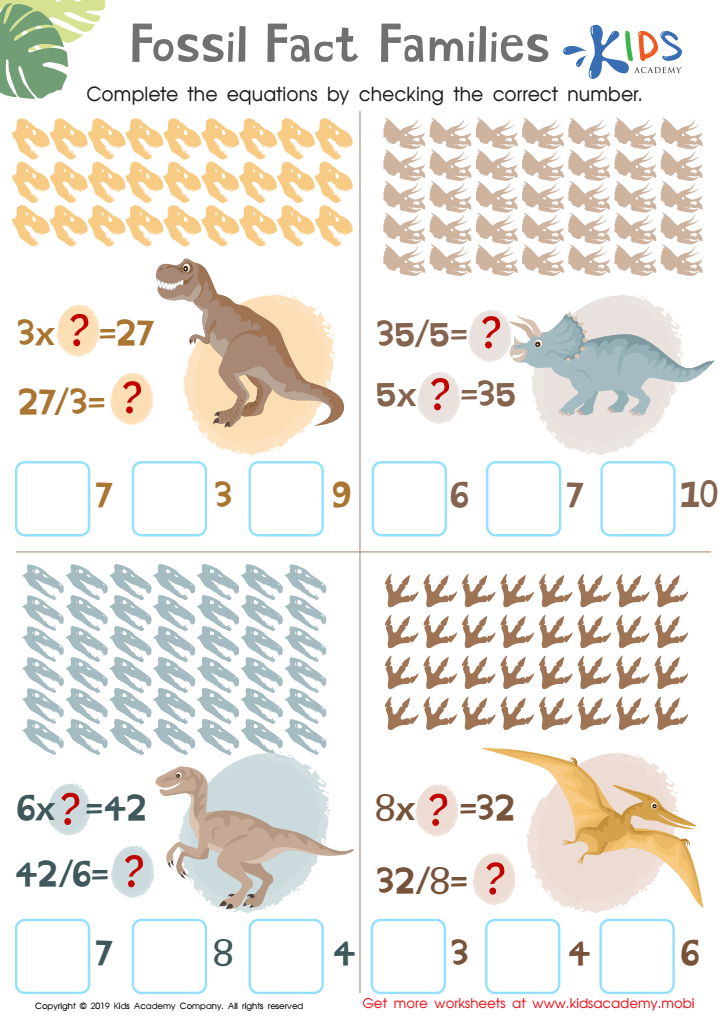
Fossil Fact Families Worksheet
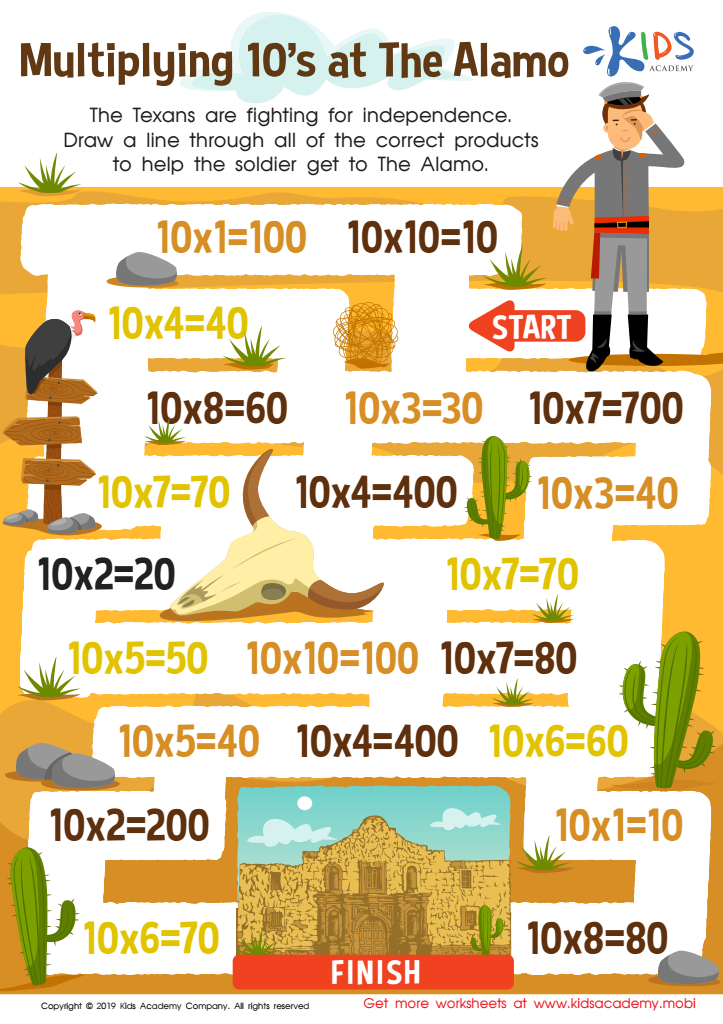
Multiplying 10’s at The Alamo Worksheet
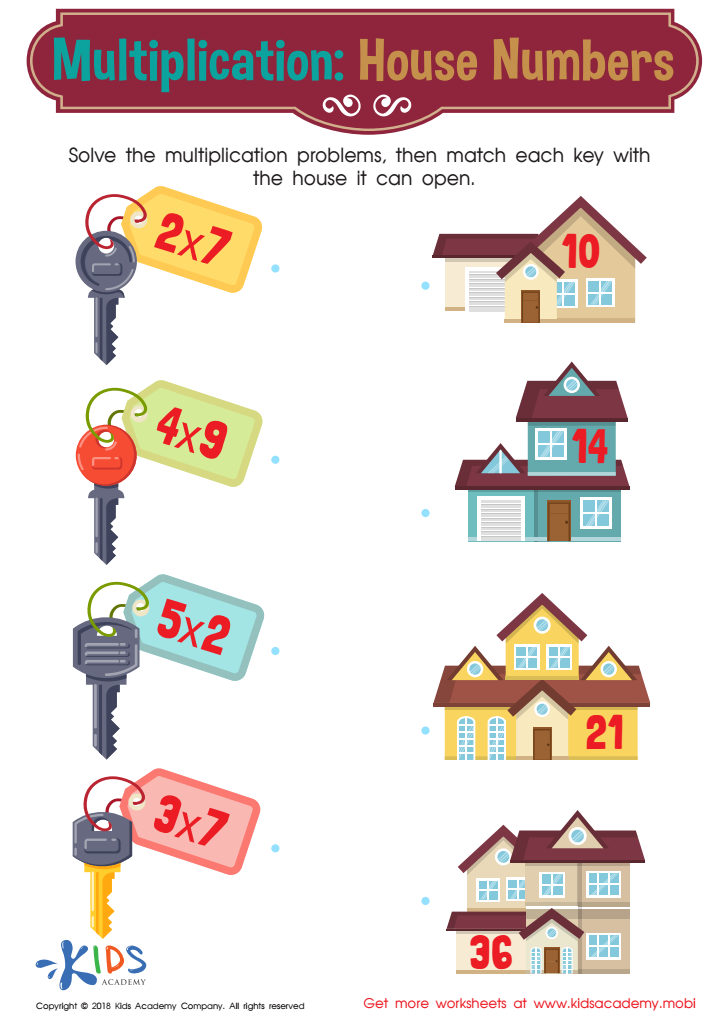
House Numbers Worksheet
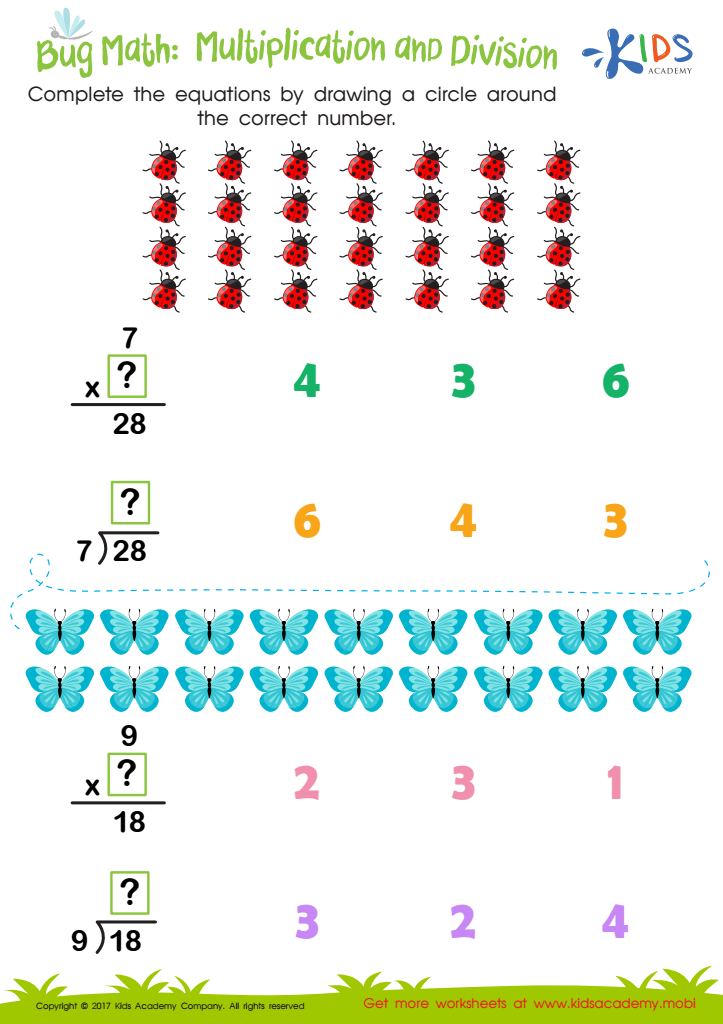
Multiplication and Division Worksheet
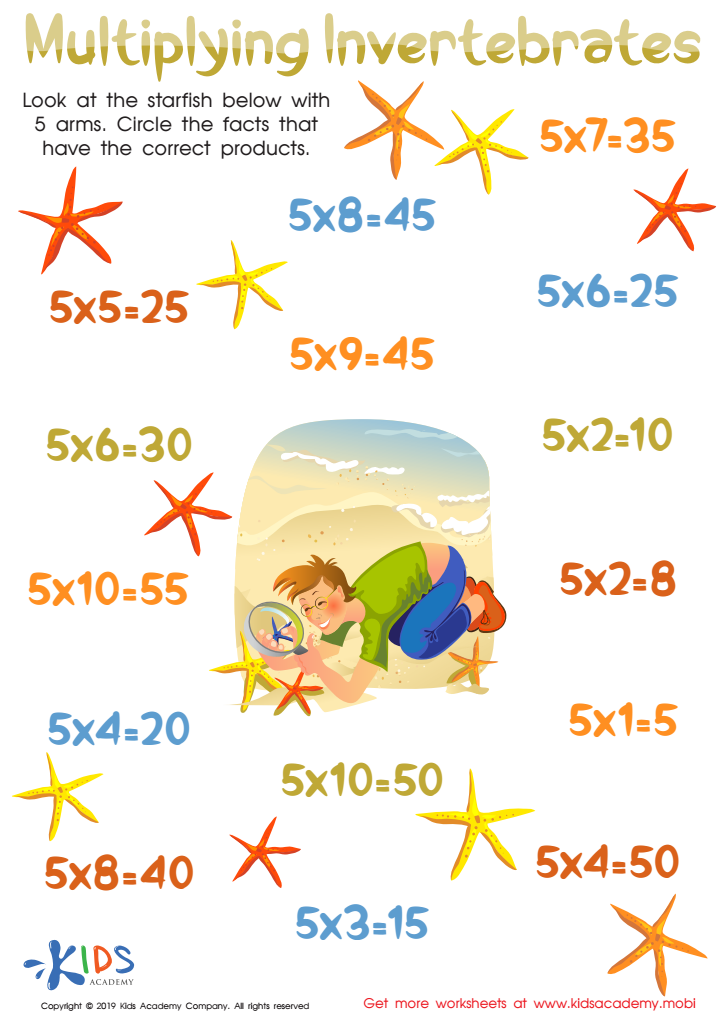
Multiplying Invertebrates Worksheet
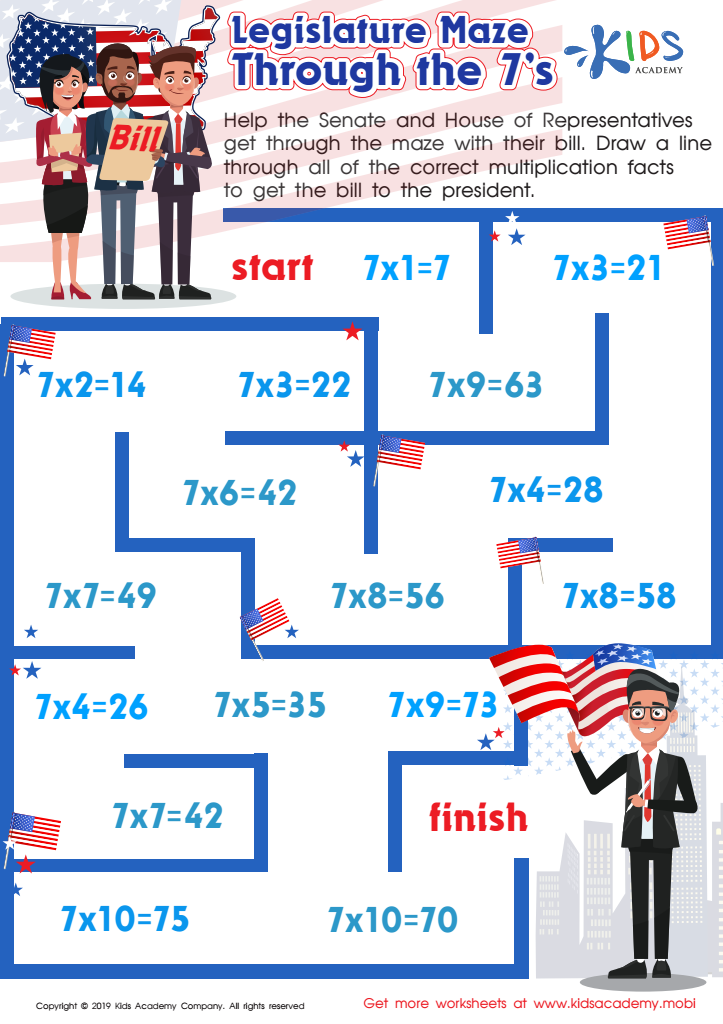
Legislature Maze Through the 7’s Worksheet
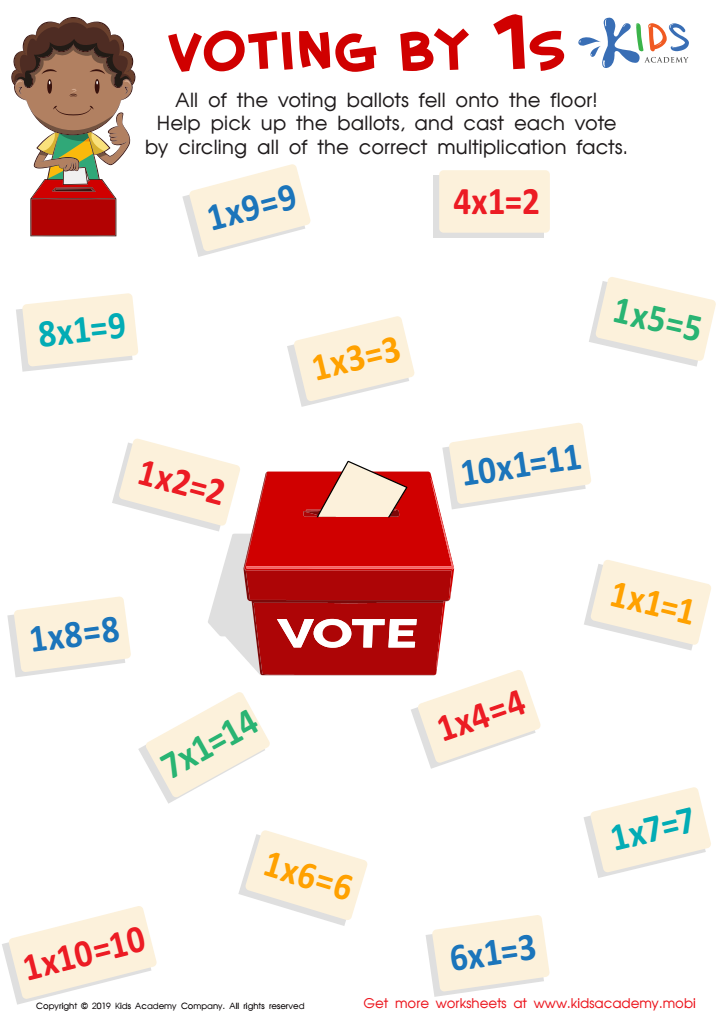
Voting by 1s Worksheet
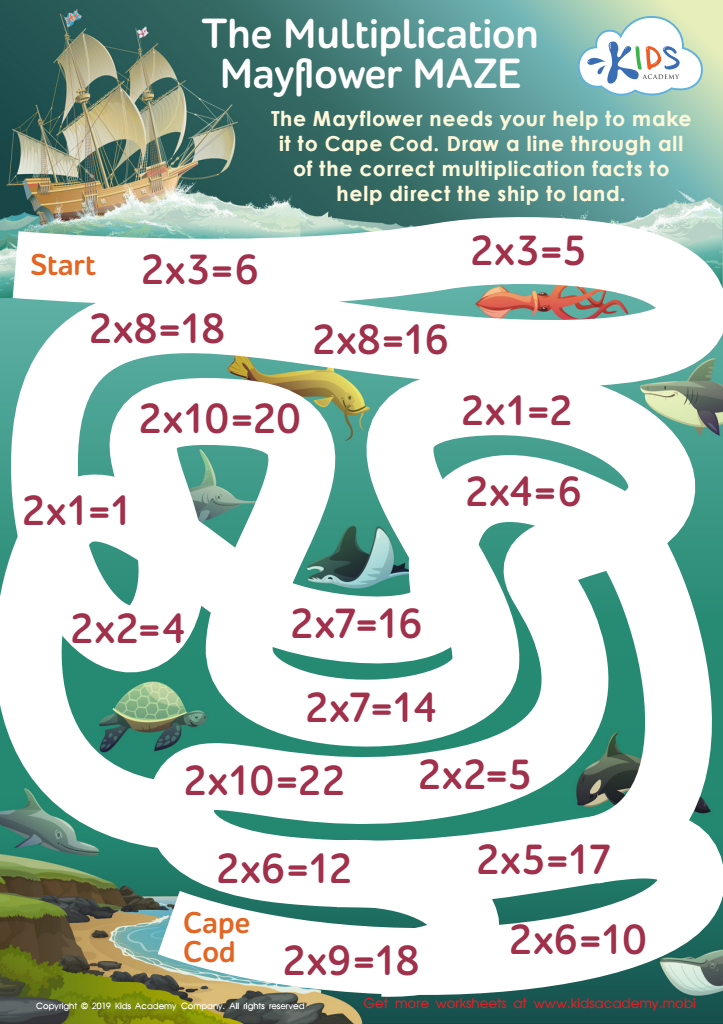
The Multiplication Mayflower Maze Worksheet
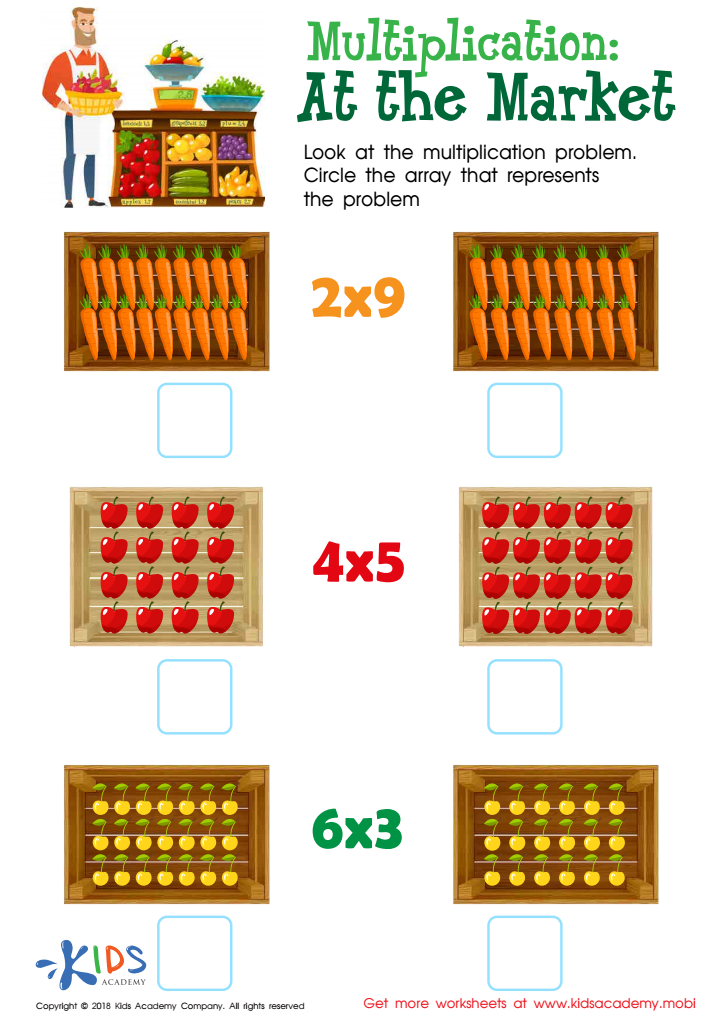
At the Market Worksheet
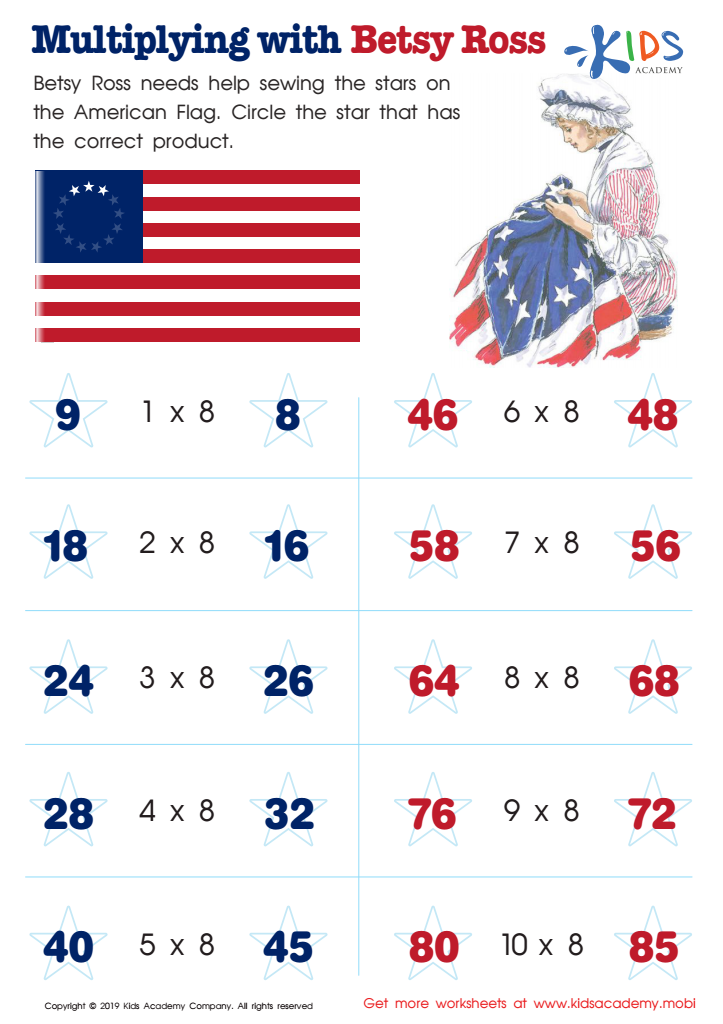
Multiplying with Betsy Ross Worksheet







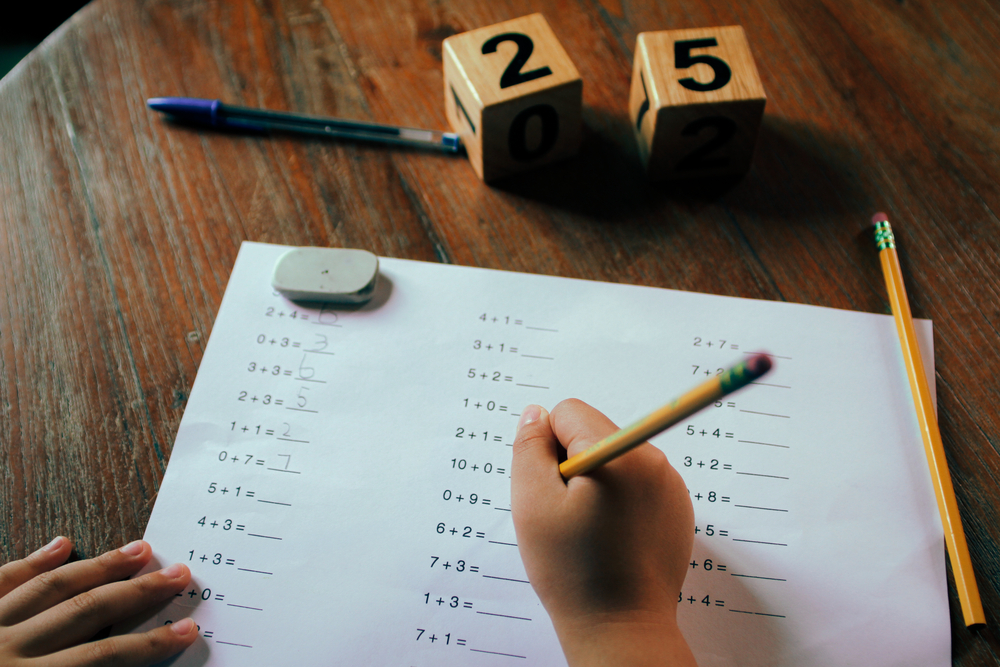
Parents and teachers should prioritize multiplication for ages 3-9 as it lays a solid foundation for a child’s mathematical understanding and overall academic success. At this early age, children are developing critical cognitive skills, and introducing multiplication helps them grasp the concept of grouping and repeated addition, making abstract concepts more tangible.
Engaging with multiplication early fosters problem-solving abilities and logical thinking, important skills that extend beyond mathematics into daily life and other subjects. It also promotes number fluency, enabling children to handle more complex operations as they progress in their education.
Furthermore, mastery of multiplication enhances a child’s confidence in math, reducing anxiety around the subject and encouraging a positive attitude toward learning. Early exposure can ignite a lasting interest in STEM fields, which are crucial in today’s job market.
Finally, involving parents in the learning process—through games, interactive activities, or practical applications—promotes bonding and reinforces positive attitudes toward education. Ultimately, teaching multiplication lays the groundwork for future learning, ensuring that children have the skills necessary to tackle higher-level math with ease and enthusiasm.








