Community Worksheets for Ages 3-9 - Page 2
30 filtered results
-
From - To
 Assign to My Students
Understanding Feelings Worksheet
See Your Doctor (Part 2) Printable
See Your Doctor (Part 1) Printable
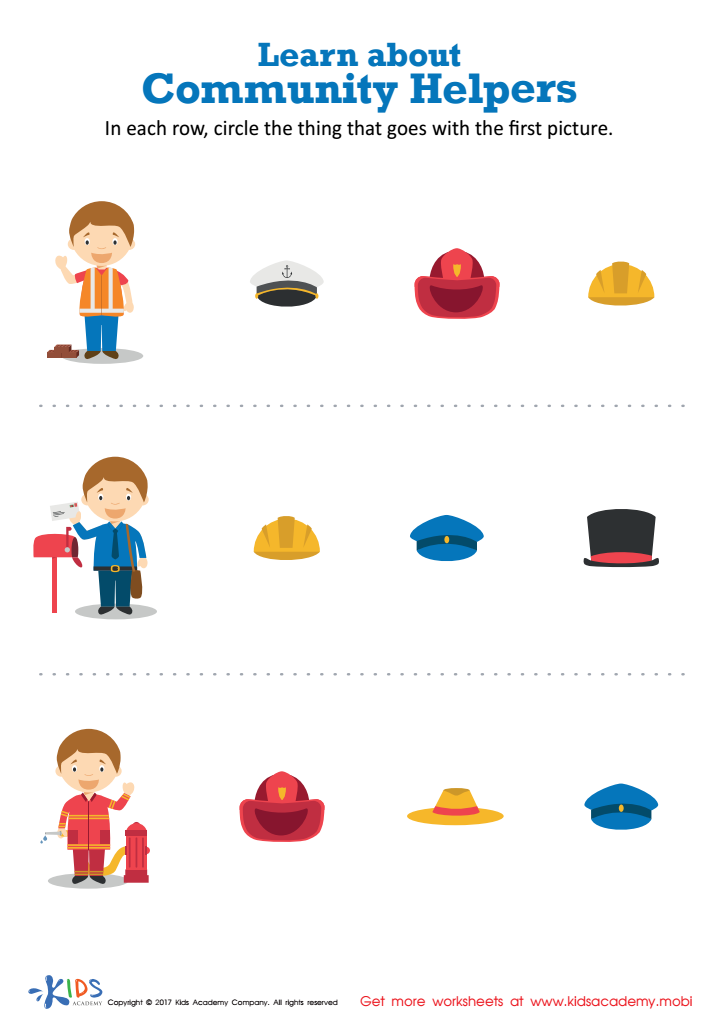
Learn about Community Helpers Printable
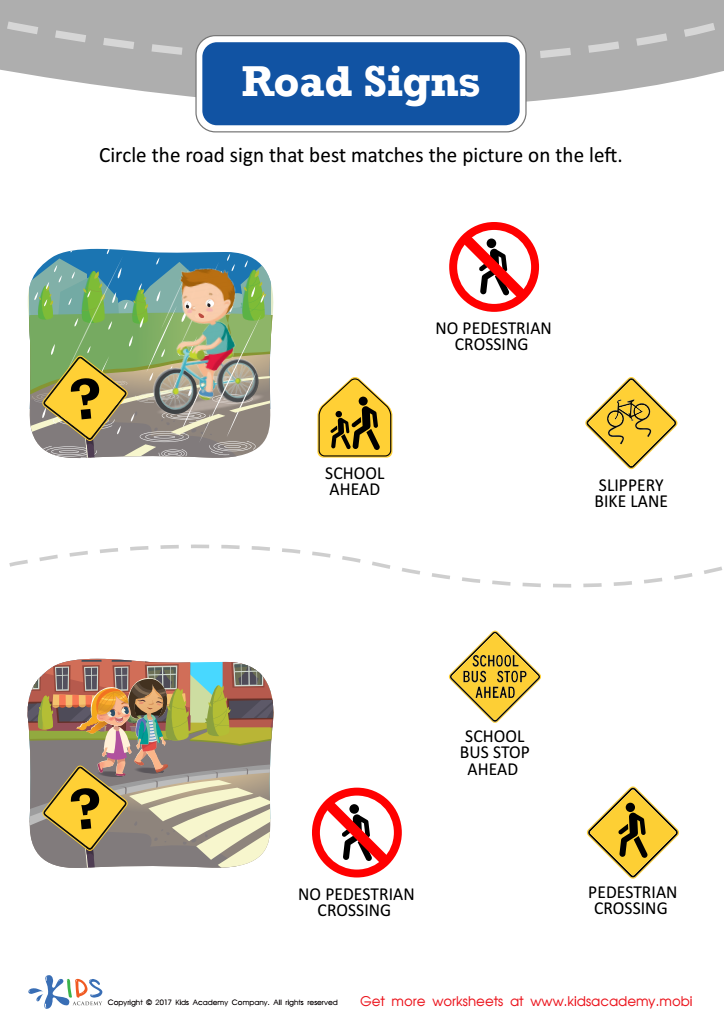
Road Signs (Part 2) Printable








Parents and teachers should care about community for children ages 3-9 because it plays a crucial role in their emotional and social development. At this formative stage, children are highly impressionable and learn vital life skills through interactions with peers, adults, and their surroundings. A strong sense of community provides children with a supportive network, fostering a safe environment for them to explore, learn, and grow.
When children engage with their community, they develop essential social skills such as cooperation, empathy, and communication. Participation in local events, group activities, and diverse play opportunities helps children understand diverse perspectives and build friendships. This not only enhances their social emotional learning but also promotes a sense of belonging, which boosts their confidence and emotional security.
Additionally, community involvement offers resources and opportunities for adults to collaborate in their children's education and well-being. Parents and teachers can share valuable insights, strategies, and support networks, amplifying the impact of their efforts in nurturing children’s growth. Ultimately, fostering a connected, active community lays the foundation for lifelong learning and citizenship, cultivating responsible and engaged future members of society.