Math Worksheets for Ages 4-8 - Page 3
1302 filtered results
-
From - To
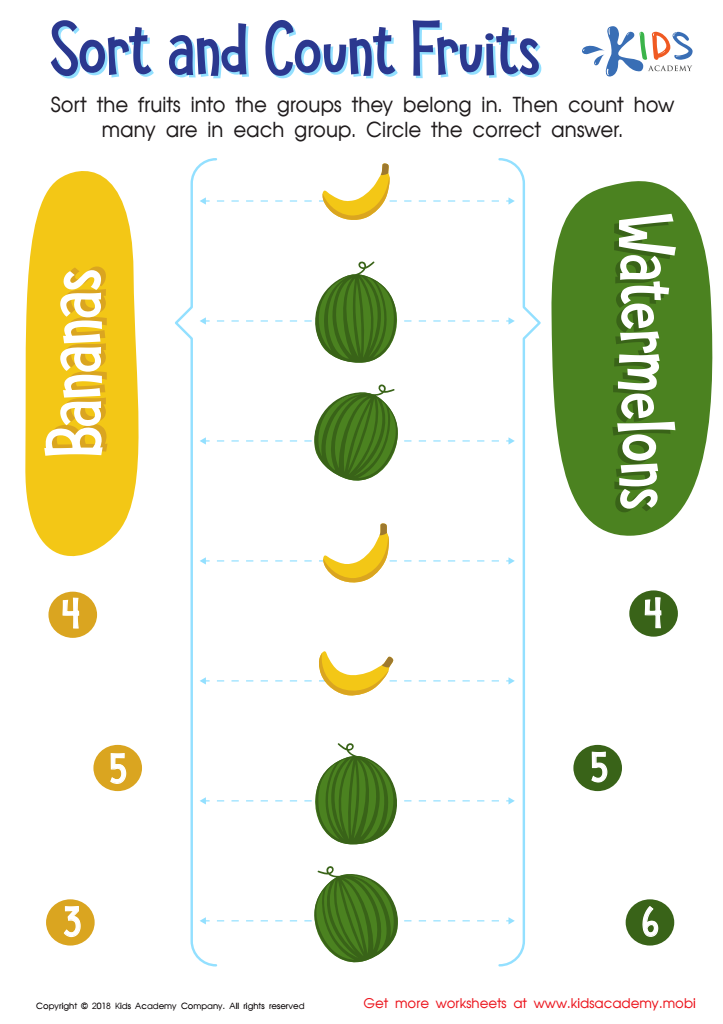
Sort and Count Fruits Worksheet
 Assign to My Students
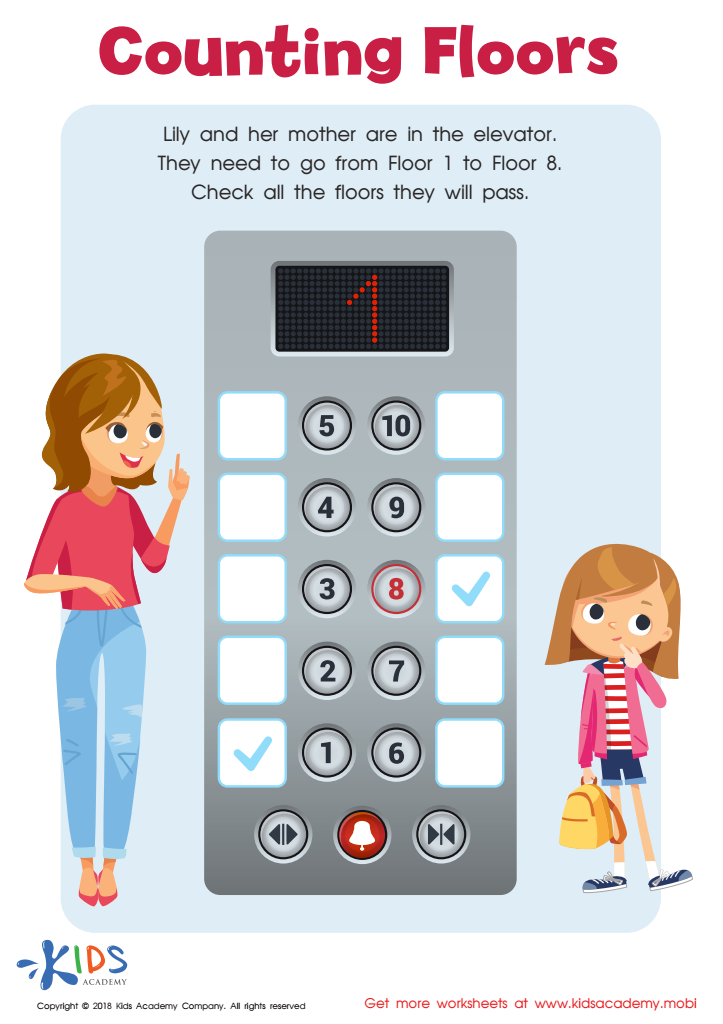
Counting Floors Worksheet
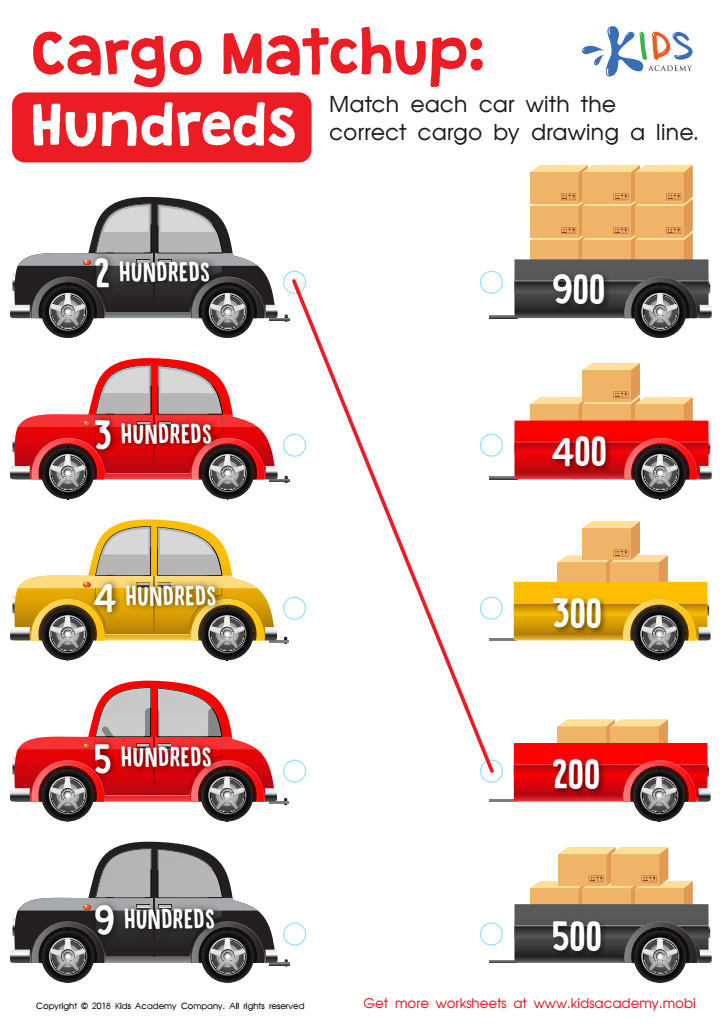
Cargo Matchup: Hundreds Worksheet
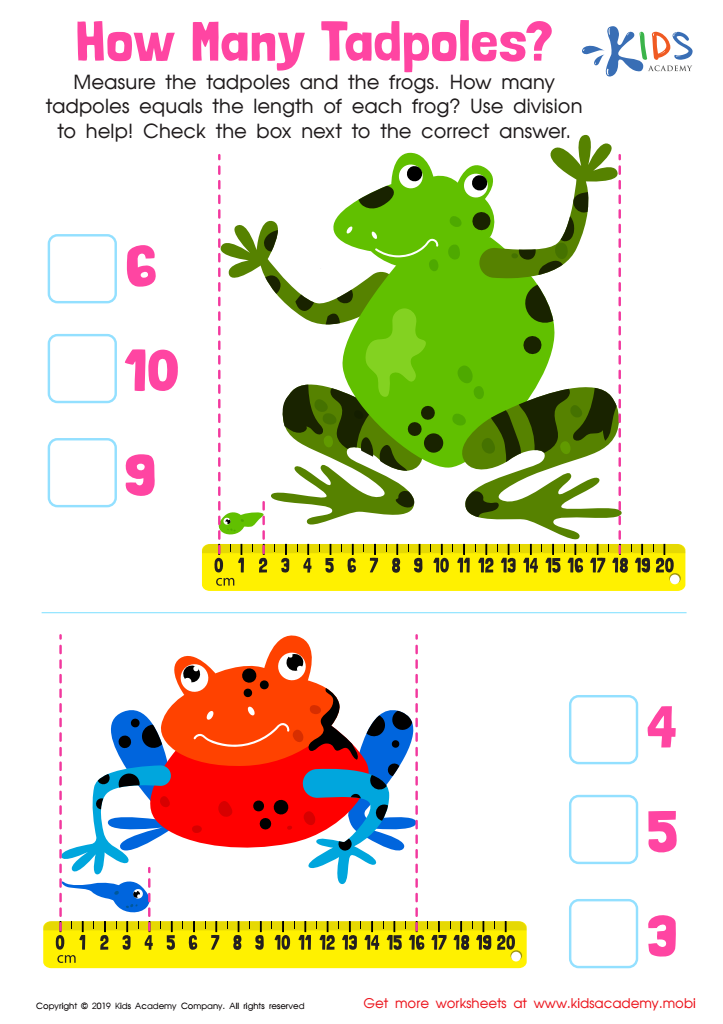
How Many Tadpoles Worksheet
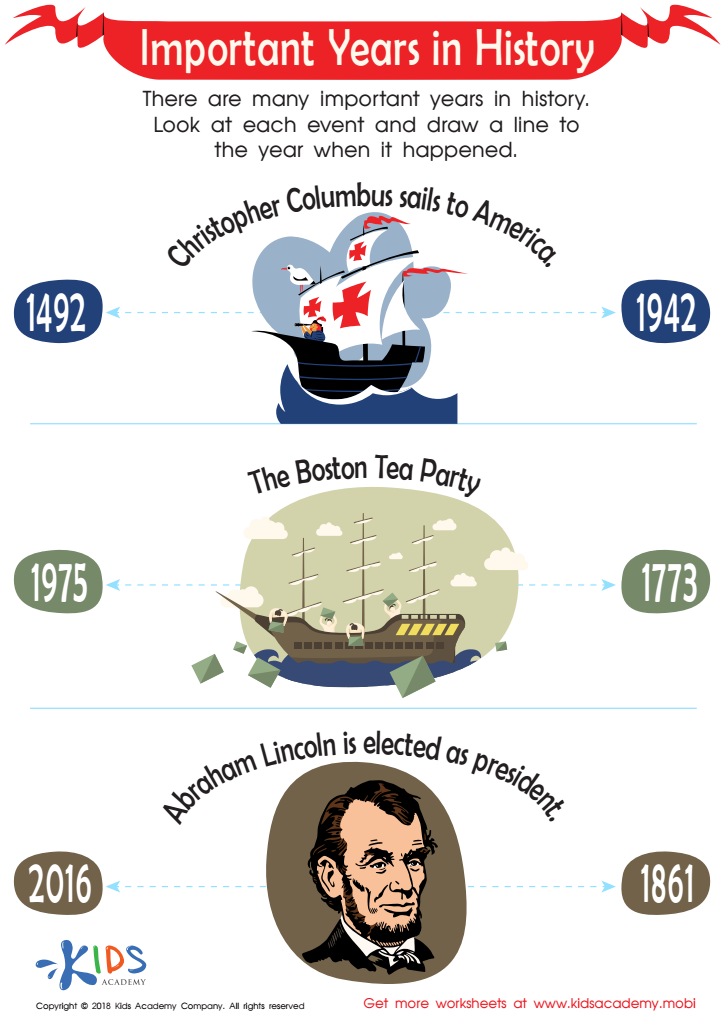
Important Years in History Worksheet
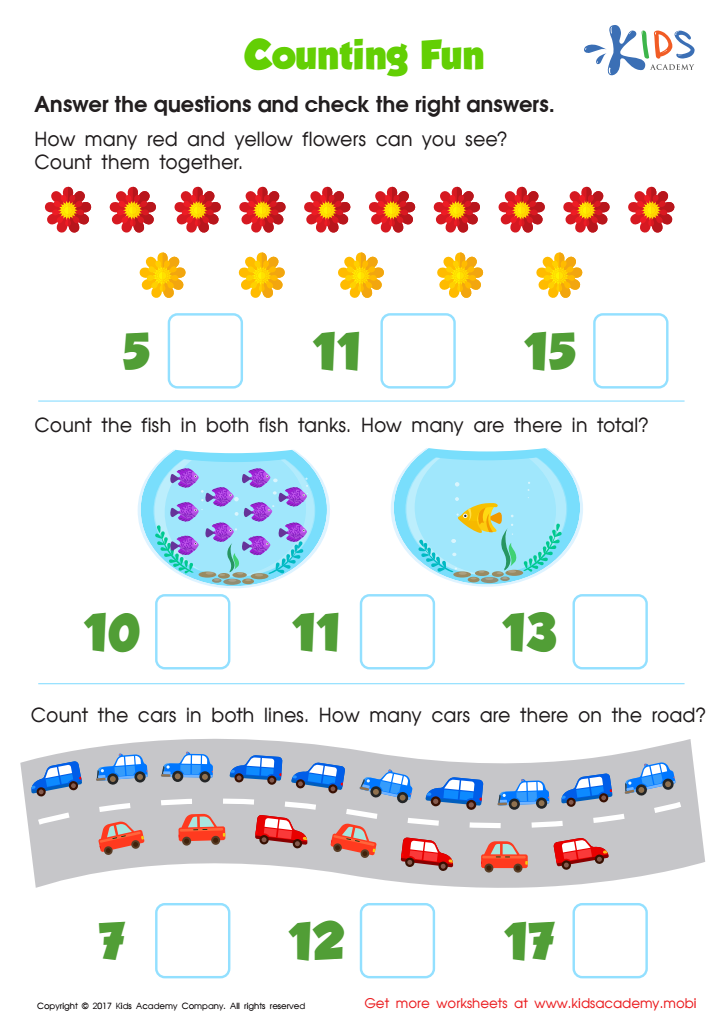
Counting Fun Worksheet
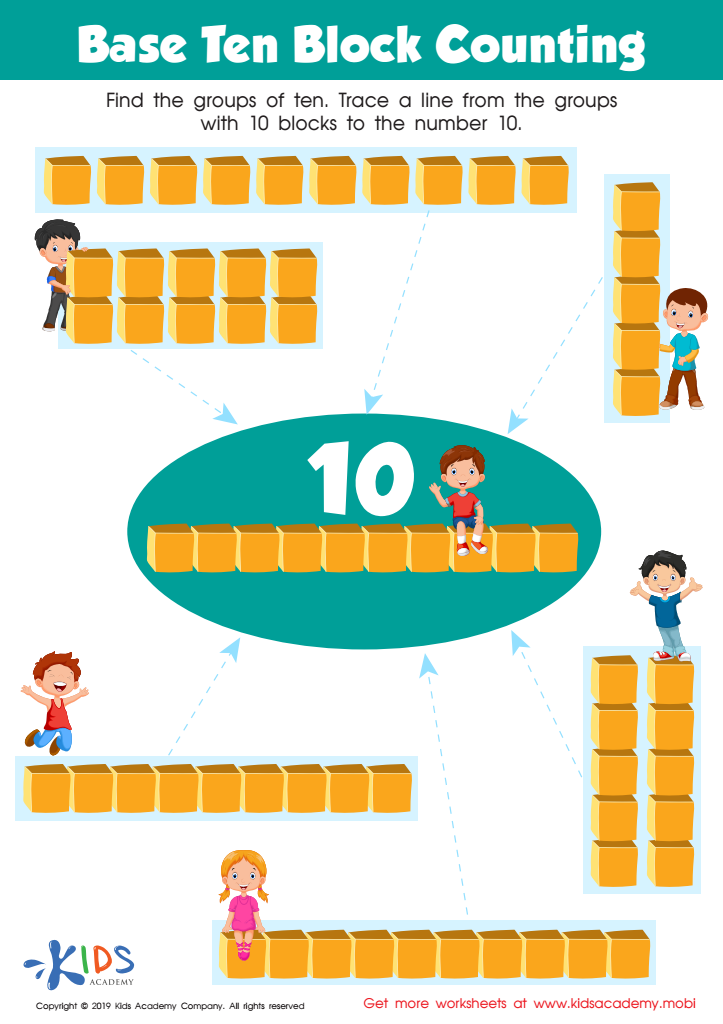
Base Ten Block Counting Worksheet
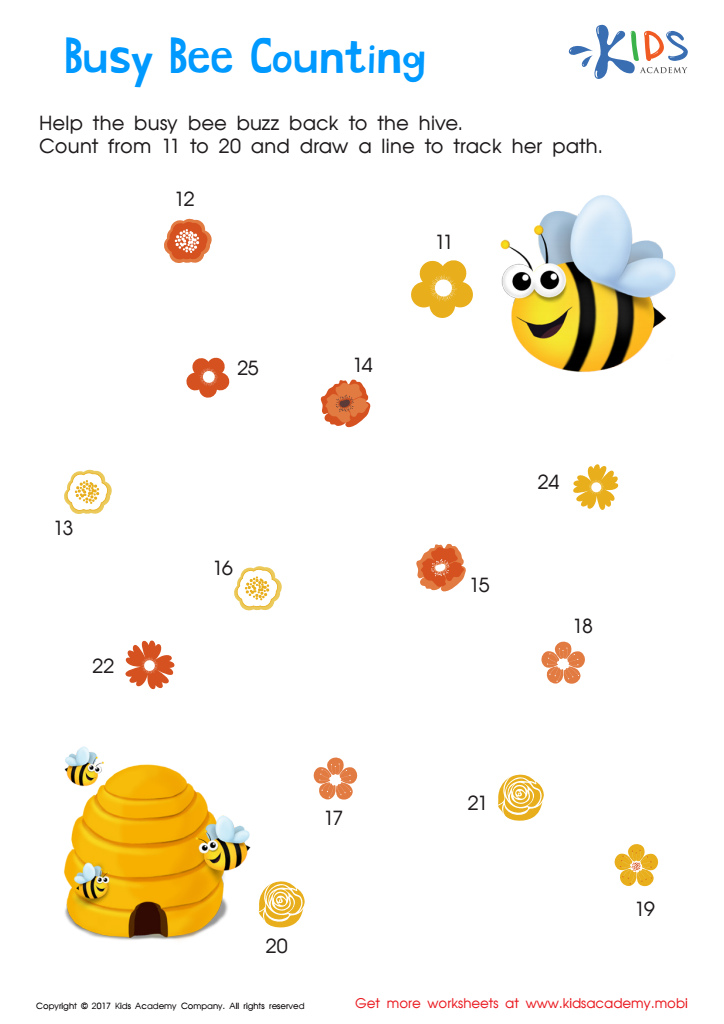
Ordering 11–20: Busy Bee Counting Worksheet
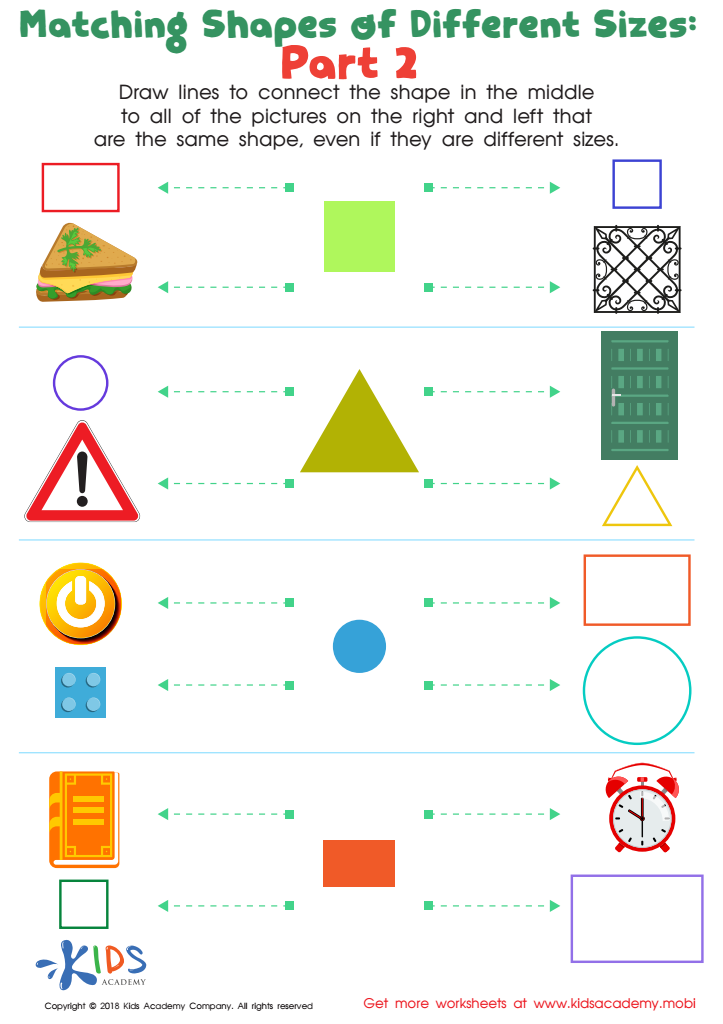
Geometry: Part 2 Worksheet
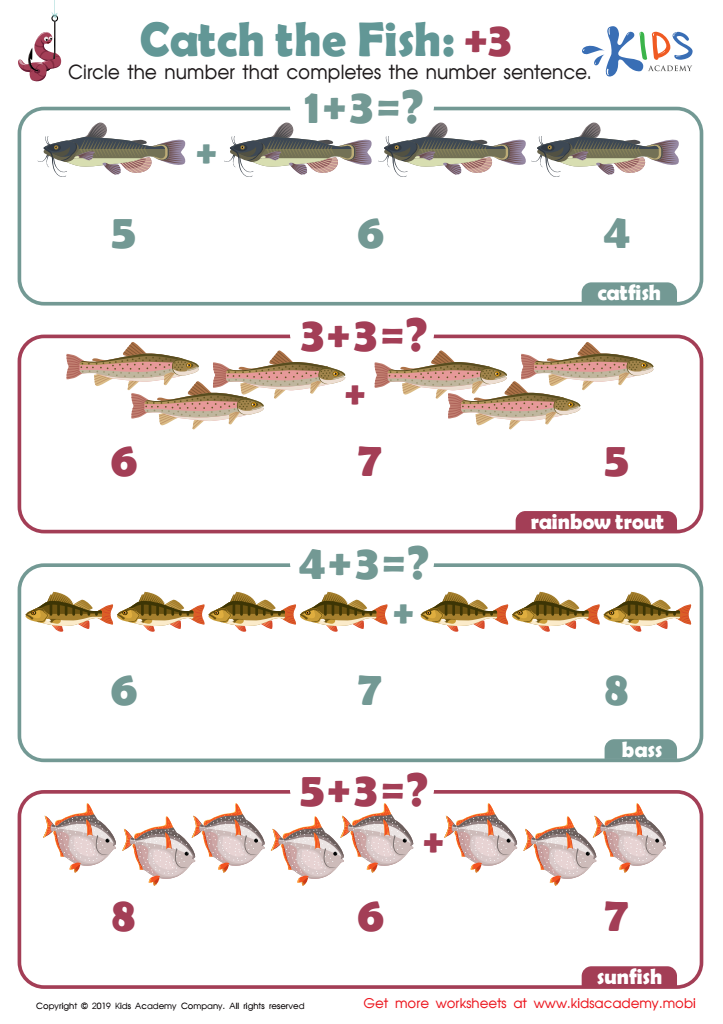
Catch the Fish: +3 Worksheet
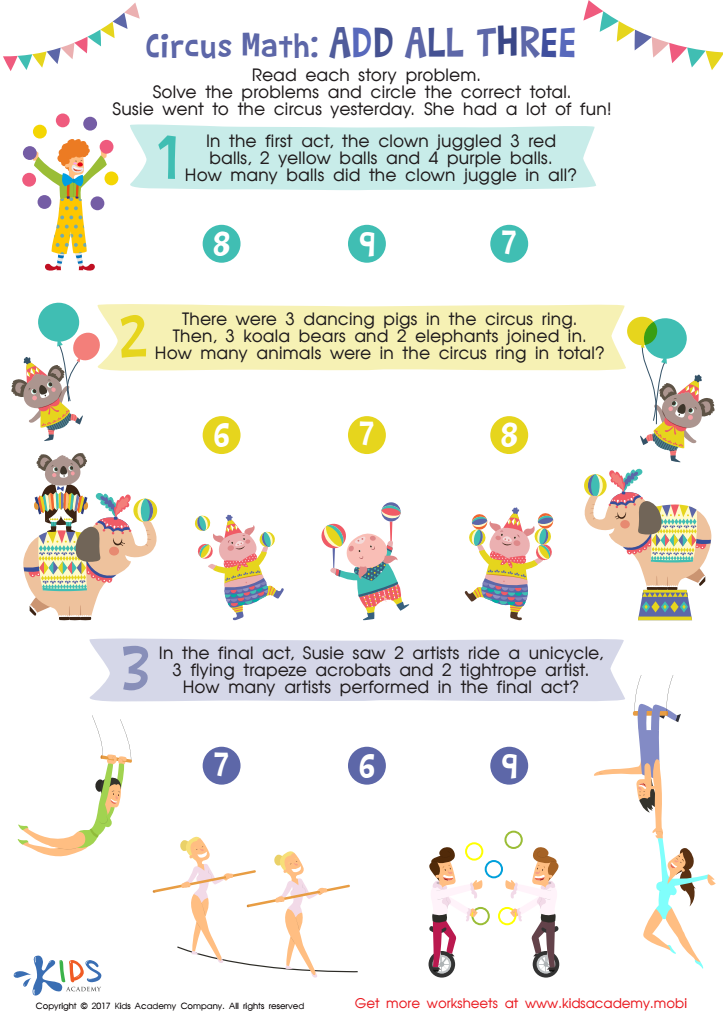
Circus Math Printable
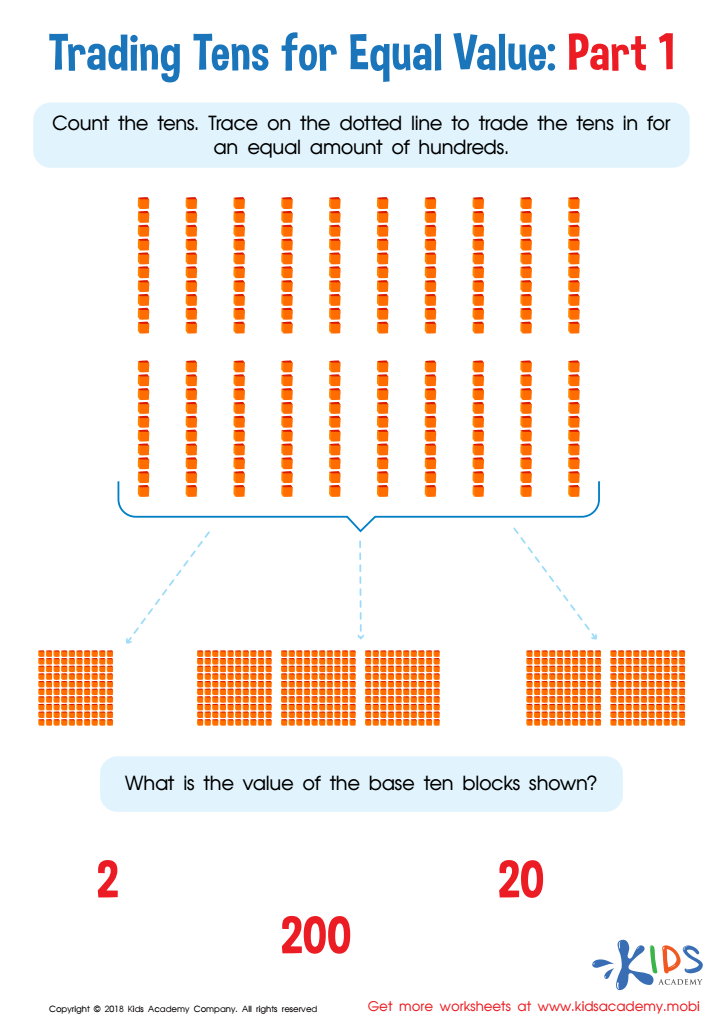
Trading Tens for Equal Value Worksheet: Part 1
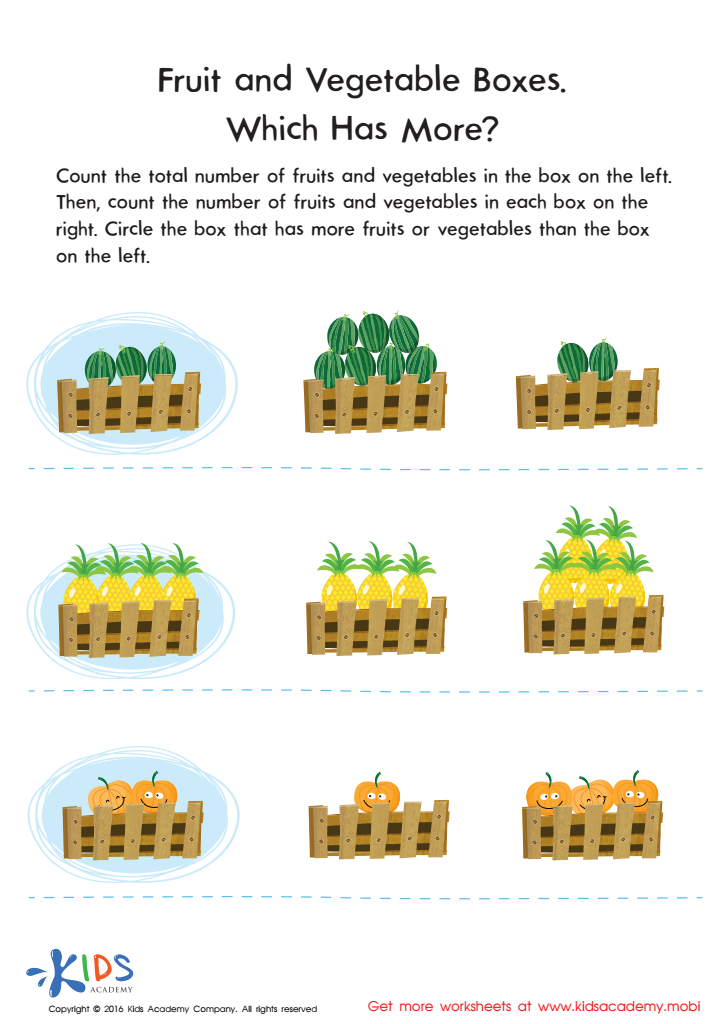
Which Has More? Size Worksheet
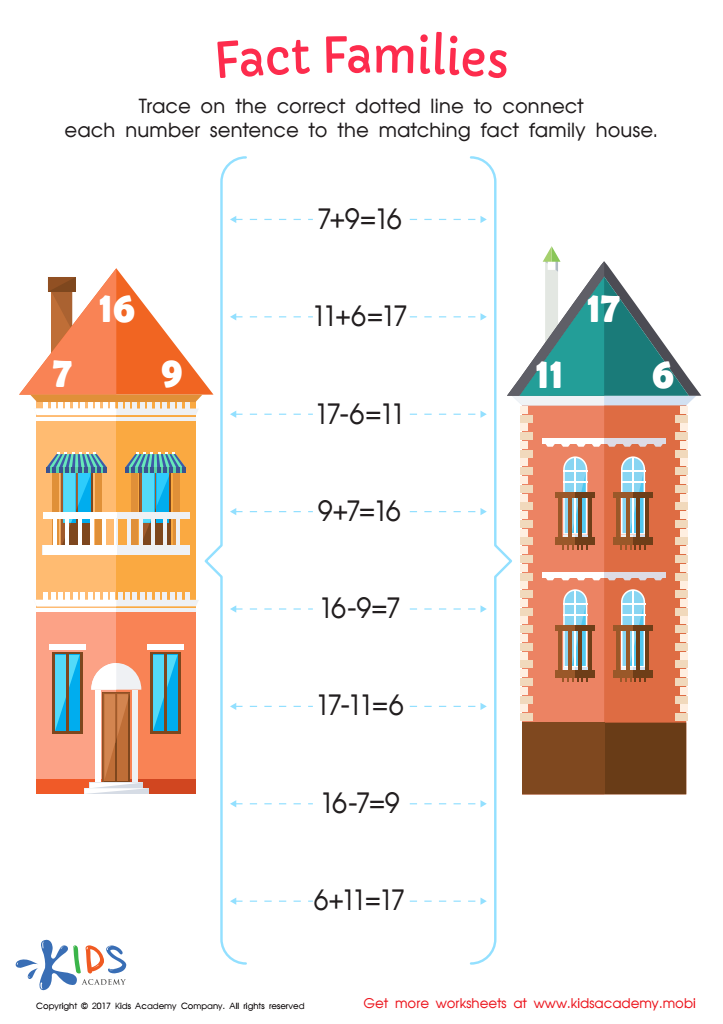
Fact Families — Add and Subtract Worksheet
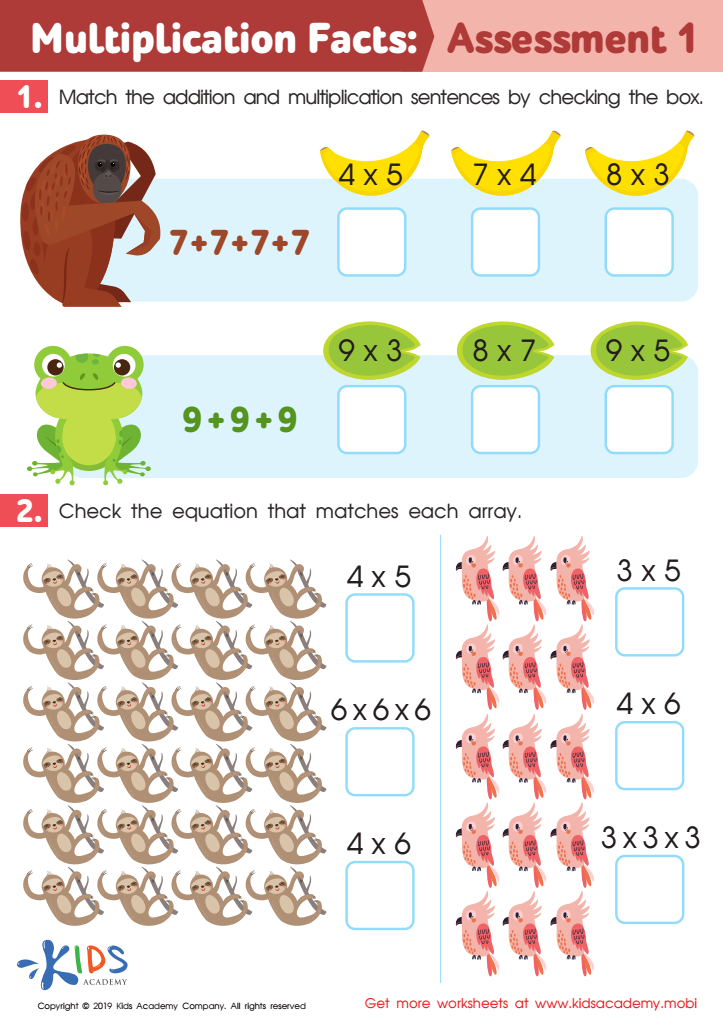
Multiplication Facts: Assessment 1 Worksheet
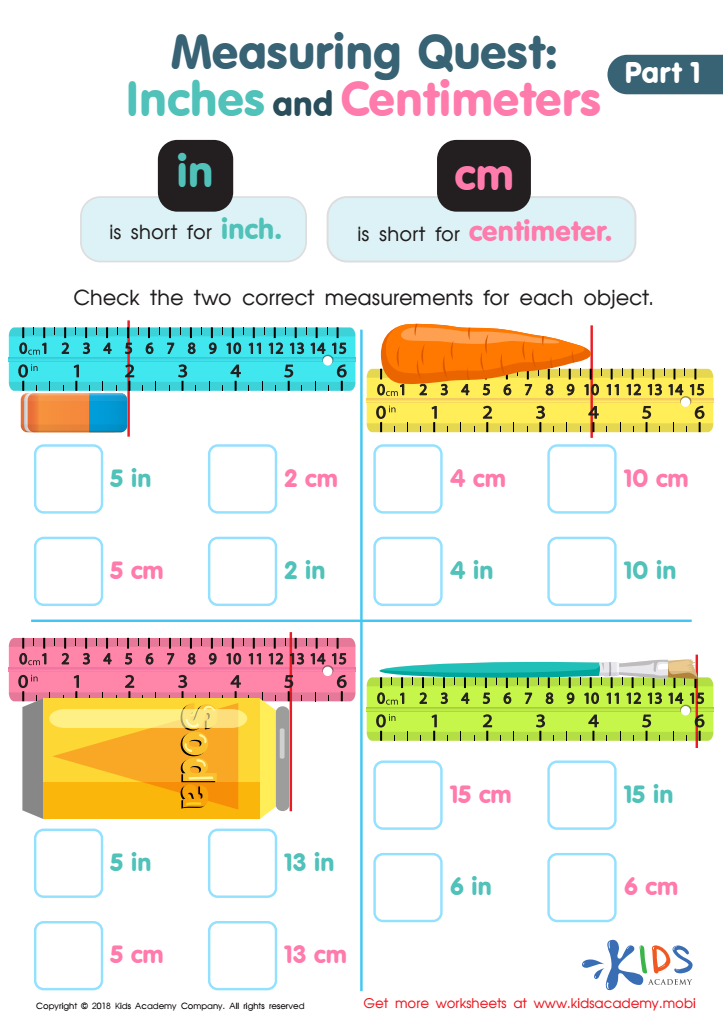
Measuring Quest: Inches and Centimeters Worksheet
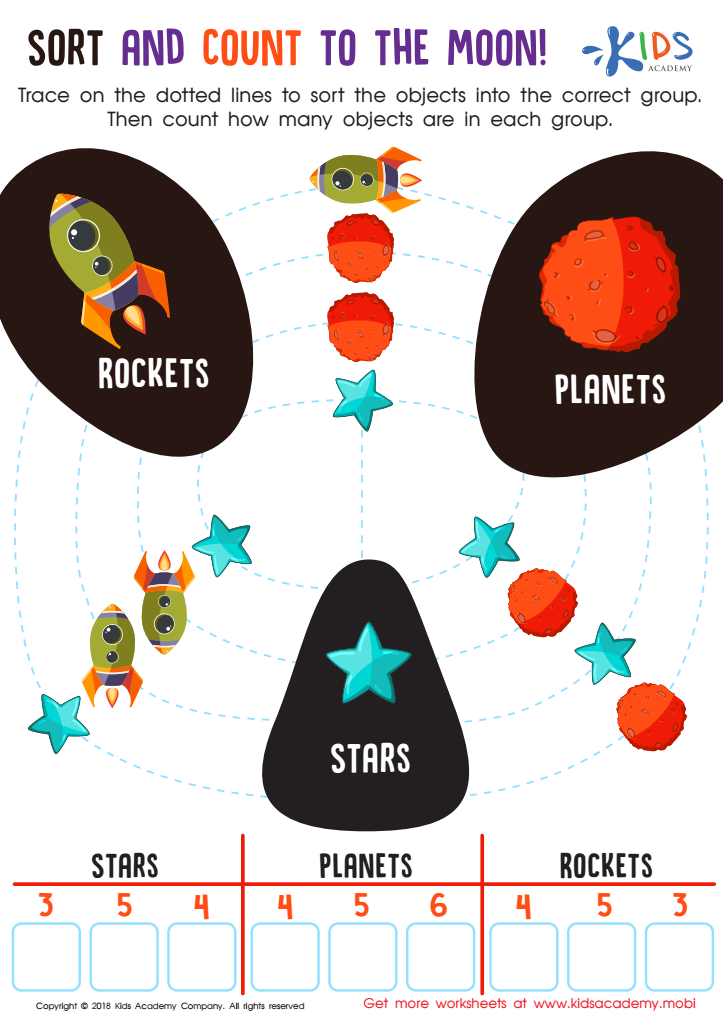
Sort and Count to the Moon Worksheet
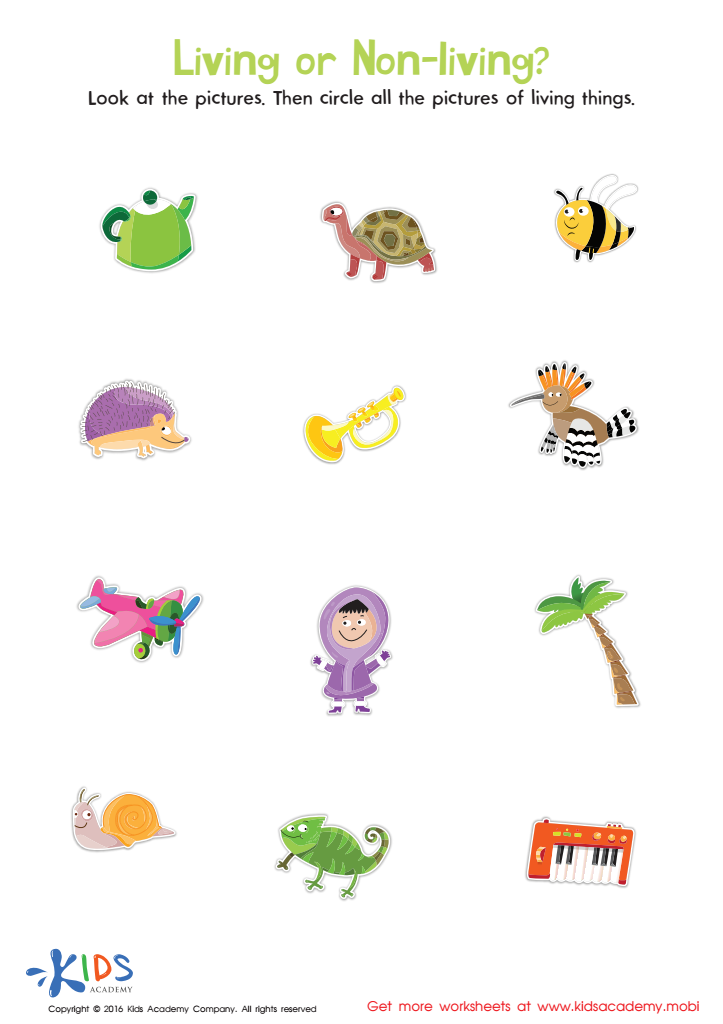
Identifying Living and Non–living Things Sorting Worksheet
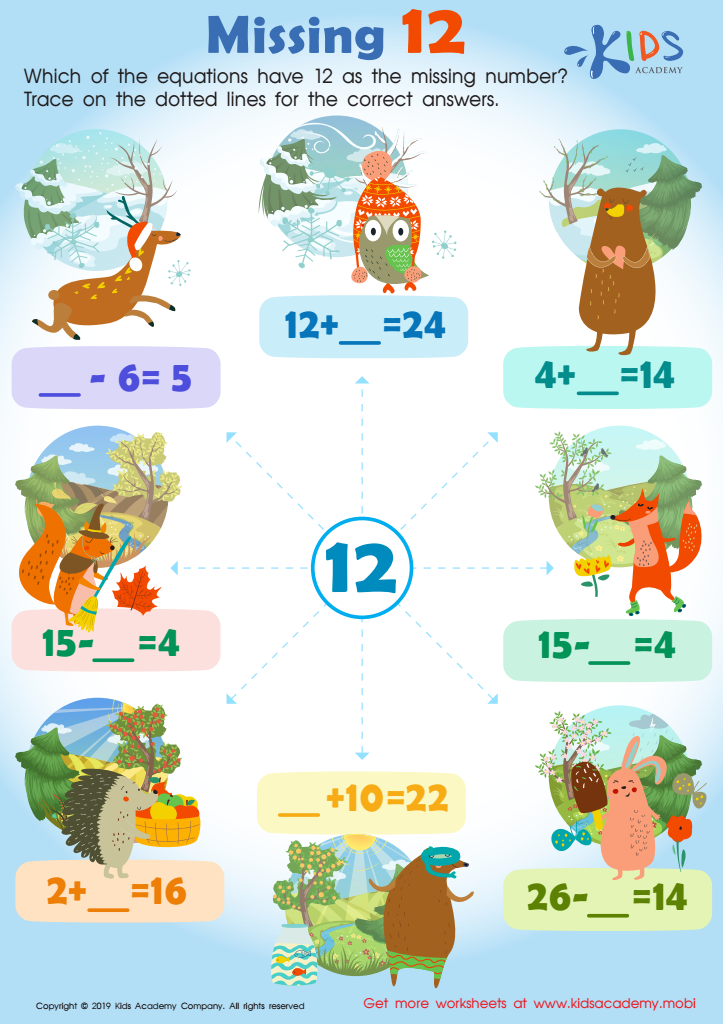
Missing 12 Worksheet
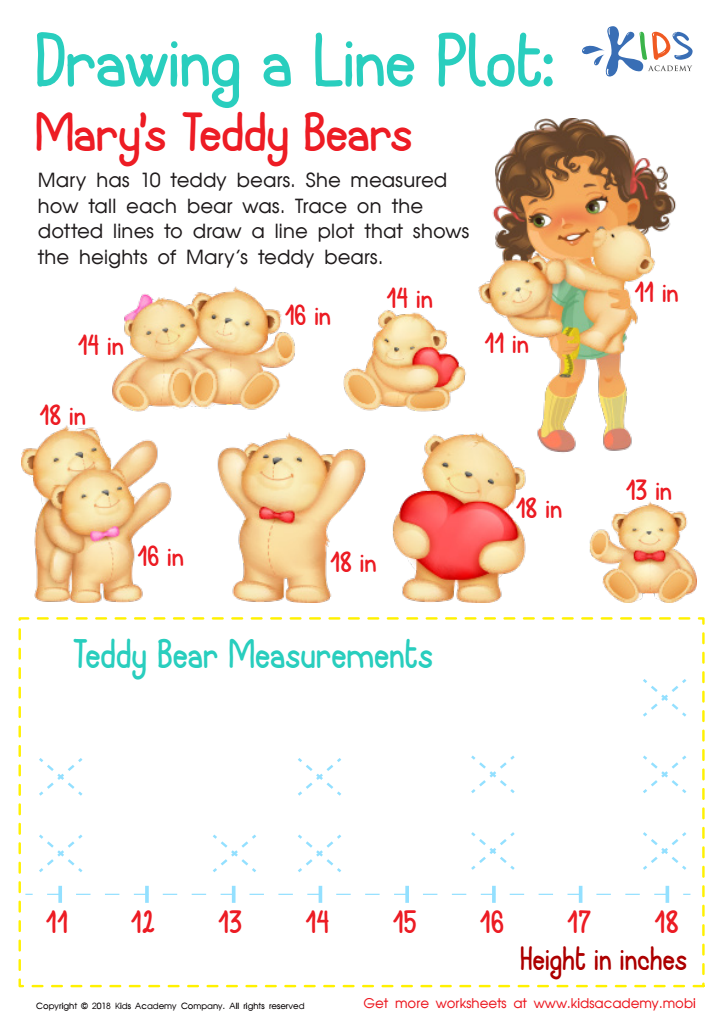
Drawing and Line Plot: Mary's Teddy Bears Worksheet
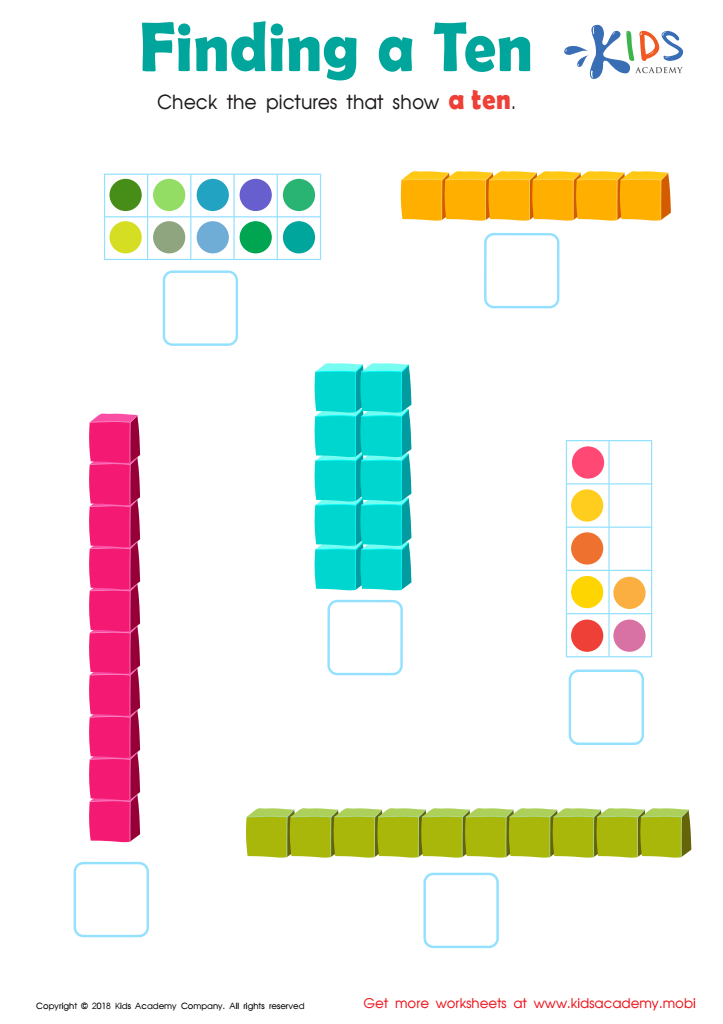
Finding a Ten Worksheet
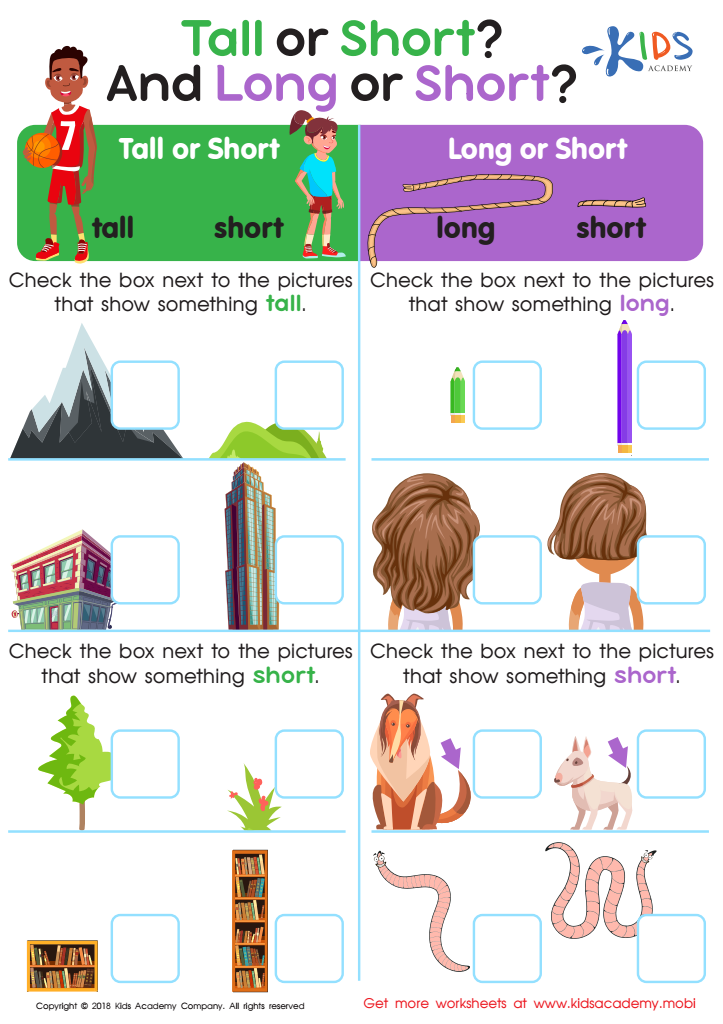
Tall or Short and Long or Short? Worksheet
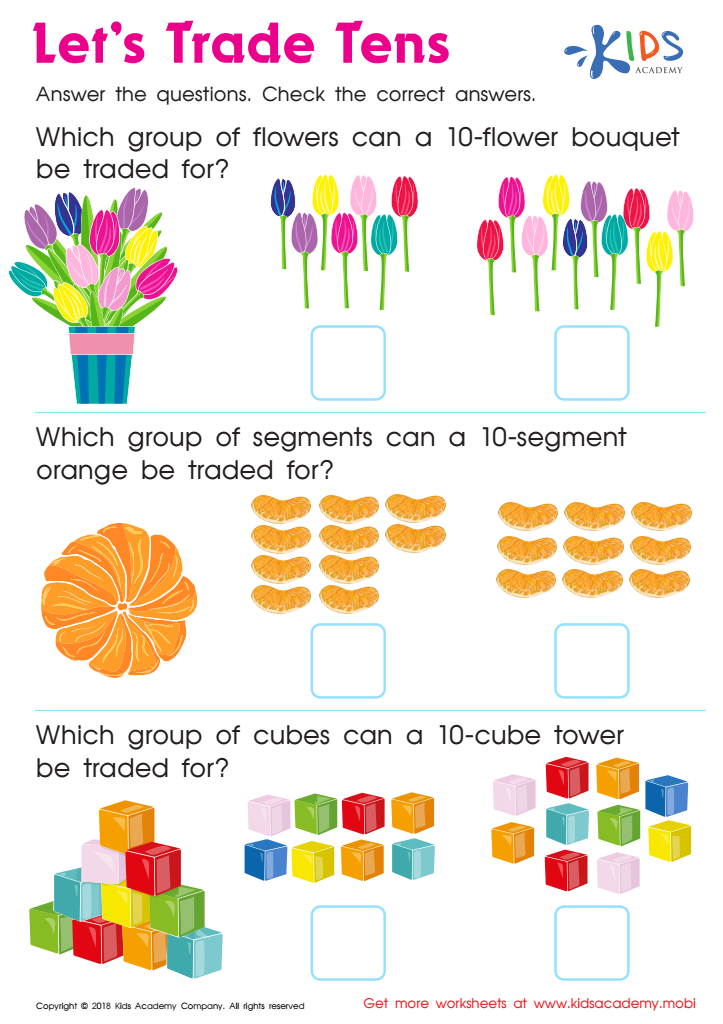
Lets Trade Tens Worksheet
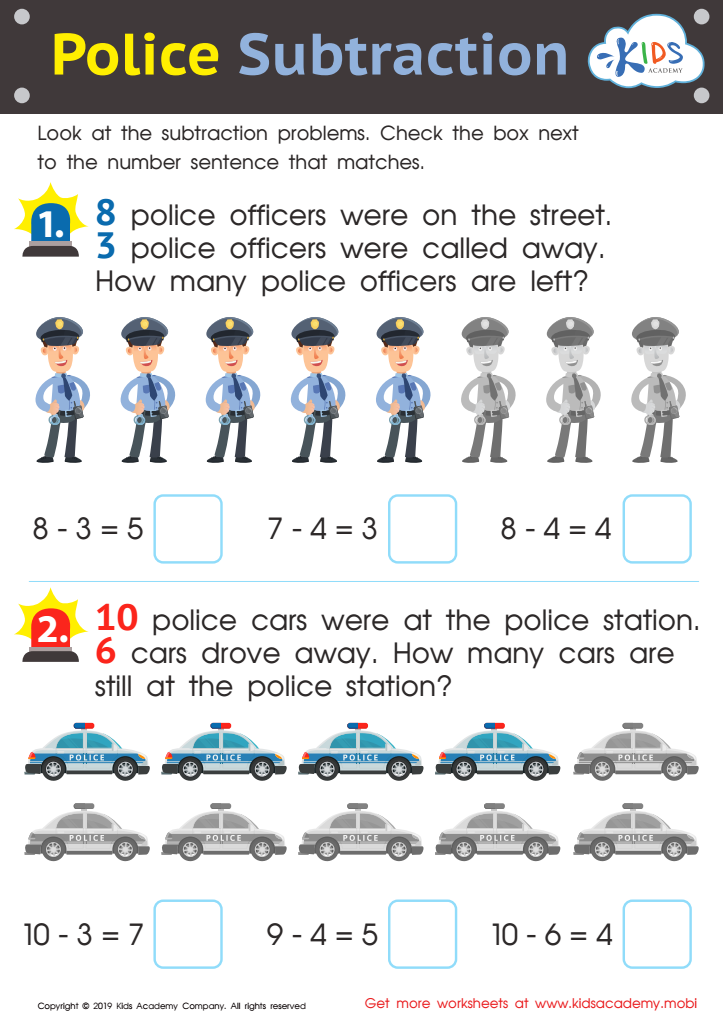
Police Subtraction Worksheet








Parents and teachers should prioritize math education for children ages 4-8 because this foundational stage is critical for developing essential thinking skills. At this age, children are naturally curious and eager to learn, making it an ideal period for introducing mathematical concepts. Engaging children in math helps cultivate logical reasoning, problem-solving abilities, and a strong sense of spatial awareness—all of which are foundational skills that extend beyond math.
Moreover, early exposure to math fosters a positive attitude toward the subject. When children play with numbers, patterns, and shapes through games and everyday activities, they start associating math with fun rather than fear. This early love for math can lead to improved performance in later grades and advanced academic and career opportunities.
Additionally, mathematical skills are essential for everyday life, helping children understand concepts like time, measurement, and financial literacy. Empowering children with these skills early on sets them up for success, ensuring they have the tools they need for future learning and problem-solving. Parents and teachers play a crucial role in building this strong foundation, triggering a love for learning, and supporting children in becoming confident and capable individuals in an increasingly math-centric world.








