Governance and Civics Worksheets for Ages 4-8 - Page 2
51 filtered results
-
From - To
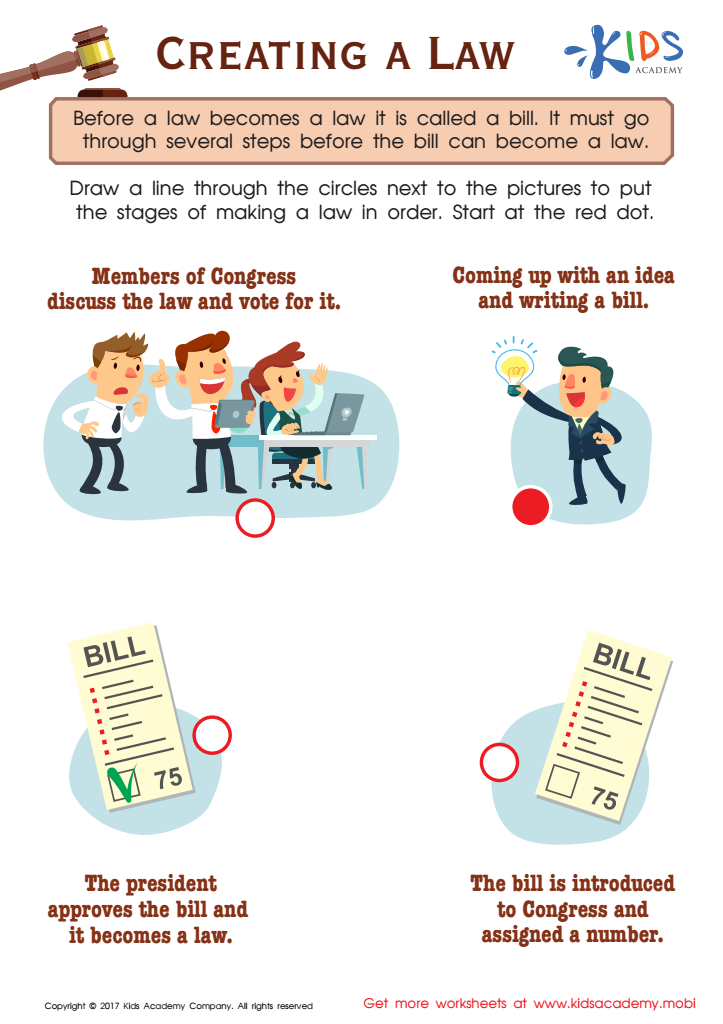
Creating a Law Worksheet
 Assign to My Students
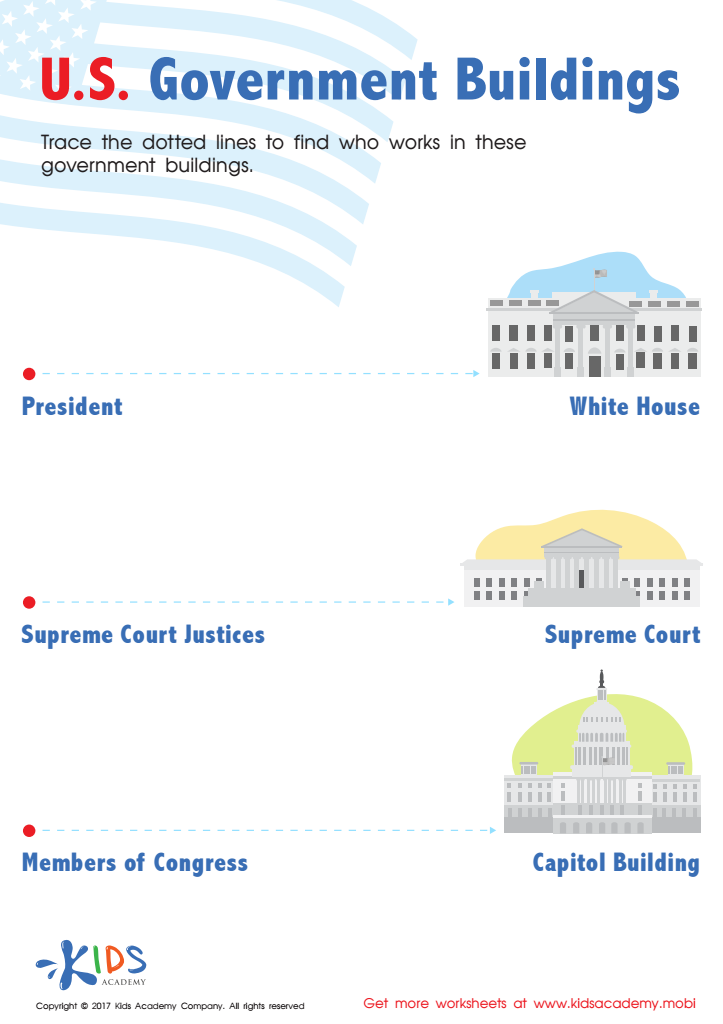
US Government Buildings Printable
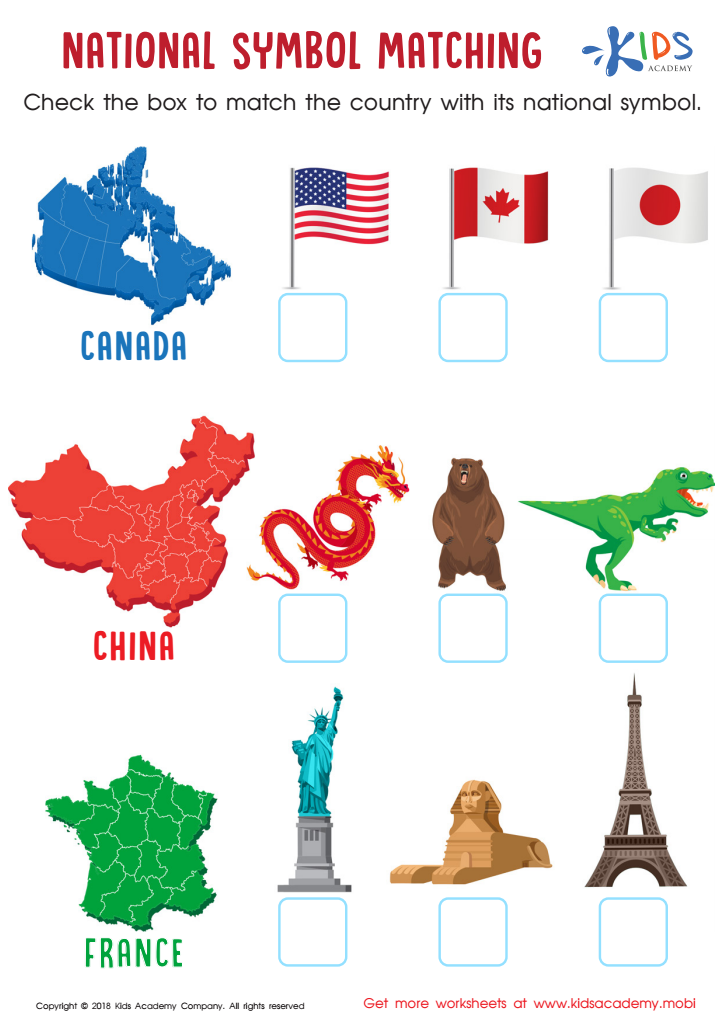
National Symbol Matching Worksheet
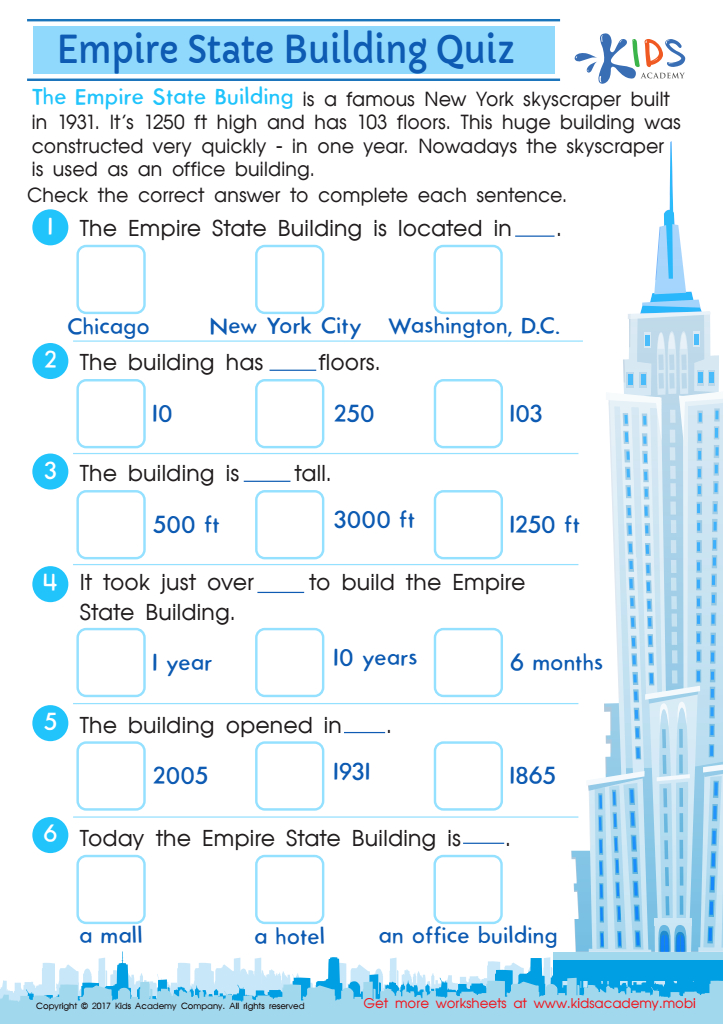
Empire State Building Printable Worksheet
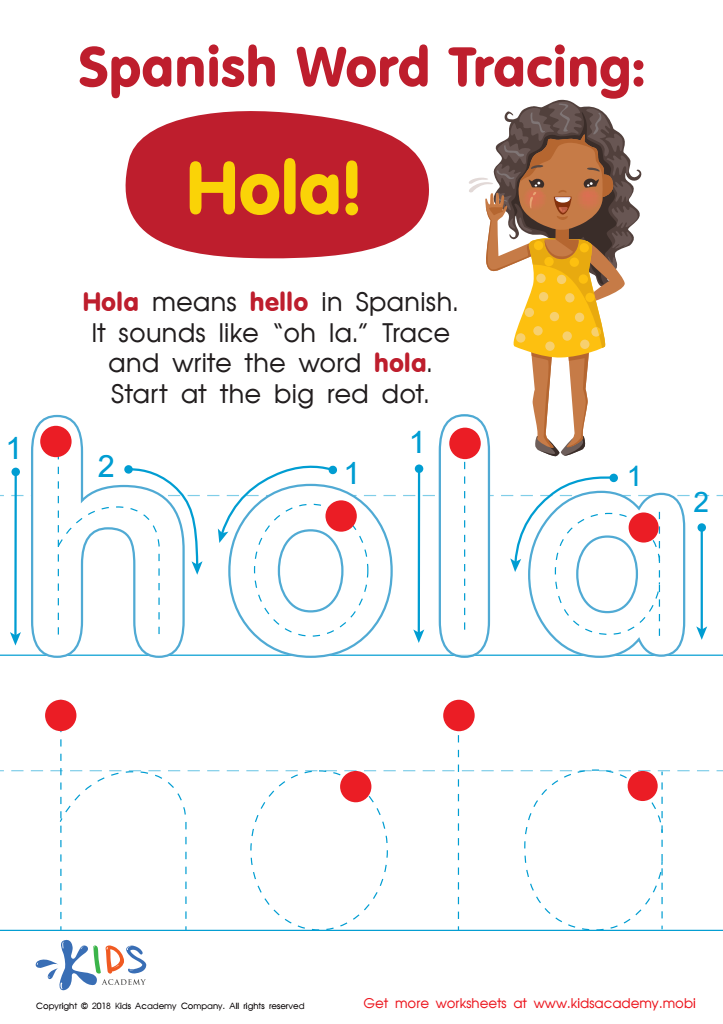
Spanish Word Tracing: Hola Worksheet
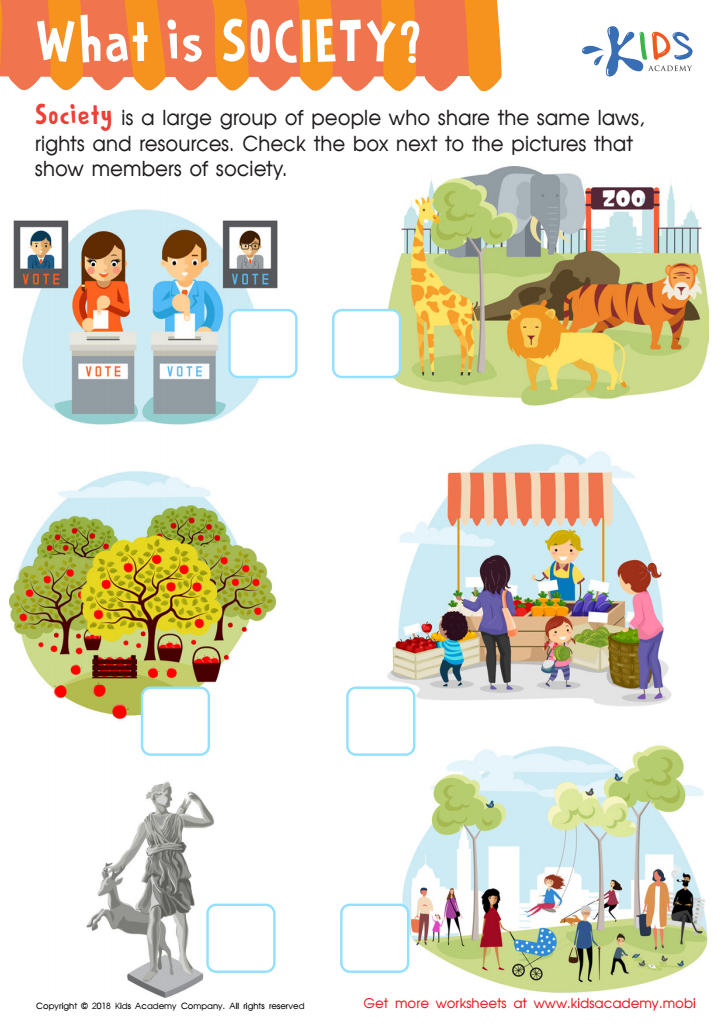
What Is Society? Worksheet
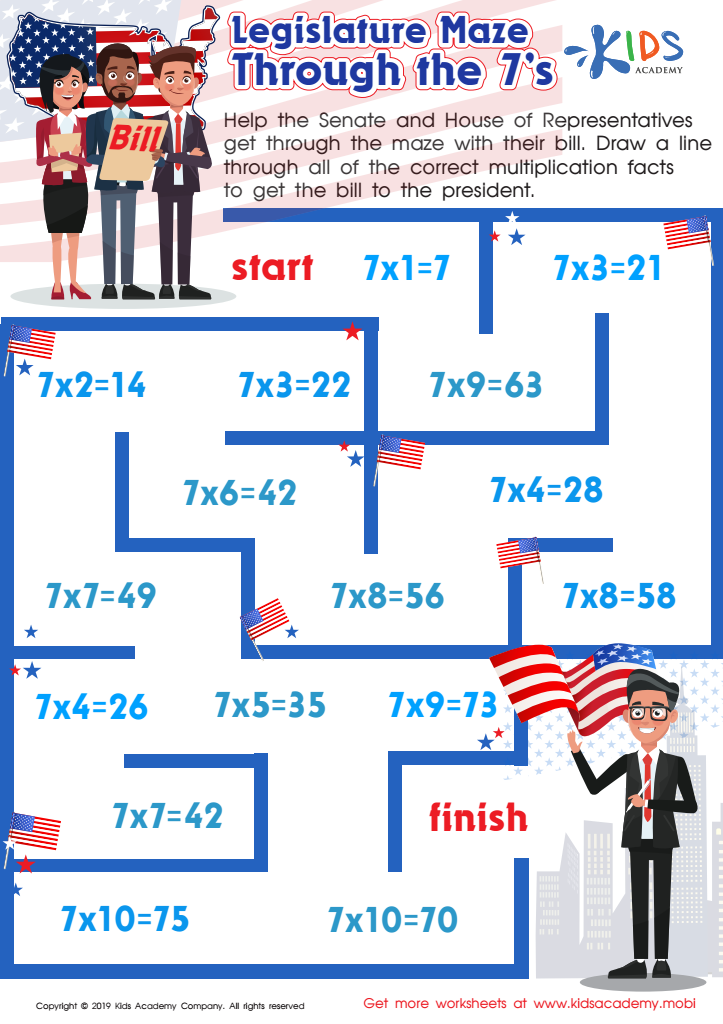
Legislature Maze Through the 7’s Worksheet
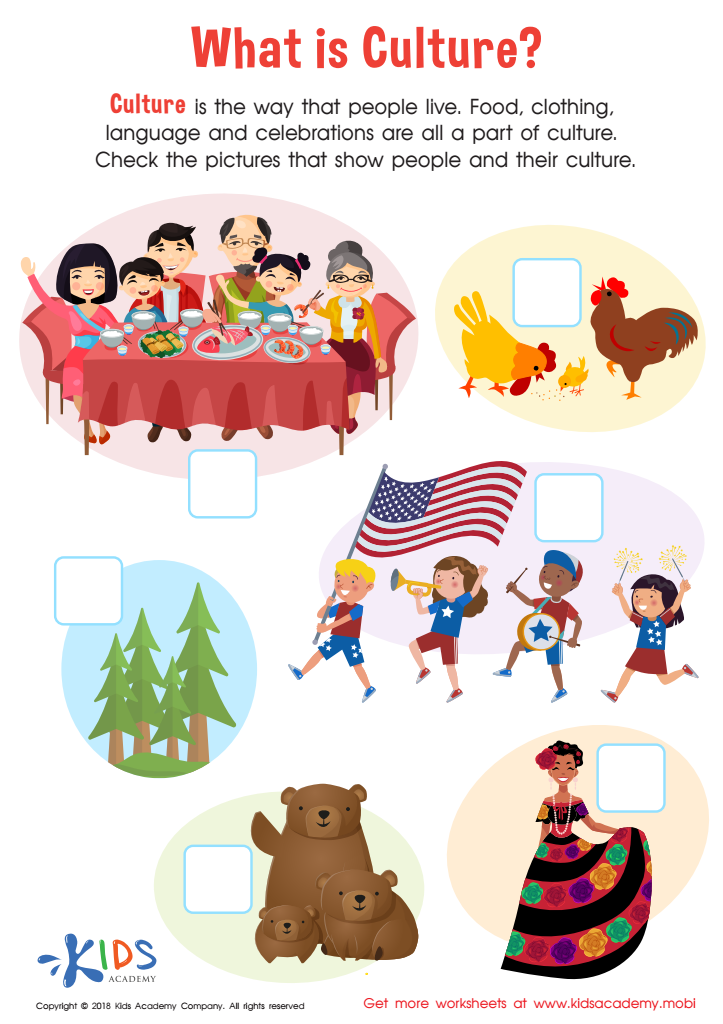
What Is Culture? Worksheet
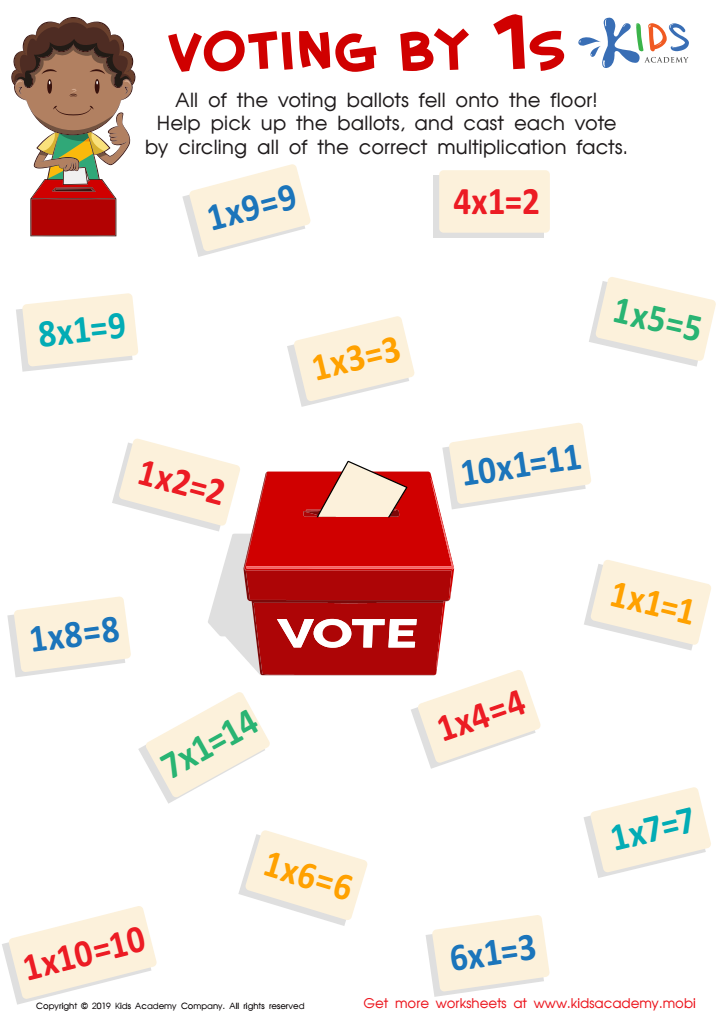
Voting by 1s Worksheet
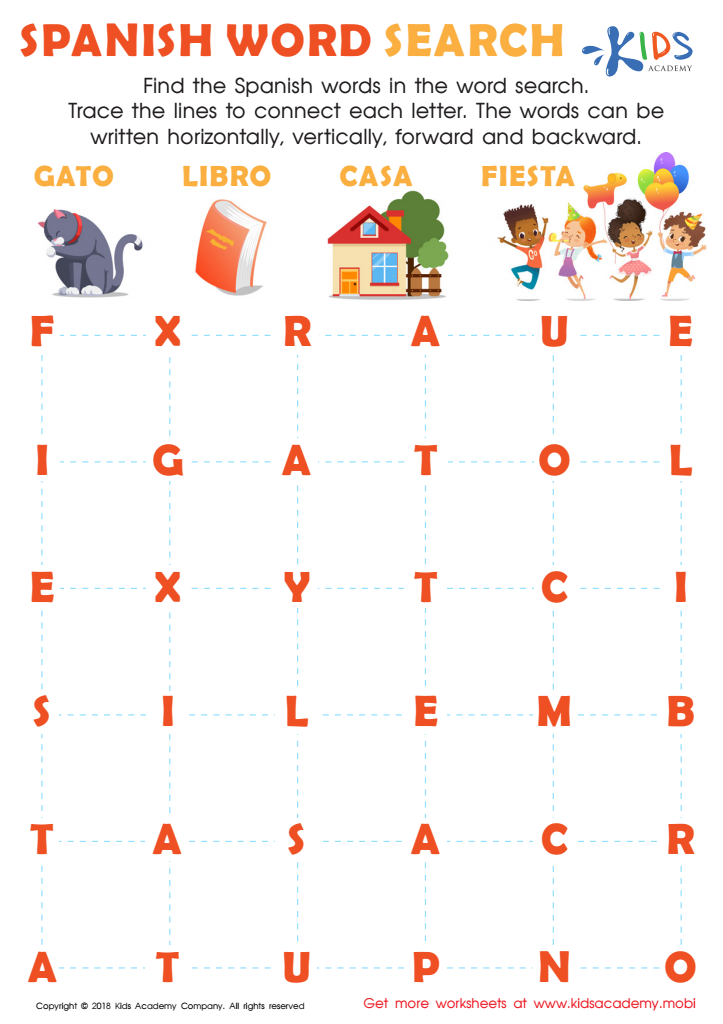
Spanish Word Search Worksheet
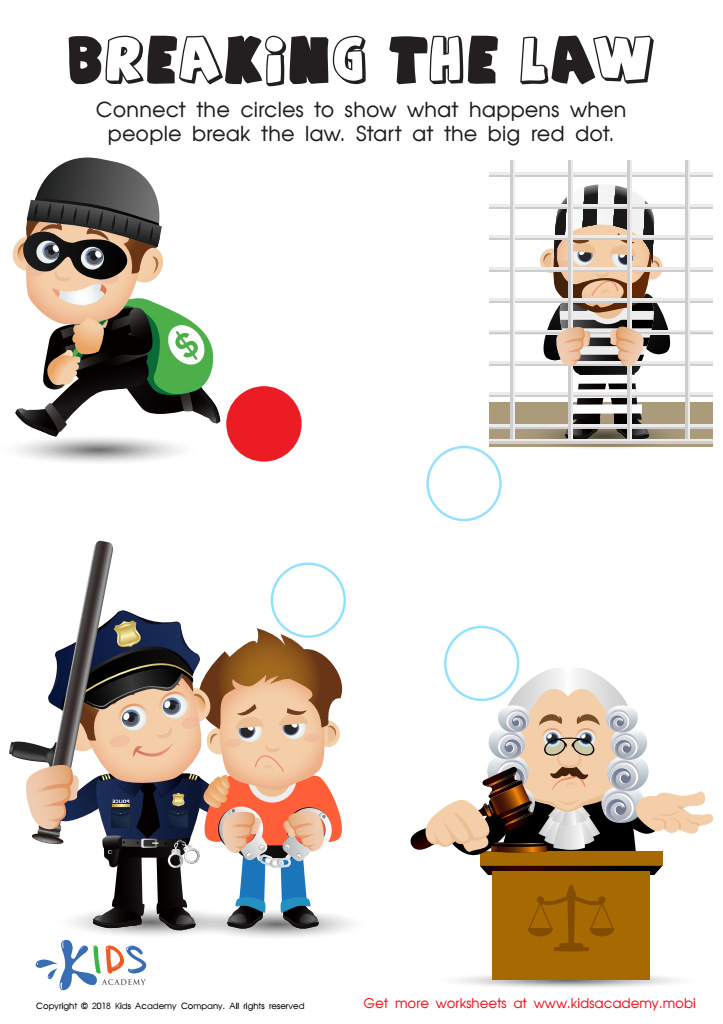
Breaking the Law Worksheet
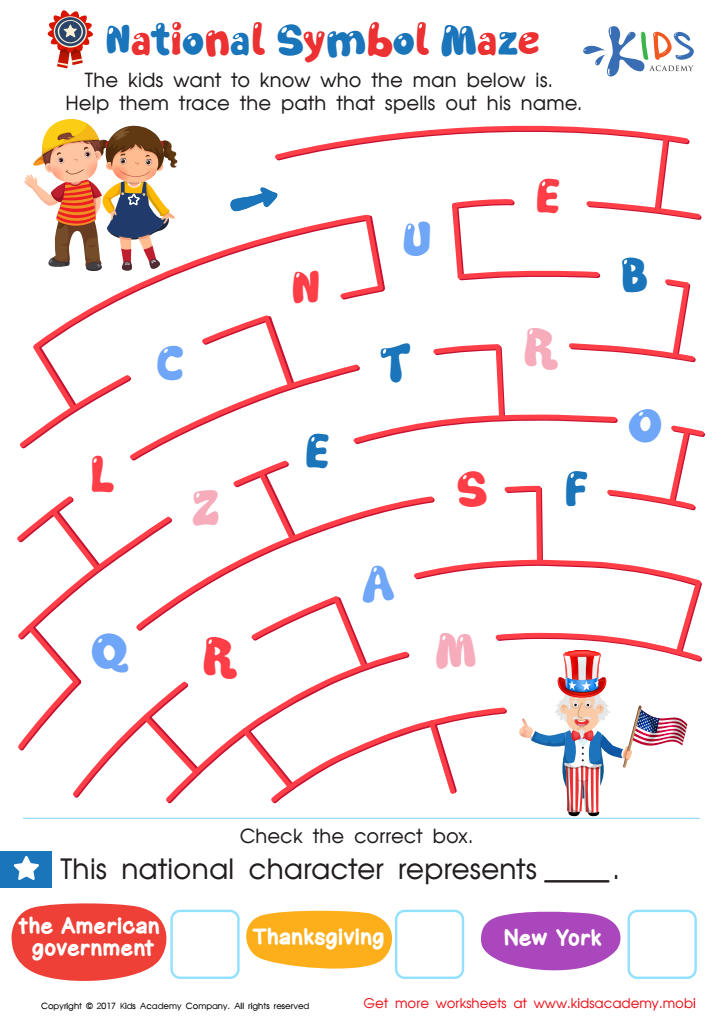
National Symbol Maze Worksheet
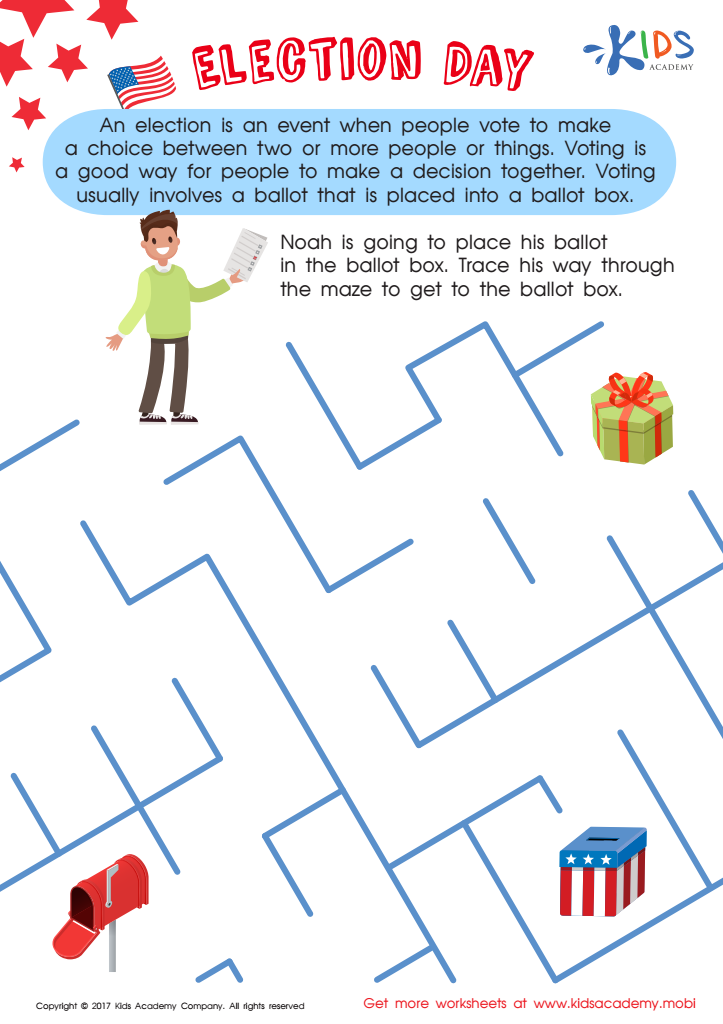
Election Day Worksheet
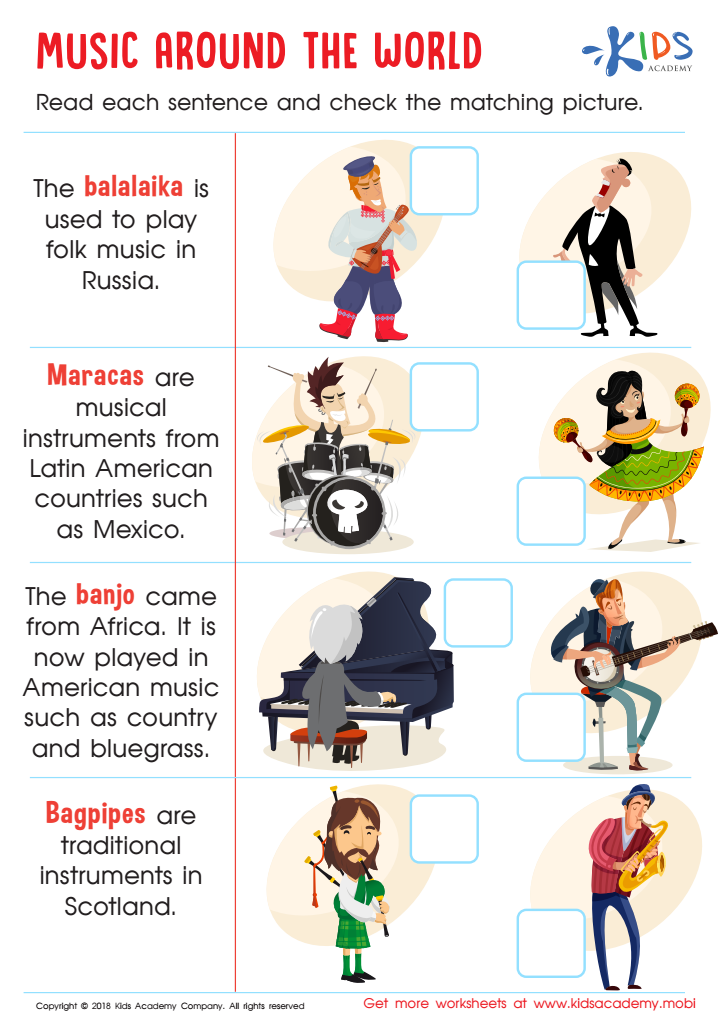
Music Around the World Worksheet
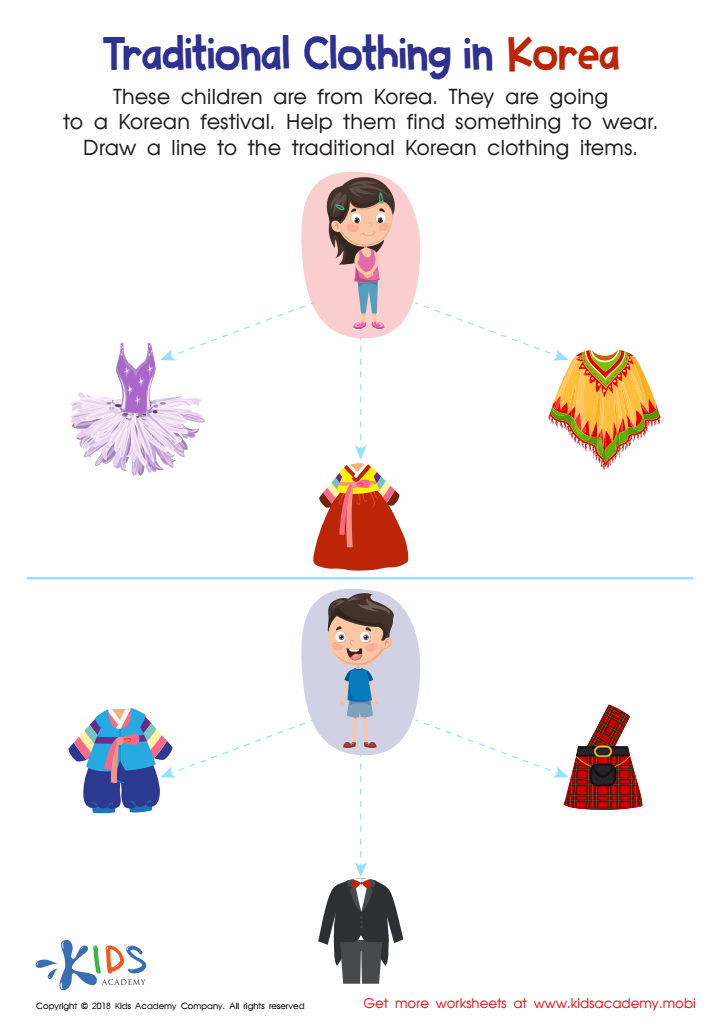
Traditional Clothing in Korea Worksheet
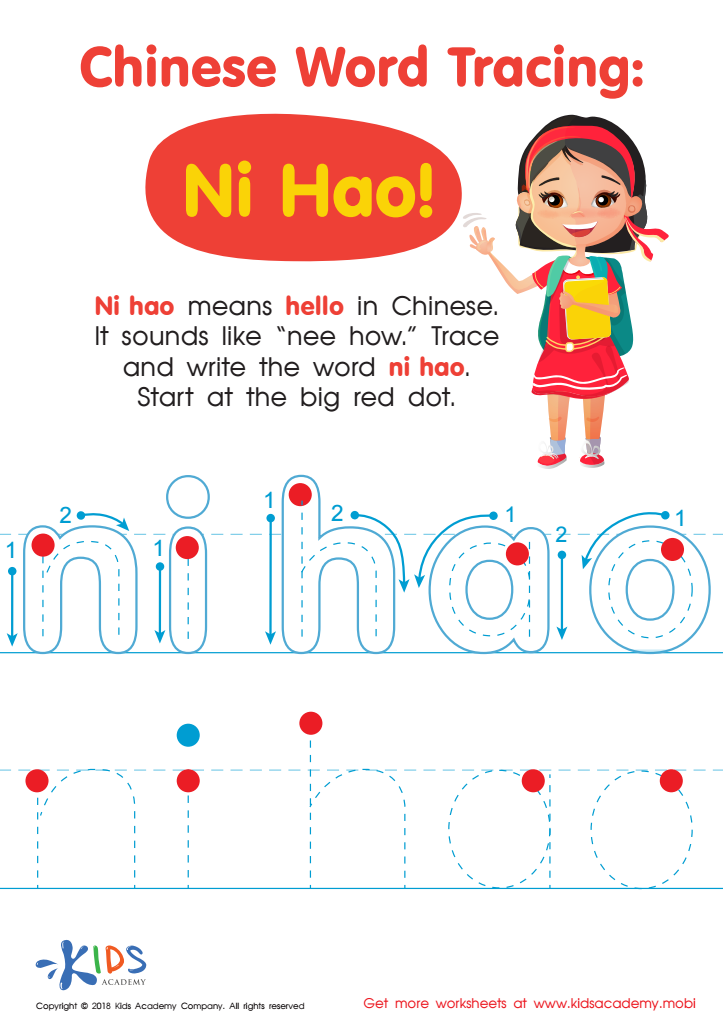
Chinese Word Tracing: Ni Hao Worksheet
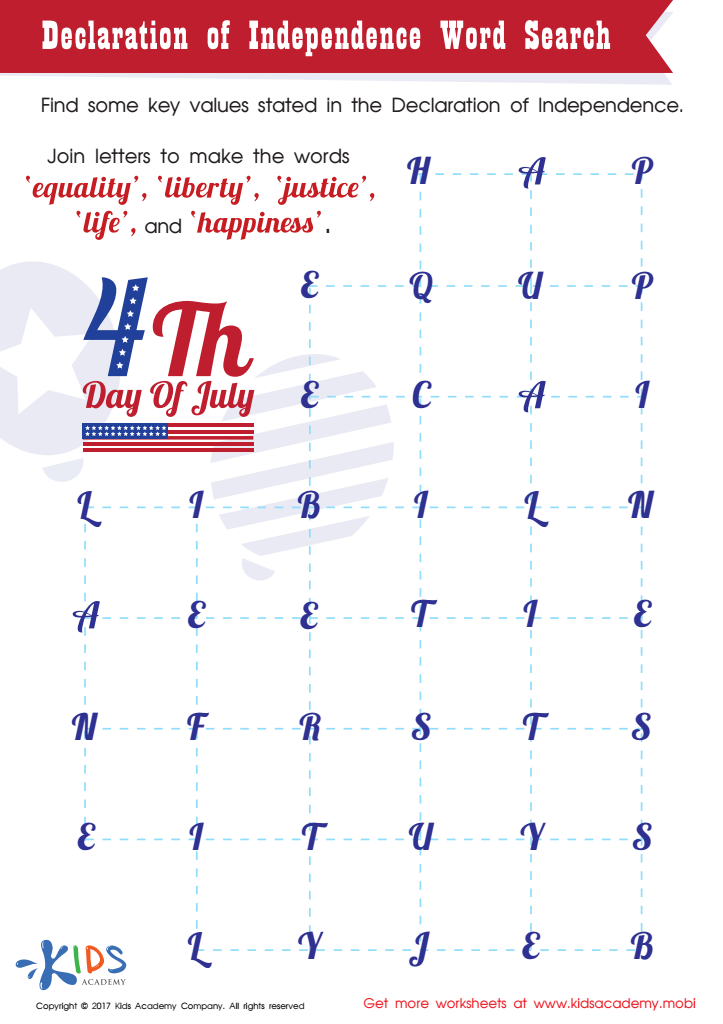
Declaration of Independence Word Search Printable
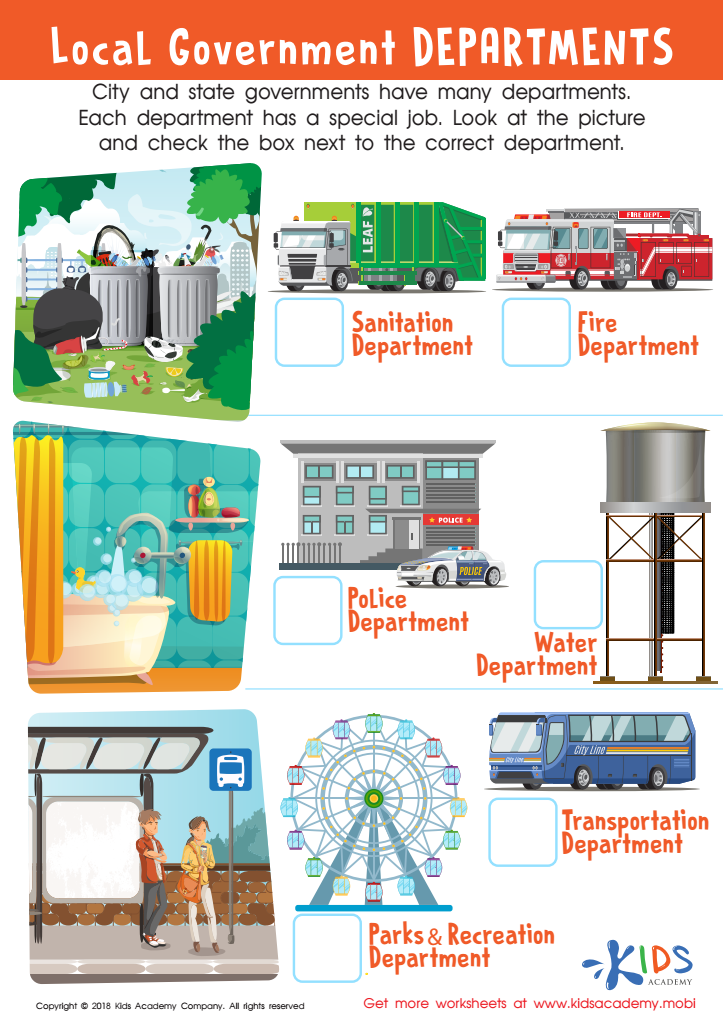
Local Government Departments Worksheet
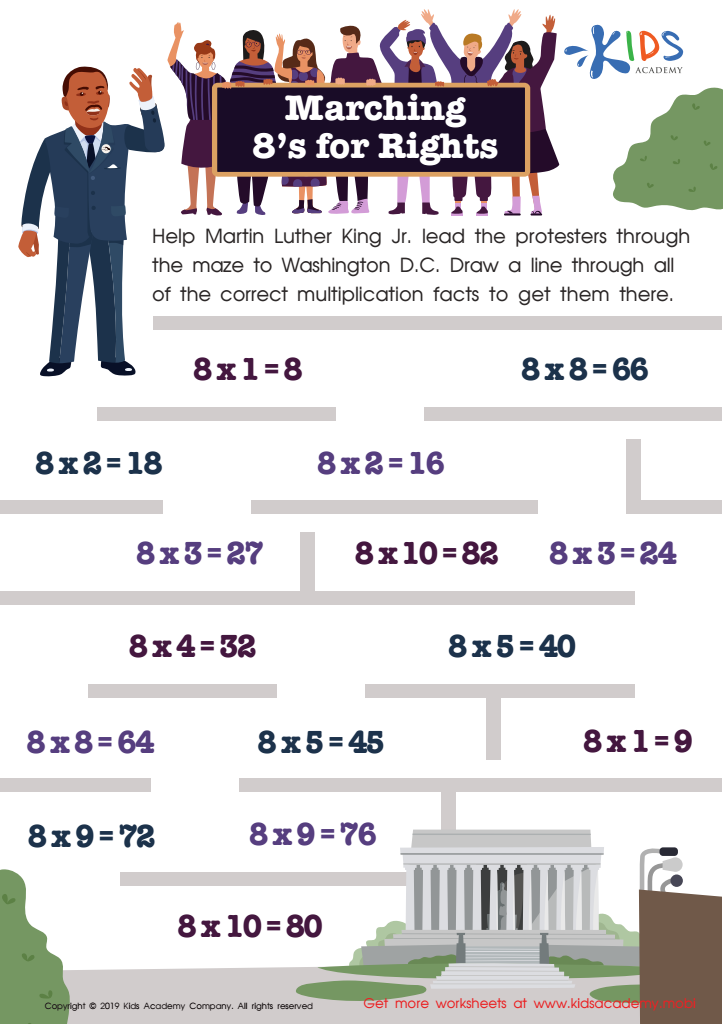
Marching 8’s for Rights Worksheet
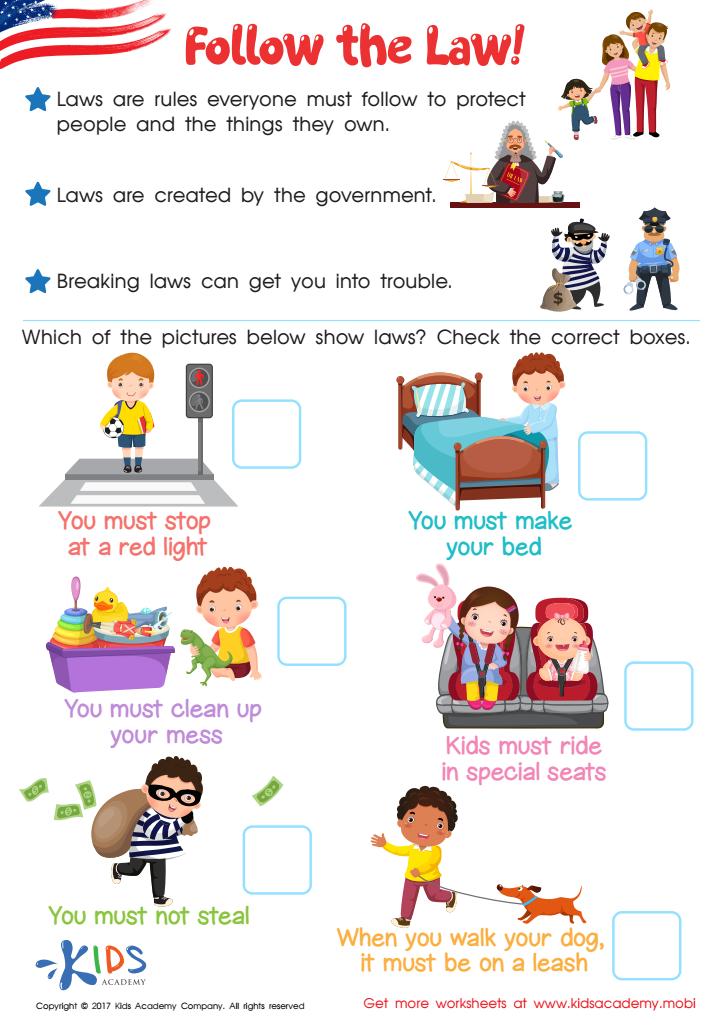
Follow the Law Worksheet
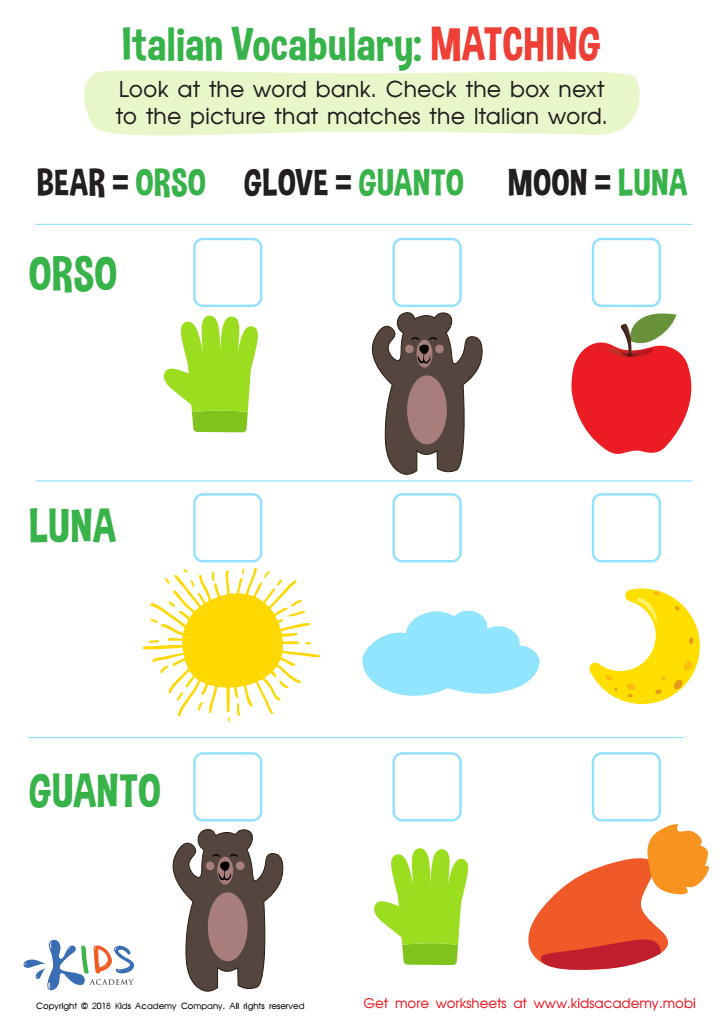
Italian Vocabulary Matching Worksheet
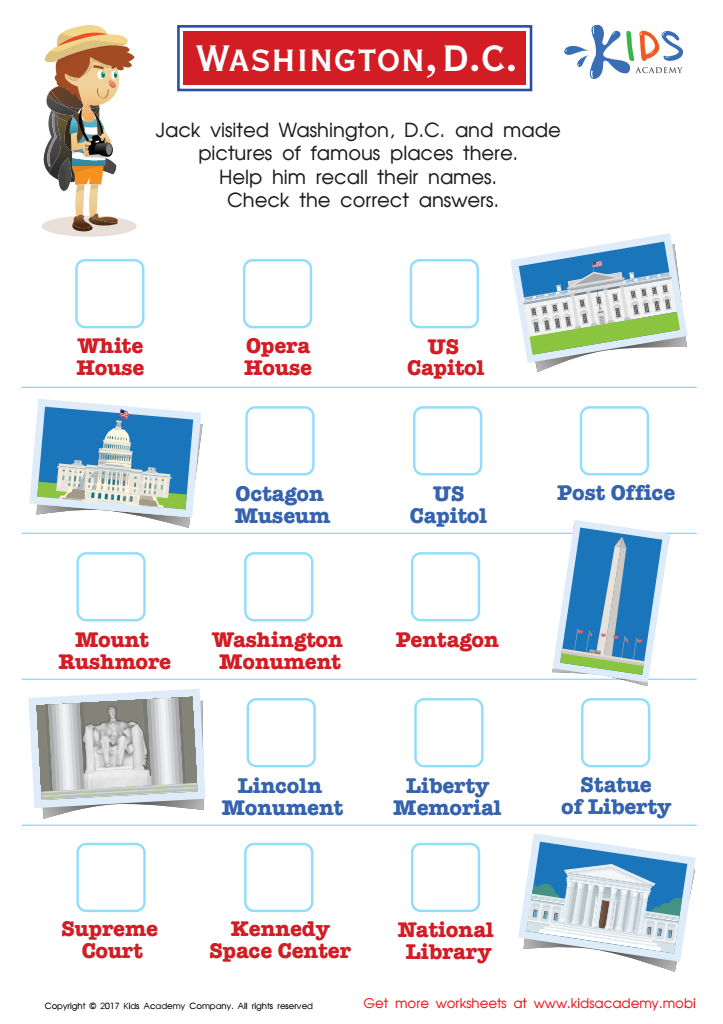
Washington D.C. Printable Worksheet
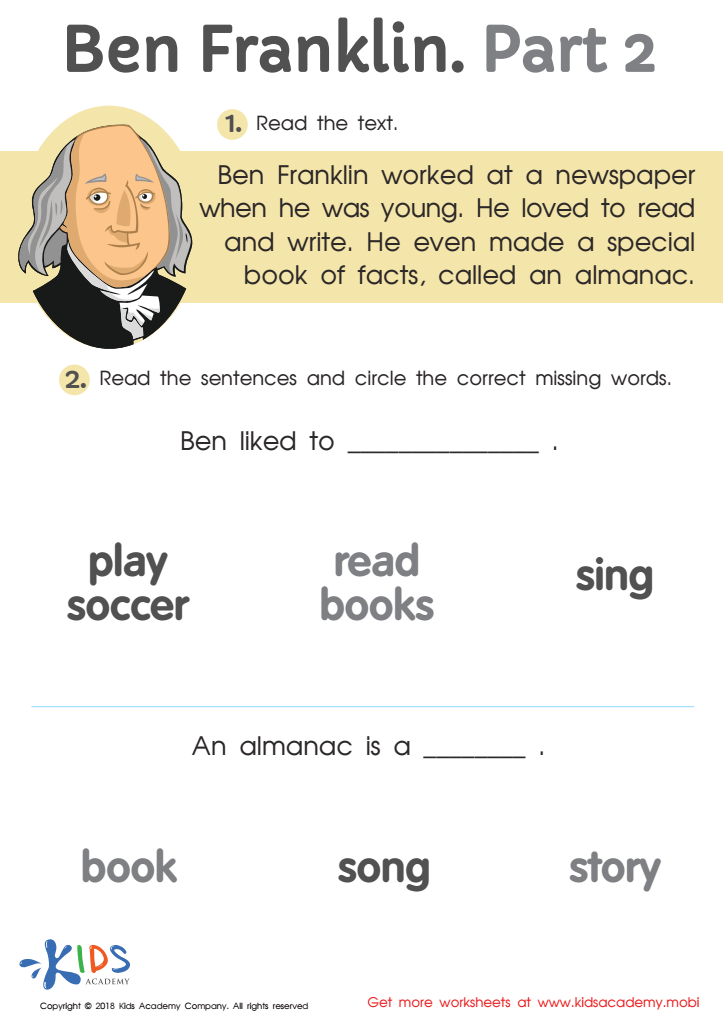
Ben Franklin Part 2 Worksheet
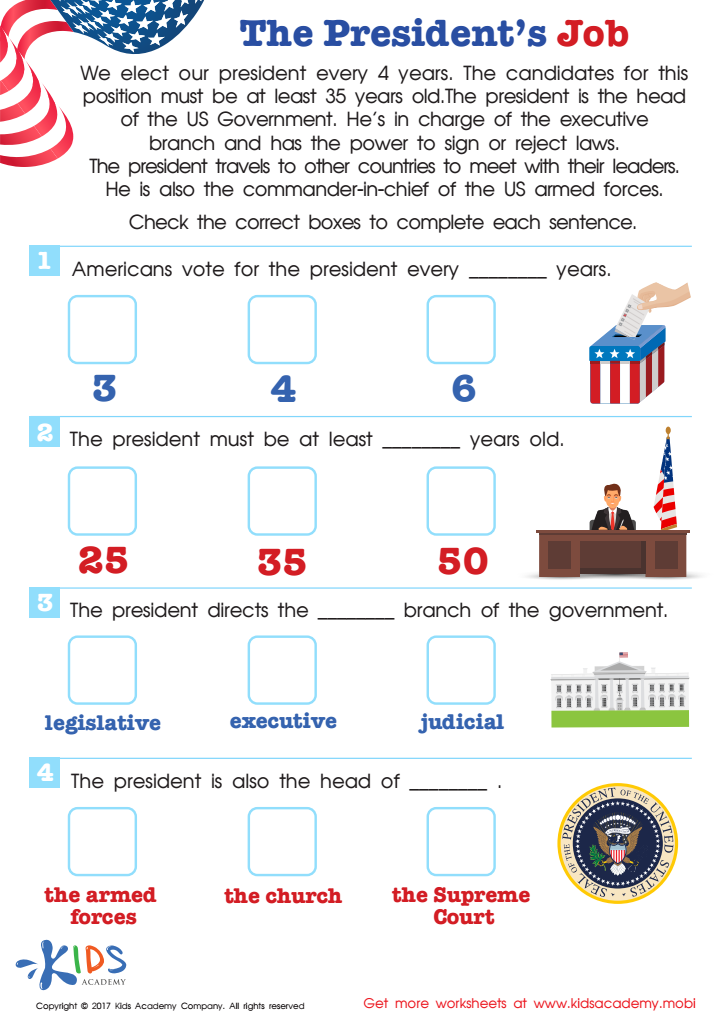
President of the USA Job Description Worksheet


Introducing governance and civics to children aged 4-8 lays the foundation for responsible citizenship and fosters a sense of community and belonging early in life. At this formative stage, children are highly impressionable and open to learning core values such as fairness, empathy, and cooperation, which are essential components of civic understanding.
Teaching young children the basics of governance helps them understand the importance of rules, leadership, and structures within their families, schools, and community settings. For example, learning about simple democratic processes, such as voting, empowers them to appreciate their voice and role in making decisions. This can promote a sense of agency and confidence, crucial for emotional and social development.
Moreover, understanding civics hones their critical thinking and problem-solving skills. Discussions about community helpers, local government, and societal roles introduce concepts of responsibility and service, encouraging children to think beyond their personal needs and consider the welfare of others. This understanding can reduce behaviors like bullying and increase acts of kindness.
For parents and teachers, integrating governance and civics into children’s education is an investment in developing conscientious, informed, and engaged future citizens. It cultivates awareness and empathy, better equipping children to contribute positively to their communities as they grow.








