Phonics Worksheets for Ages 4-9 - Page 6
242 filtered results
-
From - To
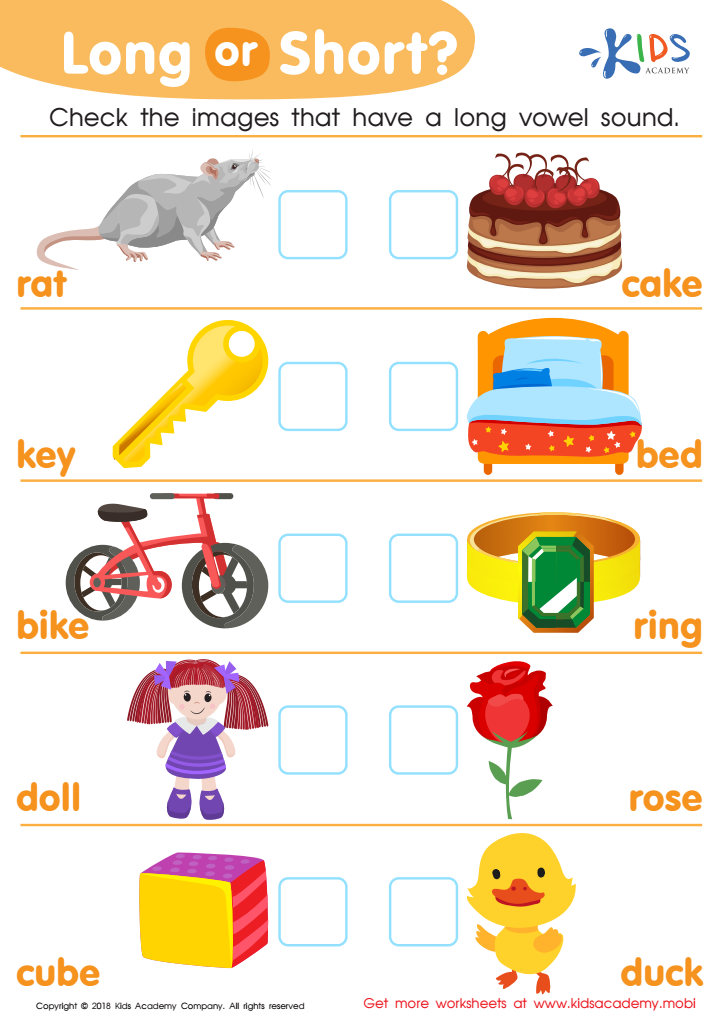
Long or Short Reading Worksheet
 Assign to My Students
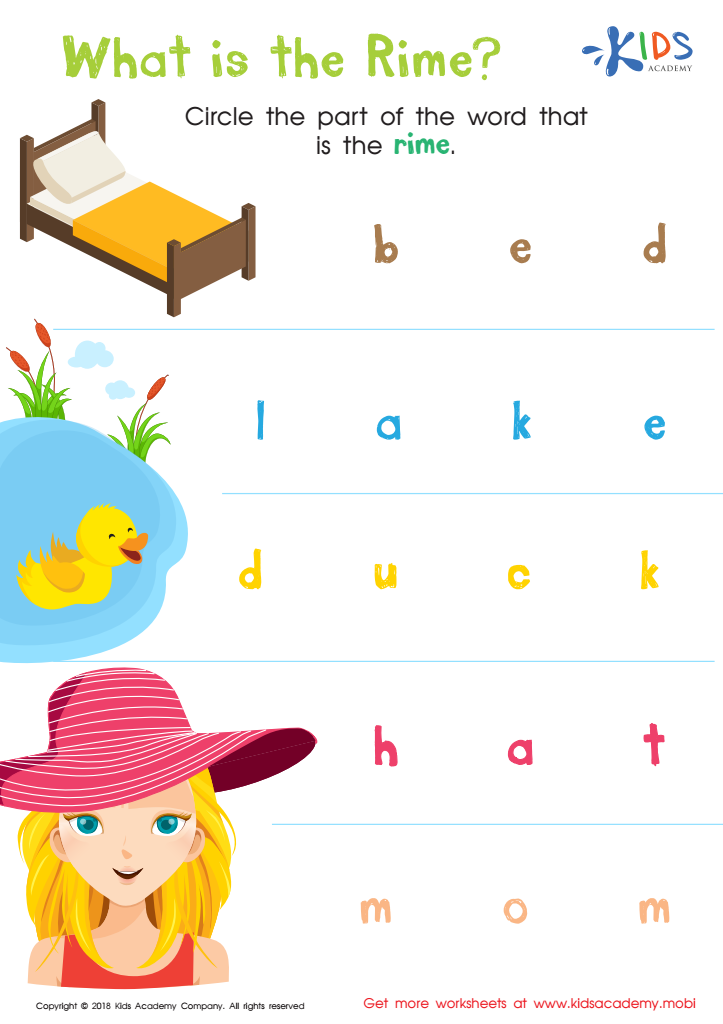
What Is the Rime? Worksheet
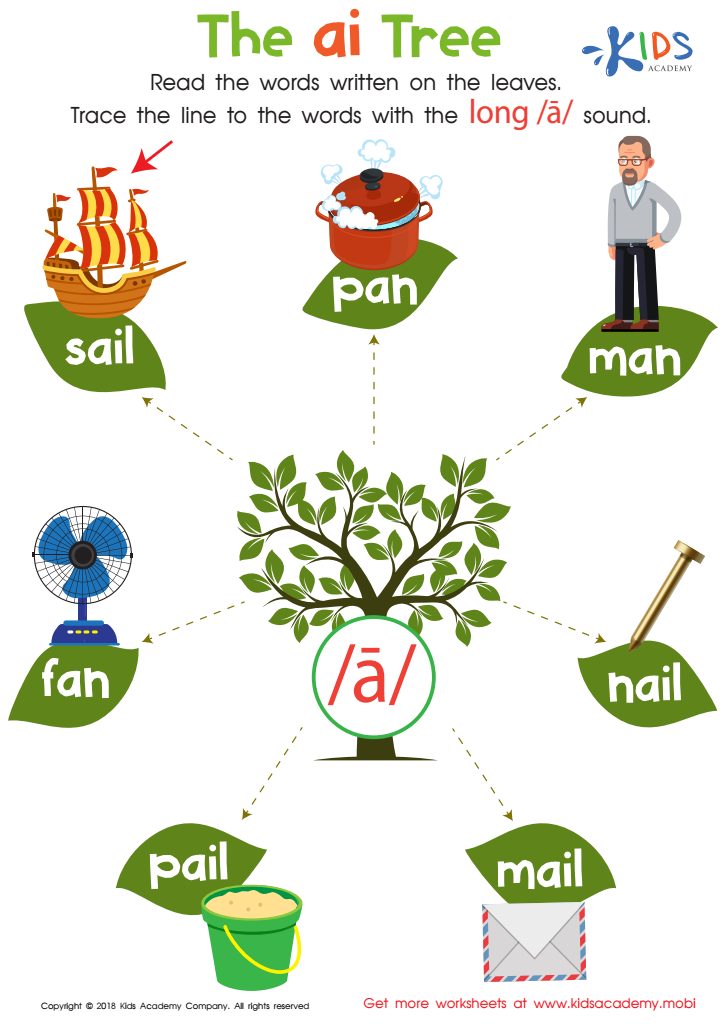
The AI Tree Worksheet
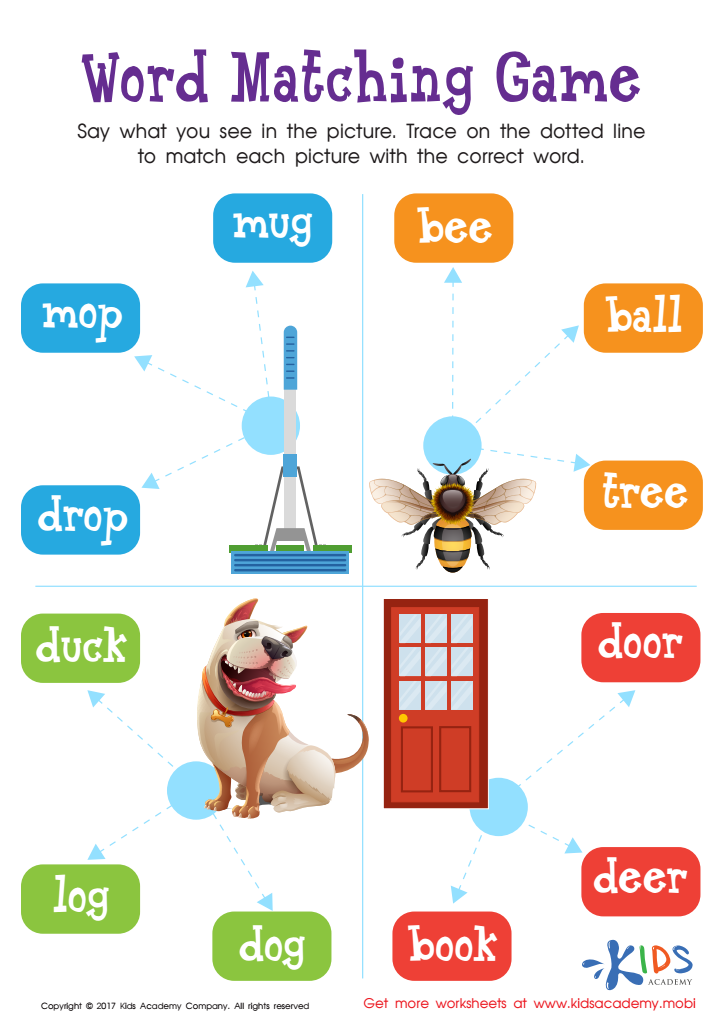
Word Matching Game Worksheet
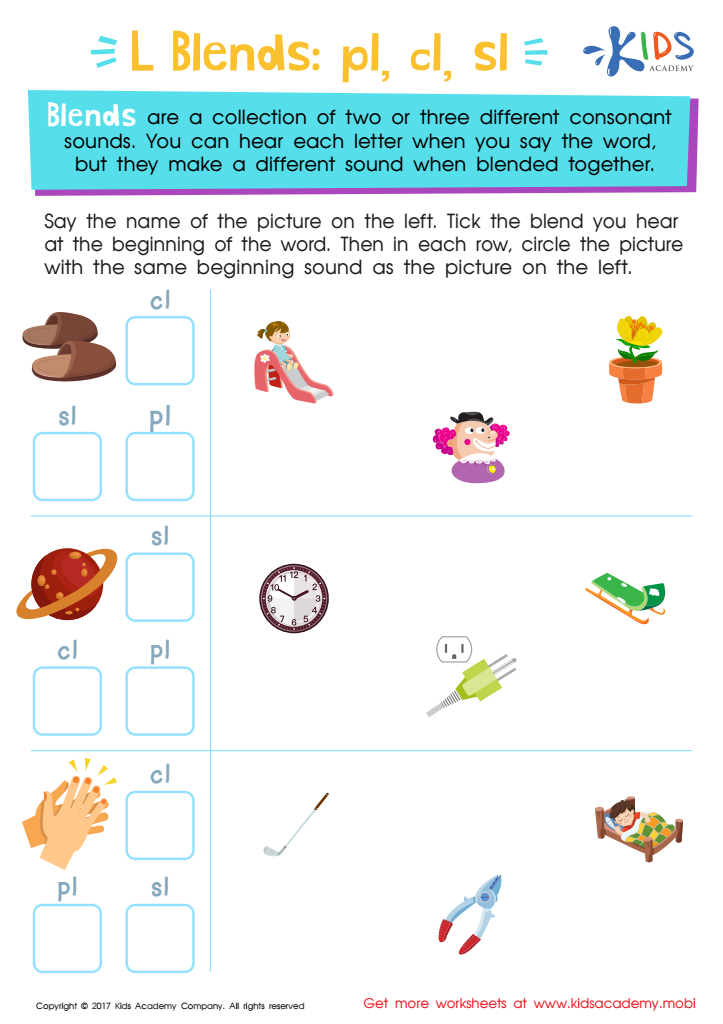
L Blends: "Pl", "Cl" and "Sl" Printable
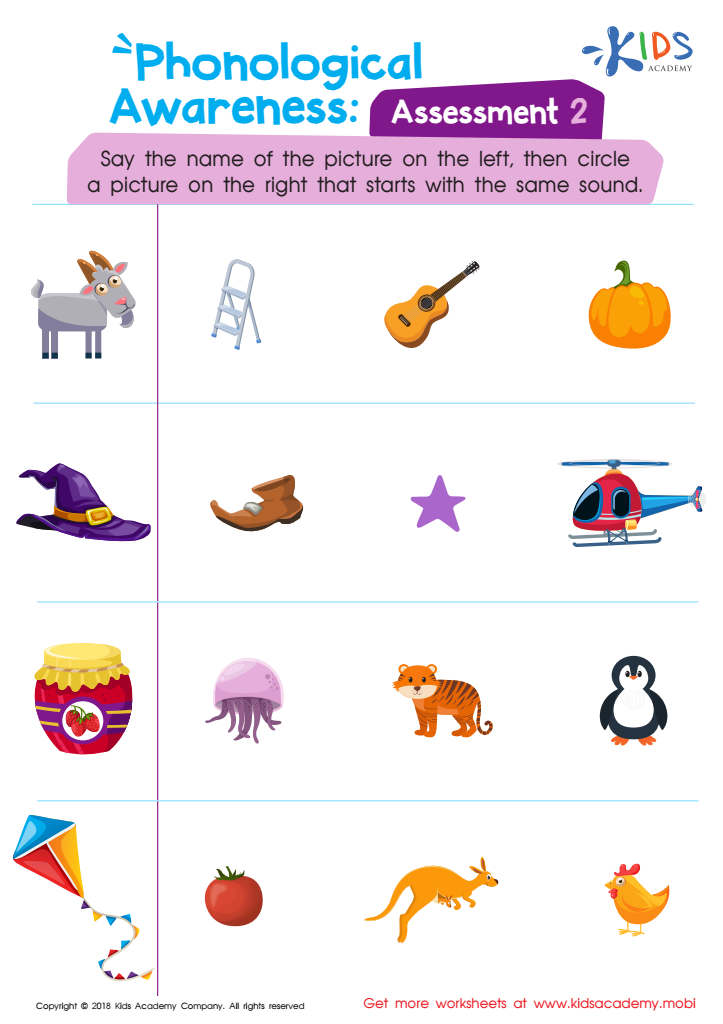
Phonological Awareness: Assessment 2 Worksheet
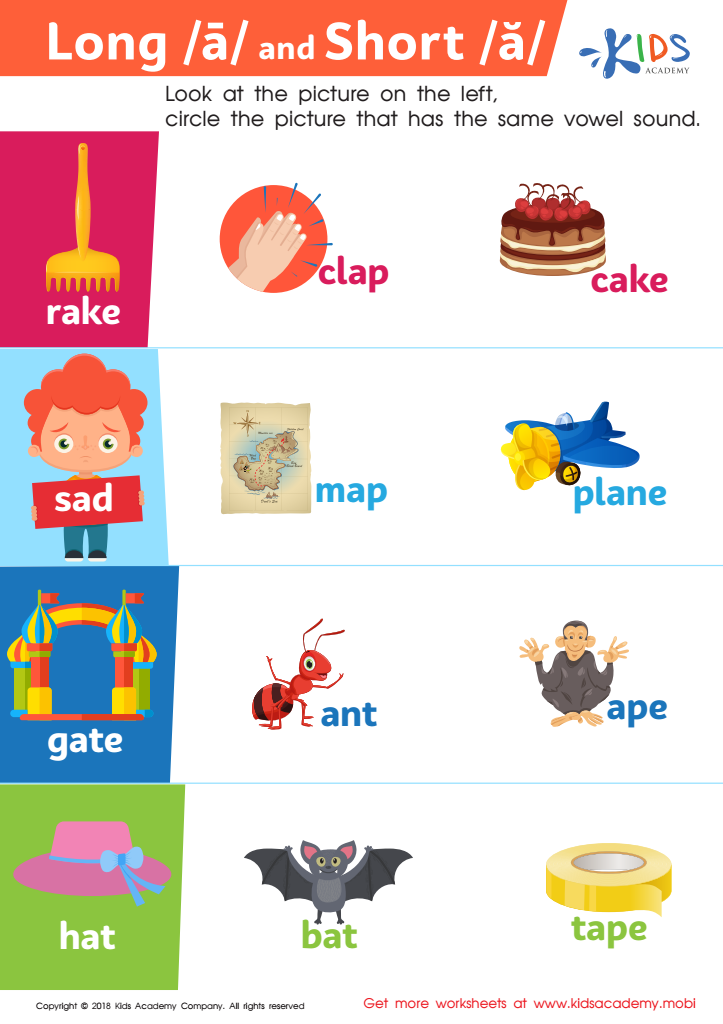
Reading: Long a and Short a Worksheet
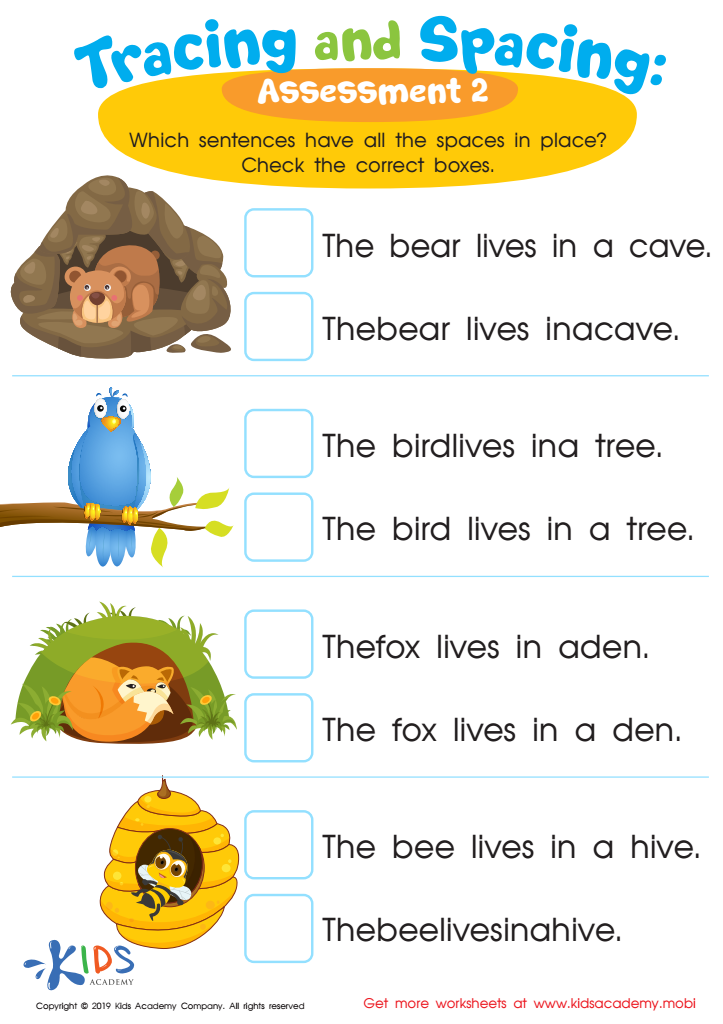
Tracing and Spacing: Assessment 2 Worksheet
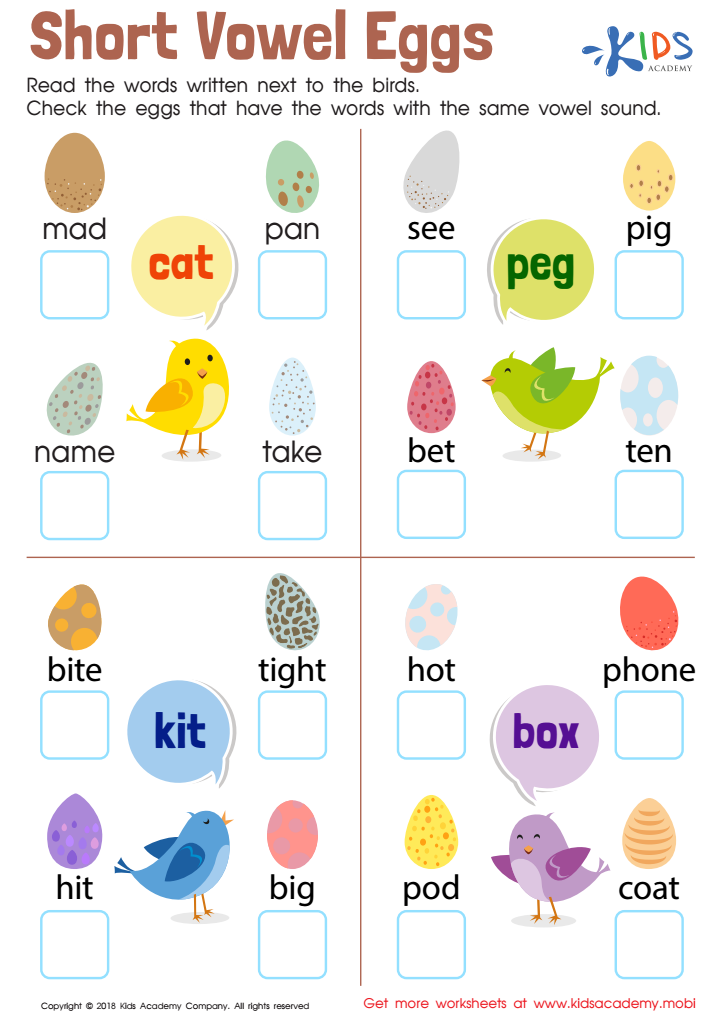
Short Vowel Eggs Worksheet
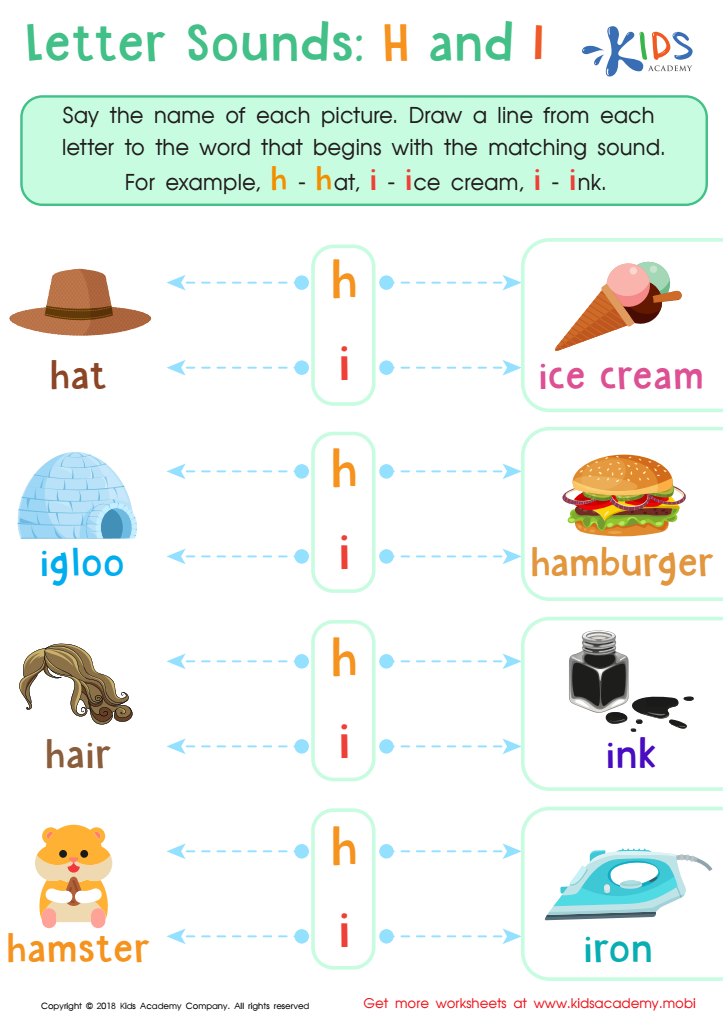
Letter H and I Sounds Worksheet
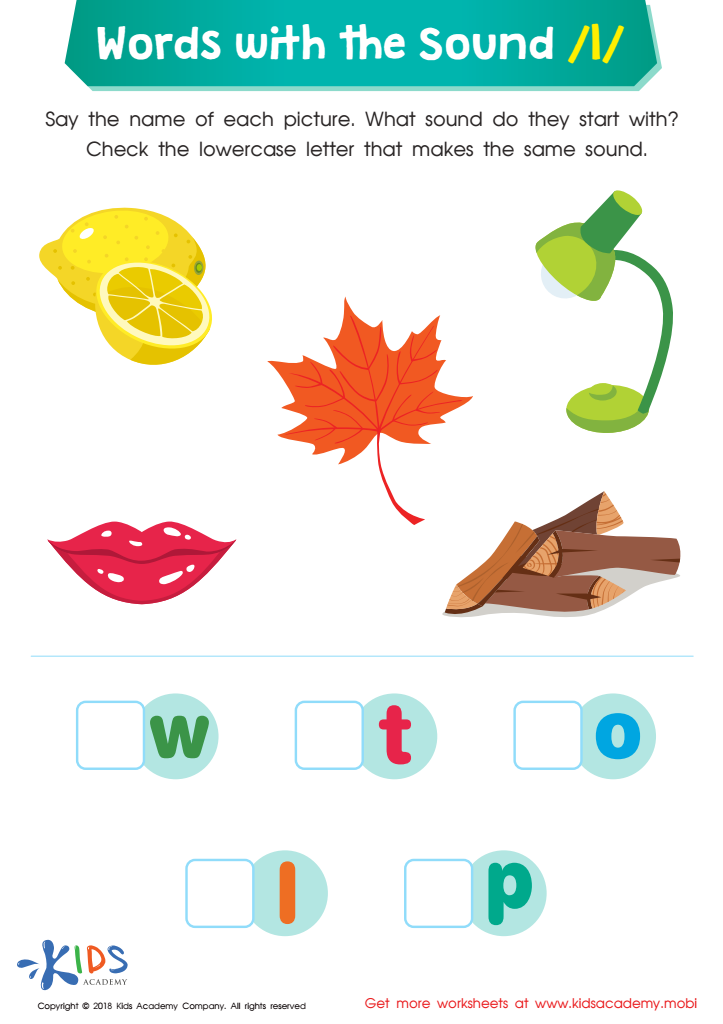
Words with Sound L Reading Worksheet
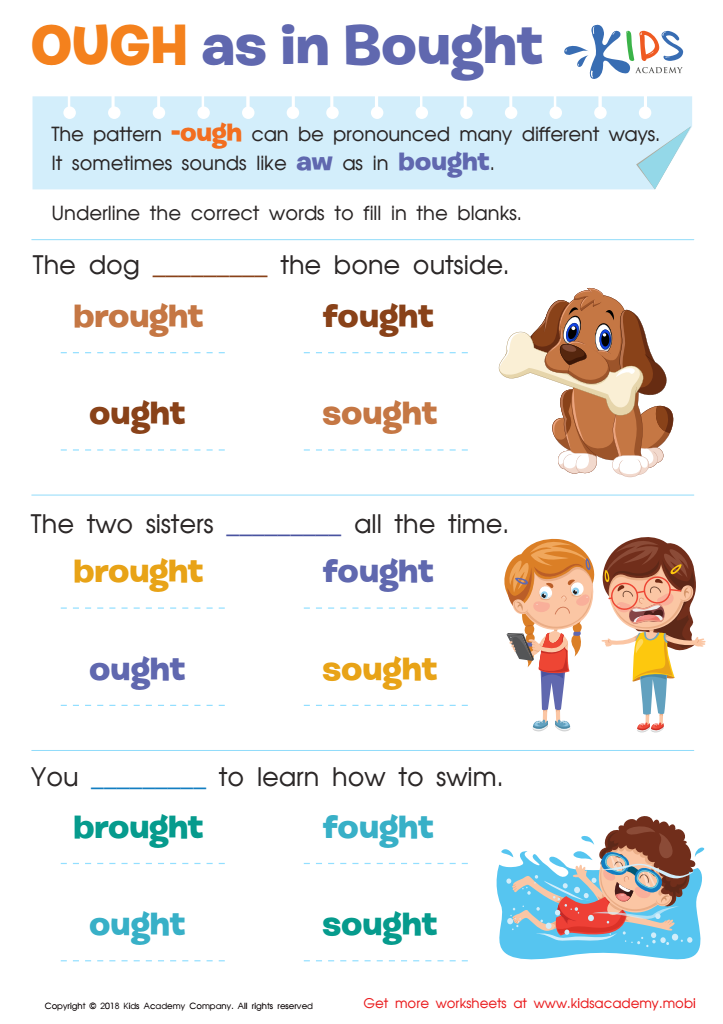
OUGH as in Bought Worksheet
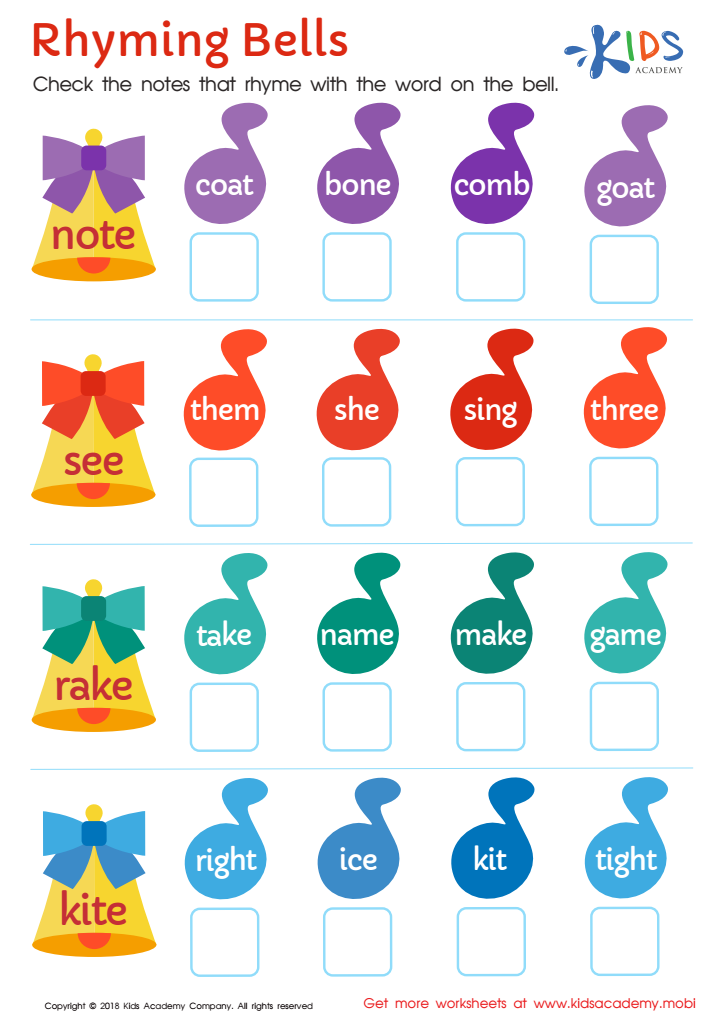
Rhyming Bells Worksheet
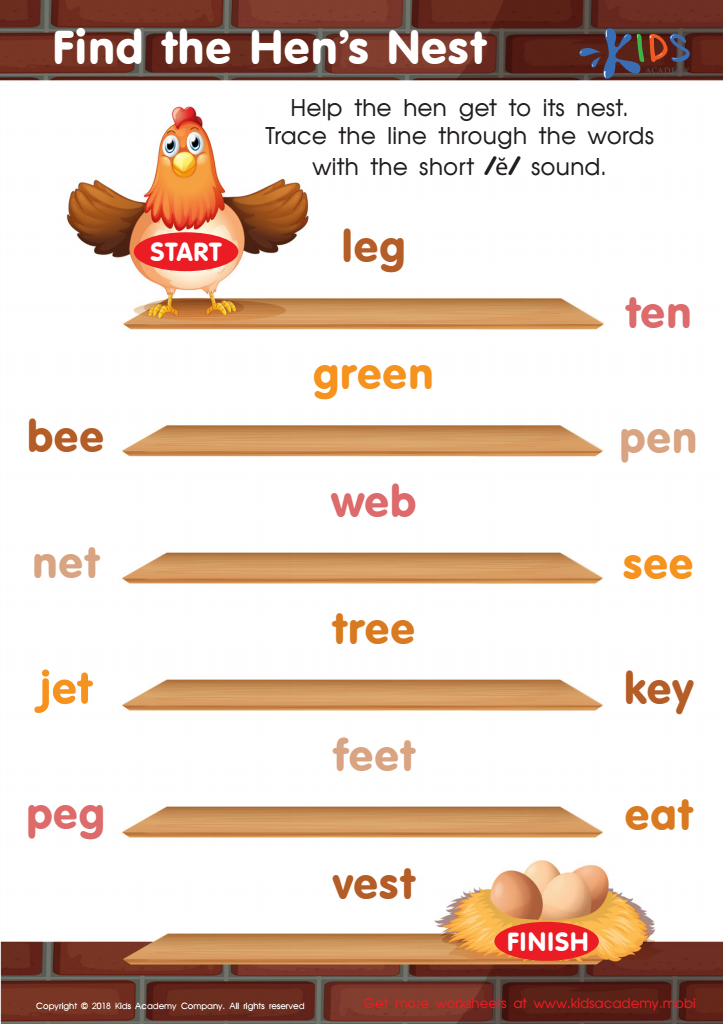
Find Hens Nest Reading Worksheet
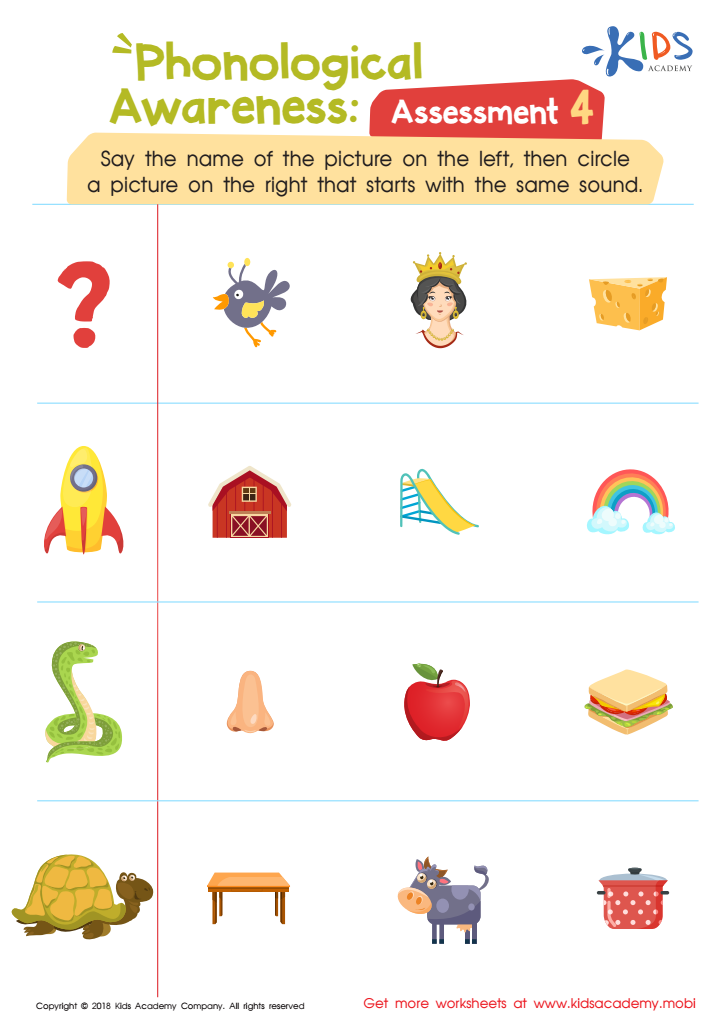
Phonological Awareness: Assessment 4 Worksheet
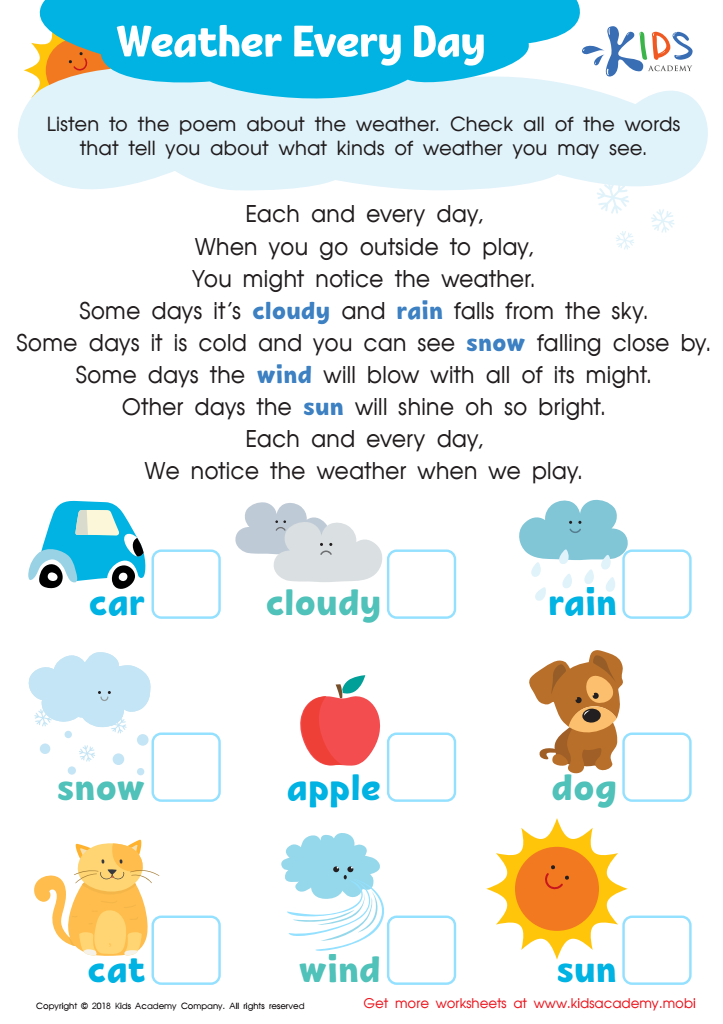
Weather Every Day Worksheet
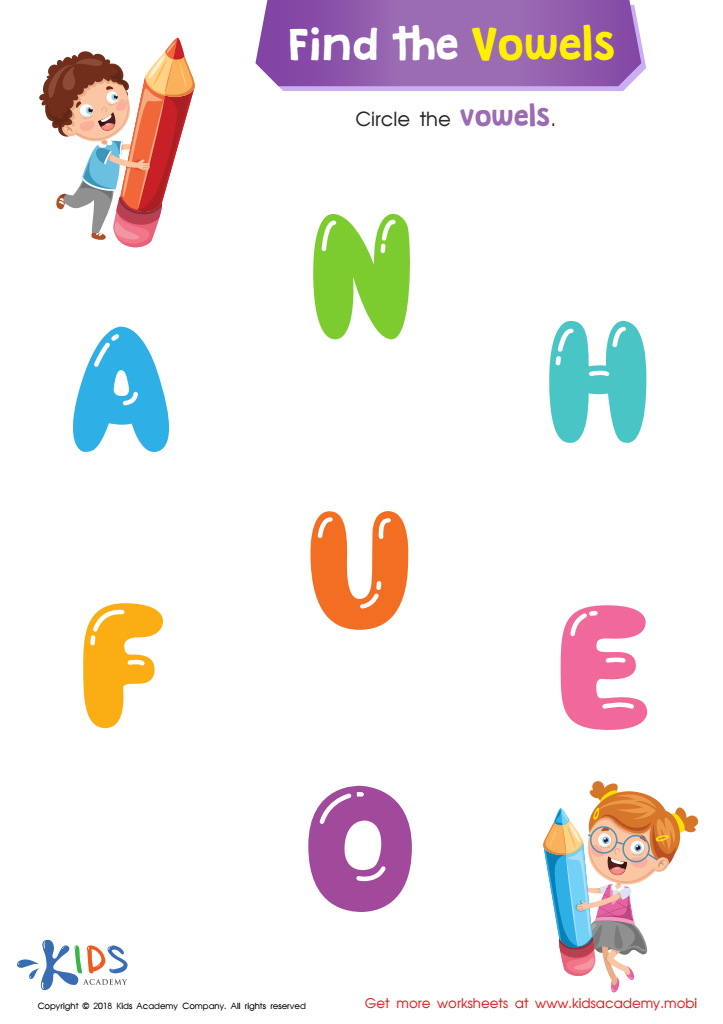
Find the Vowels Reading Worksheet
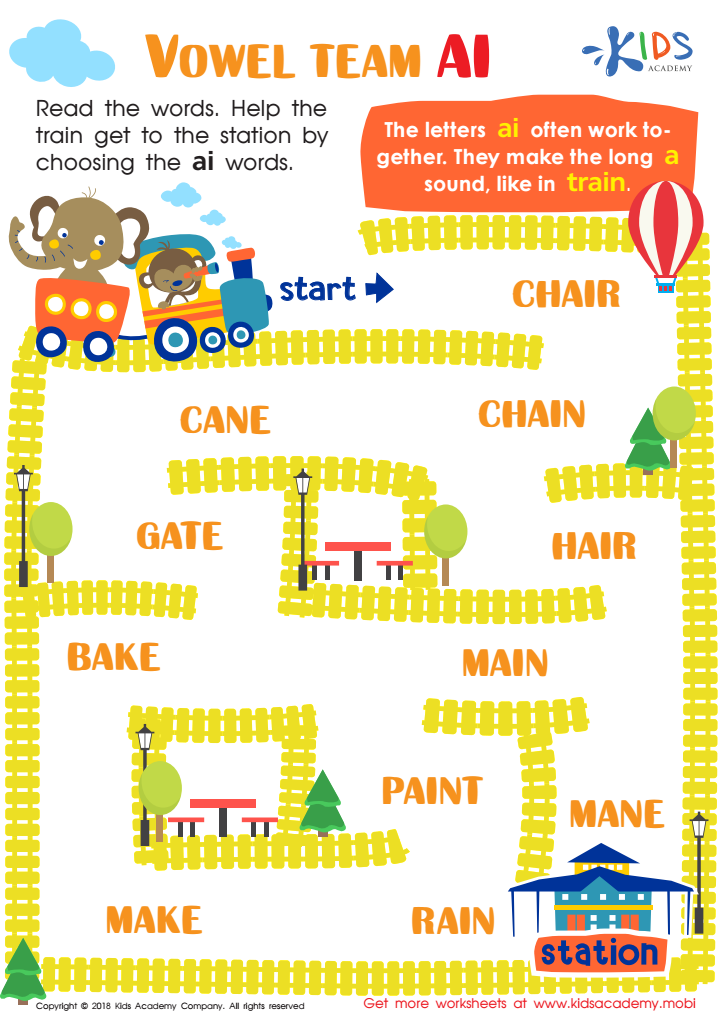
Vowel team ai Worksheet
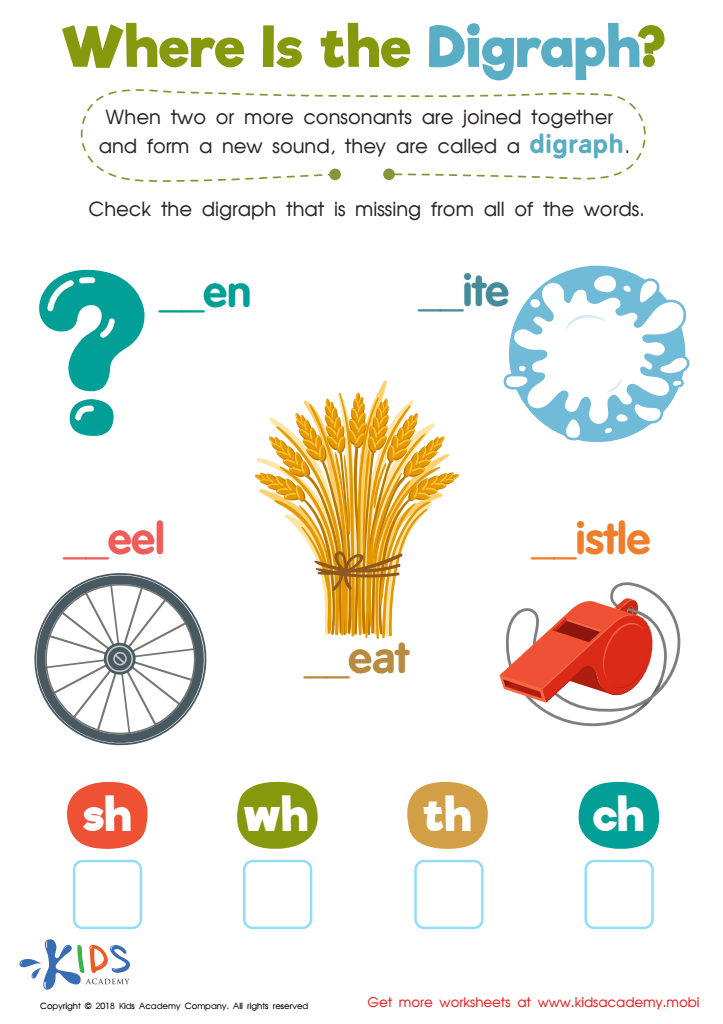
Where Is the Digraph? Worksheet
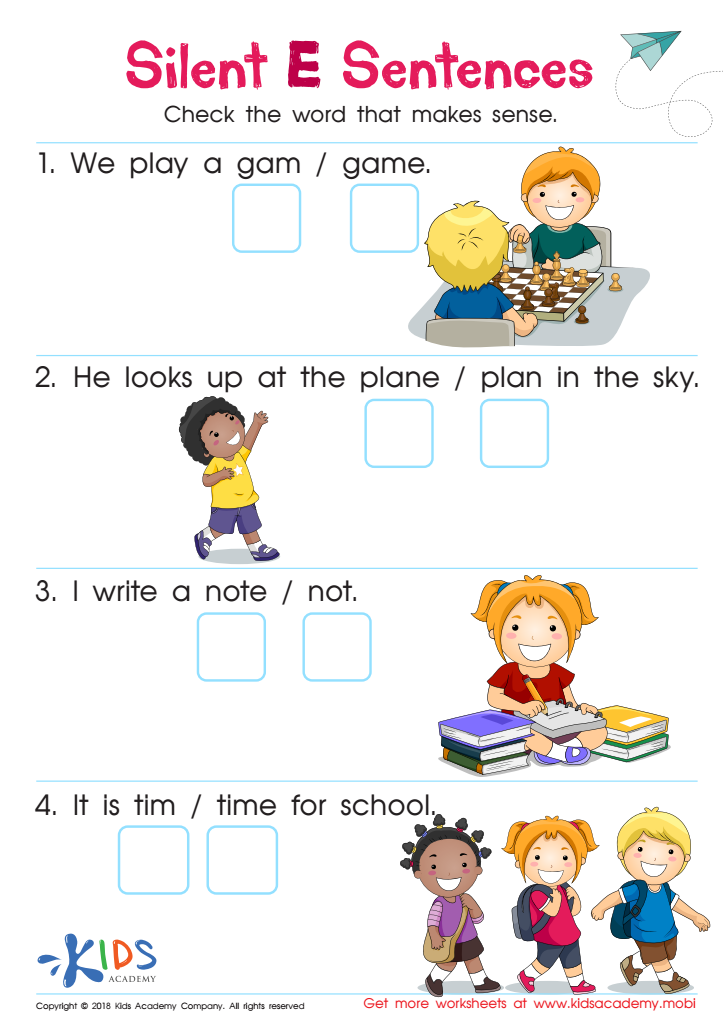
Silent E Sentences Worksheet
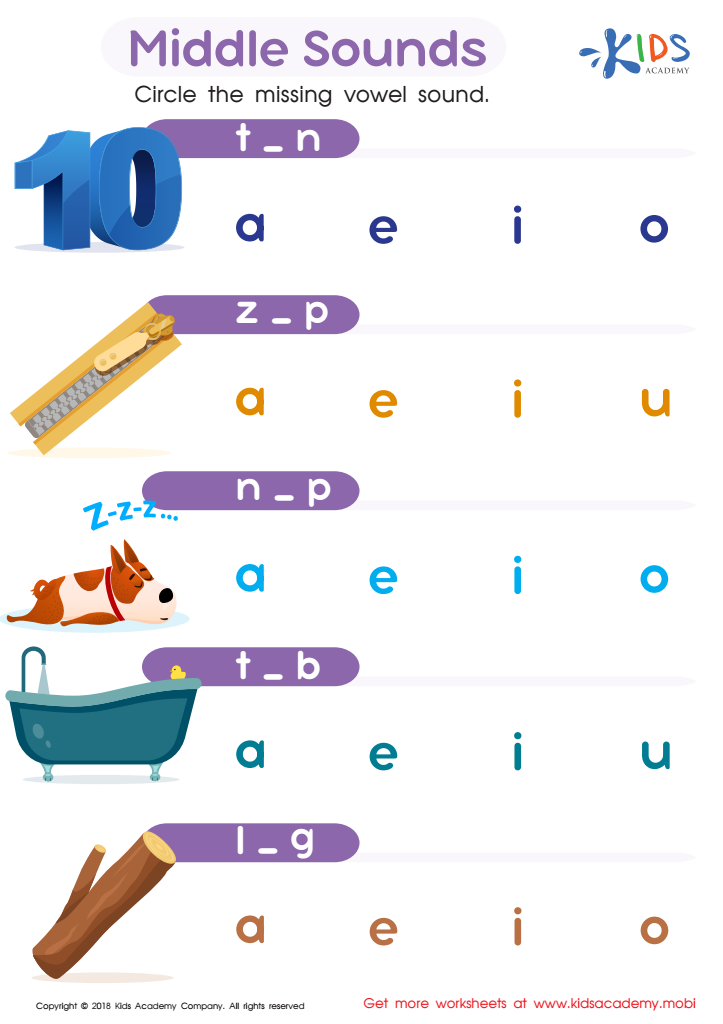
Middle Sounds Worksheet
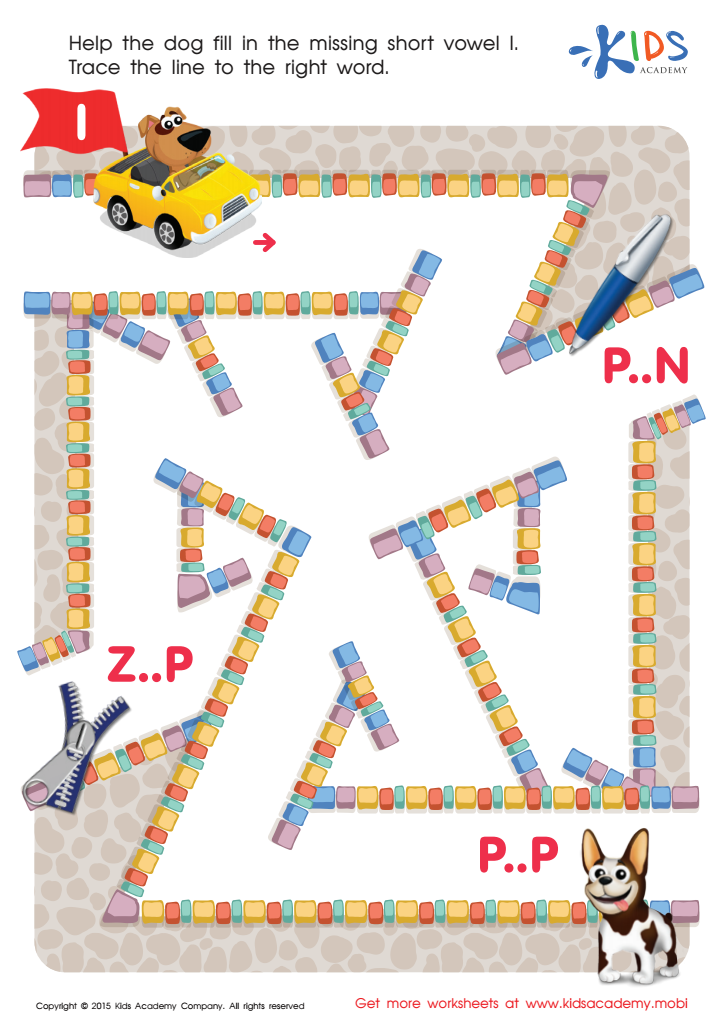
Short Vowel Sound I Worksheet
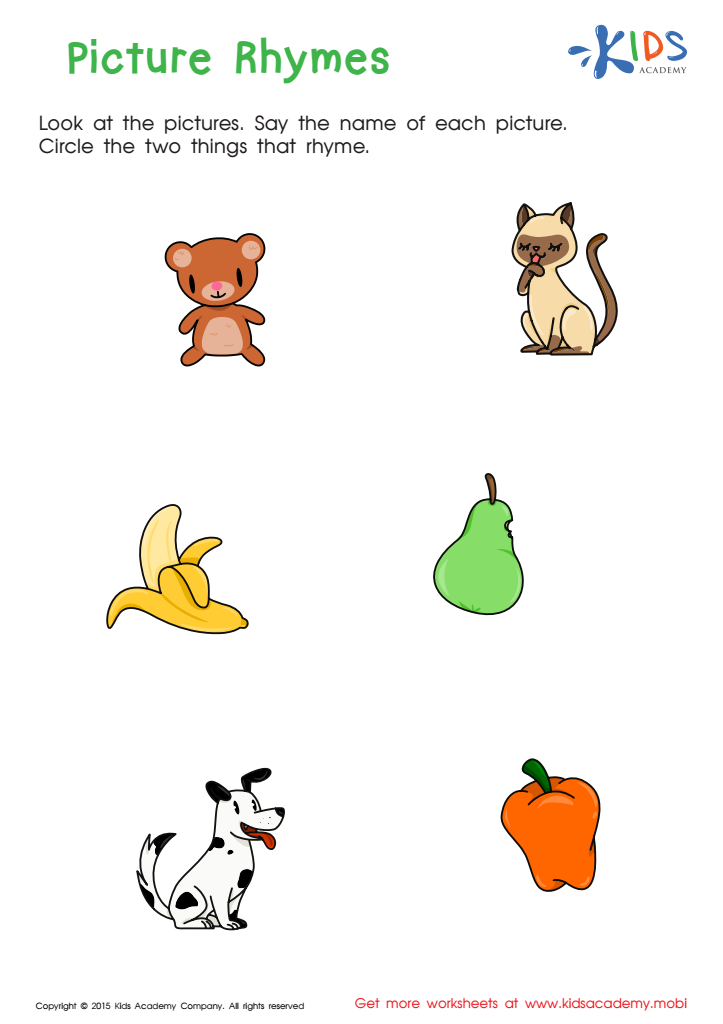
First Words: Picture Rhymes Worksheet
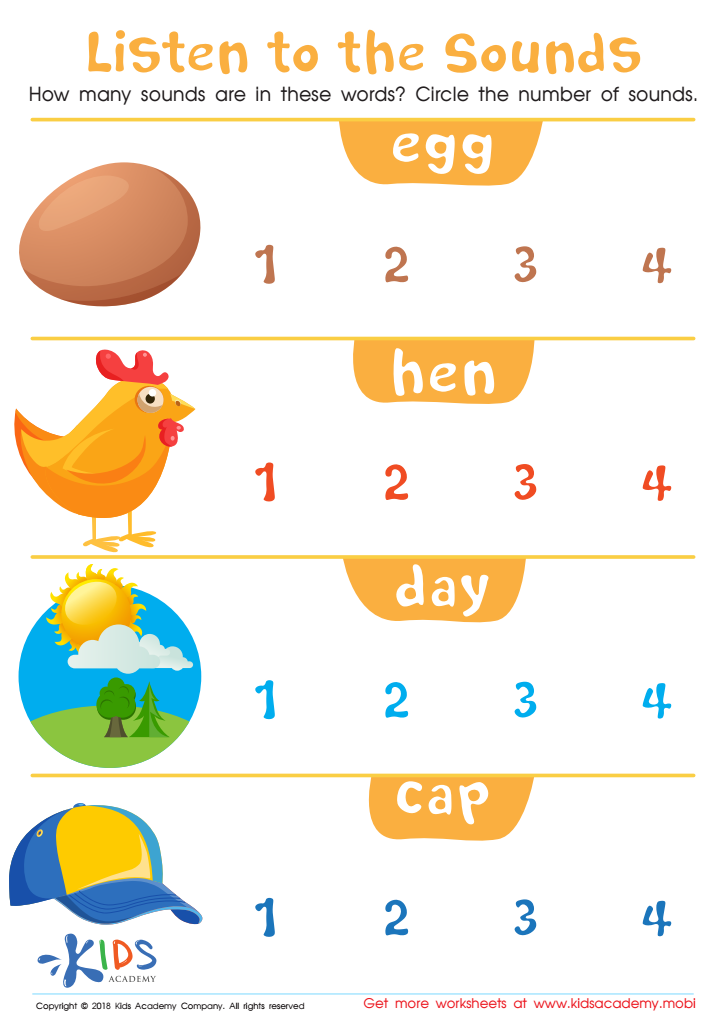
Listen to the Sounds Worksheet








Phonics is a fundamental method for teaching young children how to read, and it is crucial for parents and teachers to prioritize its importance, particularly for ages 4-9. At this developmental stage, children are forming the building blocks of literacy. Understanding phonics helps them connect sounds with letters, making it easier to decode words as they begin to read independently. Mastery of phonics fosters confidence and motivation in young readers, encouraging them to explore books and develop a lifelong love of reading.
Moreover, phonics instruction supports comprehension skills, enabling children to not only read words but also understand the context in which they are used. As children progress, a solid foundation in phonics lays the groundwork for advanced literacy skills, including spelling, vocabulary development, and eventually, writing.
For educators, implementing systematic phonics instruction can lead to improved literacy outcomes in the classroom, allowing them to better support diverse learning needs. For parents, engaging in phonics activities at home reinforces what children learn at school and encourages early literacy habits that can positively influence academic success. Ultimately, prioritizing phonics education equips children with vital skills they will use throughout their lives, ensuring they can access a world of knowledge through reading.







