Addition & Subtraction Worksheets for Ages 4-9 - Page 18
419 filtered results
-
From - To
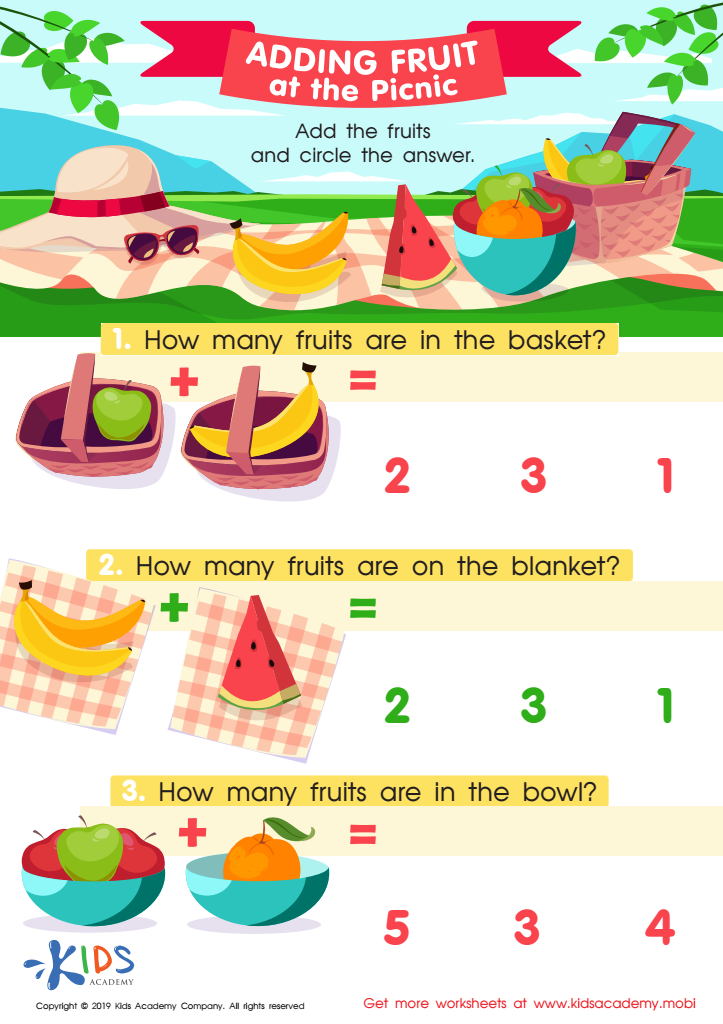
Adding Fruit at the Picnic Worksheet
 Assign to My Students
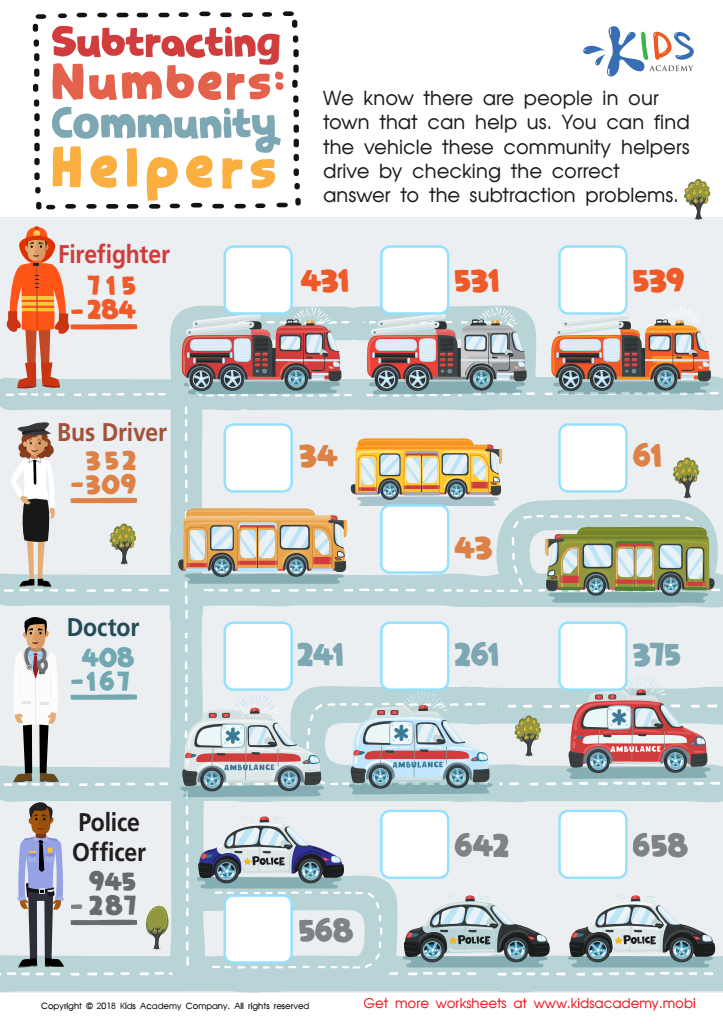
Subtracting Numbers: Community Helpers Worksheet
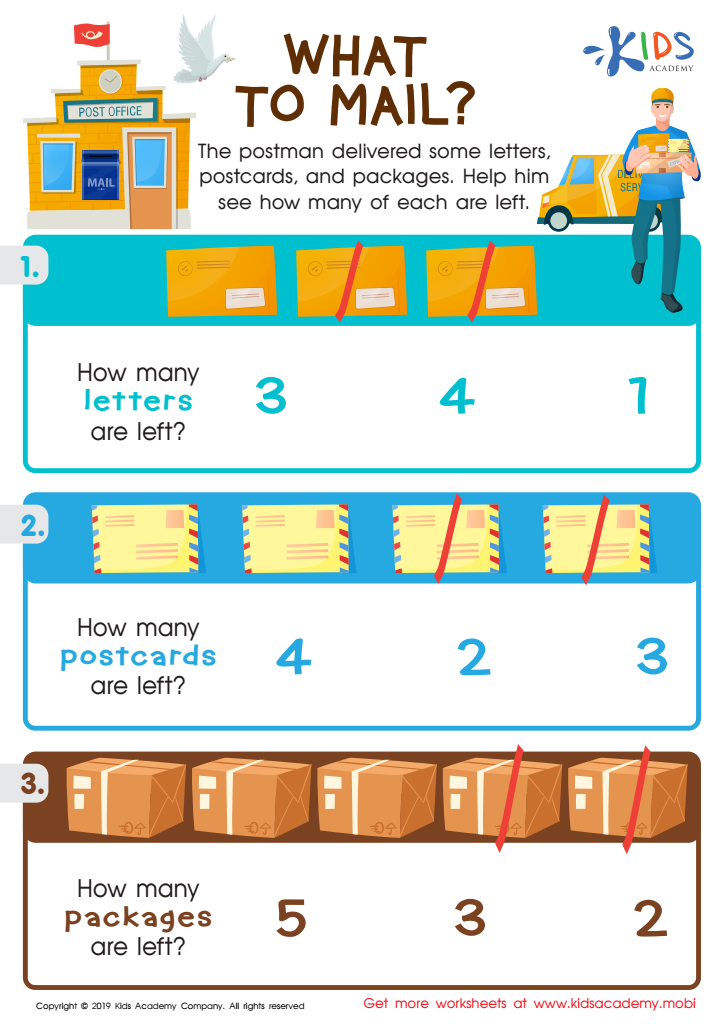
What to Mail? Worksheet
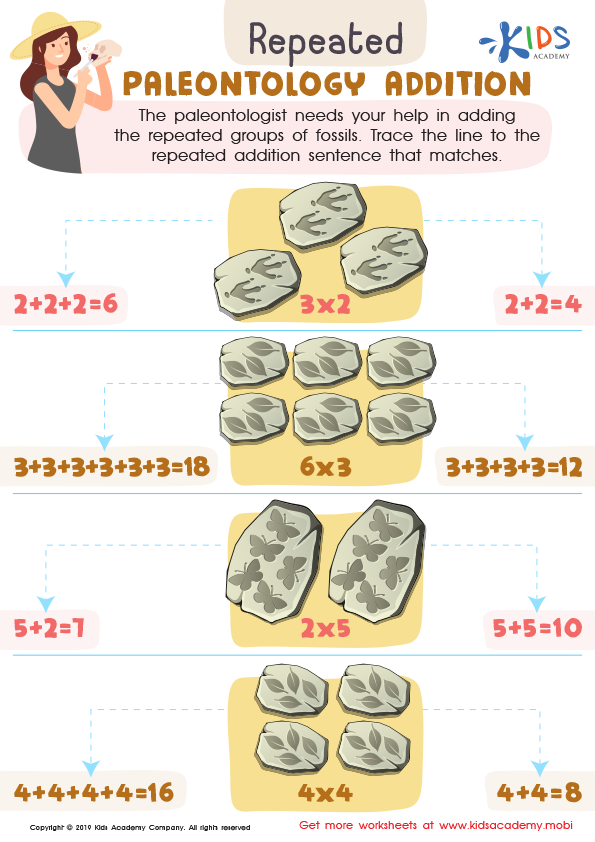
Repeated Archaeology Addition Worksheet
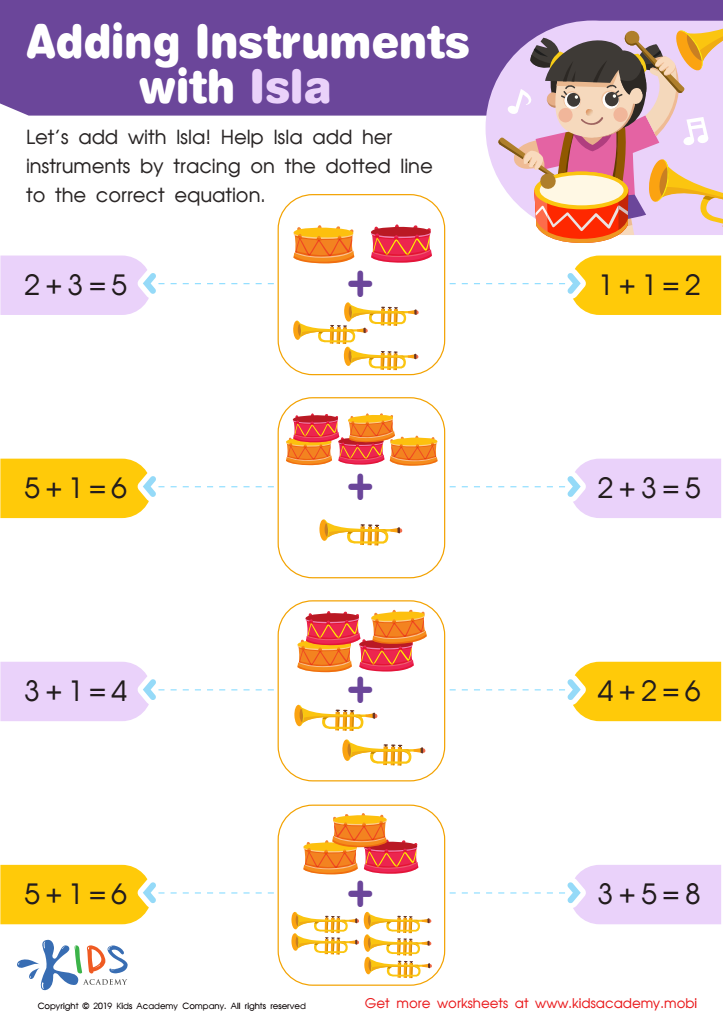
Adding Instruments with Isla Worksheet
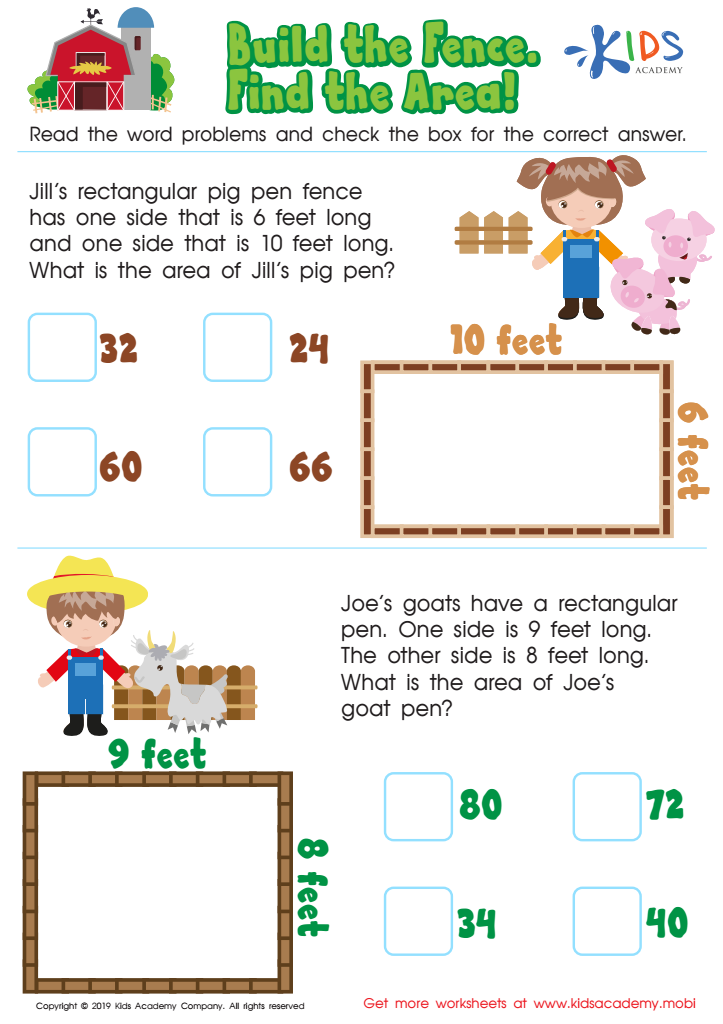
Build the Fence, Find the Area Worksheet
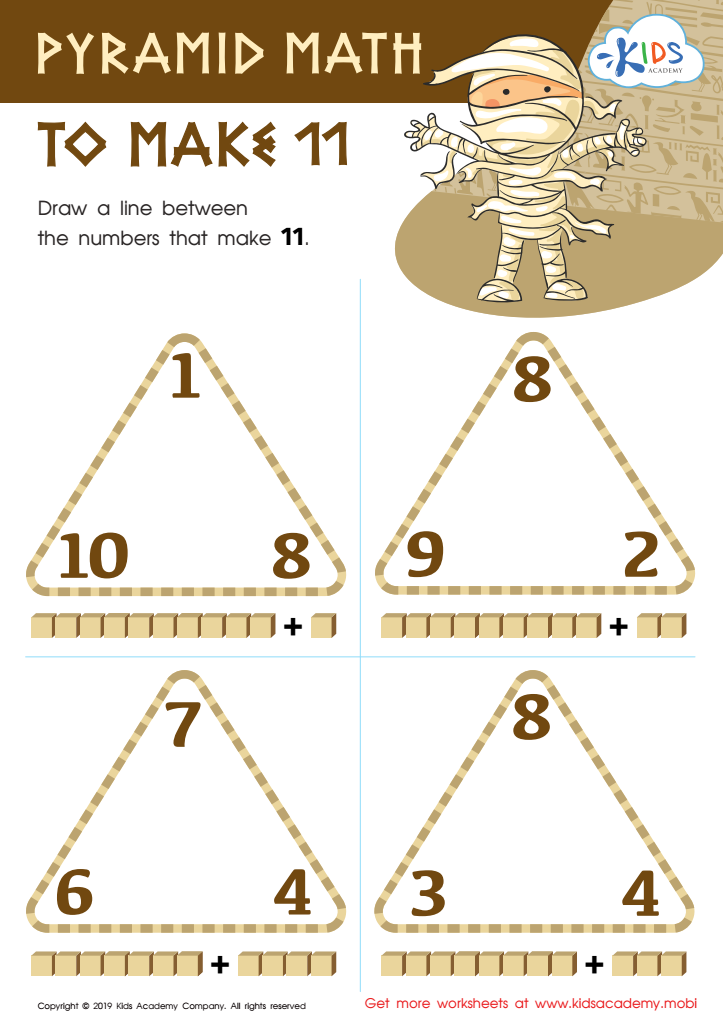
Pyramid Math to Make 11 Worksheet
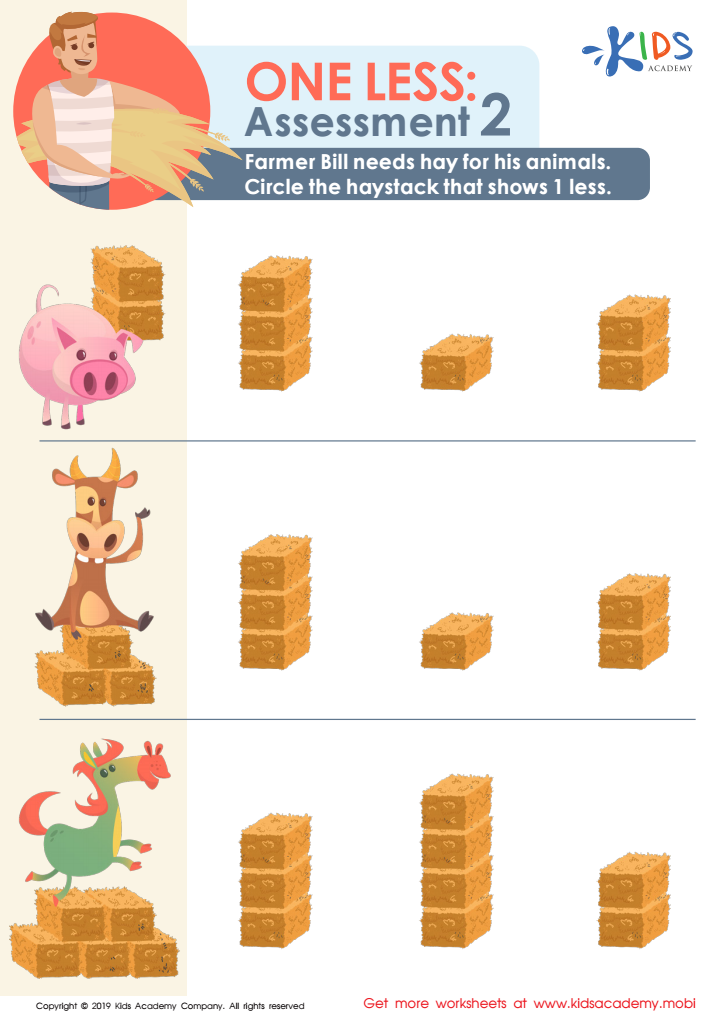
One Less: Assessment 2 Worksheet
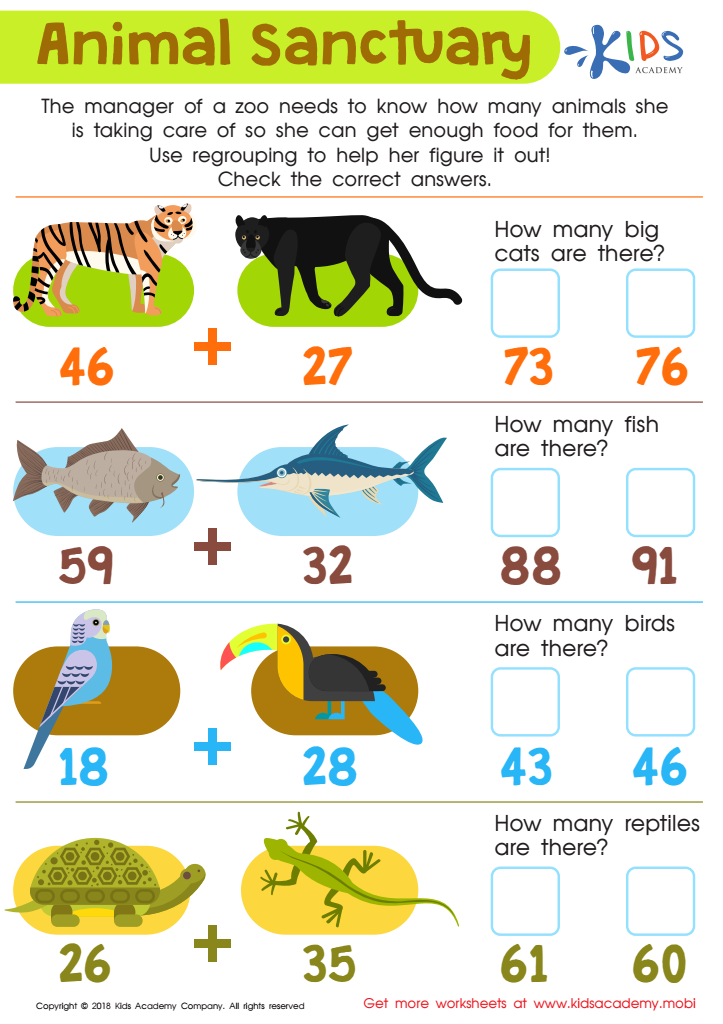
Animal Sanctuary Worksheet
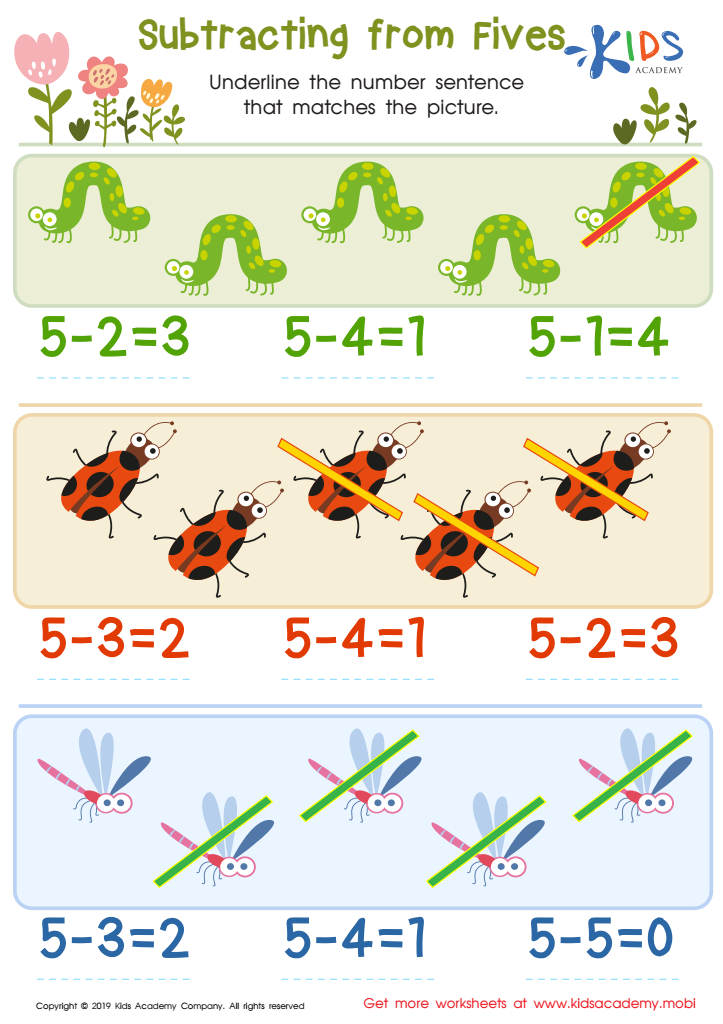
Subtracting From Fives Worksheet
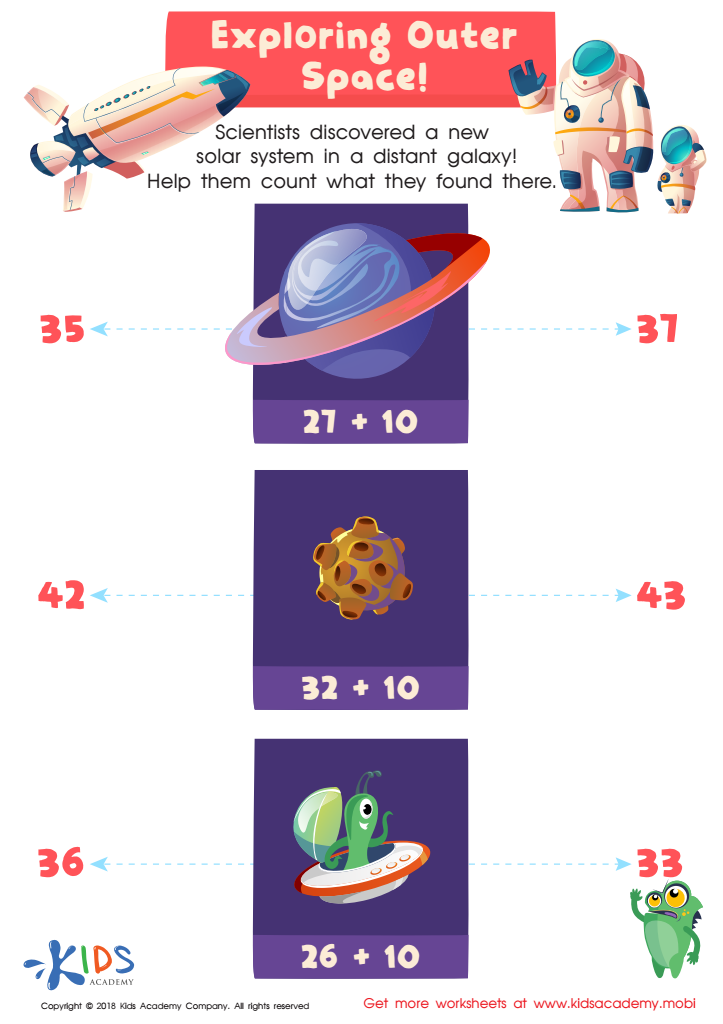
Exploring Outer Space Worksheet







Addition and subtraction are foundational skills that form the basis for future mathematical learning. For children aged 4-9, mastering these skills is crucial for several reasons. First, they are essential for daily life activities—tasks like counting money, measuring ingredients, and managing time require basic arithmetic. By learning addition and subtraction early, children develop numerical literacy that will help them navigate real-world situations more effectively.
Second, understanding these operations promotes cognitive development. They help children develop logical thinking, problem-solving skills, and the ability to recognize patterns. This early exposure lays the groundwork for more complex mathematical concepts, such as multiplication, division, and fractions, which they will encounter later in their education.
Third, success in early mathematics can build a child's confidence and interest in the subject. Positive early experiences with math can create a lasting impression, fostering a growth mindset. This can make them more likely to tackle and succeed in more challenging math topics as they progress through school.
Finally, early math skills are often predictors of later academic achievement, not just in math, but across subjects. Therefore, it is crucial for parents and teachers to ensure that children grasp the concepts of addition and subtraction during these formative years, setting them up for long-term educational success.








