Tracing Words Worksheets for Ages 4-9 - Page 2
42 filtered results
-
From - To
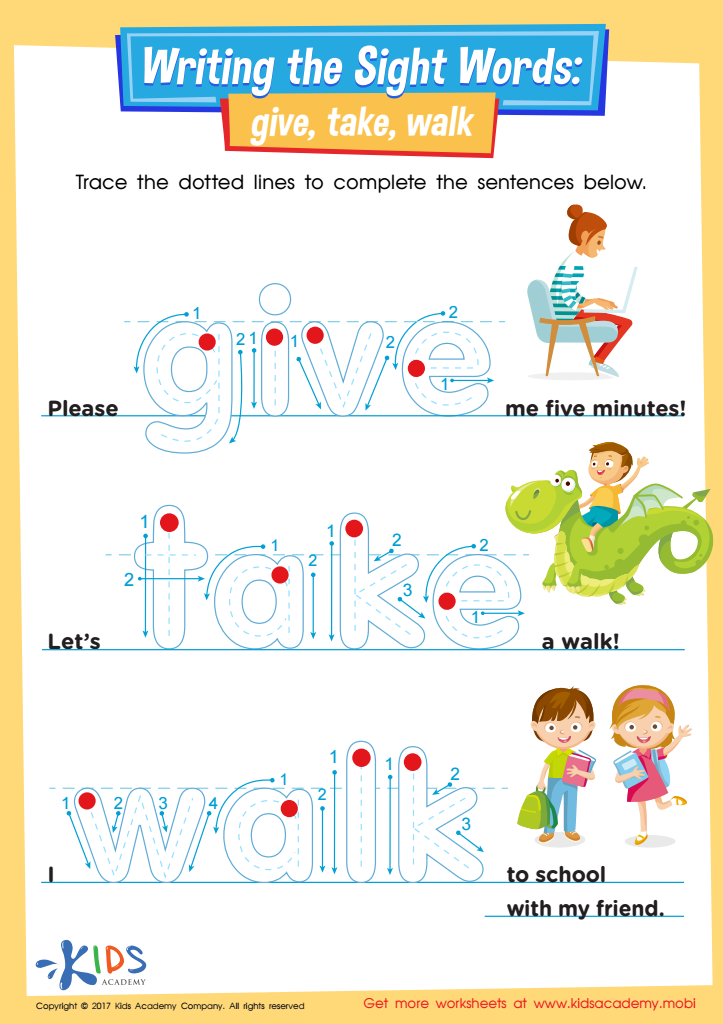
Give, Take, Walk Printable Sight Words Worksheet
 Assign to My Students
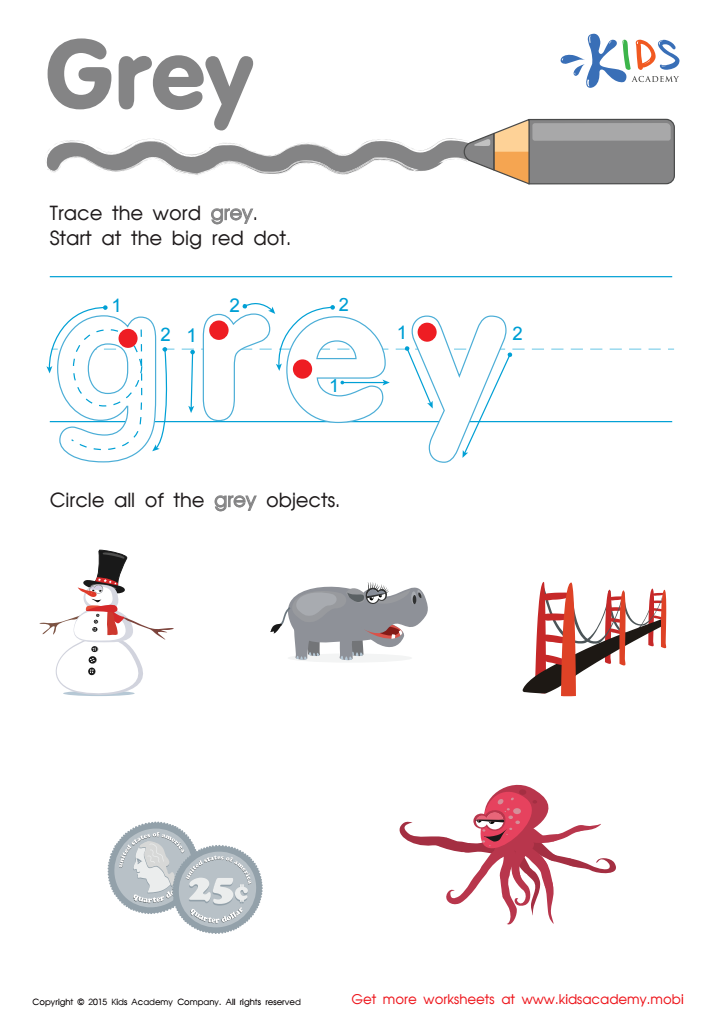
Grey Tracing Color Words Worksheet
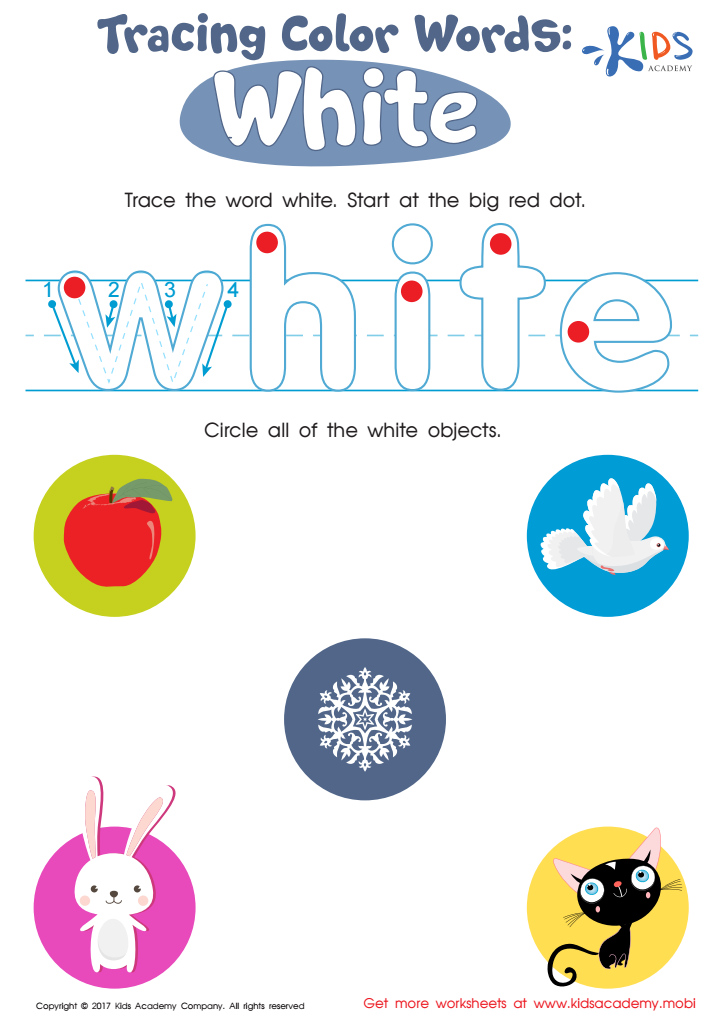
White Tracing Color Words Worksheet
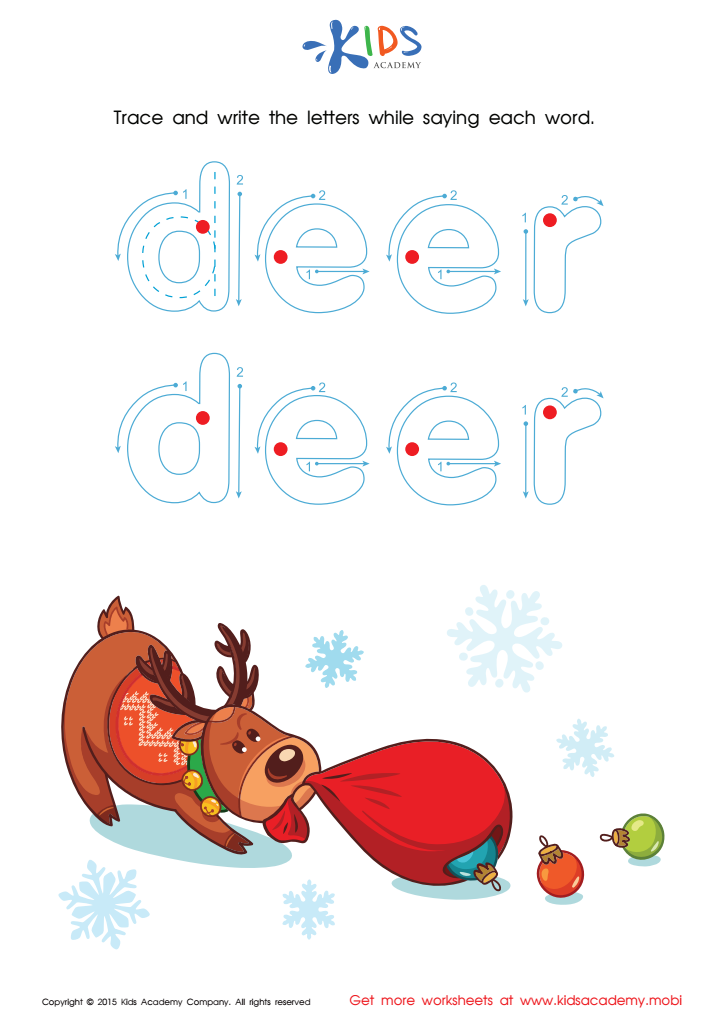
Deer Tracing Winter Words Worksheet
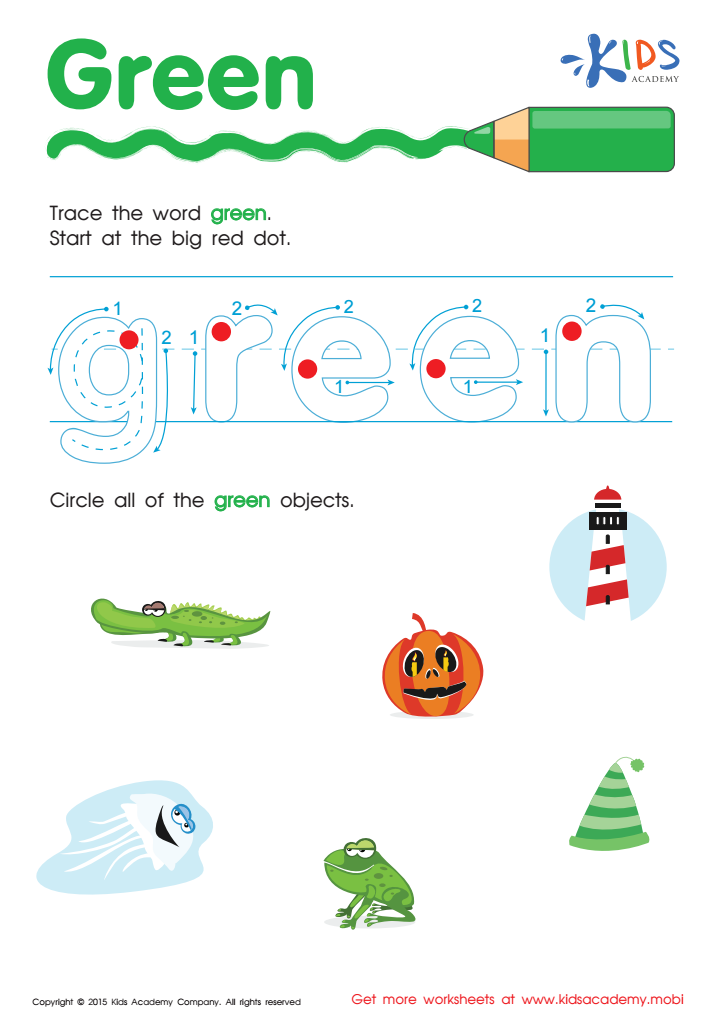
Green Tracing Color Words Worksheet
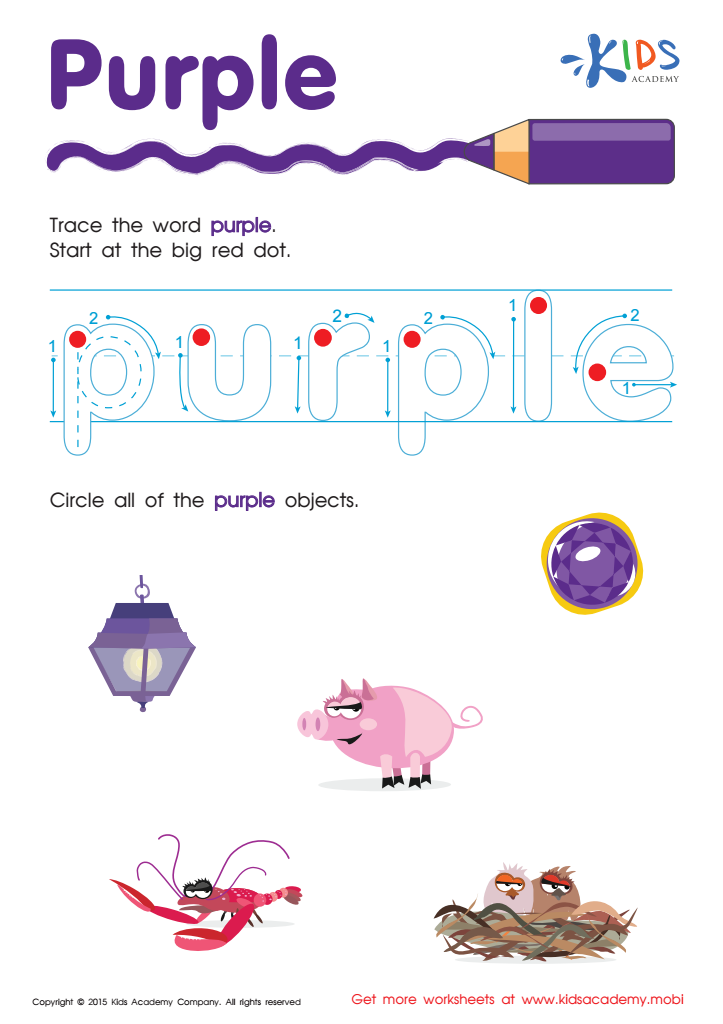
Purple Tracing Color Words Worksheet
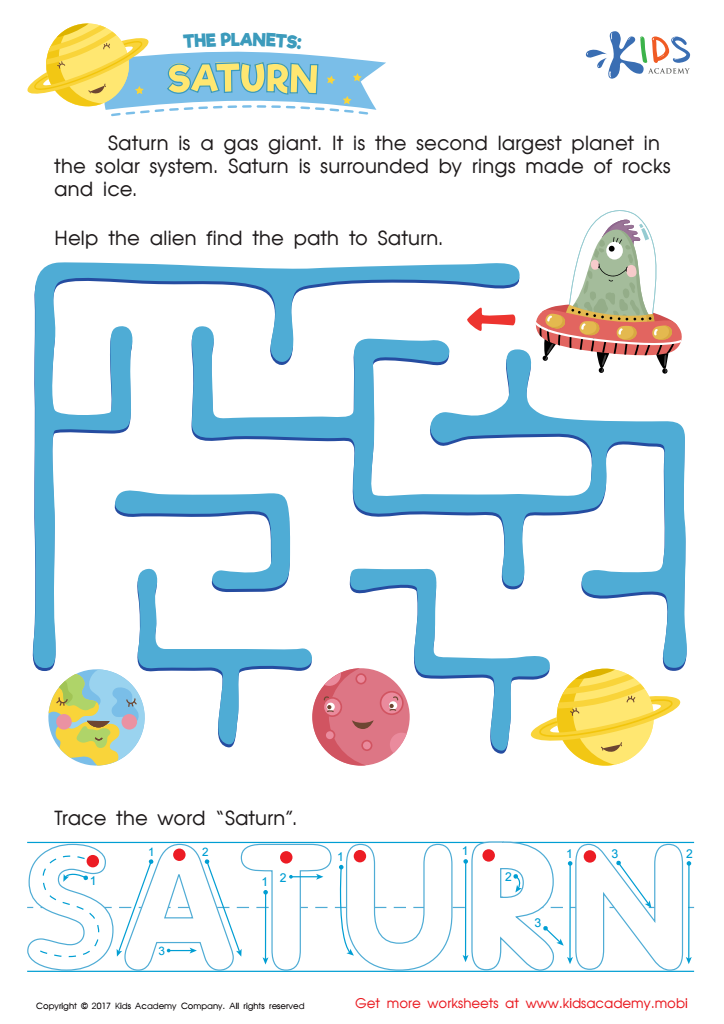
The Planets: Saturn Printable
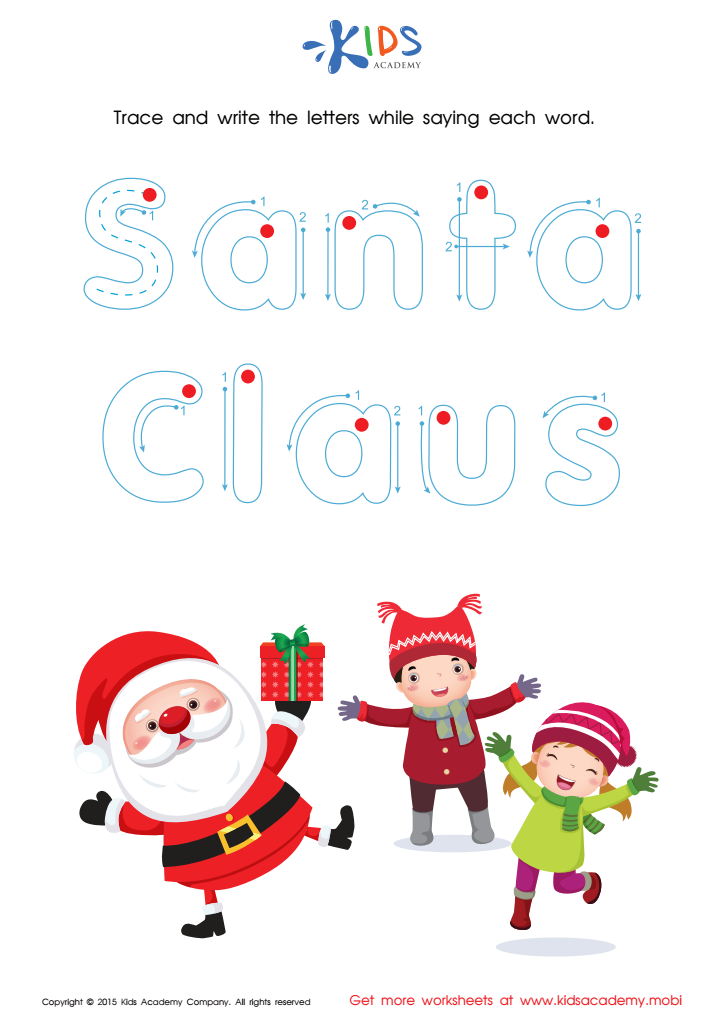
Santa Claus Tracing Winter Words Worksheet
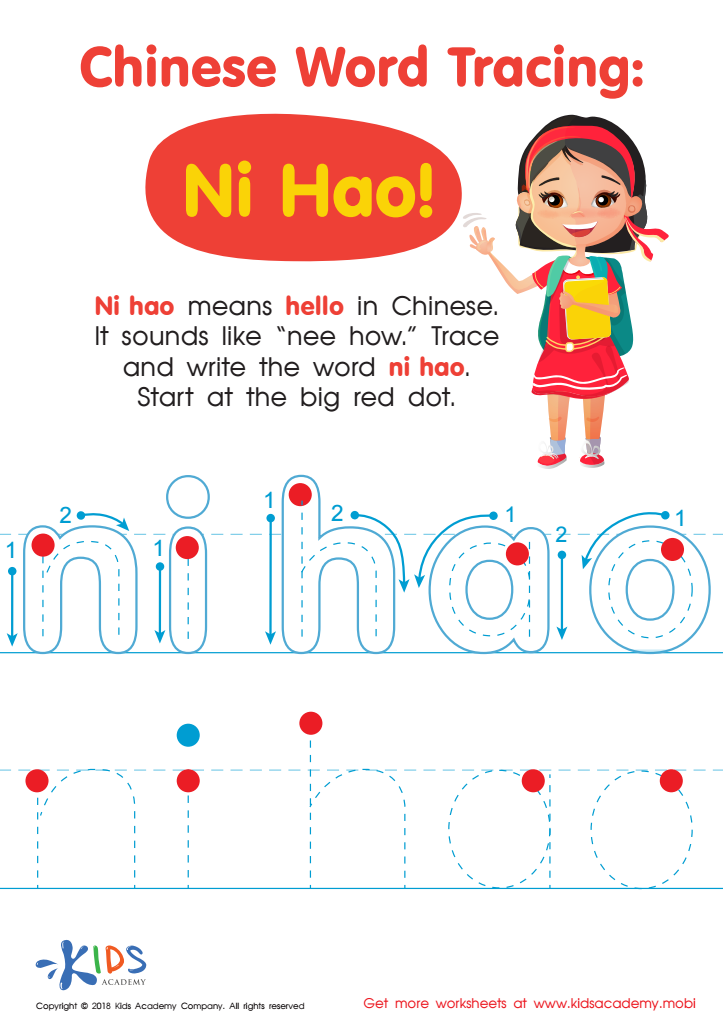
Chinese Word Tracing: Ni Hao Worksheet
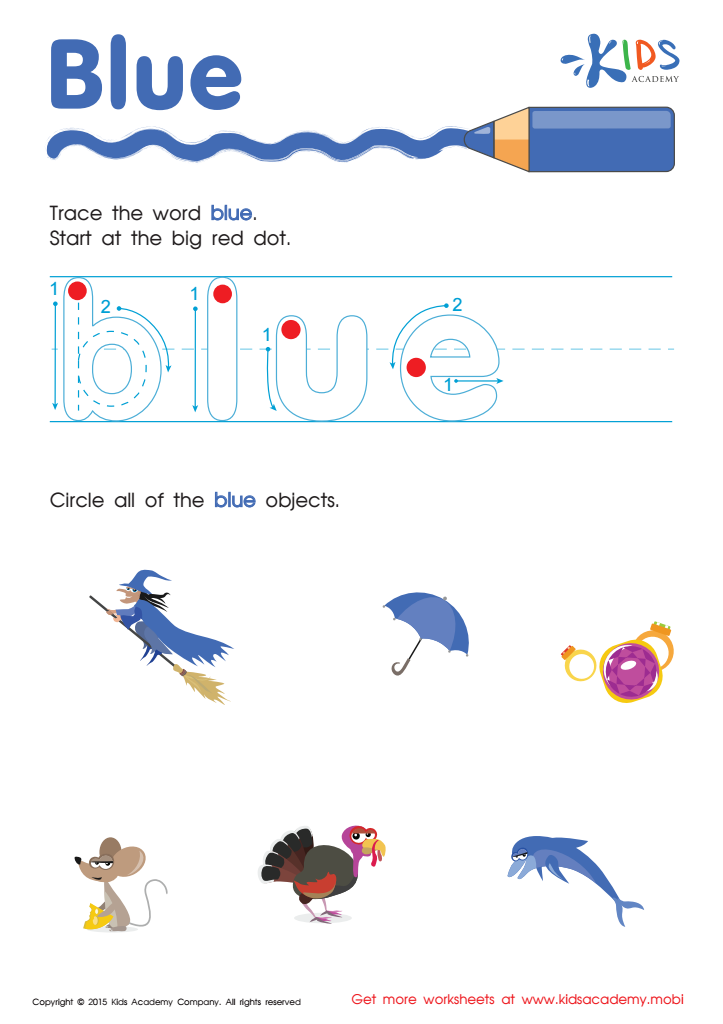
Blue Tracing Color Words Printable
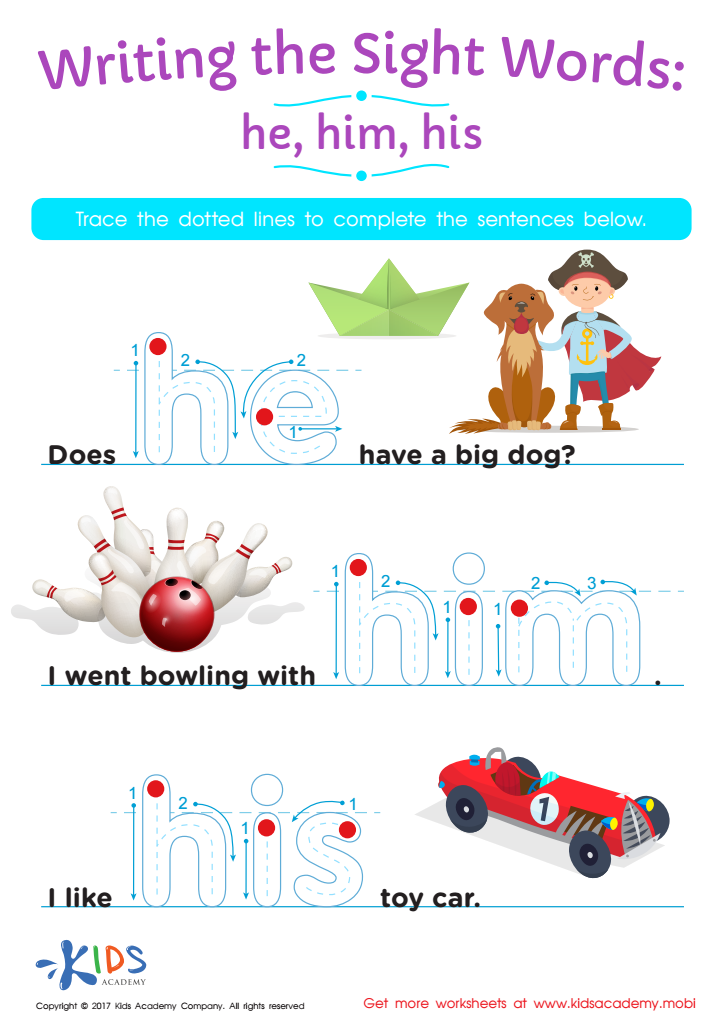
He, Him, His Printable Sight Words Worksheet
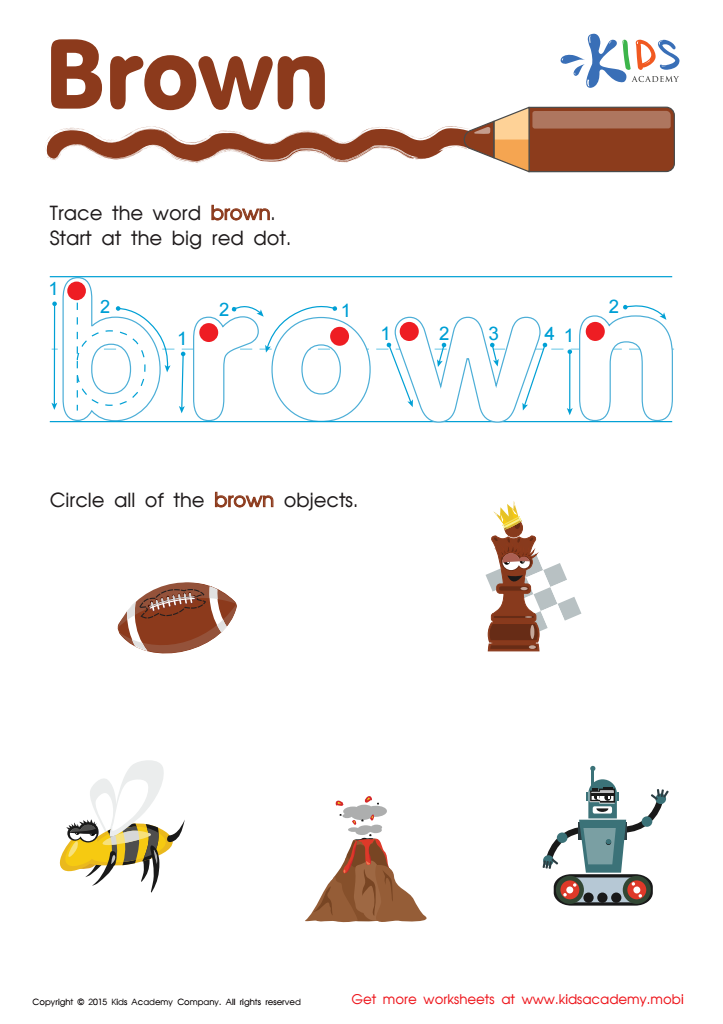
Brown Tracing Color Words Worksheet
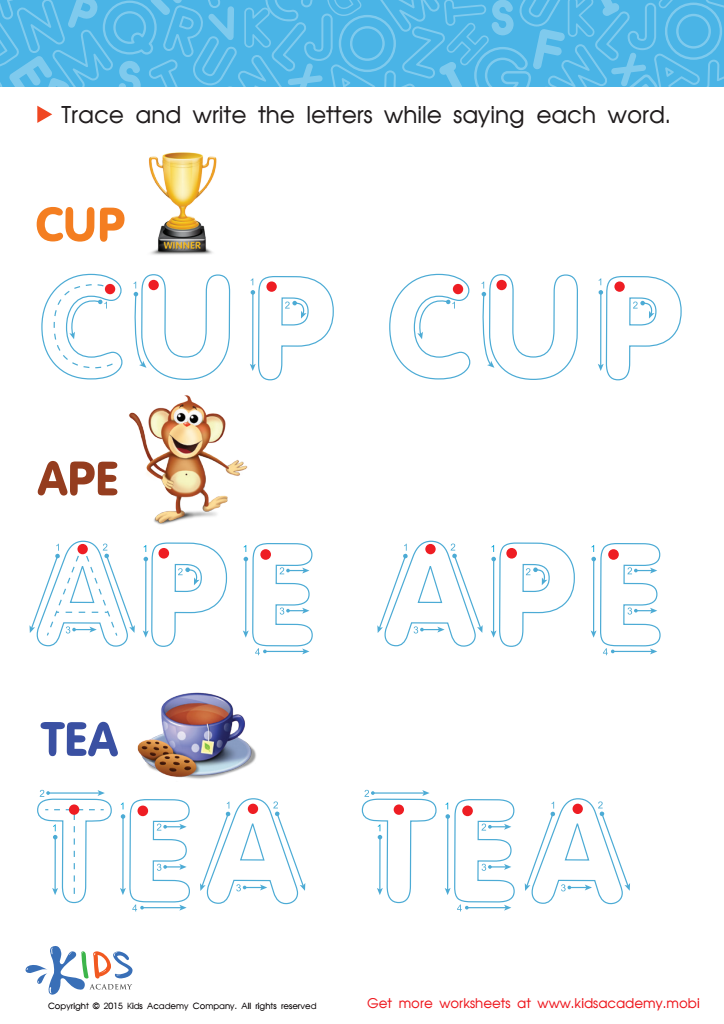
A Cup, an Ape and Tea Spelling Worksheet
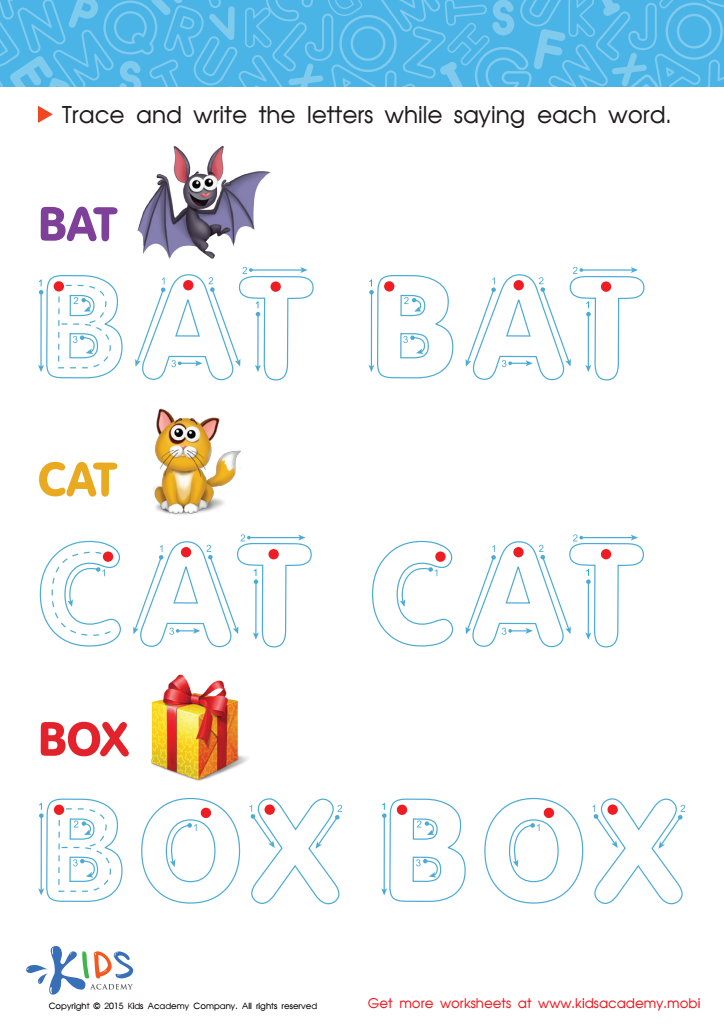
A Bat, a Cat and a Box Spelling Worksheet
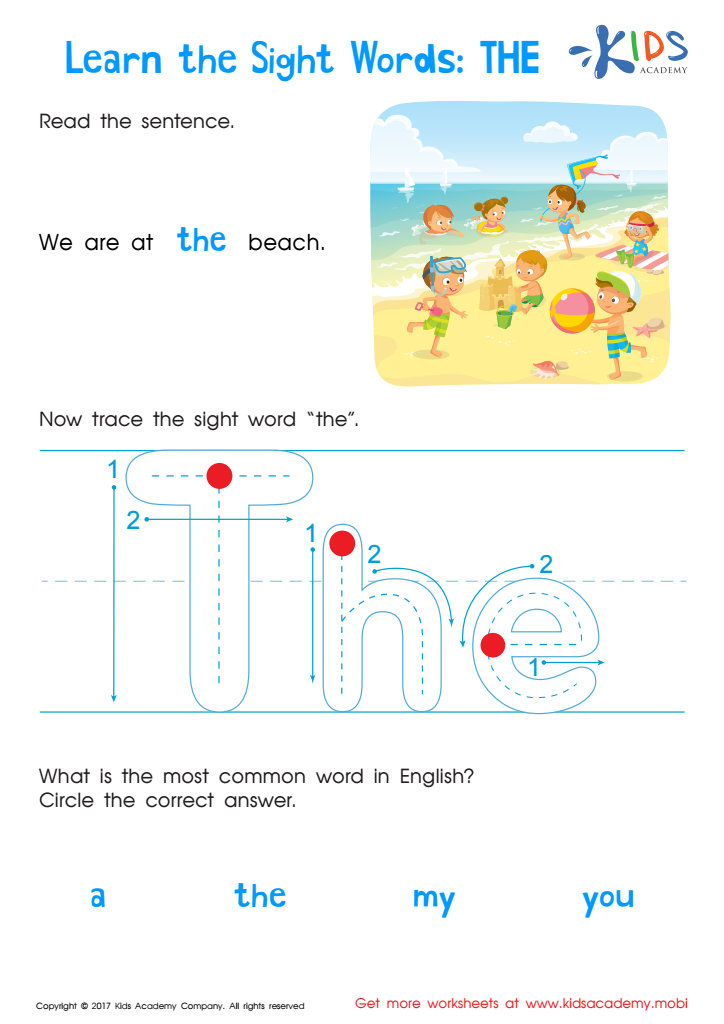
Sight Words: The Worksheet
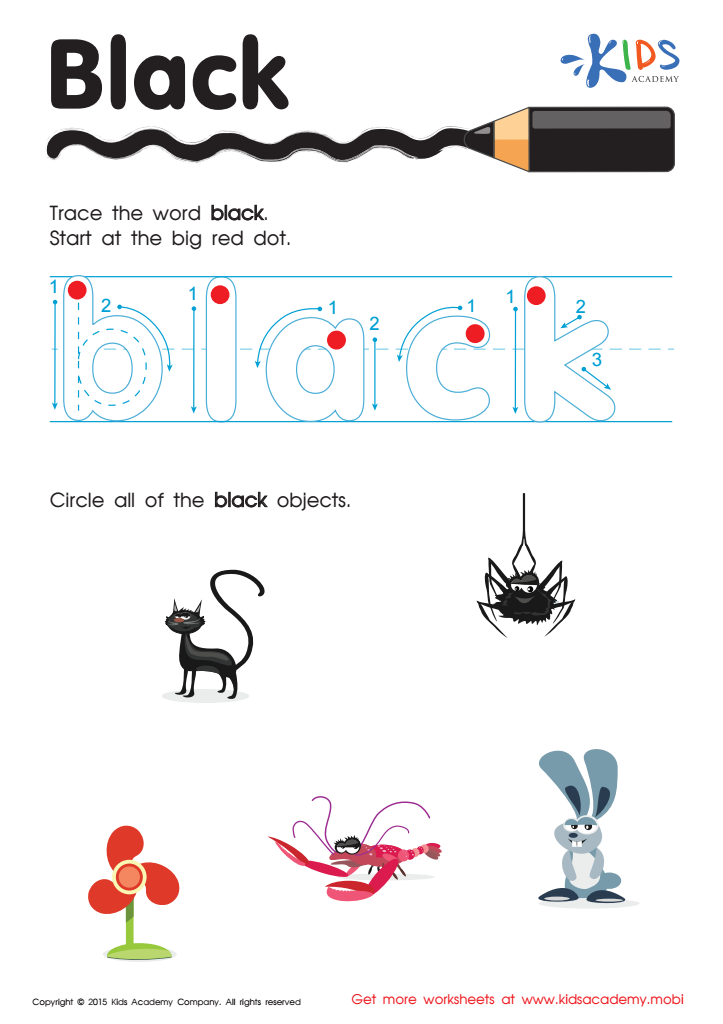
Black Tracing Color Words Printable
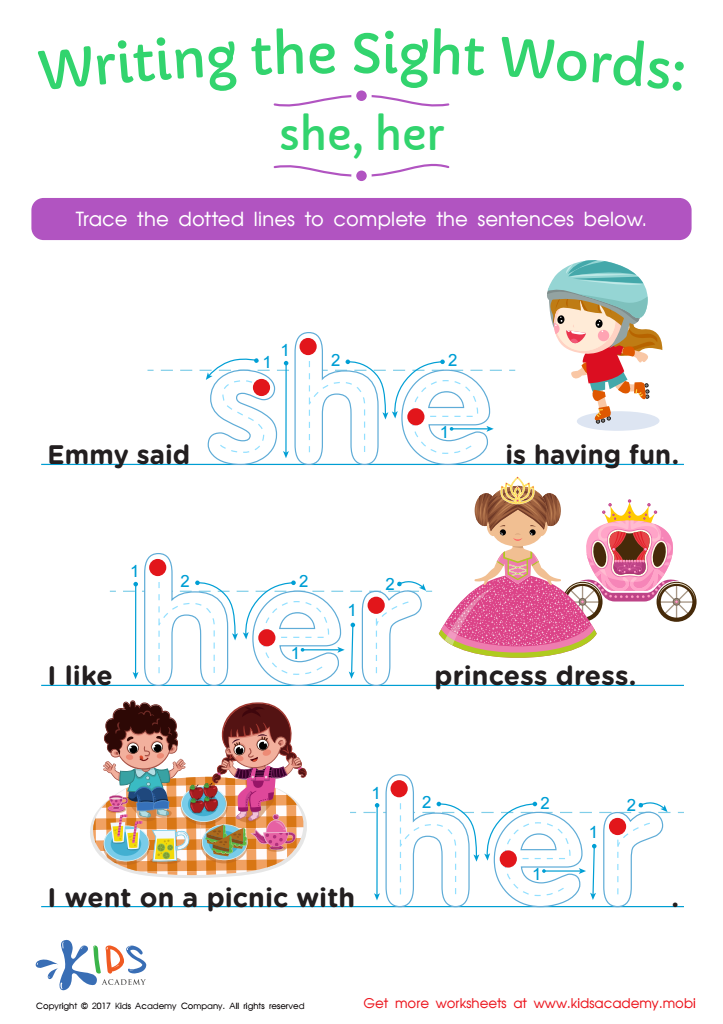
She, Her Printable Sight Words Worksheet
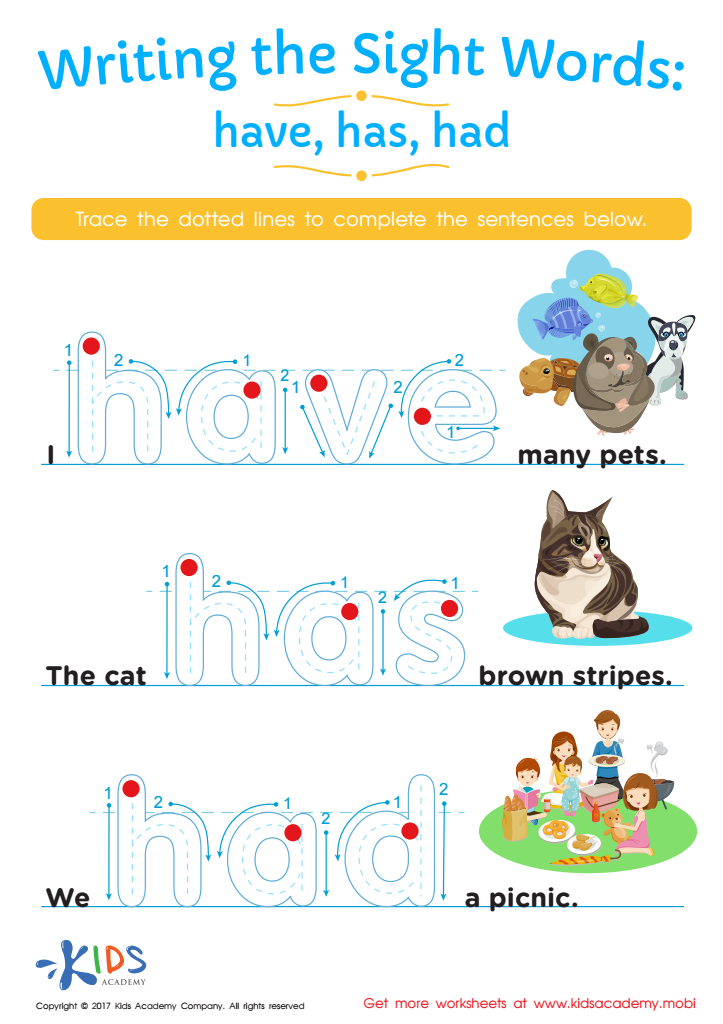
Have, Has, Had Worksheet Sight Words Worksheet







Tracing words is an essential activity for children aged 4-9, serving as a building block for foundational literacy skills. For parents and teachers, focusing on tracing words offers multiple benefits that are critical in early childhood development. Firstly, tracing helps improve fine motor skills by requiring the use of small muscles in the fingers and hands, which are important for writing. It also enhances hand-eye coordination as children learn to follow lines and shapes.
Moreover, tracing is a precursor to writing, allowing kids to familiarize themselves with letter shapes and pencil control in a structured manner. This preliminary step makes the transition to freehand writing smoother and less frustrating, fostering a more positive attitude toward learning.
Beyond motor skills, tracing also aids in cognitive development. It reinforces letter recognition and phonics, fundamental components in reading and writing. As children repeatedly trace and write letters or words, they start to internalize their shapes and sounds, accelerating the process of mastering the alphabet.
Additionally, fun, engaging tracing exercises can keep young learners motivated and interested, promoting an early love for literacy. Parents and teachers should care about tracing words because it builds a foundation for academic success, combining physical, cognitive, and emotional development in a single activity.








