Counting Worksheets for Ages 5-7 - Page 2
38 filtered results
-
From - To
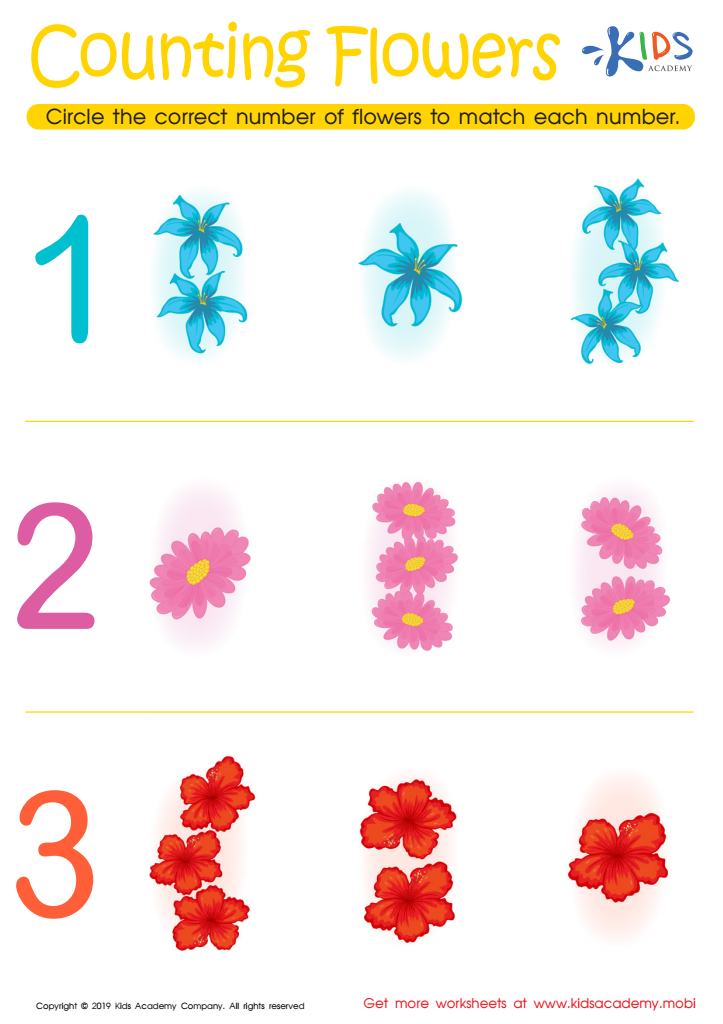
Counting Flowers Worksheet
 Assign to My Students

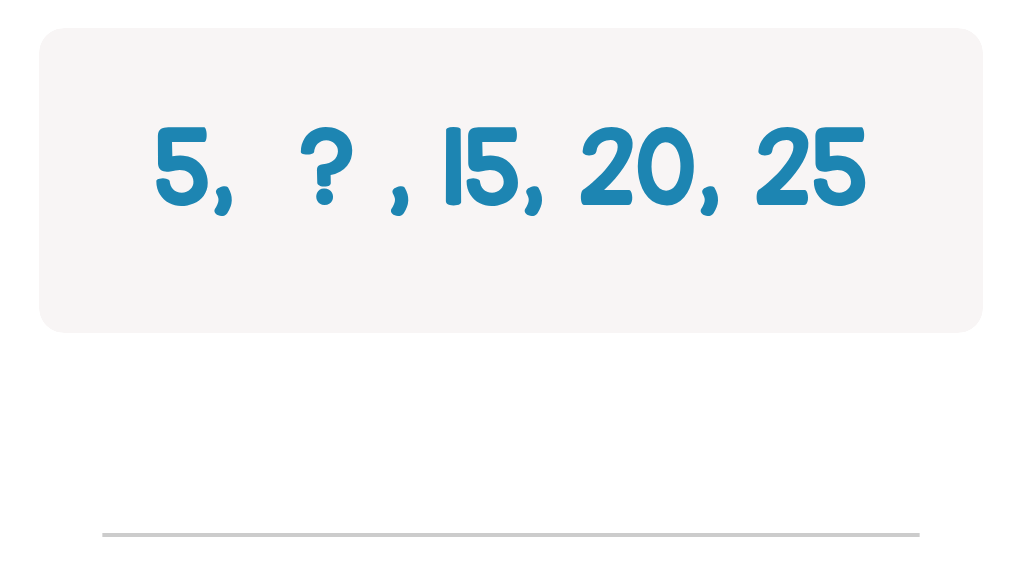
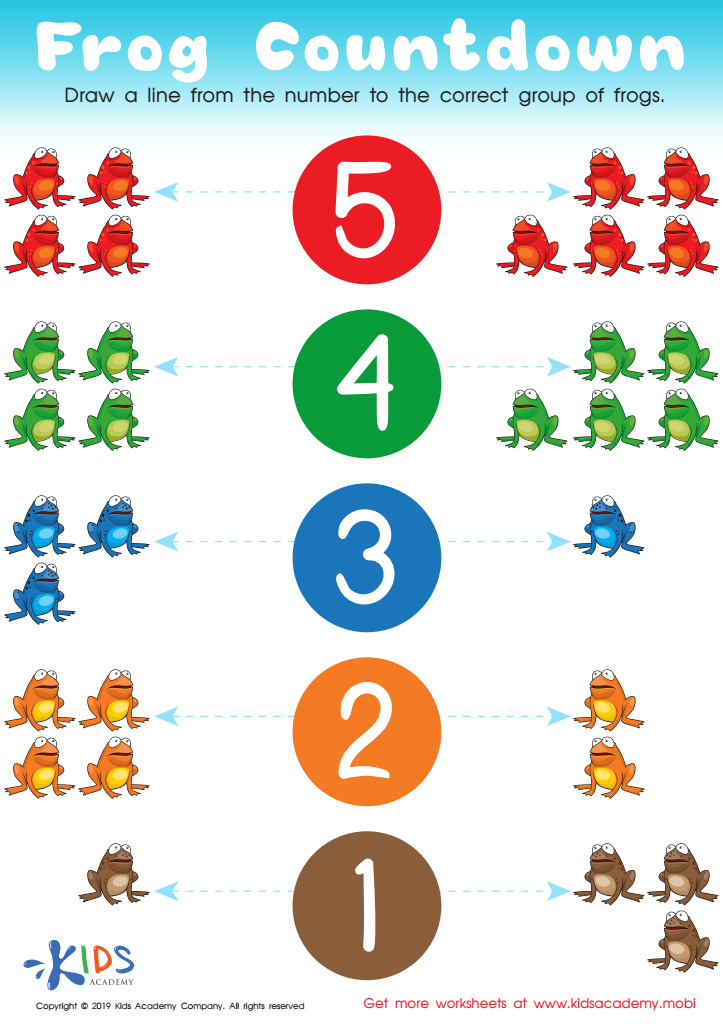
Frog Countdown Worksheet
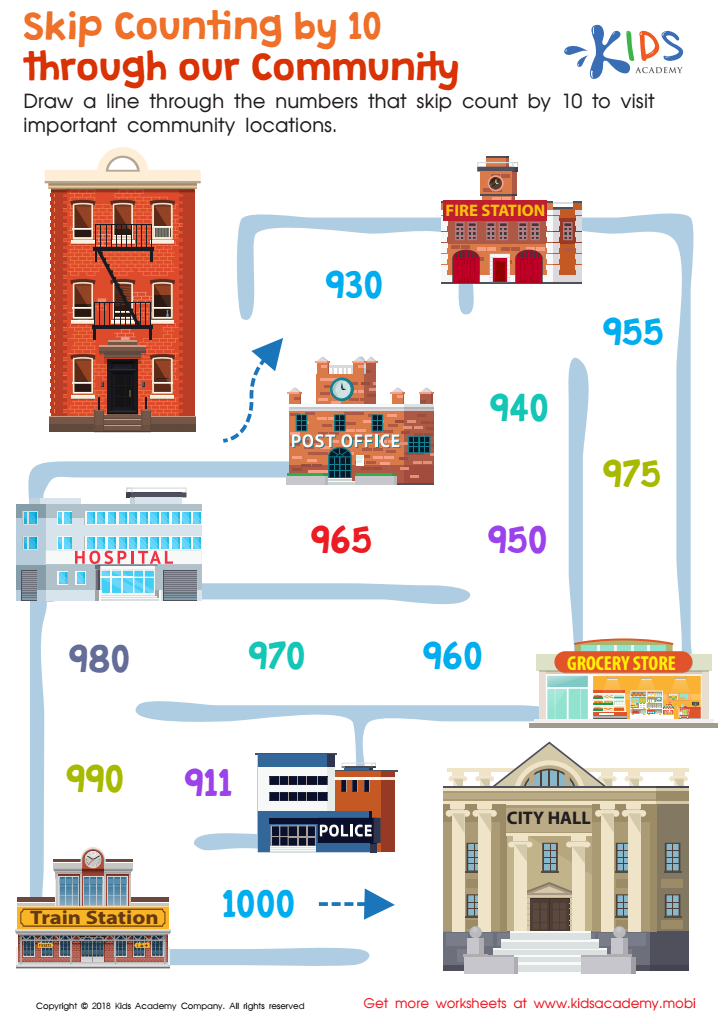
Skip Counting by 10 Through Our Community Worksheet
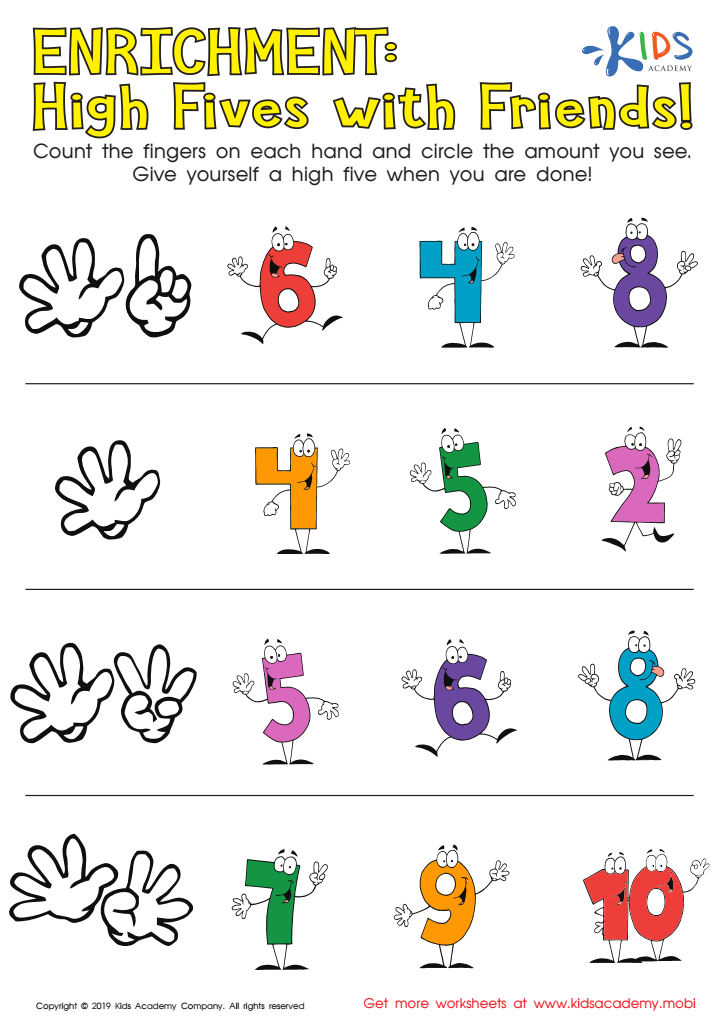
Enrichment: High Fives with Friends! Worksheet
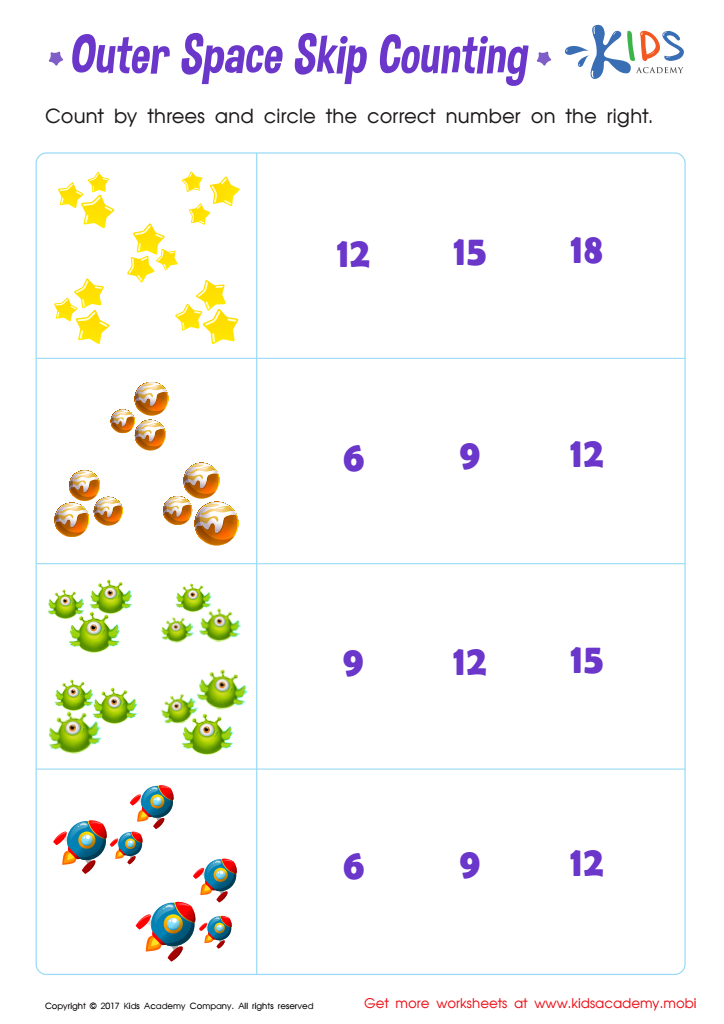
Skip Counting by 3s: Outer Space Skip Counting Printable
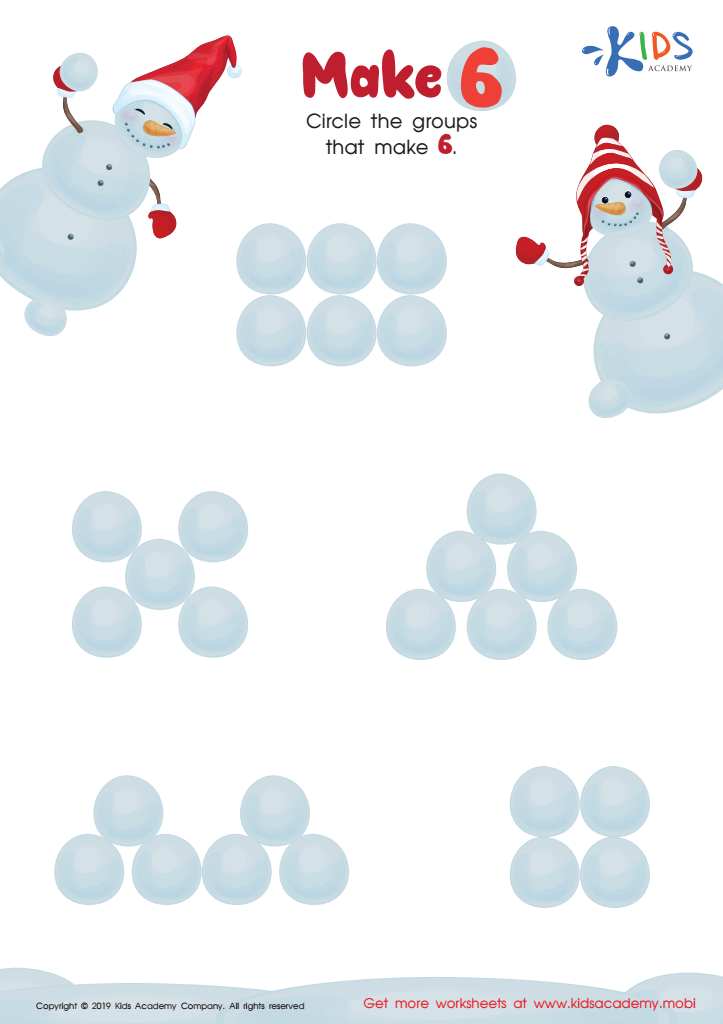
Make 6 Worksheet
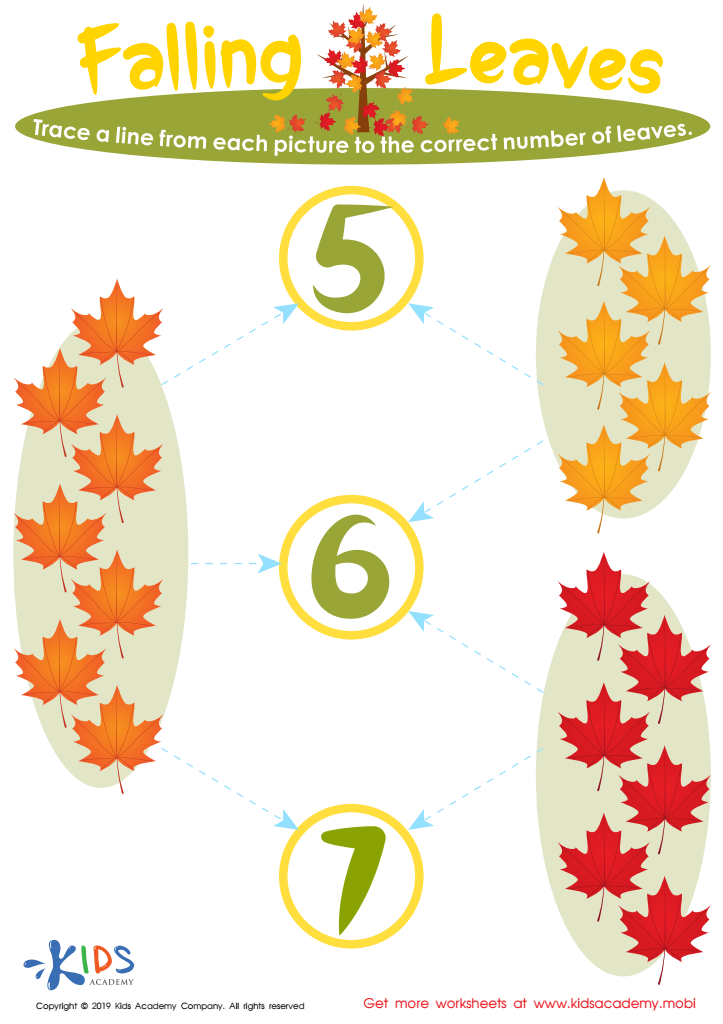
Falling Leaves Worksheet
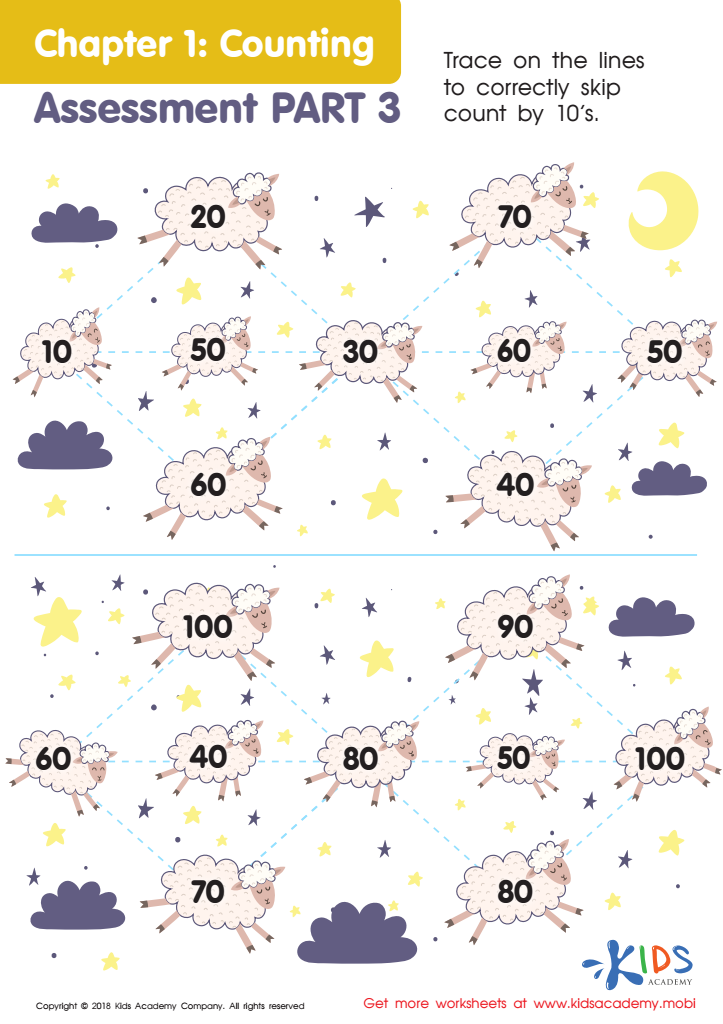
Counting: Assessment 3 Worksheet
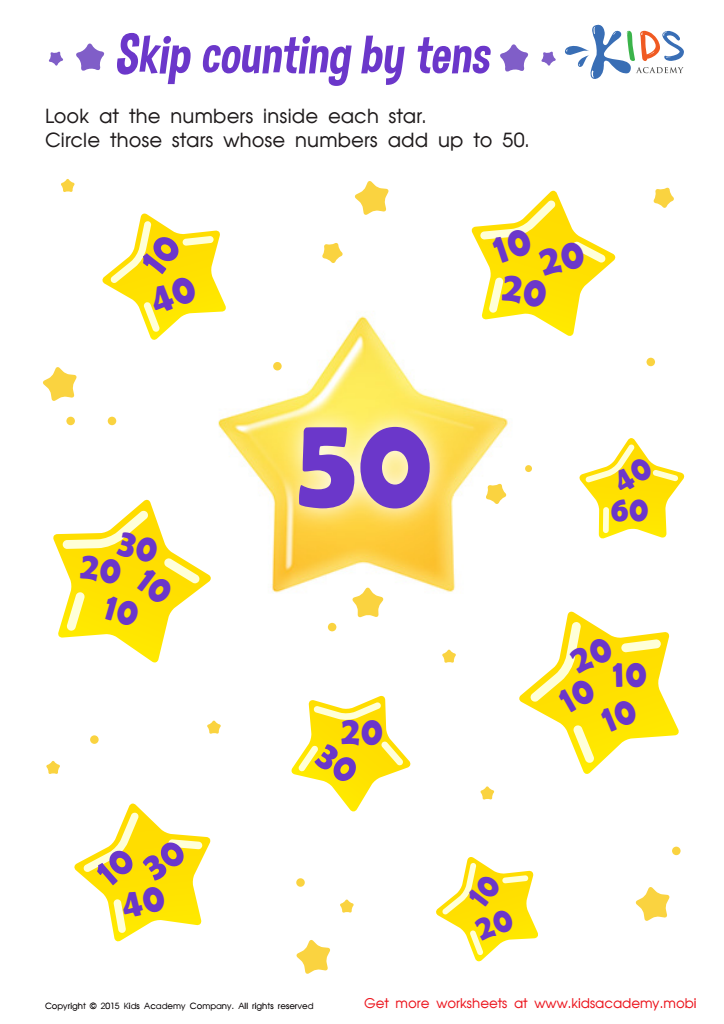
Learn Dozens: Skip Counting by Tens Printable
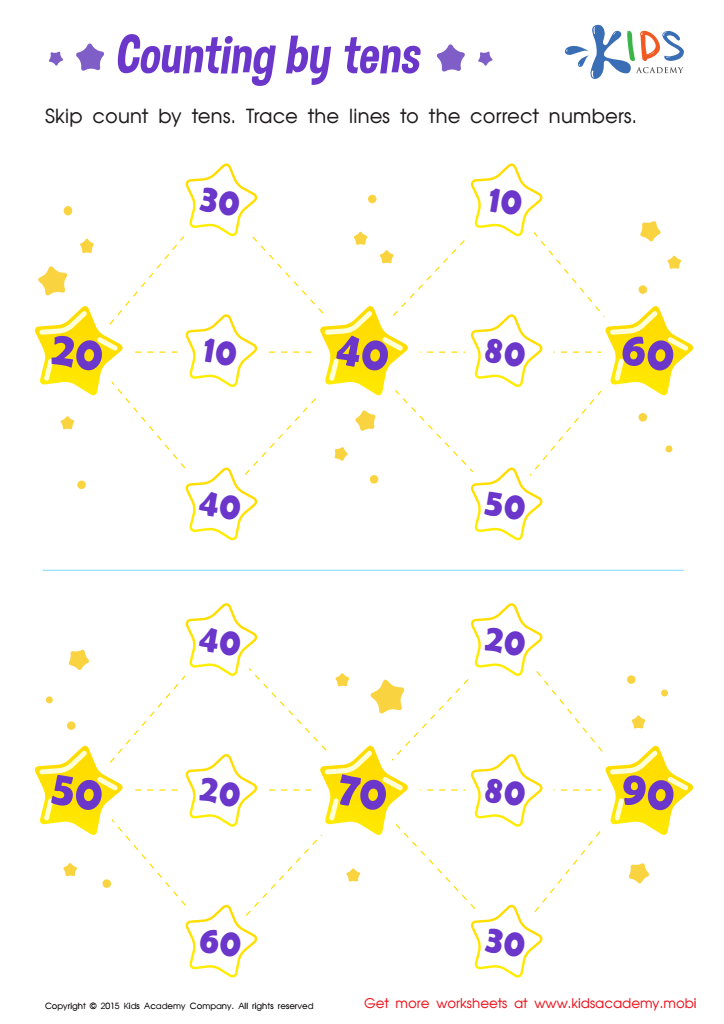
Learn Dozens: Counting by Tens Printable
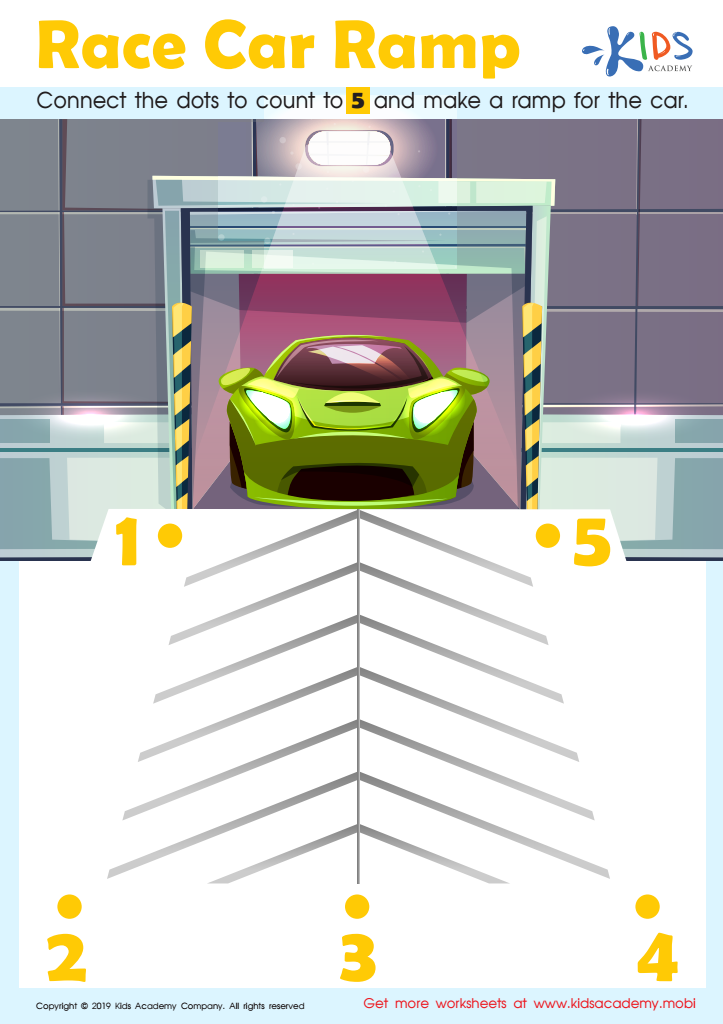
Race Car Ramp Worksheet
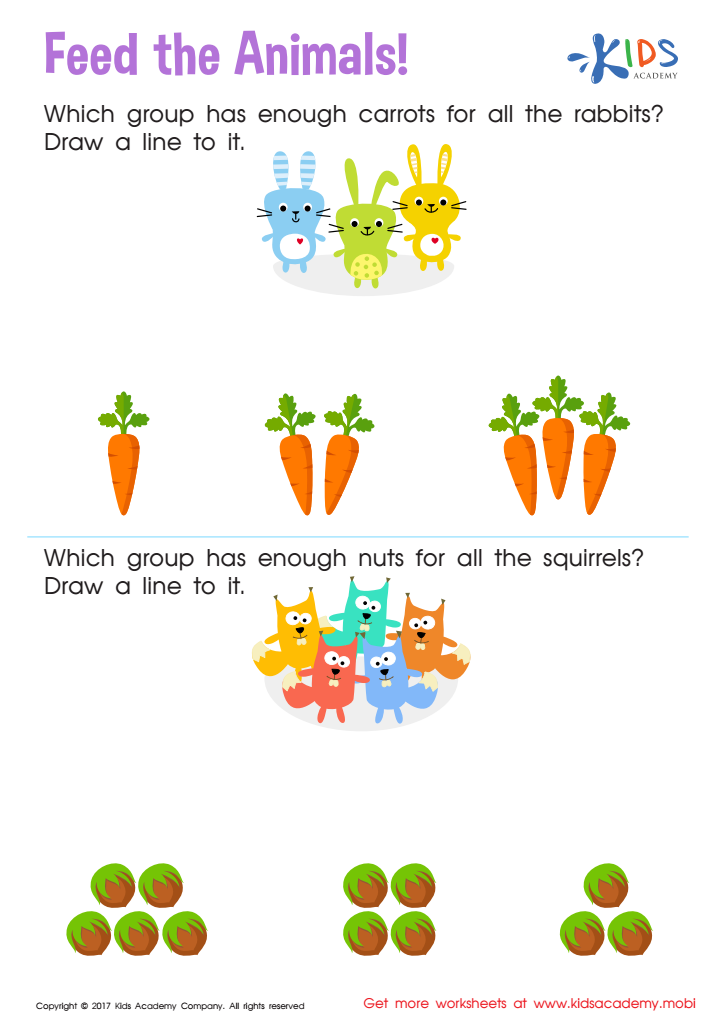
Count and Match: Feed the Animals Worksheet
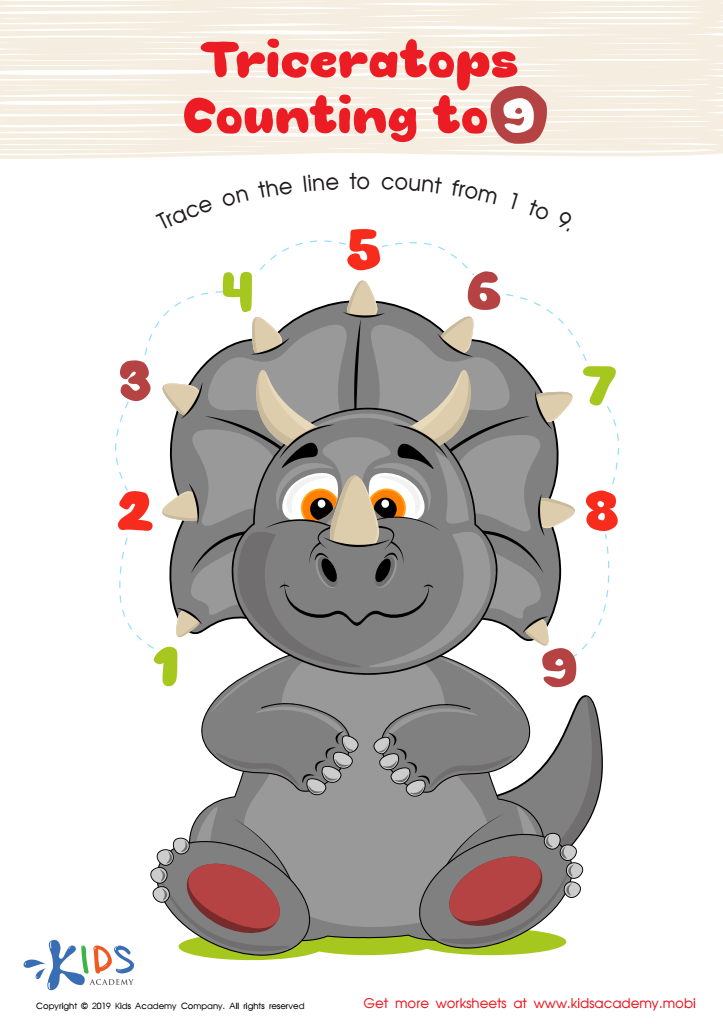
Triceratops Counting to 9 Worksheet
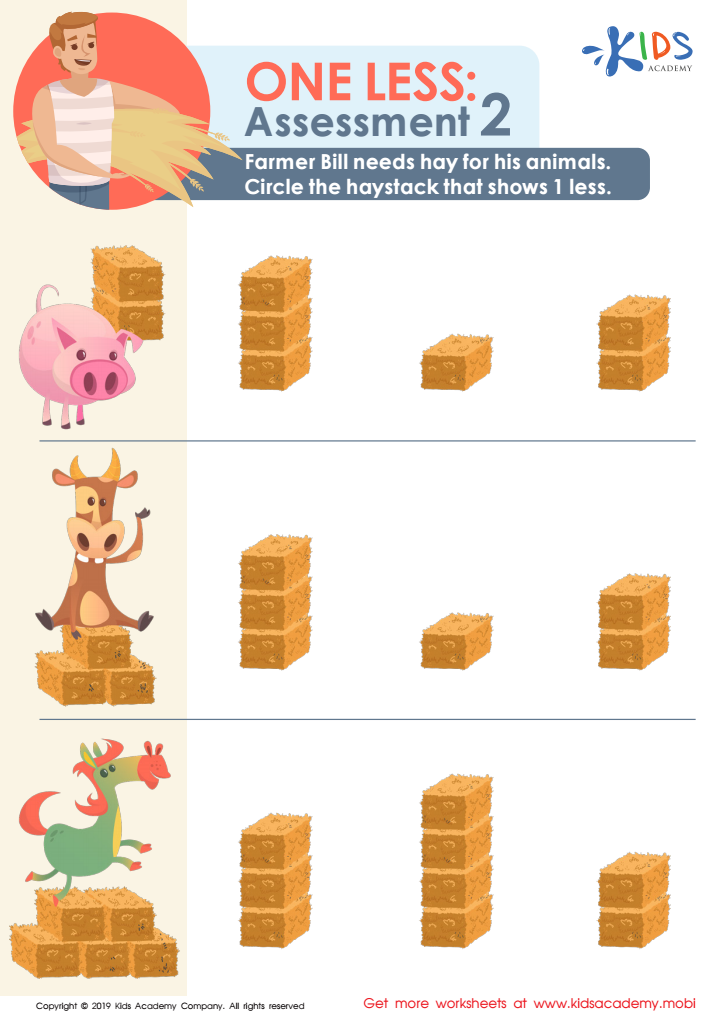
One Less: Assessment 2 Worksheet








Counting for children ages 5-7 is a foundational mathematical skill that serves as a building block for more complex concepts. At this young age, developing counting skills is crucial because it underpins children’s understanding of numbers, which is fundamental for their overall mathematical literacy. By grasping basic counting, children learn to recognize numerical order, understand quantity, and develop one-to-one correspondence, which means matching one object to one number or symbol.
For parents and teachers, emphasizing the importance of counting helps ensure that children are on the right track to tackle more challenging mathematical tasks later on, such as addition, subtraction, and problem-solving. Counting also enhances cognitive abilities, fosters logical thinking, and improves memory retention. Engaging children in counting activities boosts their confidence, encourages a positive attitude toward learning, and nurtures curiosity.
Moreover, counting isn’t just confined to math lessons; it appears in everyday activities, from counting steps while walking to distributing snacks equally among friends. Hence, familiarity with counting early on helps children navigate daily tasks and situations with ease. For teachers, focusing on counting paves the way for effective pedagogical strategies, catering to diverse learning styles and needs, and ultimately cultivating a strong mathematical foundation for future academic success.








