Reading Worksheets for Ages 5-7 - Page 18
411 filtered results
-
From - To
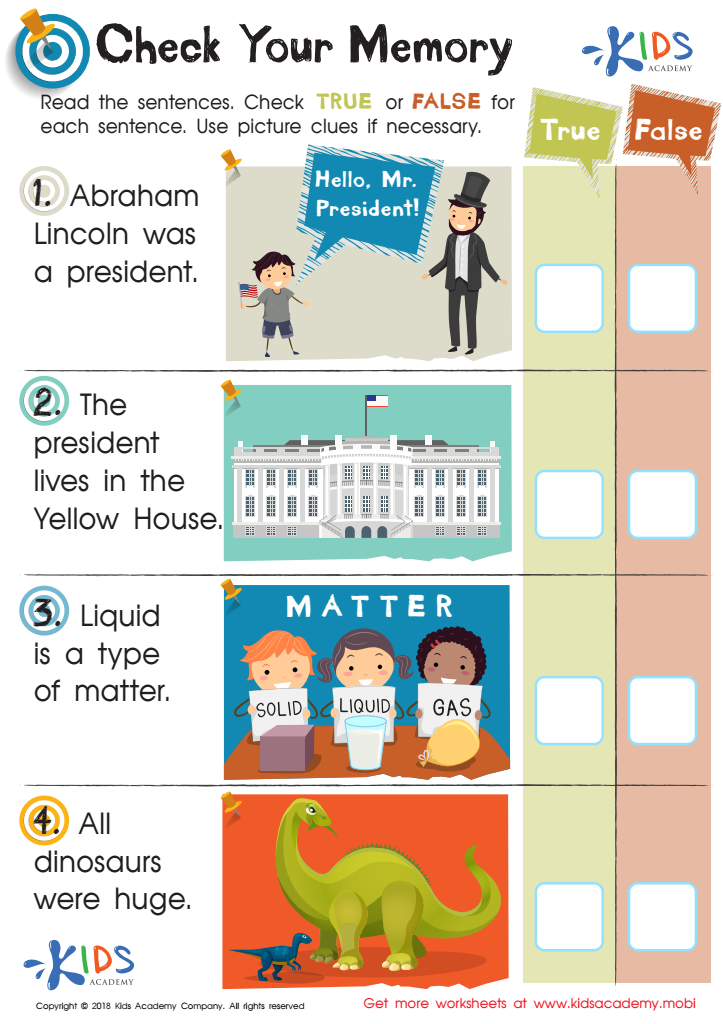
Check Memory Worksheet
 Assign to My Students
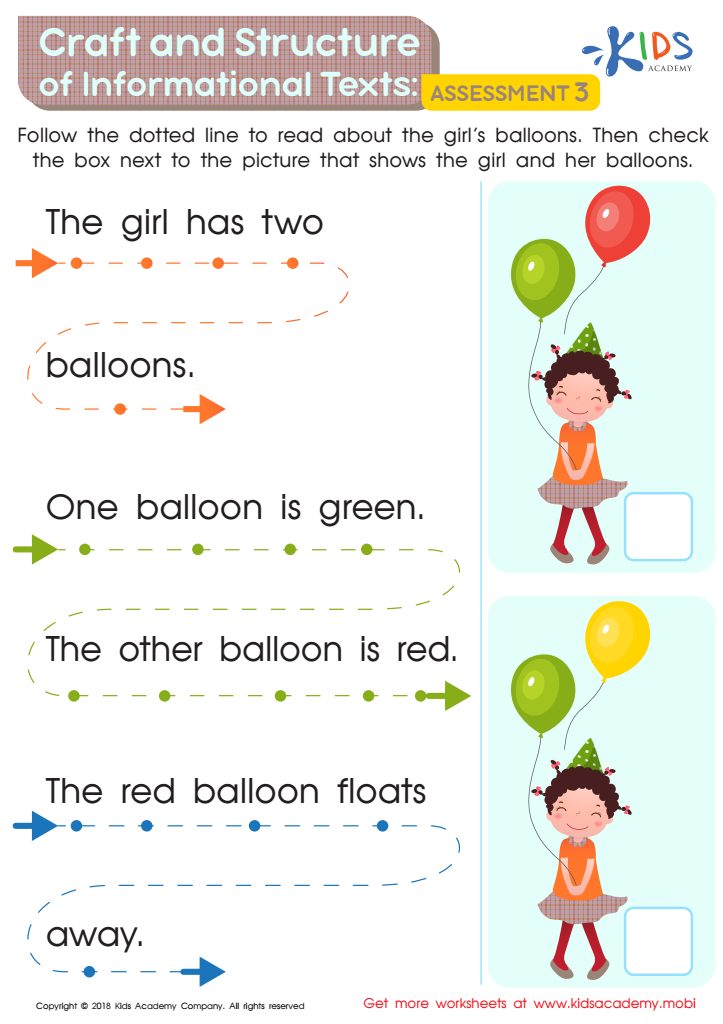
Craft and Structure of Informational Texts: Assessment 3 Worksheet
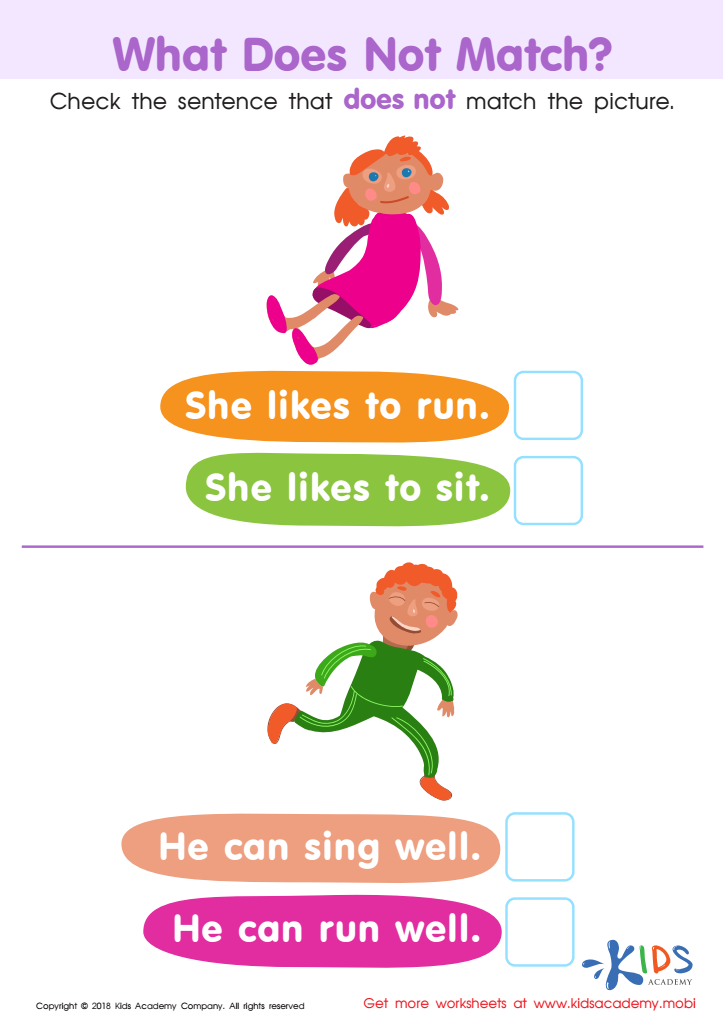
What Does Not Match? Worksheet








Reading for children aged 5-7 is foundational for their overall development and future academic success. At this formative stage, young children are not only learning to read but also laying the groundwork for comprehending a world filled with written information.
Early reading skills boost language acquisition, enabling children to expand their vocabulary and improve their understanding of grammar and sentence structure. This equips them to express their thoughts and ideas more clearly. In addition, early reading sets the stage for better performance across school subjects. As stories introduce children to different concepts—from numbers in a story about counting to understanding emotions when characters experience joys and challenges—it supports holistic learning.
Cognitive development also receives a boost; reading enhances concentration, critical thinking, and problem-solving abilities. Young readers also internalize lessons around empathy and moral values, absorbing the diverse experiences and viewpoints introduced in various stories. This can benefit their social skills and emotional intelligence.
Engaging with books from an early age nurtures a love for reading, setting children up for a lifelong habit of learning and curiosity. It can be a bonding activity with parents, encouraging positive family interactions. So, parents and teachers must prioritize reading to propel a child’s academic success, emotional growth, and cognitive development.








