Science Worksheets for Ages 5-7 - Page 6
301 filtered results
-
From - To
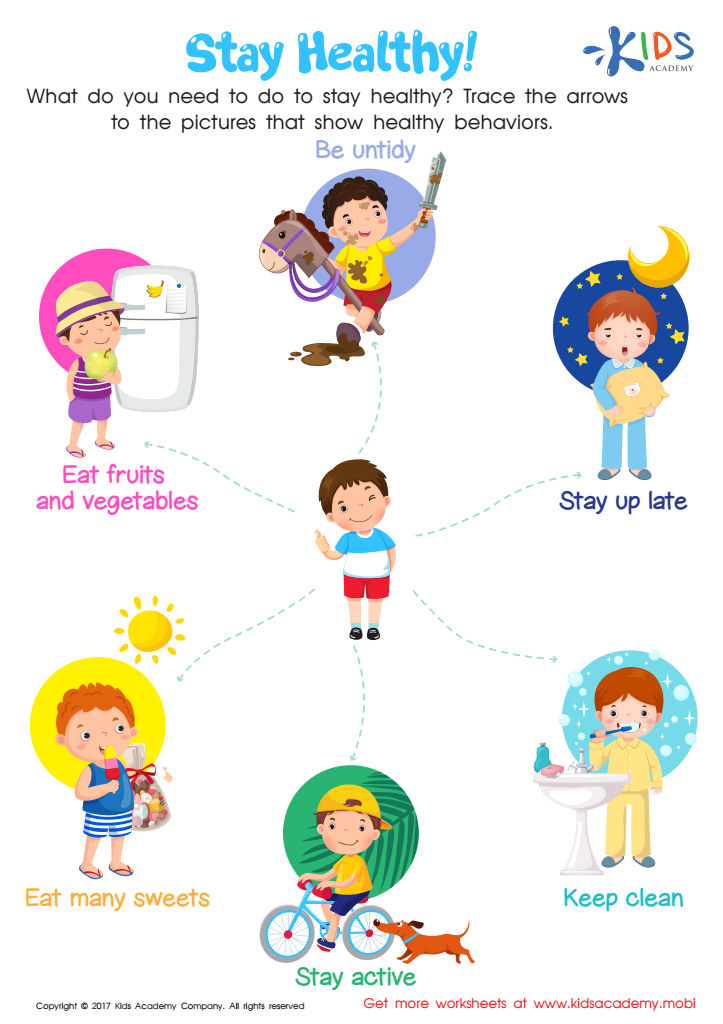
Healthy and Unhealthy Behaviors Worksheet
 Assign to My Students
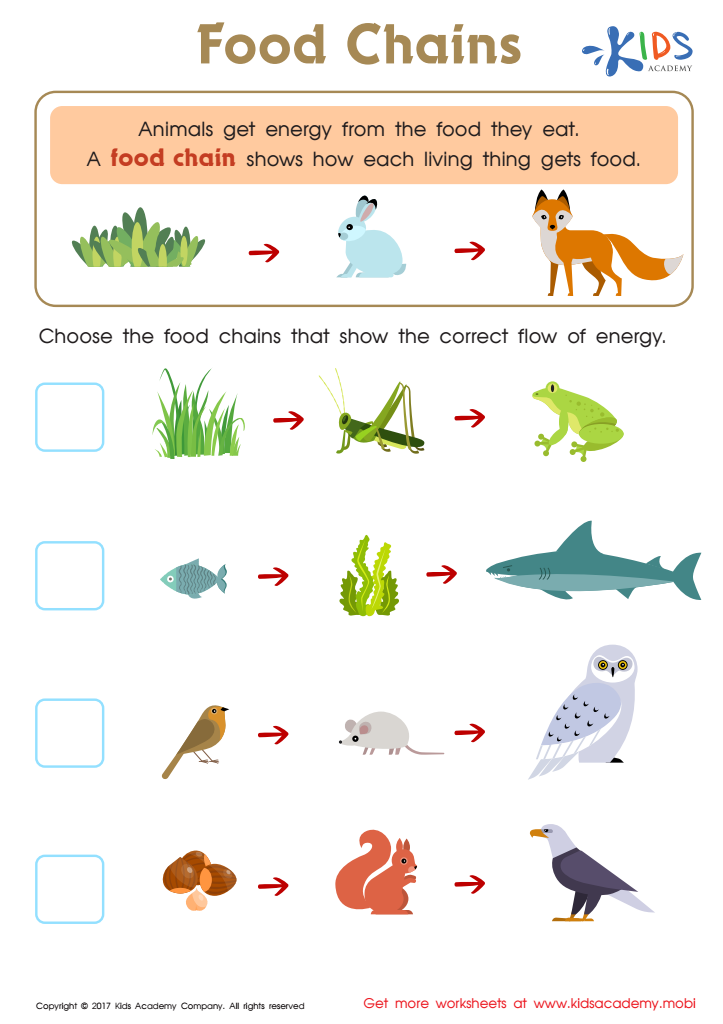
Food Webs and Food Chains Worksheet
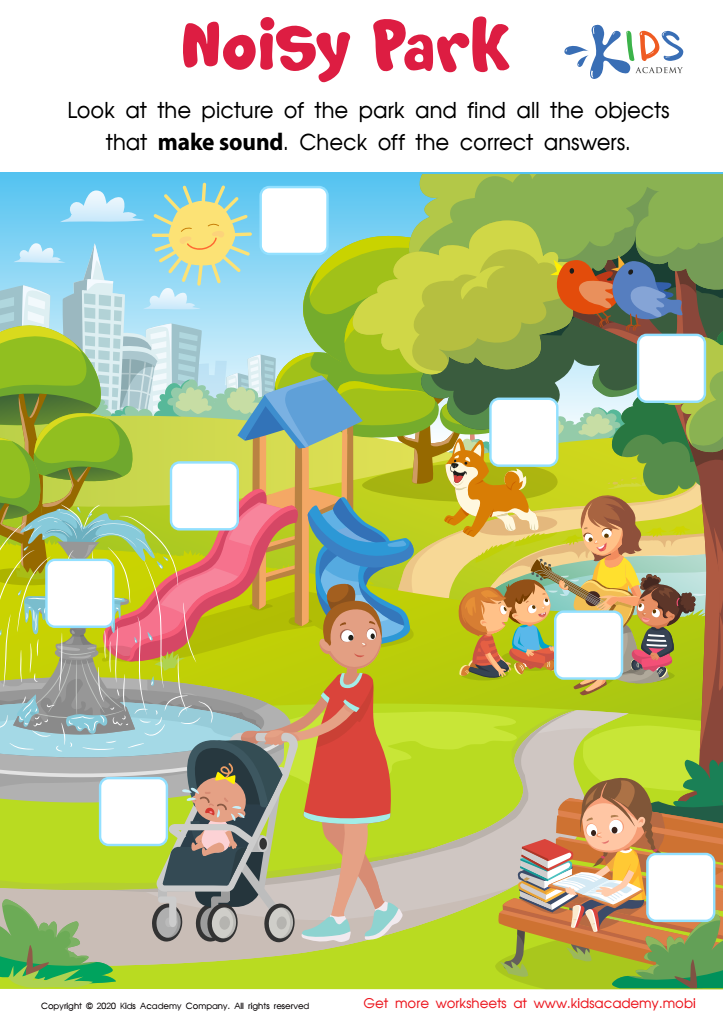
Noisy Park Worksheet
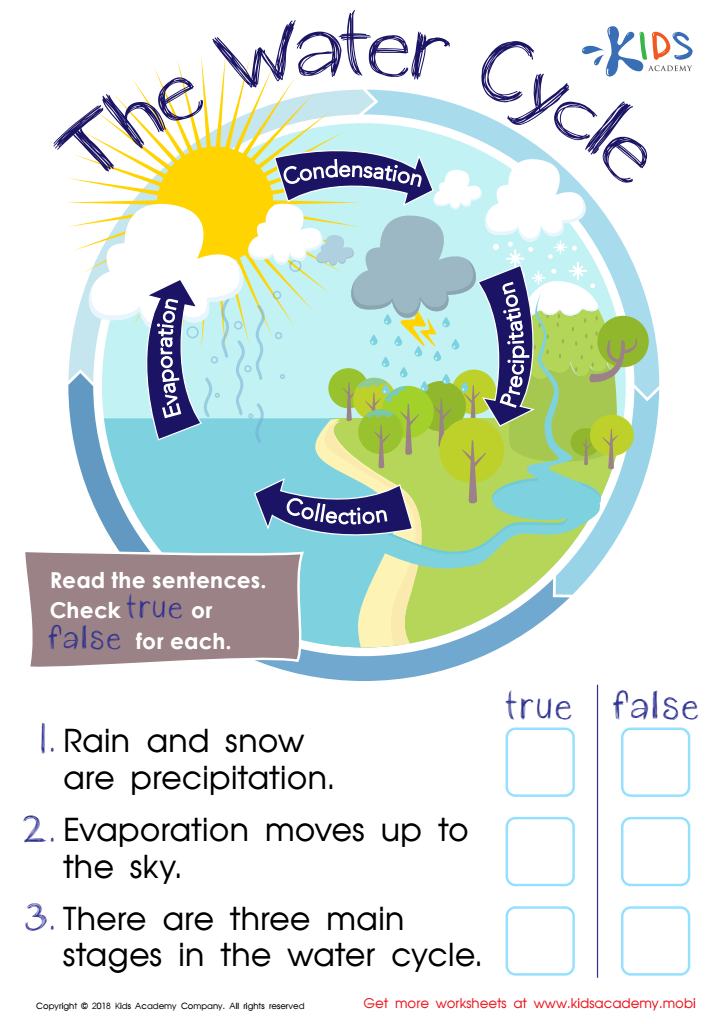
The Water Cycle Worksheet
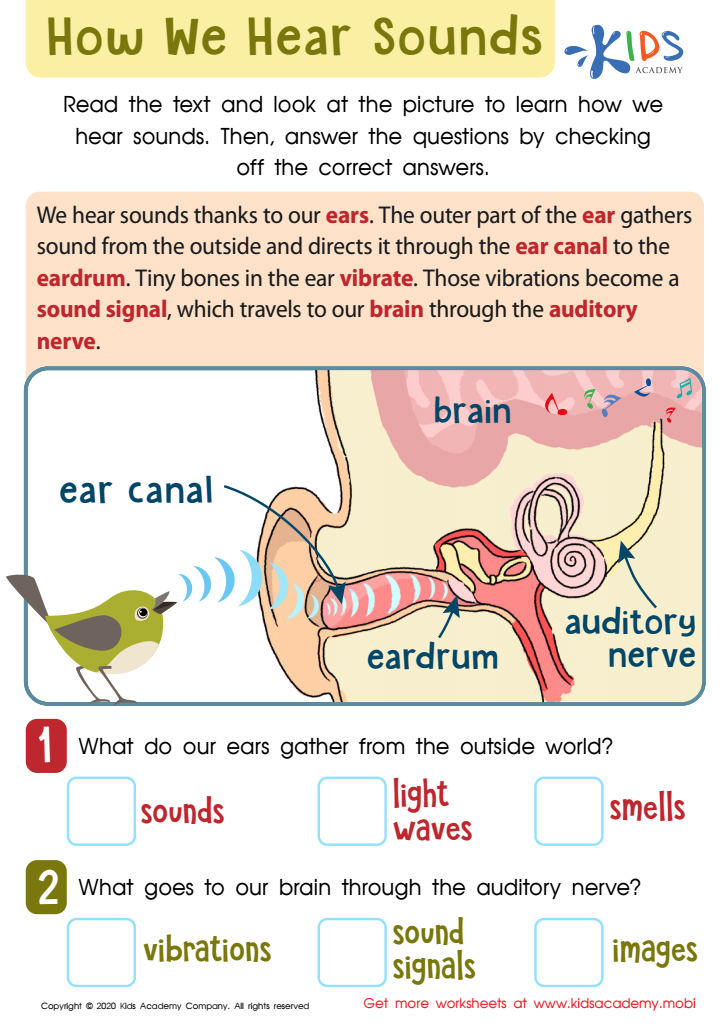
How We Hear Sounds Worksheet
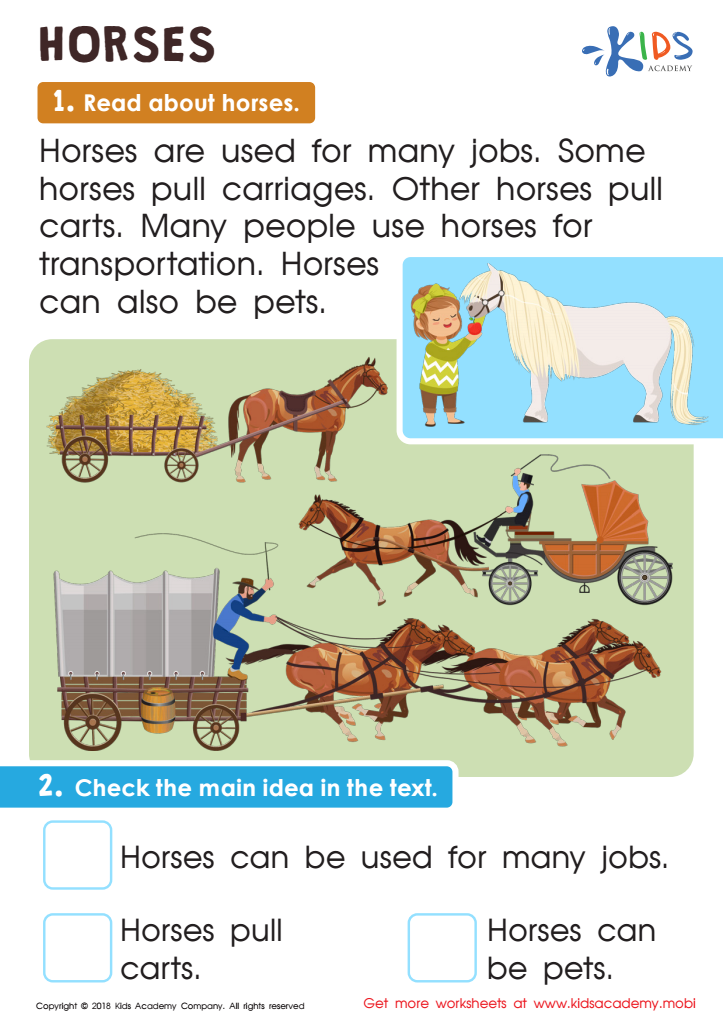
Horses Worksheet
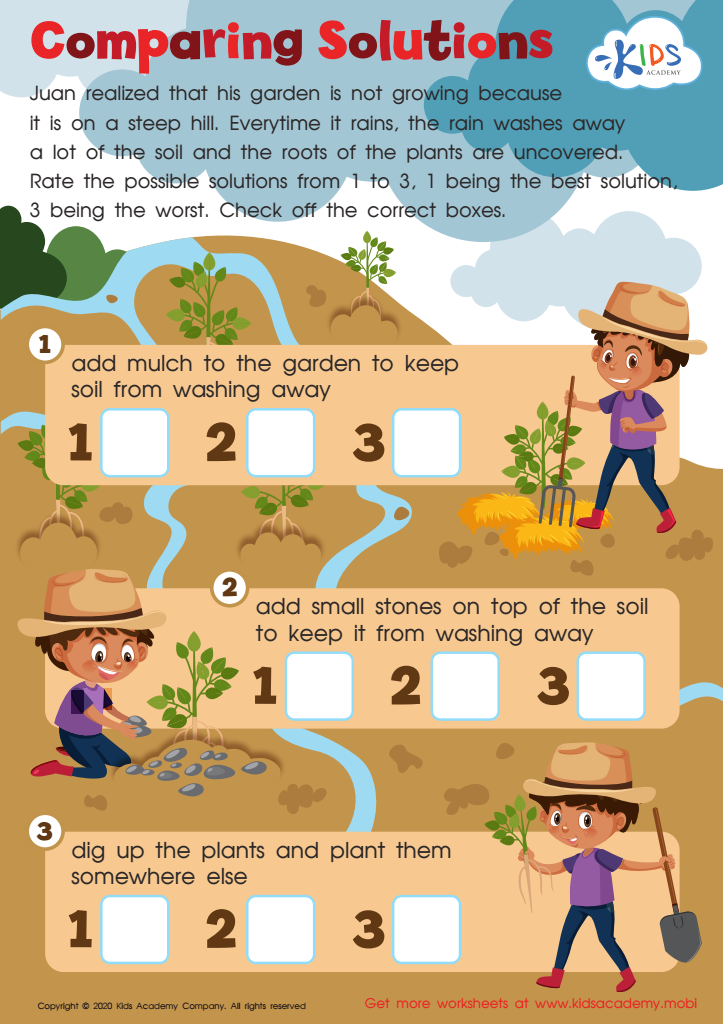
Comparing Solutions Worksheet
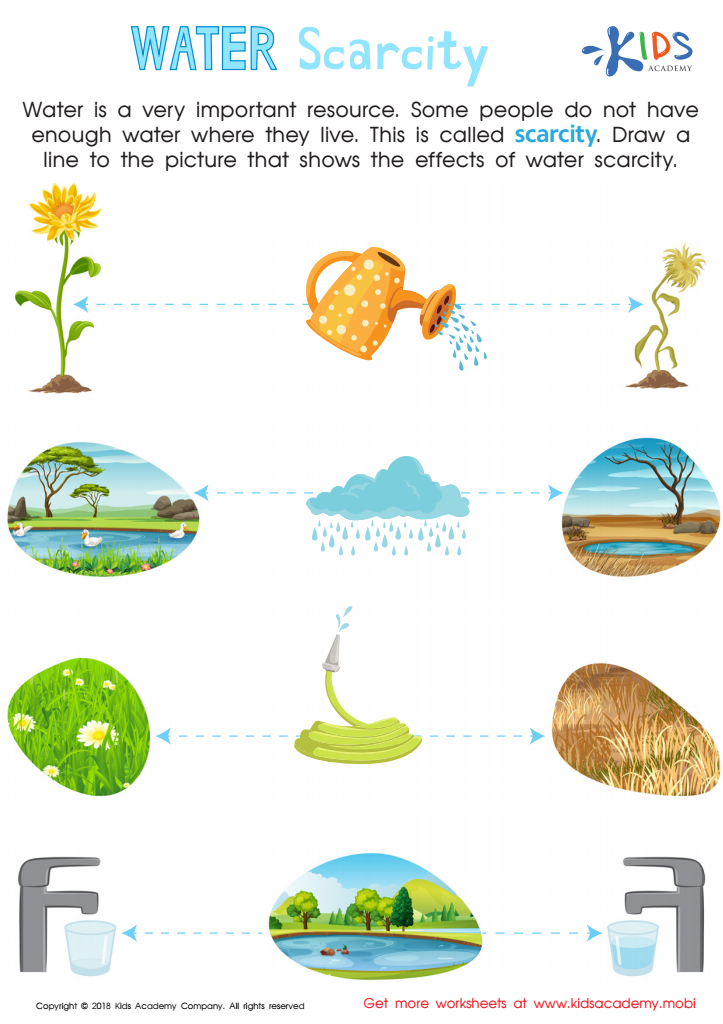
Water Scarcity Worksheet
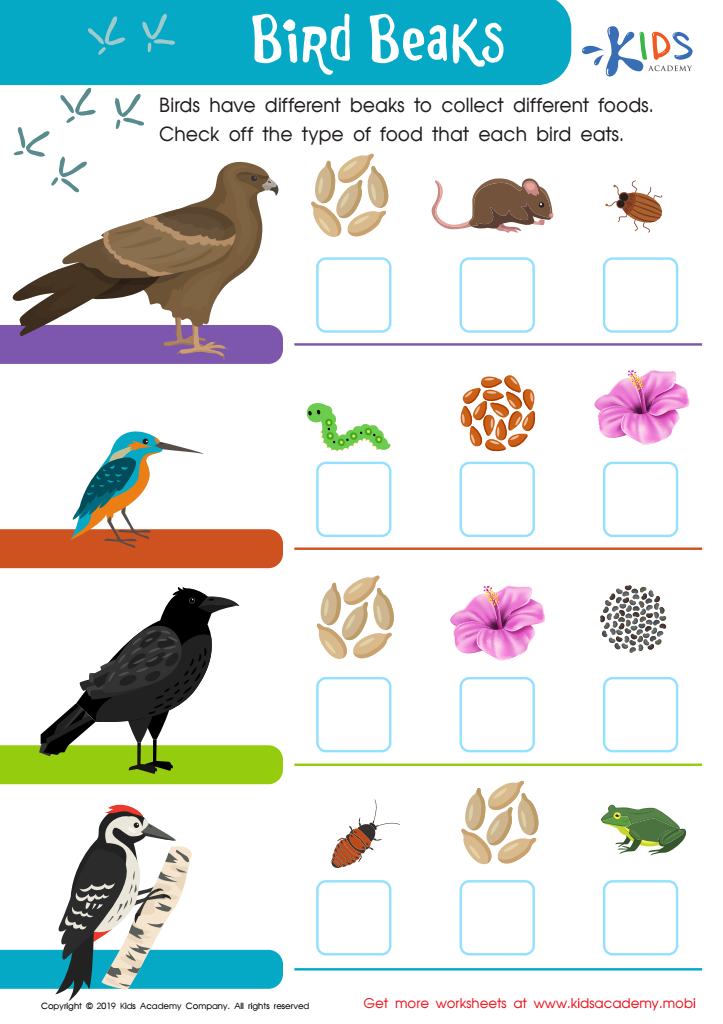
Bird Beaks Worksheet
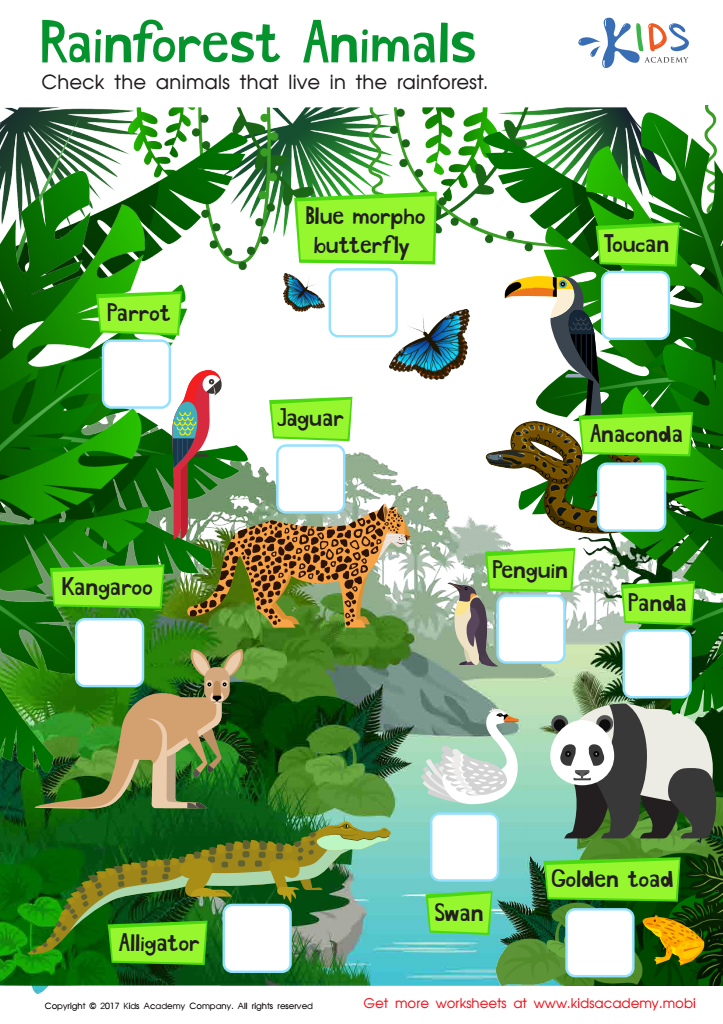
Rainforest Animals Worksheet
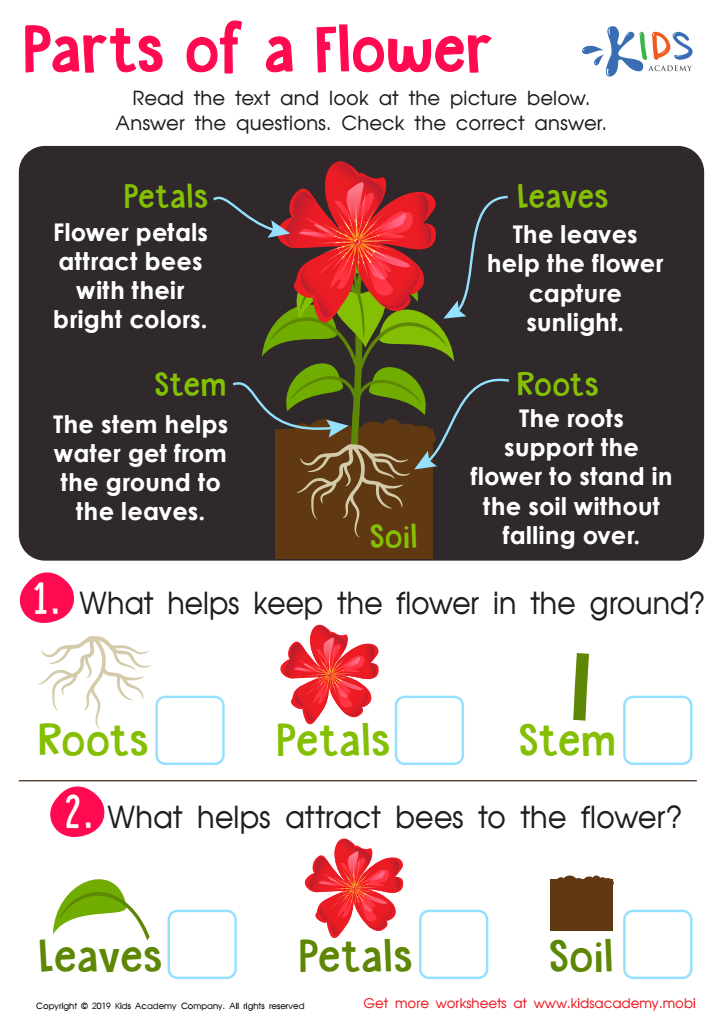
Parts of Flower Worksheet
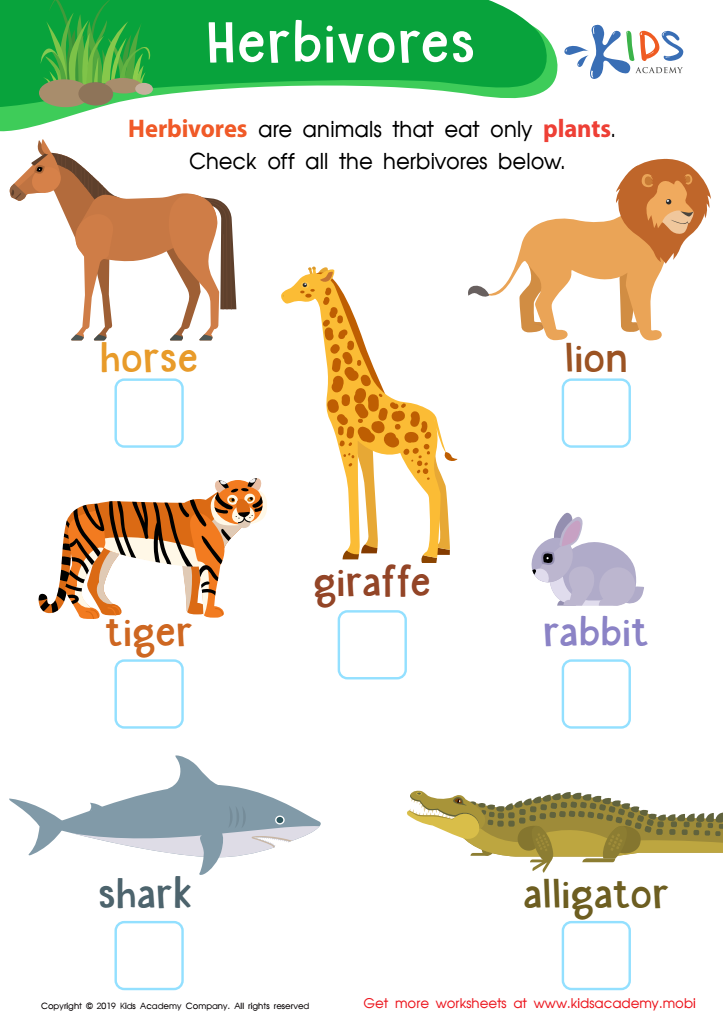
Herbivores Worksheet
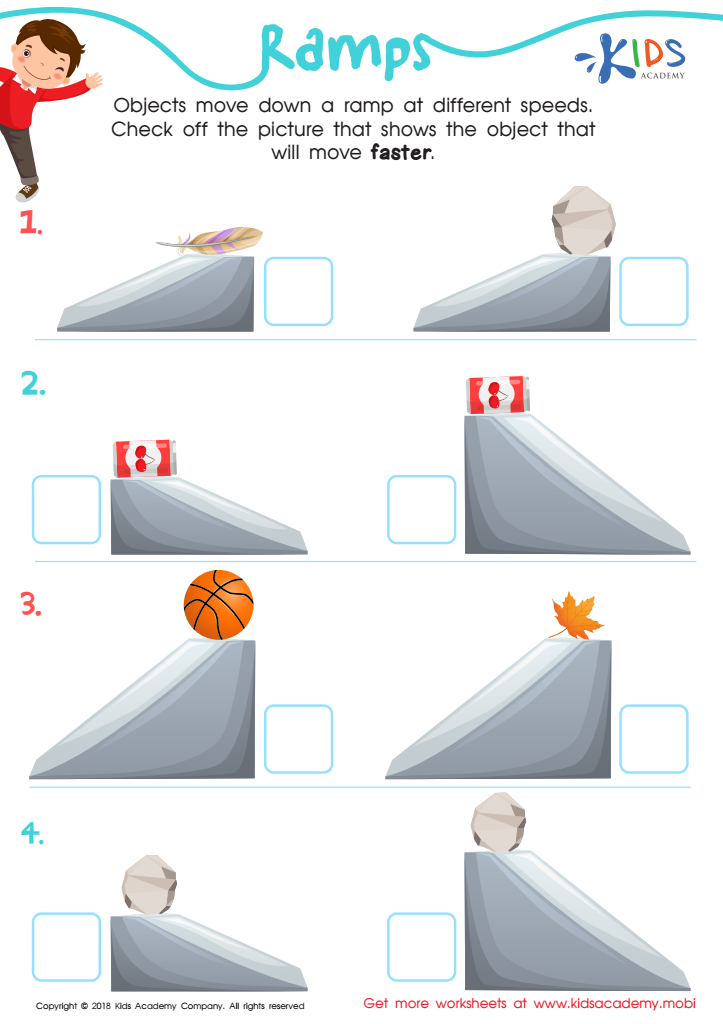
Ramps Worksheet
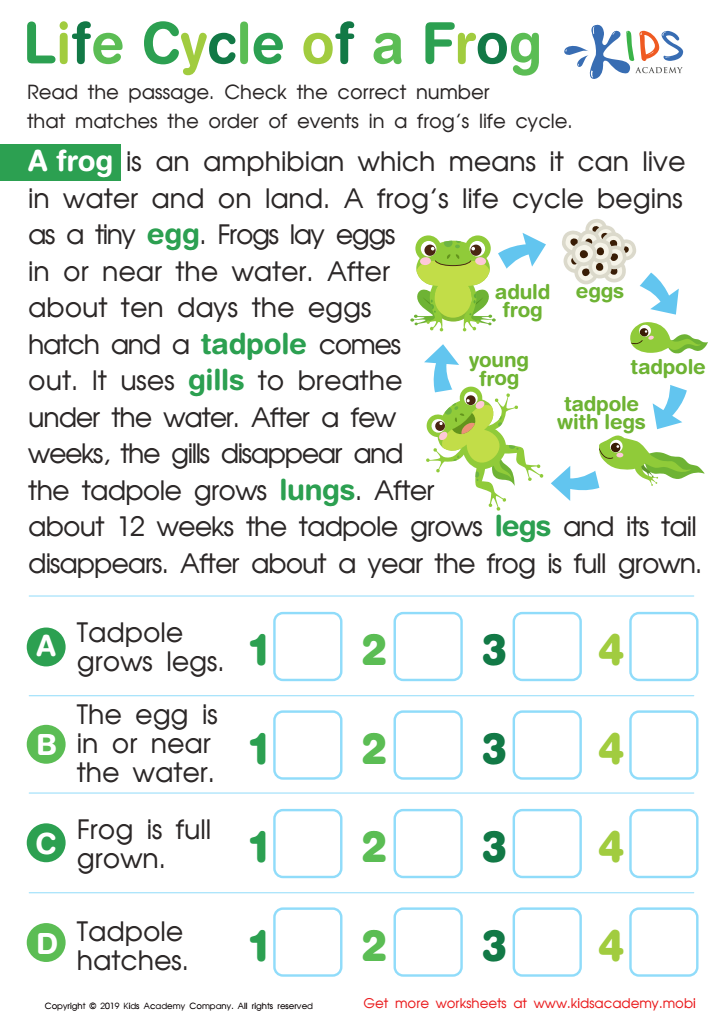
Life Cycle of a Frog Worksheet
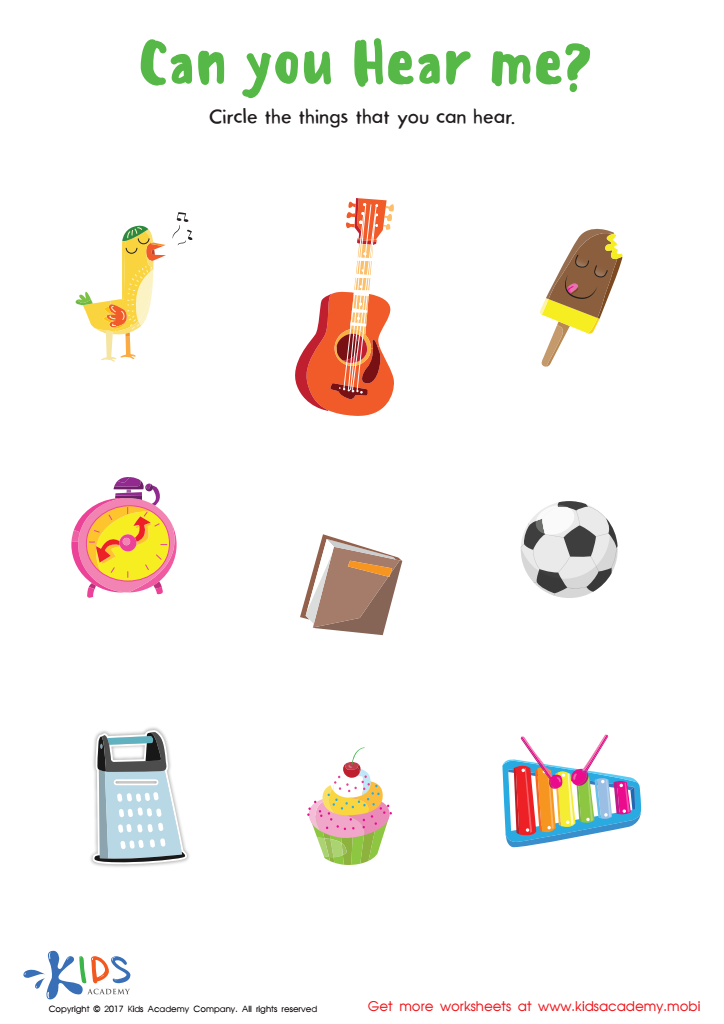
Can You Hear Me Worksheet
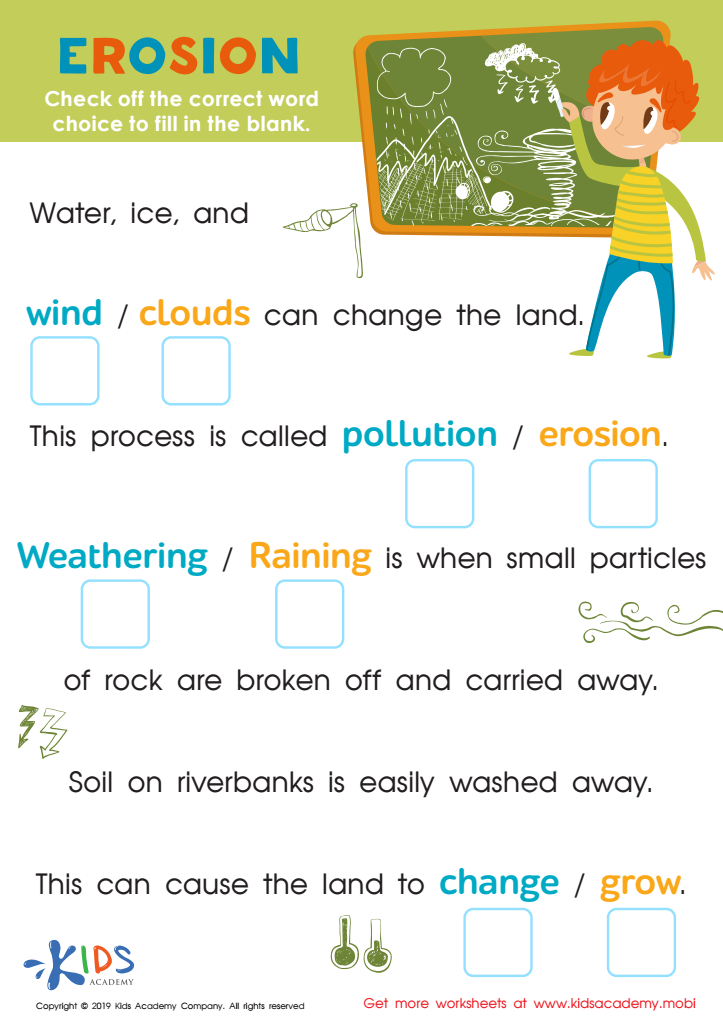
Erosion Worksheet
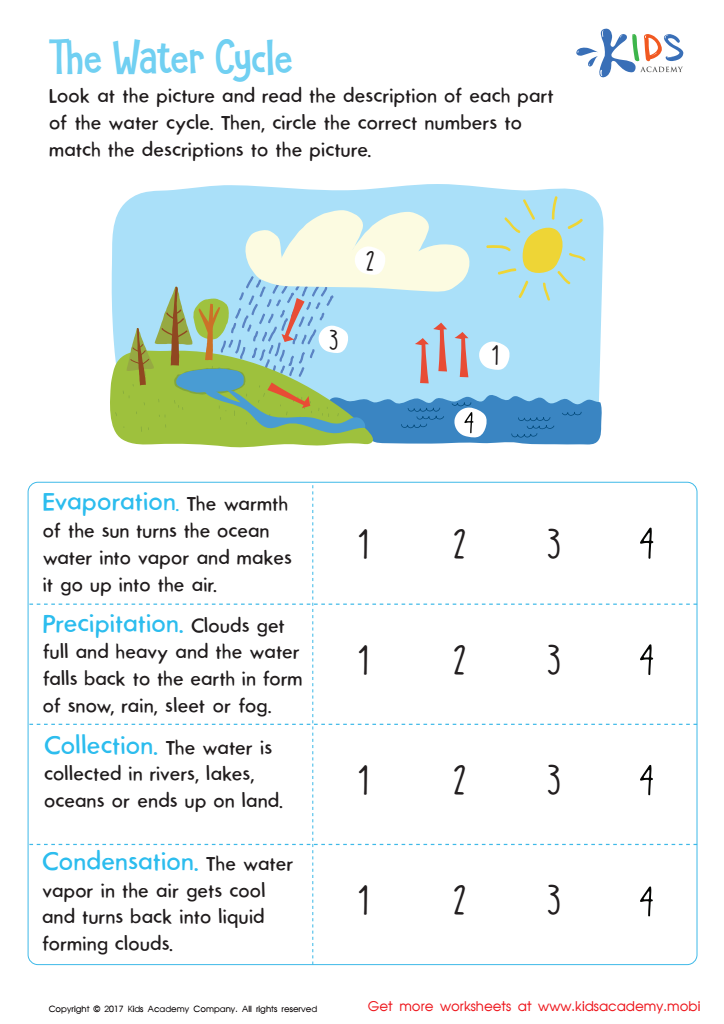
The Water Cycle Worksheet
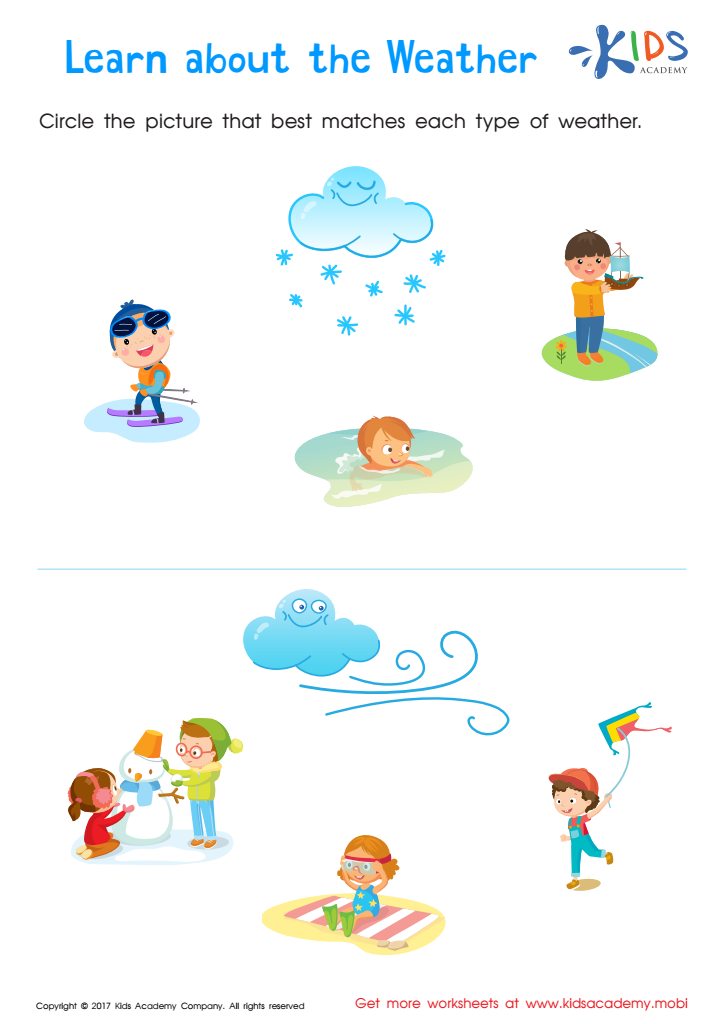
About the Weather Printable
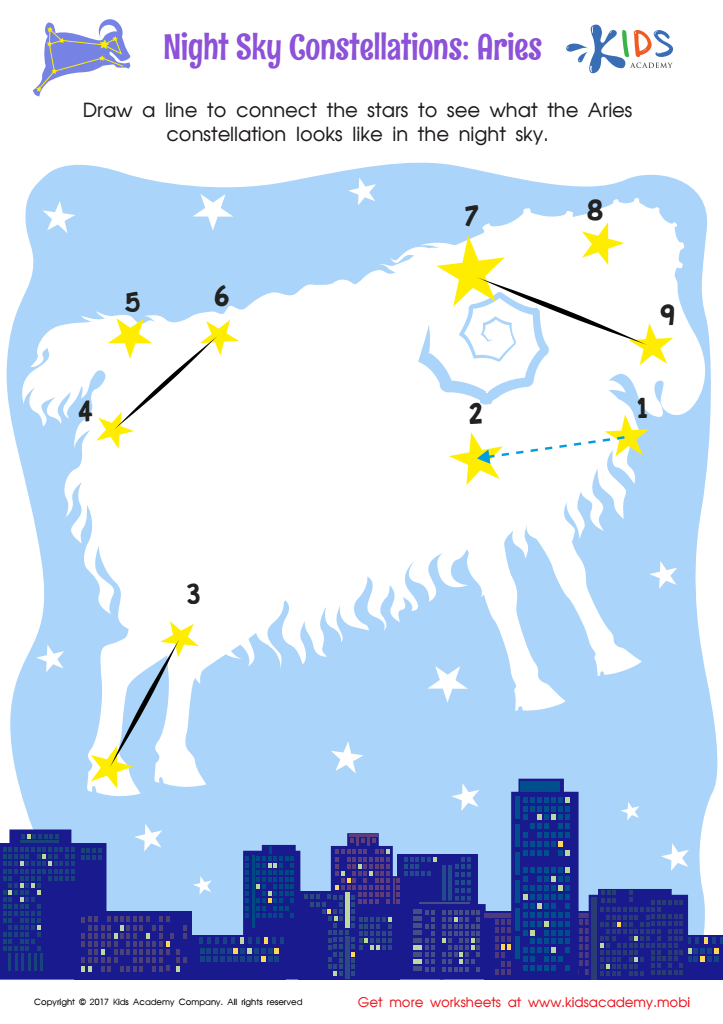
Night Sky Constellations: Aries Worksheet
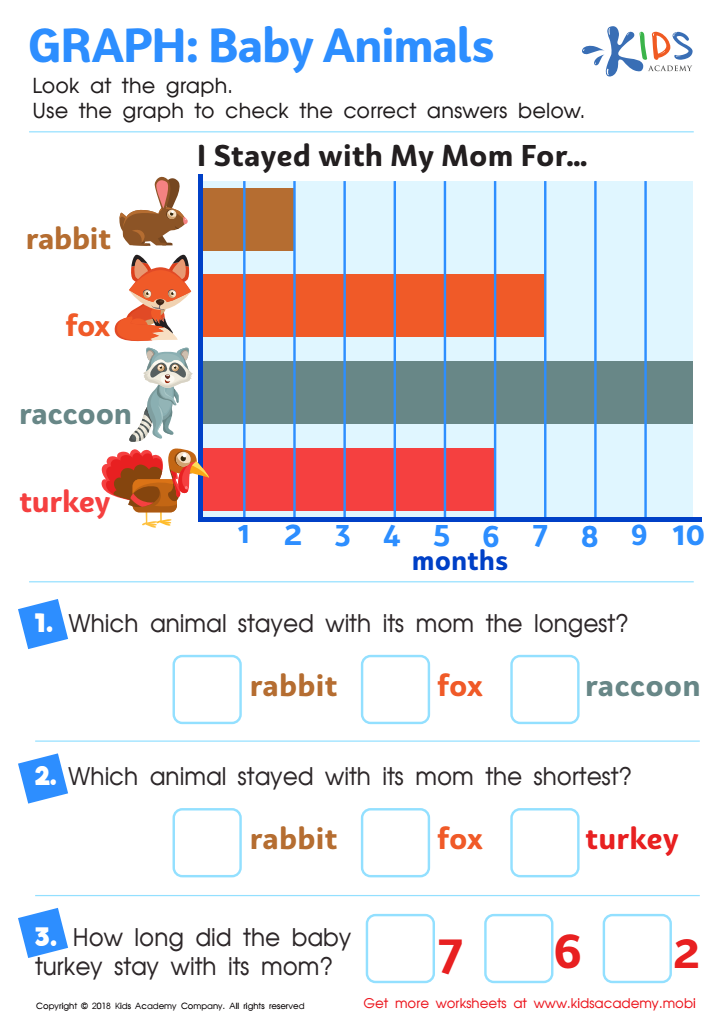
Graph: Baby Animals Worksheet
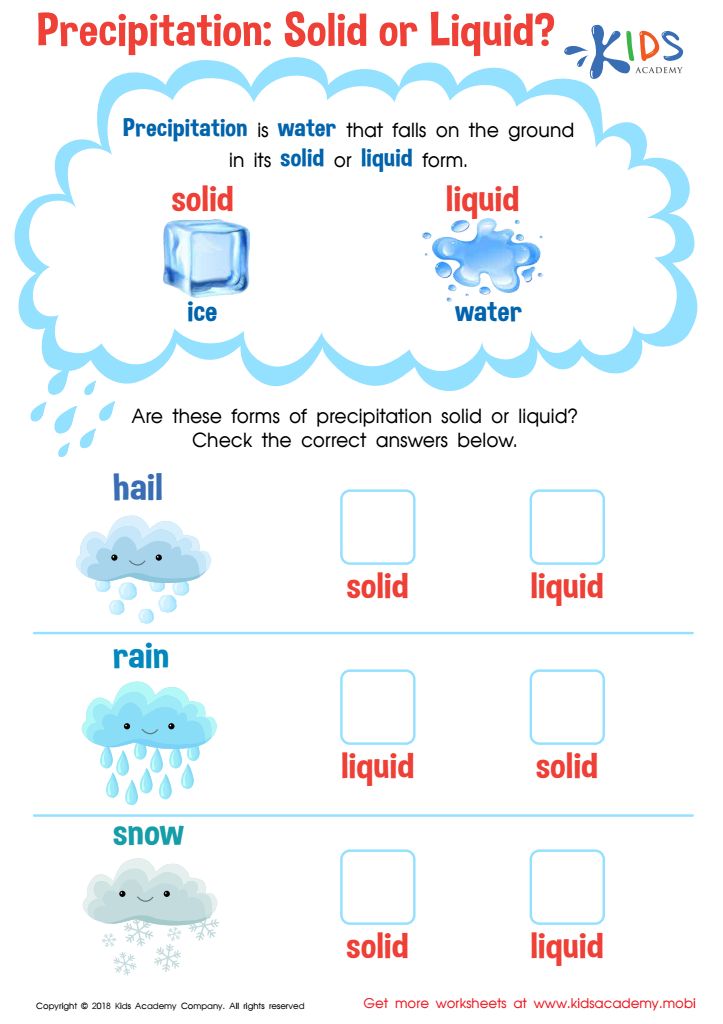
Precipitation: Solid or Liquid? Worksheet
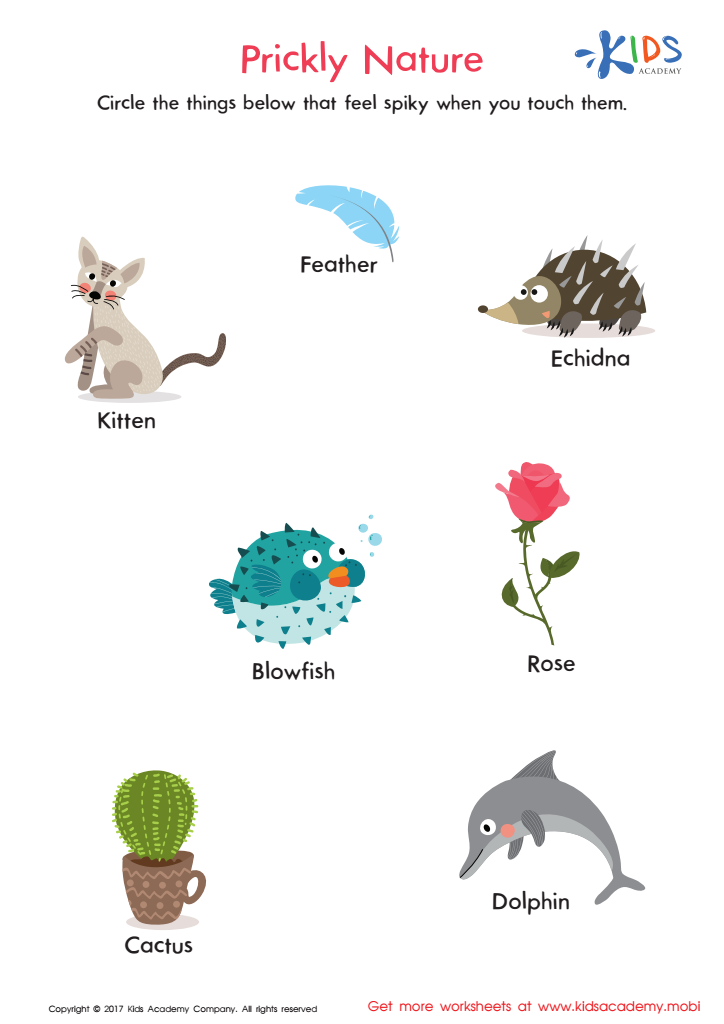
Prickly Nature Worksheet
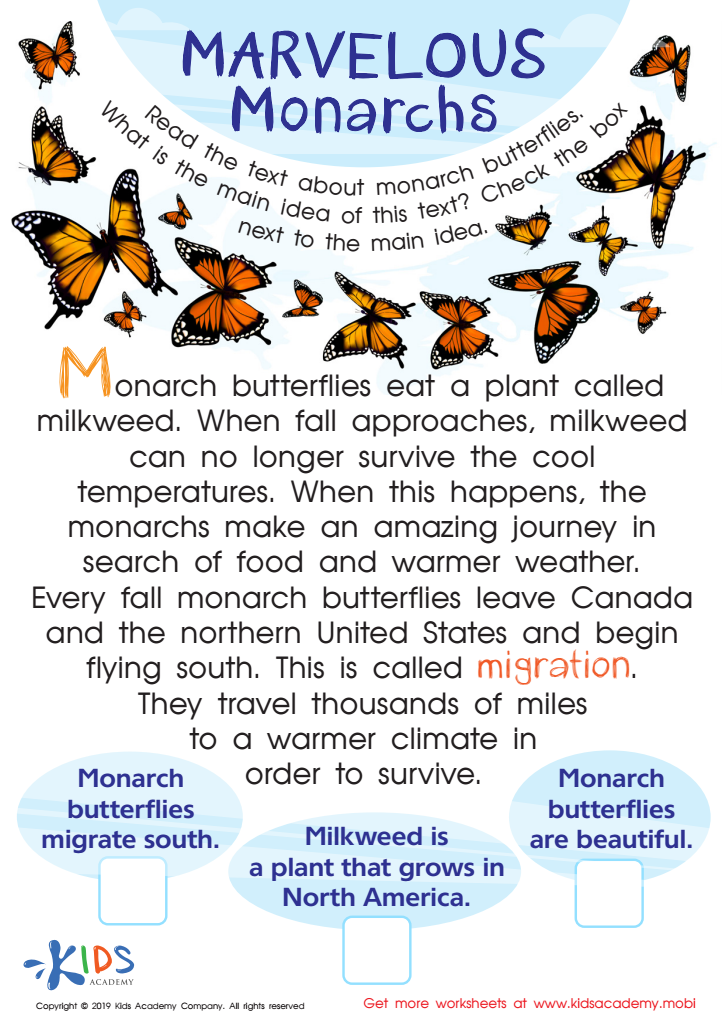
Marvelous Monarchs Worksheet
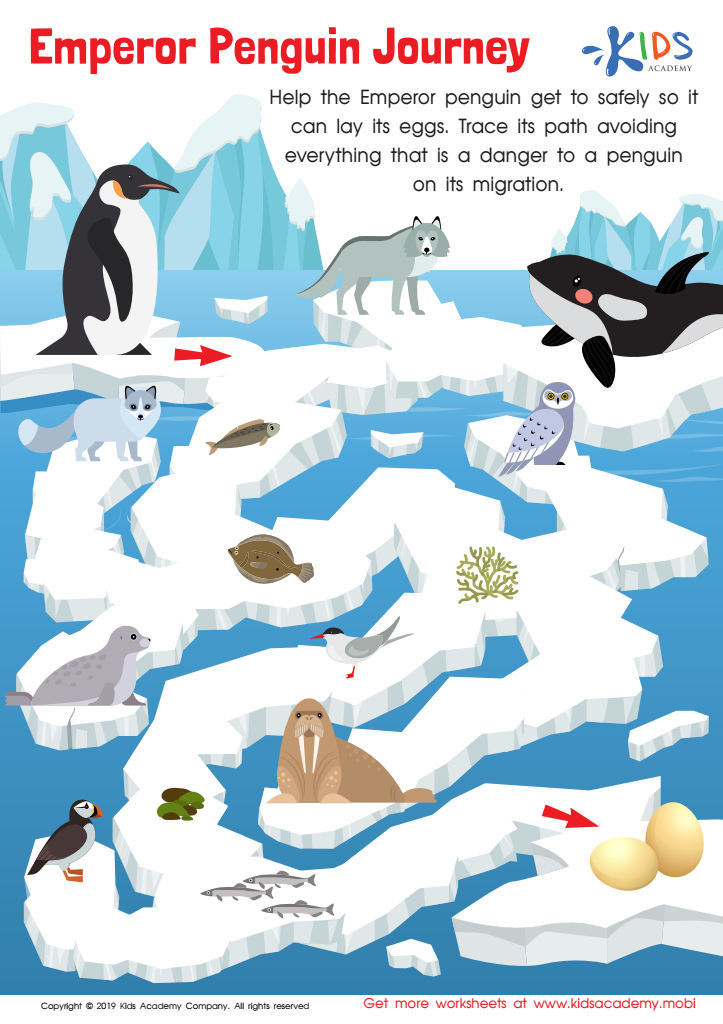
Emperor Penguin Journey Worksheet







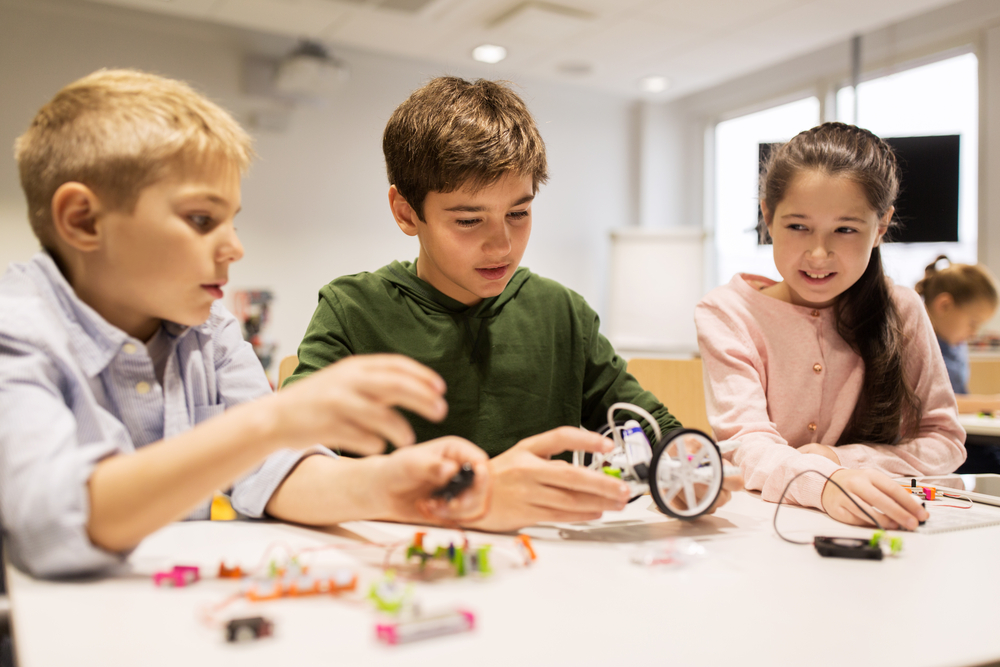
Science is essential for children aged 5 to 7 as it lays the foundation for critical thinking, curiosity, and an understanding of the world. At this early age, children are naturally inquisitive, constantly asking questions about how things work. Engaging them in scientific exploration encourages this curiosity and nurtures a lifelong love for learning.
Science education at this stage promotes essential skills such as observation, experimentation, and problem-solving. It encourages children to think logically and systematically, skills that are applicable not only in scientific endeavors but in everyday decision-making.
Moreover, science helps children develop communication skills through discussions and presentations of their findings. They learn to articulate observations and hypotheses, fostering their confidence in expressing ideas.
Understanding basic scientific principles also equips children with the knowledge needed for informed decision-making about health, environment, and technology as they grow.
Lastly, nurturing a scientific mindset cultivates appreciation for the natural world, promoting environmental stewardship in future generations. For parents and teachers, supporting early science education is key to fostering well-rounded individuals prepared to tackle the challenges of the complex world ahead.







