Filters

105 filtered results

Clear all filters
Favorites
With answer key
Interactive

105 filtered results

Difficulty Level

Grade


Check out this FREE Trial Lesson on Plants and Animals for age 5-7!

Identify Categories with a Given Count

Favorites
With answer key
Interactive
  • 5-7
  • With answer key
  • Plants and Animals
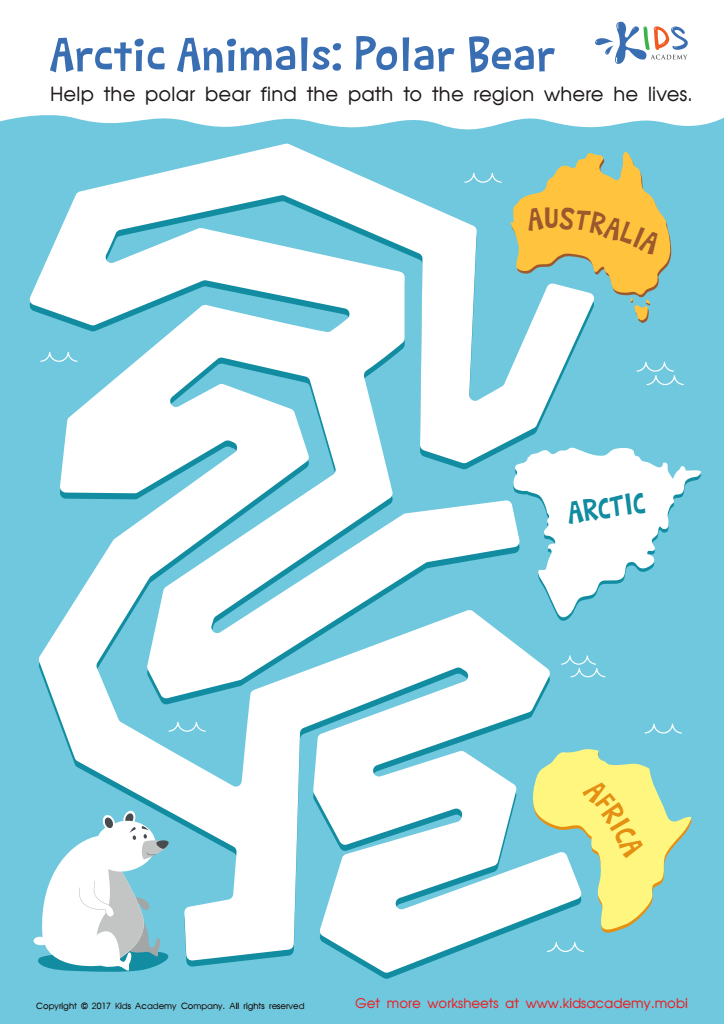
Polar Bear Worksheet

Arctic Animals: Polar Bear Worksheet

Oh no! Our polar bear friend is lost! Let's help him find his way back to the arctic with this fun worksheet. It reinforces science and social studies and kids will learn about the climate and habitats of different continents. They'll also develop logical reasoning skills! You can enrich the experience by looking up pictures of real polar bears after the worksheet is complete.
Arctic Animals: Polar Bear Worksheet
Worksheet
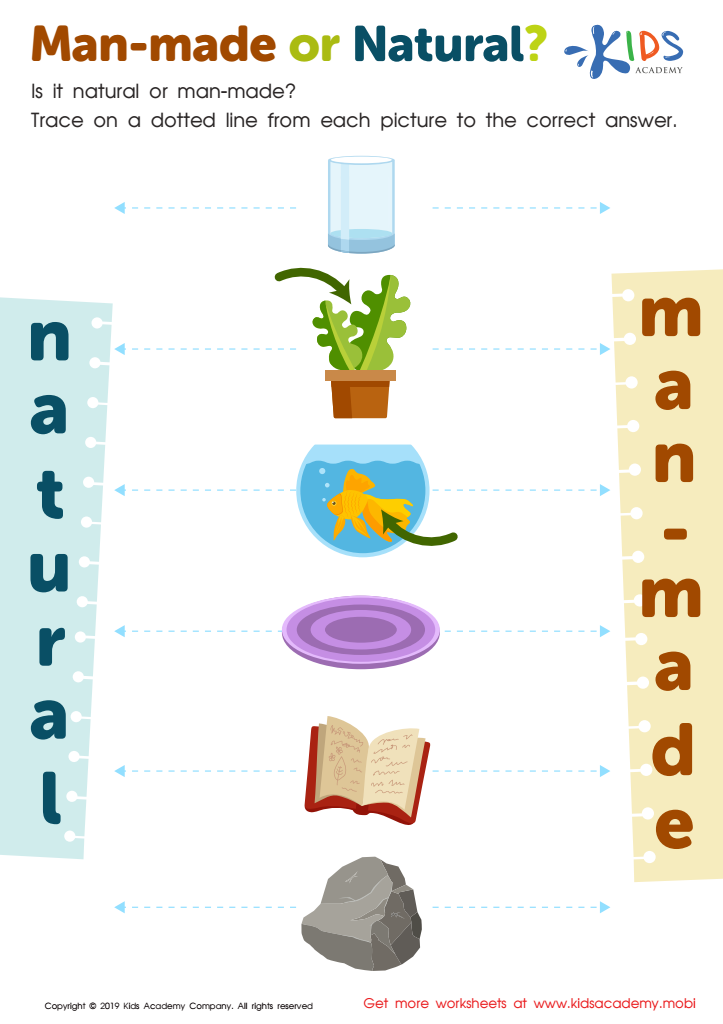
Man-Made or Natural? Worksheet

Man-Made or Natural? Worksheet

Ask your students to name natural and man-made objects. Check the worksheet to help them identify the objects, then trace the dotted line to determine if it's natural or man-made.
Man-Made or Natural? Worksheet
Worksheet
Find 5 Worksheet
Find 5 Worksheet

Find 5 Worksheet

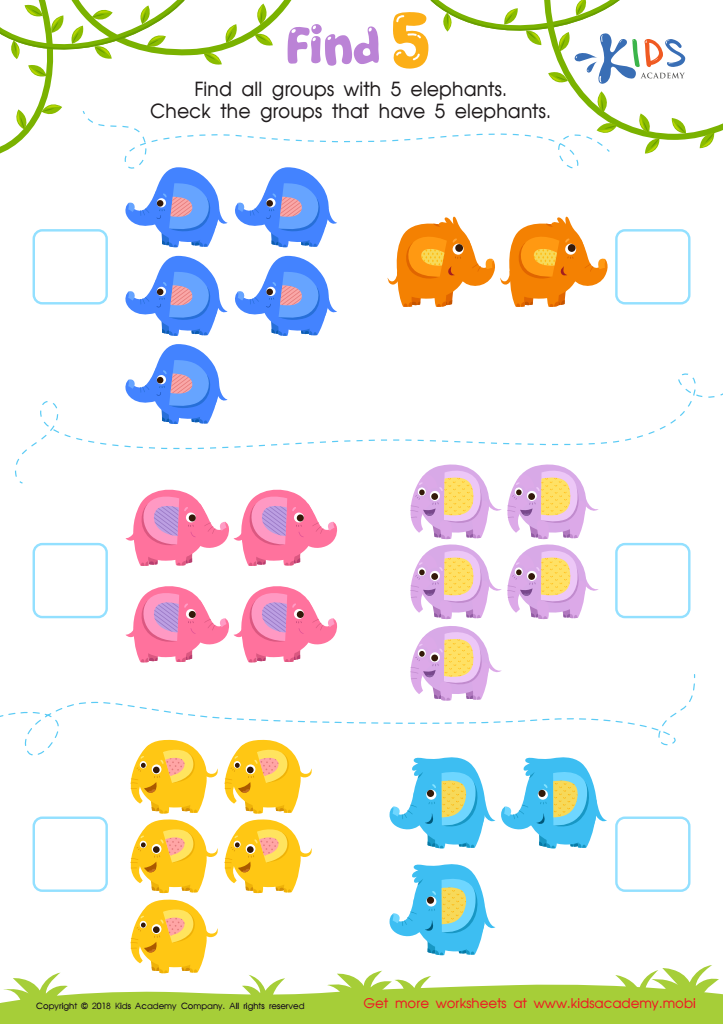
Kids will love these cheery elephants that help them discover grouping and counting by fives. It's a great way to start learning addition and multiplication, while also developing fine motor skills. Download the free PDF and let the fun begin.
Find 5 Worksheet
Worksheet
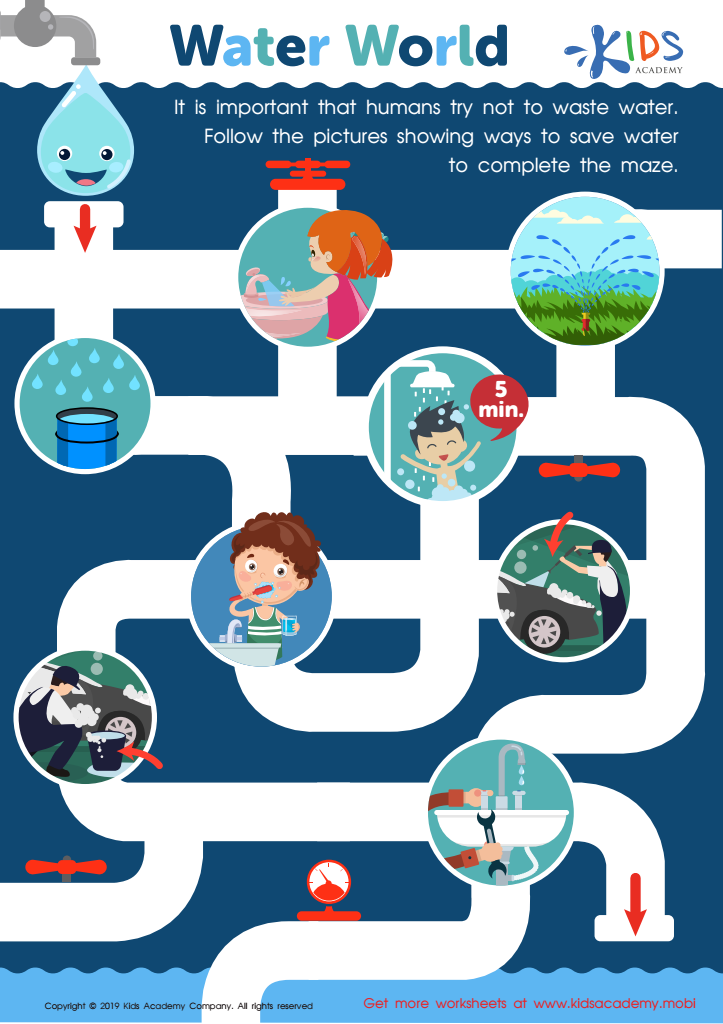
Water World Worksheet

Water World Worksheet

Water is a vital necessity for living. Our bodies depend on it to stay healthy and survive. When we don't drink enough water, we become thirsty and run the risk of getting sick. Luckily, our planet is full of water and natural sources to stay hydrated. To prevent water waste, use this worksheet to teach your students how to conserve it and complete the maze.
Water World Worksheet
Worksheet
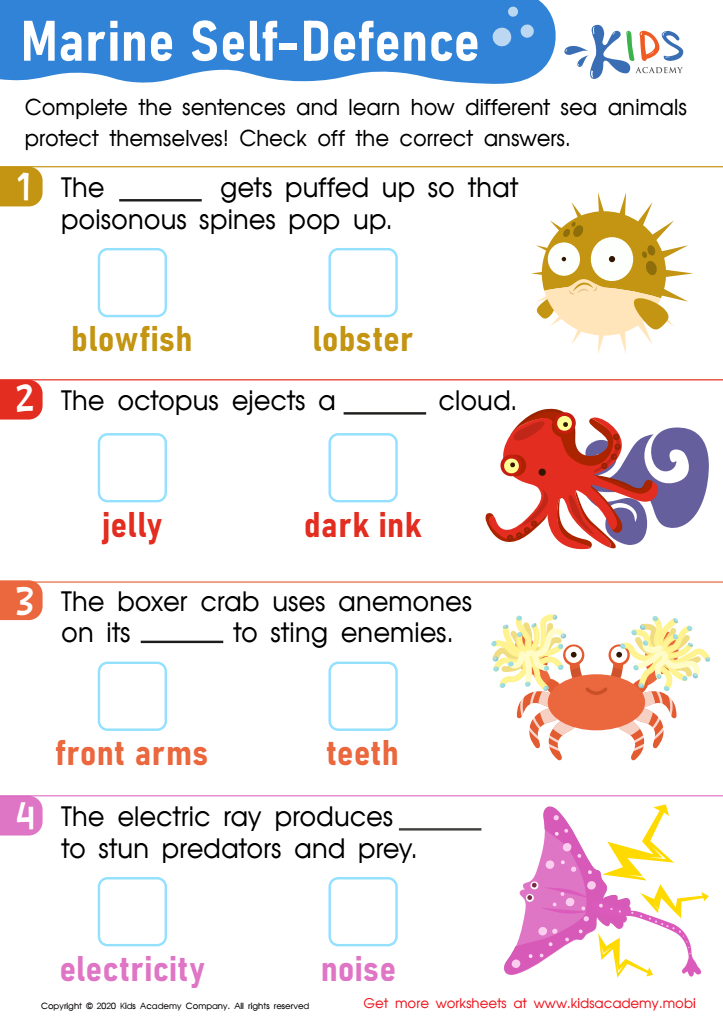
Marine Self-Defence Worksheet
Marine Self-Defence Worksheet

Kids will love discovering the ingenious ways sea creatures protect themselves from predators such as sharks and whales! Let them explore the strategies with this fun science worksheet, which features vibrant illustrations. Have them fill in the blanks with each creature's defense strategy, such as shells, spikes, ink, or even electricity!
Marine Self-Defence Worksheet
Worksheet
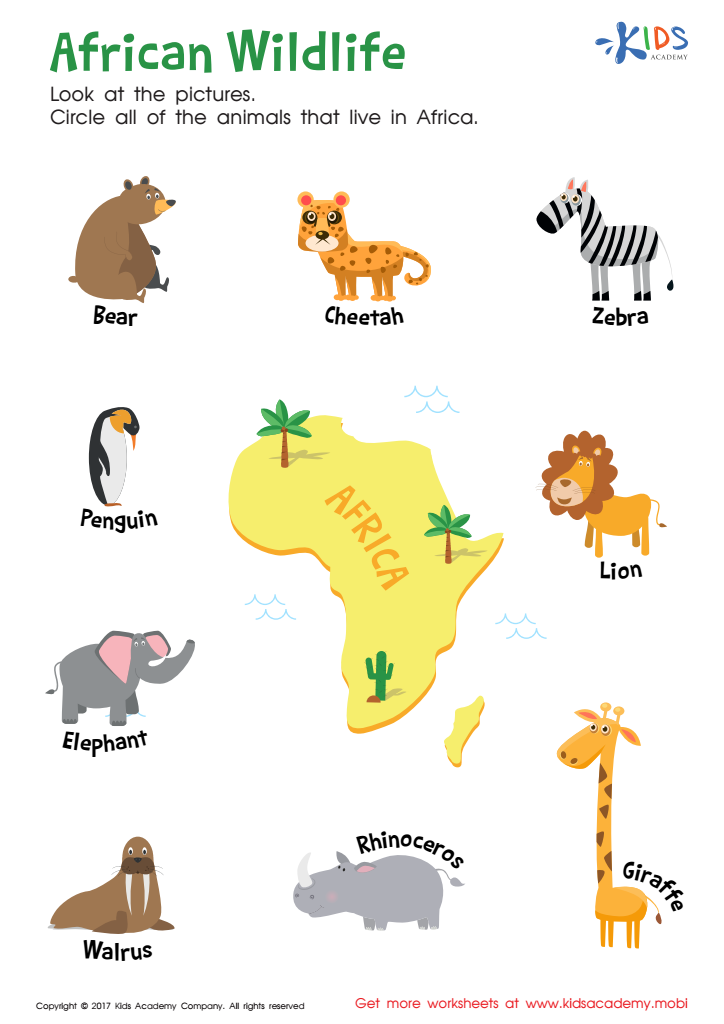
African Wildlife Printable Worksheet

African Wildlife Worksheet

African Wildlife Worksheet
Worksheet
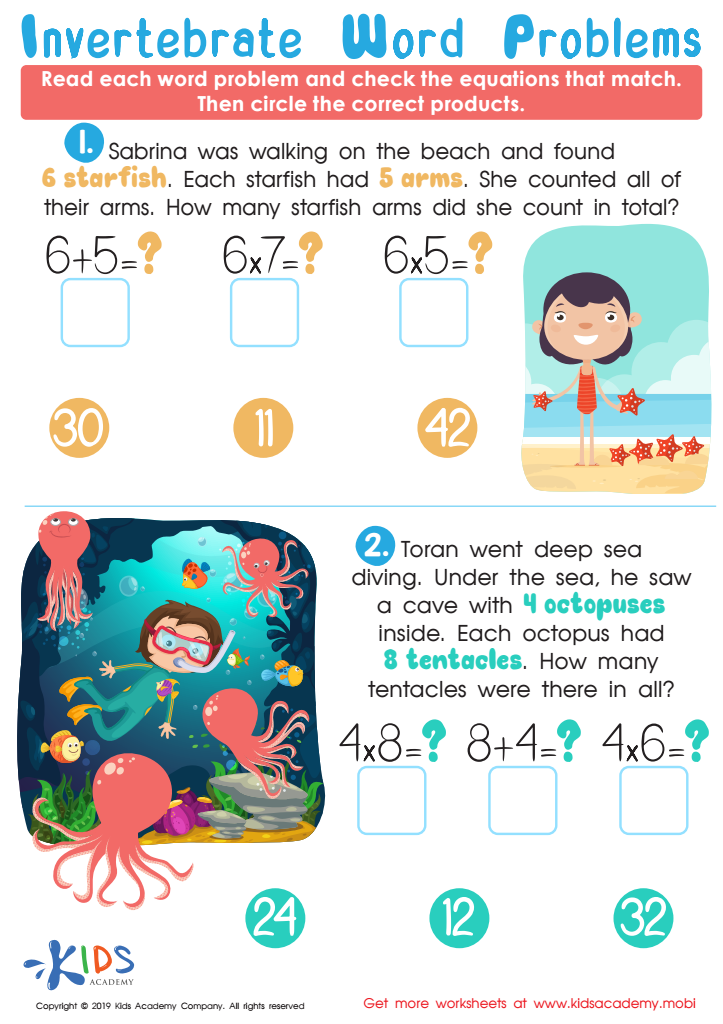
Invertebrate Problems Worksheet

Invertebrate Problems Worksheet

Mix math and science with fun word problems to explore invertebrates under the sea. Animals like starfish and octopus that don't have a backbone are invertebrates. Read word problems with your kids and use multiplication to work out the answer and see how many arms or tentacles they spotted!
Invertebrate Problems Worksheet
Worksheet
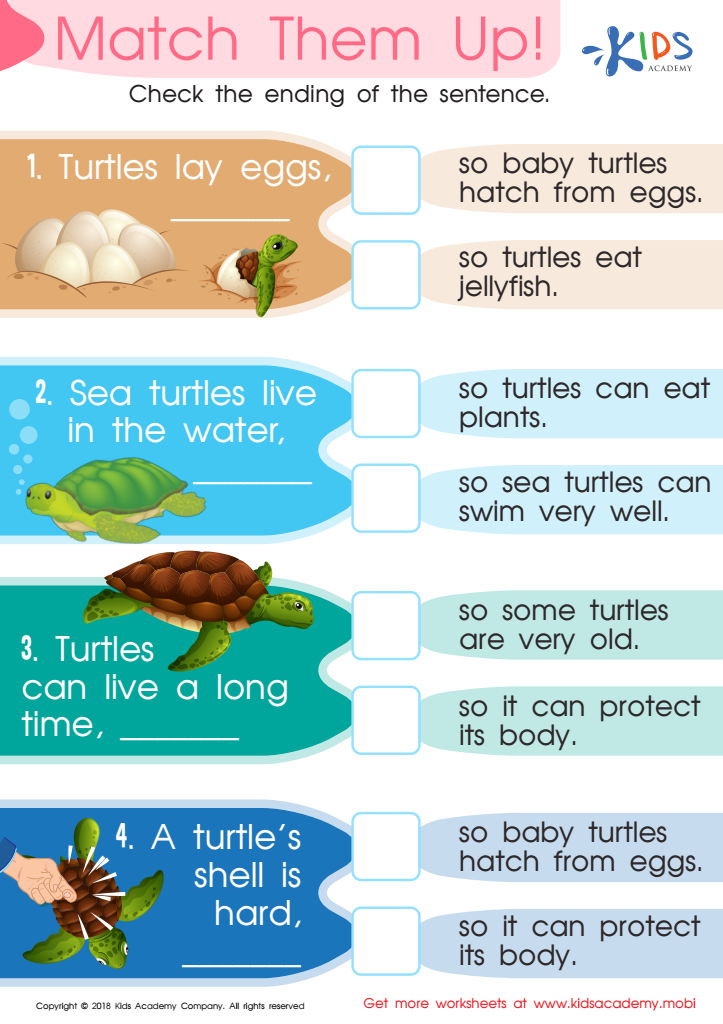
Match Them Up Worksheet

Match Them Up Worksheet

Reading offers a wealth of knowledge, but young readers may struggle to remember info from informational texts. Help your child practice comprehension with this fun turtle-related worksheet. Just read the sentence starters and select the correct ending from the options given. Check the box to indicate the right statement!
Match Them Up Worksheet
Worksheet
Check Memory Worksheet


Check Memory Worksheet

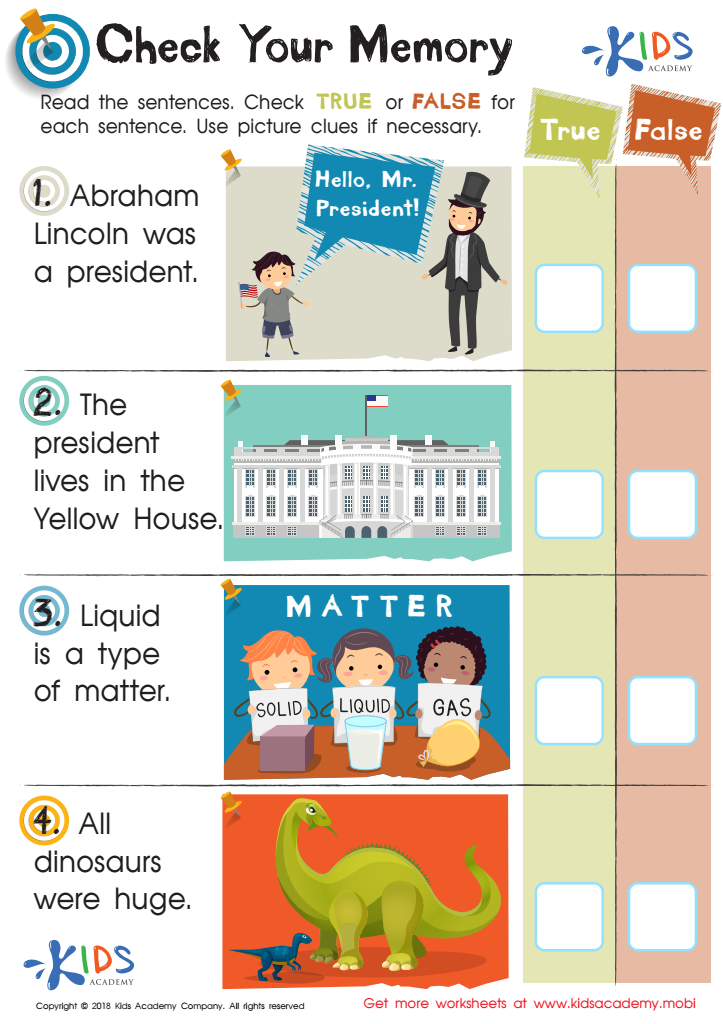
Assisting your kids with their homework and using worksheets is a great way for them to learn. The vibrant visuals in this printout can help stimulate the mind and motivate your child. Have them read the sentences and then point to the associated images. Afterwards, ask them to state True or False for each sentence. If they are still uncertain, offer them the picture clues to assist further.
Check Memory Worksheet
Worksheet


... 4 5

Teaching young children about plants and animals is vital for their holistic development and understanding of the world. Firstly, these lessons foster curiosity and wonder about nature, encouraging children to explore their surroundings. By observing different plants and animals, children learn to appreciate biodiversity, which is essential for environmental conservation.

Moreover, understanding plants and animals plays a crucial role in promoting responsibility and empathy. Caring for a plant or observing animals in their habitats helps children develop a sense of stewardship for Earth. It also cultivates respect for living beings, teaching them about life cycles, ecosystems, and the interdependence of various species.

Incorporating plants and animals into learning enhances critical skills such as observation, inquiry, and problem-solving. Hands-on activities, like planting seeds or caring for pets, engage children in experiential learning, making lessons more memorable and impactful.

Furthermore, lessons on plants and animals can be tied to health and nutrition, as children learn about the importance of food sources.

Ultimately, providing children with knowledge about the natural world lays the foundation for educated, compassionate adults who understand the significance of preserving the environment for future generations. Engaging with nature can spark a lifelong interest in science and conservancy.