Consonants Worksheets for Ages 5-8
34 filtered results
-
From - To
Enhance your child’s reading and writing skills with our engaging consonants worksheets, designed specifically for ages 5-8. These interactive resources help young learners identify, practice, and master consonants through fun activities that capture their imagination. From tracing exercises to matching games, our worksheets make learning enjoyable while reinforcing essential phonics skills. Ideal for home or classroom use, these teacher-approved printables support children in developing strong literacy foundations. Explore our extensive collection of colorful, age-appropriate worksheets that cater to various learning styles and boost confidence in early readers. Get started today and watch your child thrive in their literacy journey!
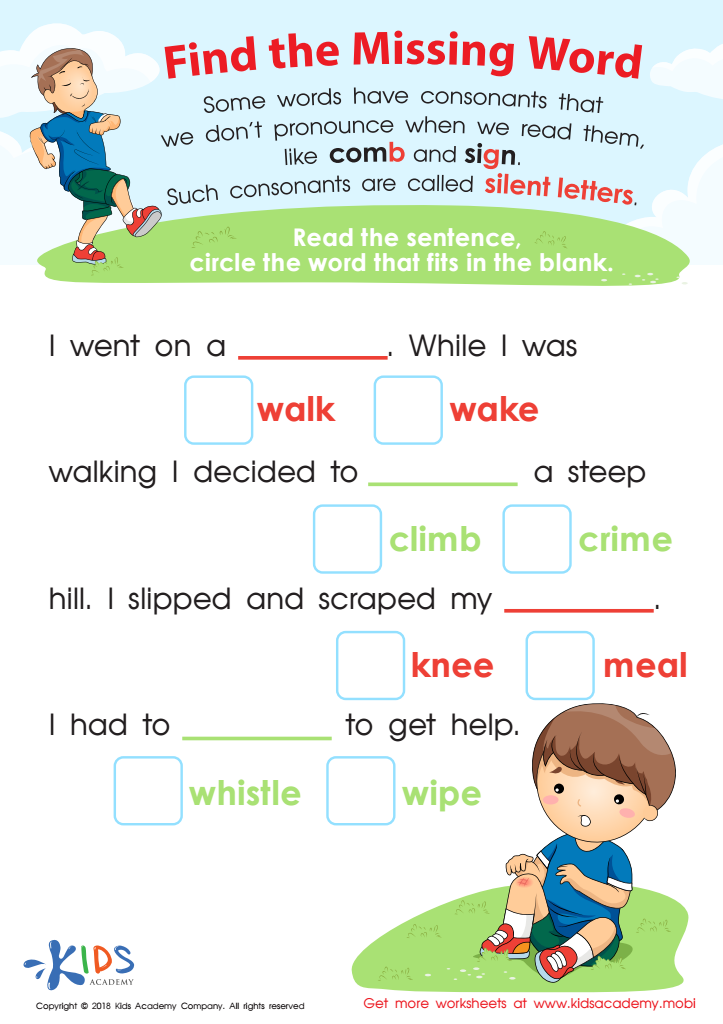
Find The Missing Word Worksheet
 Assign to My Students
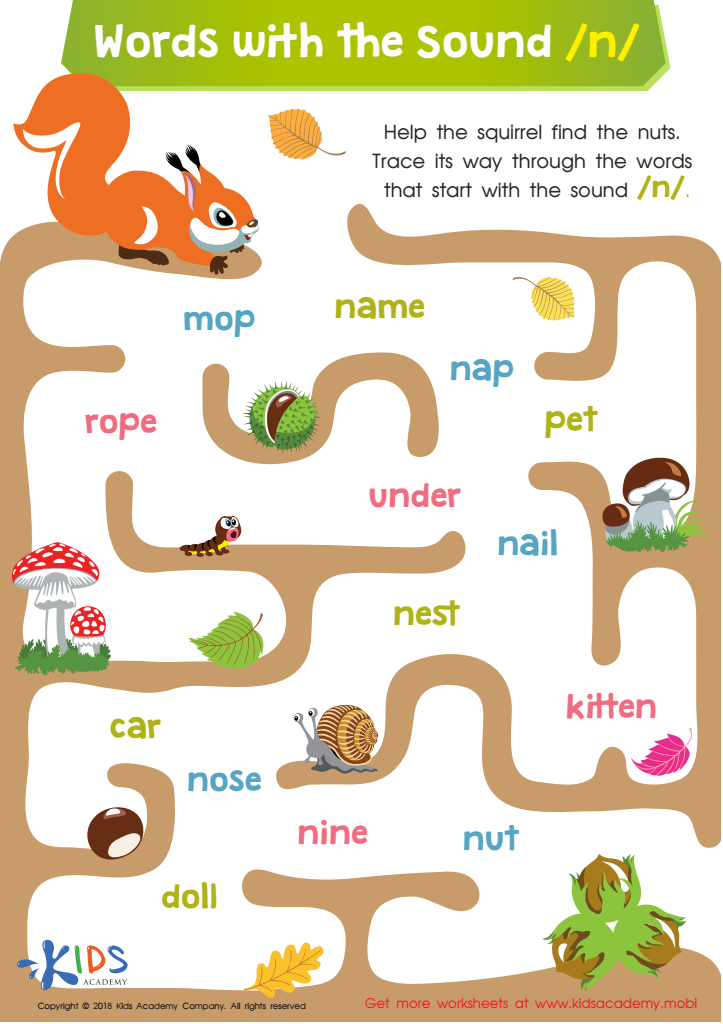
Words with Sound N Reading Worksheet
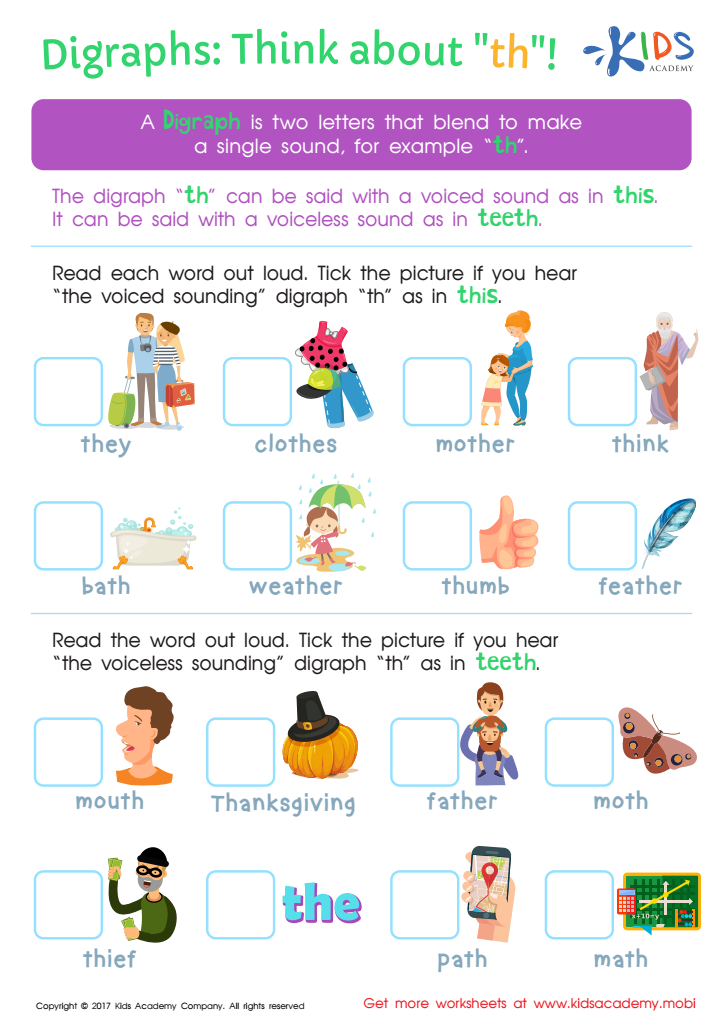
Digraphs: Think About "th" Worksheet
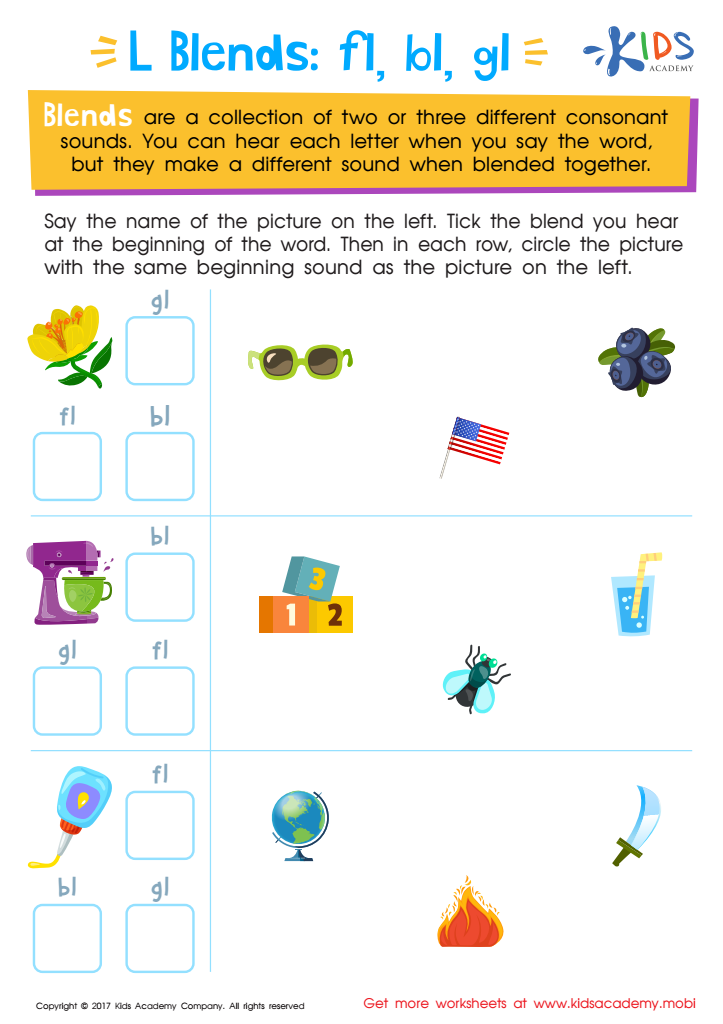
Blending Consonants: "Fl", "Bl" and "Gl" Printable
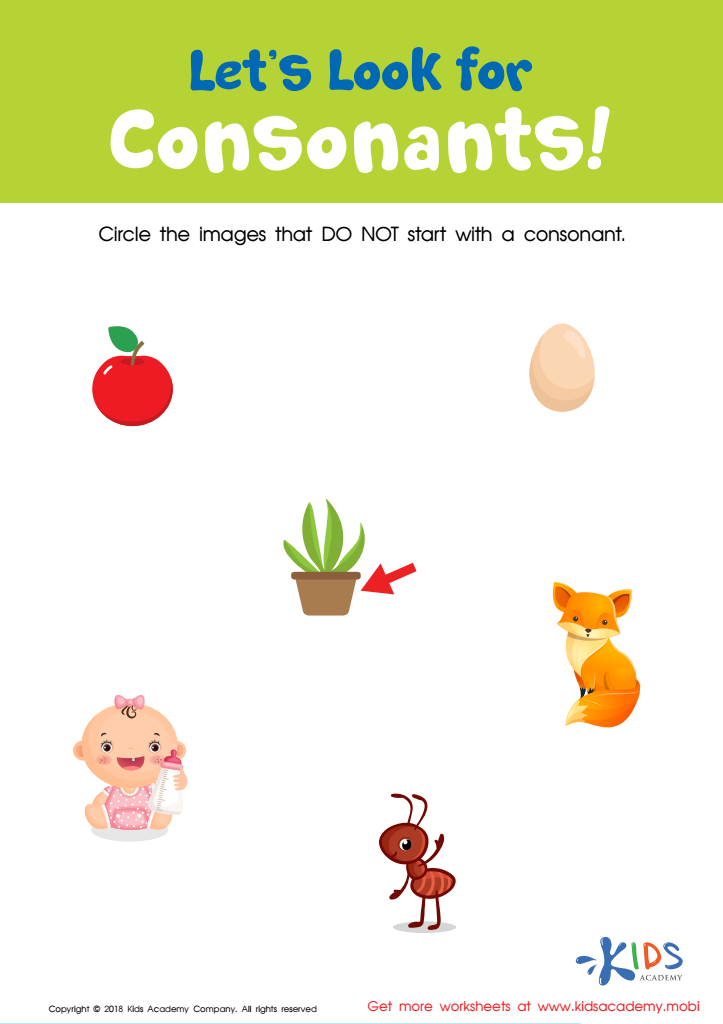
Let's Look for Consonants Worksheet
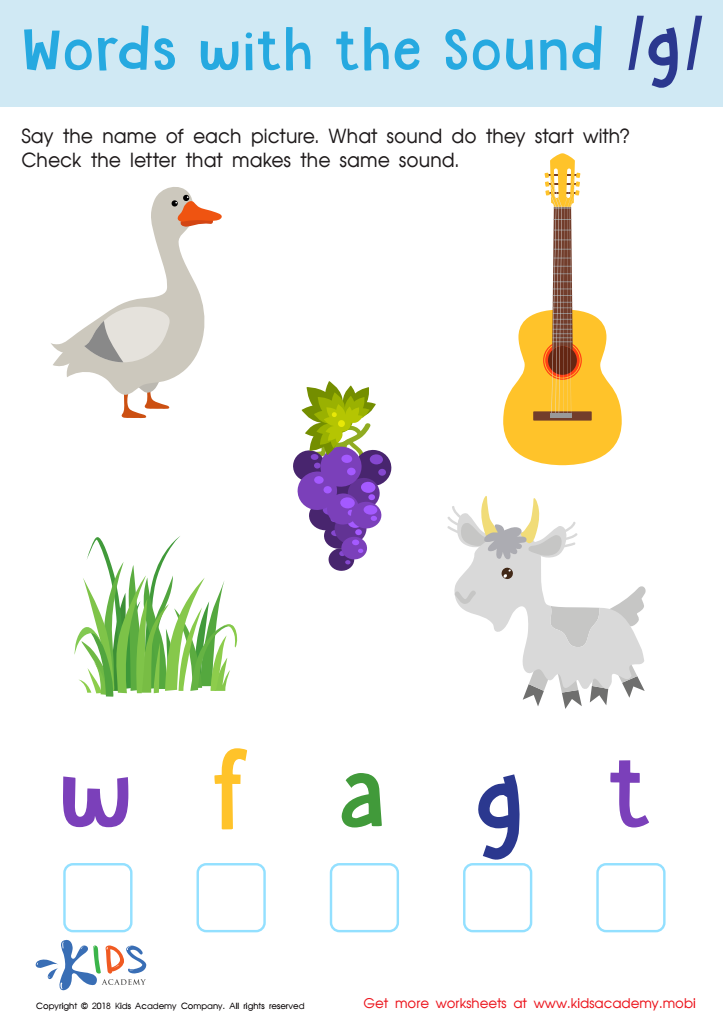
Words with sound g Reading Worksheet
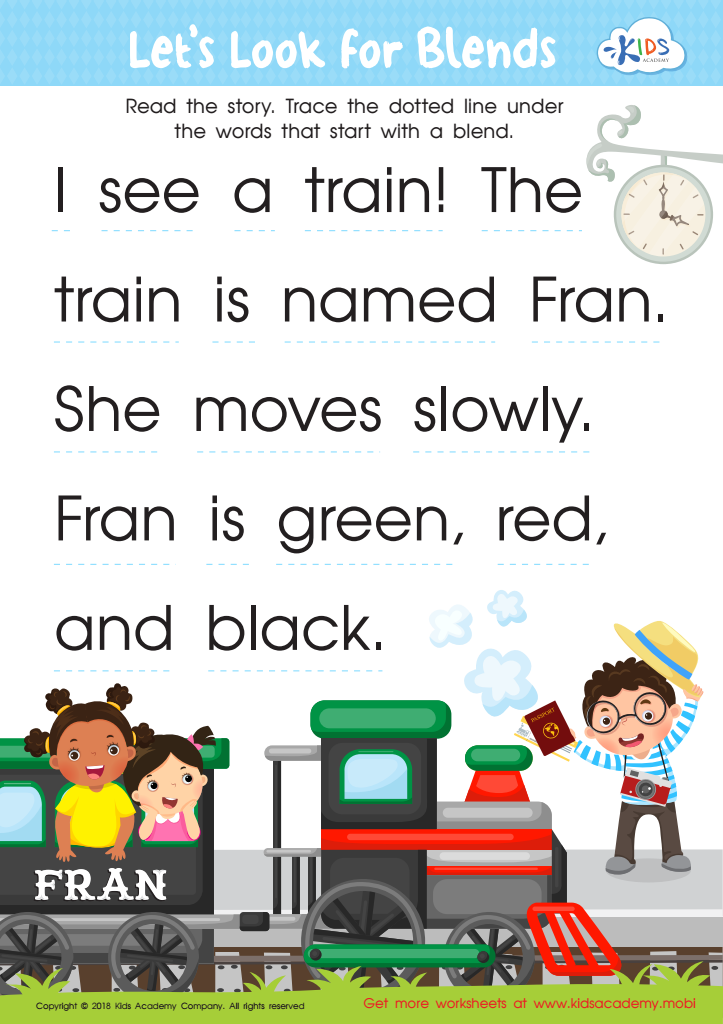
Let's Look for Blends Worksheet
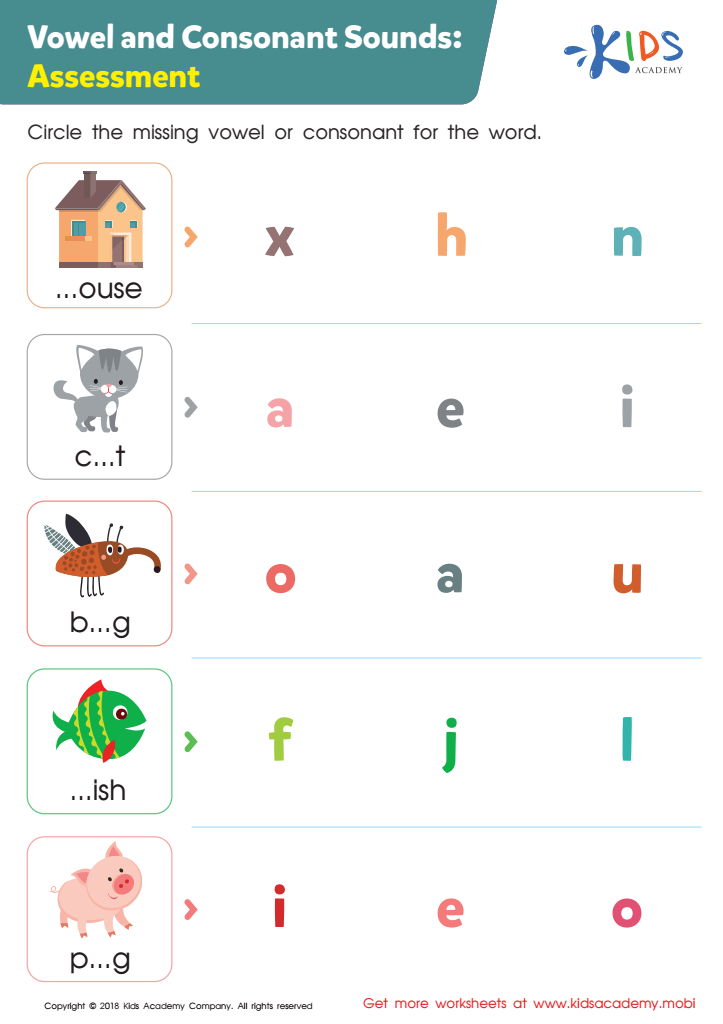
Vowel and Consonant Sounds: Assessment Worksheet
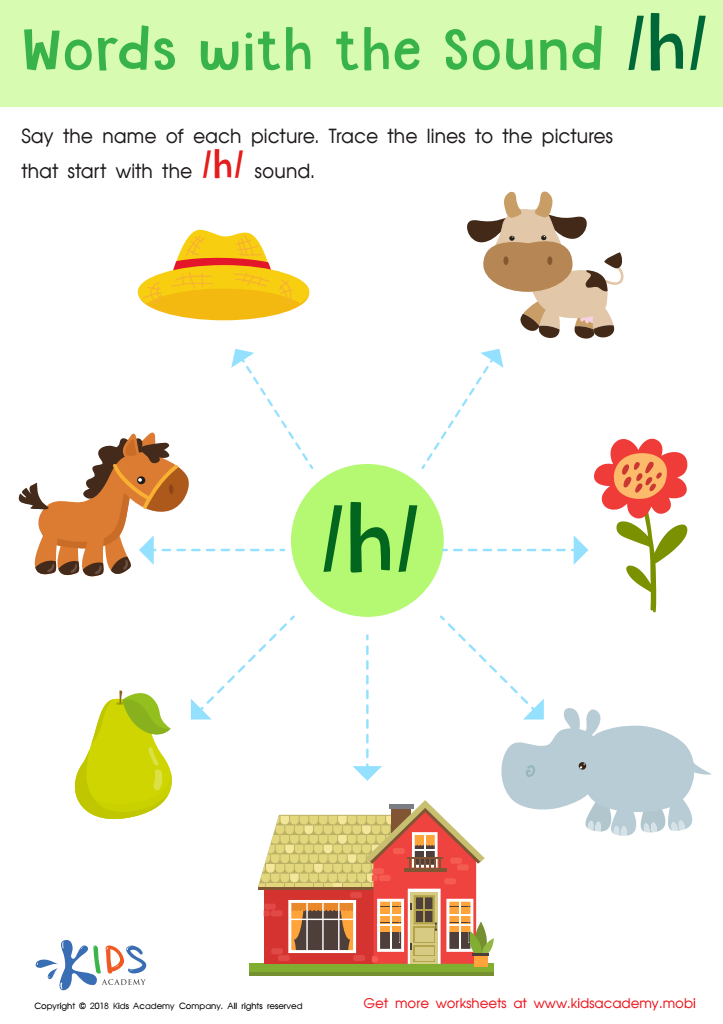
Words with sound h Reading Worksheet
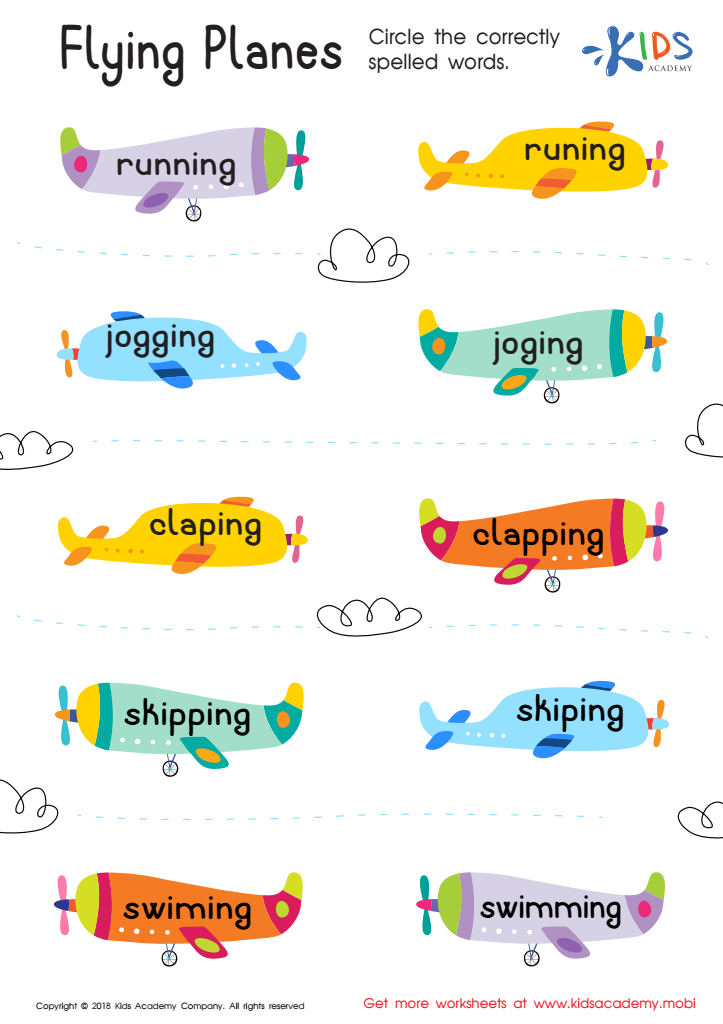
Flying Planes Worksheet
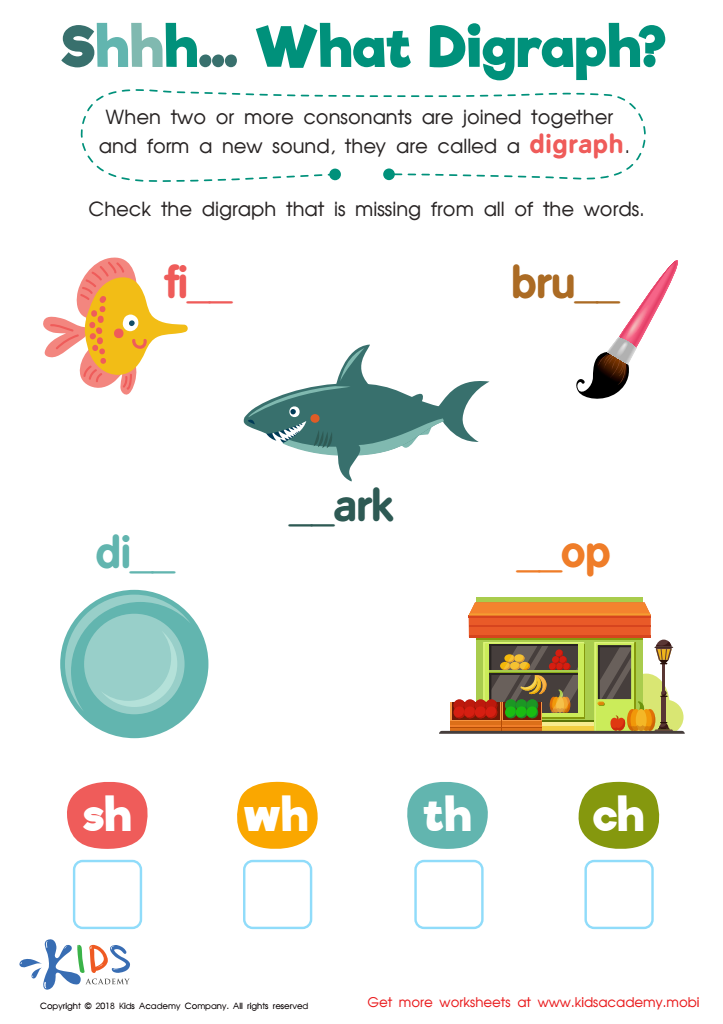
Shhh... What Digraph? Worksheet
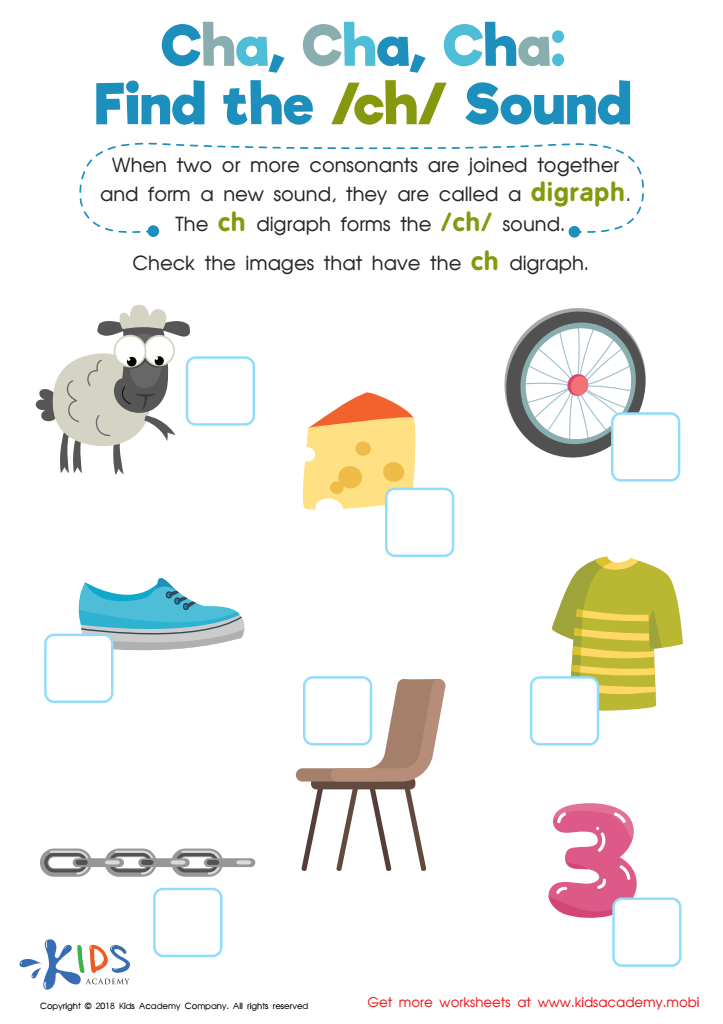
Cha, Cha, Cha: Find the /Ch/ Sound Worksheet
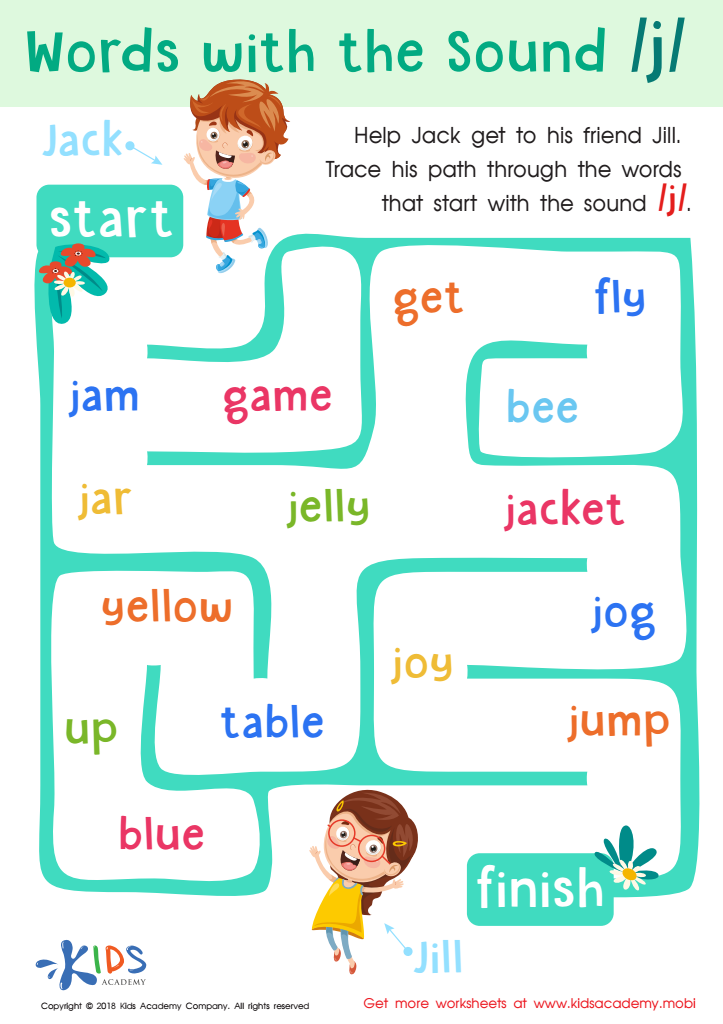
Words with sound j Reading Worksheet
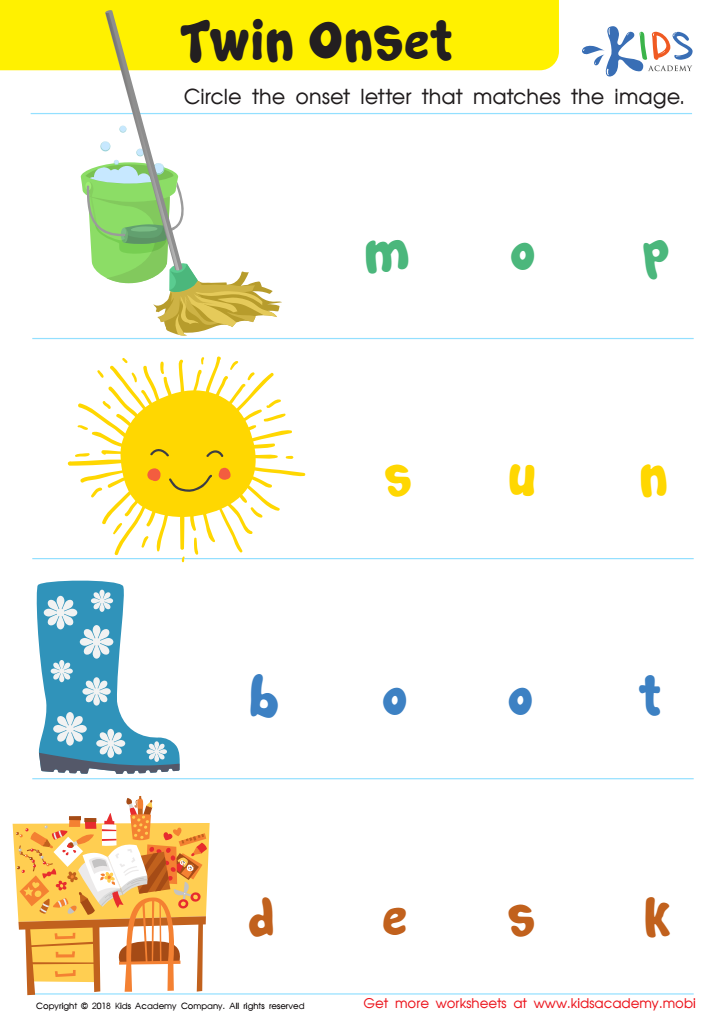
Twin Onset Worksheet
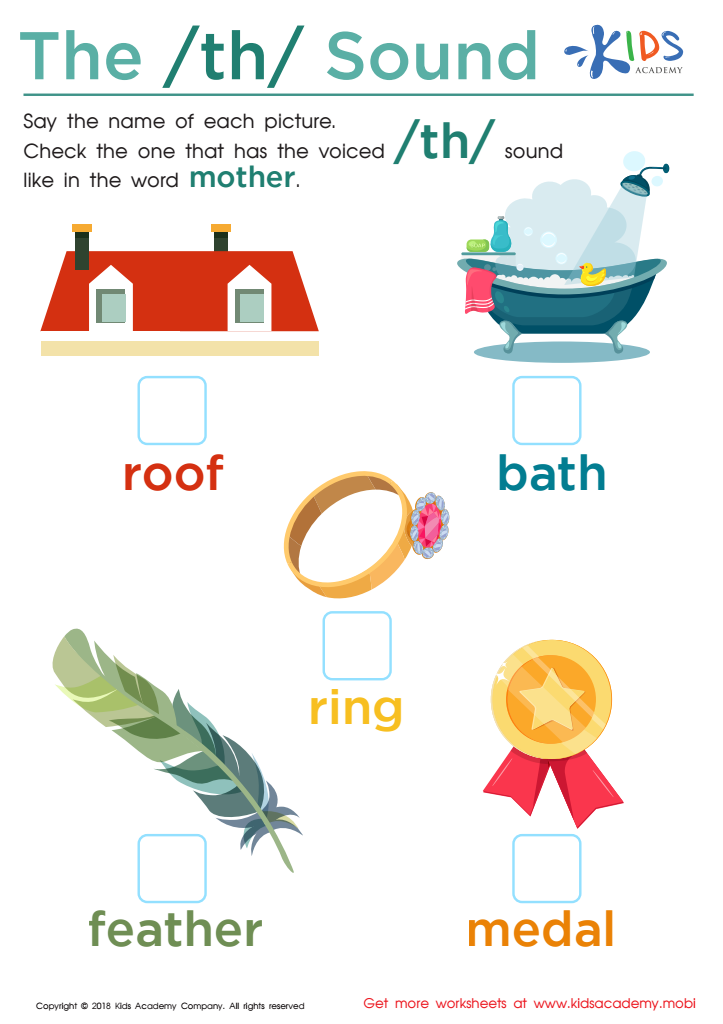
The /th/ Sound Worksheet
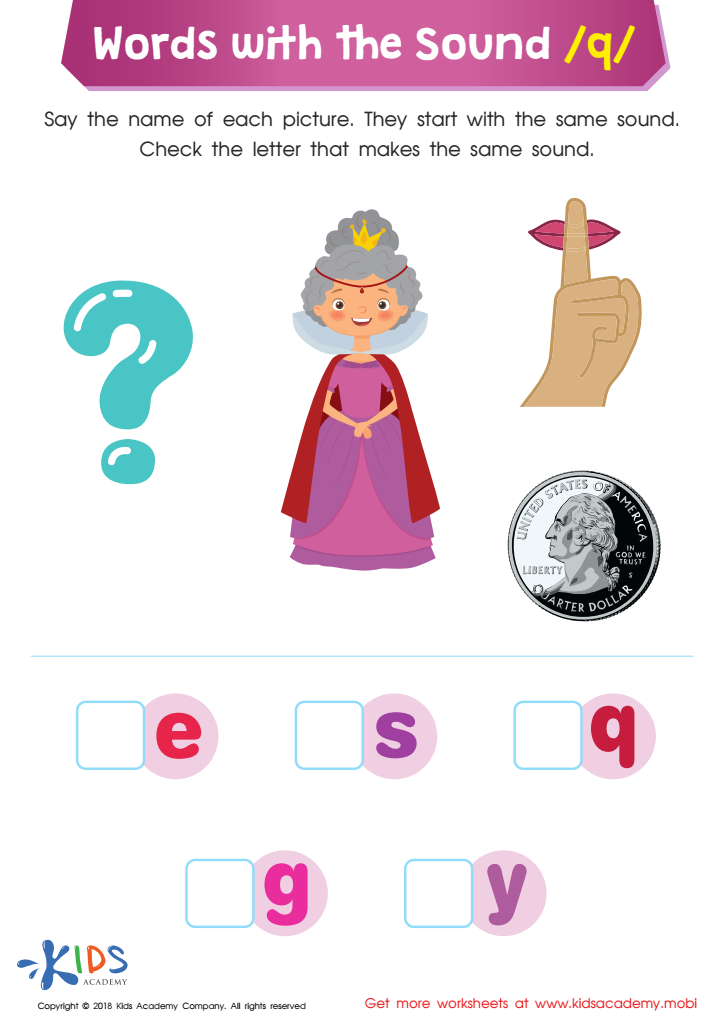
Words with Sound Q Reading Worksheet
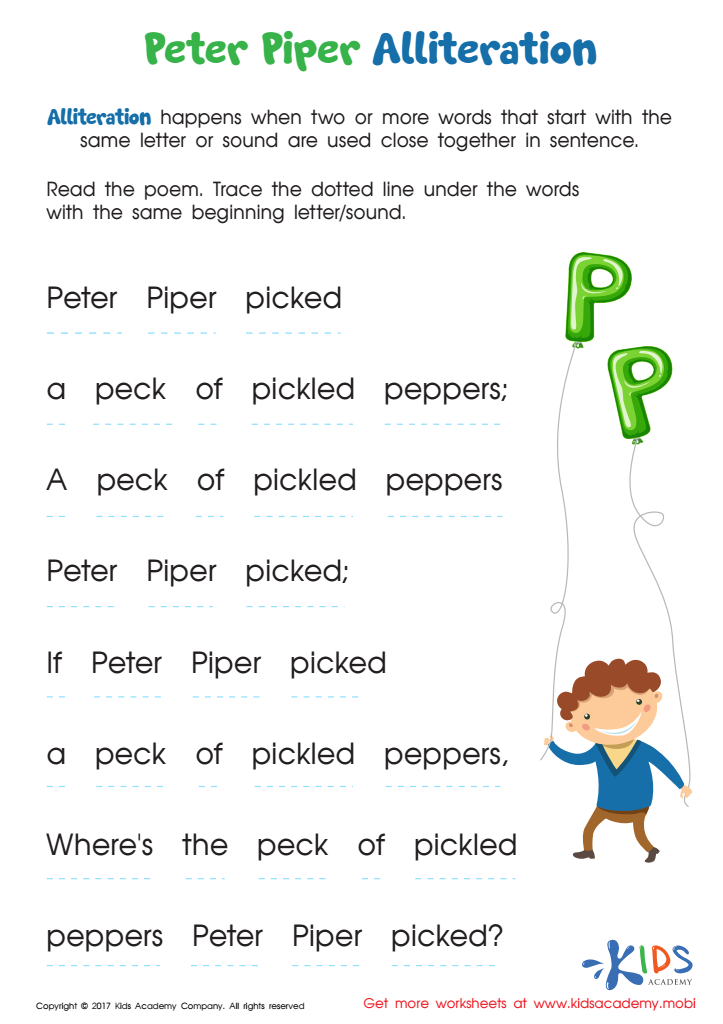
Peter Piper Alliteration Worksheet
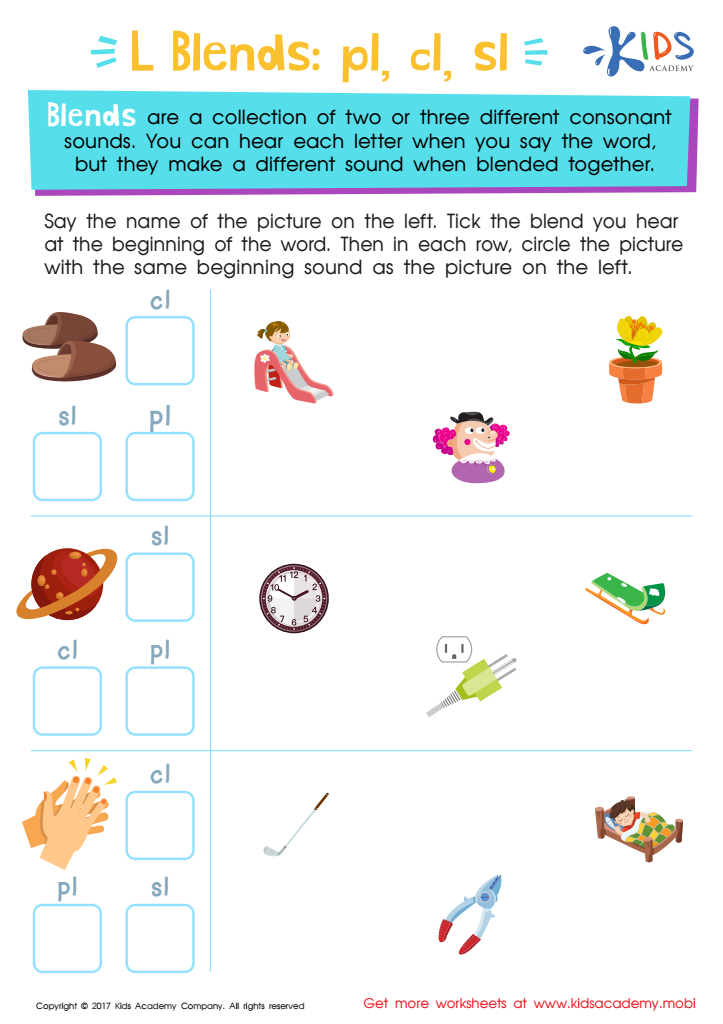
L Blends: "Pl", "Cl" and "Sl" Printable
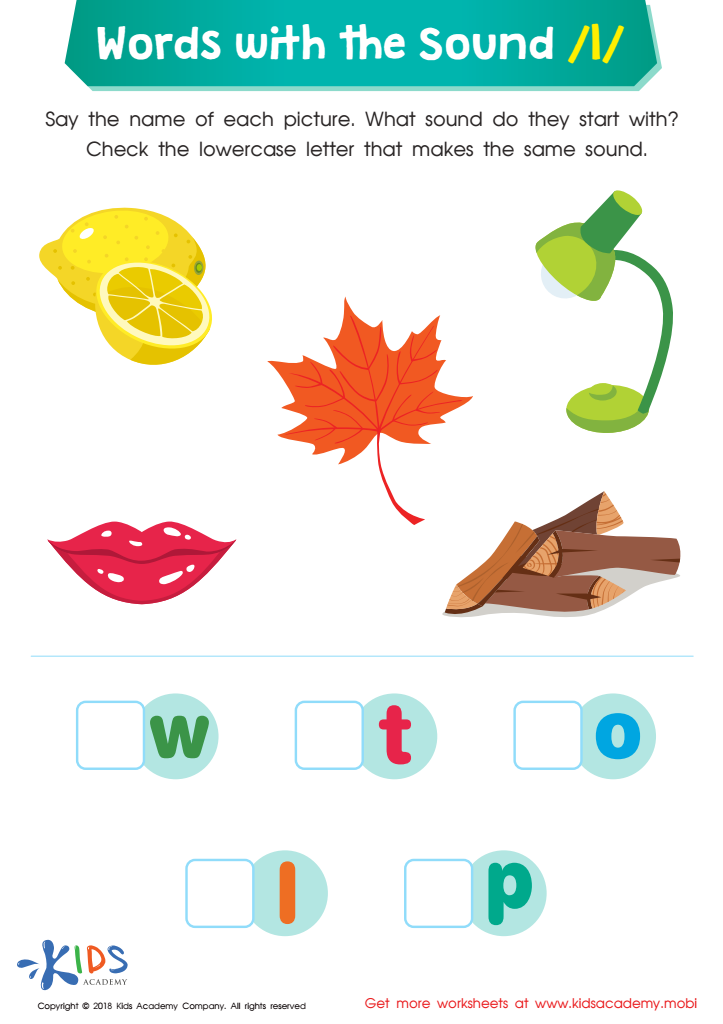
Words with Sound L Reading Worksheet
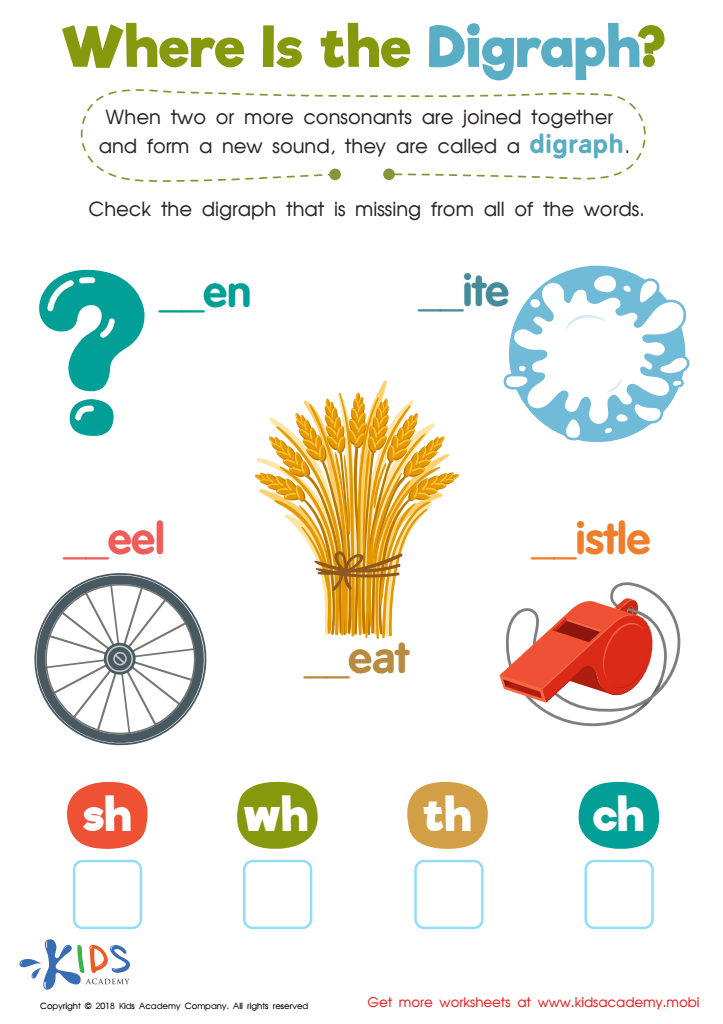
Where Is the Digraph? Worksheet
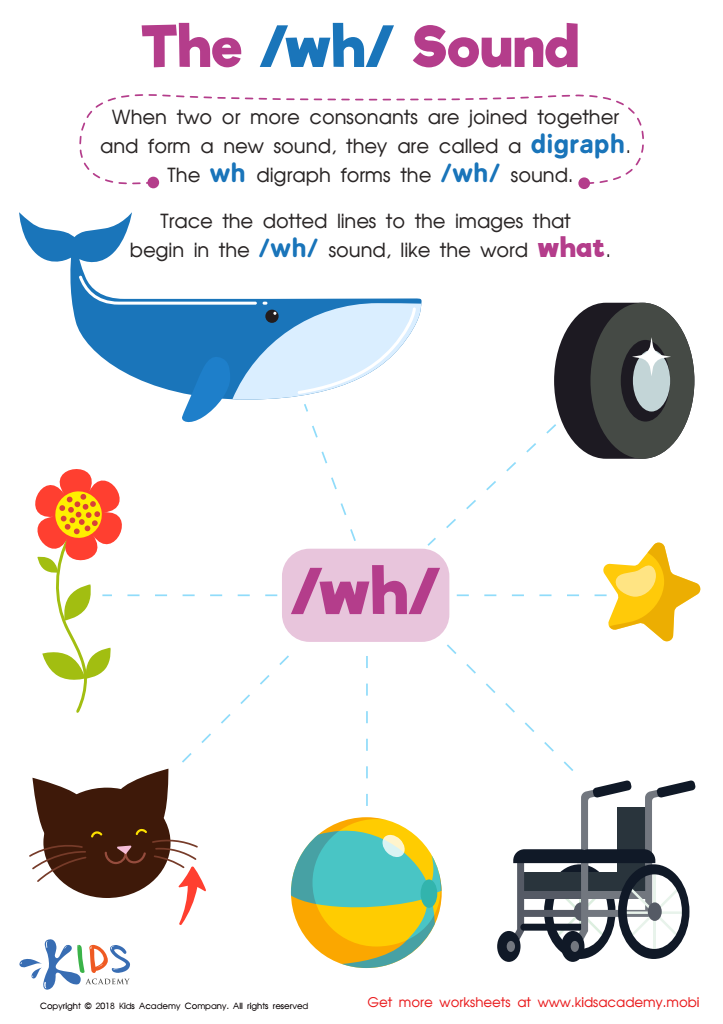
The /wh/ Sound Worksheet
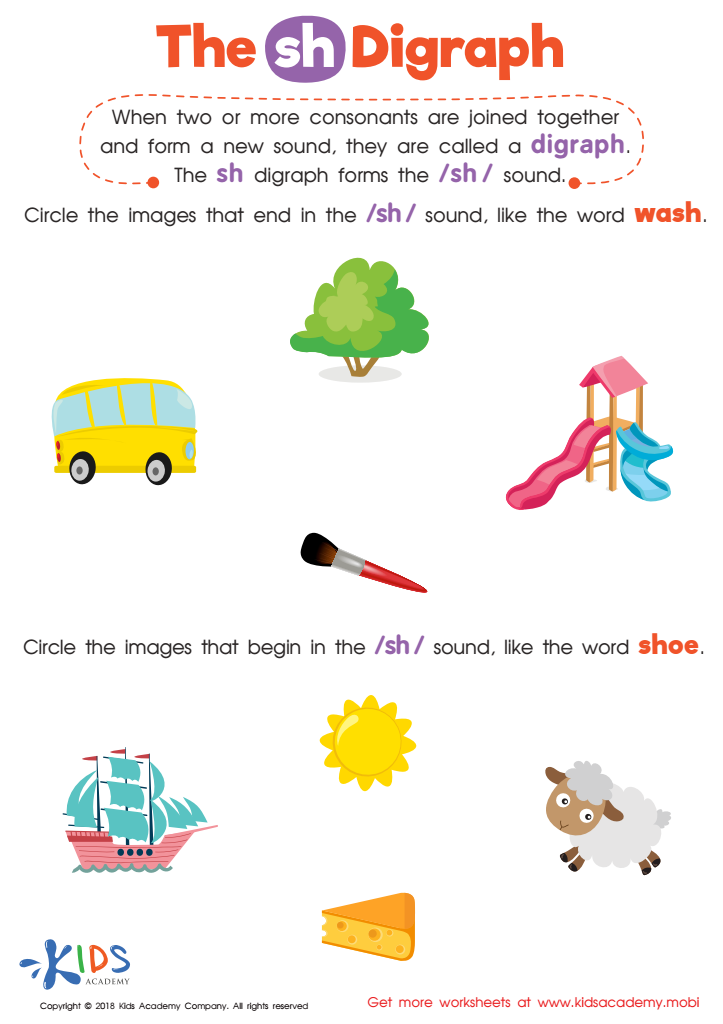
The SH Digraph Worksheet
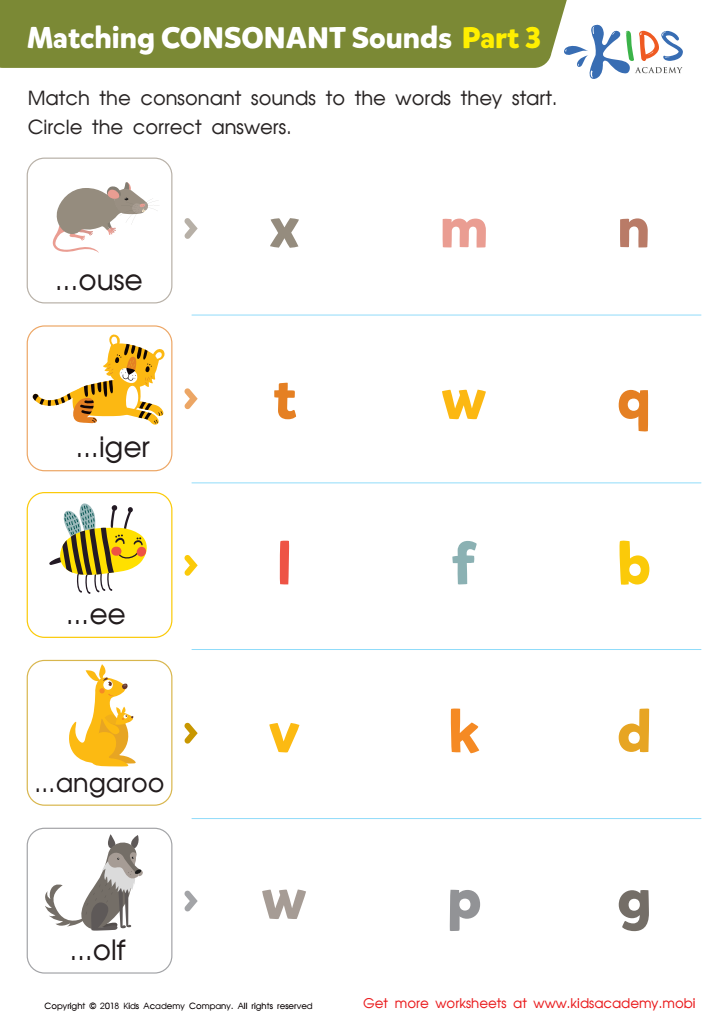
Matching Consonant Sounds: Part 3 Worksheet
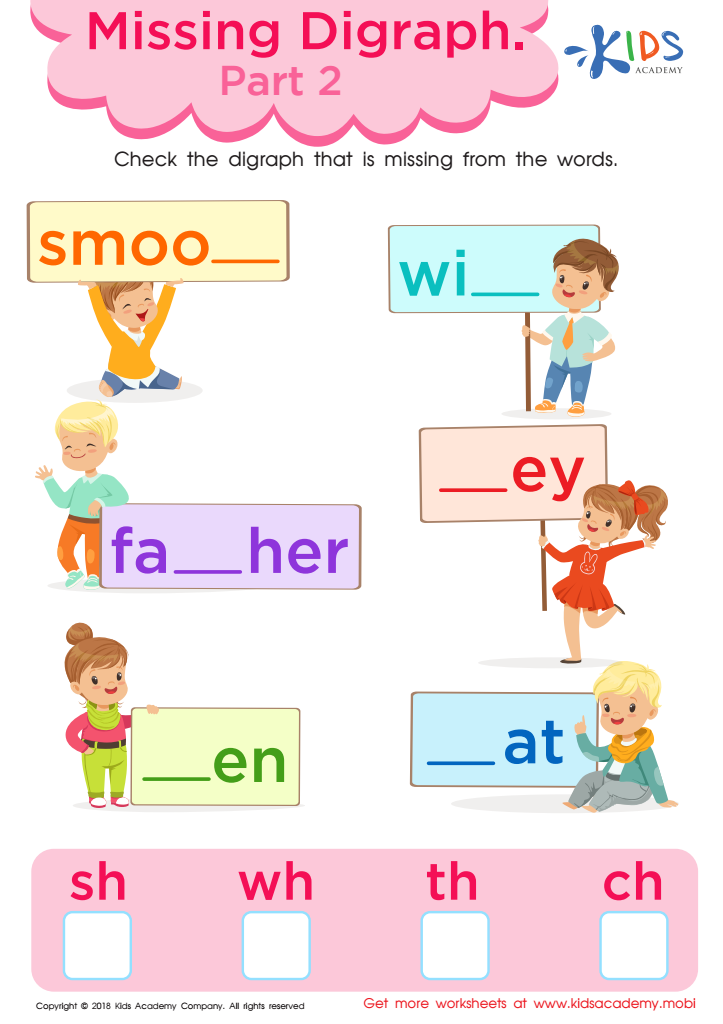
Missing Digraph: Part 2 Worksheet



Learning consonants is crucial for children aged 5-8, as it forms the foundation of reading and writing skills. At this age, children are rapidly developing their language abilities, and a solid understanding of consonants is essential for phonemic awareness. Consonants are the building blocks of words, forming the structure that, when combined with vowels, creates the language we use for communication.
Parents and teachers should care about consonant instruction for several reasons. First, recognizing and pronouncing consonants helps children decode words, leading to improved reading fluency. Mastery of consonants enables children to segment and blend sounds, crucial skills for reading and spelling.
Moreover, early mastery of consonants enhances vocabulary acquisition. As children learn new words, a strong foundation in consonants helps them identify and differentiate words, facilitating more effective language use.
Additionally, consistent exposure to consonants aids in the development of writing skills. Children learn to construct words and sentences, which fosters creativity and self-expression.
Ultimately, focusing on consonant knowledge lays the groundwork for academic success in literacy and fosters a lifelong love for reading and writing—competencies essential for success in today’s world. Engaging with consonants not only supports literacy but also boosts children’s self-confidence in their abilities.







