Geometry Worksheets for Ages 5-8 - Page 9
198 filtered results
-
From - To
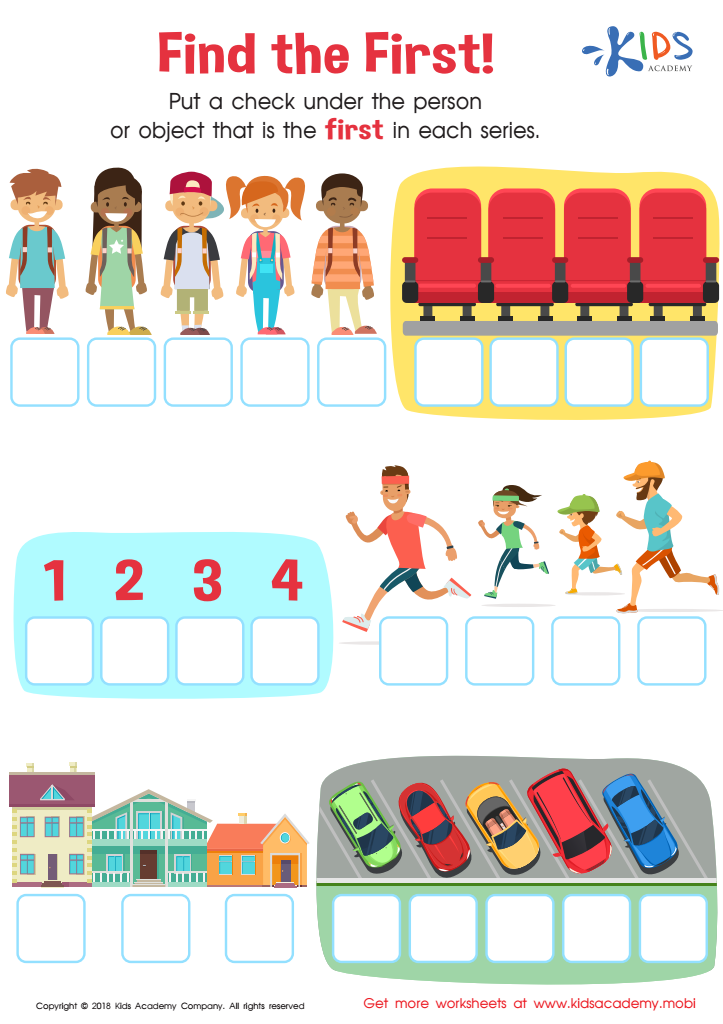
Find the First! Worksheet
 Assign to My Students











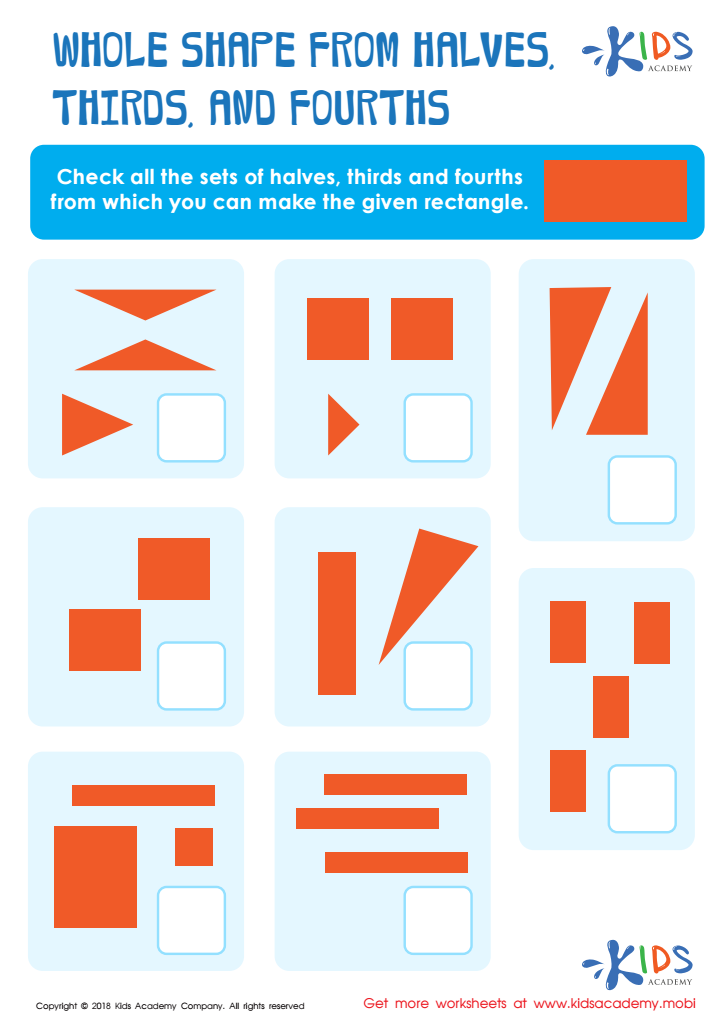
Whole Shape from Halves, Thirds and Fourths Worksheet
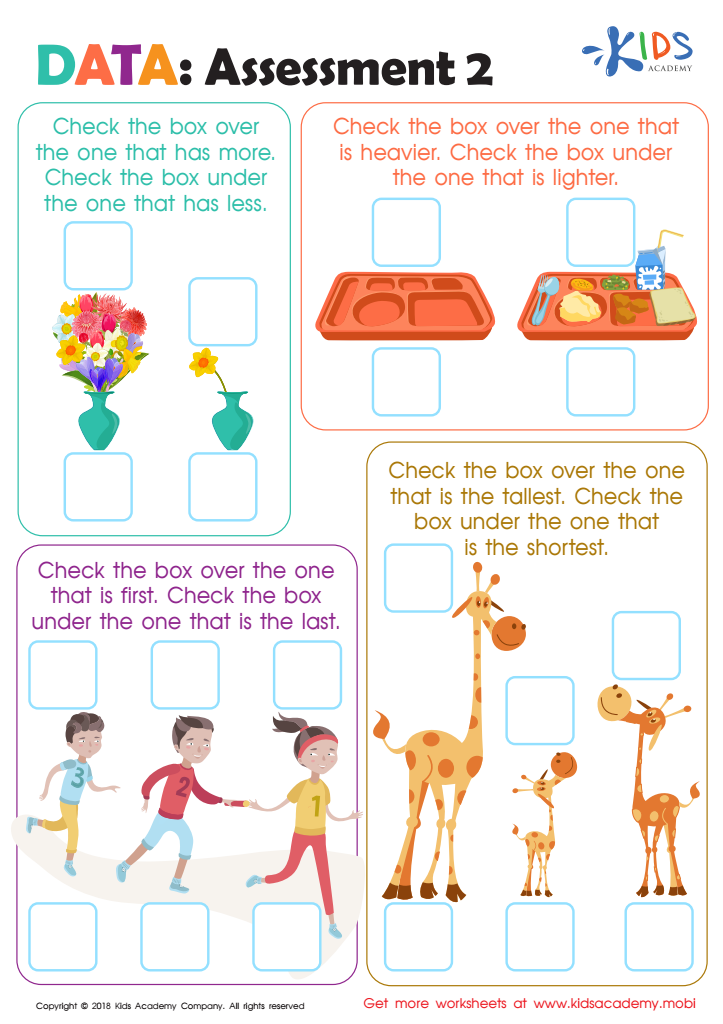
Data: Assessment 2 Worksheet
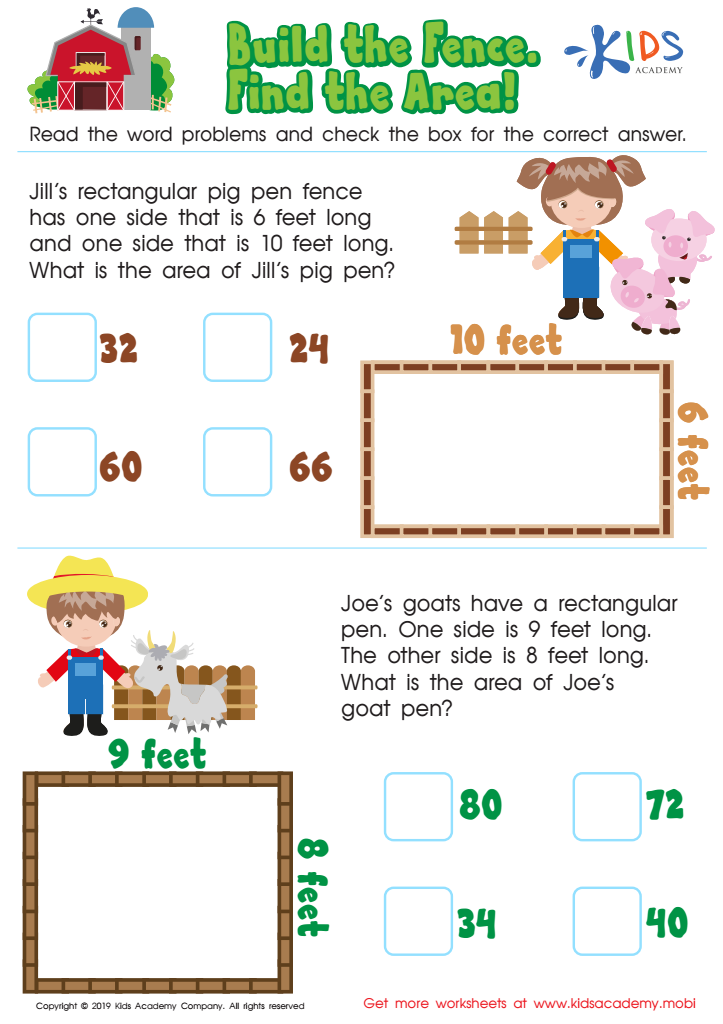
Build the Fence, Find the Area Worksheet
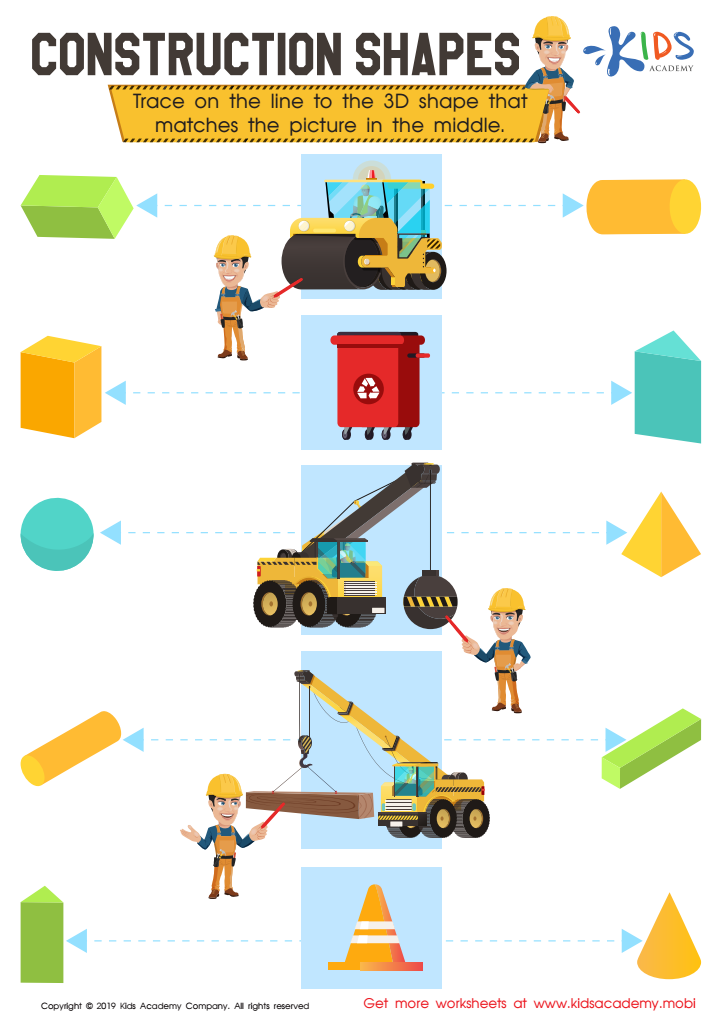
Construction Shapes Worksheet
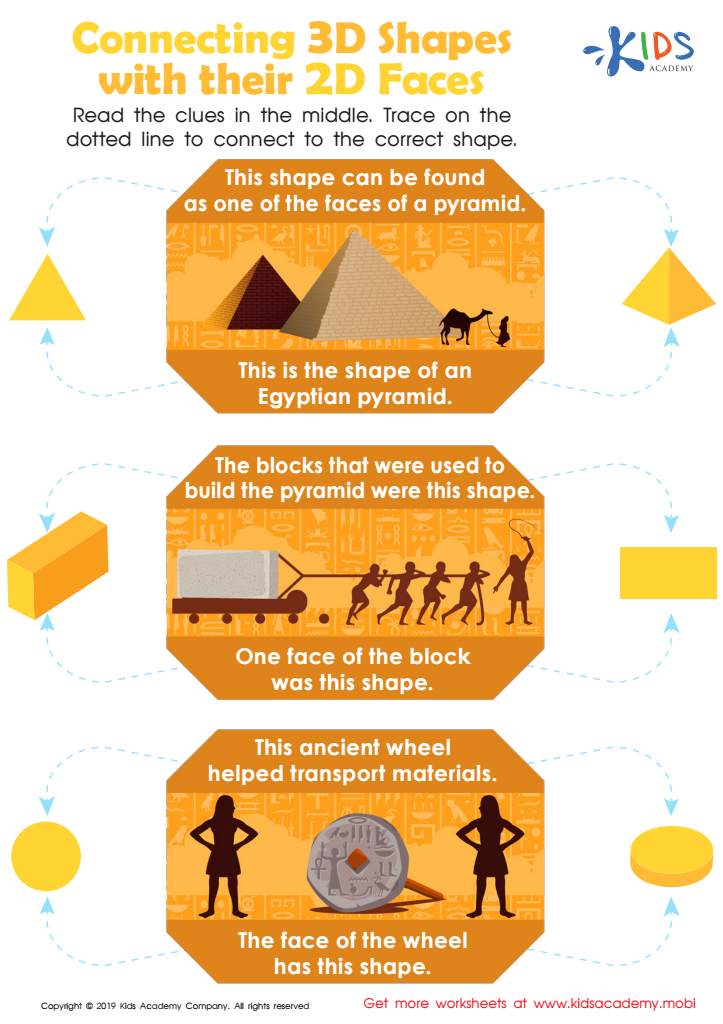
Connecting 3D Shapes with Their 2d Faces Worksheet








Geometry is a fundamental branch of mathematics that lays the groundwork for a child's understanding of the world. For children aged 5 to 8, learning about shapes, sizes, and spatial relationships is crucial when developing critical thinking and problem-solving skills. Engaging with geometry fosters not only mathematical abilities but also enhances creativity and spatial reasoning.
Parents and teachers should prioritize geometry in early education for several reasons. Firstly, children learn to identify and categorize shapes, which helps build a strong foundation in pattern recognition – a critical skill that supports later mathematical learning. Secondly, geometric concepts encourage exploration and discovery, promoting curiosity and a love of learning.
Additionally, geometry is intertwined with everyday life. Understanding areas and volumes, for instance, aids in real-life scenarios such as cooking or crafting. Beyond academics, geometry enhances fine motor skills through activities such as drawing shapes and constructing objects.
Ultimately, fostering an early appreciation for geometry encourages a holistic approach to education, allowing children to connect different concepts and develop a positive attitude towards mathematics. By investing in geometry education at this young age, parents and teachers can better prepare students for future academic success and enhance their overall cognitive development.








