Geography Worksheets for Ages 5-8 - Page 2
60 filtered results
-
From - To
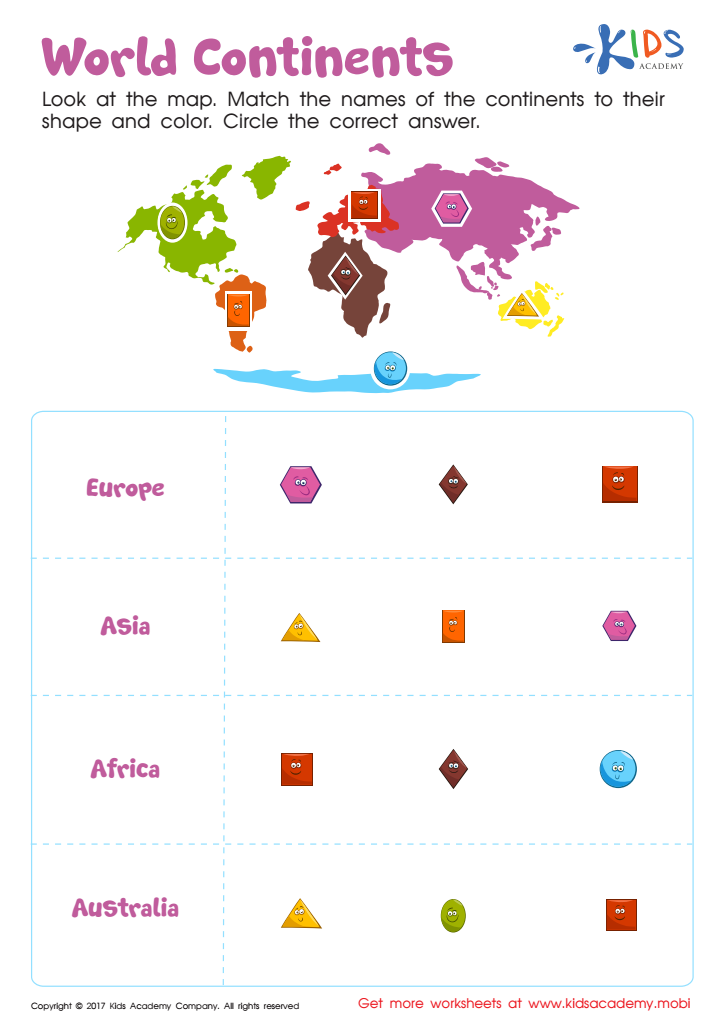
World Continents Worksheet
 Assign to My Students
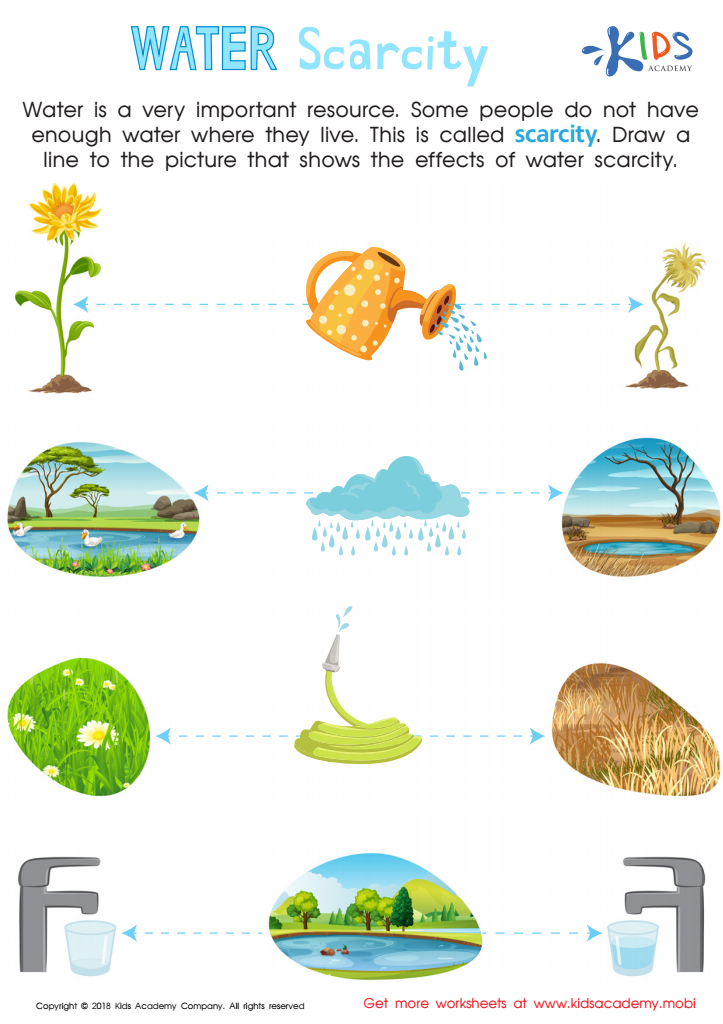
Water Scarcity Worksheet
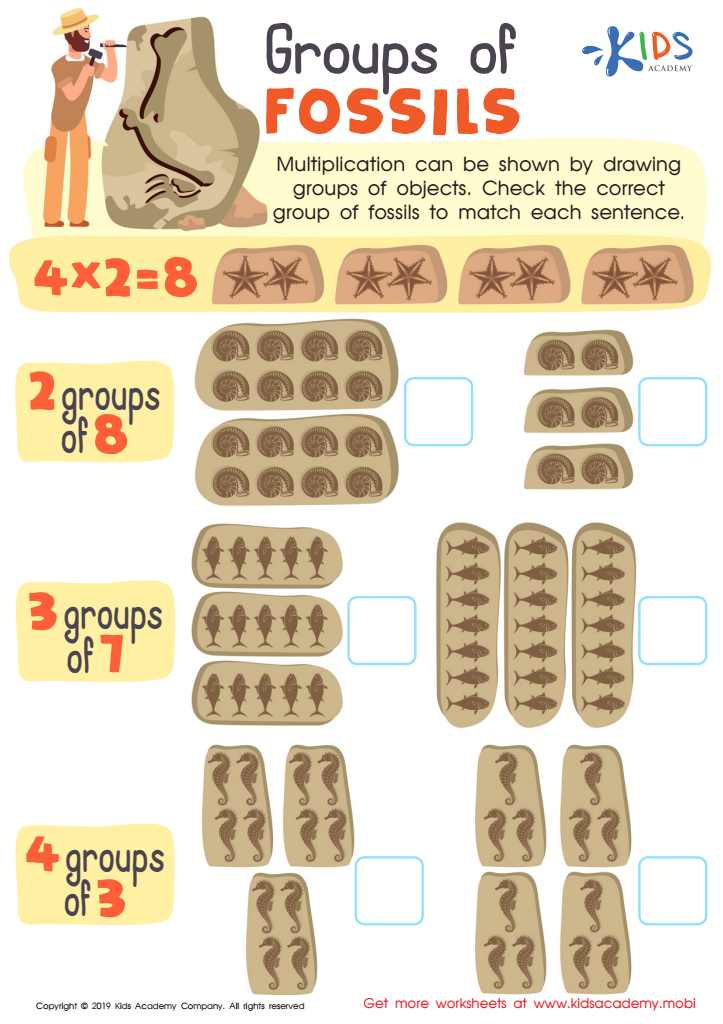
Groups of Fossils Worksheet
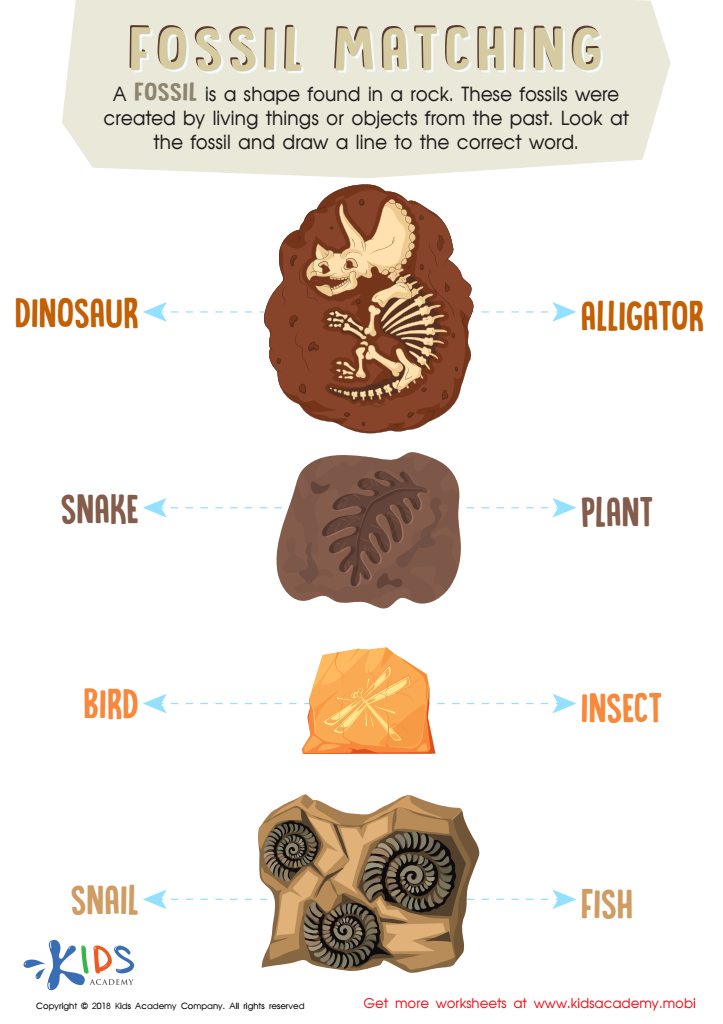
Fossil Matching Worksheet
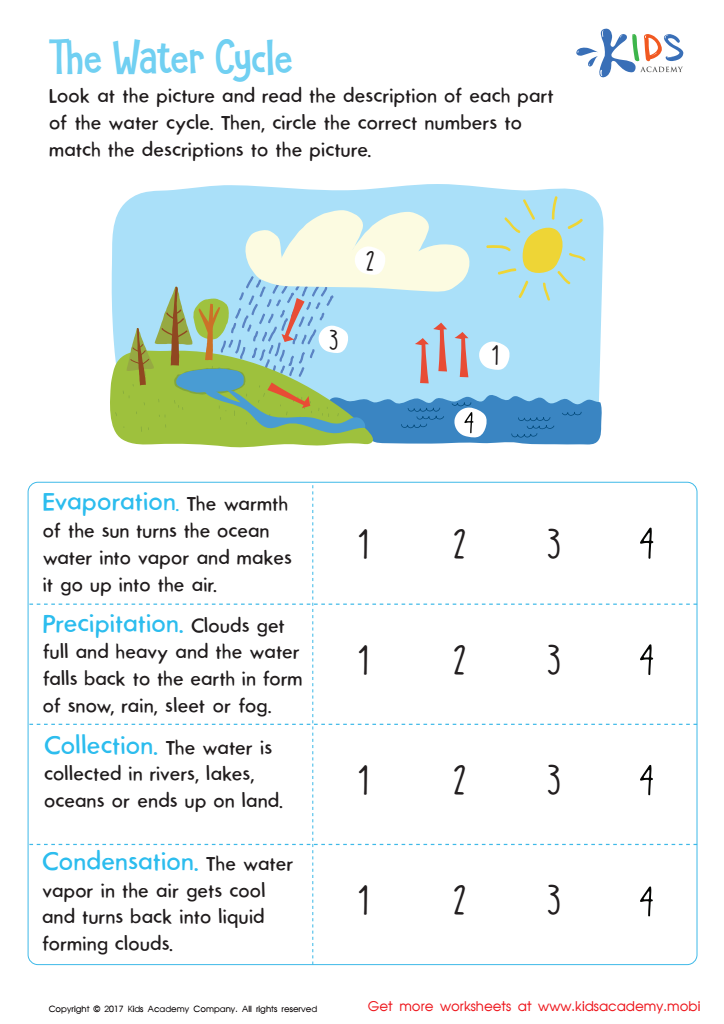
The Water Cycle Worksheet
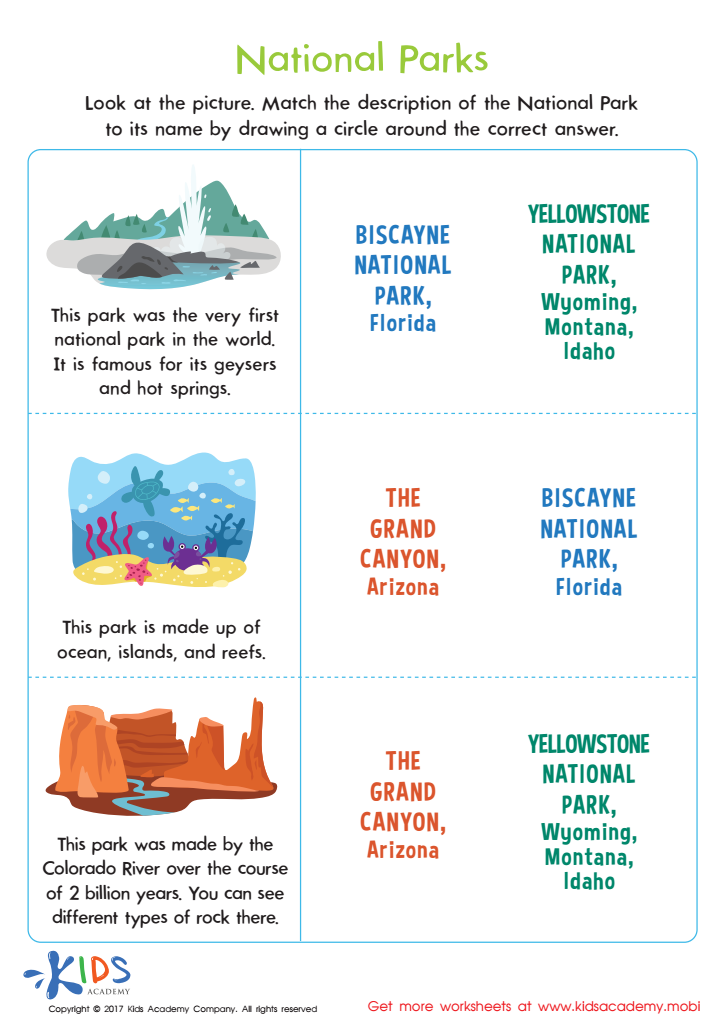
National Parks Printable
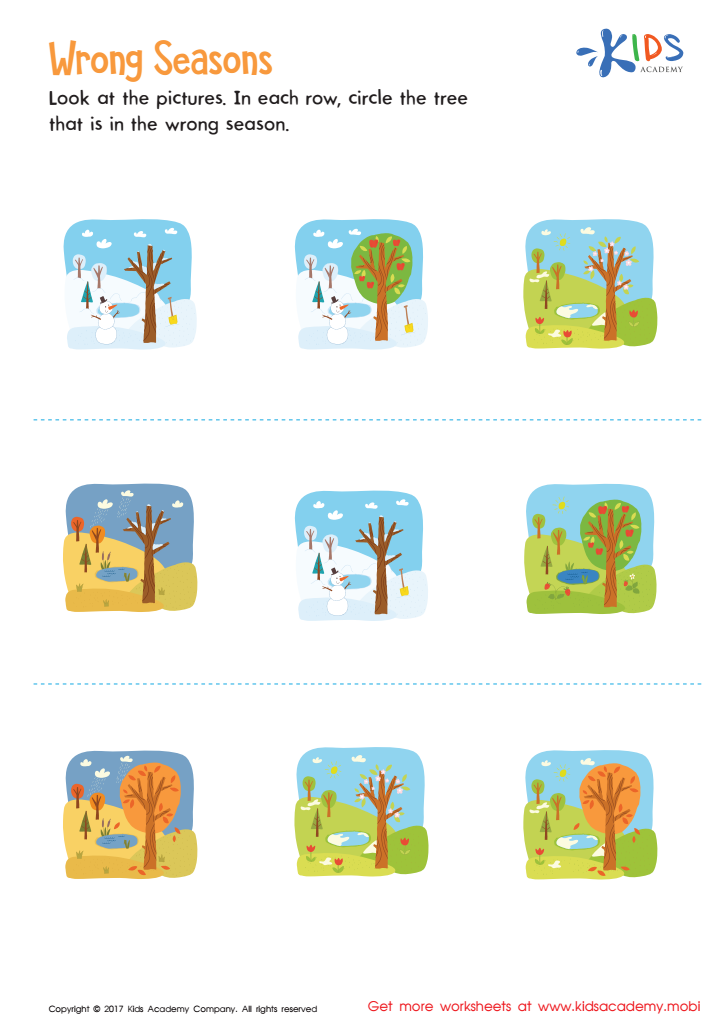
Wrong Seasons Worksheet
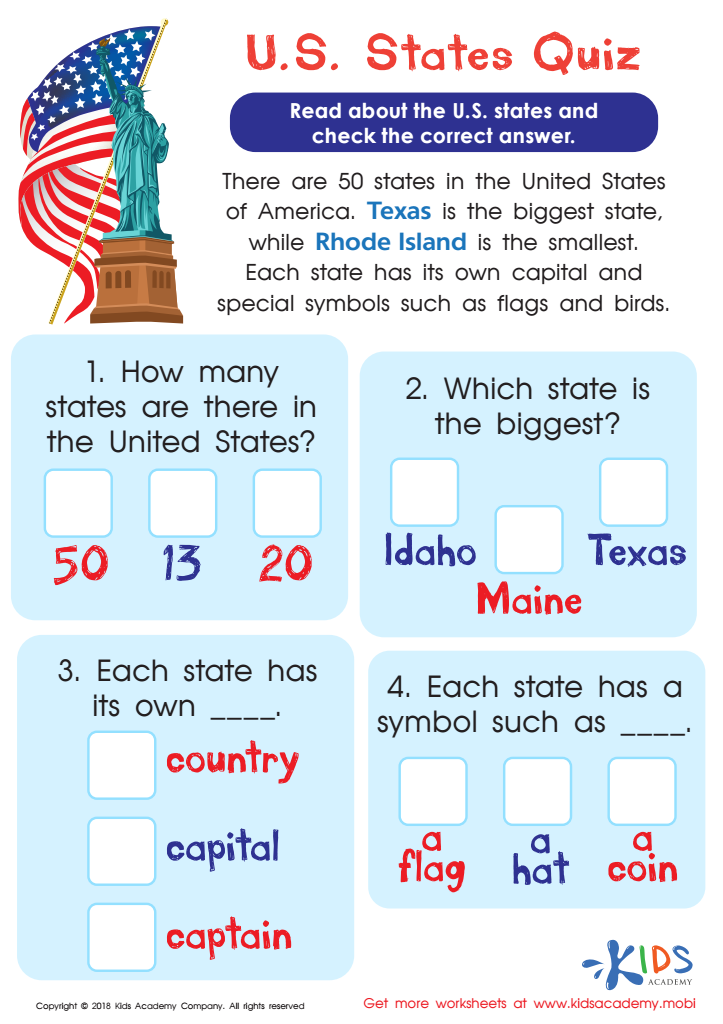
U.S. States Quiz Worksheet
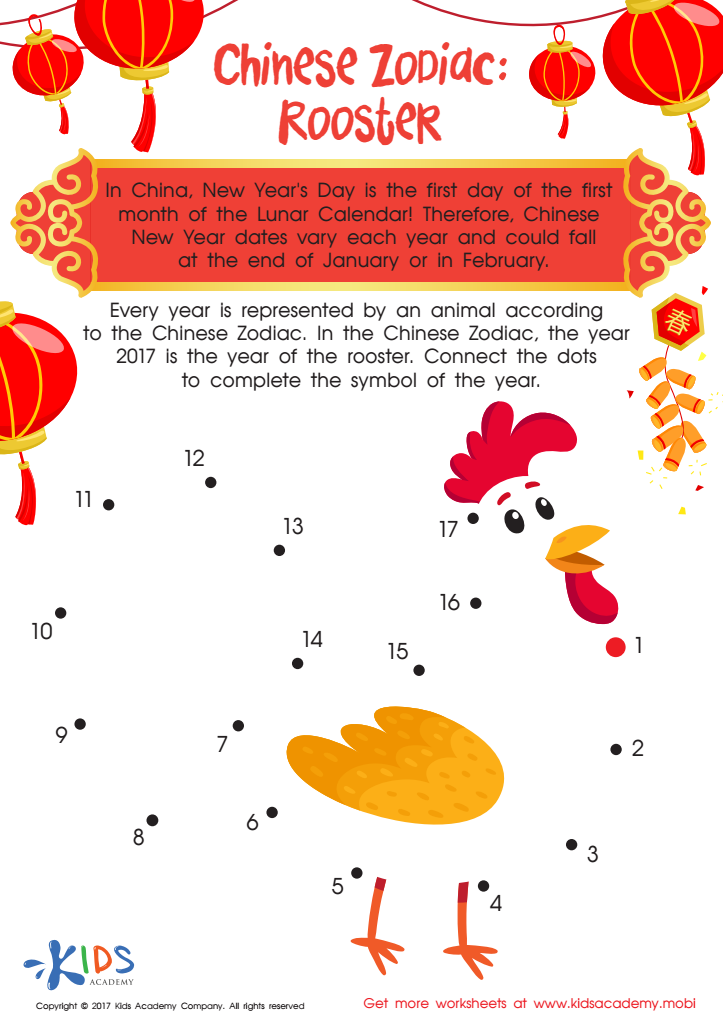
Chinese Zodiac Printable
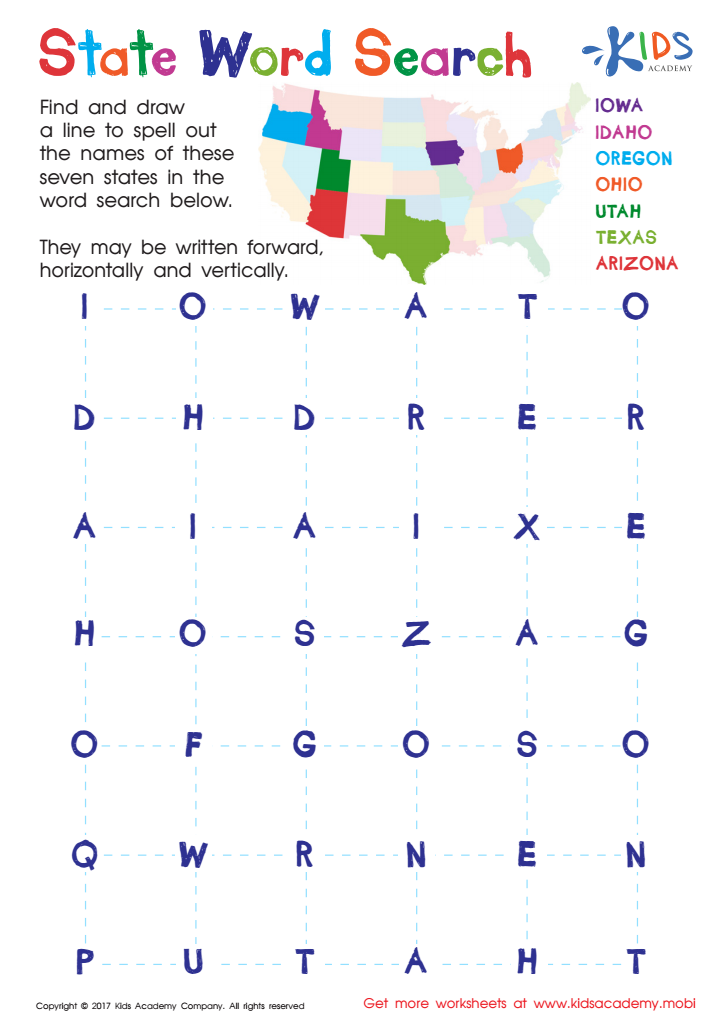
State Word Search Worksheet
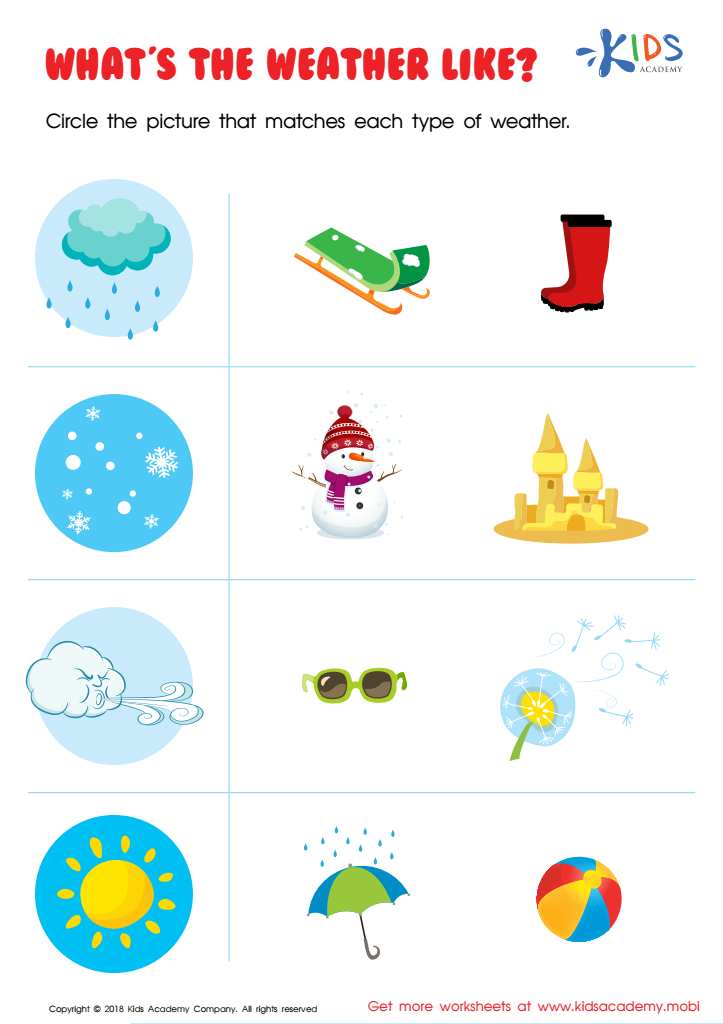
What's the Weather Like? Worksheet
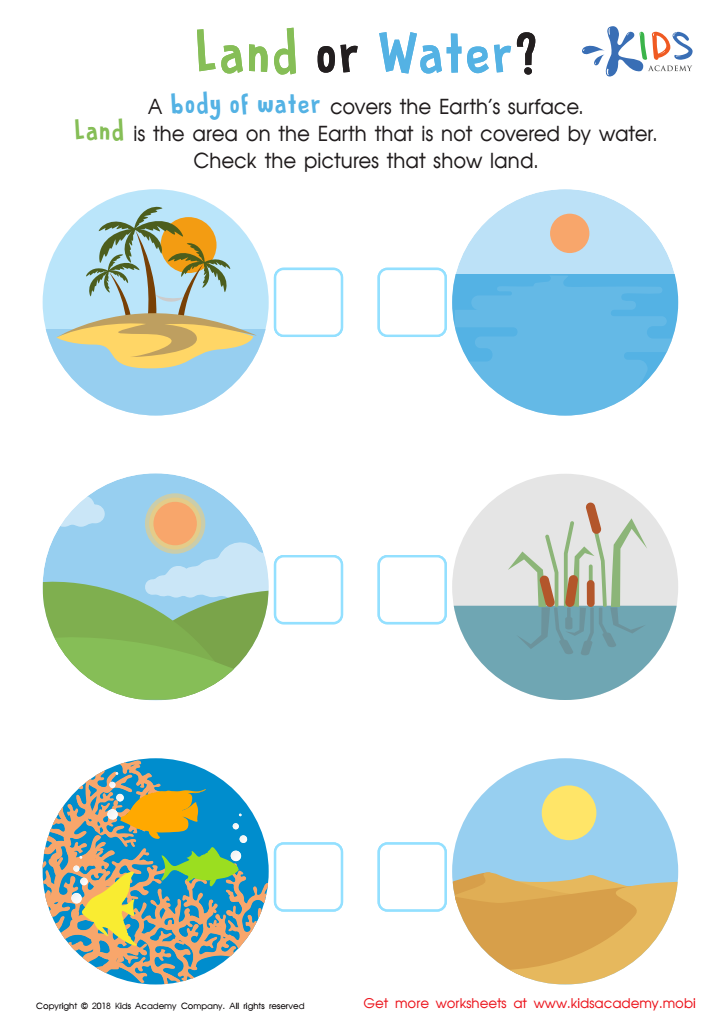
Land or Water Worksheet
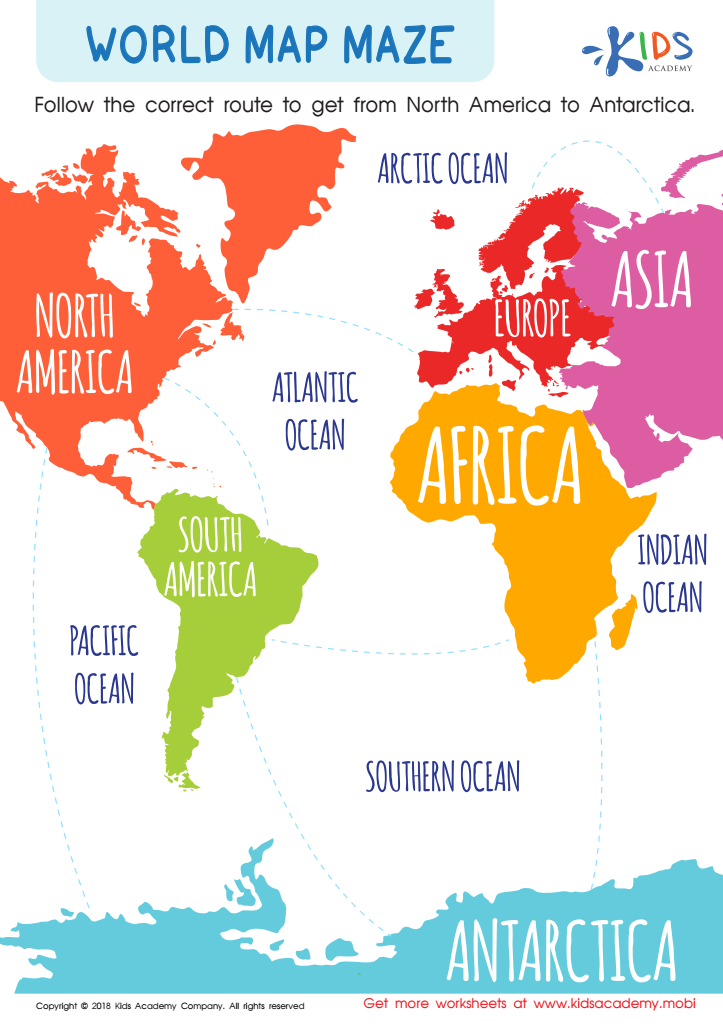
World Map Maze Worksheet
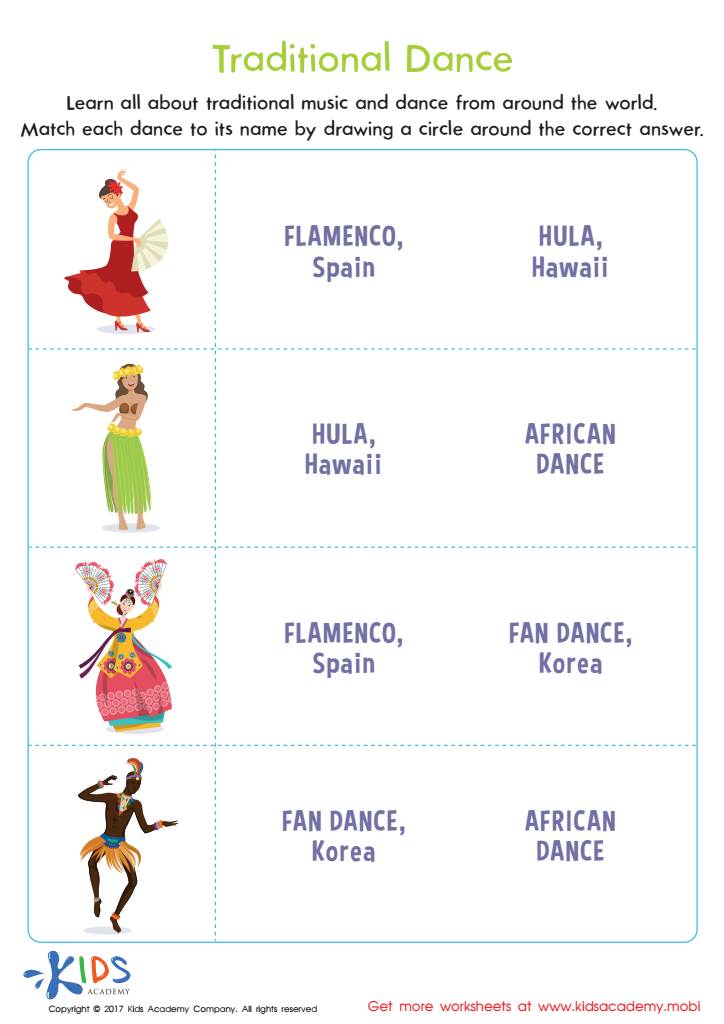
Traditional Dance Printable
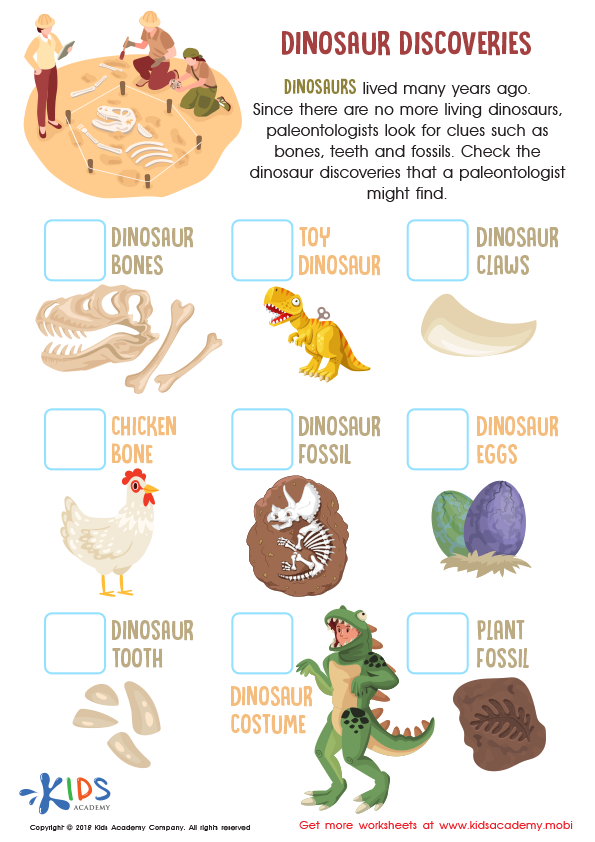
Dinosaur Discoveries Worksheet
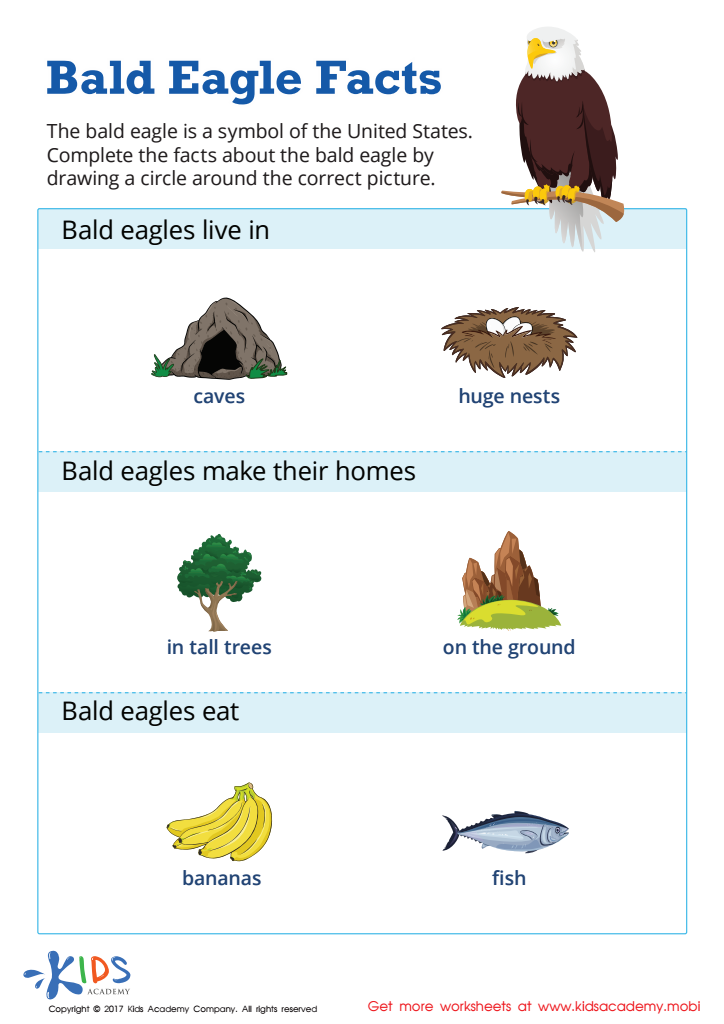
Bald Eagle Facts Worksheet
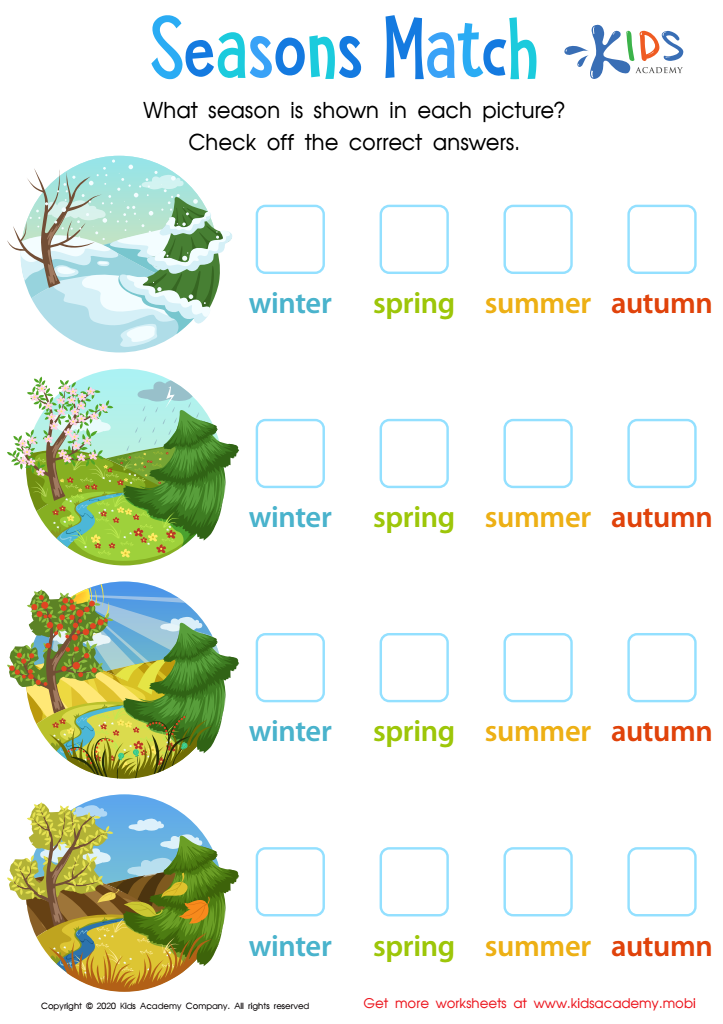
Seasons Match Worksheet
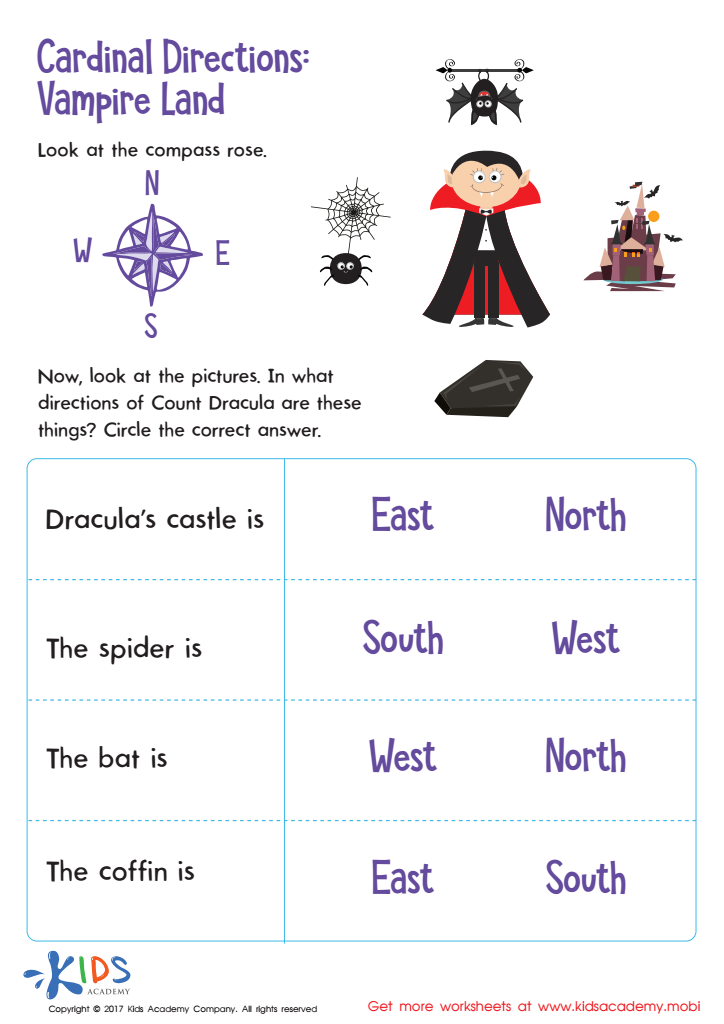
Cardinal Directions Printable
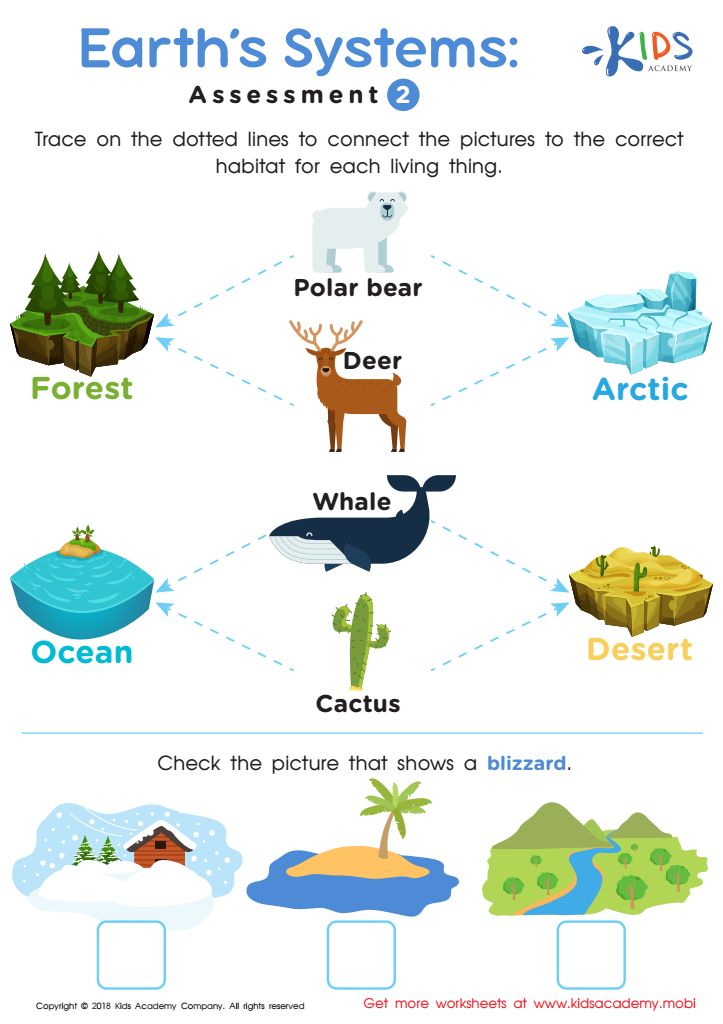
Earth's Systems: Assessment 2
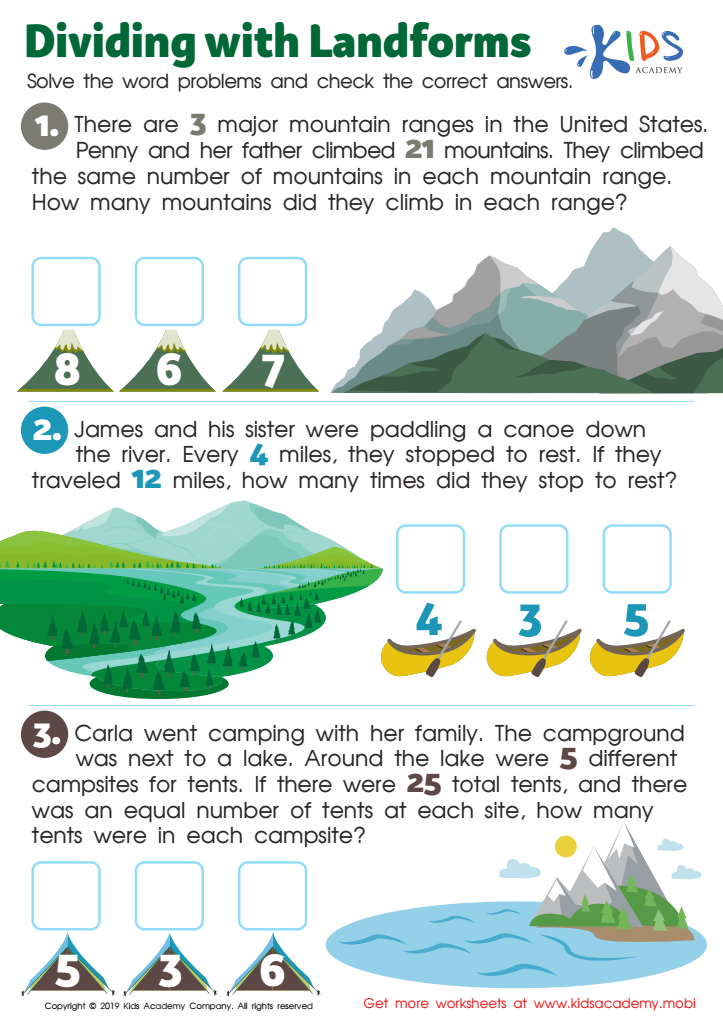
Dividing with Landforms
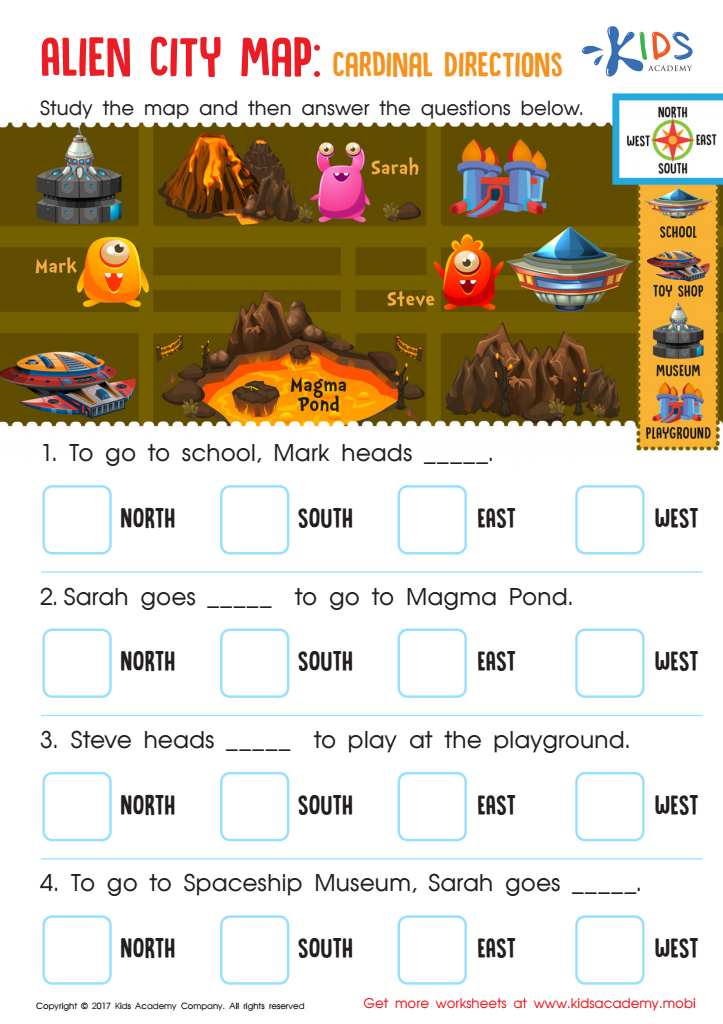
Alien City Map: Cardinal Directions Worksheet
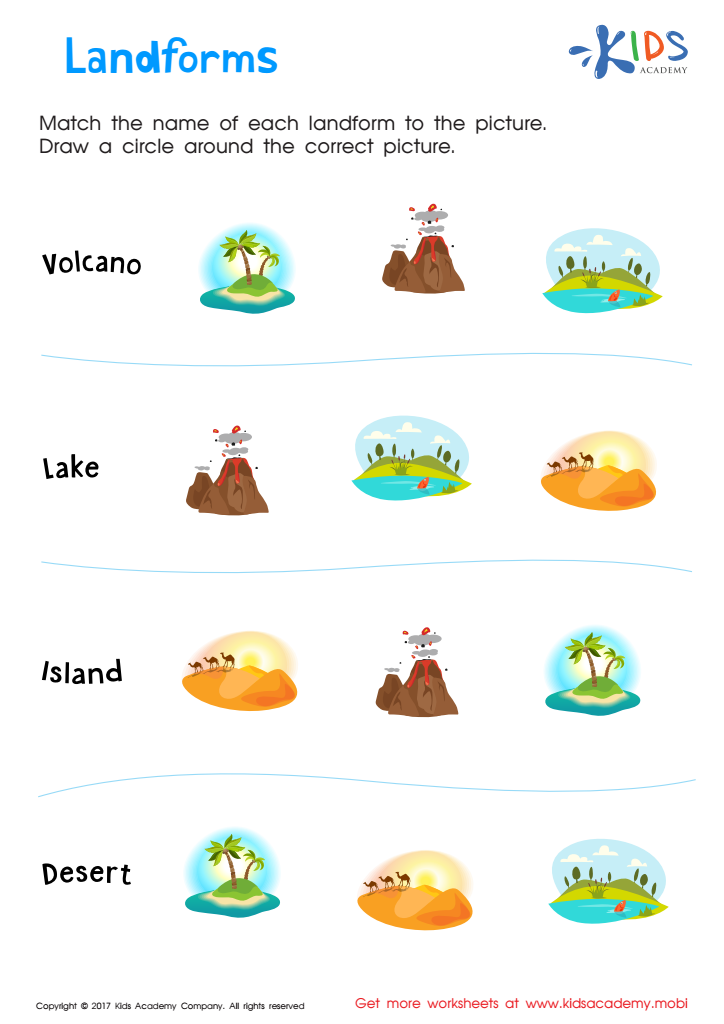
Landforms Printable
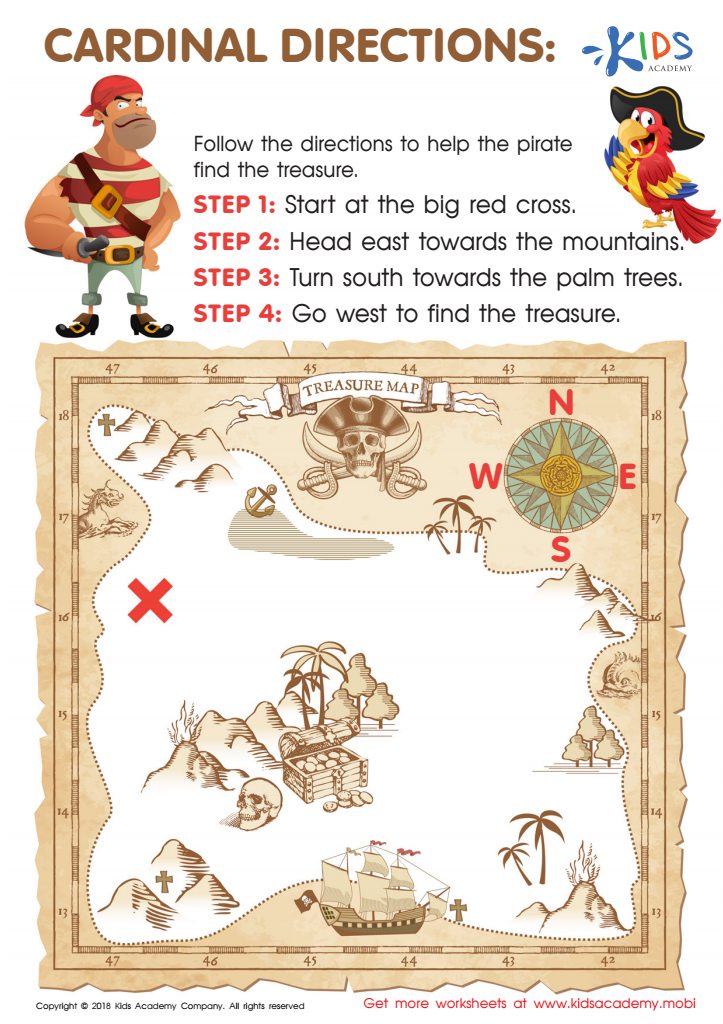
Cardinal Directions Treasure Map Maze Worksheet
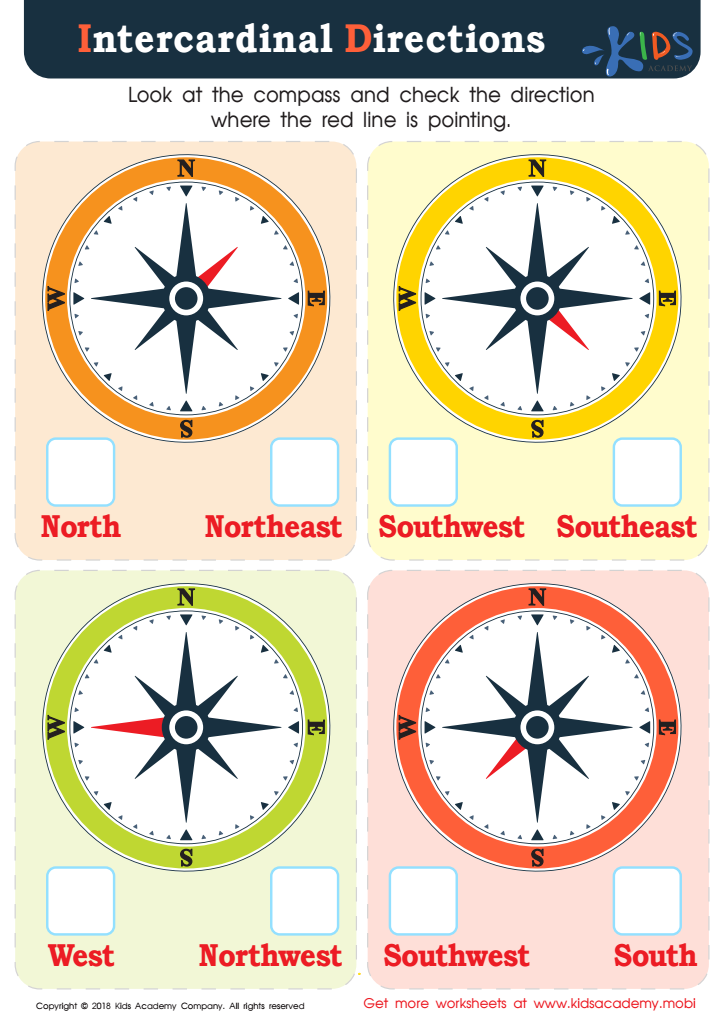
Intercardinal Directions Worksheet


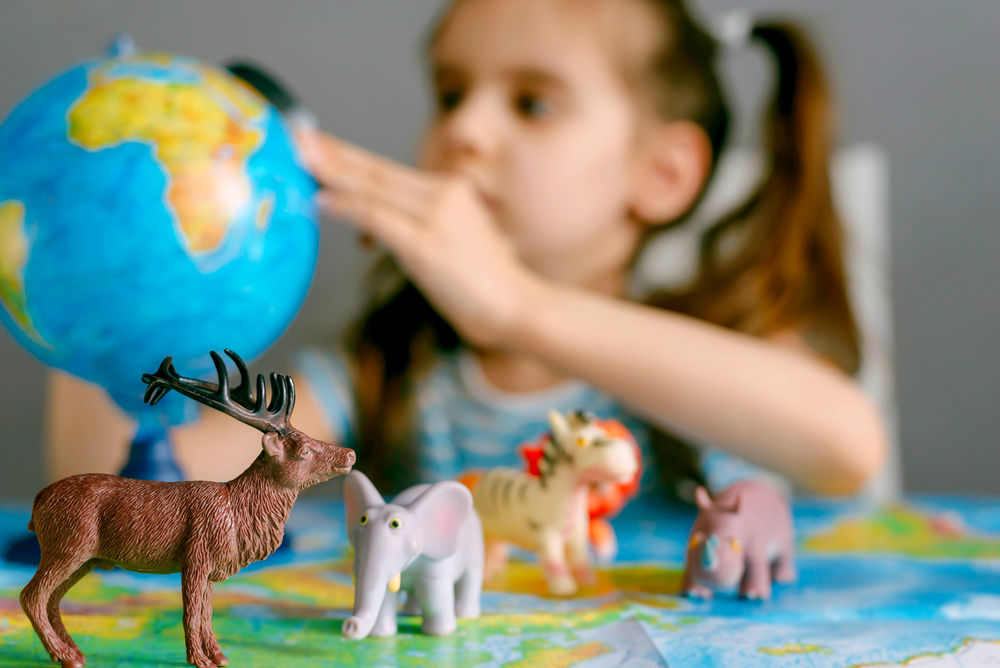




Parents and teachers should care about teaching geography to children ages 5-8 because it lays the foundation for a broad understanding of the world. At this age, children are naturally curious about their surroundings and introducing them to basic geography concepts nurtures this curiosity, fostering a lifelong interest in learning.
Understanding geography helps young children develop spatial awareness and sense of place, which are critical for cognitive development. They learn to recognize various landscapes, understand maps, and grasp where they, their family, and their country fit into the world. Such knowledge builds their awareness of different cultures and communities, promoting empathy and respect for diversity.
Moreover, geography lessons integrate skills from other subjects such as maths, literacy, and science. Map reading improves spatial thinking and problem-solving skills, while learning about climates and ecosystems can complement science curricula. Language skills are enhanced as children learn the names of continents, oceans, and countries.
Lastly, teaching geography engages imaginative and kinesthetic learners through hands-on activities like drawing maps or creating dioramas. Overall, integrating geography into early education supports a holistic learning approach, equipping children with essential skills and a broader worldview.








