Science Worksheets for Ages 6-8 - Page 11
383 filtered results
-
From - To
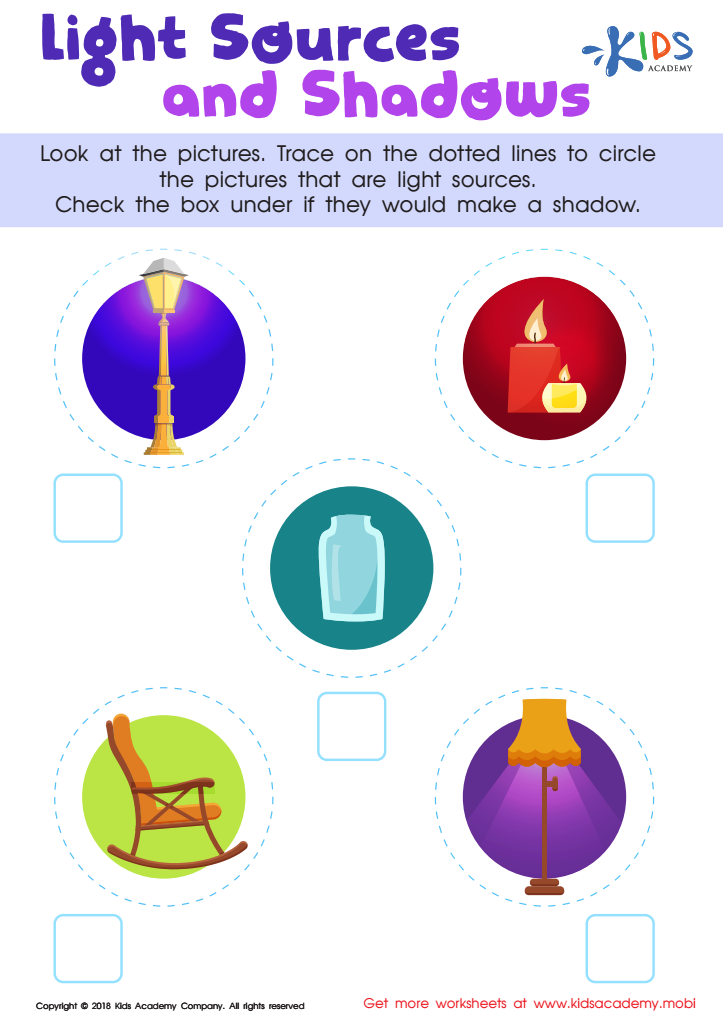
Light Sources and Shadows Worksheet
 Assign to My Students
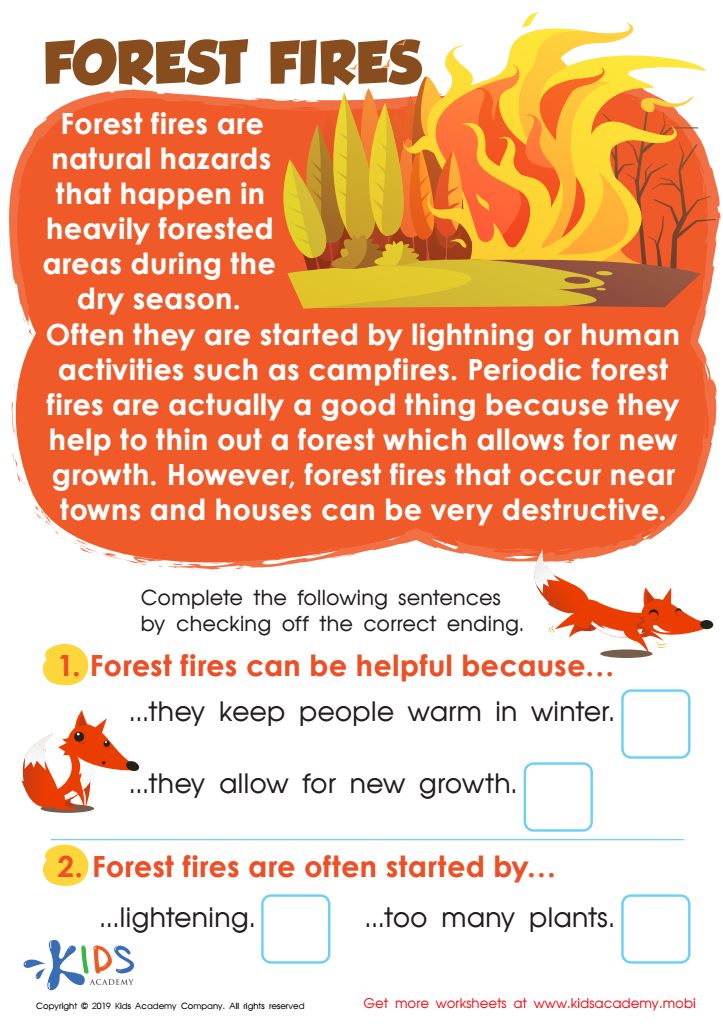
Forest Fires Worksheet
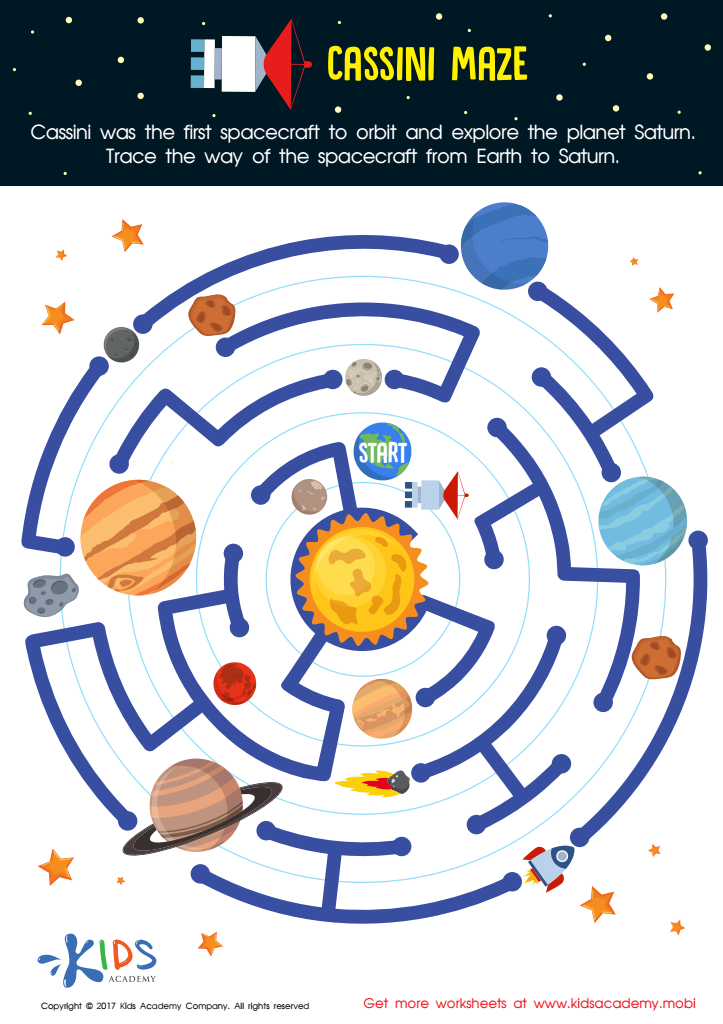
Cassini Printable Worksheet
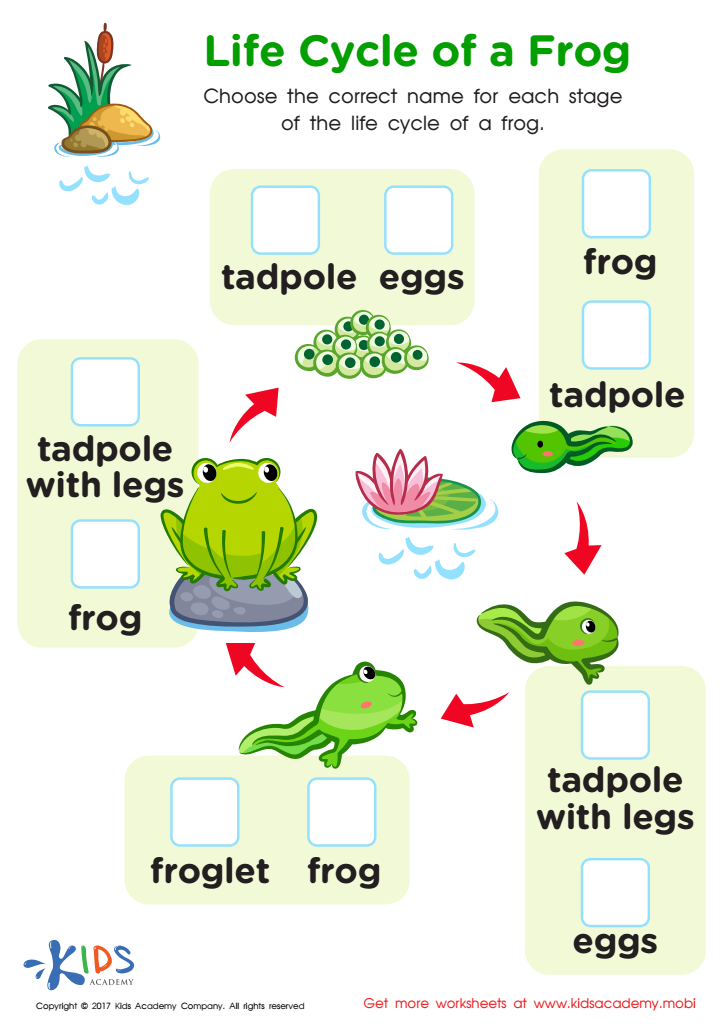
Life Cycle Frog Printable
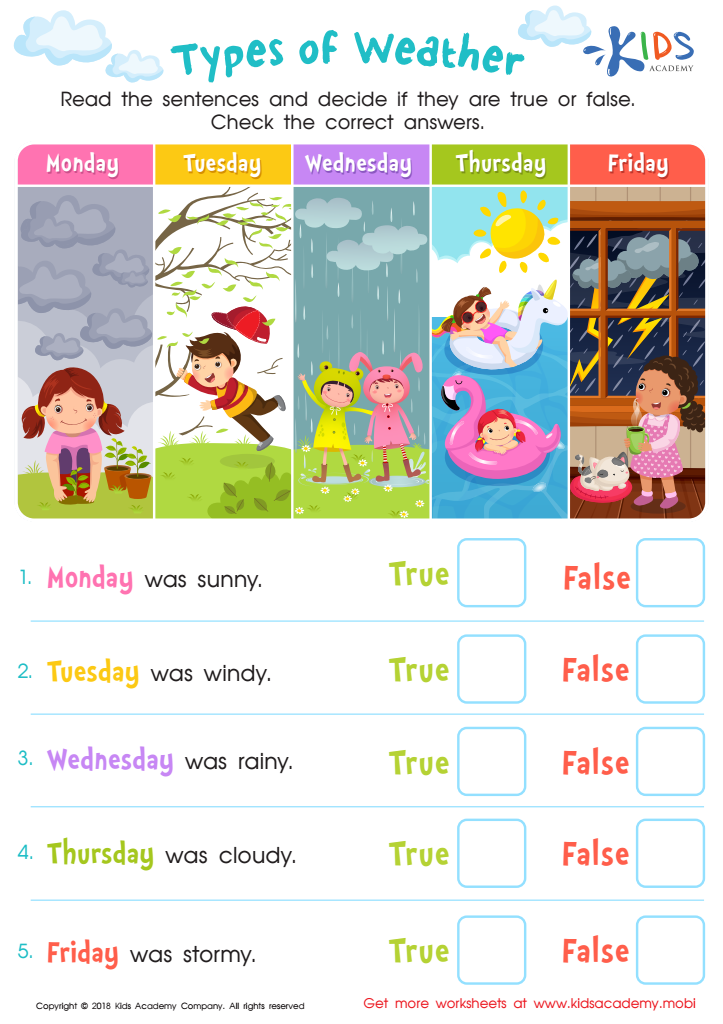
Types of Weather Worksheet
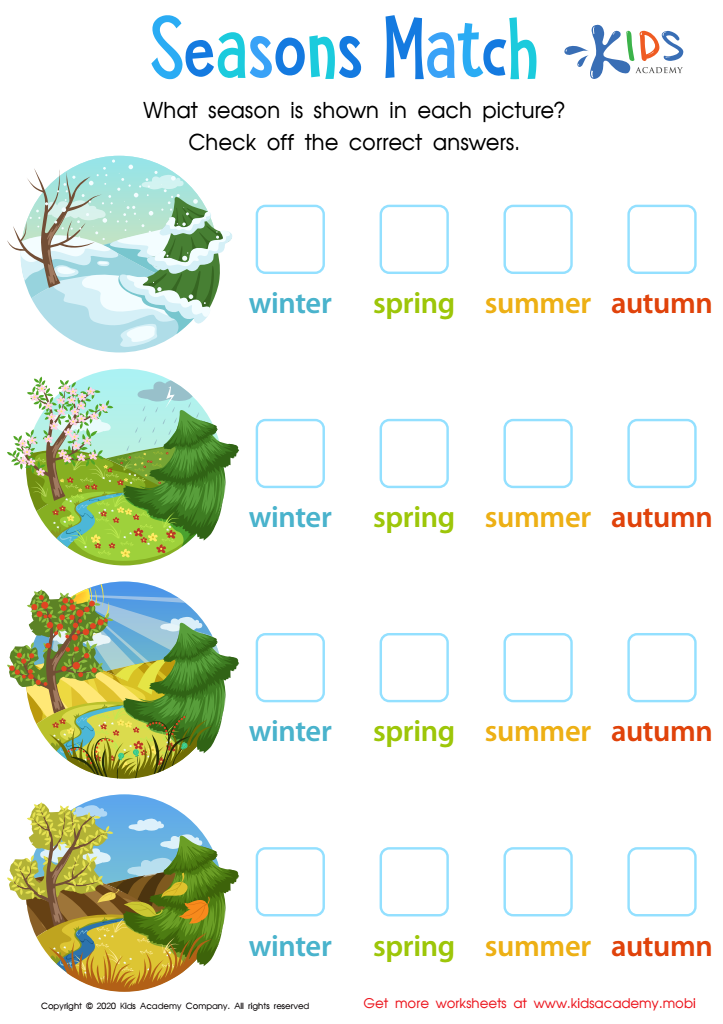
Seasons Match Worksheet
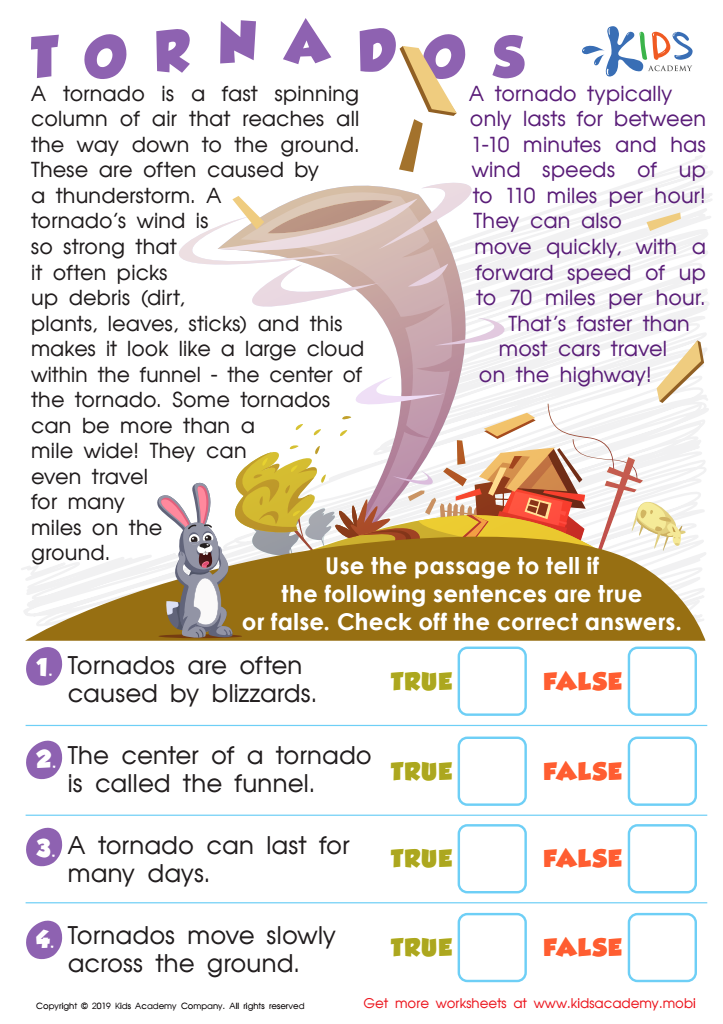
Tornados Worksheet
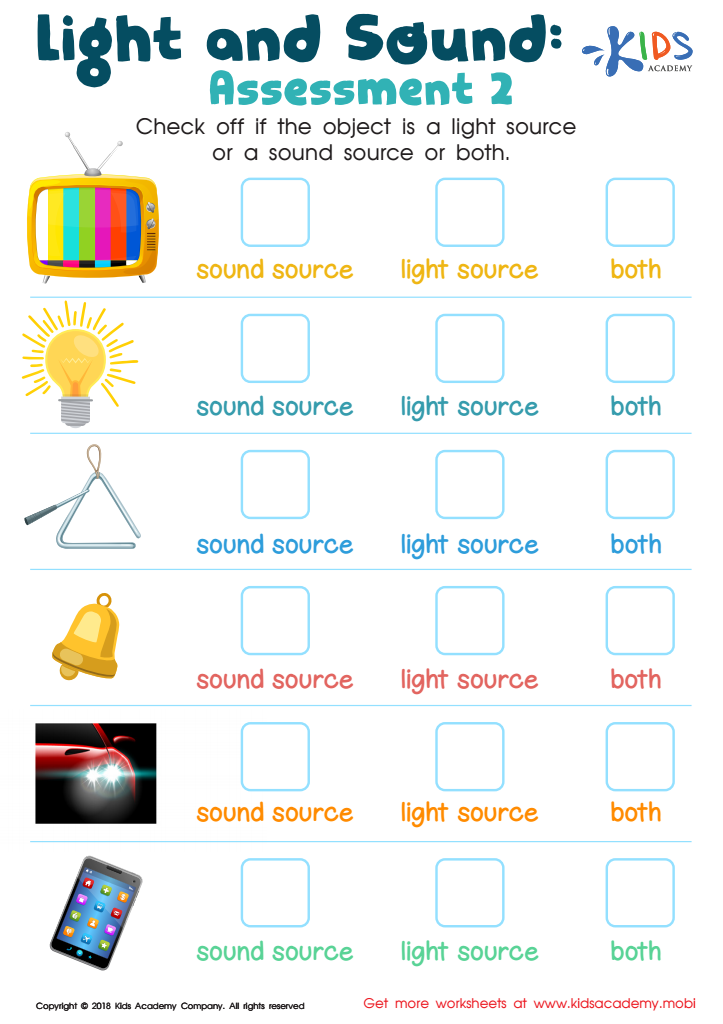
Light and Sound: Assessment 2 Worksheet
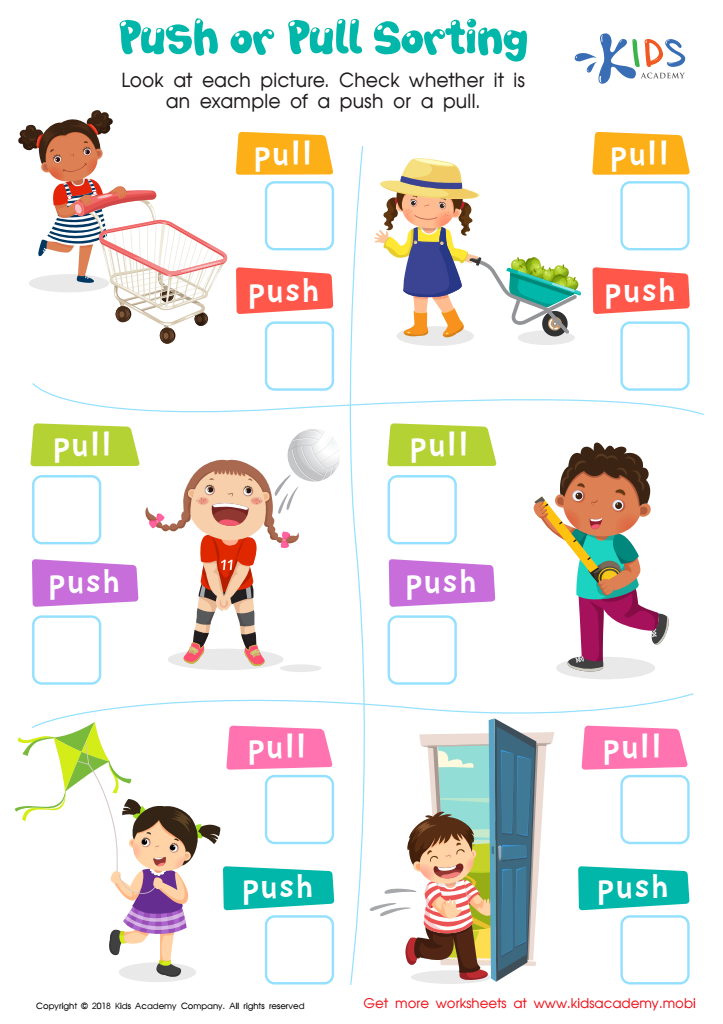
Push or Pull Sorting Worksheet
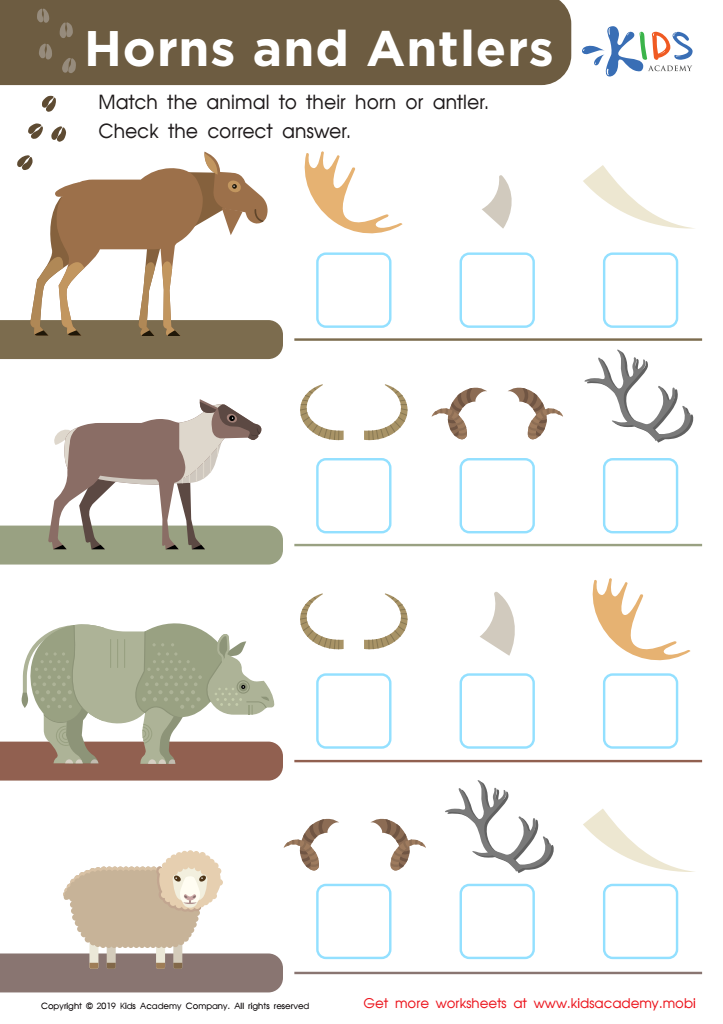
Horns and Antlers Worksheet
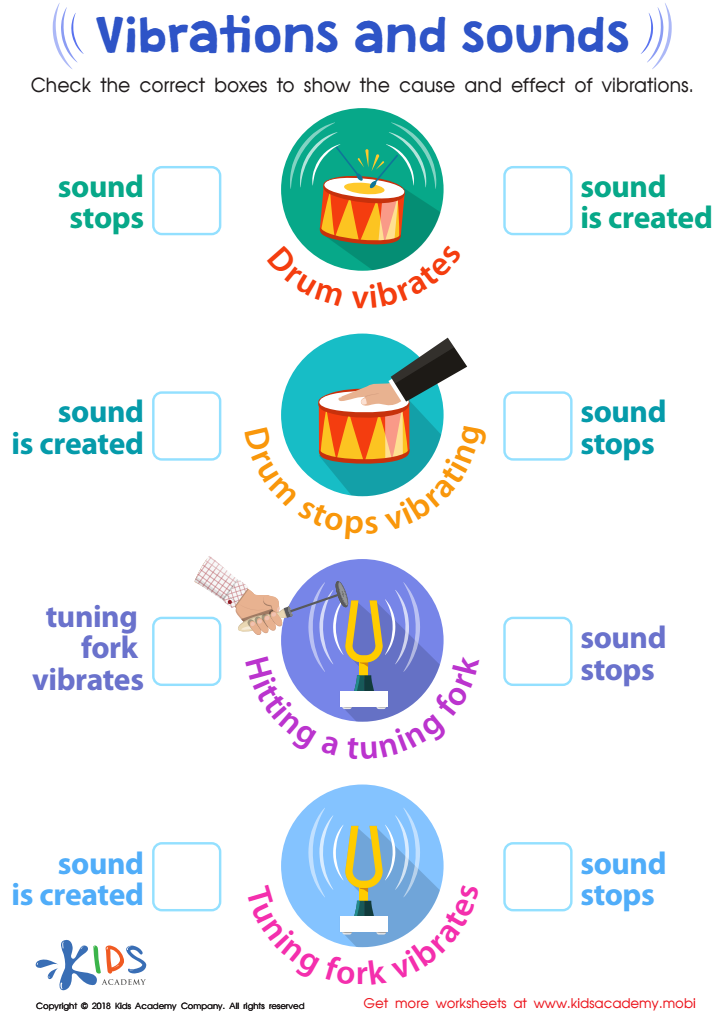
Vibrations and Sounds Worksheet
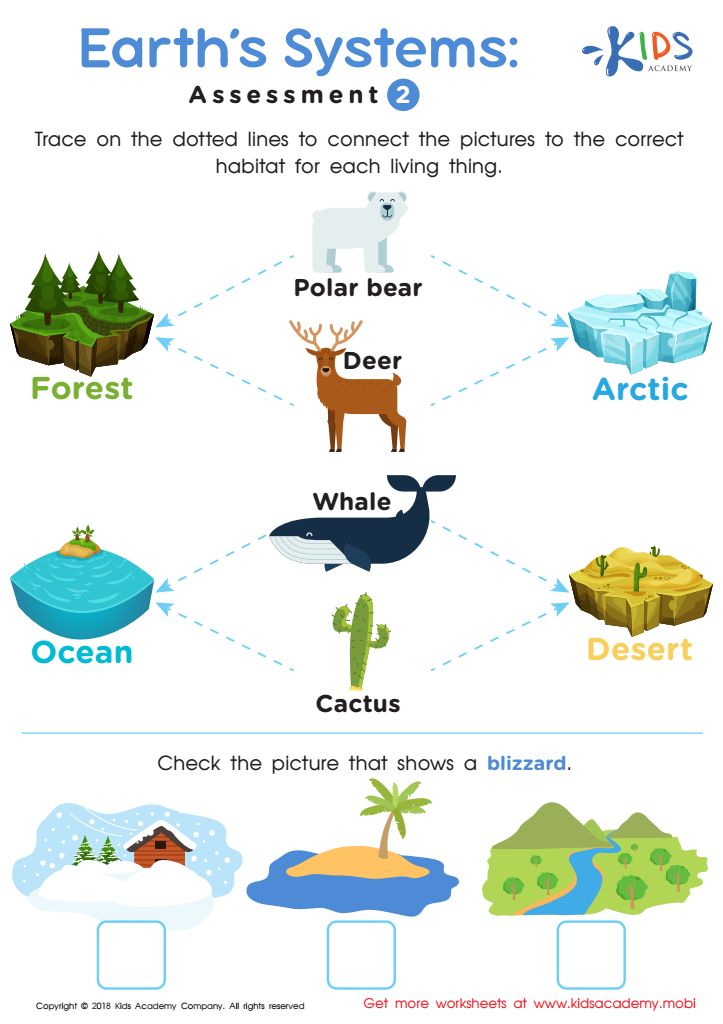
Earth's Systems: Assessment 2
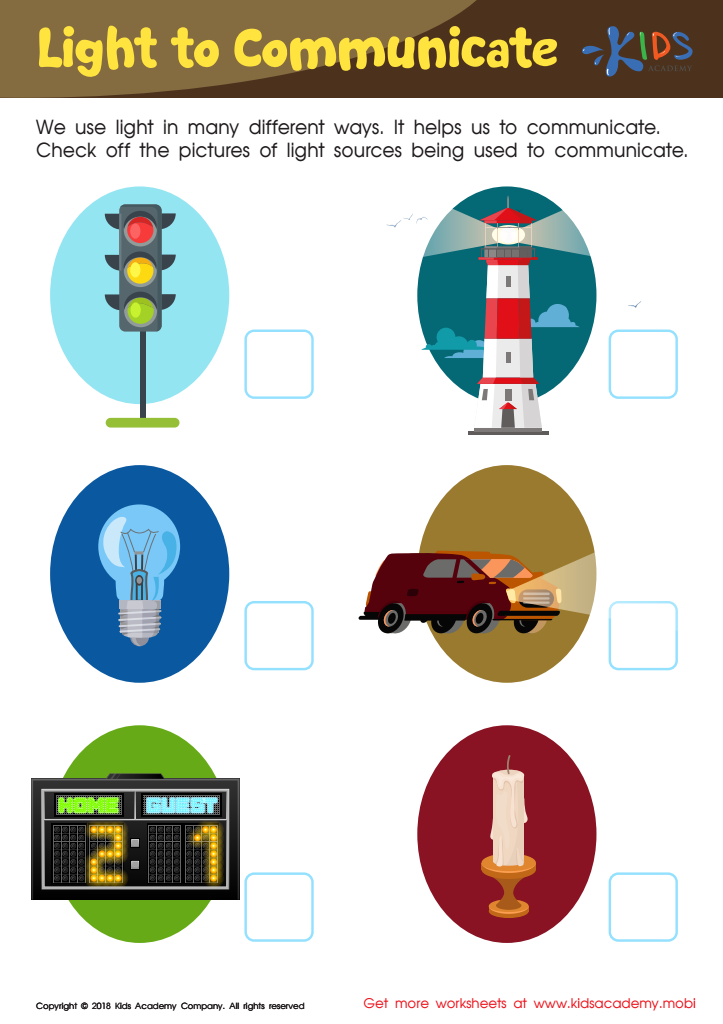
Light to Communicate Worksheet
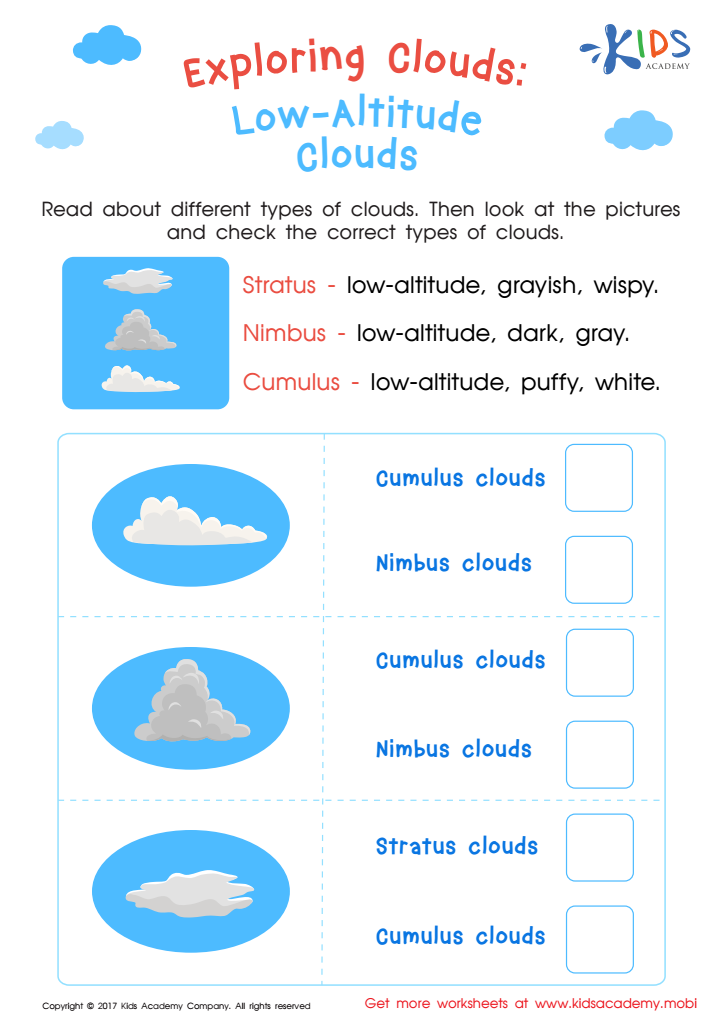
Exploring Clouds: Low Altitude Clouds Printable
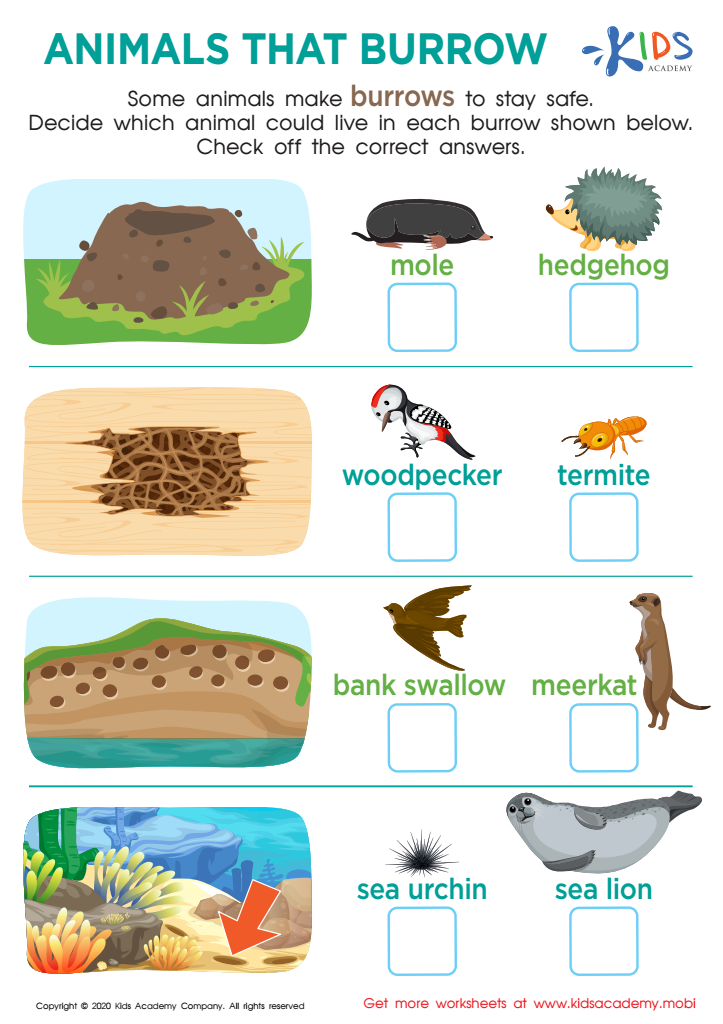
Animals That Burrow Worksheet
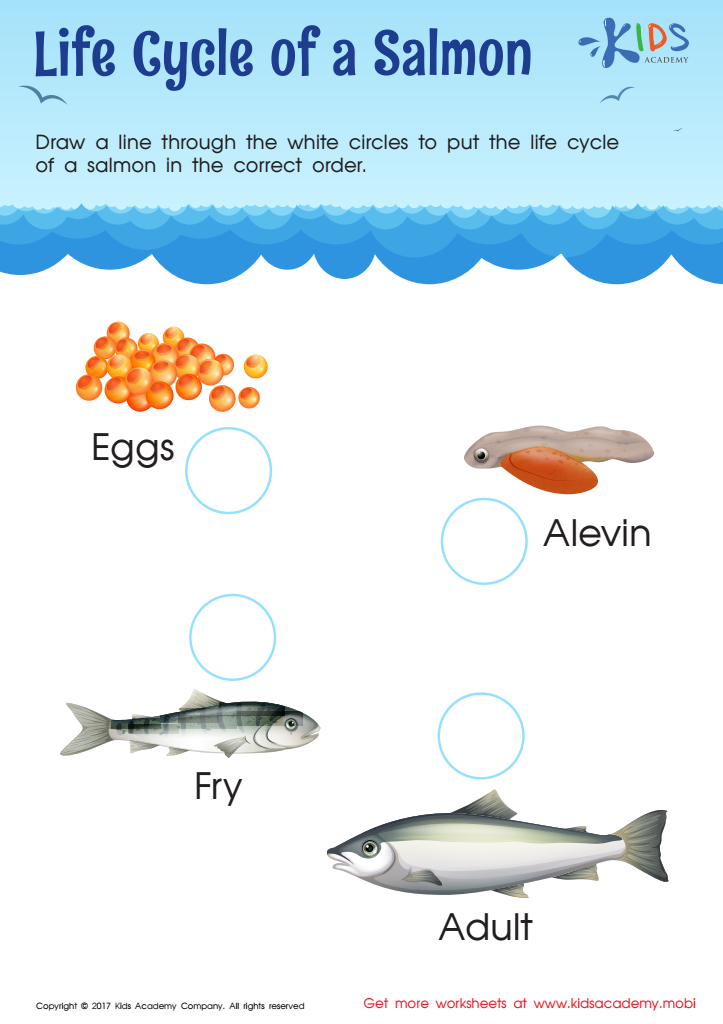
Cycle Of Salmon Worksheet
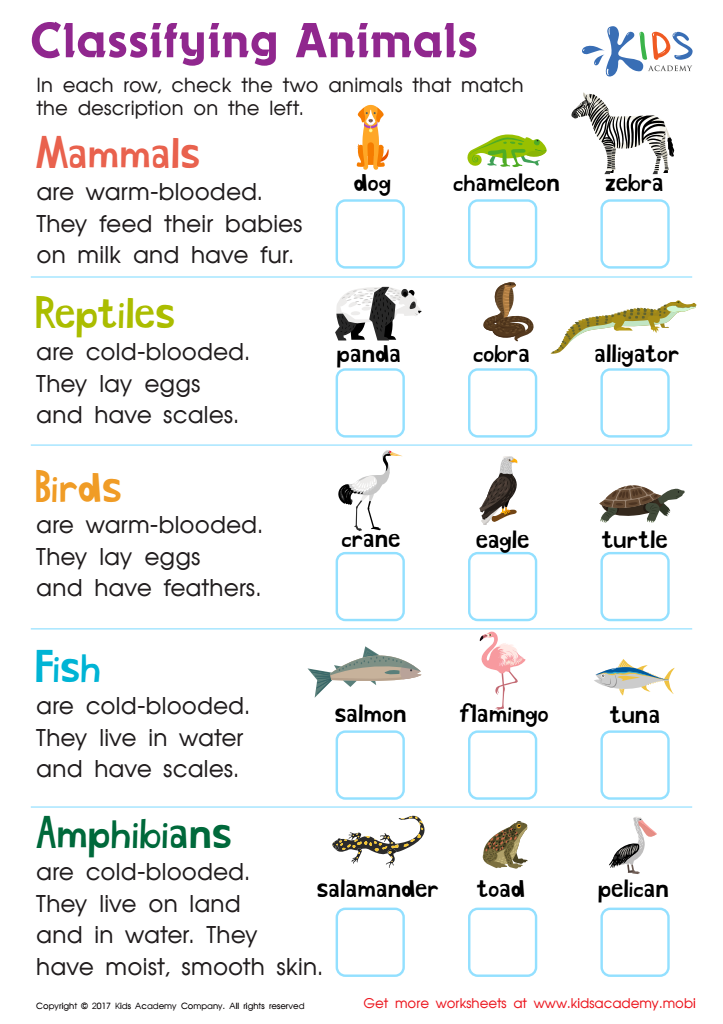
Classifying Animals Worksheet
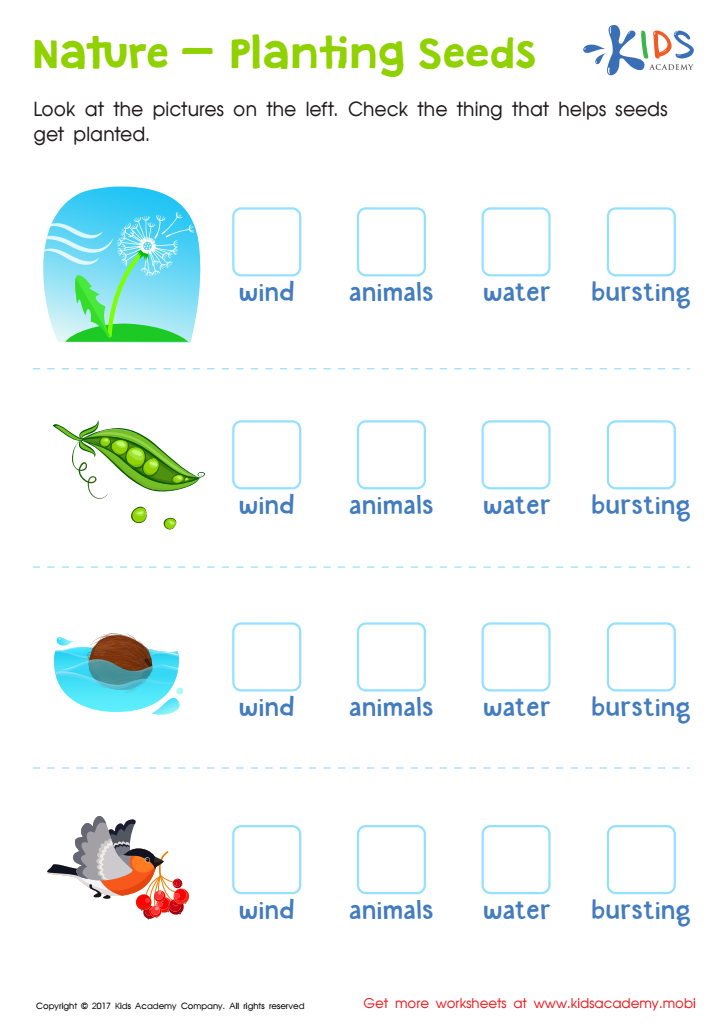
Nature Planting Seeds Worksheet
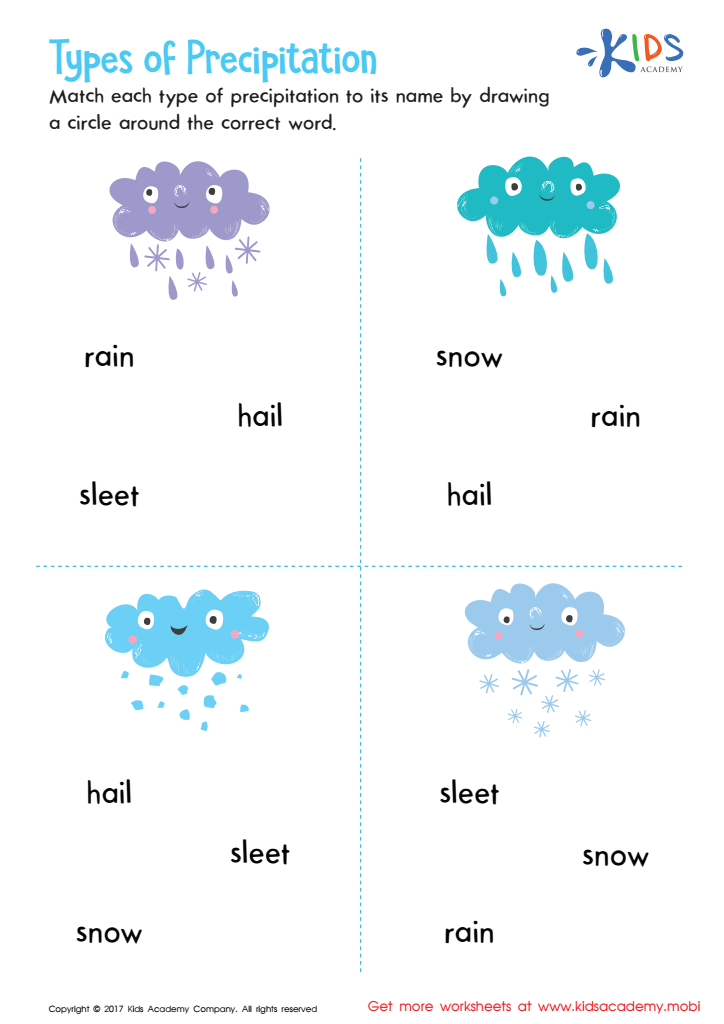
Types of Precipitation Printable
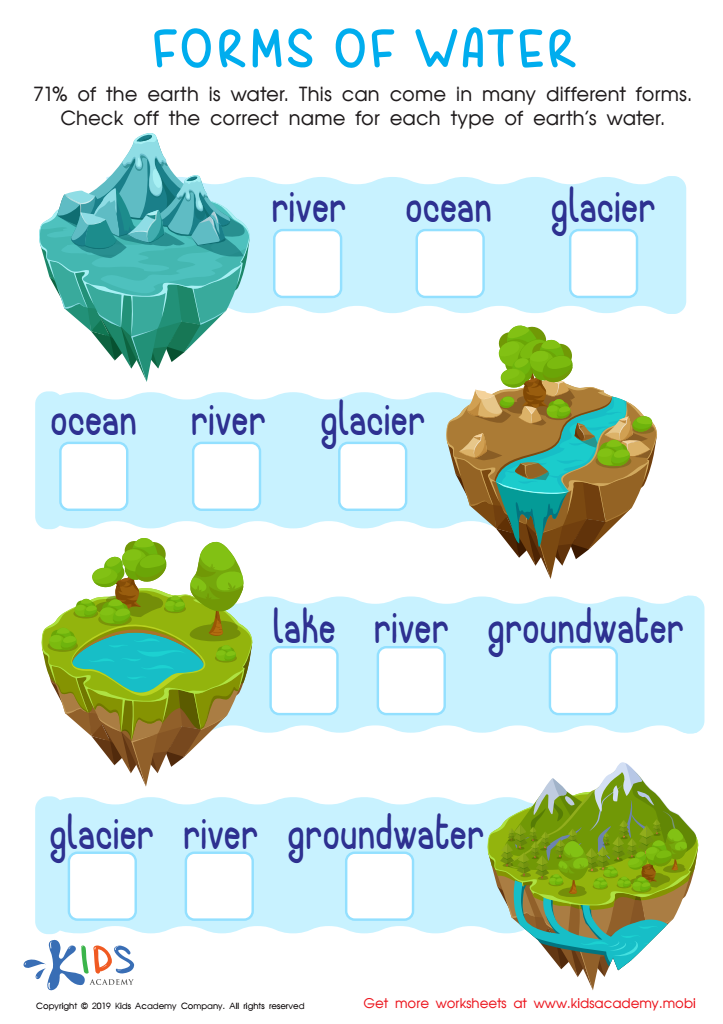
Forms of Water Worksheet
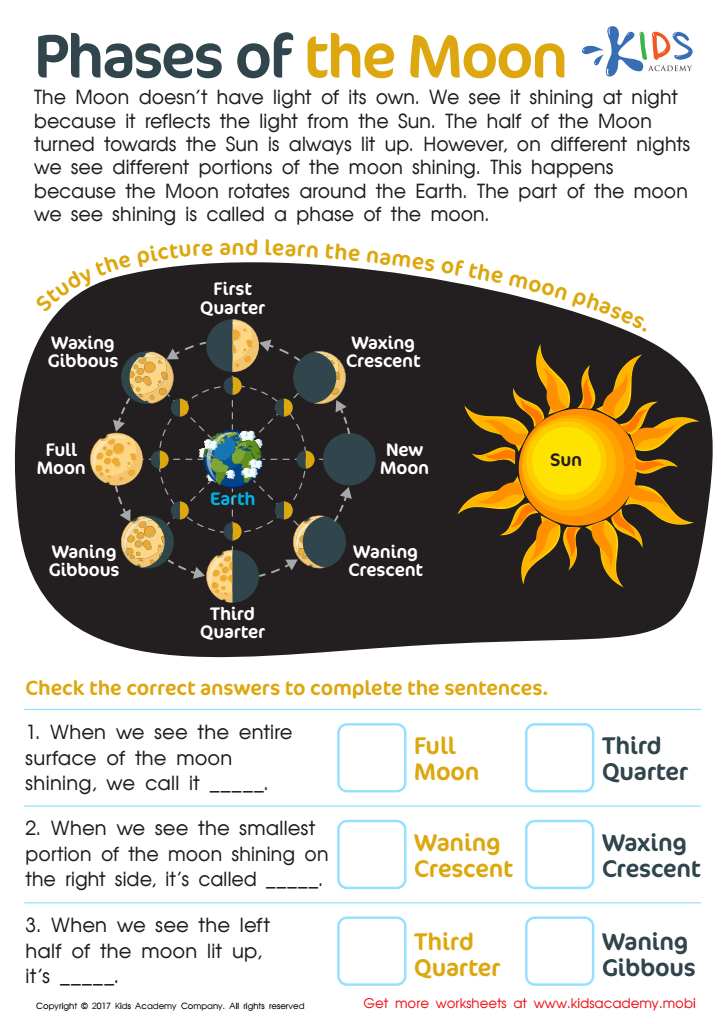
Phases of The Moon Worksheet
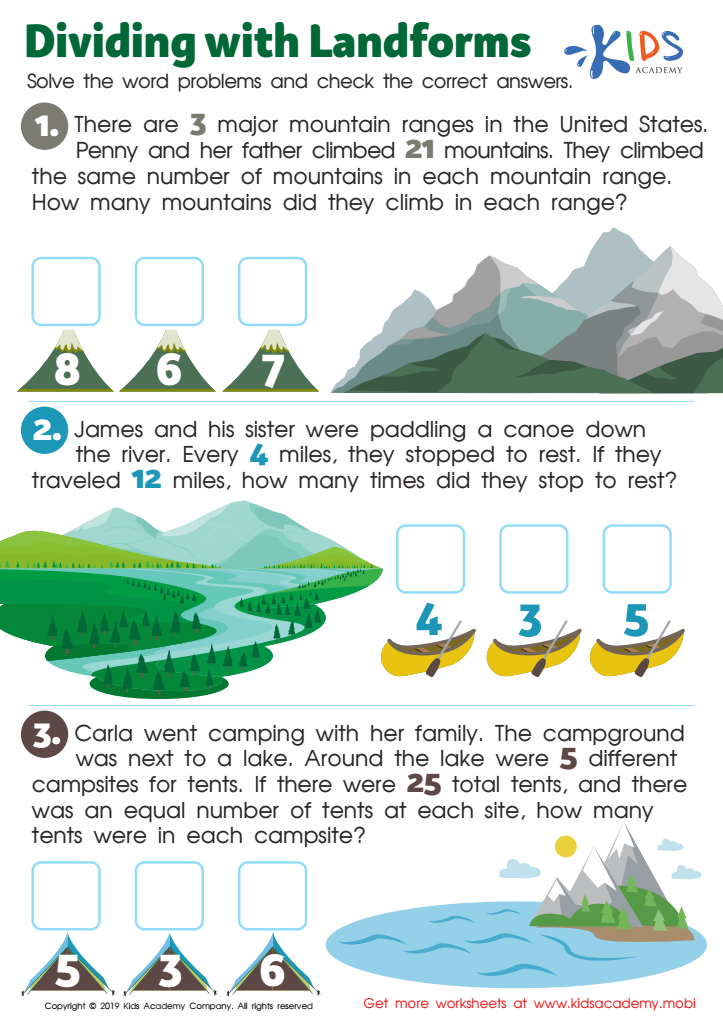
Dividing with Landforms
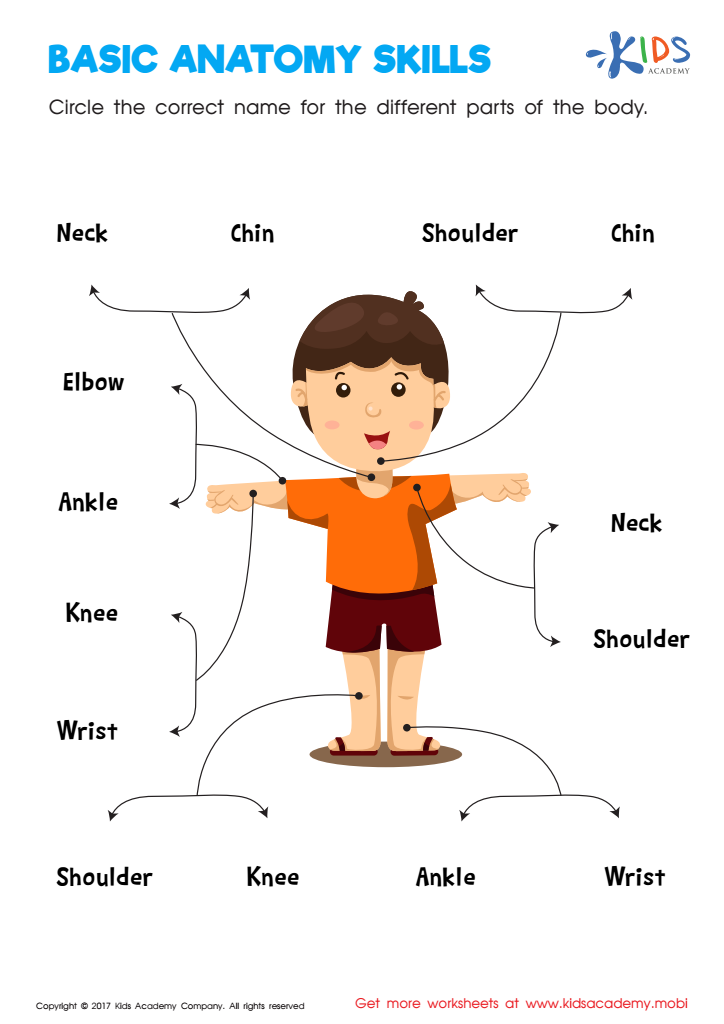
Basic Anatomy Skills Printable
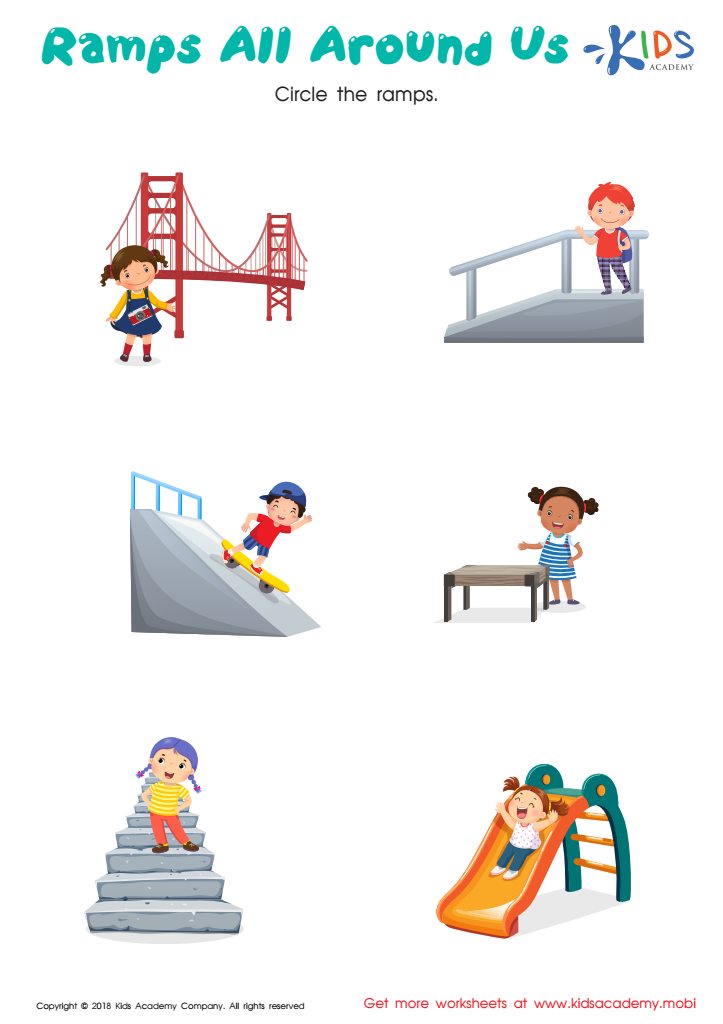
Ramps All Around us Worksheet





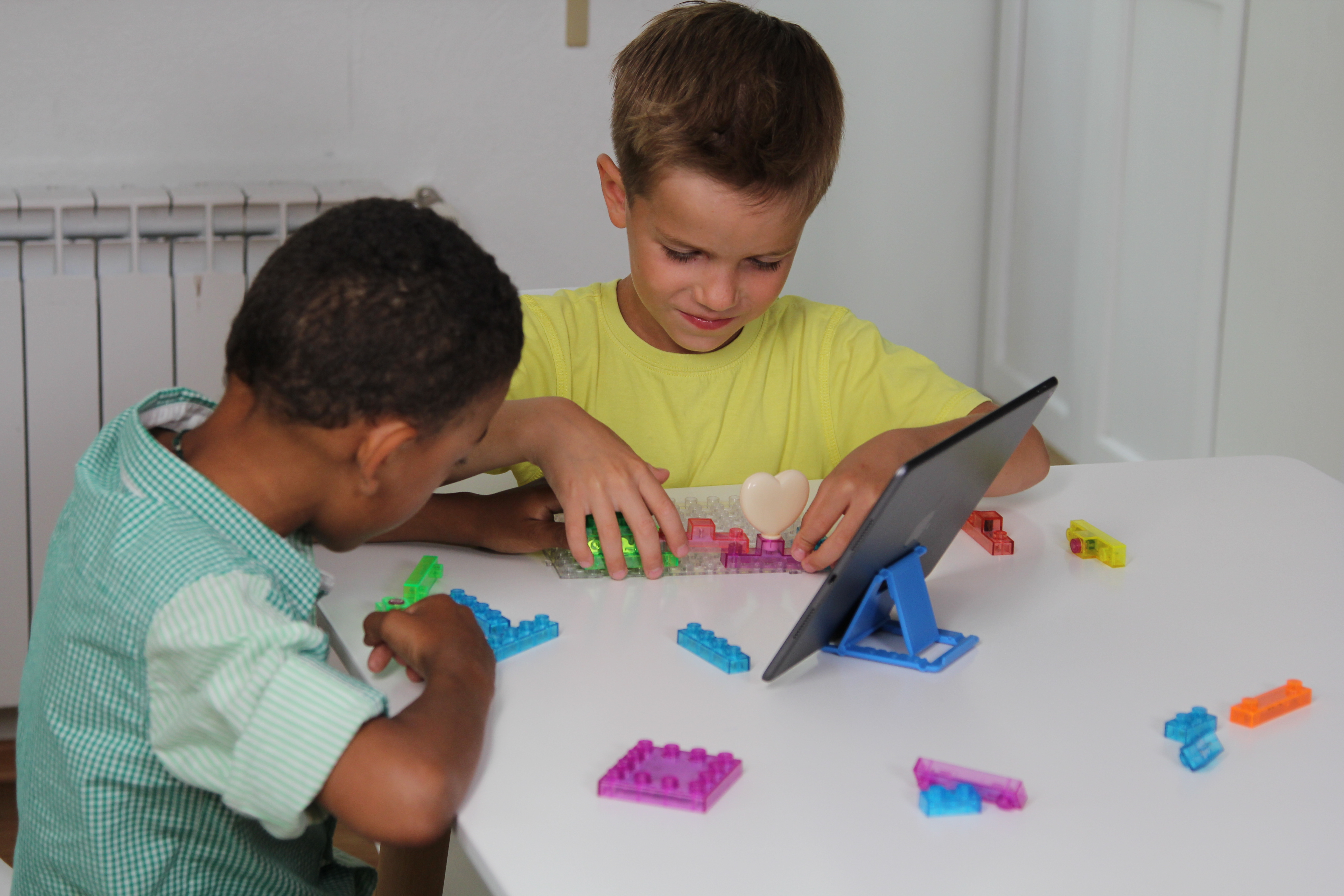


Parents and teachers should care about science for ages 6-8 because this developmental stage is crucial for building foundational knowledge and curiosity about the world. At this age, children are naturally inquisitive and eager to explore their environment. Engaging them in scientific concepts encourages critical thinking, problem-solving skills, and creativity, essential tools they will use throughout their education and lives.
Science helps young learners develop observation skills as they experiment with concepts like living organisms, ecosystems, and physical properties. This hands-on approach enhances their understanding of complex ideas through interactive activities, making learning more engaging and enjoyable.
Moreover, instilling a love for science early fosters a sense of wonder and excitement about discovery, paving the way for future interest in STEM (Science, Technology, Engineering, and Mathematics) fields.
Additionally, science education promotes understanding of important topics such as health, environmental sustainability, and technology—all crucial in today’s world. By supporting science learning, parents and teachers not only help children succeed academically but also prepare them to become informed, responsible citizens who can critically address challenges facing society. Thus, emphasizing science helps foster a generation of innovators, thinkers, and problem solvers.







