Consonants Worksheets for Ages 6-9
34 filtered results
-
From - To
Discover our engaging Consonants Worksheets designed for children aged 6-9! These worksheets offer fun activities that help young learners understand and practice consonant sounds effectively. With a variety of exercises, including identifying consonants, coloring, matching, and fill-in-the-blanks, children will build essential phonics skills while having fun. Ideal for both classroom settings and at-home learning, our worksheets cater to different learning styles, promoting independent practice and boosting confidence. Perfect for enhancing reading and writing abilities, these resources make consonant recognition enjoyable and accessible. Explore our collection today to support your child's literacy journey with interactive and educational exercises!
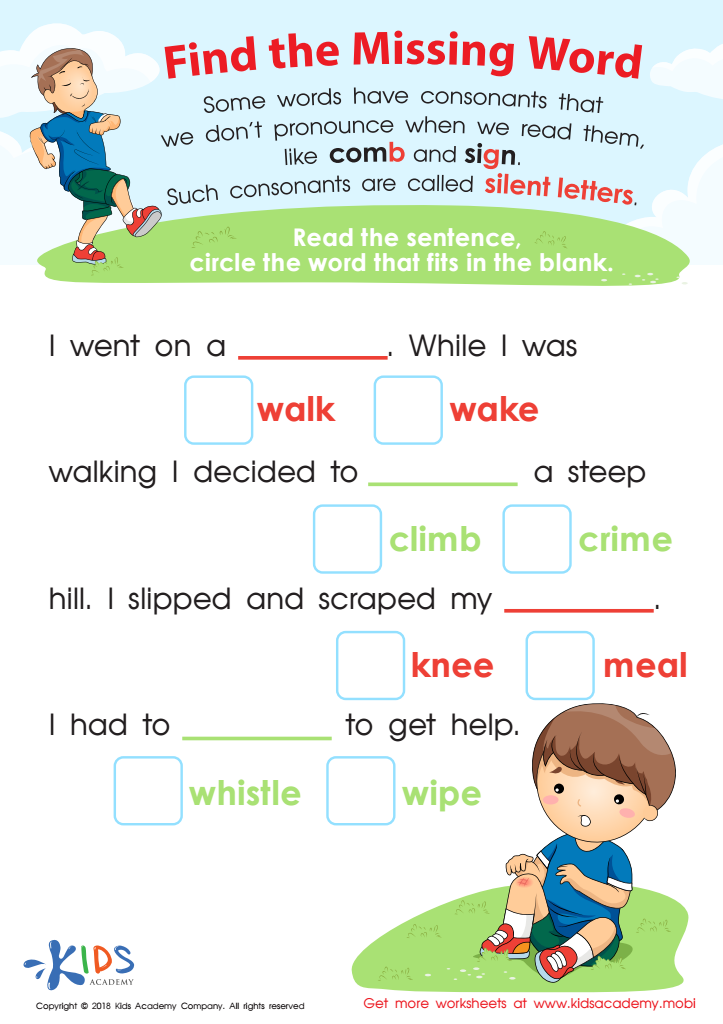
Find The Missing Word Worksheet
 Assign to My Students
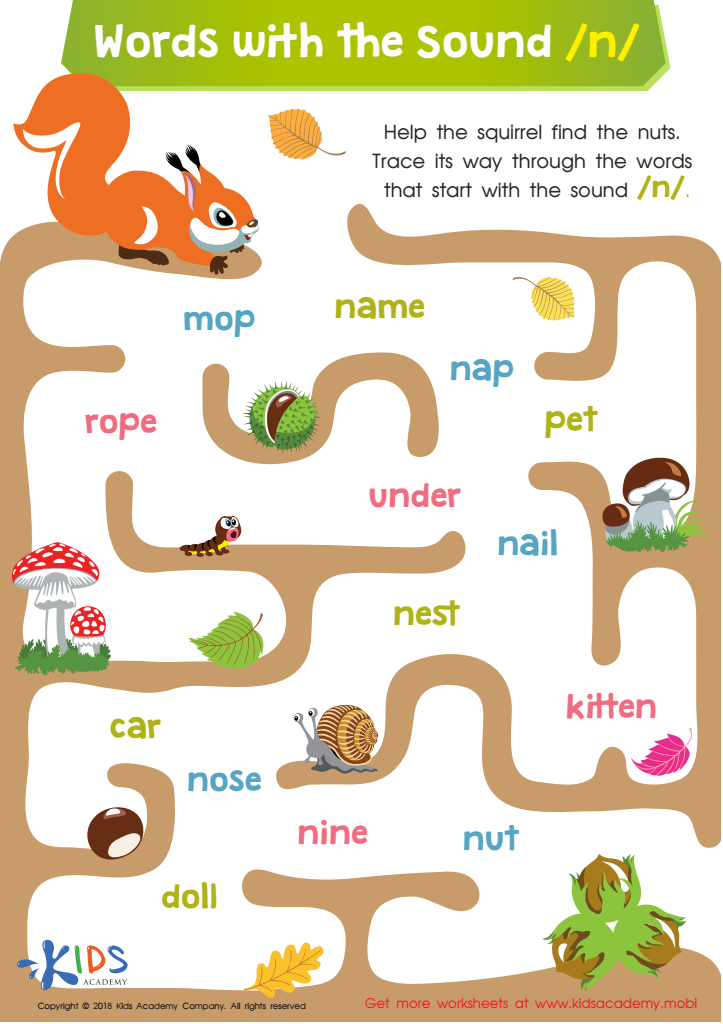
Words with Sound N Reading Worksheet
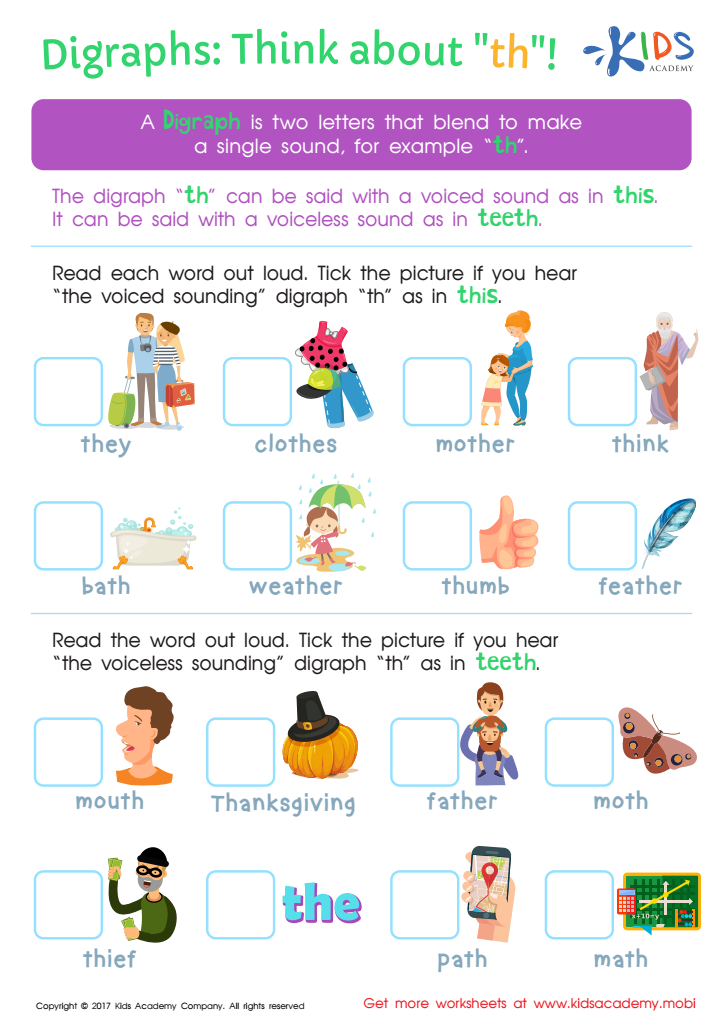
Digraphs: Think About "th" Worksheet
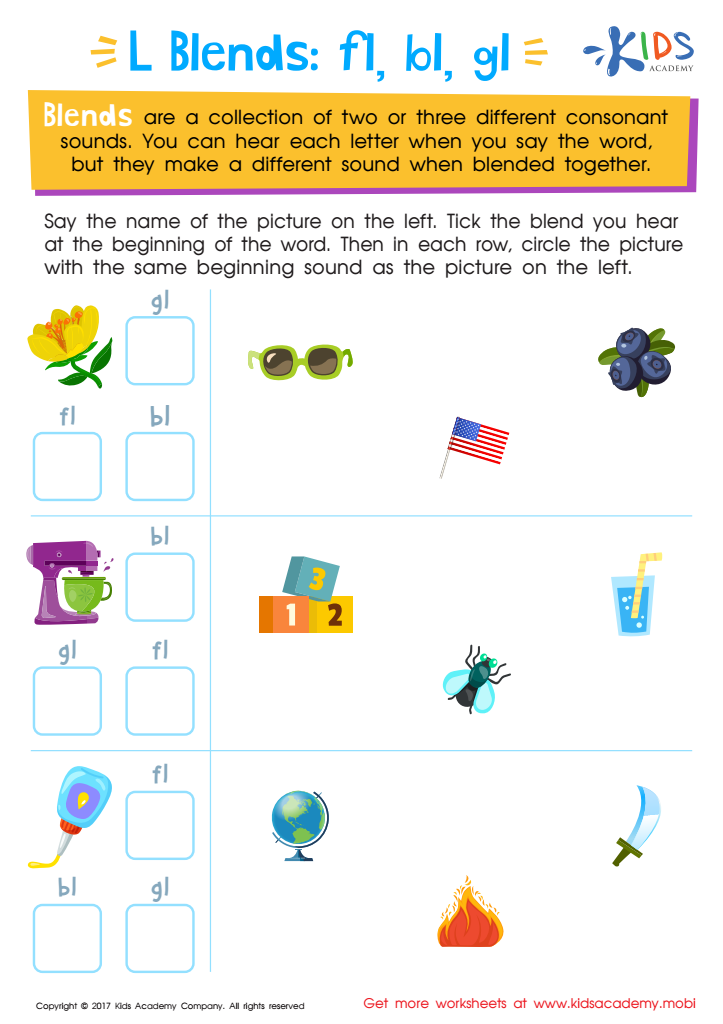
Blending Consonants: "Fl", "Bl" and "Gl" Printable
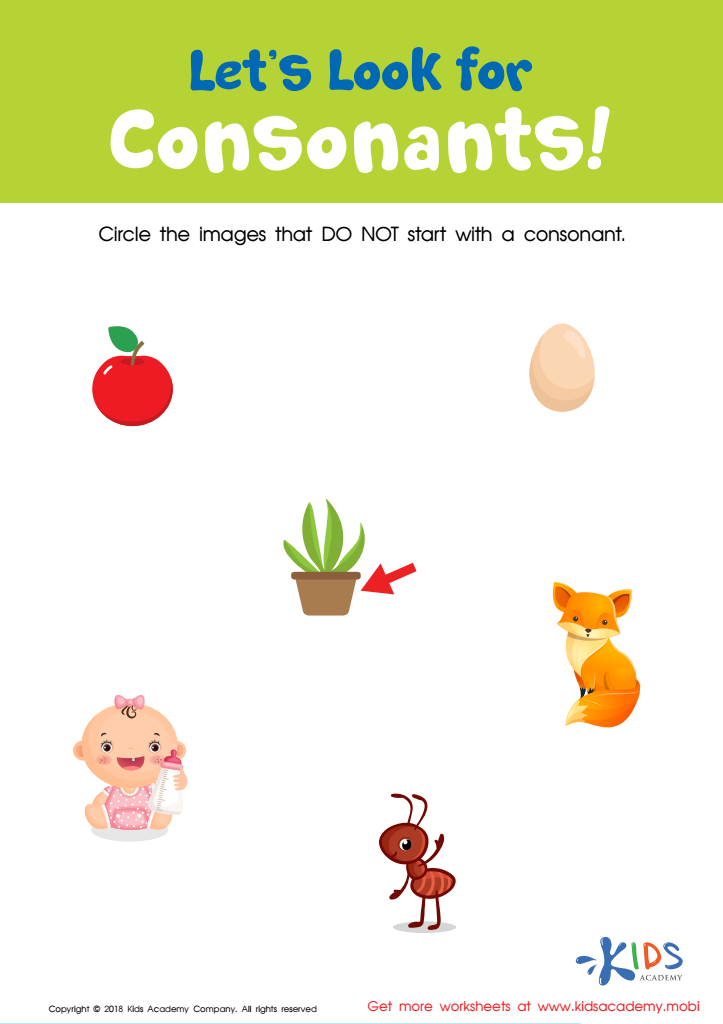
Let's Look for Consonants Worksheet
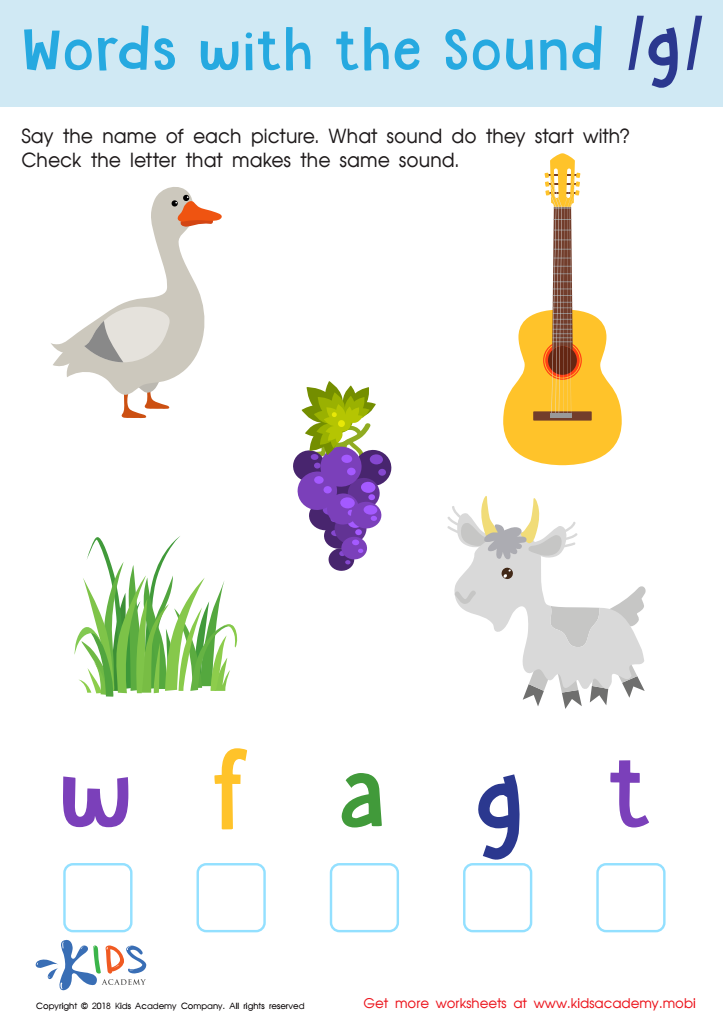
Words with sound g Reading Worksheet
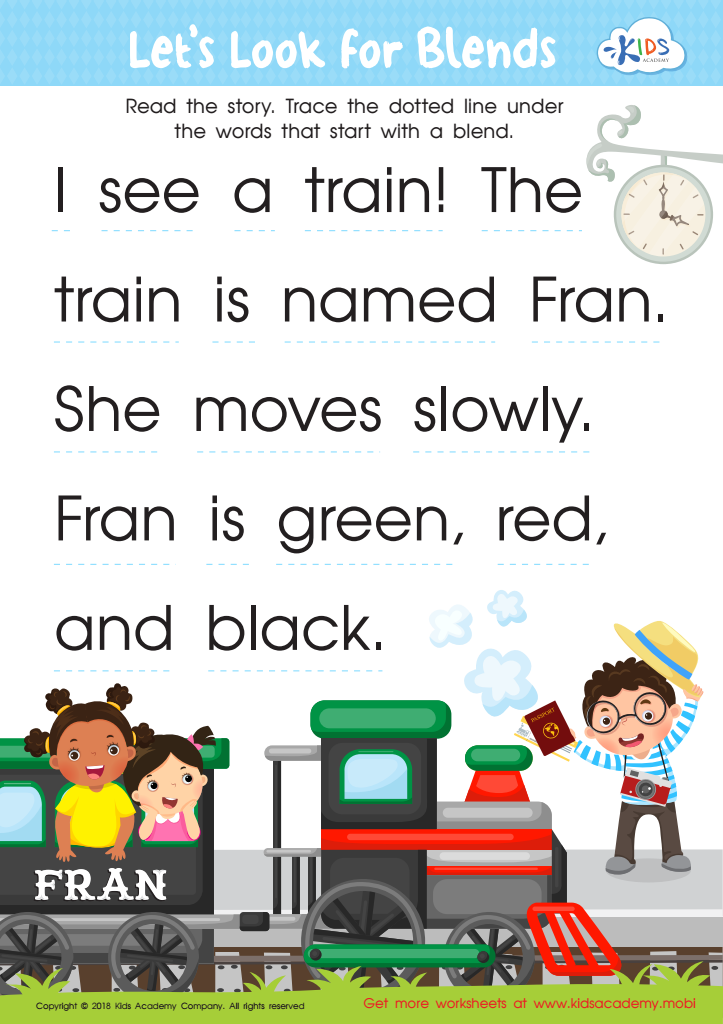
Let's Look for Blends Worksheet
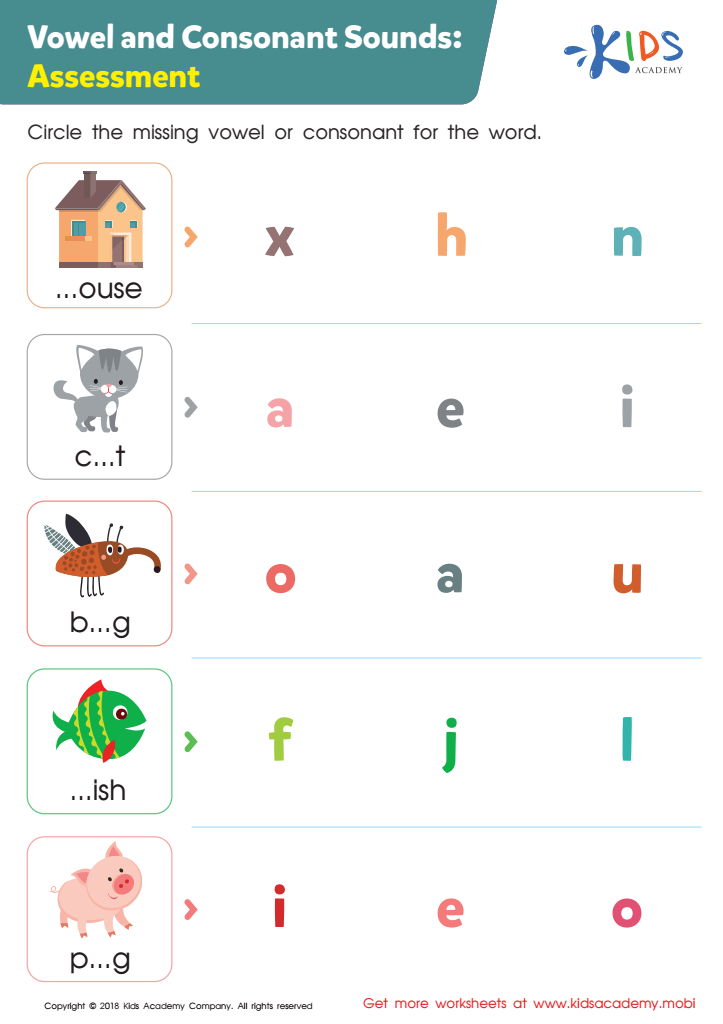
Vowel and Consonant Sounds: Assessment Worksheet
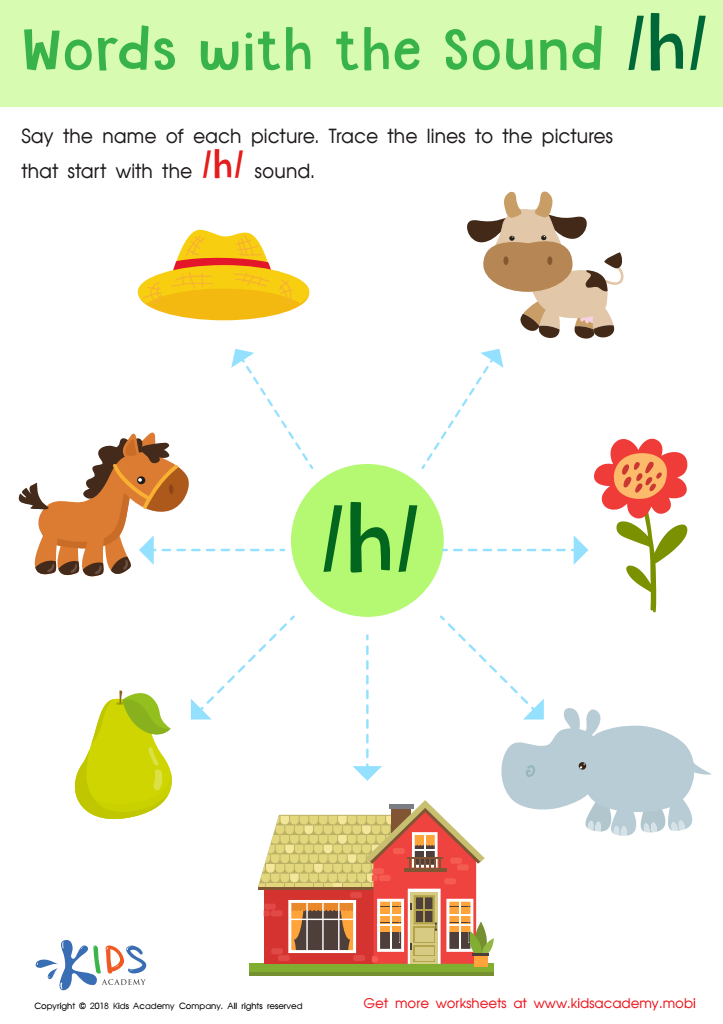
Words with sound h Reading Worksheet
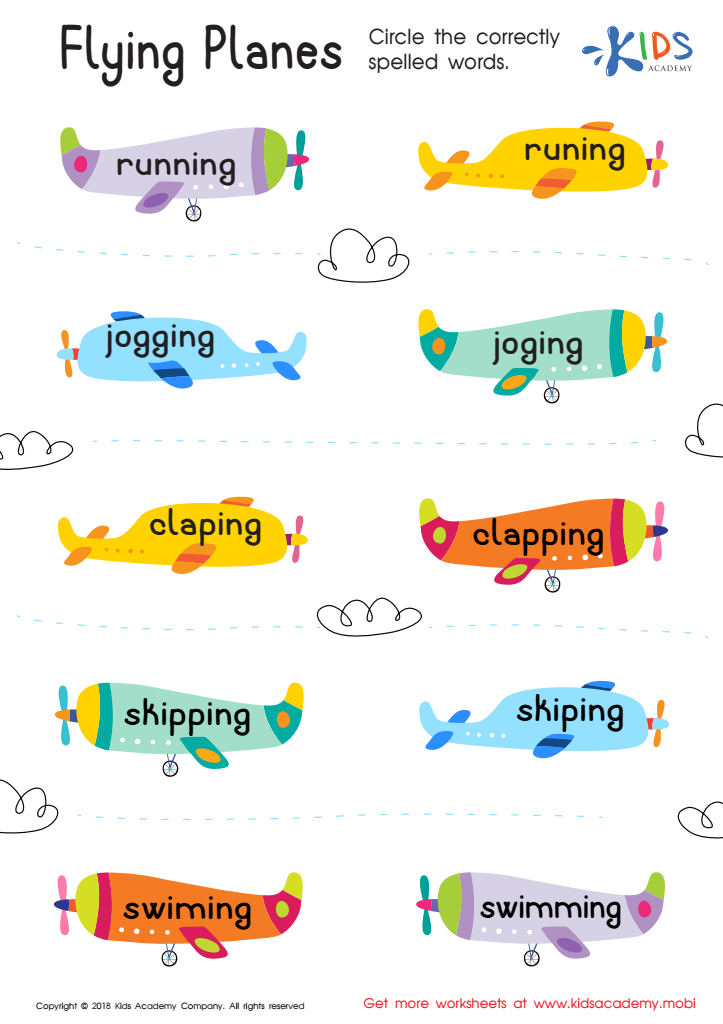
Flying Planes Worksheet
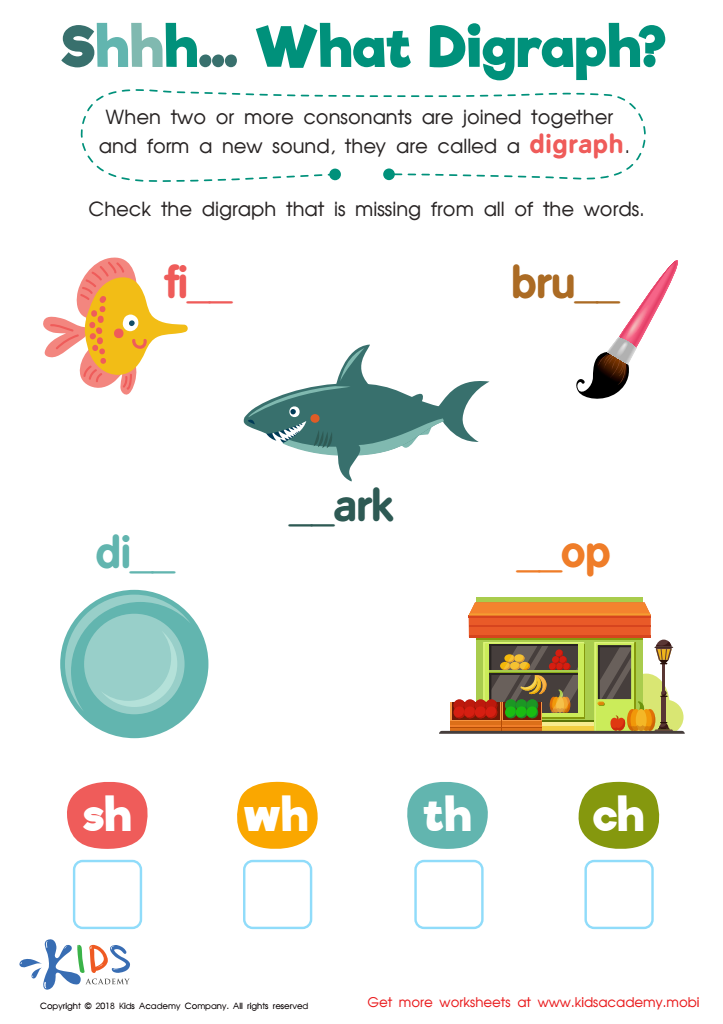
Shhh... What Digraph? Worksheet
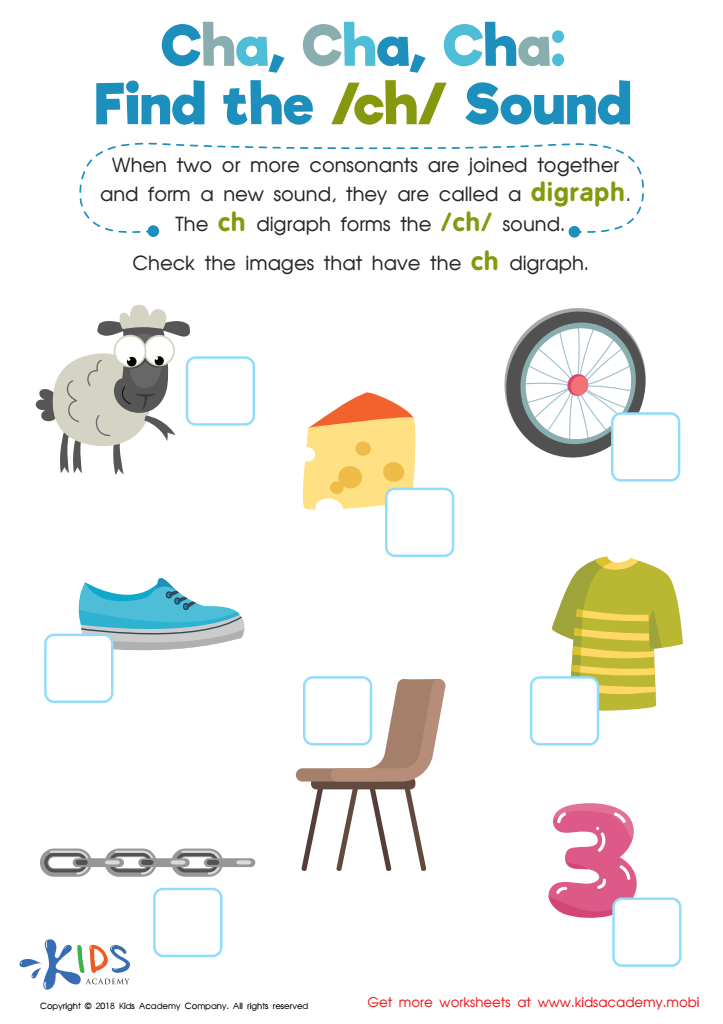
Cha, Cha, Cha: Find the /Ch/ Sound Worksheet
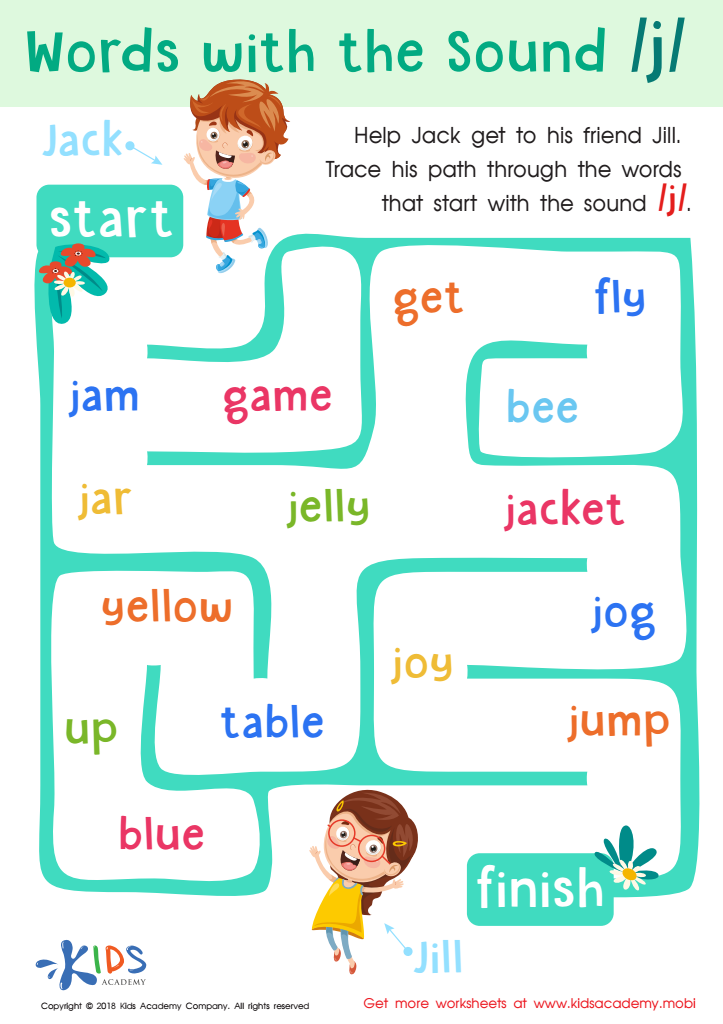
Words with sound j Reading Worksheet
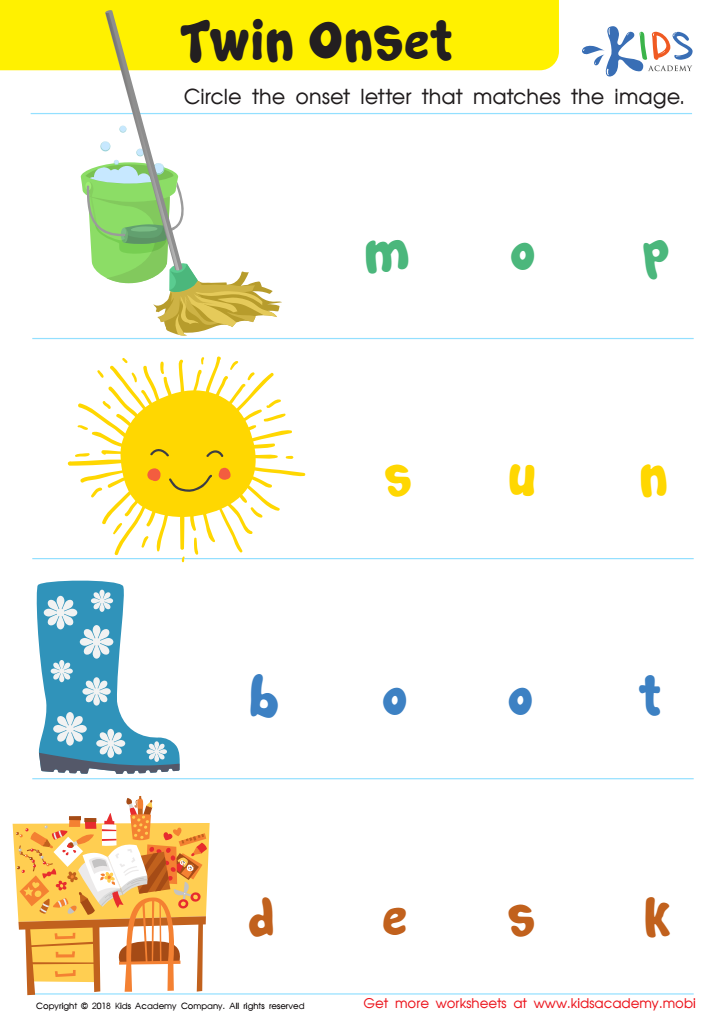
Twin Onset Worksheet
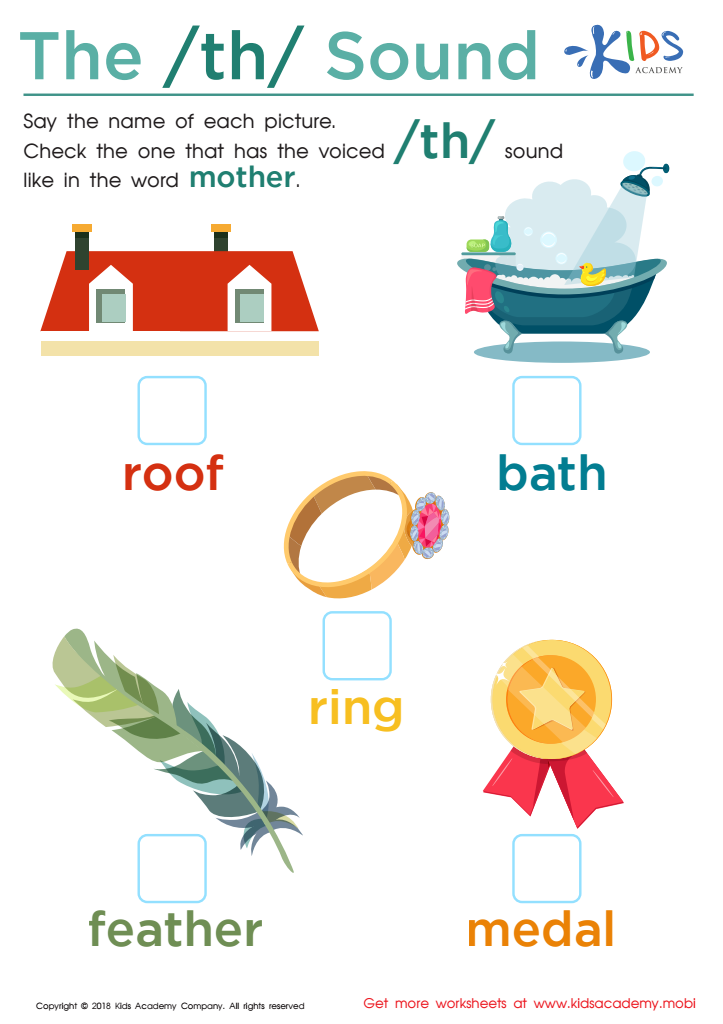
The /th/ Sound Worksheet
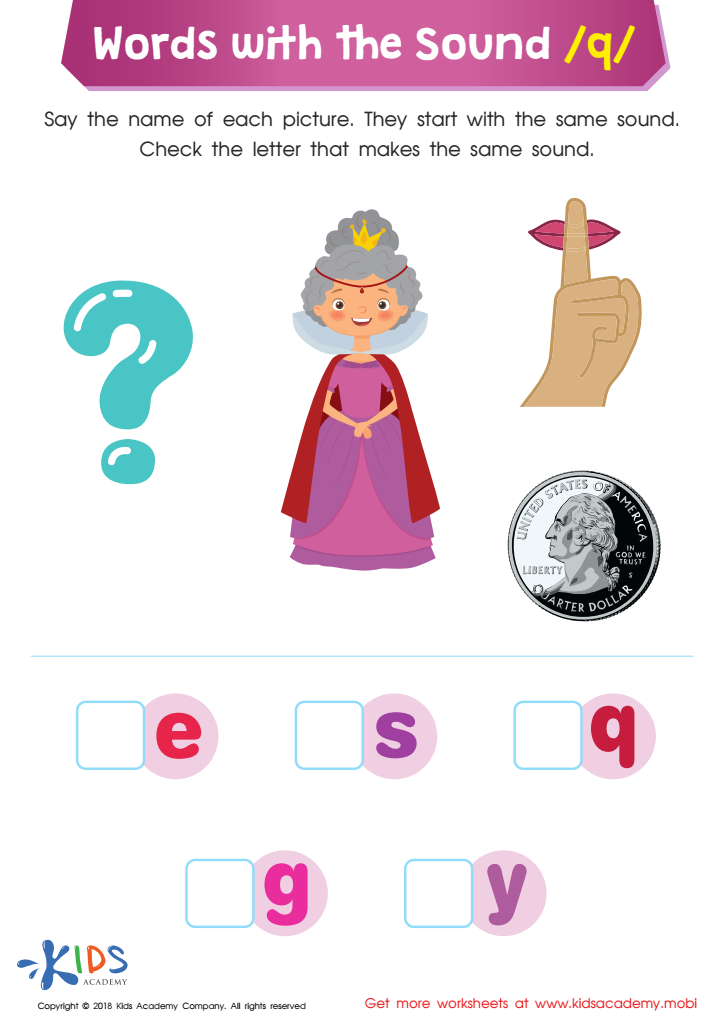
Words with Sound Q Reading Worksheet
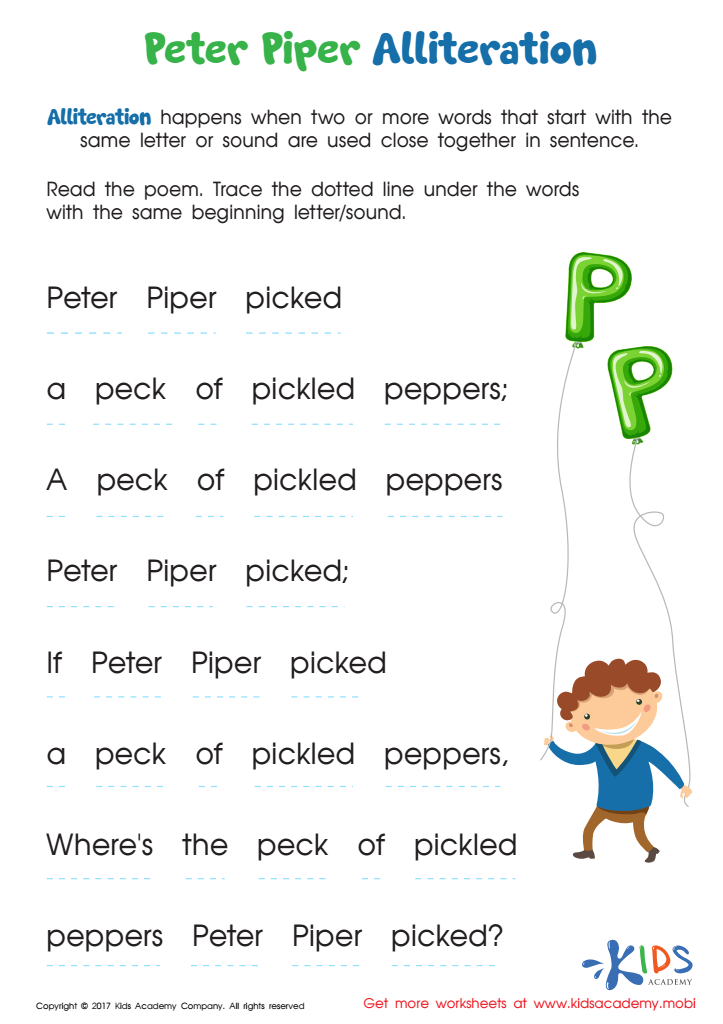
Peter Piper Alliteration Worksheet
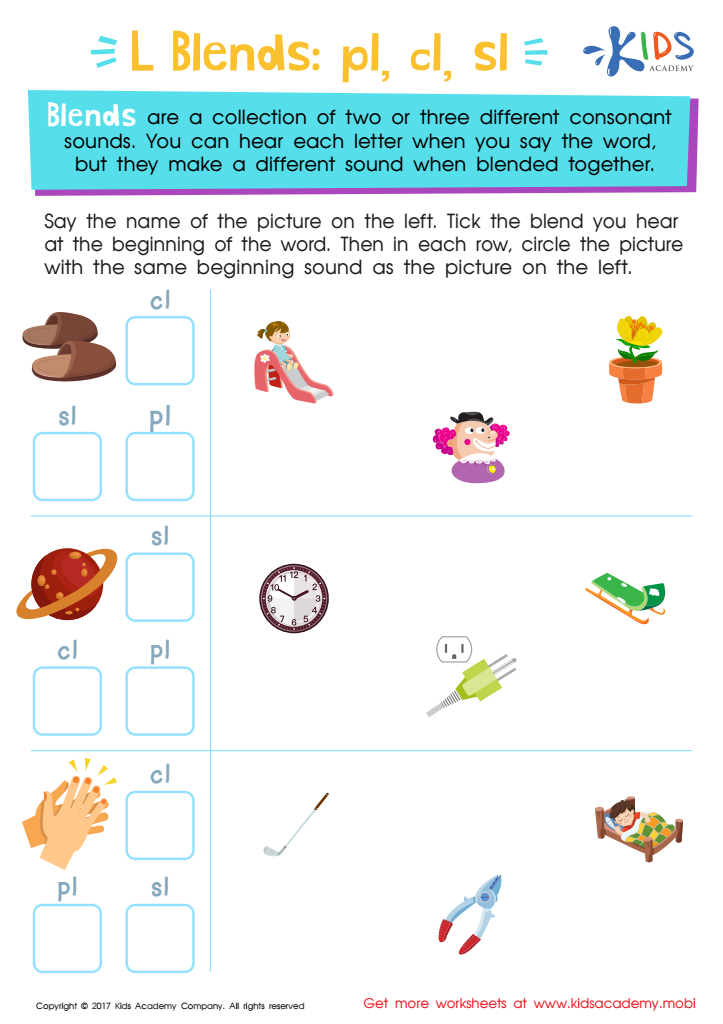
L Blends: "Pl", "Cl" and "Sl" Printable
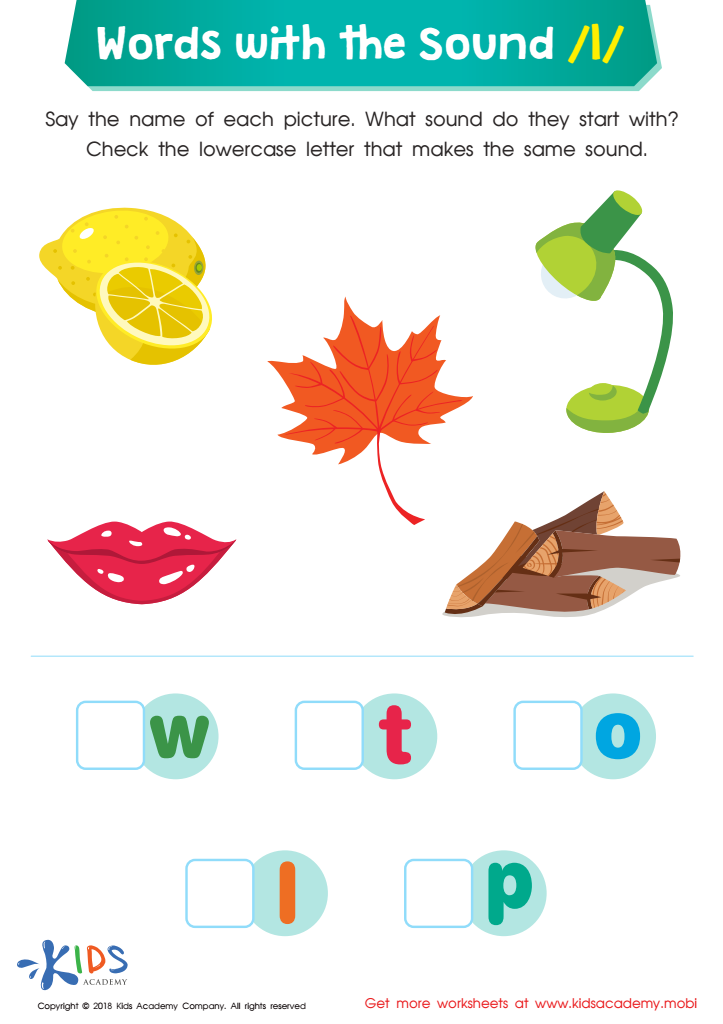
Words with Sound L Reading Worksheet
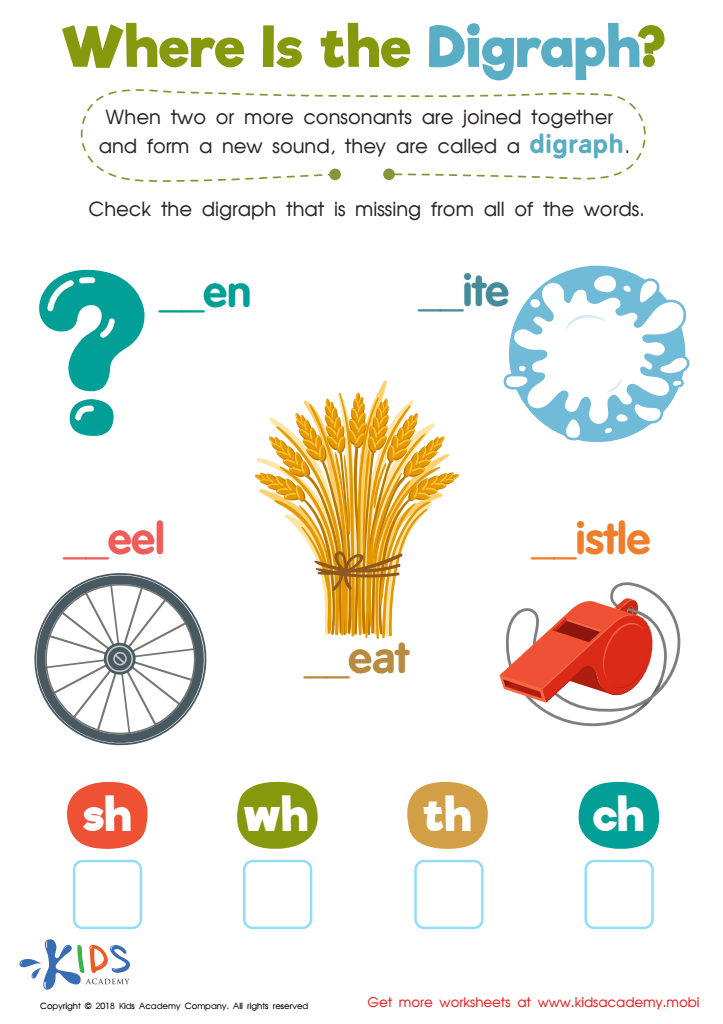
Where Is the Digraph? Worksheet
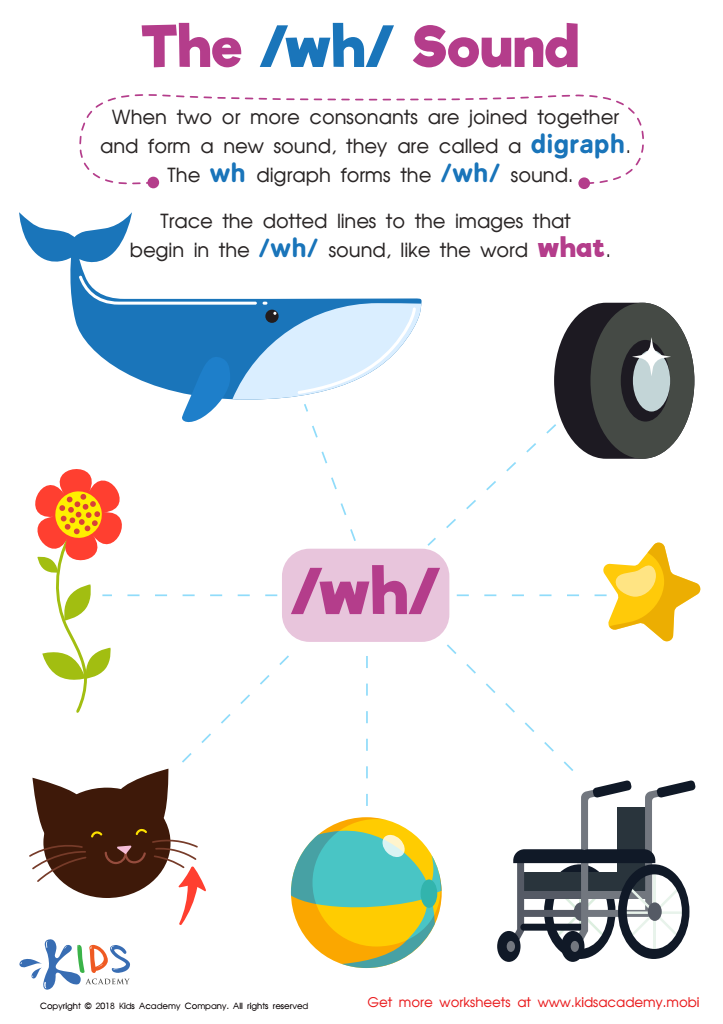
The /wh/ Sound Worksheet
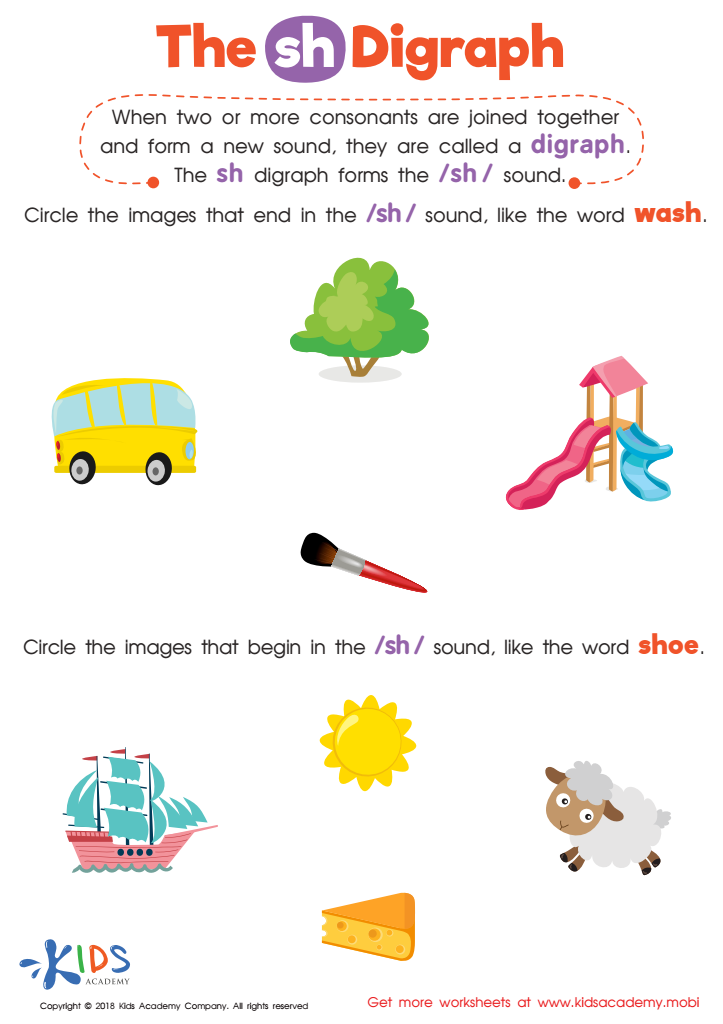
The SH Digraph Worksheet
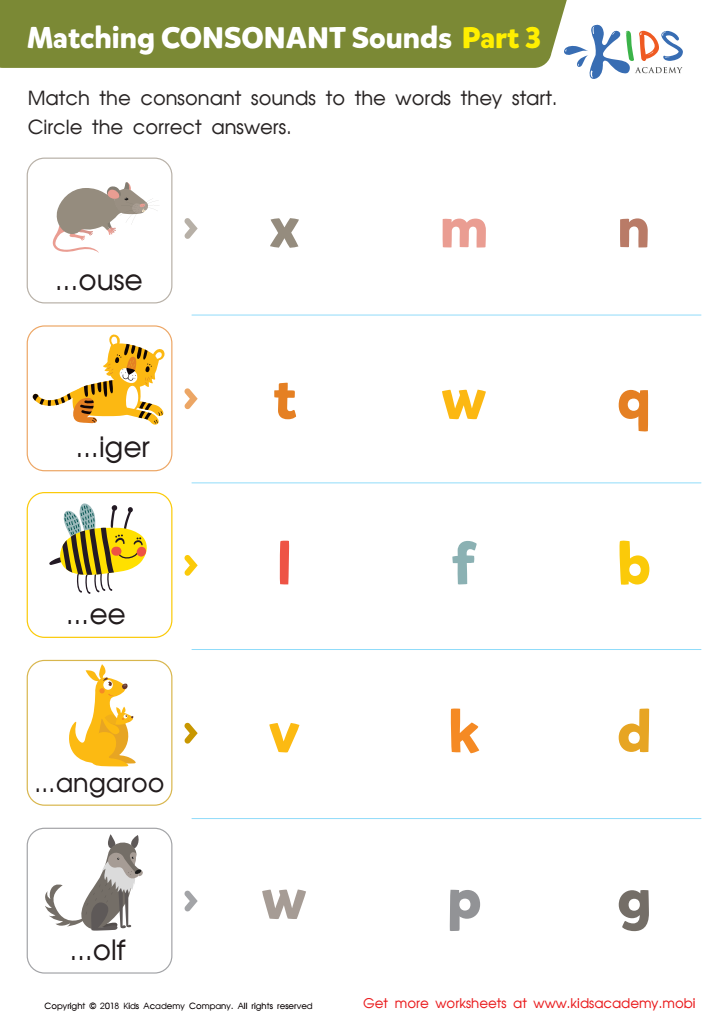
Matching Consonant Sounds: Part 3 Worksheet
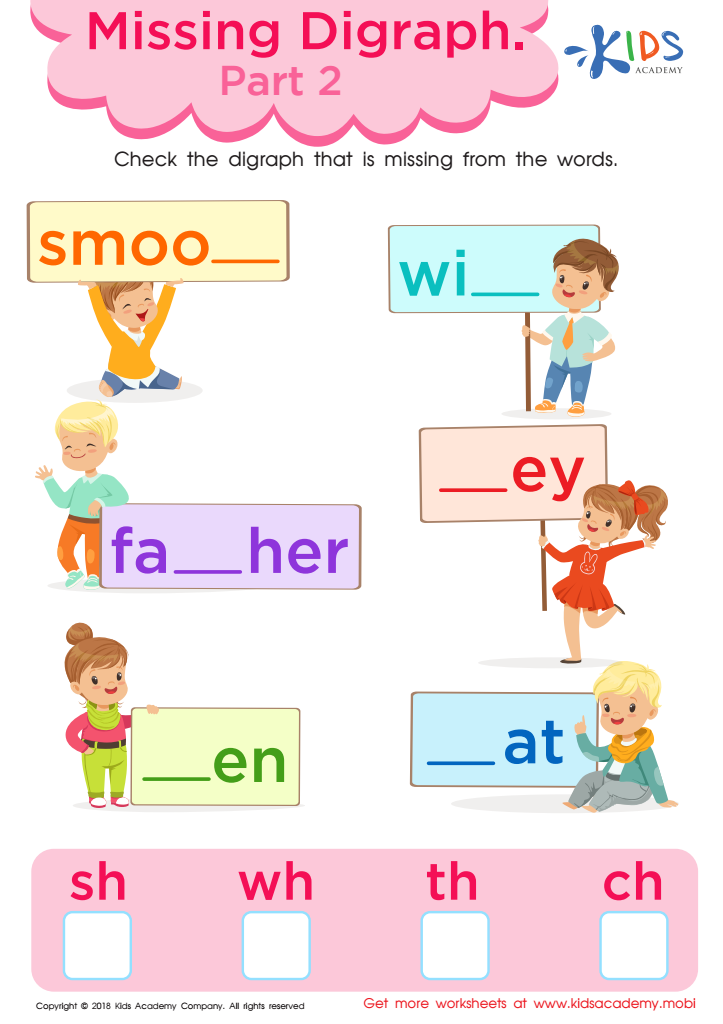
Missing Digraph: Part 2 Worksheet



Understanding consonants is crucial for children aged 6-9 as it forms the foundation for their reading and writing skills. At this stage, learners transition from basic phonics to more complex language patterns, making it vital for them to grasp the role consonants play in word formation. Consonants are essential in decoding unfamiliar words, a skill necessary for developing reading fluency and comprehension.
Parents and teachers should emphasize consonant recognition and pronunciation because these elements help children understand how words are structured and the sounds they convey. Mastery of consonants facilitates better spelling habits and strength in vocabulary acquisition, enabling kids to express their thoughts more clearly and effectively.
Moreover, consonants often shape the meaning of words; subtle changes in sound can lead to entirely different definitions. Engaging activities that promote consonant awareness, such as games and songs, not only improve literacy skills but also make learning enjoyable.
Supporting children in this area enhances their confidence as learners, fosters a love for reading and writing, and sets them on a path for academic success. Ultimately, understanding consonants is a stepping stone to effective communication, critical thinking, and overall literacy development.







