Numbers Worksheets for Ages 7-9 - Page 14
323 filtered results
-
From - To
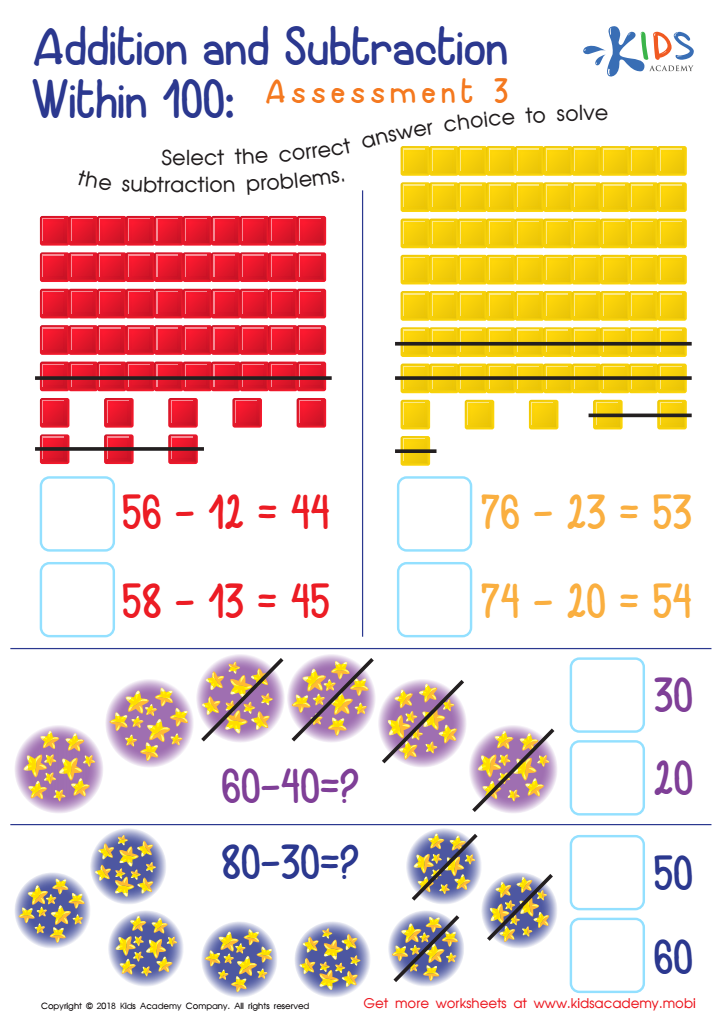
Addition and Subtraction Within 1: Assessment 3 Worksheet
 Assign to My Students
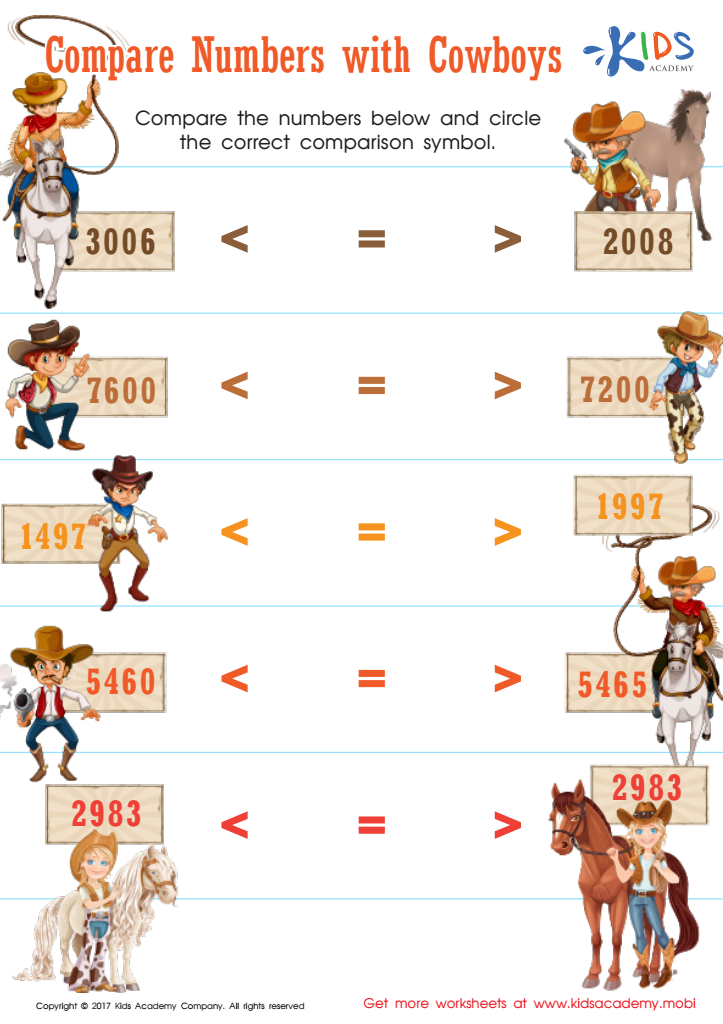
Compare Numbers Worksheet for 3rd Grade
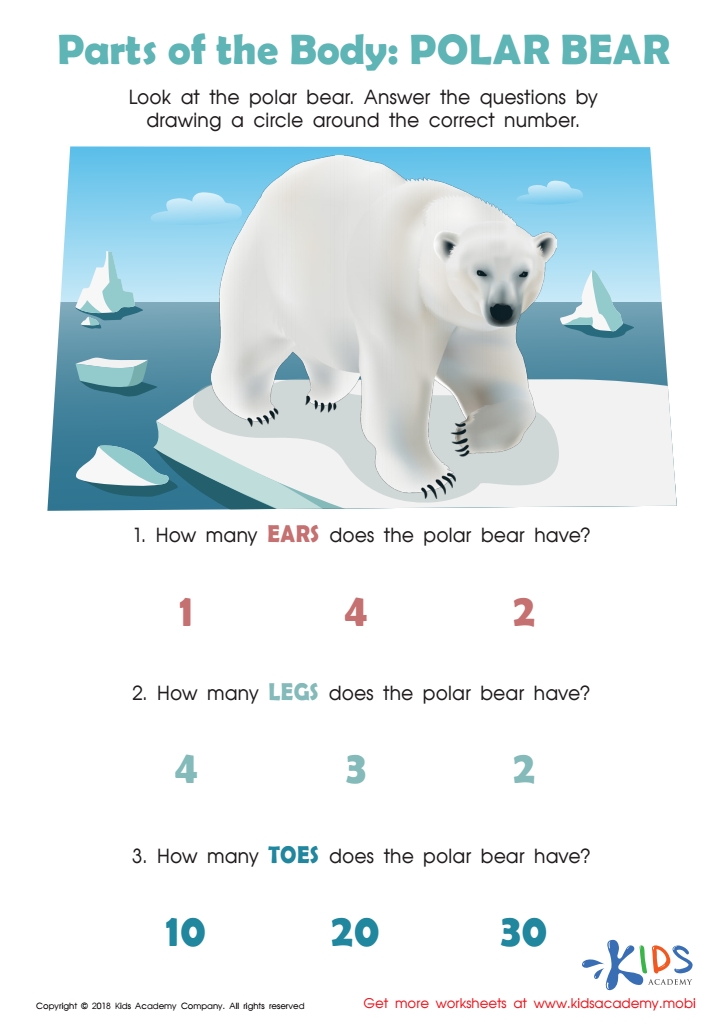
Parts of the Body: Polar Body Worksheet
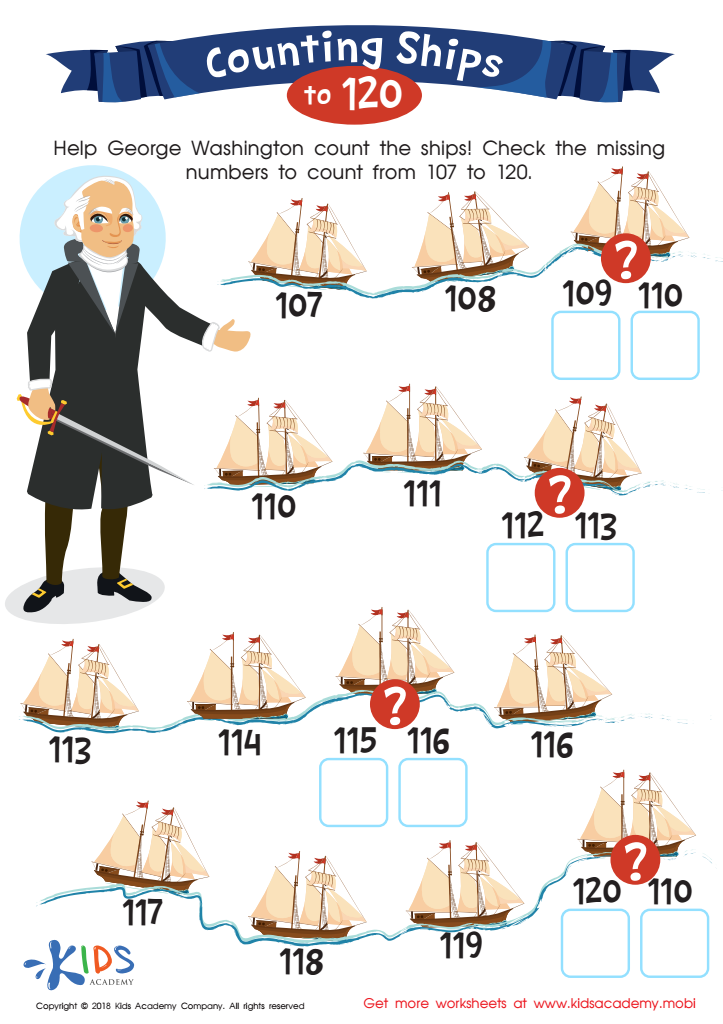
Counting Ships to 120 Worksheet
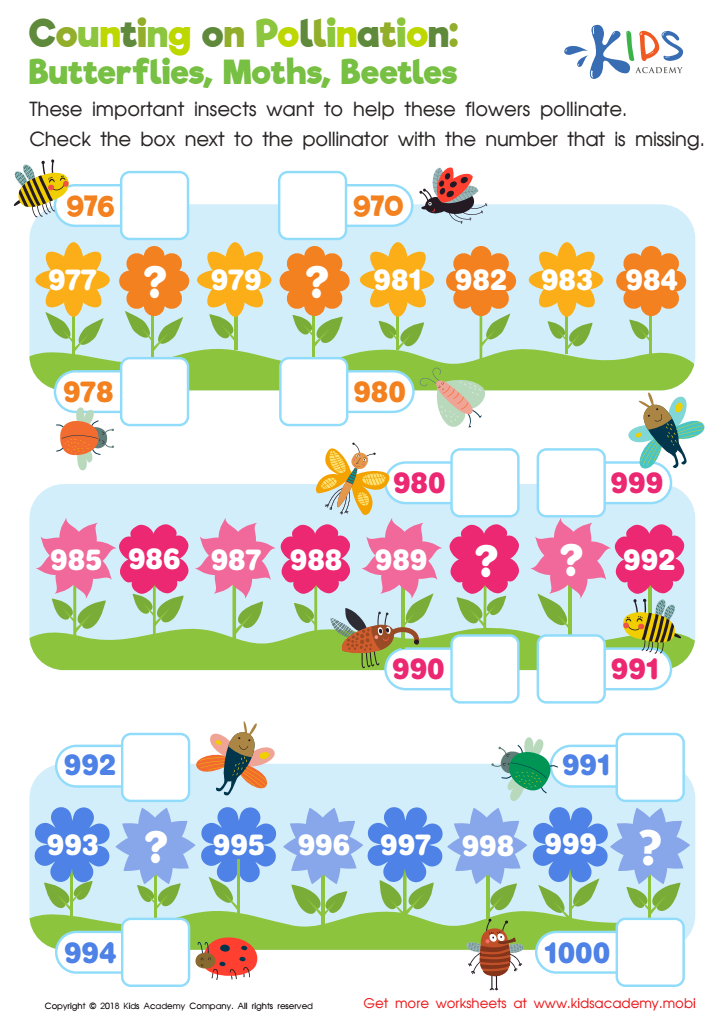
Counting on Pollination: Butterflies, Moths, Beetles Worksheet
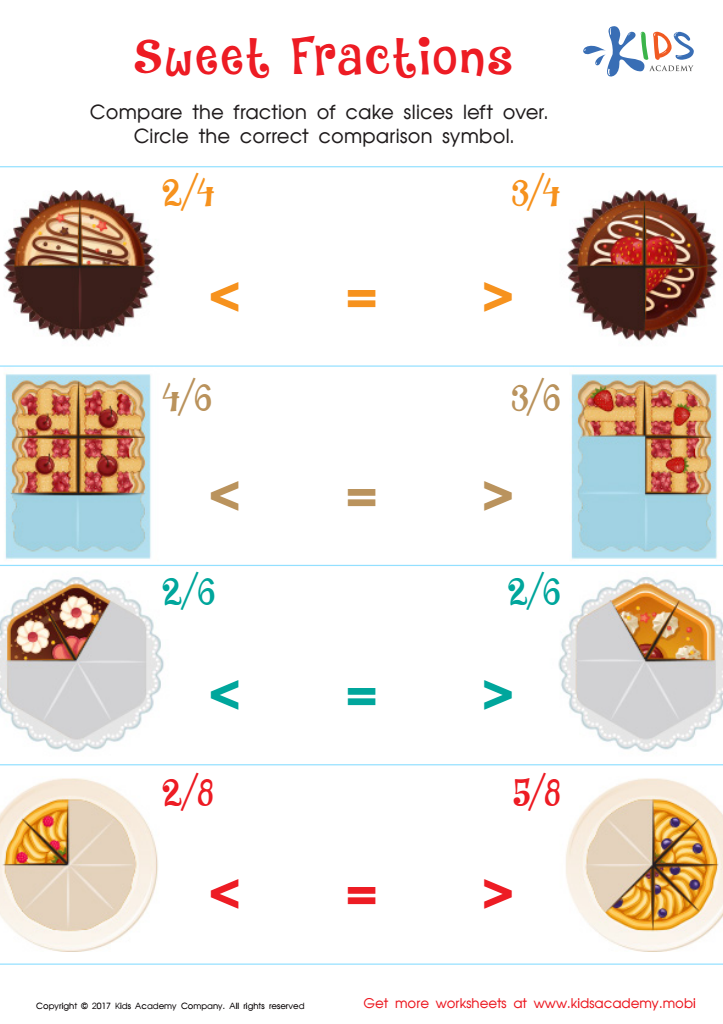
Compare Fractions Worksheet
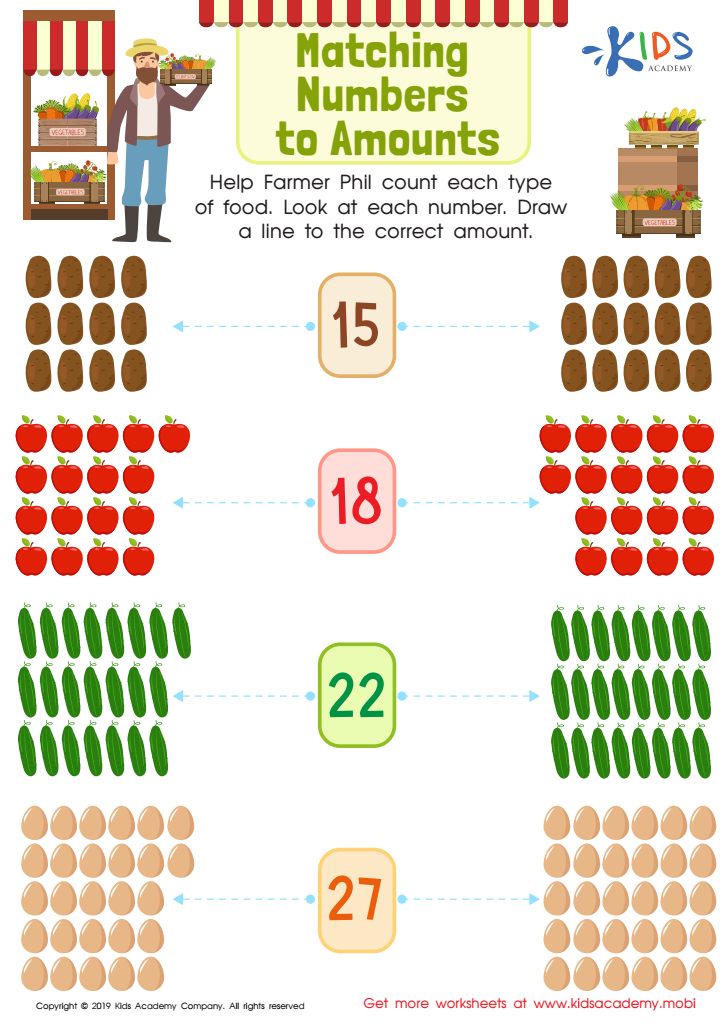
Matching Numbers to Amounts Worksheet
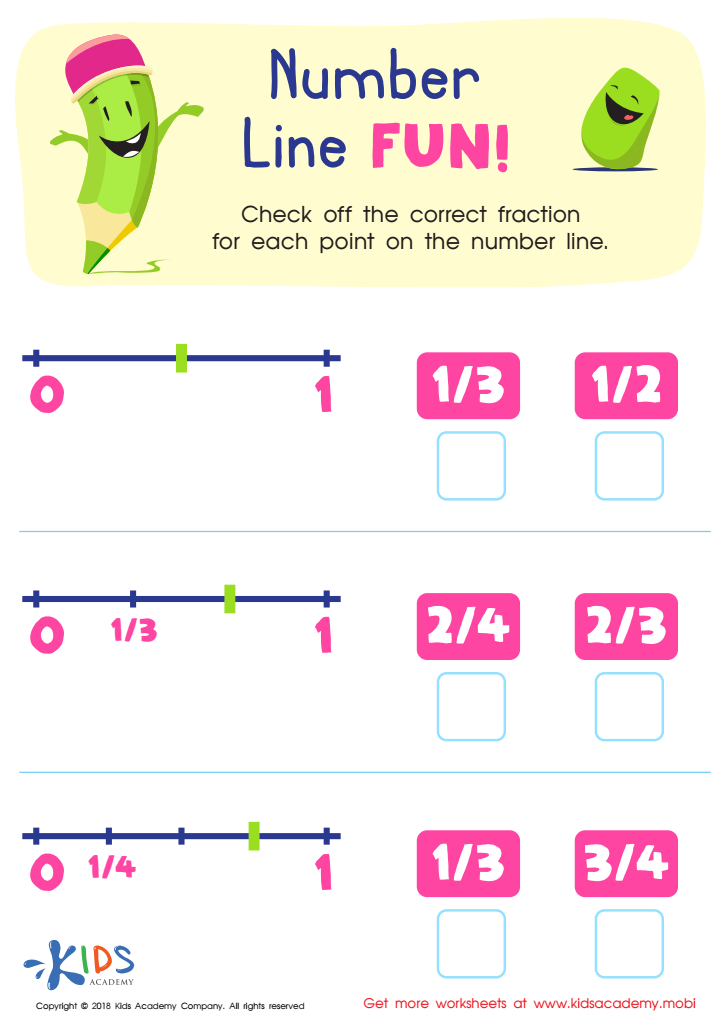
Number Line Fun Worksheet

Counting on the City Skyline: Dot-to-Dot Worksheet
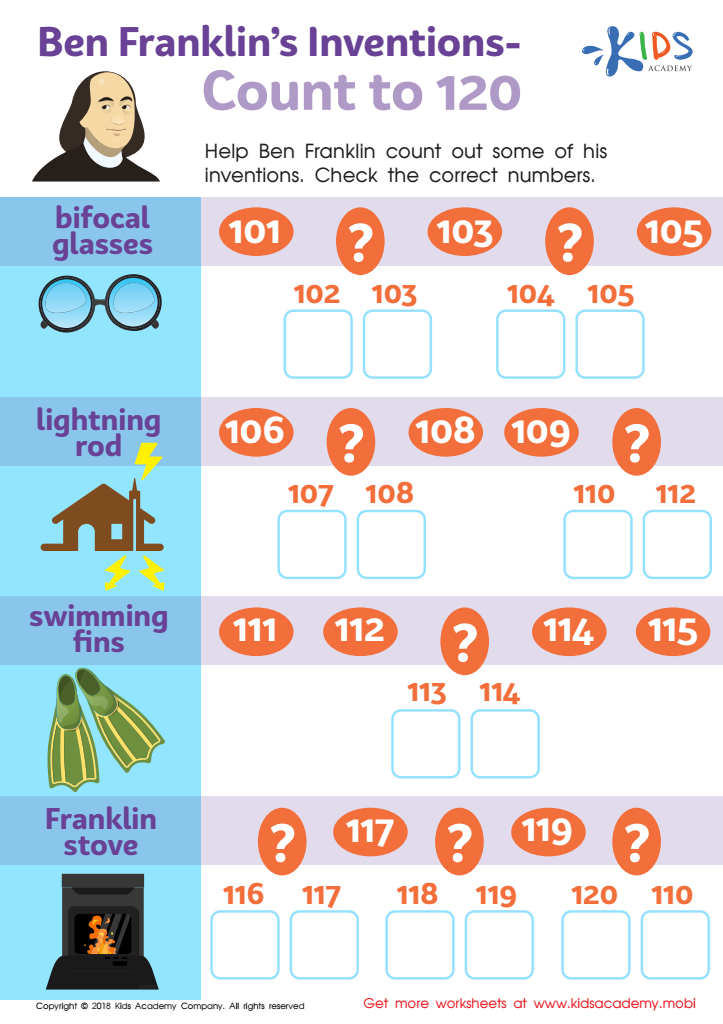
Ben Franklin’s Inventions – Count to 120 Worksheet
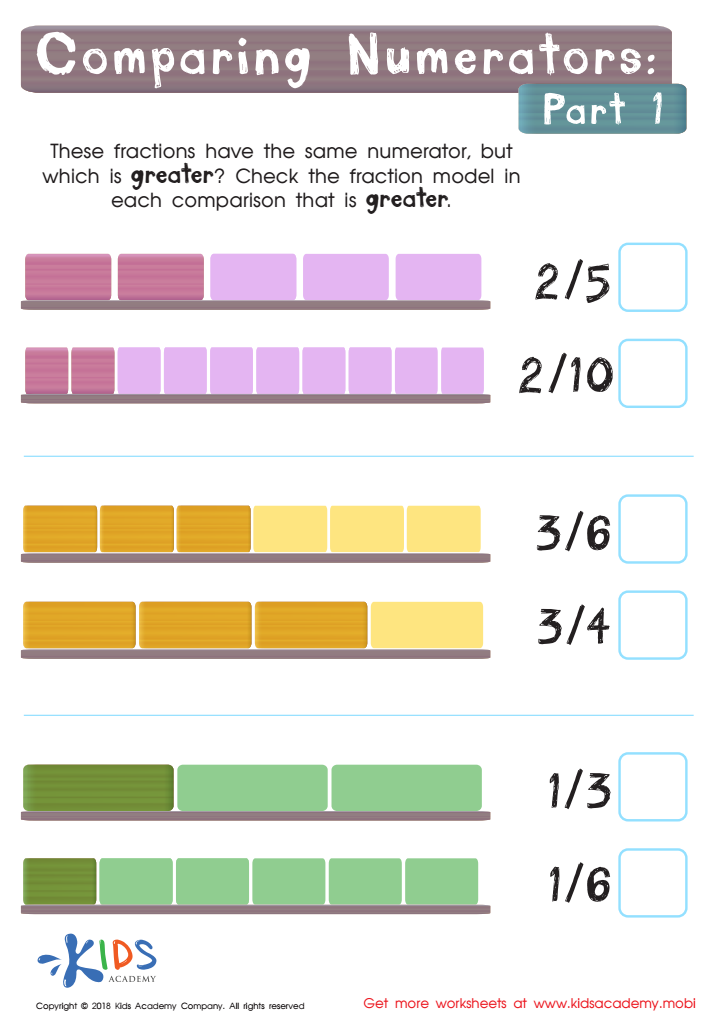
Comparing Numerators Part 1 Worksheet








Parents and teachers should prioritize numbers for children aged 7-9 because this pivotal stage fosters foundational mathematical skills crucial for lifelong learning. At this age, children transition from basic arithmetic to more complex concepts like multiplication, division, fractions, and even early geometry. Understanding numbers not only enhances problem-solving abilities but also develops logical thinking.
Additionally, numeracy is linked to everyday life skills. Mastering numbers enables children to manage money, time, and measurements, making them more independent and confident in real-world situations. Exposure to numbers during these formative years supports cognitive development and builds perseverance through challenging problem-solving tasks.
Furthermore, instilling a positive attitude towards math can combat math anxiety, a common issue that can hinder future education. By encouraging a supportive and engaging approach to numbers, parents and teachers can nurture a positive mathematical identity, empowering children with the belief that they can excel in this subject.
Finally, establishing strong numerical comprehension during these early years sets the groundwork for future academic success across various disciplines, as many fields build upon mathematical concepts. Consequently, prioritizing numbers is essential for a child's overall development and future opportunities.








