Governance and Civics Worksheets for Ages 7-9 - Page 2
47 filtered results
-
From - To
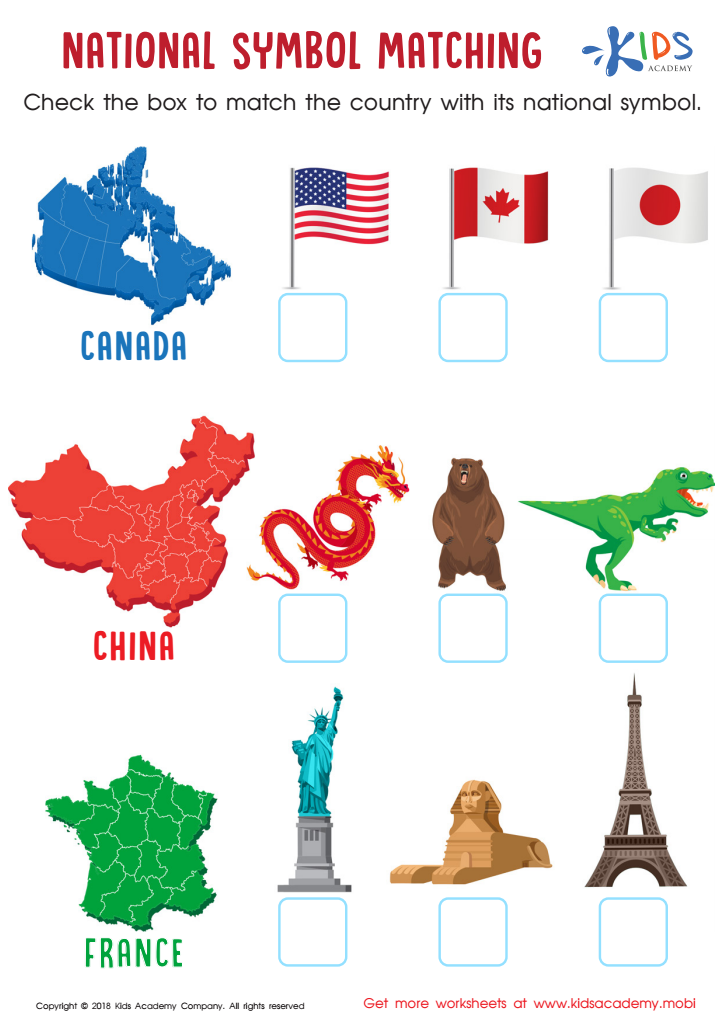
National Symbol Matching Worksheet
 Assign to My Students
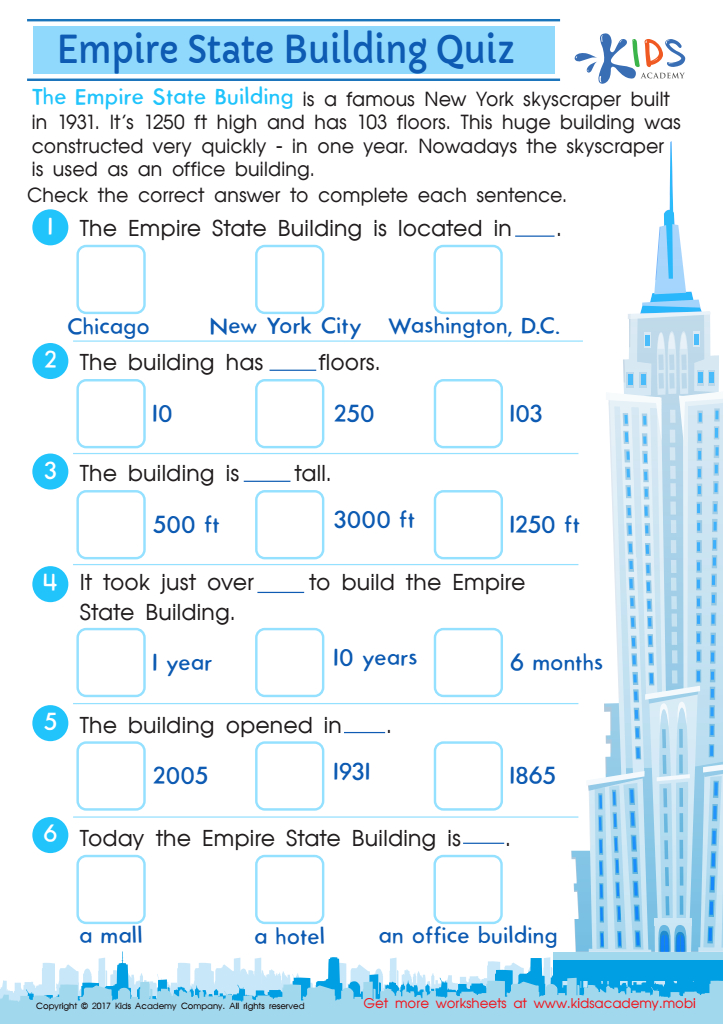
Empire State Building Printable Worksheet
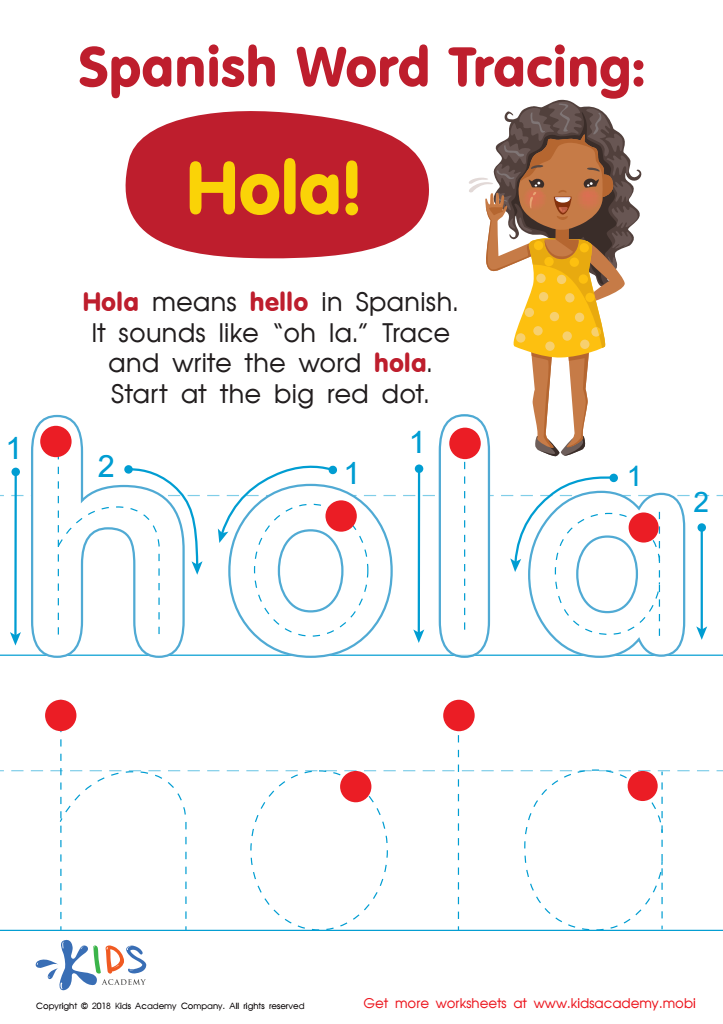
Spanish Word Tracing: Hola Worksheet
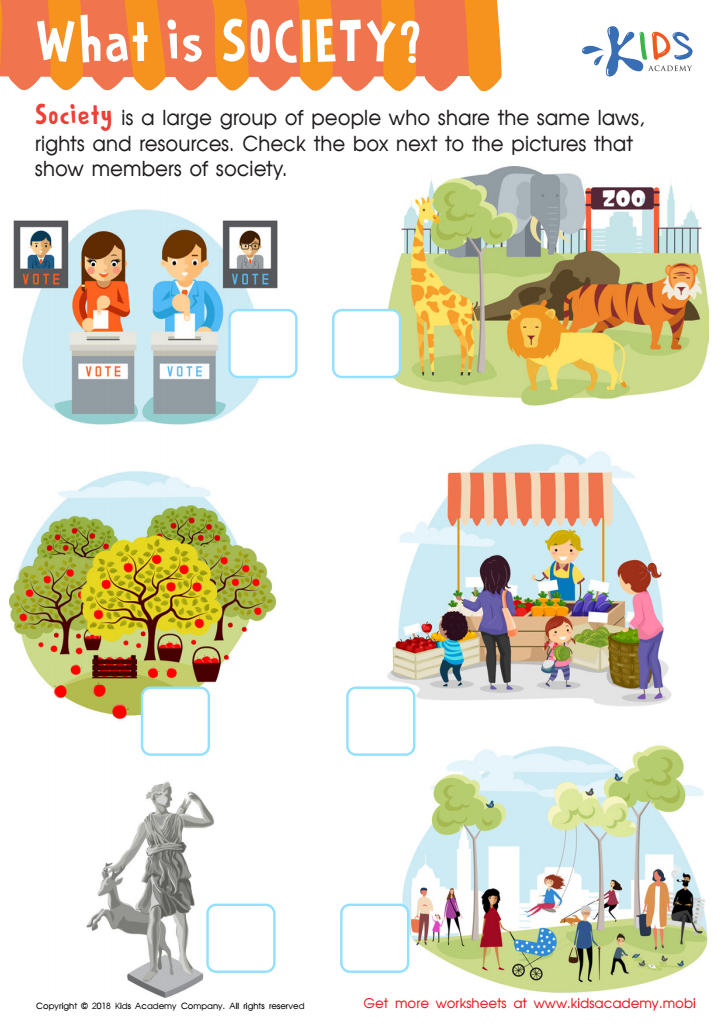
What Is Society? Worksheet
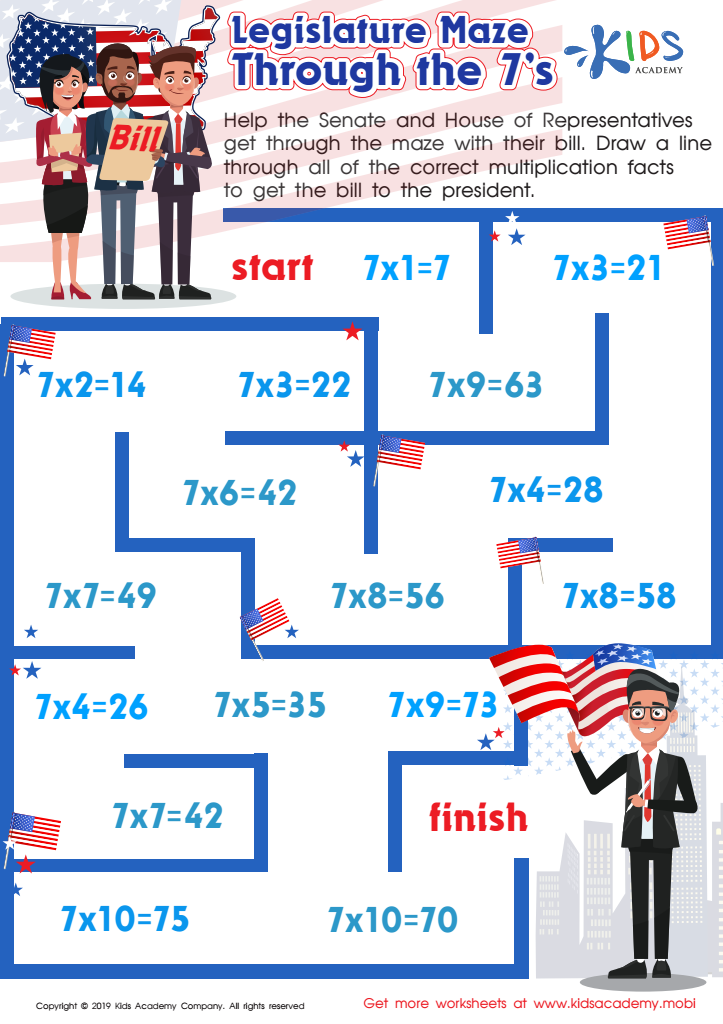
Legislature Maze Through the 7’s Worksheet
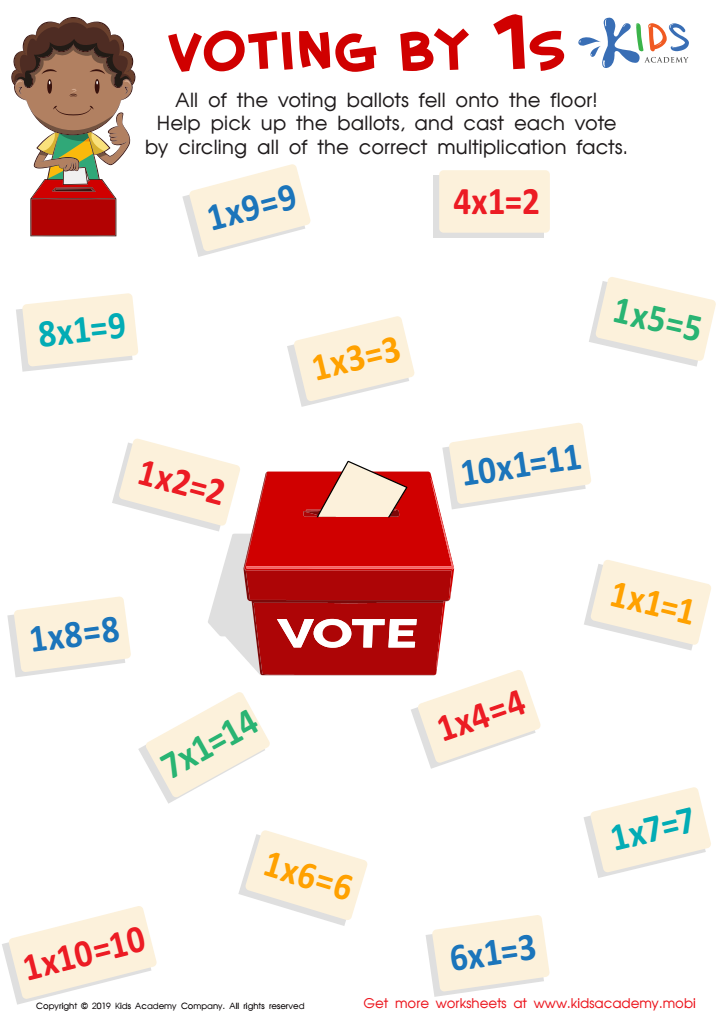
Voting by 1s Worksheet
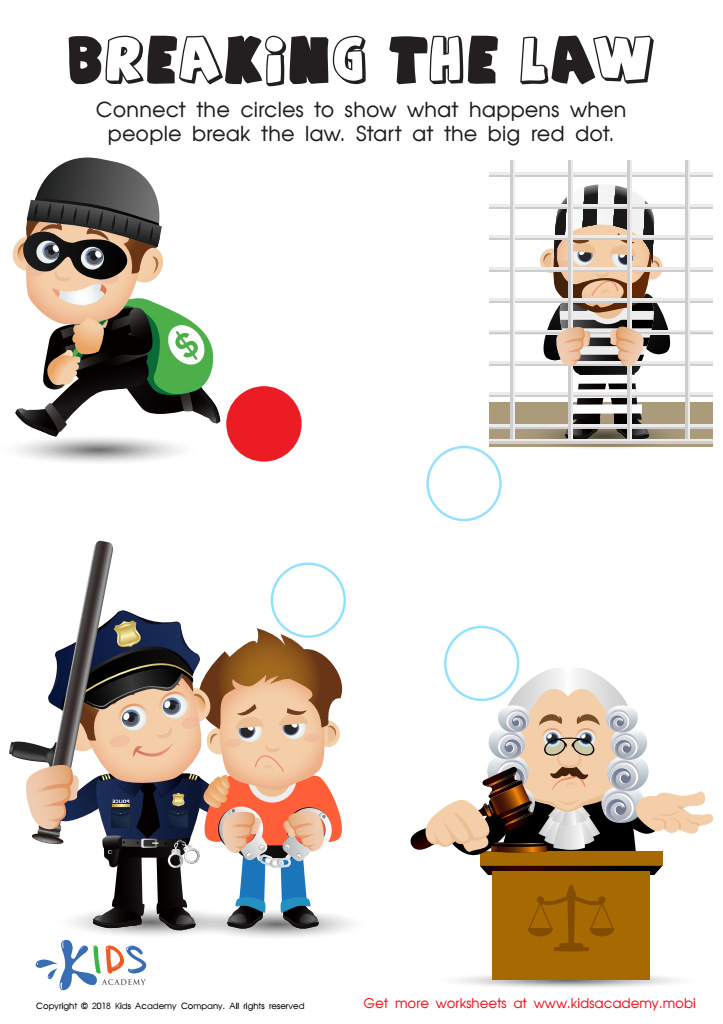
Breaking the Law Worksheet
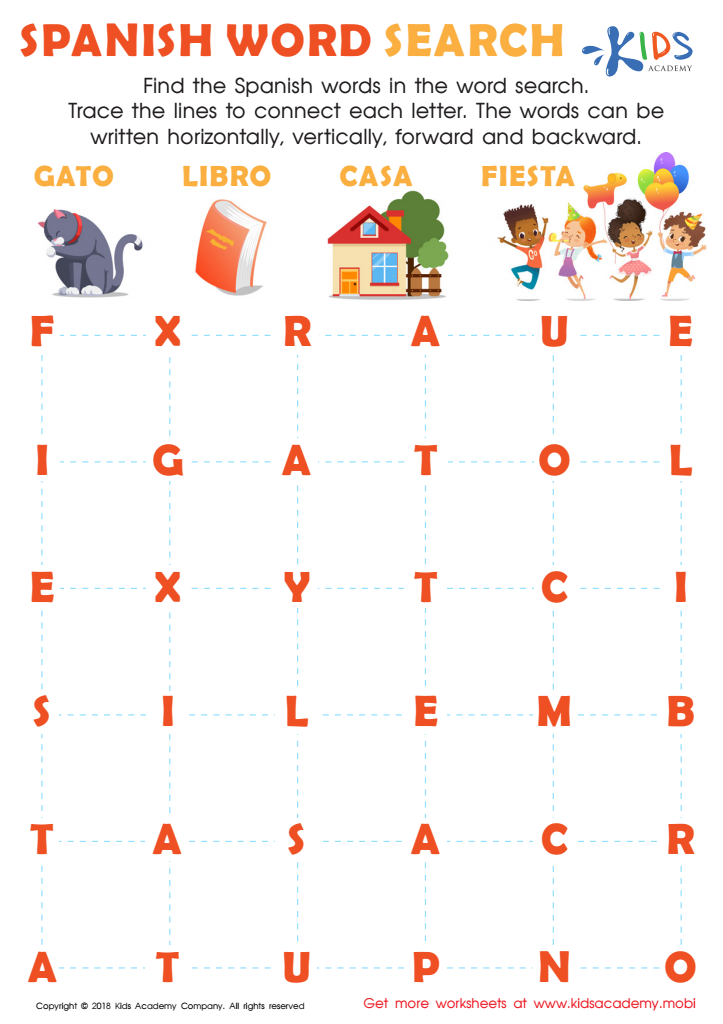
Spanish Word Search Worksheet
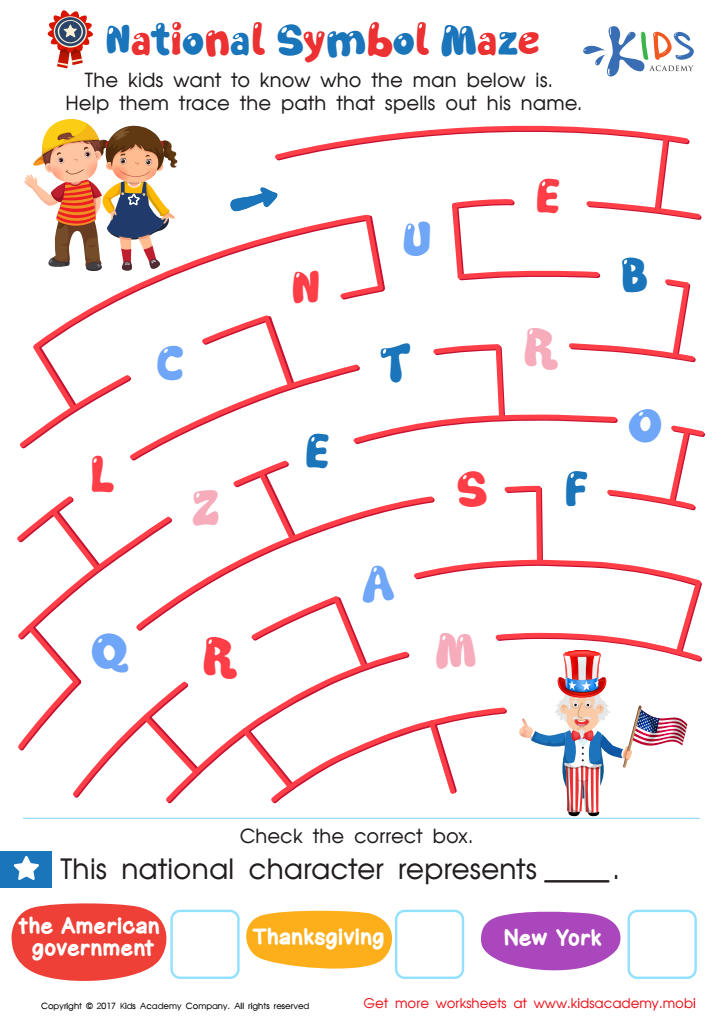
National Symbol Maze Worksheet
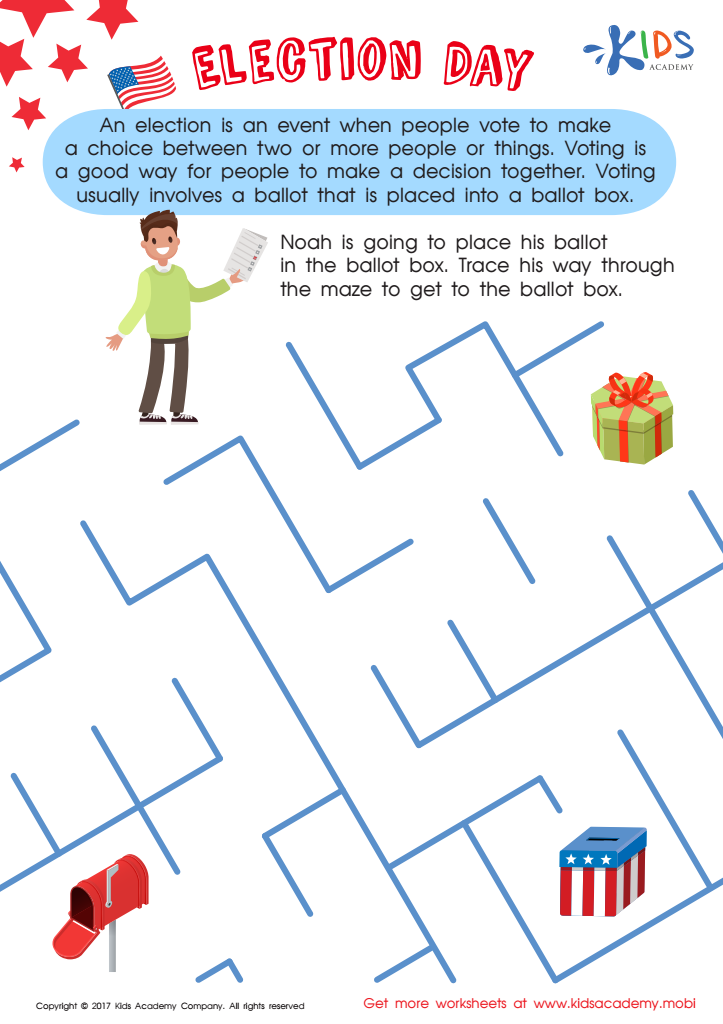
Election Day Worksheet
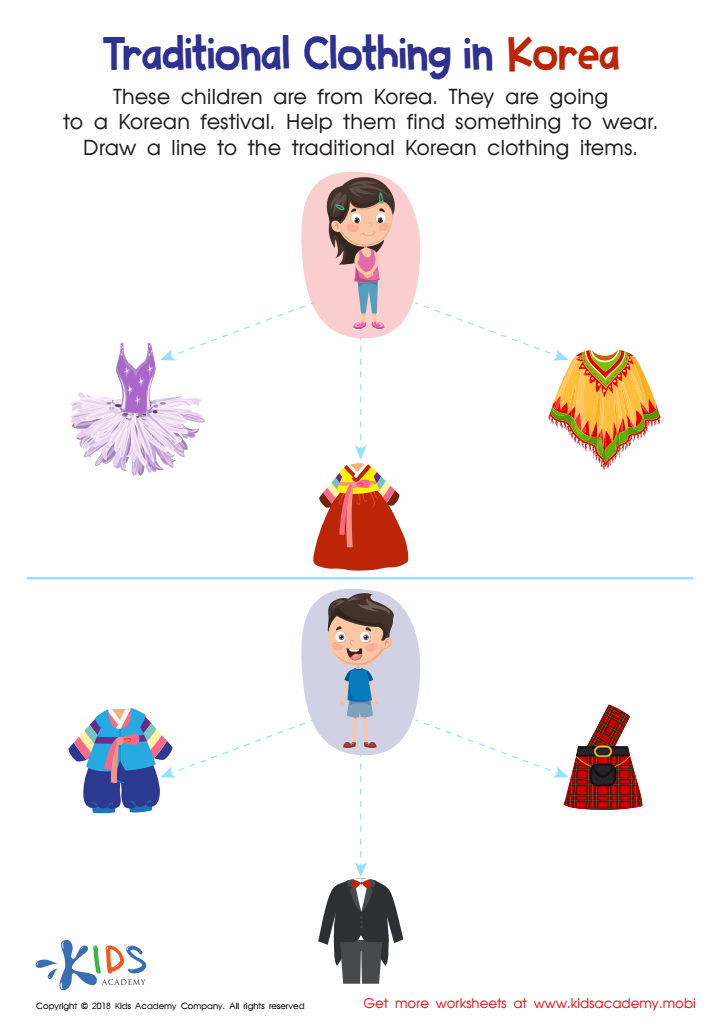
Traditional Clothing in Korea Worksheet
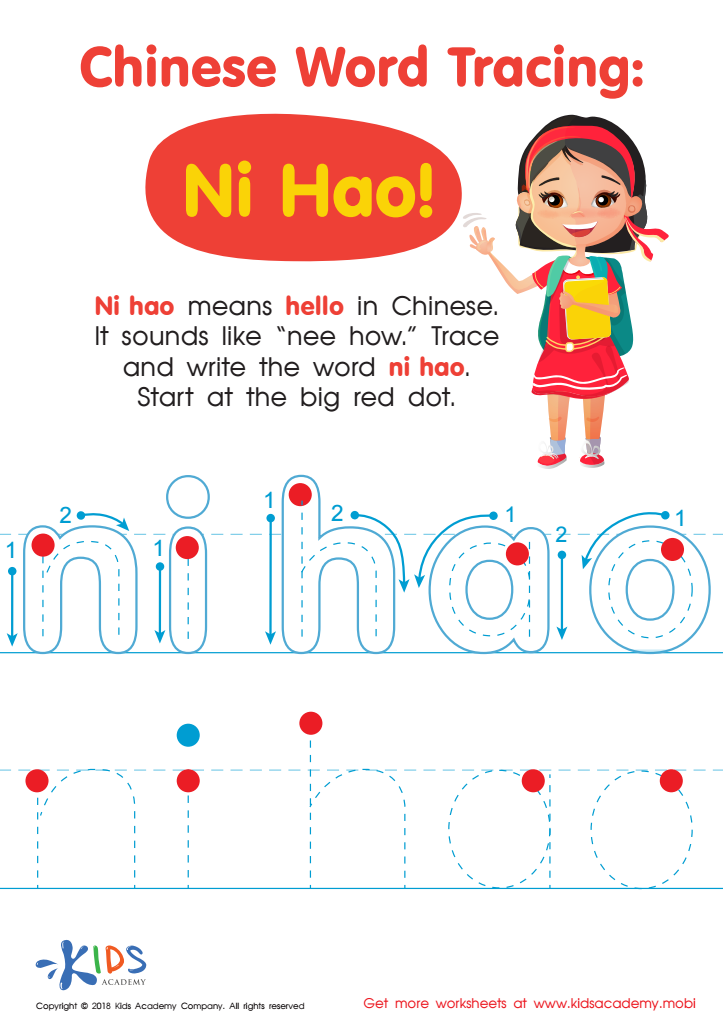
Chinese Word Tracing: Ni Hao Worksheet
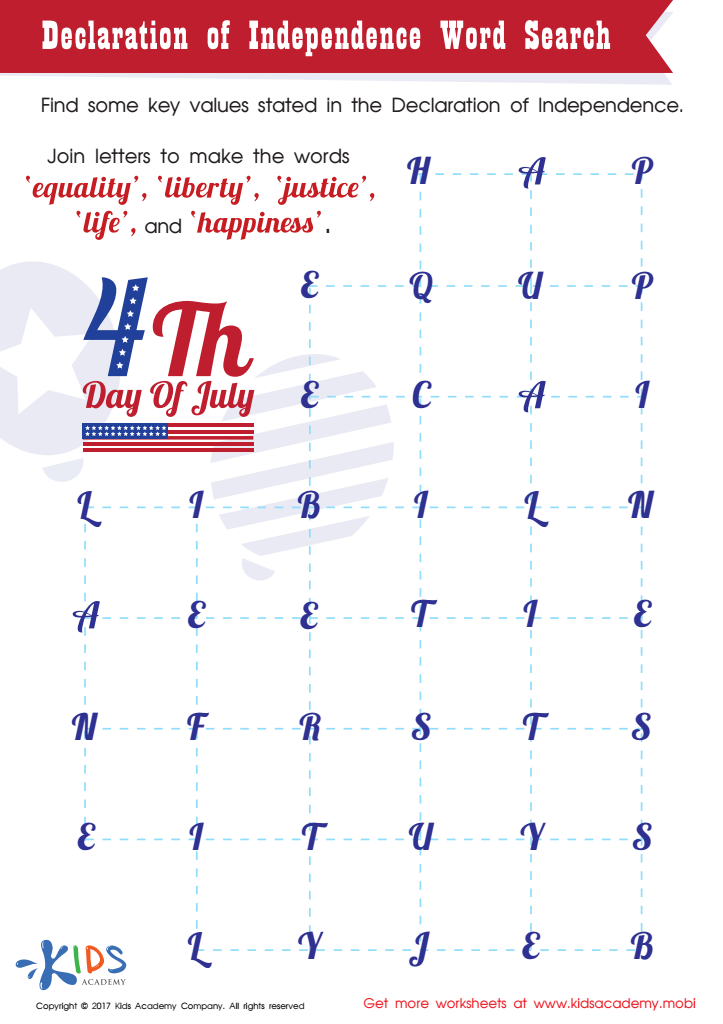
Declaration of Independence Word Search Printable
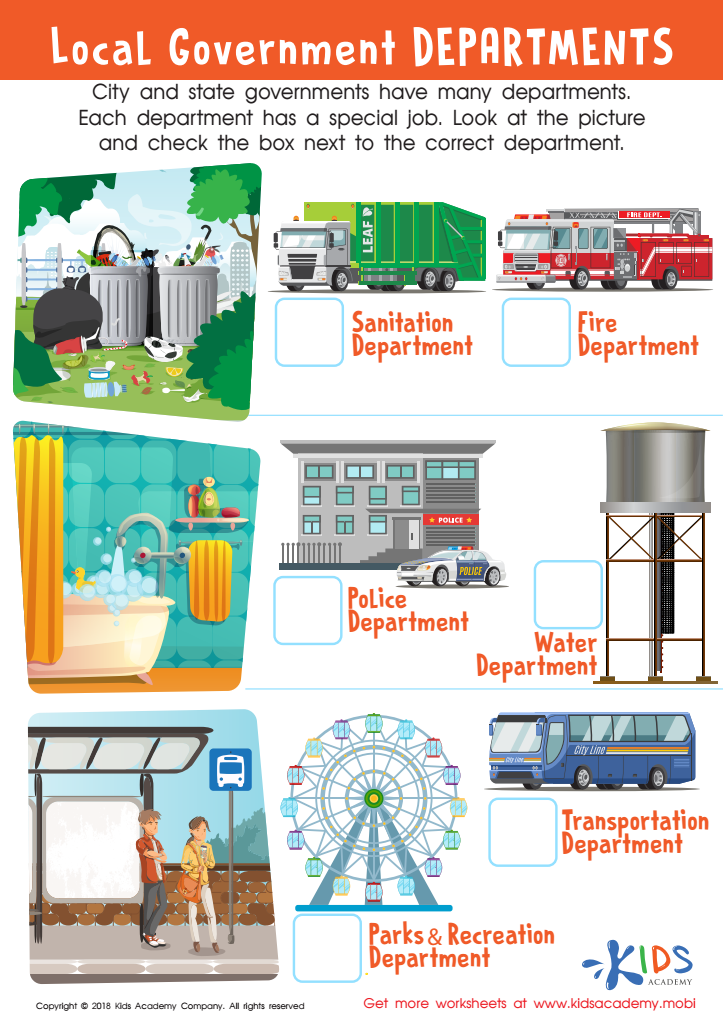
Local Government Departments Worksheet
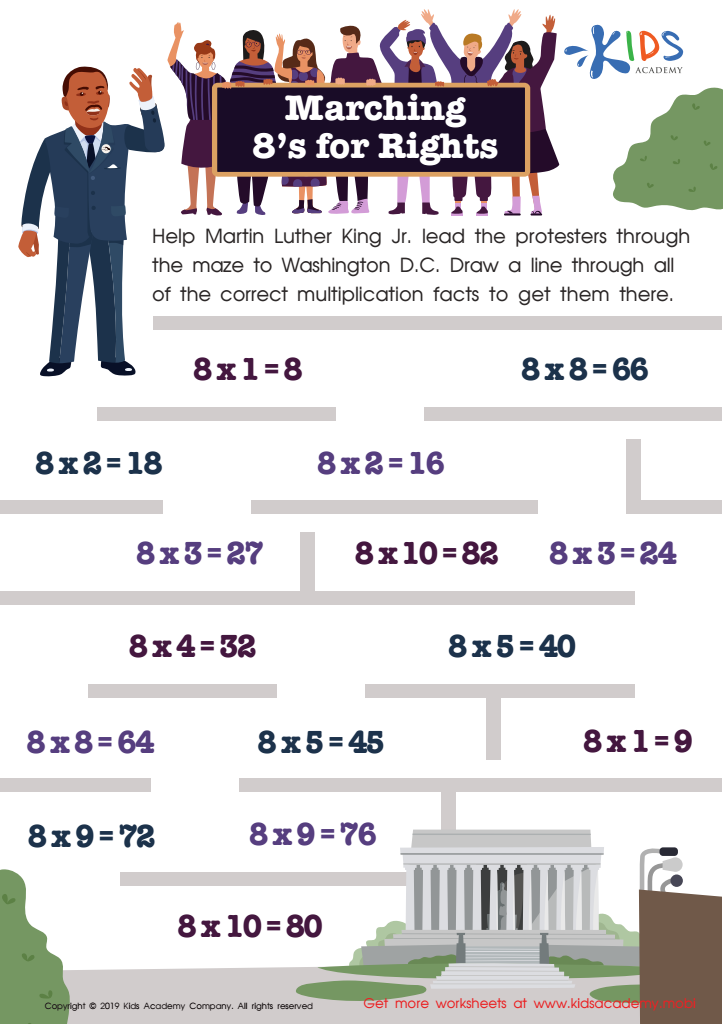
Marching 8’s for Rights Worksheet
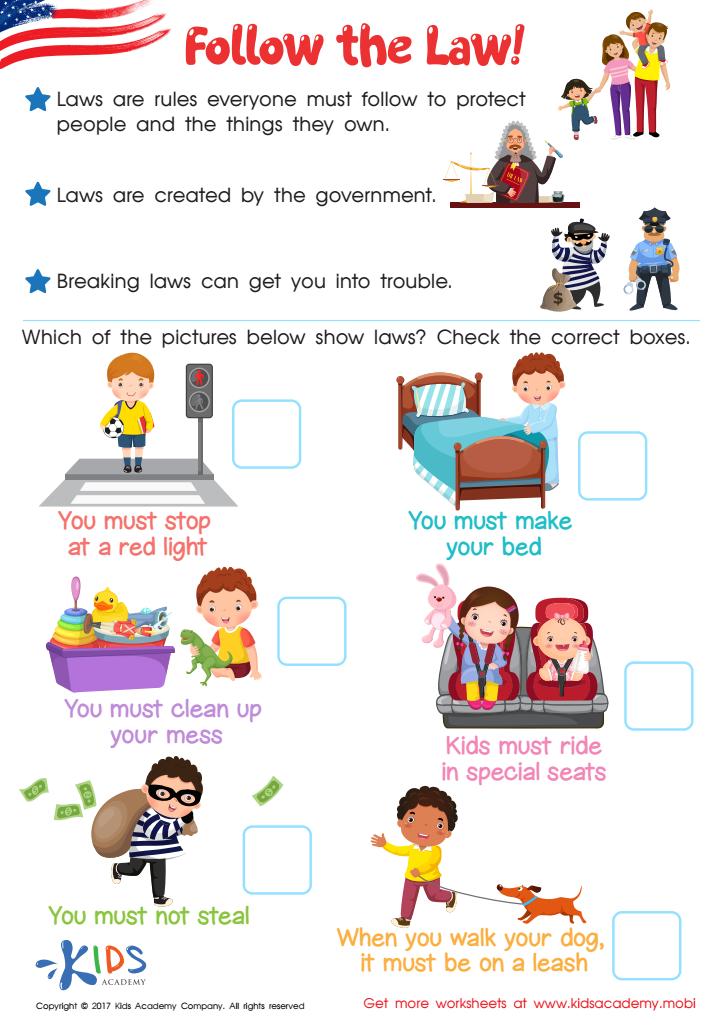
Follow the Law Worksheet
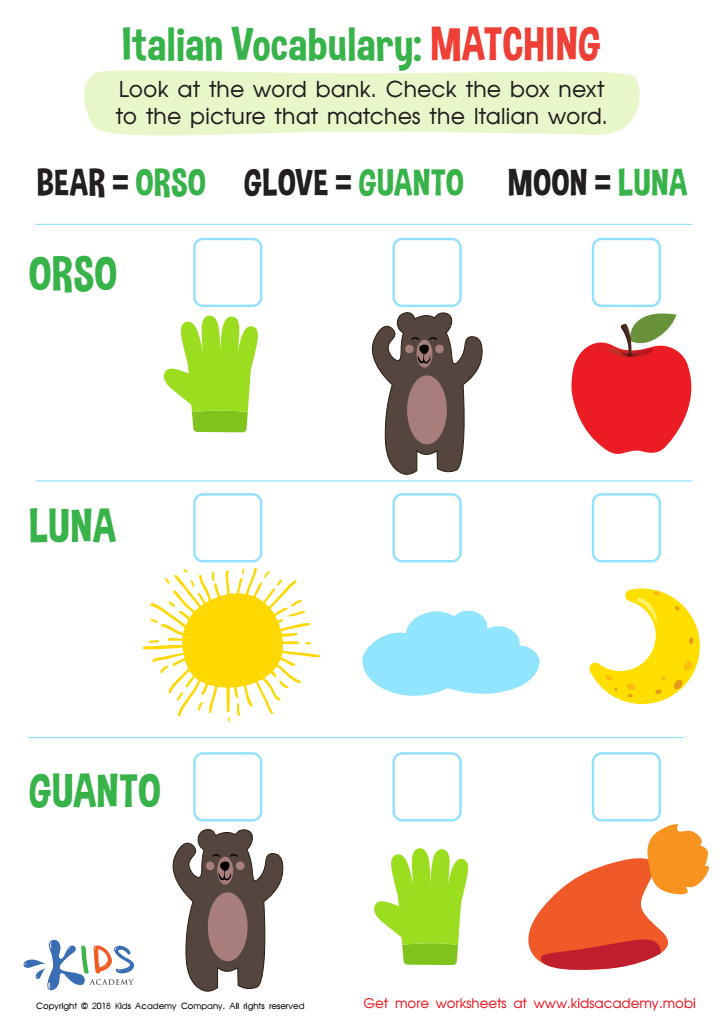
Italian Vocabulary Matching Worksheet
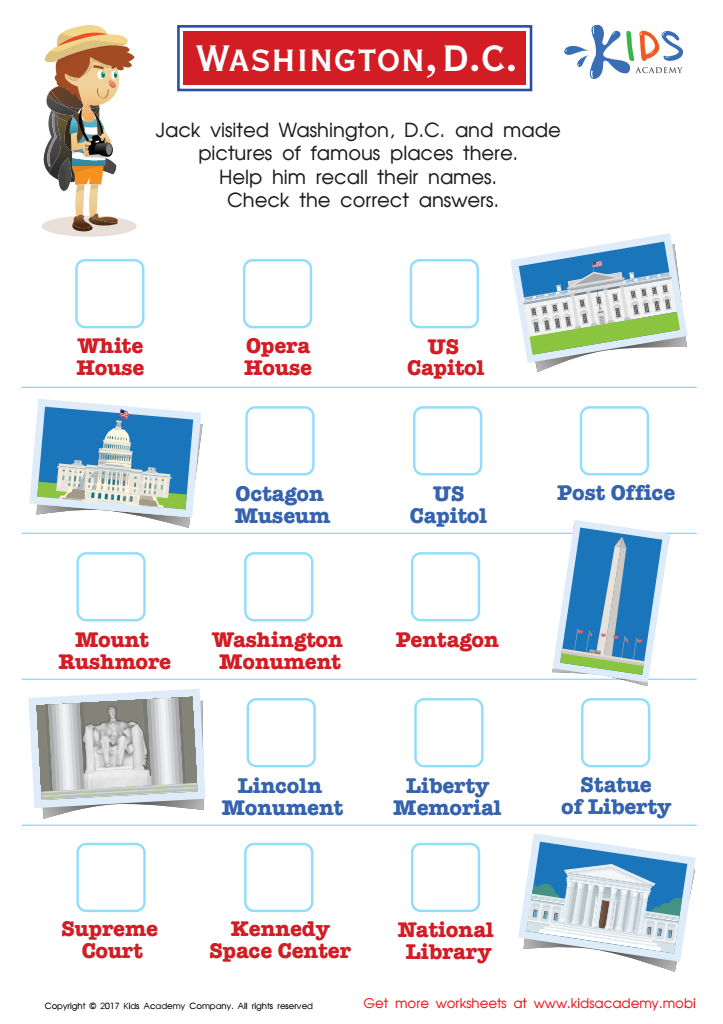
Washington D.C. Printable Worksheet
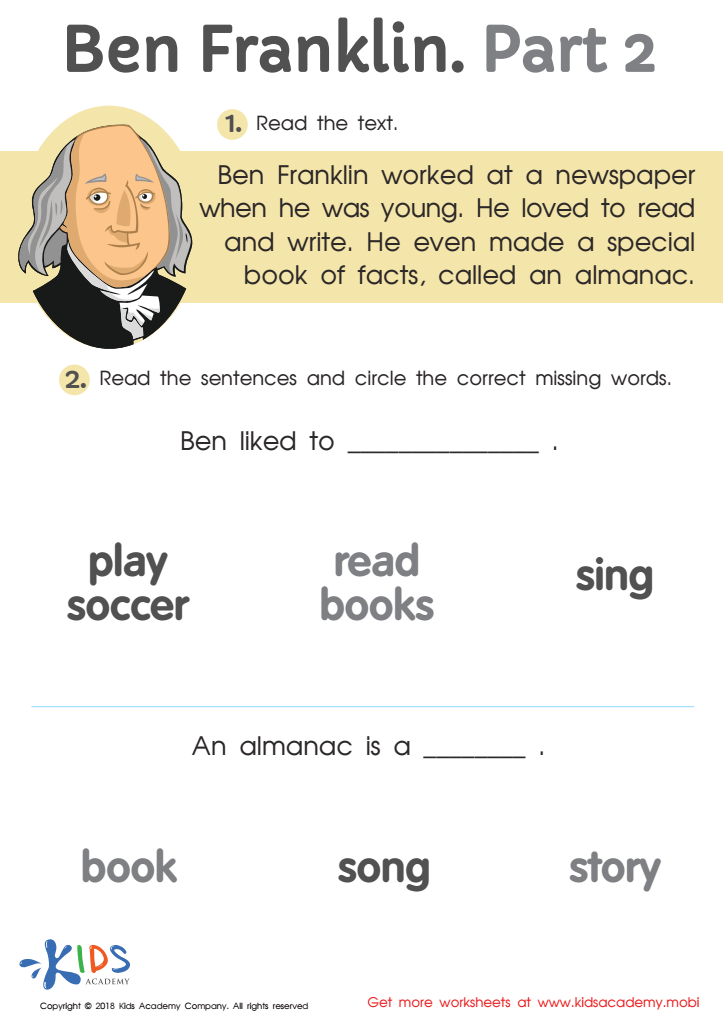
Ben Franklin Part 2 Worksheet
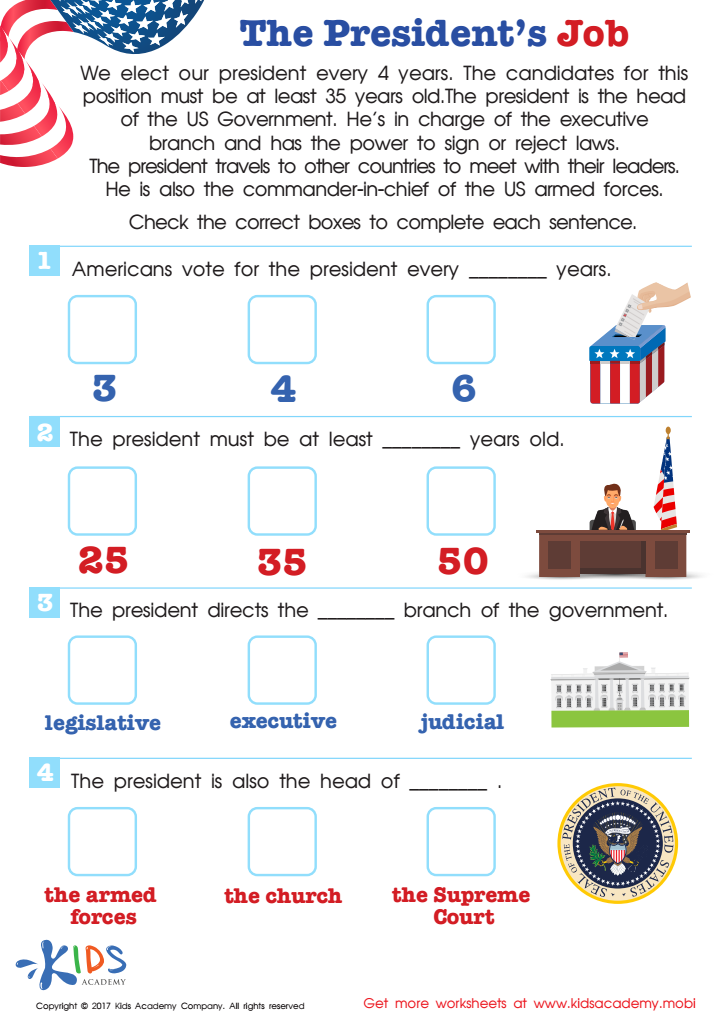
President of the USA Job Description Worksheet
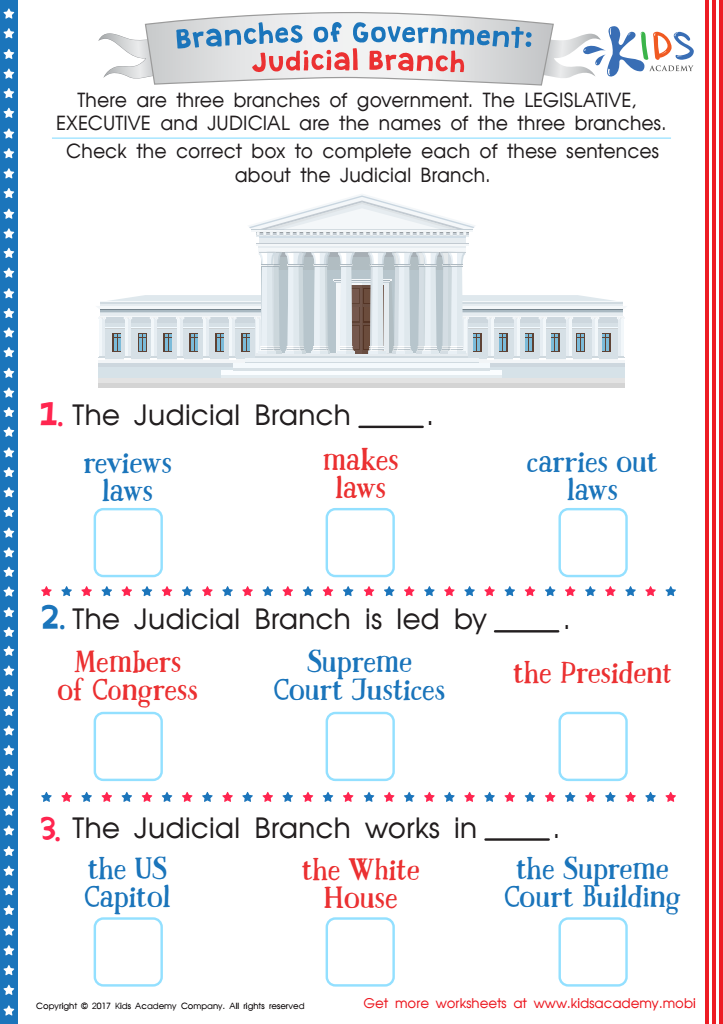
Braches of the Government: Judicial Branch Worksheet
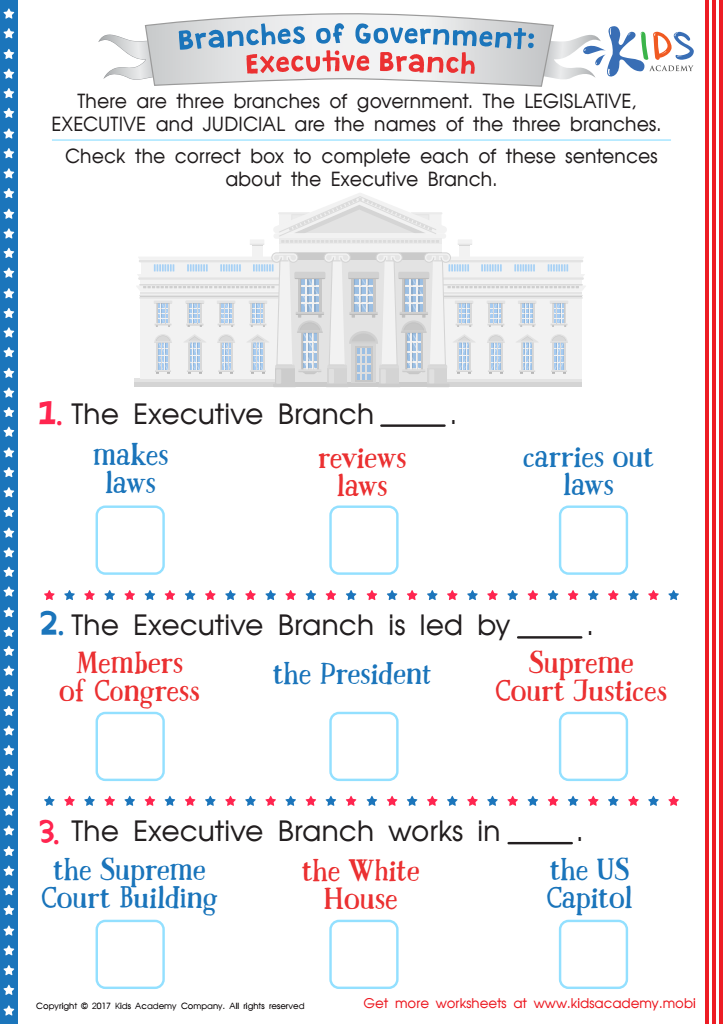
Branches of the Government: Executive Branch Printable
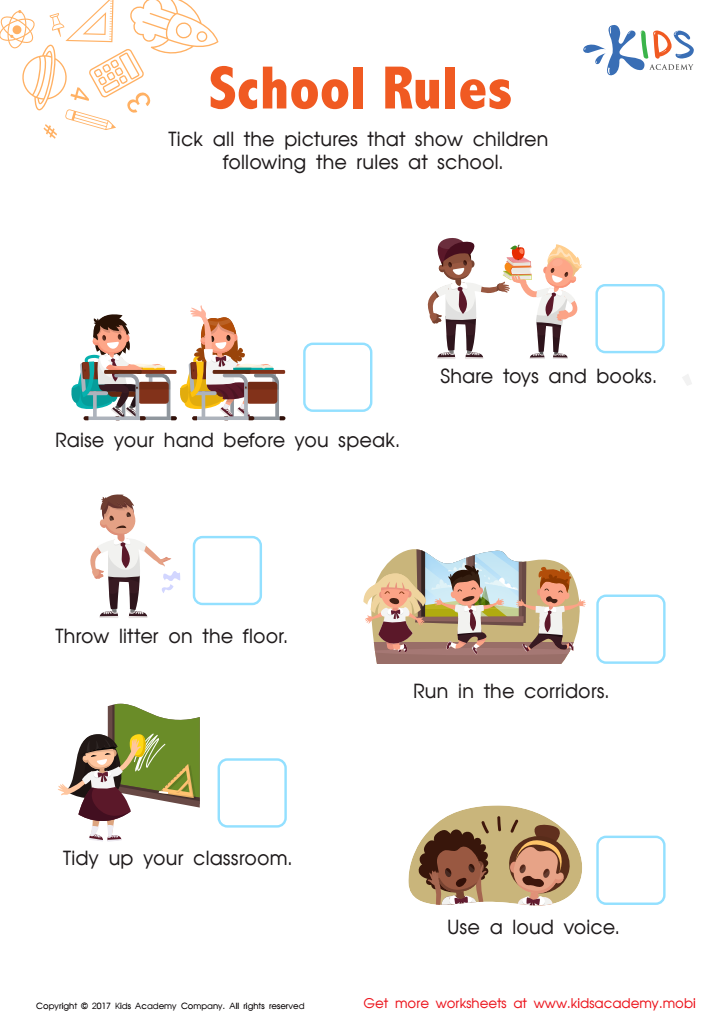
School Rules Worksheet


Parents and teachers should prioritize governance and civics education for children ages 7-9 because these foundational years shape young learners' understanding of their roles as citizens. At this age, children are curious and begin to form their values, beliefs, and perception of the world around them. Introducing concepts of governance—such as community roles, rules, and decision-making processes—helps them appreciate the structures that uphold society.
Teaching civics fosters critical thinking and emotional intelligence, allowing children to explore important themes like fairness, justice, and responsibility. It equips them with the tools to recognize their rights while understanding the significance of societal obligations. Understanding how governance functions engrains respect for rules and authority in a constructive way and encourages thoughtful participation in their communities.
Moreover, early engagement in civic matters lays the groundwork for informed and responsible future citizens. It empowers children to voice their opinions and see themselves as agents of change. As they learn about democracy and civic duties, they will be better prepared to engage with and contribute effectively to society. Ultimately, investing in civics education at this developmental stage cultivates future adults who are knowledgeable, compassionate, and active members of their communities.








