RF.K.2 Phonological Awareness worksheets With Answers for Kindergarten - Page 2
31 filtered results
-
From - To
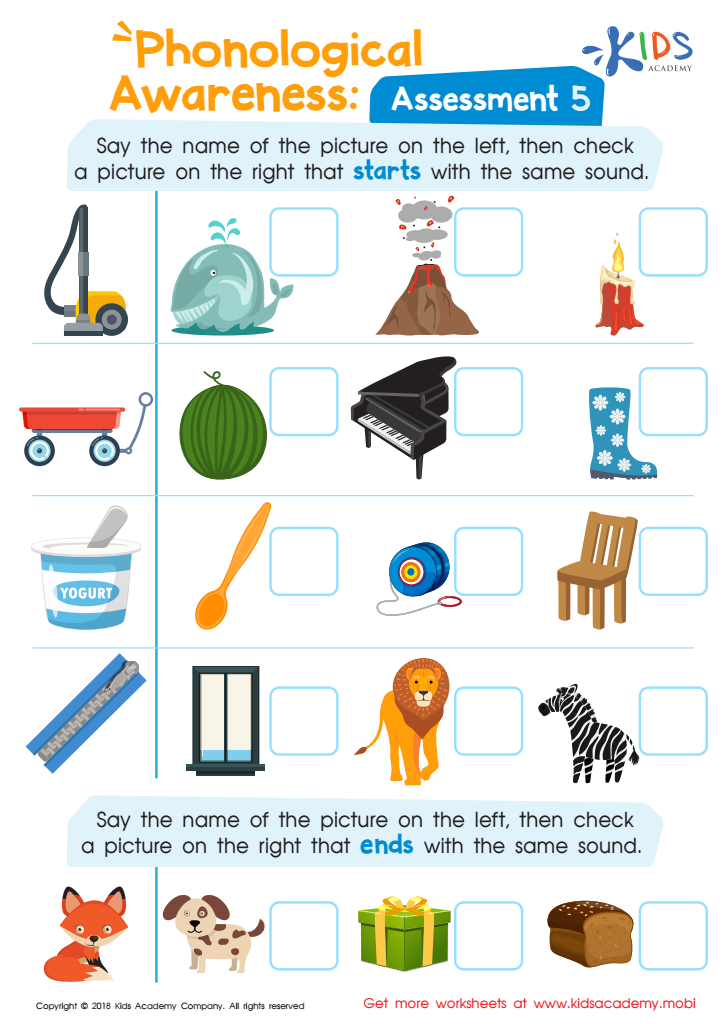
Phonological Awareness: Assessment 5 Worksheet
 Assign to My Students
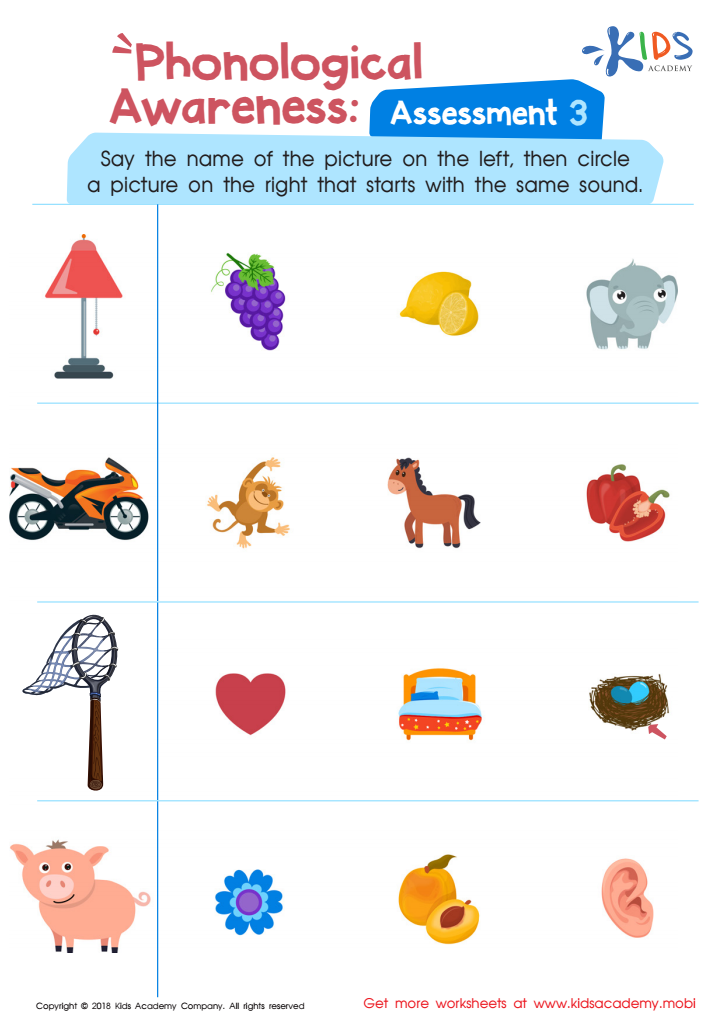
Phonological Awareness: Assessment 3 Worksheet
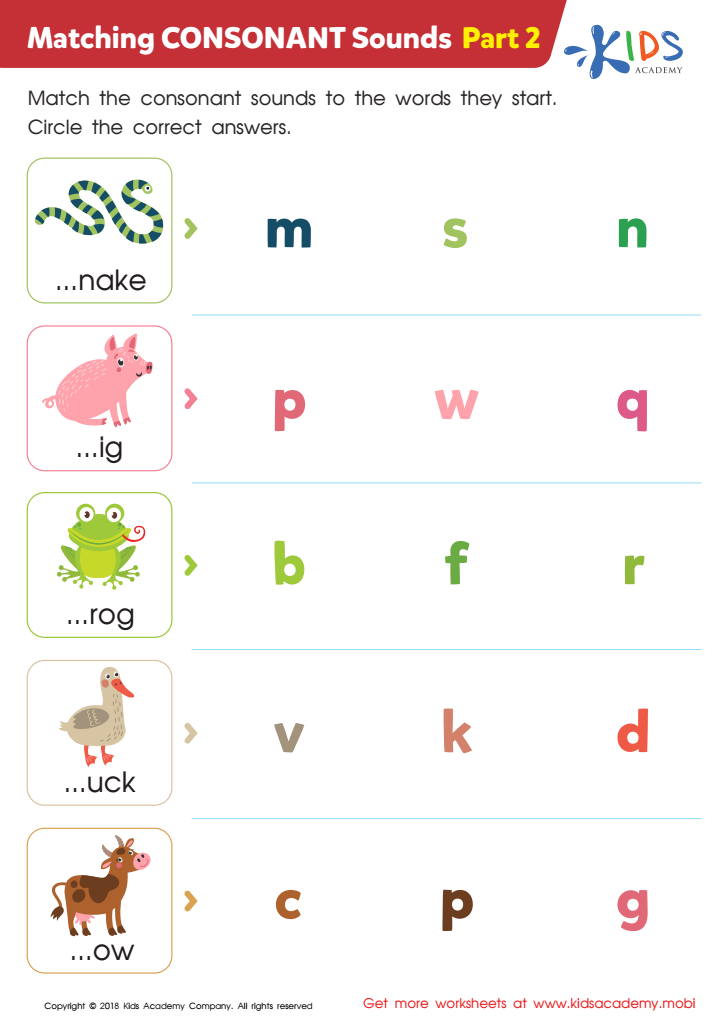
Matching Consonant Sounds: Part 2 Worksheet
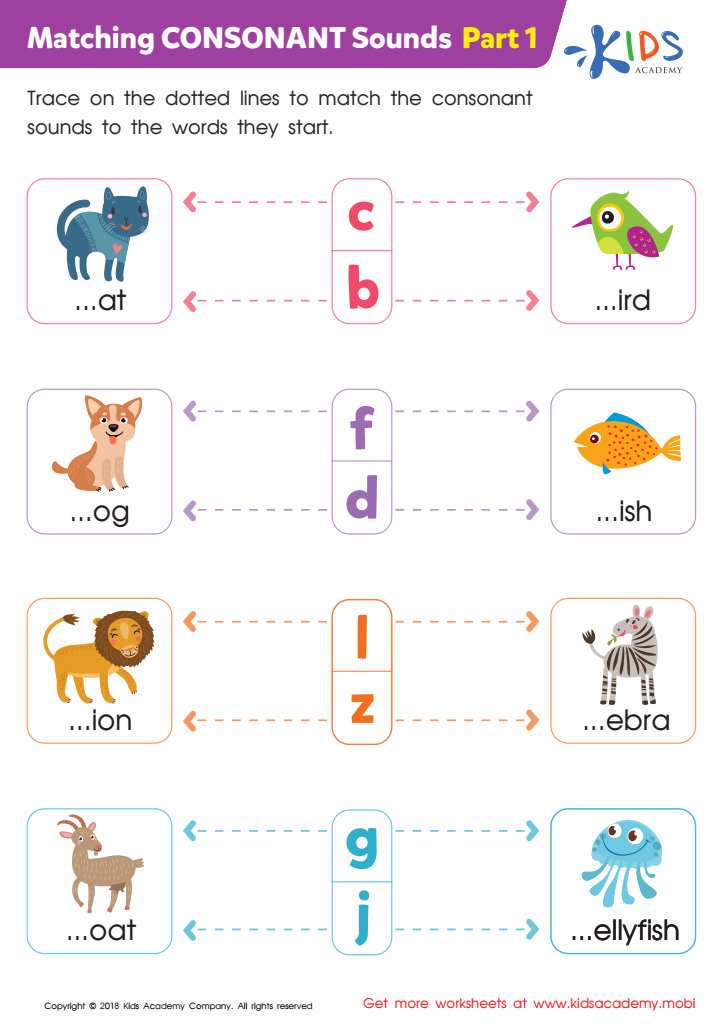
Matching Consonant Sounds: Part 1 Worksheet
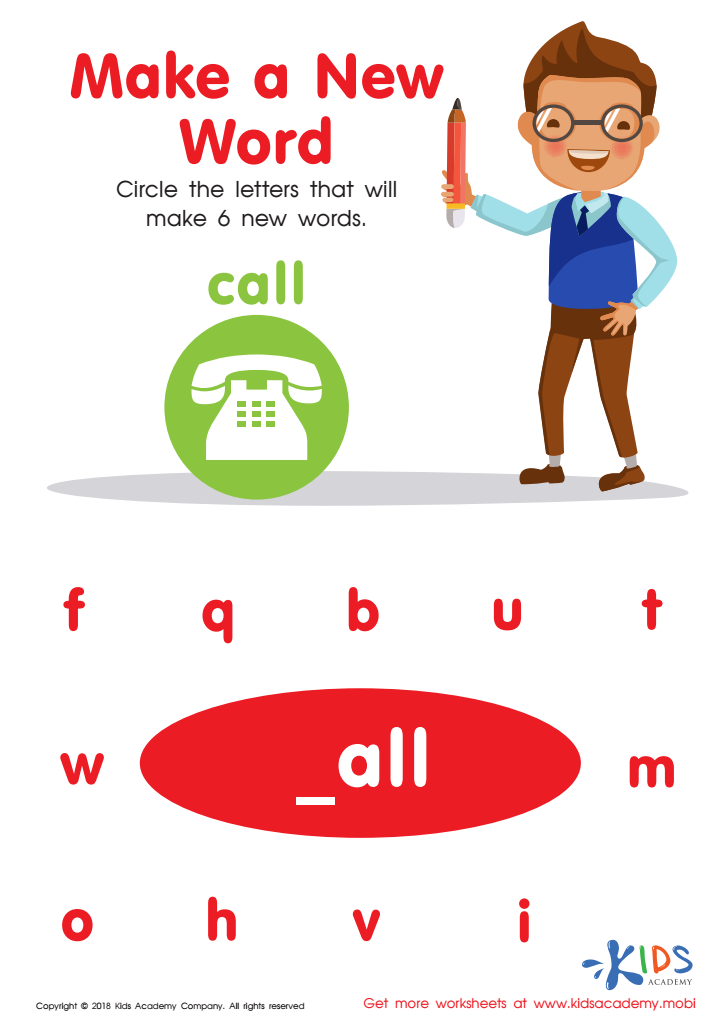
Make a New Word Worksheet
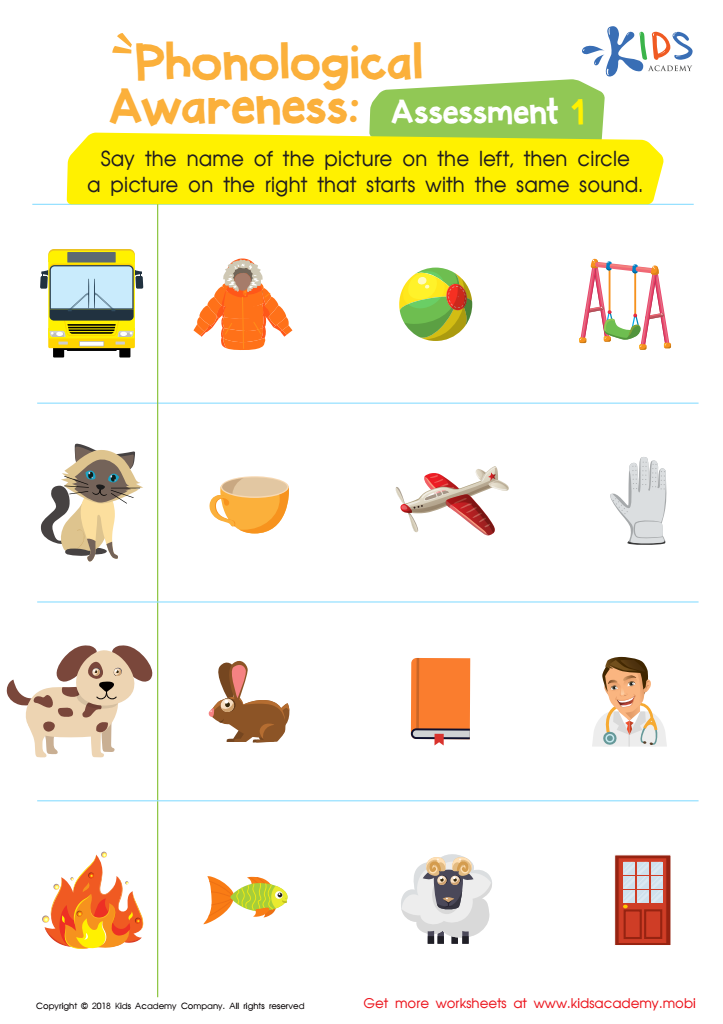
Phonological Awareness: Assessment 1 Worksheet
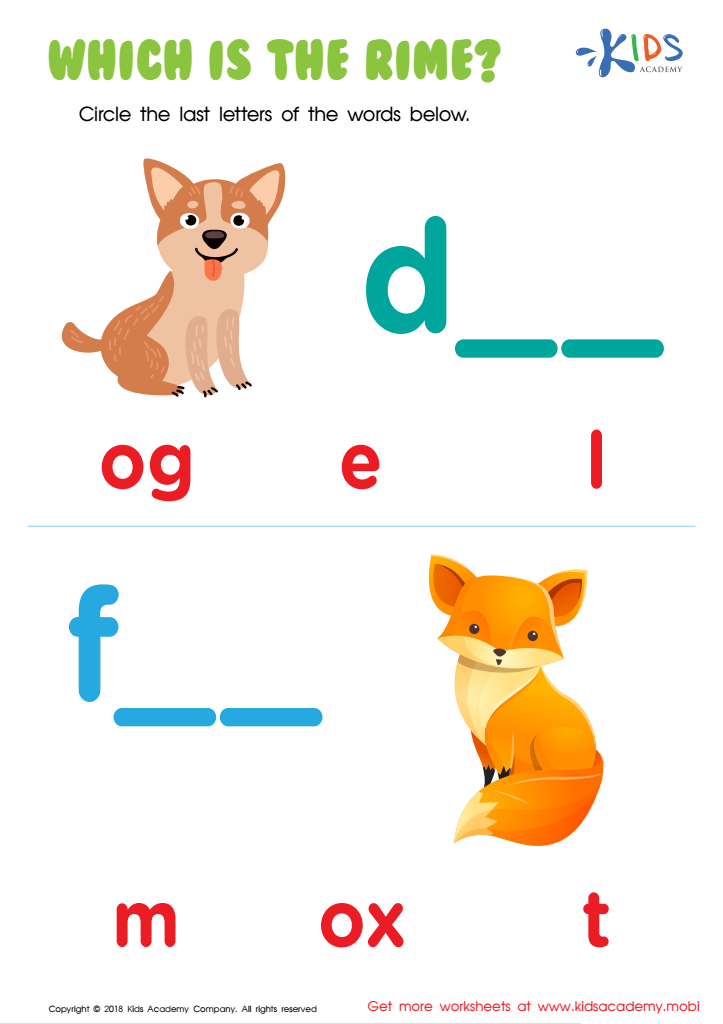
Which Is the Rime? Worksheet








Phonological awareness is a crucial skill in early literacy development, and RF.K.2 emphasizes the ability to listen, identify, and manipulate sounds in spoken language. Parents and teachers should prioritize this skill in kindergarten because it forms the foundation for reading and writing success.
Firstly, strong phonological awareness helps children understand the relationship between sounds and words. When students can segment and blend sounds, they are more equipped to tackle reading unfamiliar words, enhancing their confidence and fluency.
Moreover, phonological awareness activities, such as rhyming and syllable counting, promote auditory discrimination, a vital aspect of literacy. These skills facilitate better comprehension and working memory, improving overall academic performance.
Additionally, developing phonological awareness encourages creativity in language use. Children learn to play with sounds, which fosters a love for words, poetry, and storytelling.
Lastly, early intervention in phonological skills can prevent future reading difficulties. Recognizing and supporting children struggling with these skills helps close achievement gaps and ensures all students have equal opportunities for success.
In conclusion, RF.K.2 phonological awareness is essential for establishing literacy and cognitive skills, equipping children with the necessary tools to thrive in their educational journey.








