Counting and Cardinality worksheets With Answers for Kindergarten - Page 2
38 filtered results
-
From - To
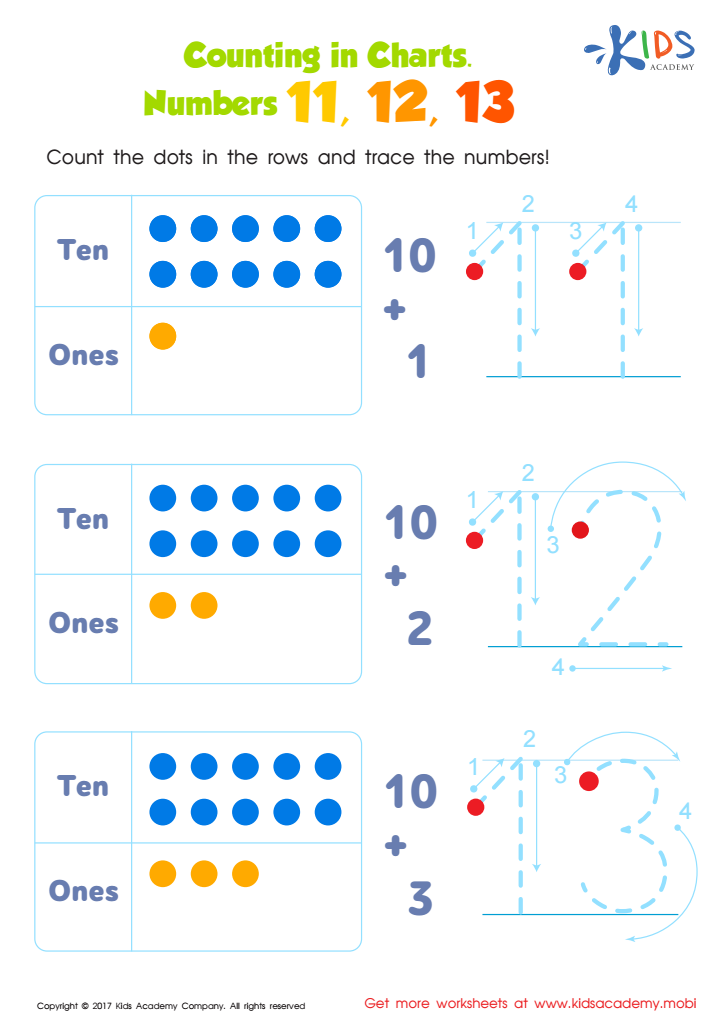
Number Tracing Worksheet For Kindergarten
 Assign to My Students
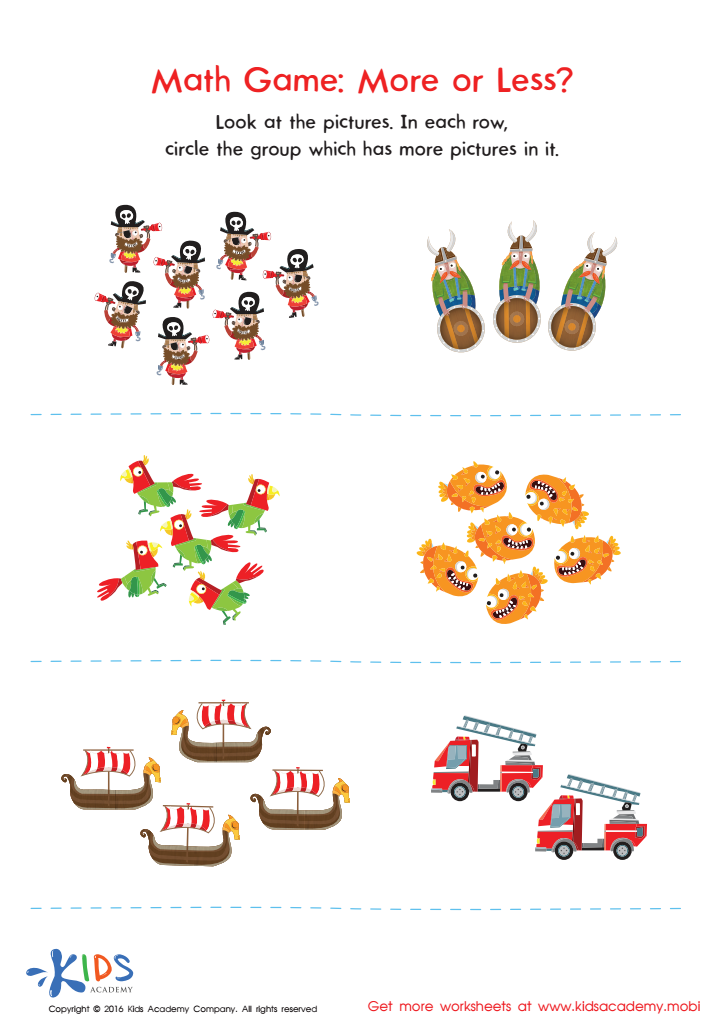
More or Less Worksheet
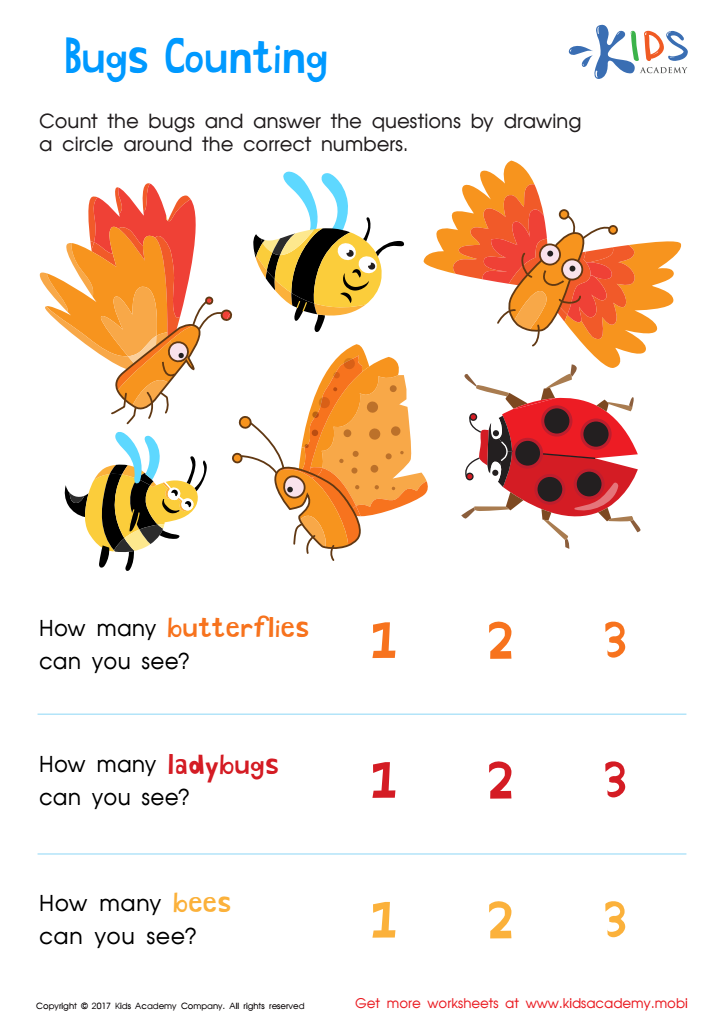
Bugs Counting Worksheet
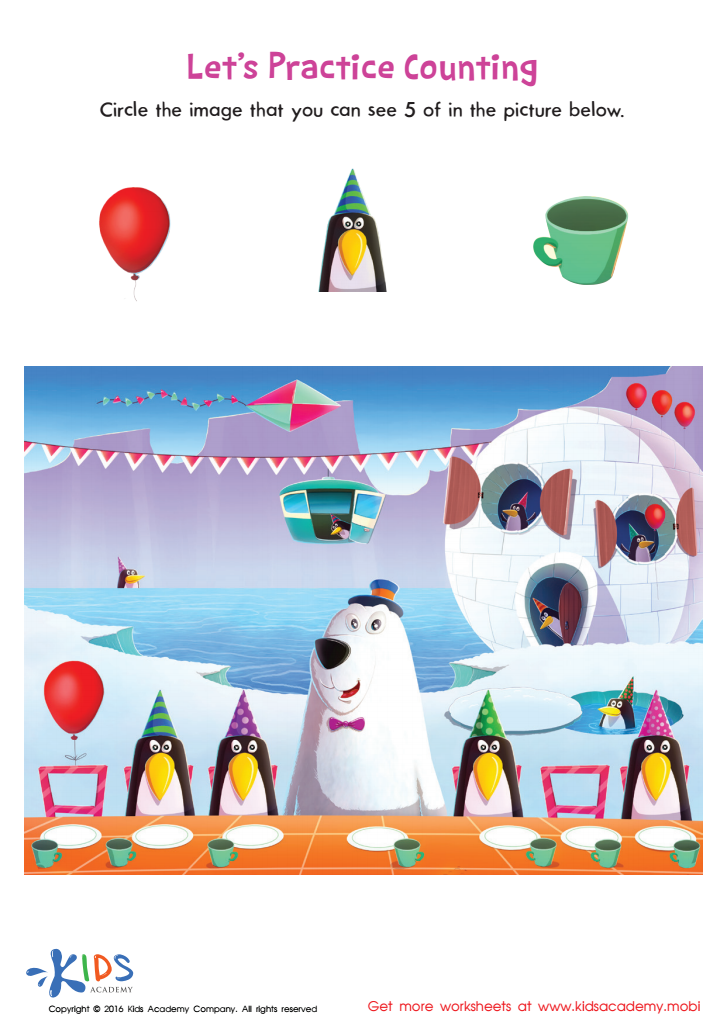
Counting Worksheet: Let's Practice Counting
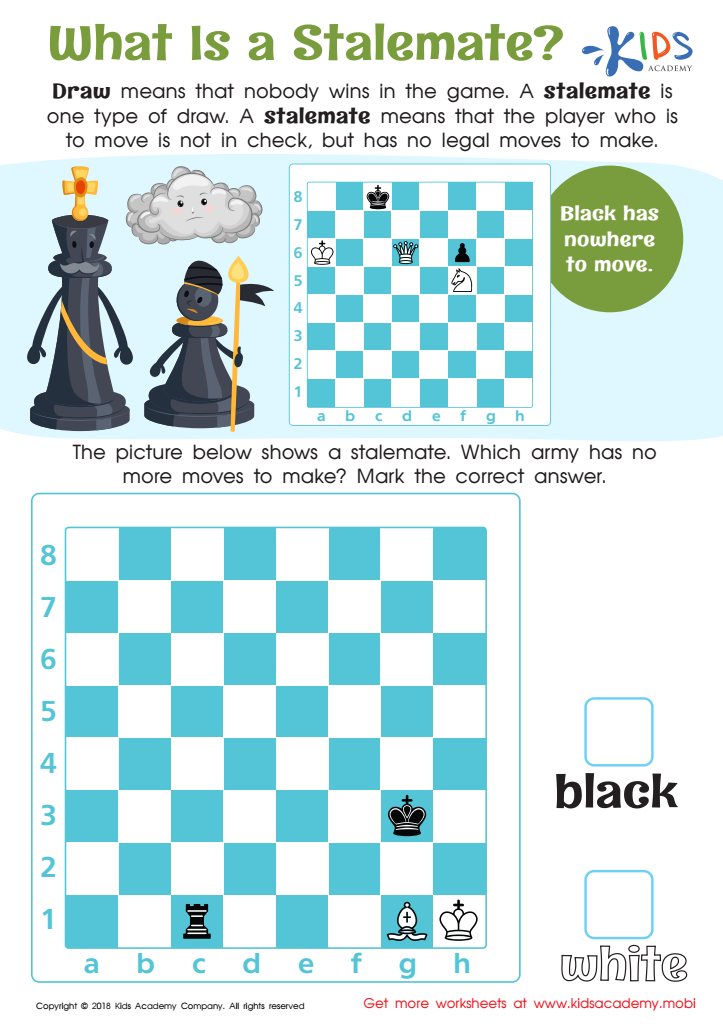
What Is a Stalemate? Worksheet
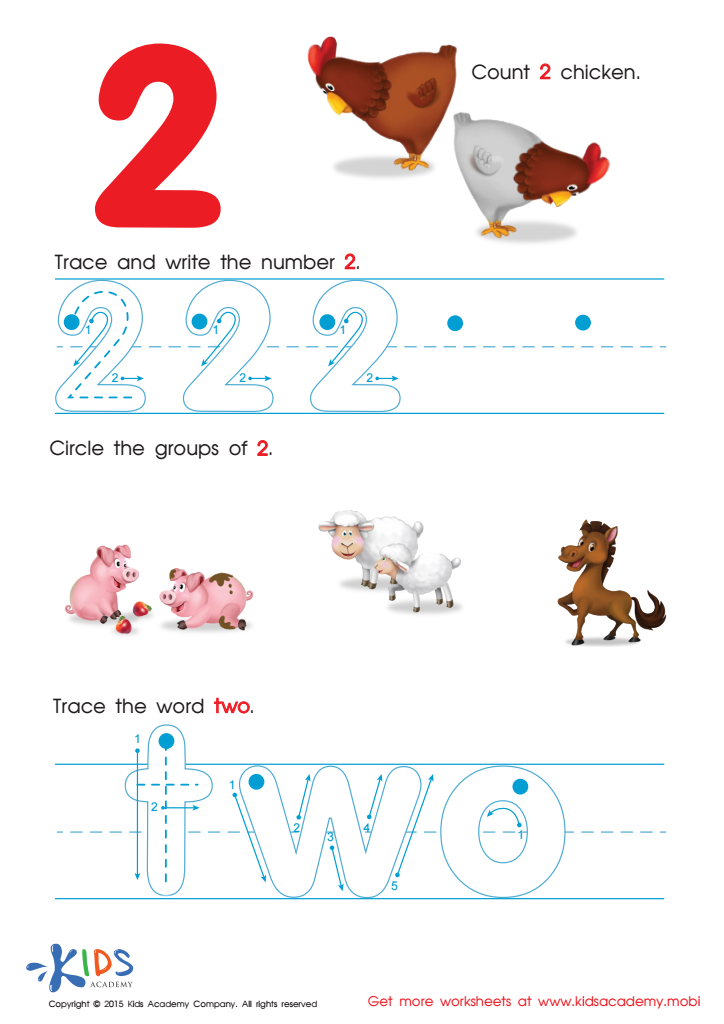
Learn to Write the Number 2 Worksheet
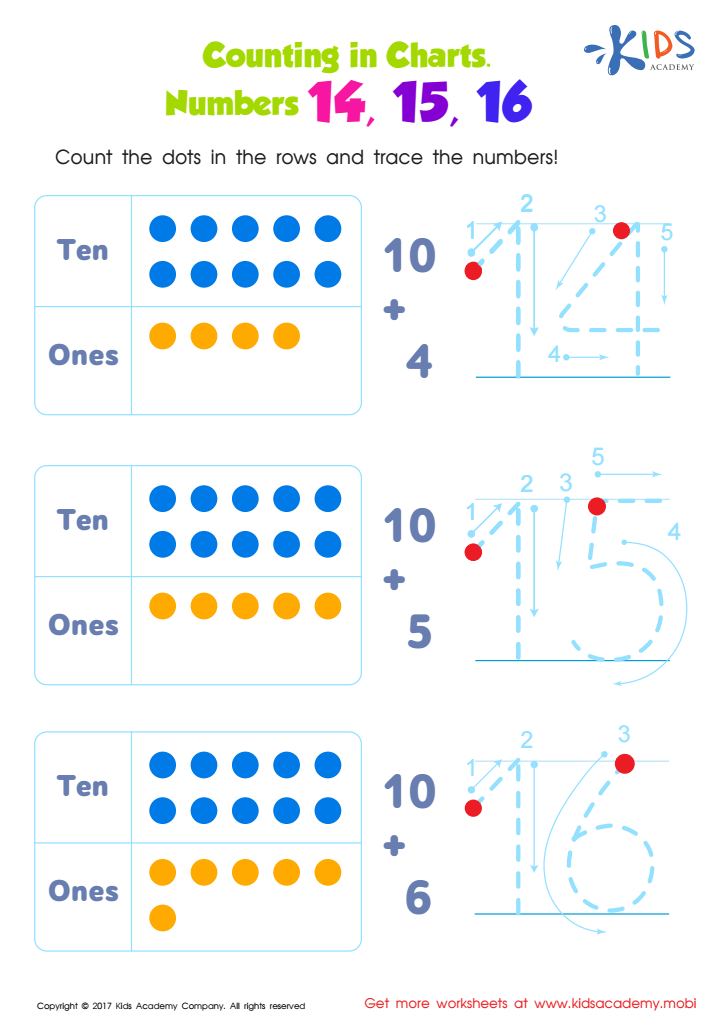
Number Tracing Worksheet
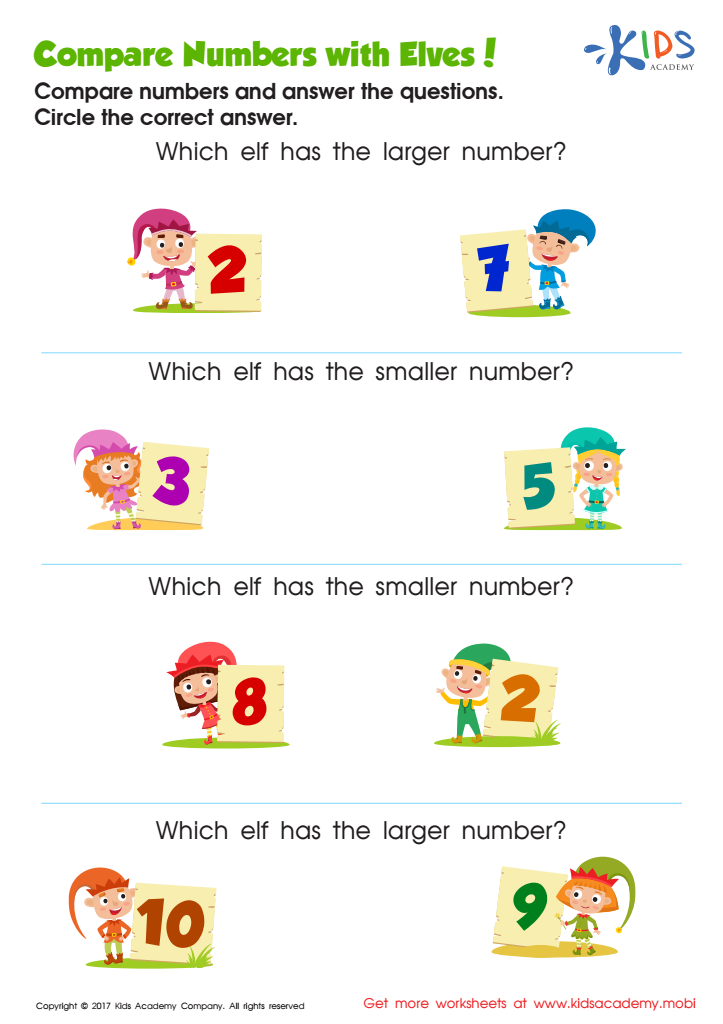
Comparing Numbers Worksheet for Kindergarten
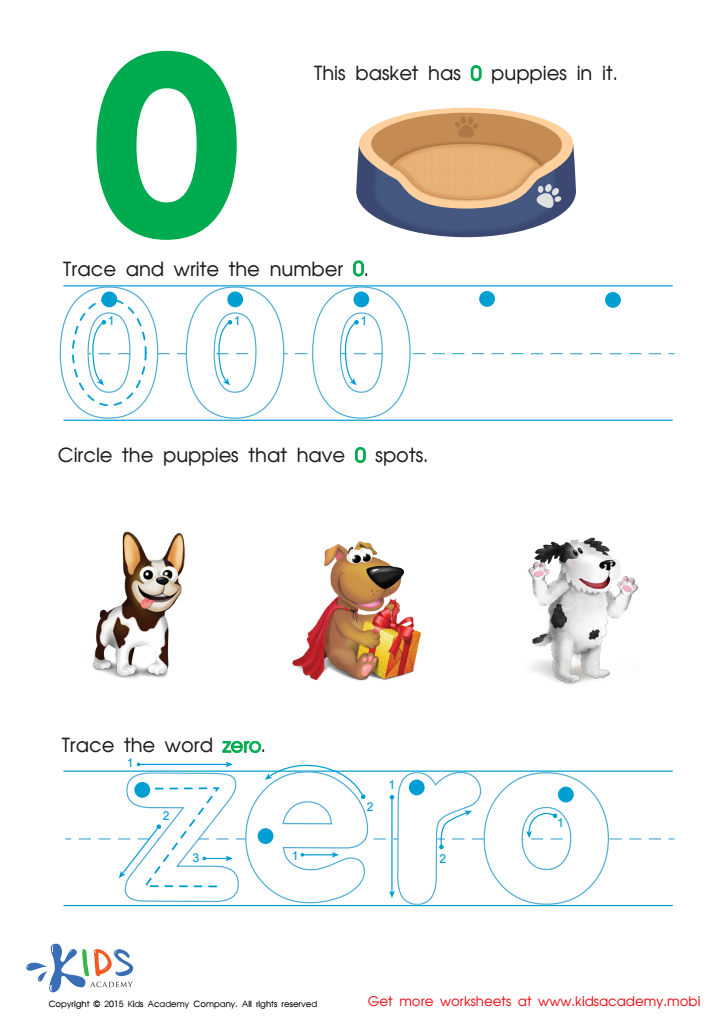
Trace And Write Number 0 Worksheet
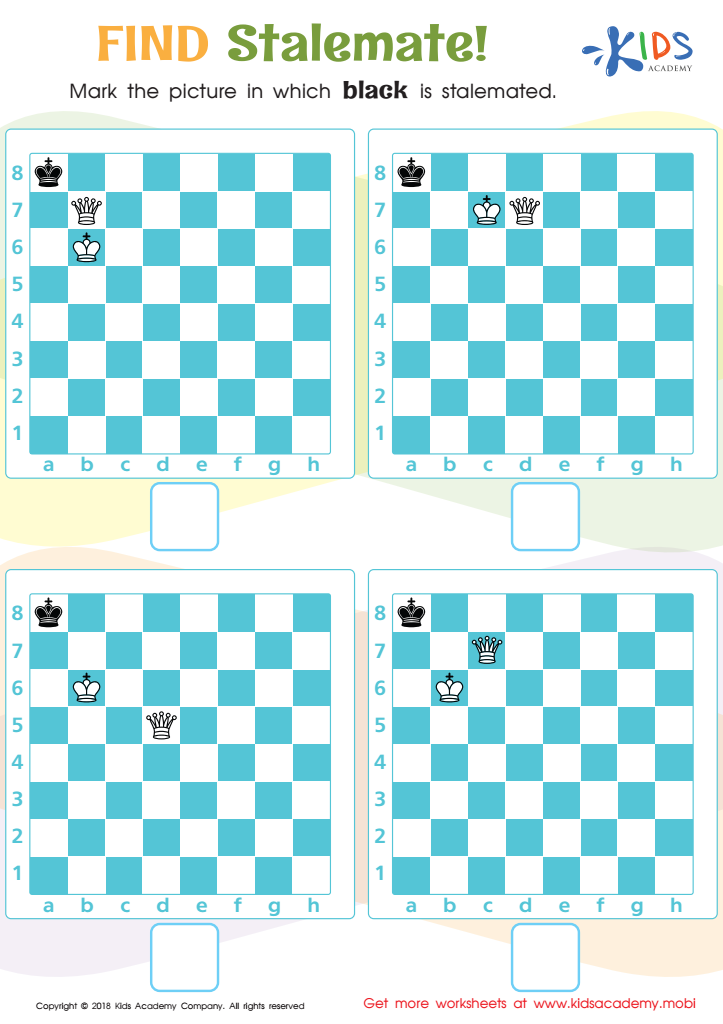
Find Stalemate! Worksheet
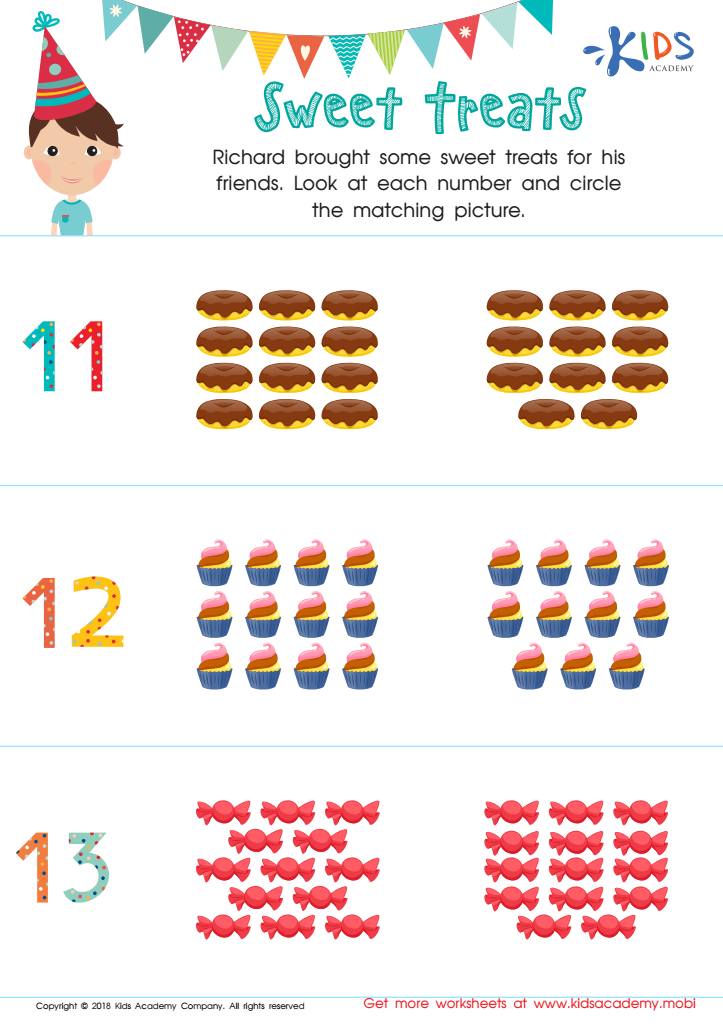
Kindergarten Math Worksheet Matching Numbers
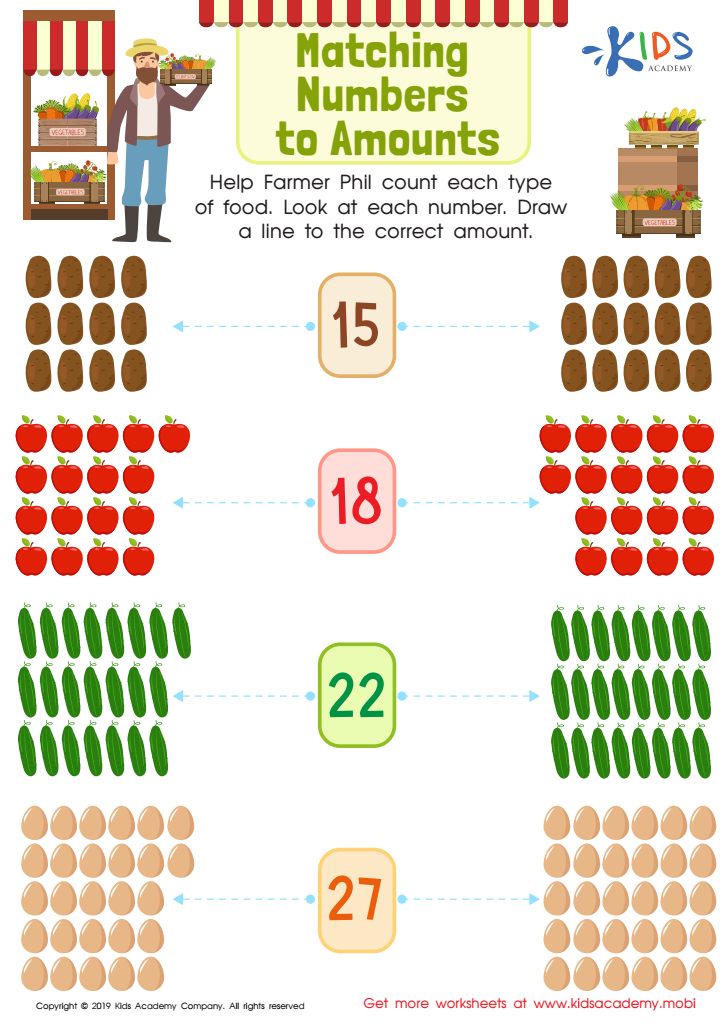
Matching Numbers to Amounts Worksheet
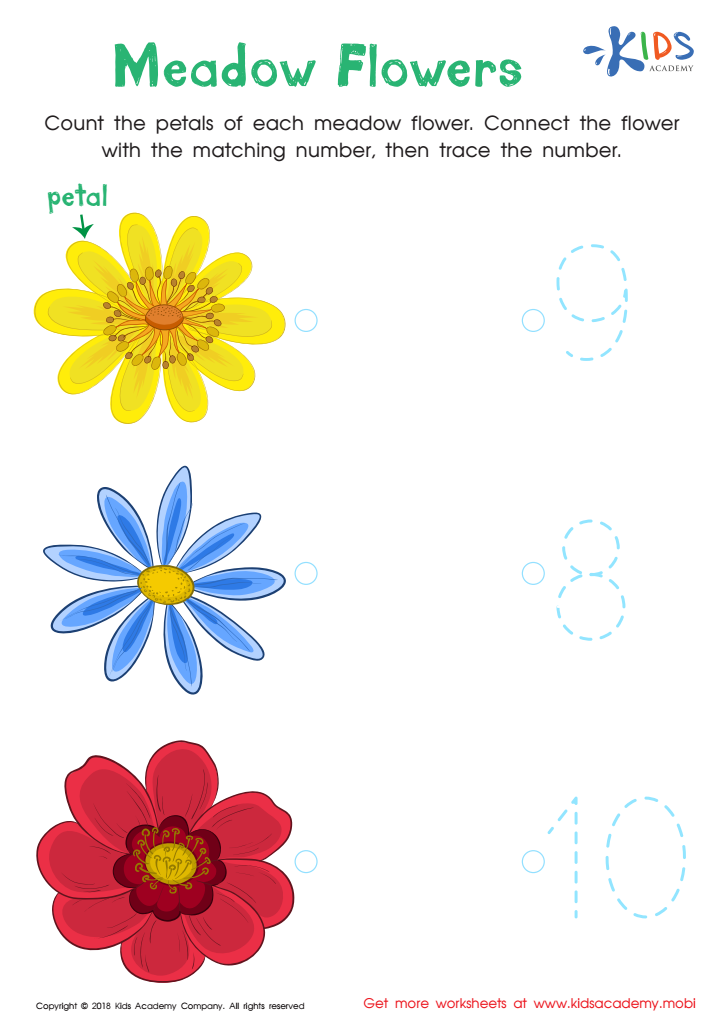
Kindergarten Number Tracing: Medow Flowers Worksheet


.jpg)





Counting and Cardinality are foundational concepts in early mathematics education, critical for developing number sense in kindergarten students. Parents and teachers should prioritize these skills for several reasons.
Firstly, counting helps children understand the sequence of numbers, enabling them to identify patterns and relationships. It serves as a building block for more complex mathematical concepts. Cardinality, on the other hand, teaches students the understanding that the last number counted represents the quantity of a set, bridging the gap between counting and actual values.
Moreover, mastering these skills lays the groundwork for future mathematical success. Children equipped with strong counting abilities are more likely to grasp addition, subtraction, and other operations in later grades. This competence fosters confidence and instills a positive attitude towards math, reducing anxiety around the subject.
Additionally, these skills promote critical thinking and problem-solving abilities. Engaging activities involving counting objects or groups foster fine motor skills and cognitive development, essential for overall learning.
Involving parents at home, such as counting everyday objects during routine activities, reinforces what children learn in school. When parents and teachers collaborate in prioritizing counting and cardinality, they create a supportive and enriched learning environment, setting children up for future academic achievements.








