Easy Word Problems Worksheets for Ages 3-8 - Page 2
44 filtered results
-
From - To
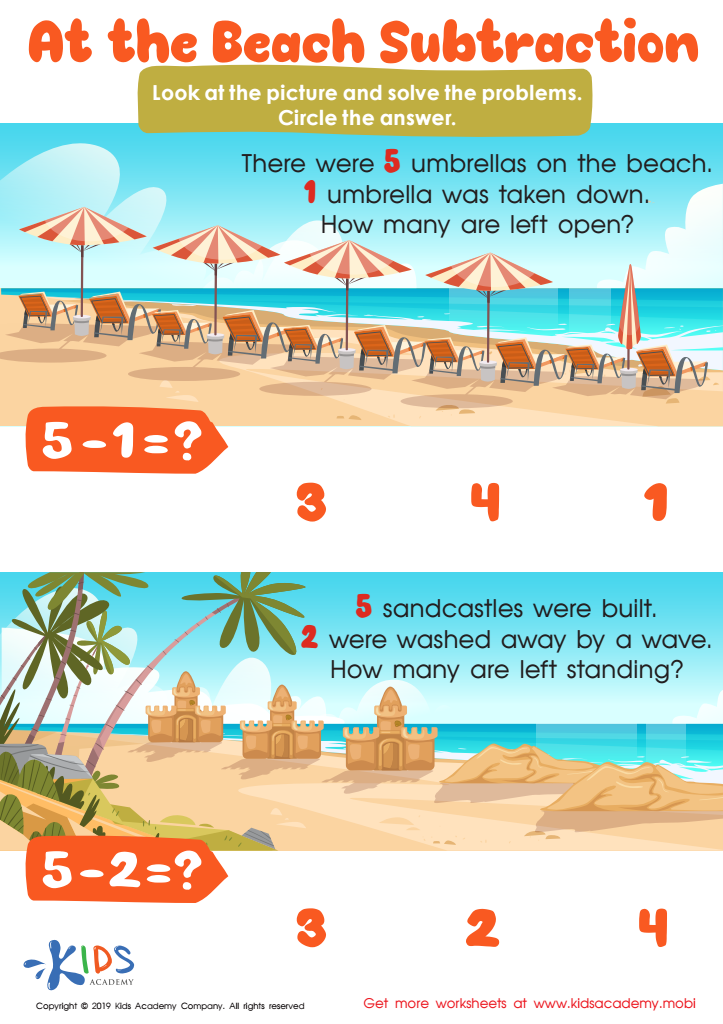
At the Beach Subtraction Worksheet
 Assign to My Students
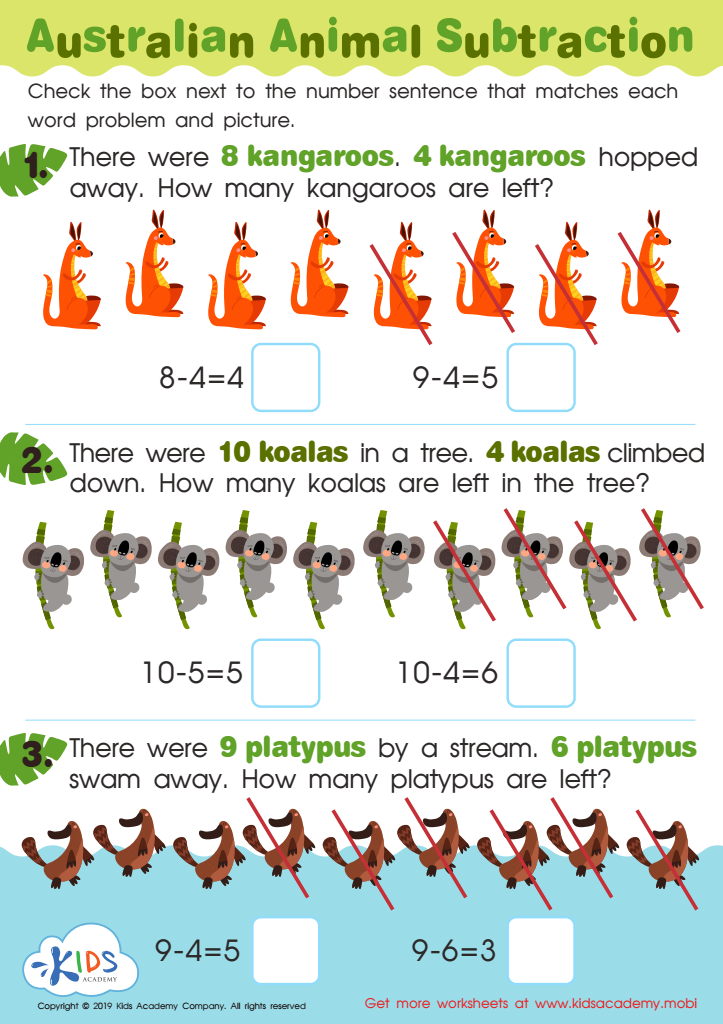
Australian Animal Subtraction Worksheet
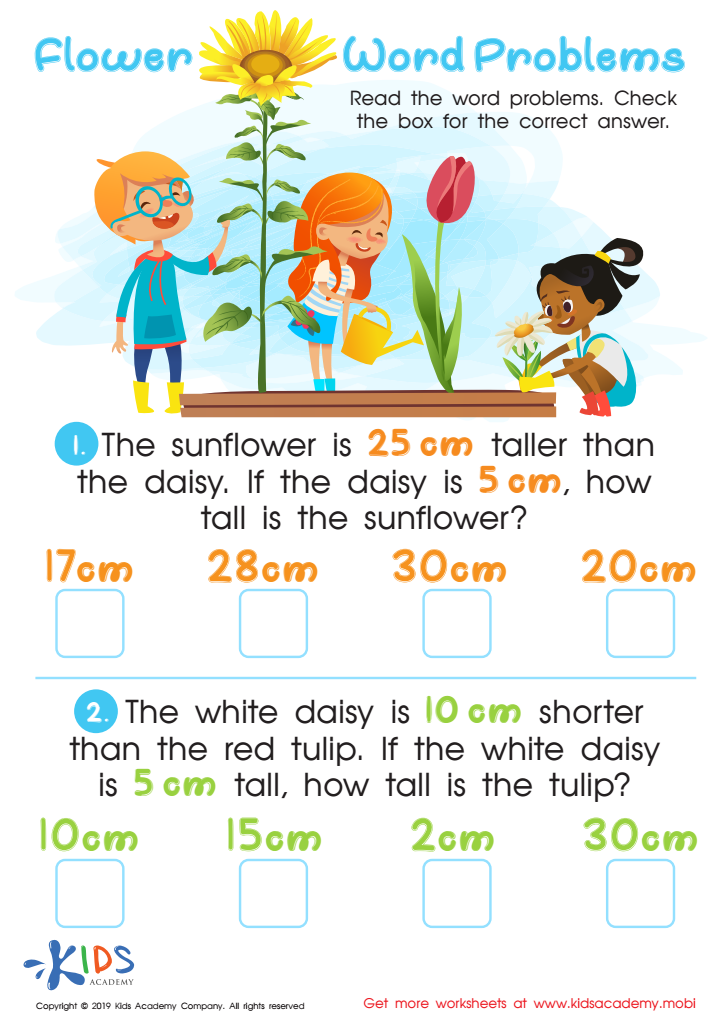
Flower Word Problems Worksheet
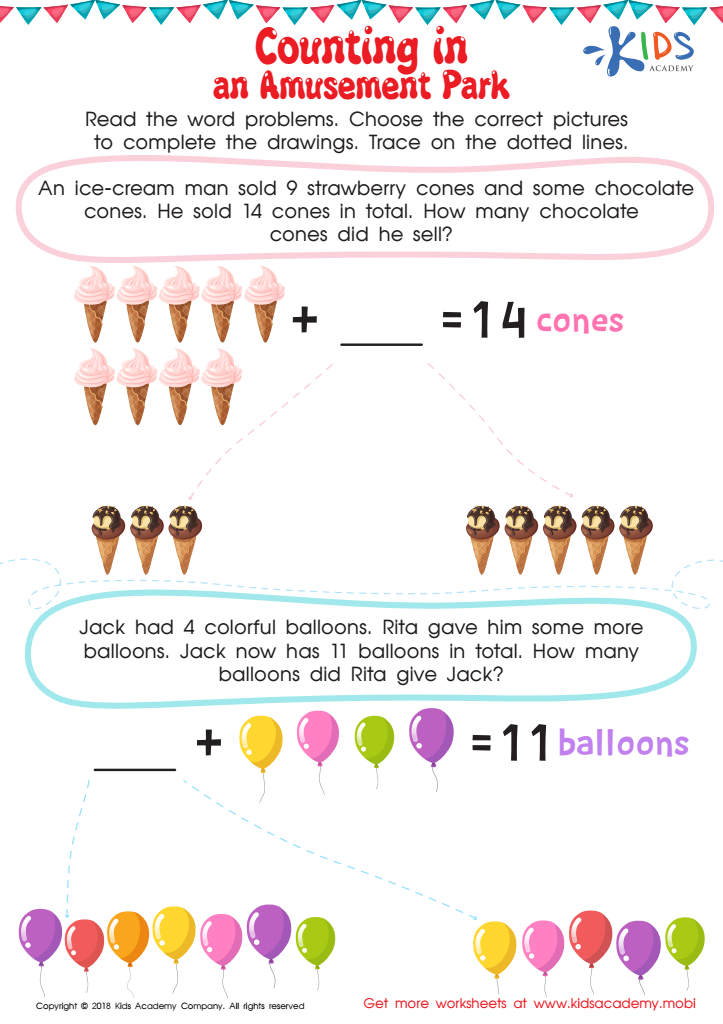
Counting in an Amusement Park Worksheet
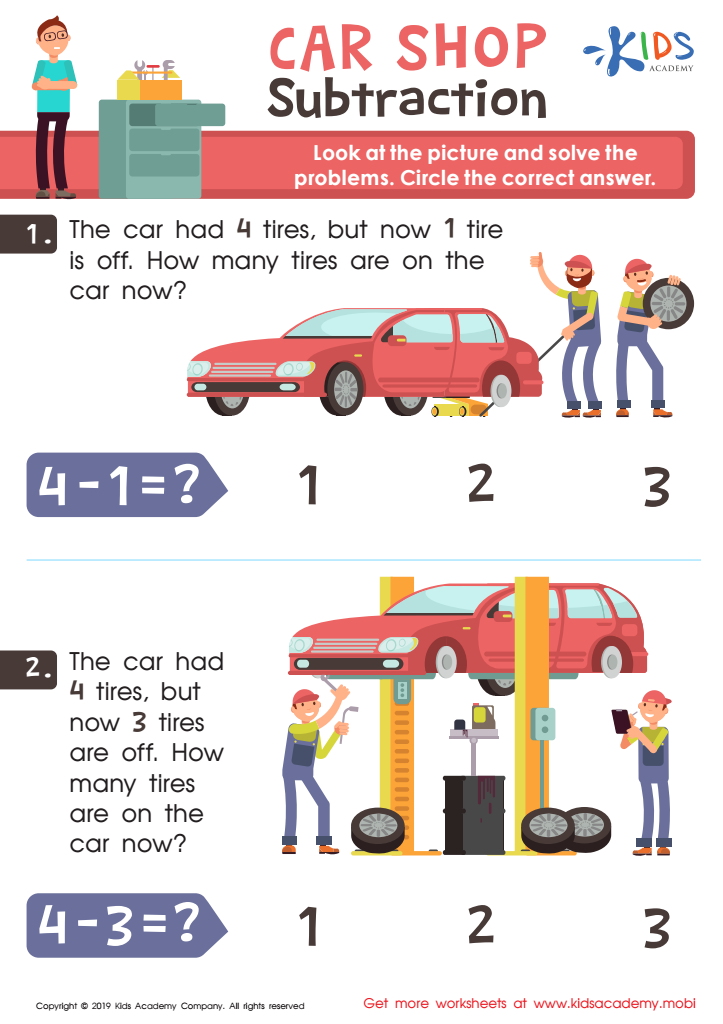
Car Shop Subtraction Worksheet
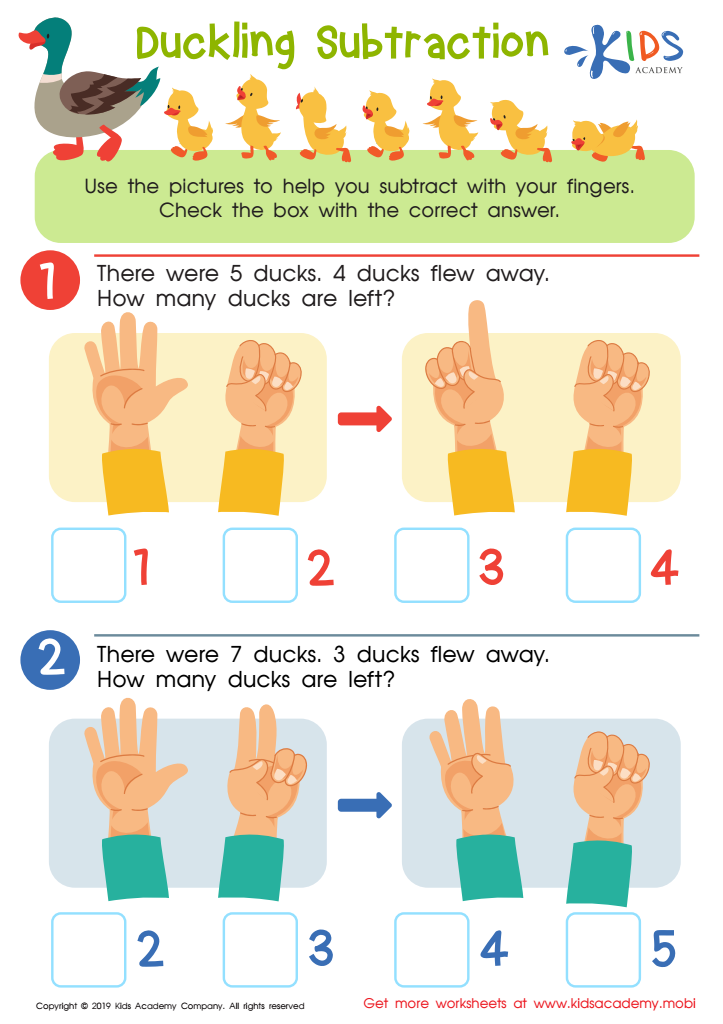
Duckling Subtraction Worksheet
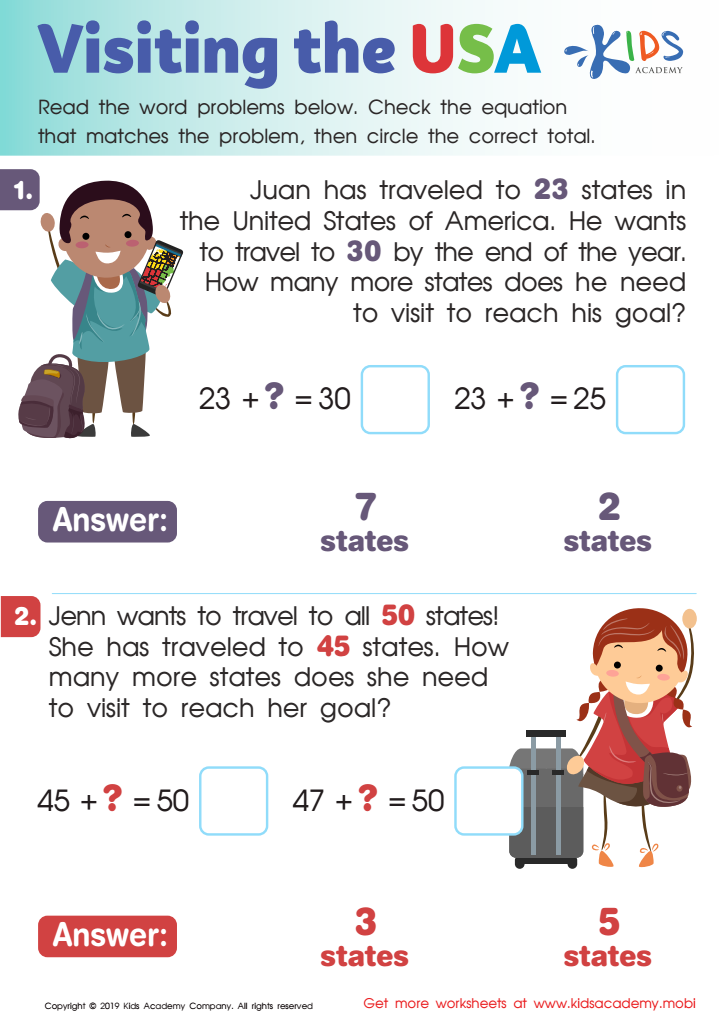
Visiting the USA Worksheet
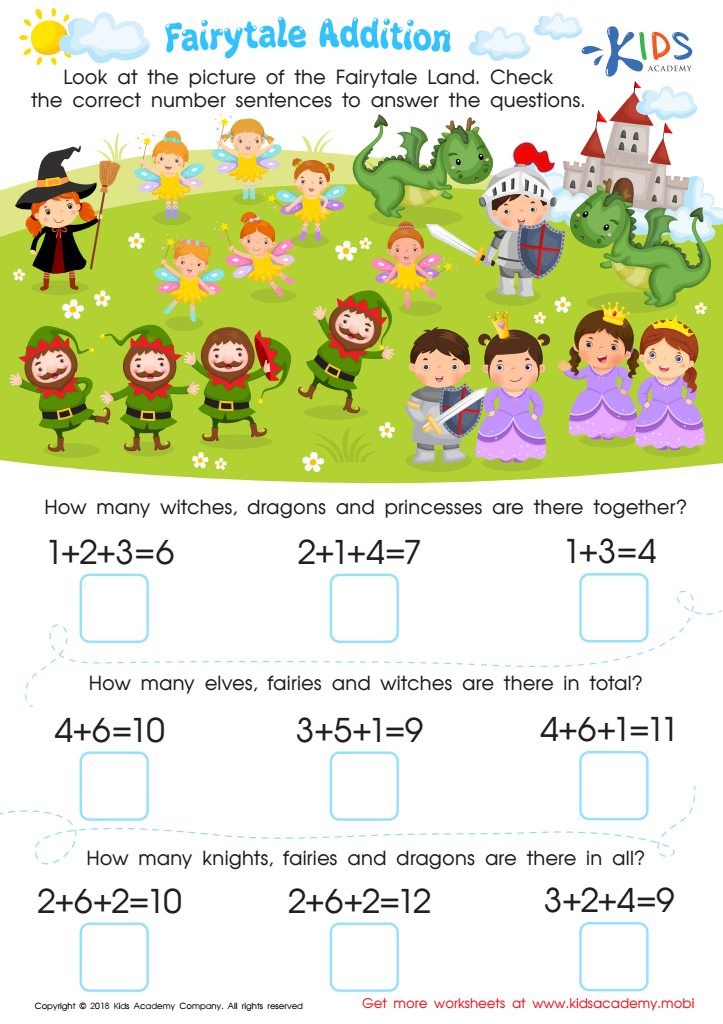
Fairytale Addition Worksheet
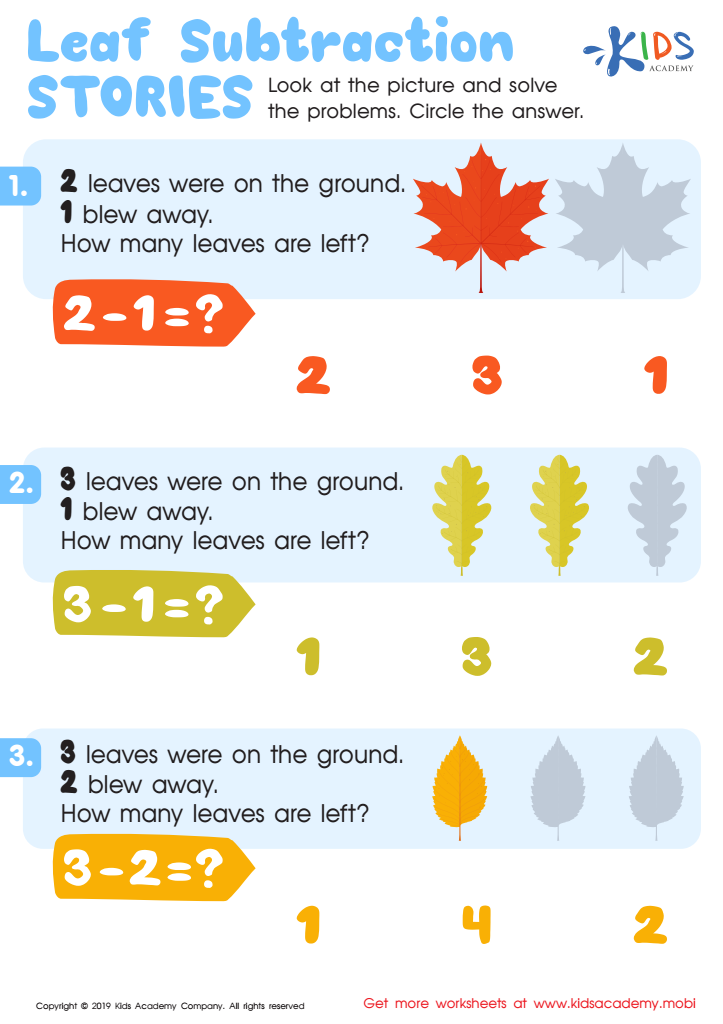
Leaf Subtraction Stories Worksheet
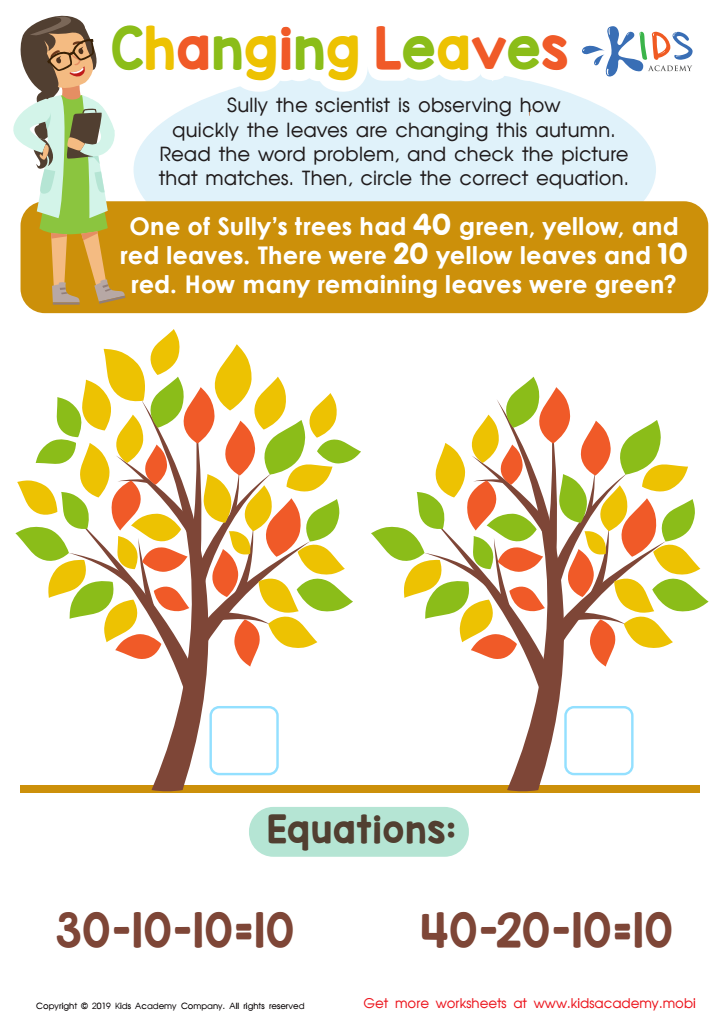
Changing Leaves Worksheet
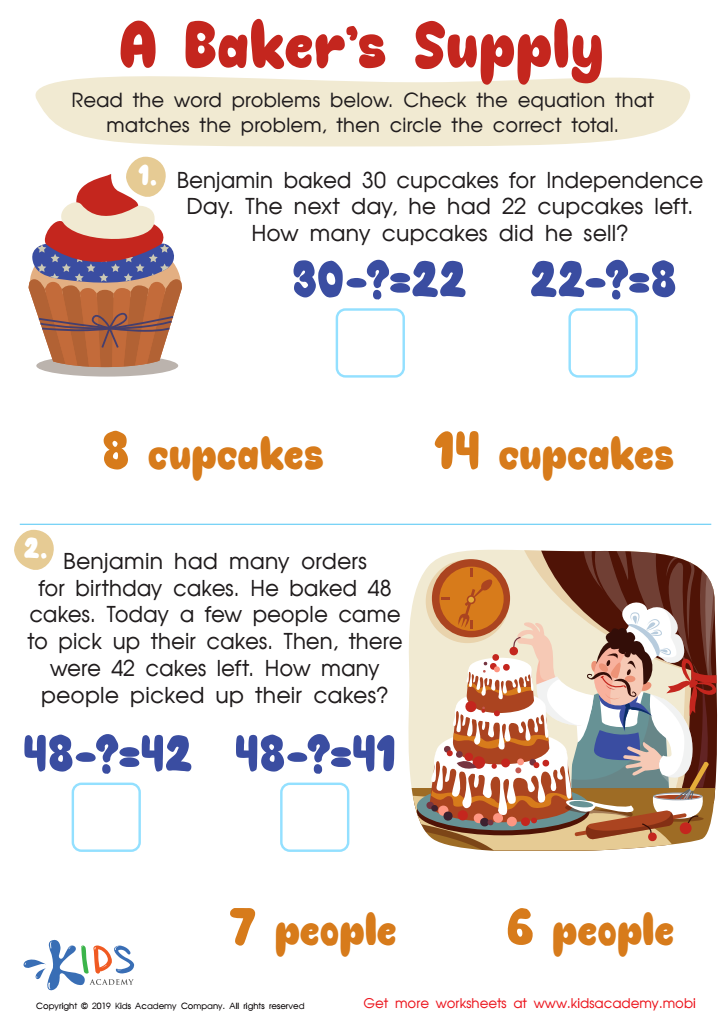
A Baker's Supply Worksheet
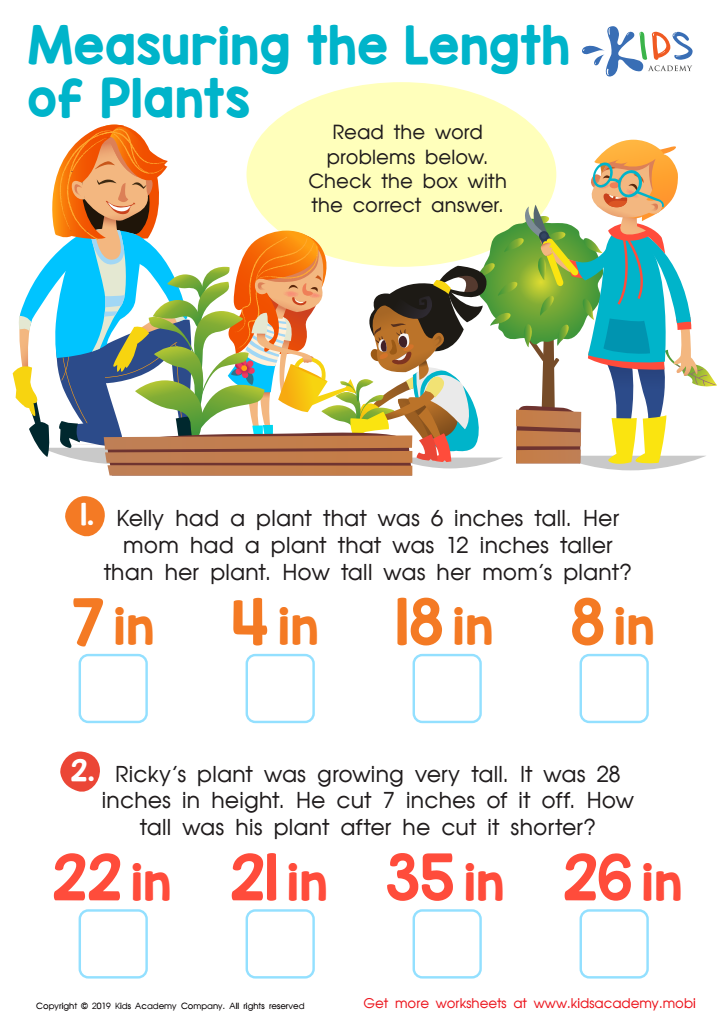
Measuring the Length of Plants Worksheet
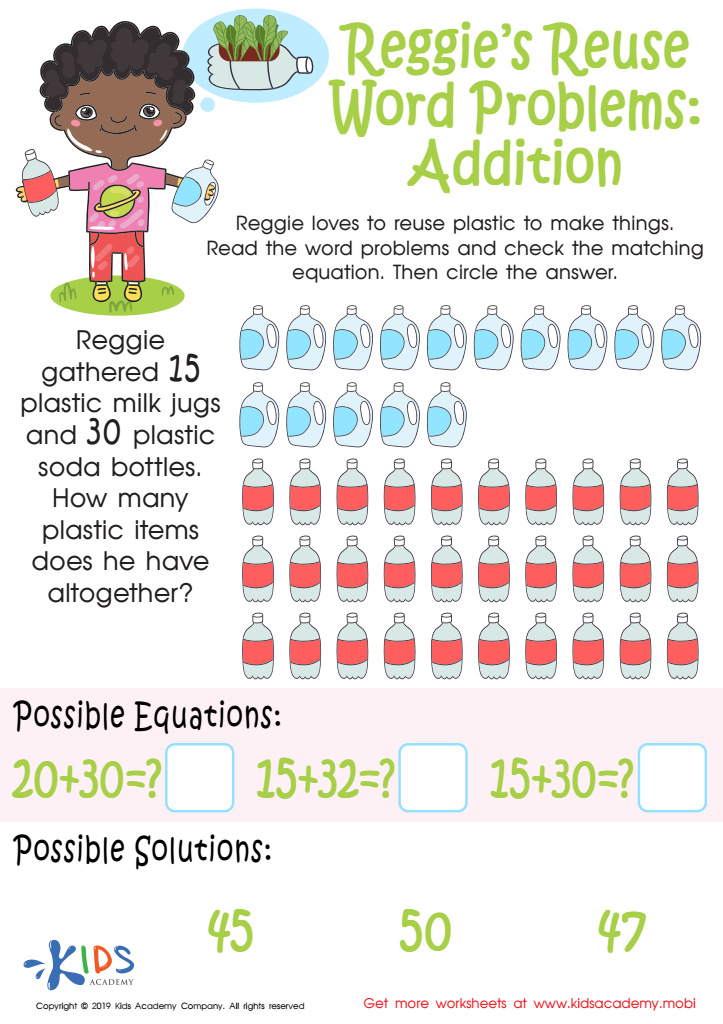
Reggie's Reuse Word Problems: Addition Worksheet
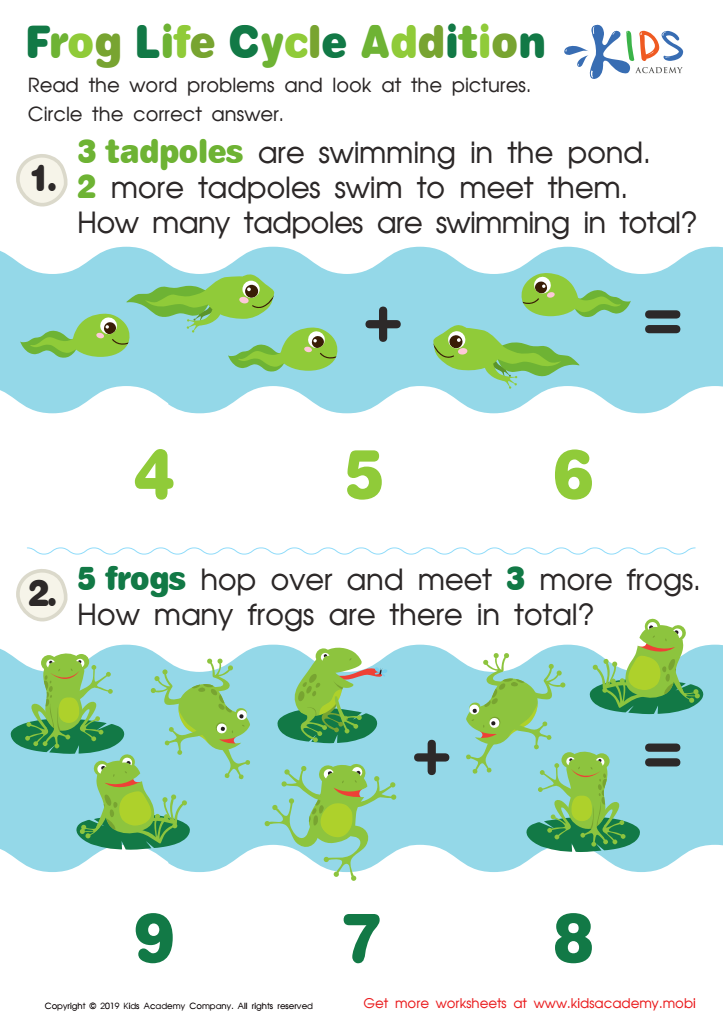
Frog Life Cycle Addition Worksheet
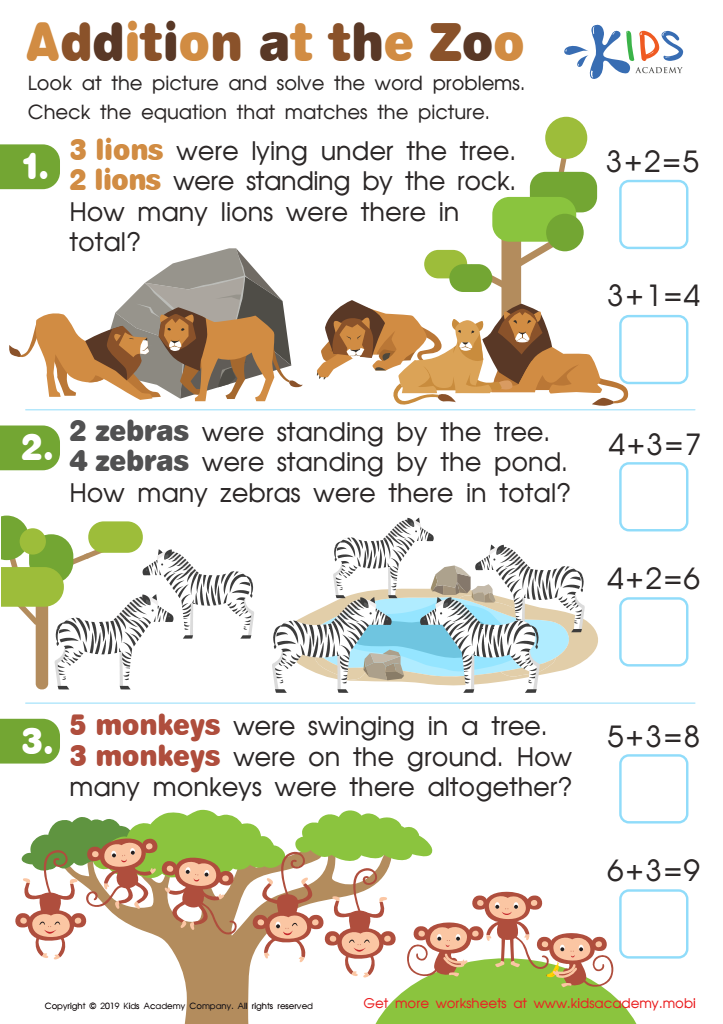
Addition at the Zoo Worksheet
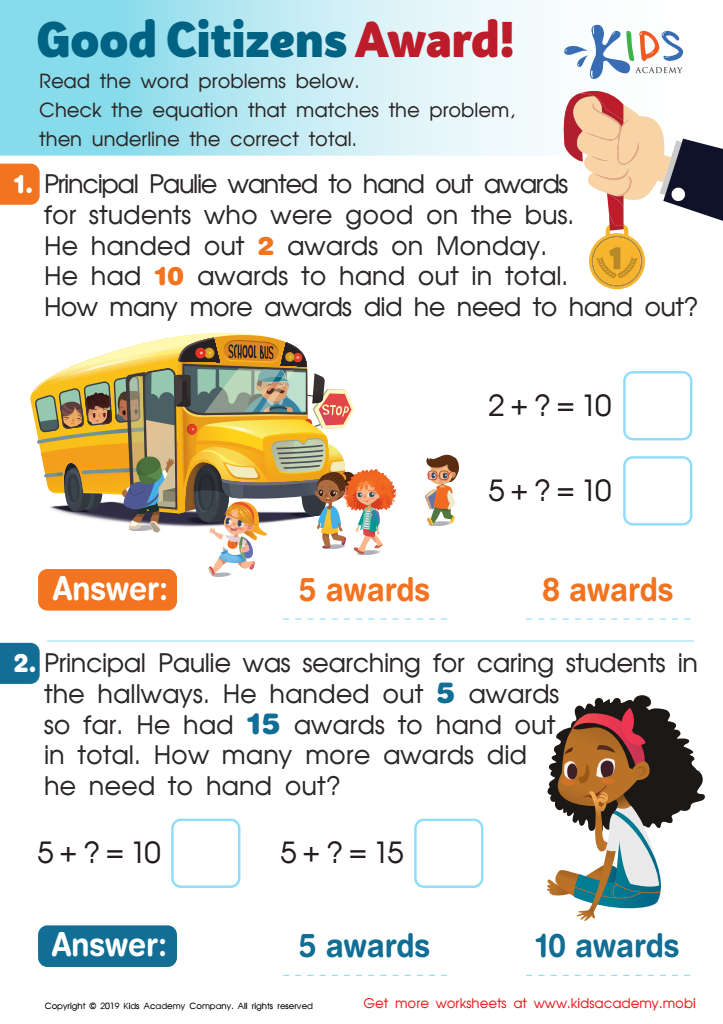
Good Citizens Award! Worksheet
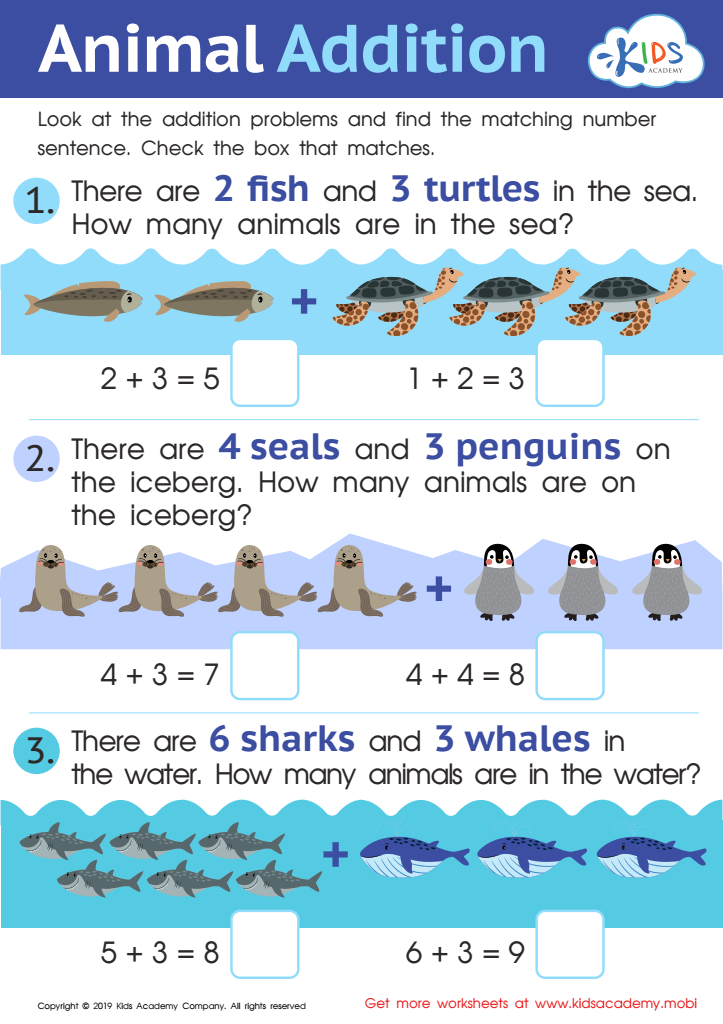
Animal Addition Worksheet
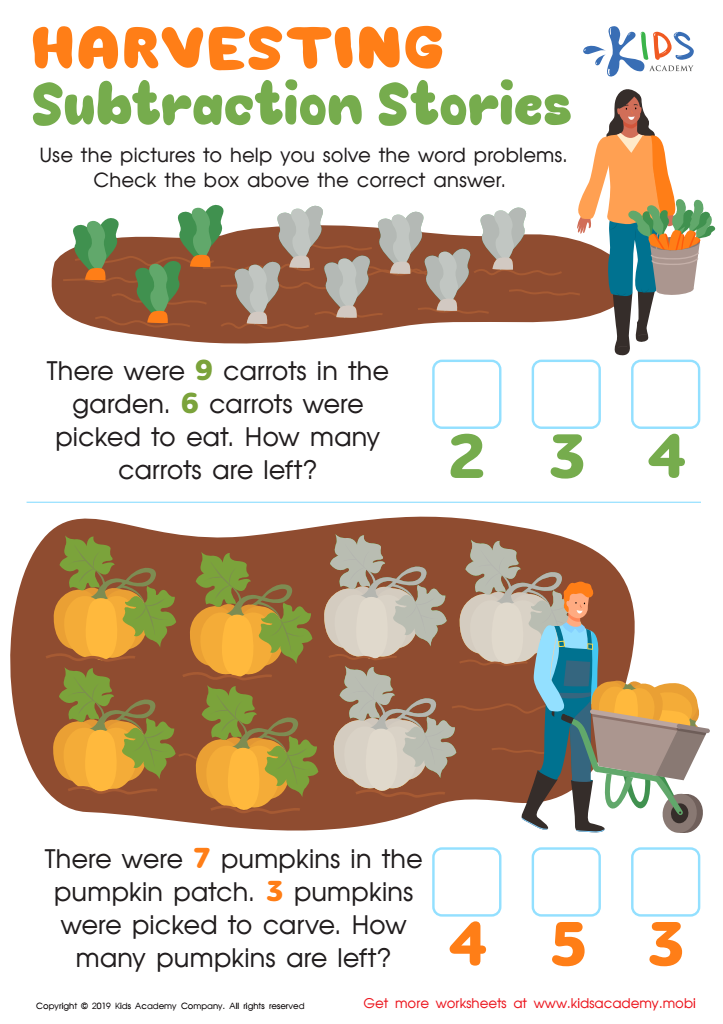
Harvesting Subtraction Stories Worksheet
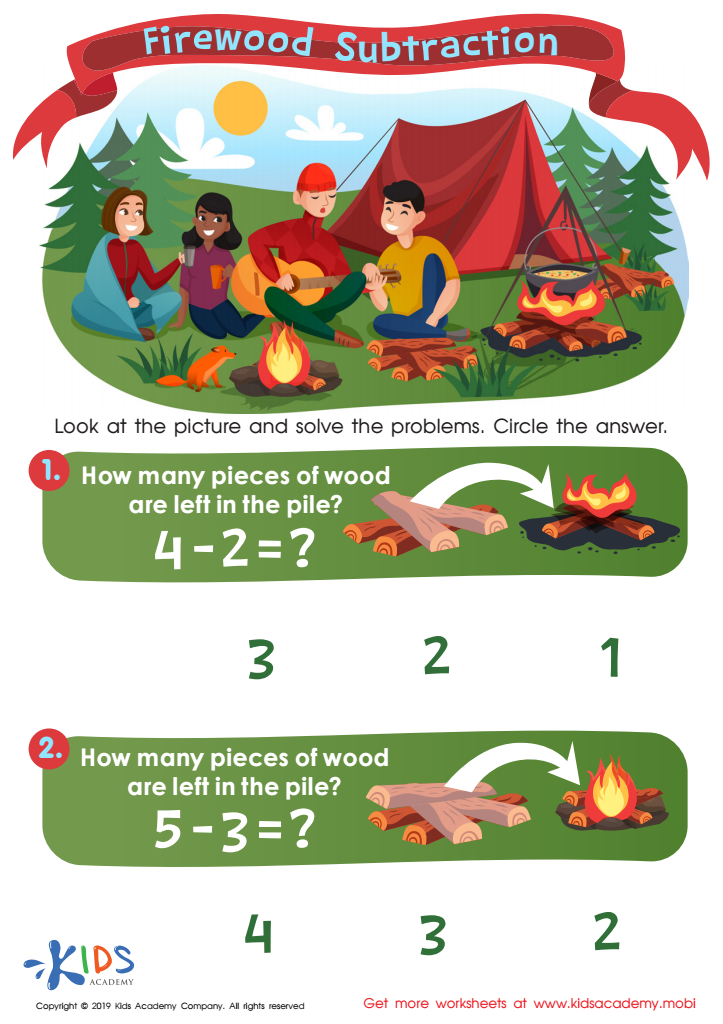
Firewood Subtraction Worksheet
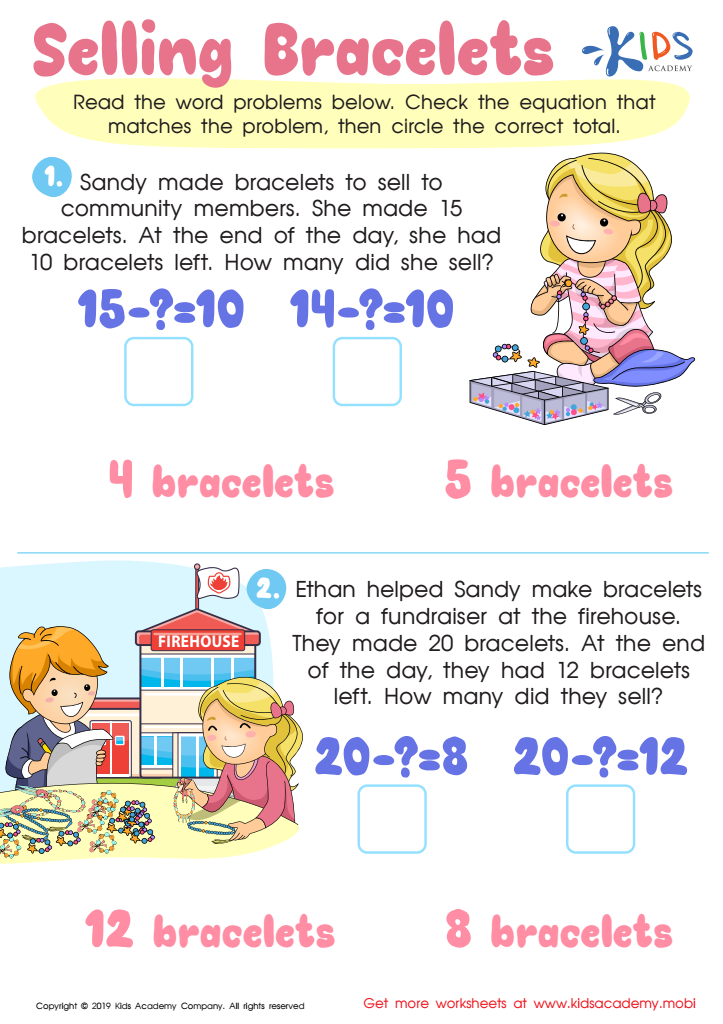
Selling the Bracelets Worksheet








Parents and teachers should care about easy word problems for children ages 3-8 because they lay the foundational skills necessary for future academic success and real-world problem-solving. At this stage, children's brains are highly receptive to new concepts, making it the perfect time to introduce basic math in a tangible, engaging manner. Easy word problems blend arithmetic with storytelling, which aids in the development of reading comprehension, critical thinking, and logical reasoning skills. By integrating relatable scenarios, children are more likely to understand and retain mathematical concepts such as addition, subtraction, and number sequence.
Moreover, solving word problems boosts a child's confidence with numbers, helps in the application of math in everyday life (e.g., counting items, understanding time), and cultivates a positive attitude towards learning. These early experiences with math through word problems can reduce anxiety around the subject and build a solid foundation for more complex concepts encountered in later schooling. Parental or teacher involvement, encouragement, and practice of these problems reinforce learning and normalize the use of math as a fun, useful skill. Investing time and attention in this early stage can significantly impact a child's ability to tackle more challenging math curricula in the future, fostering both academic and personal growth.








