Easy Reading Comprehension Worksheets for Ages 4-7 - Page 2
56 filtered results
-
From - To
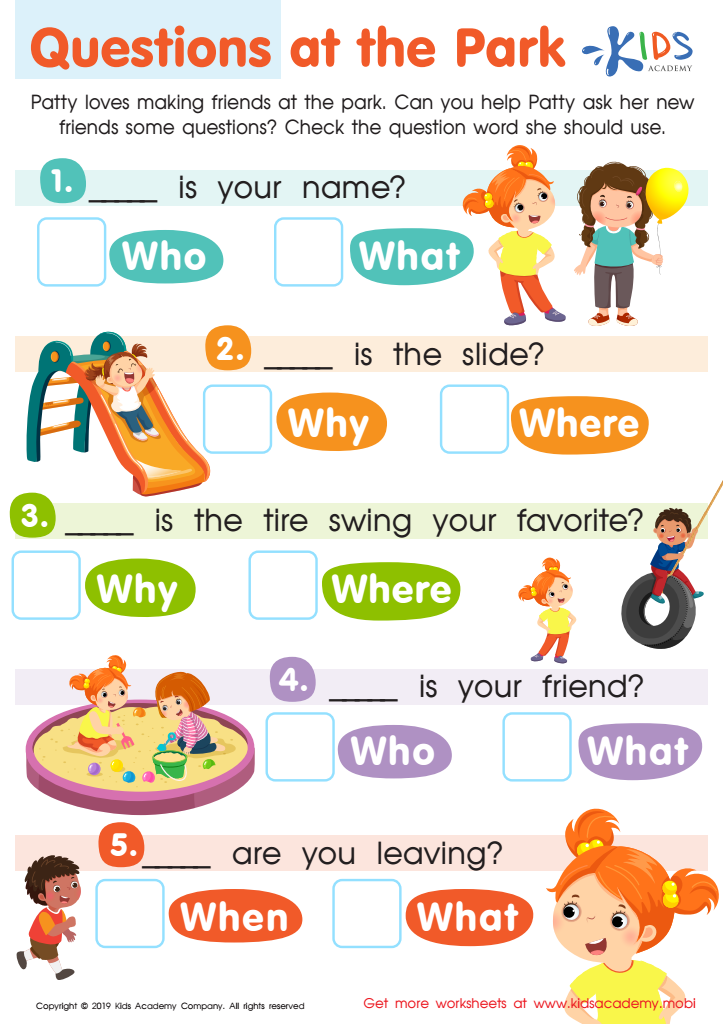
Questions at the Park Worksheet
 Assign to My Students
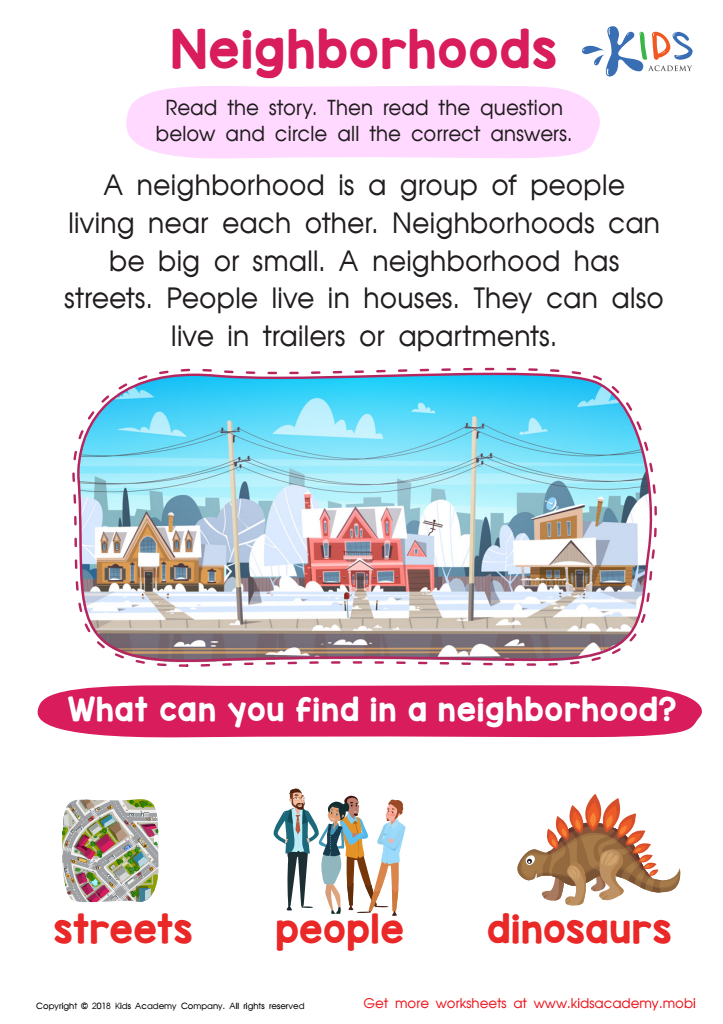
Neighborhoods Worksheet
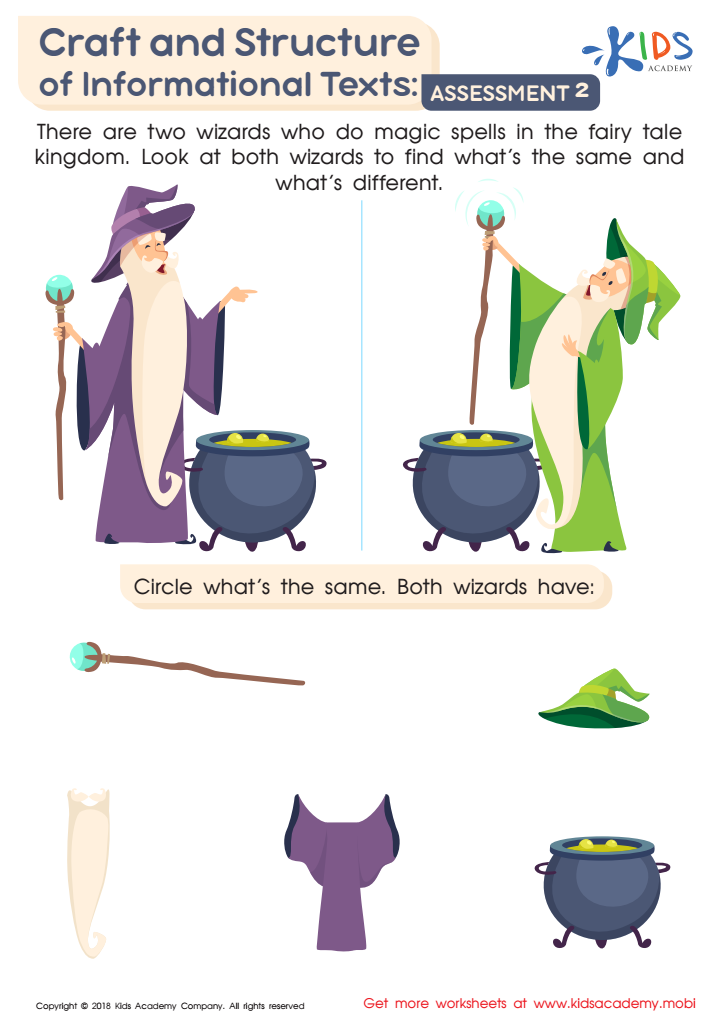
Craft and Structure of Informational Texts: Assessment 2 Worksheet
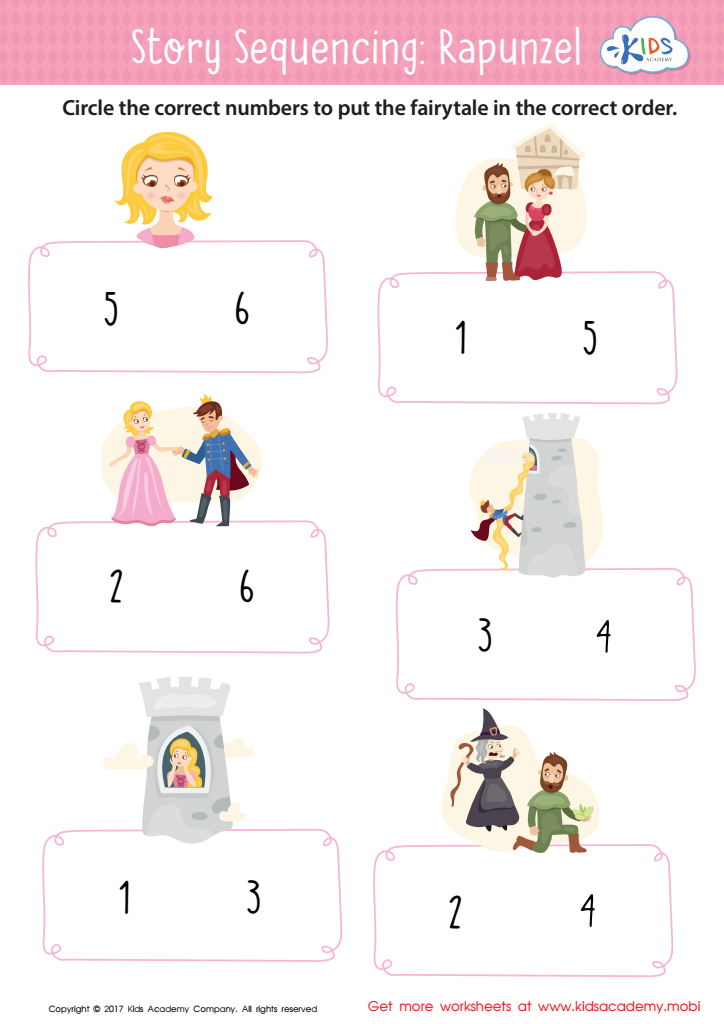
Rapunzel Story Sequencing Worksheet
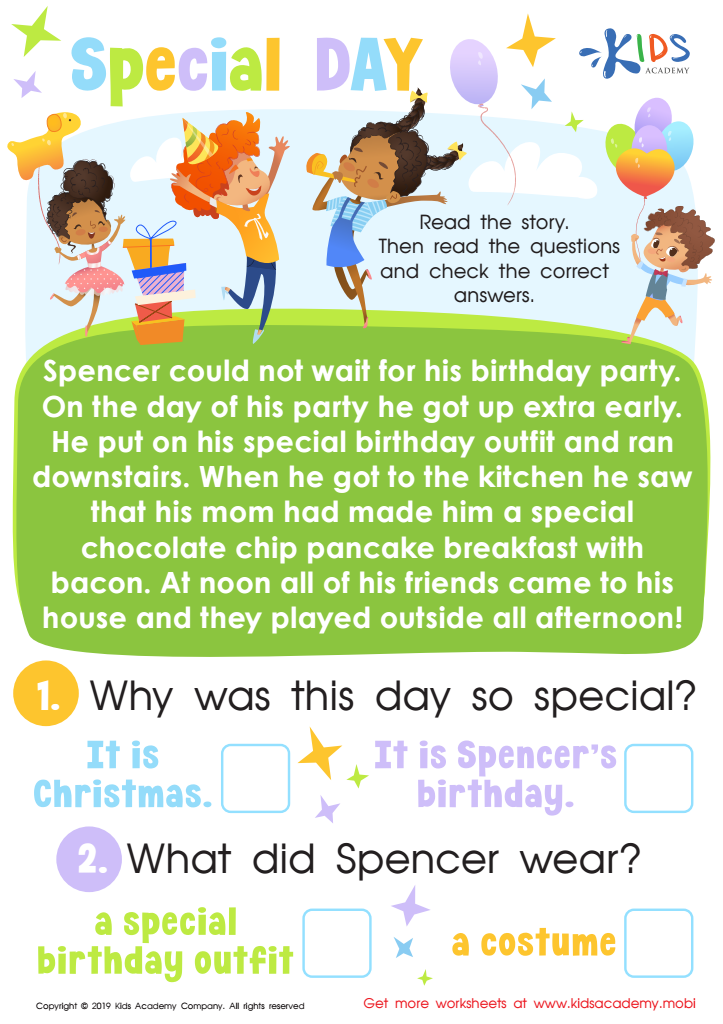
Special Day Worksheet
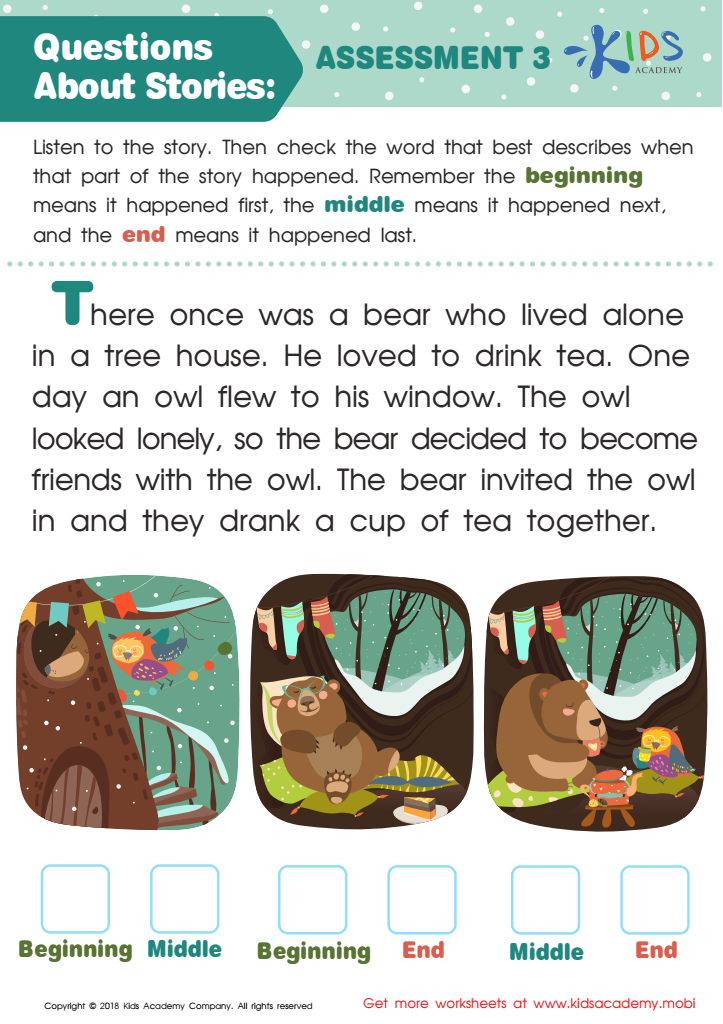
Questions About Stories: Assessment 3 Worksheet
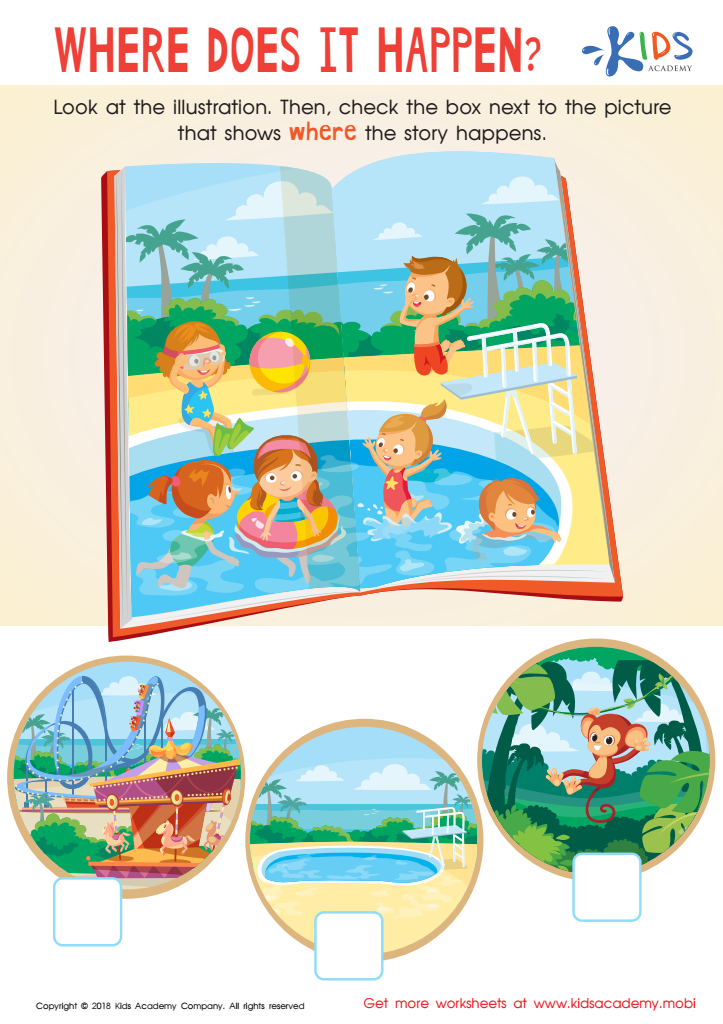
Where Does It Happen? Worksheet
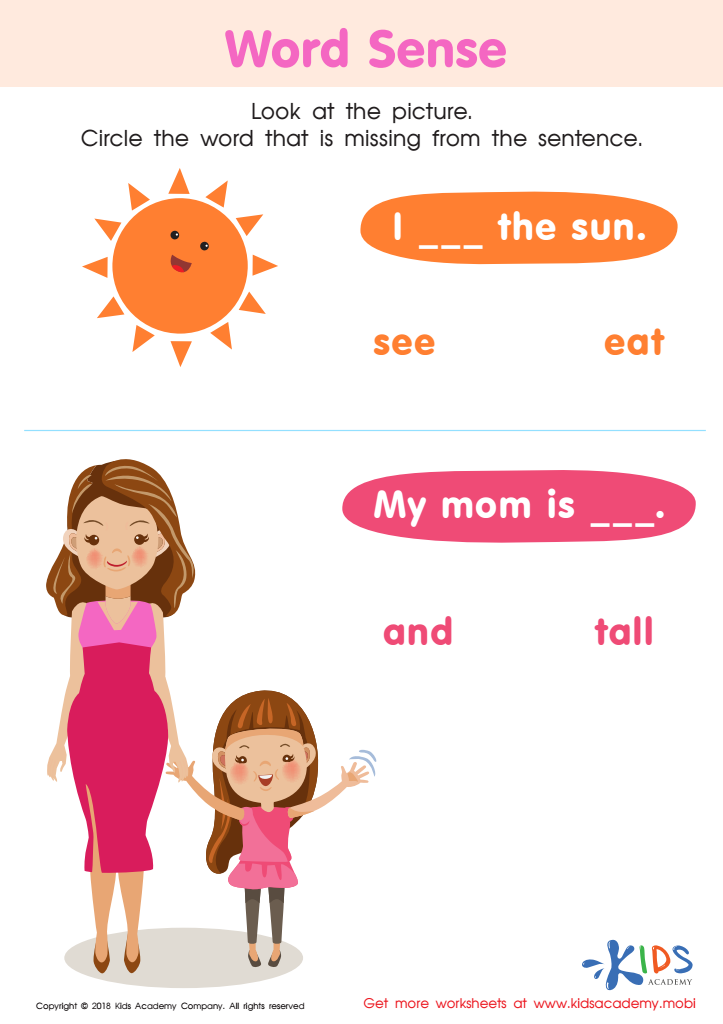
Word Sense Worksheet
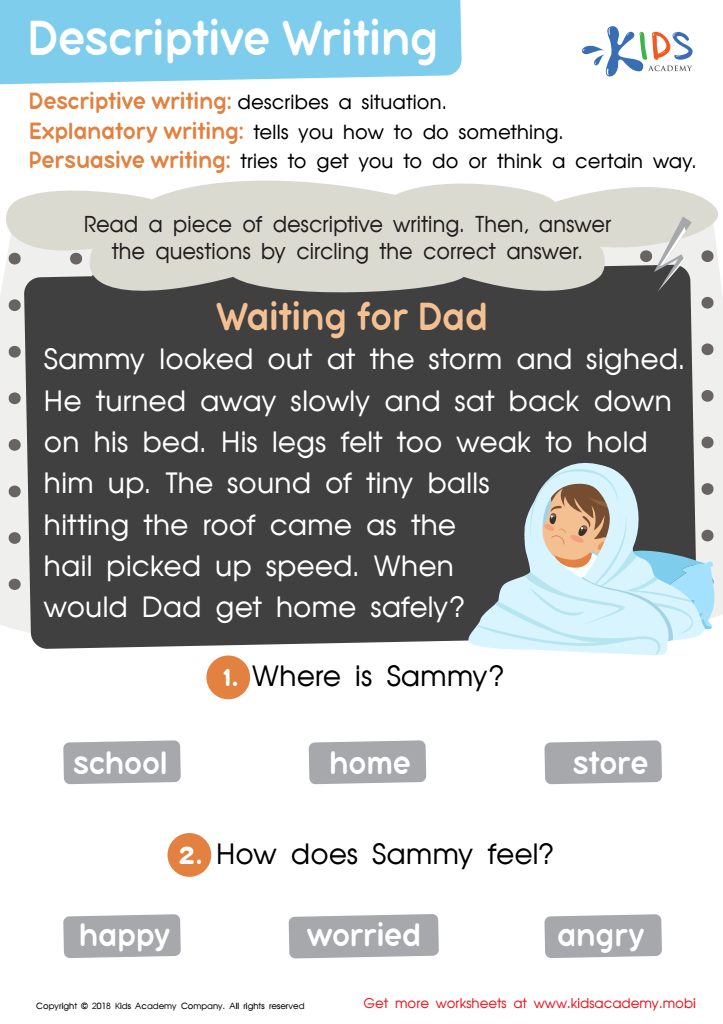
Descriptive Writing Worksheet: Part 2
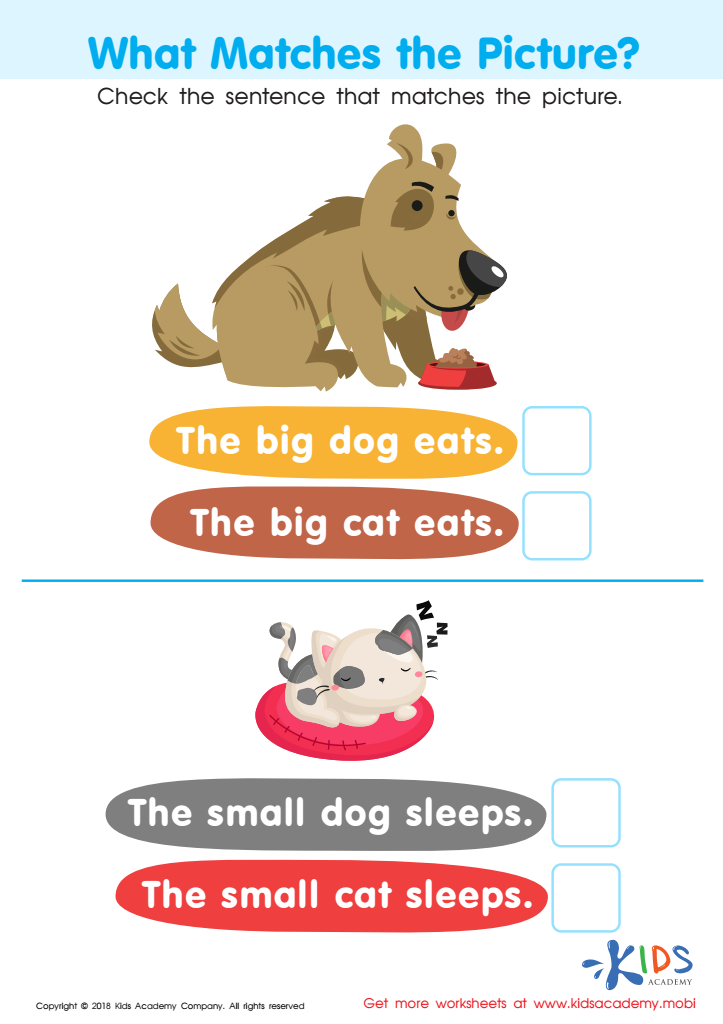
What Matches the Picture? Worksheet
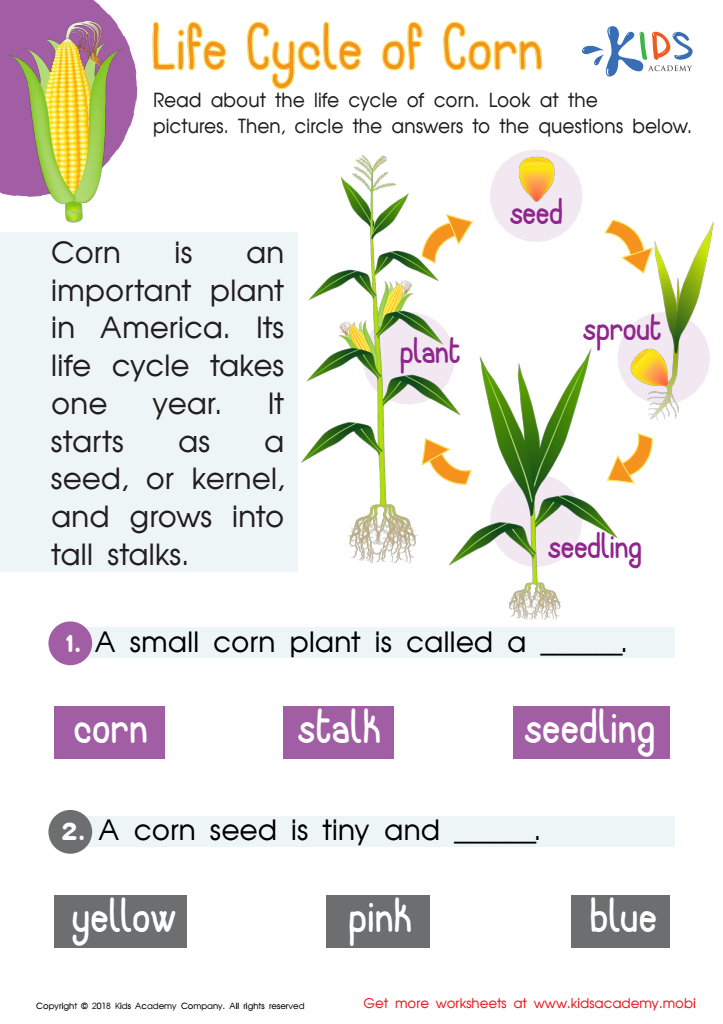
Life Cycle of Corn Worksheet
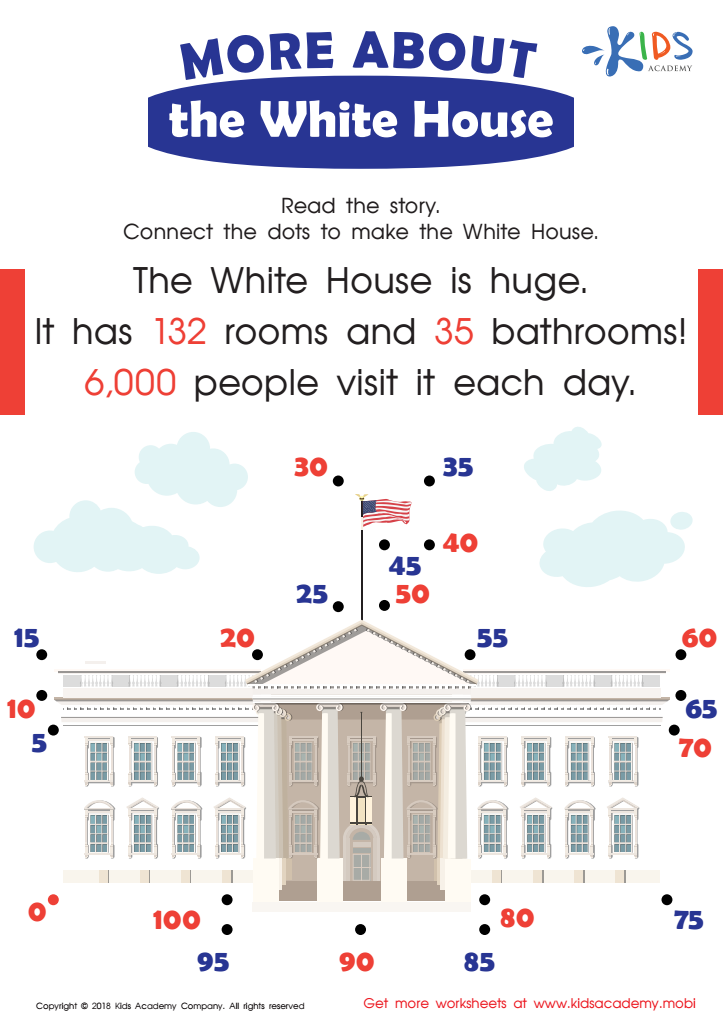
More About the White House Worksheet
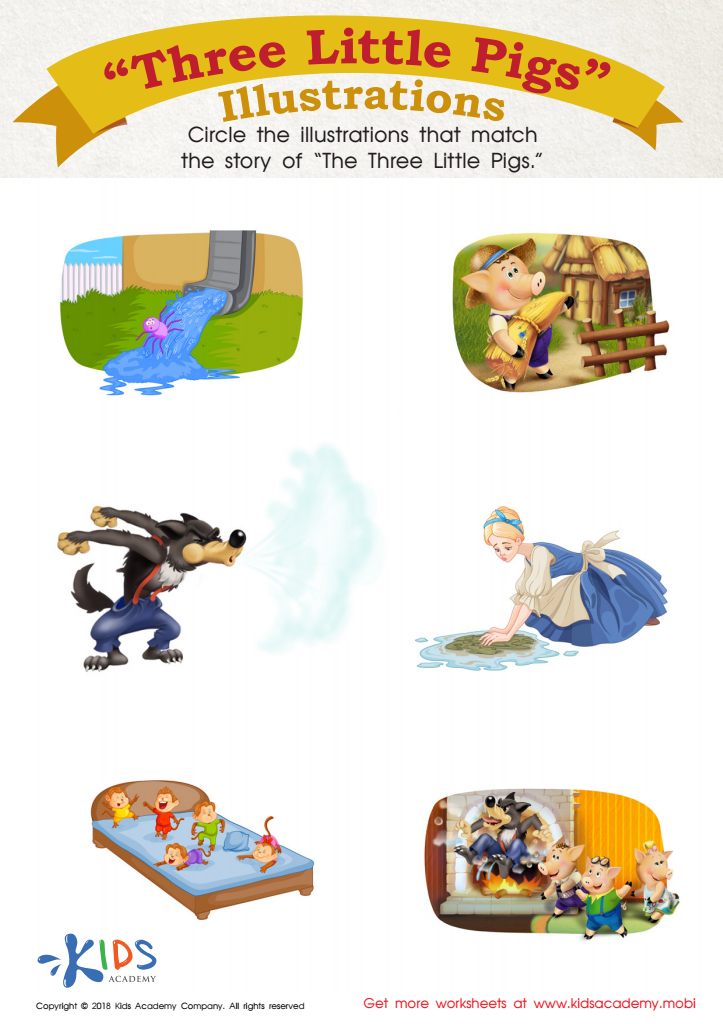
Three Little Pigs: Illustrations Worksheet
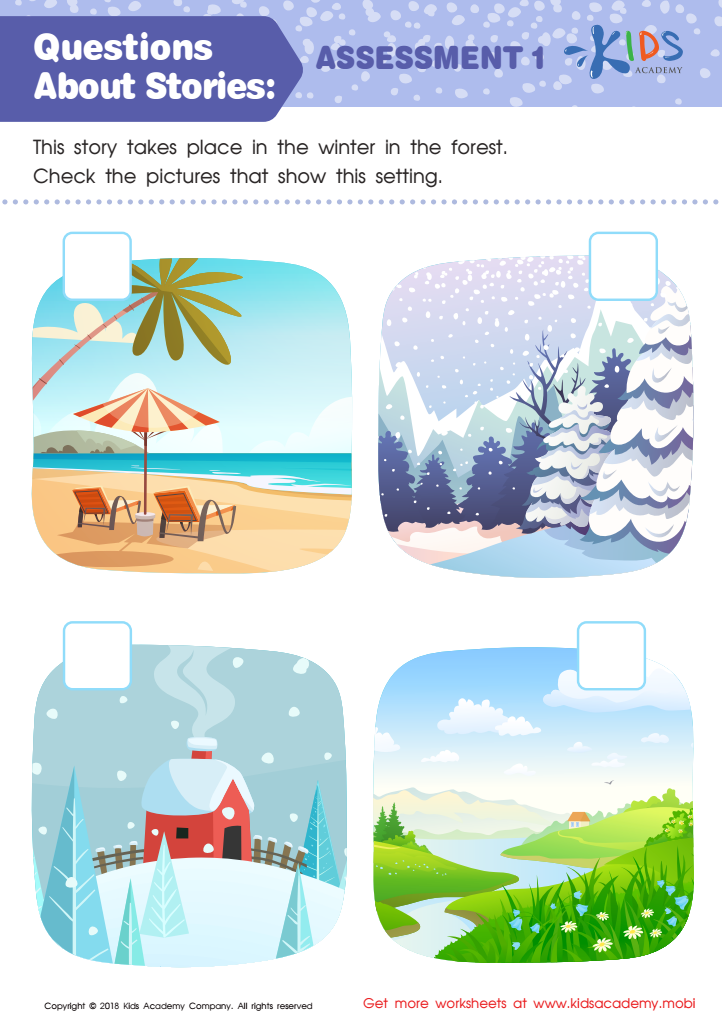
Questions About Stories: Assessment 1 Worksheet
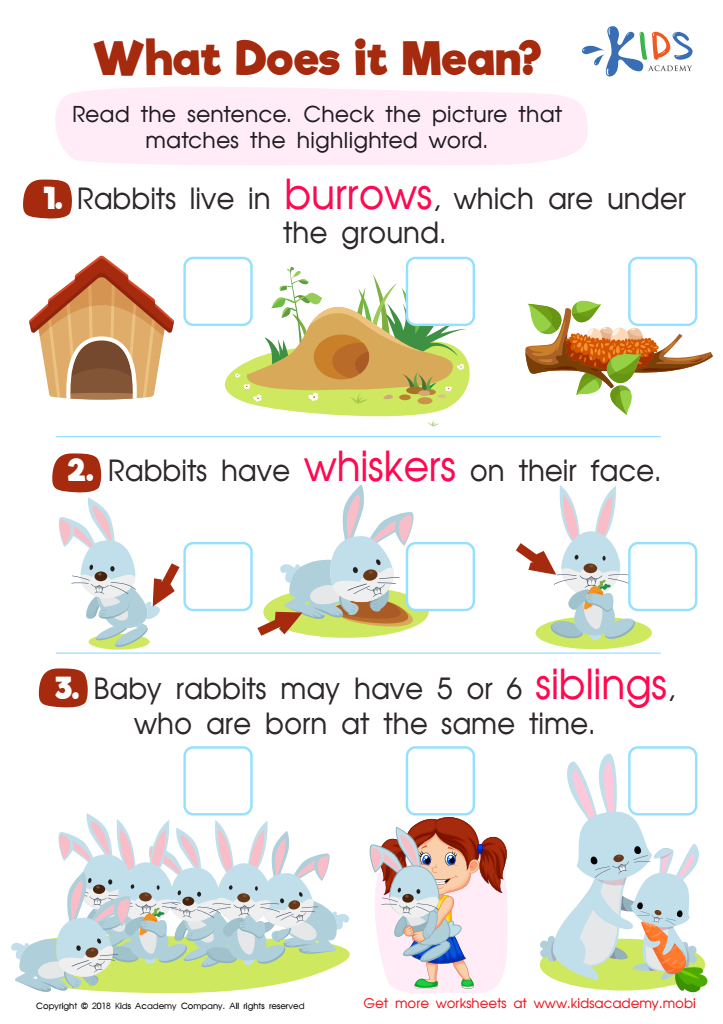
What Does It Mean? Worksheet
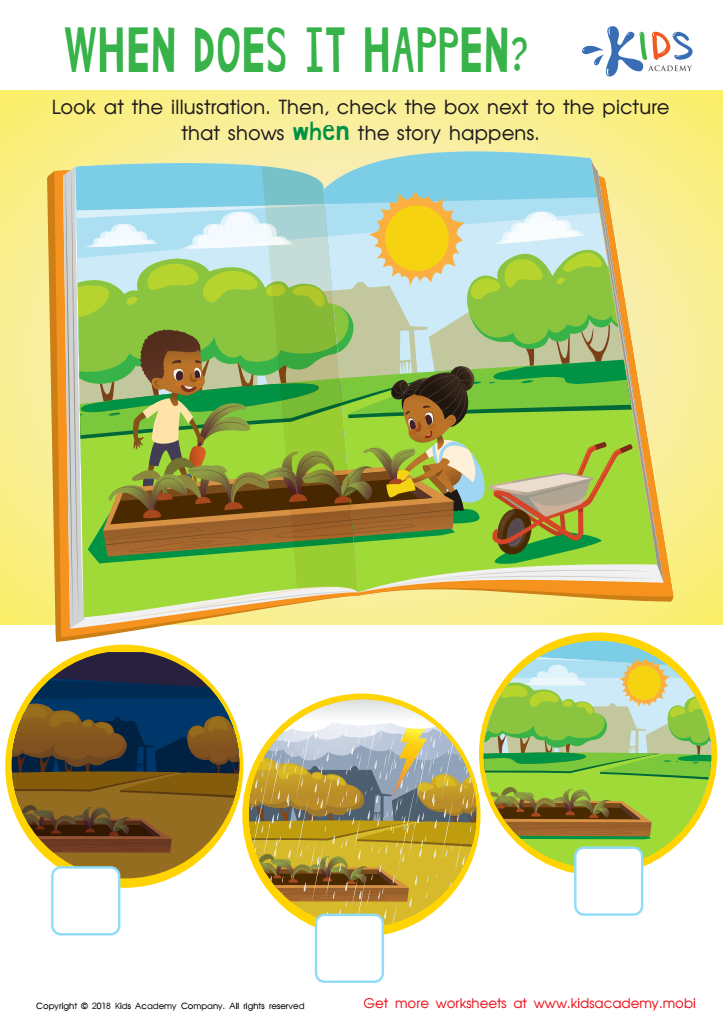
When Does It Happen? Worksheet
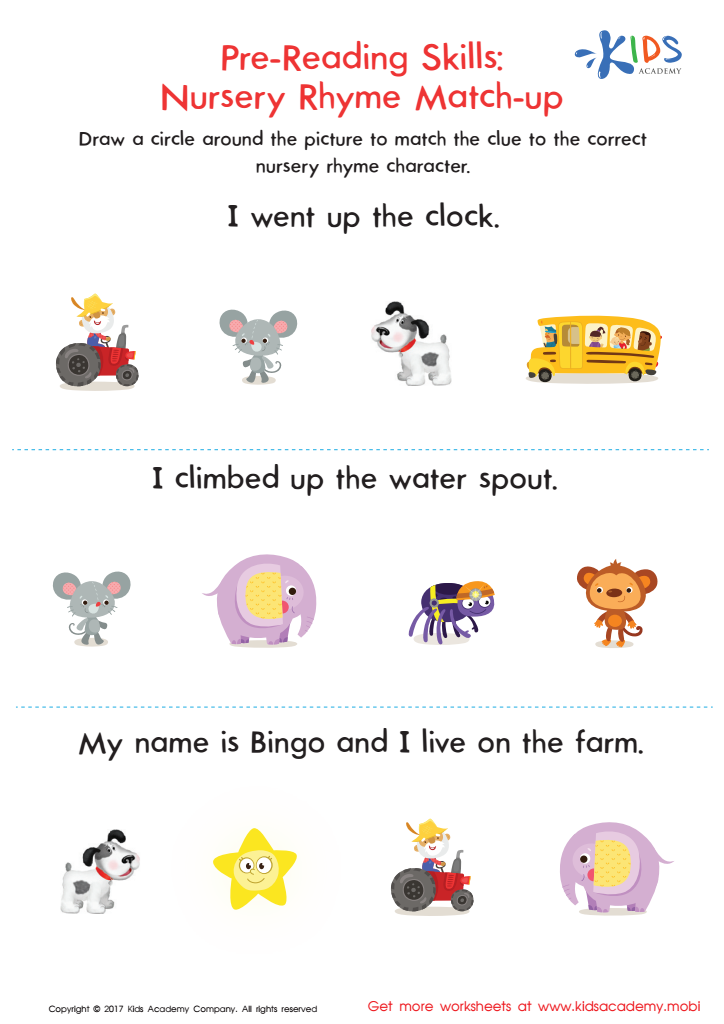
Nursery Rhyme Match–Up Worksheet
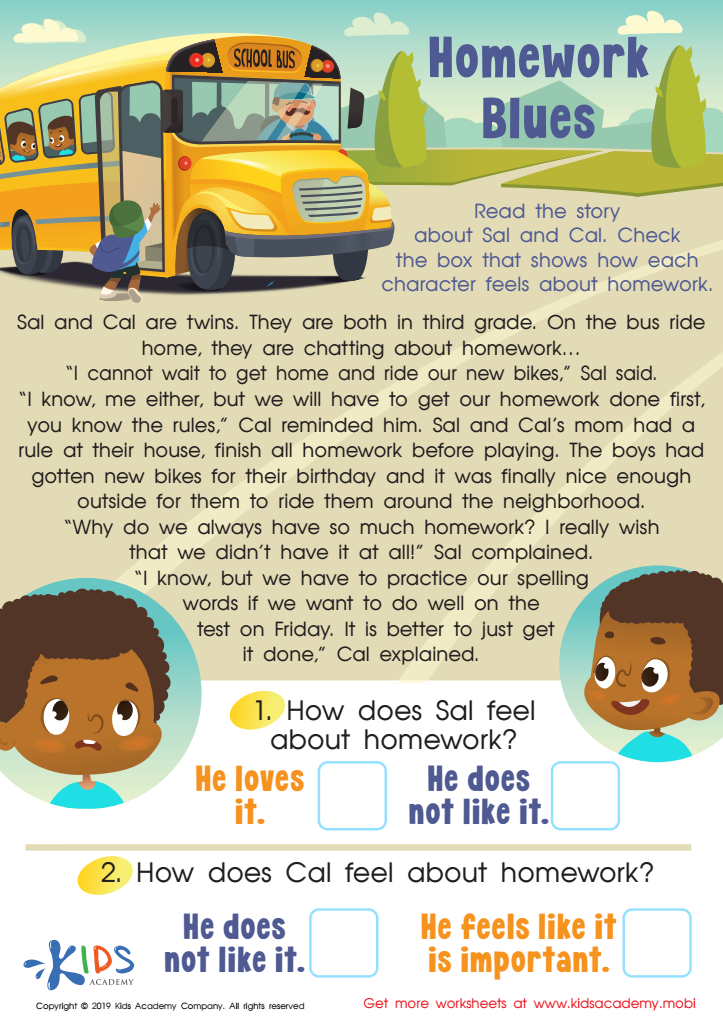
Homework Blues Worksheet
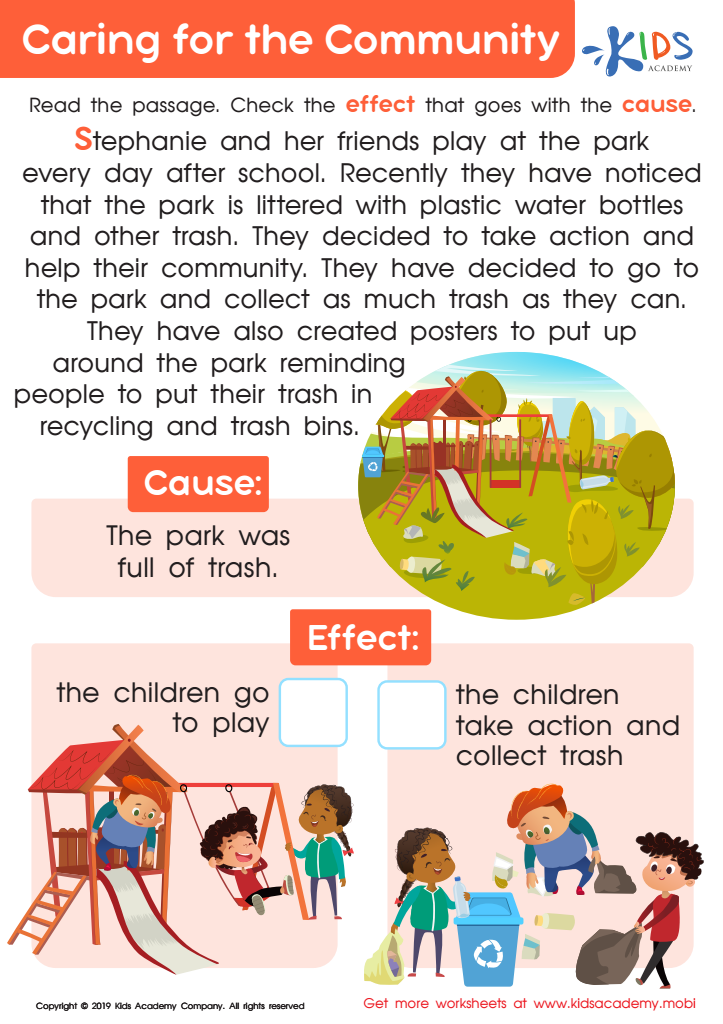
Caring for the Community Worksheet
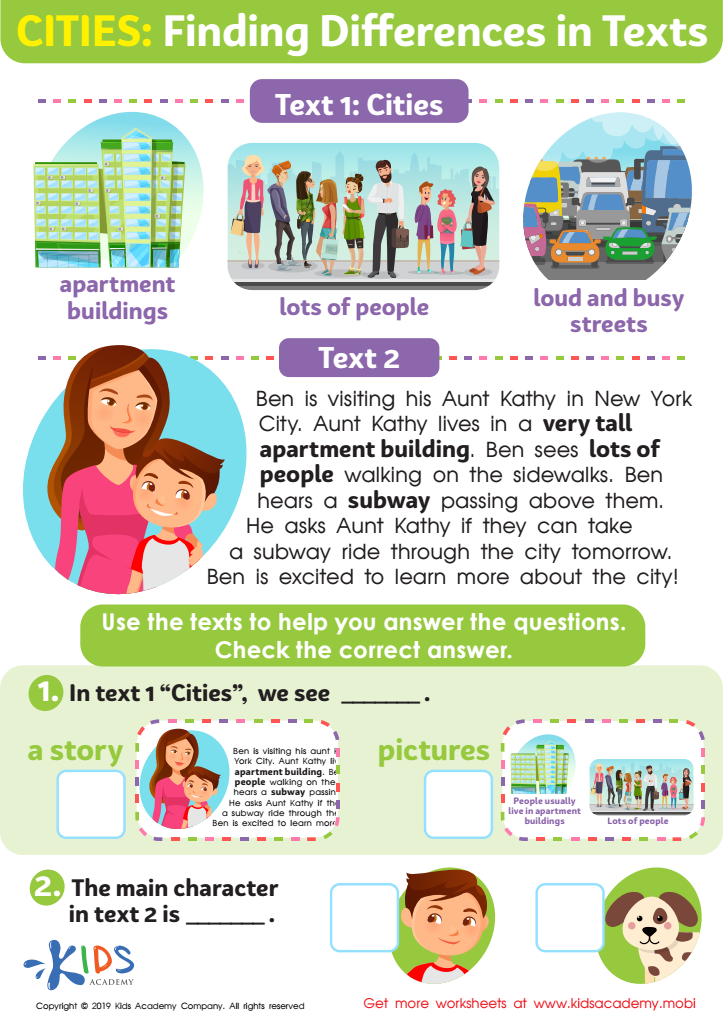
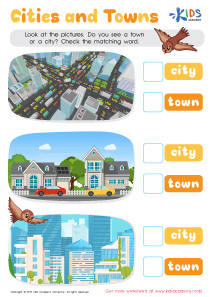
Cities: Finding Differences Worksheet
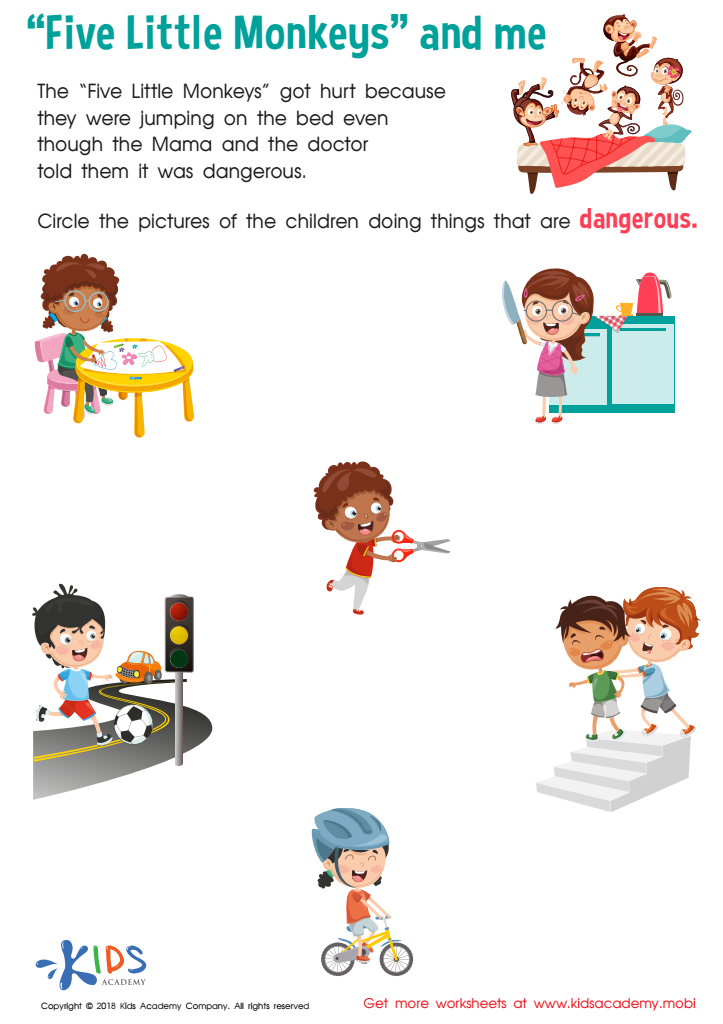
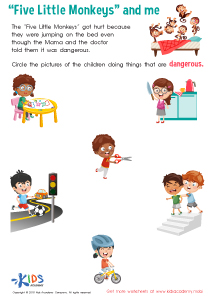
Five Little Monkeys and Me Worksheet
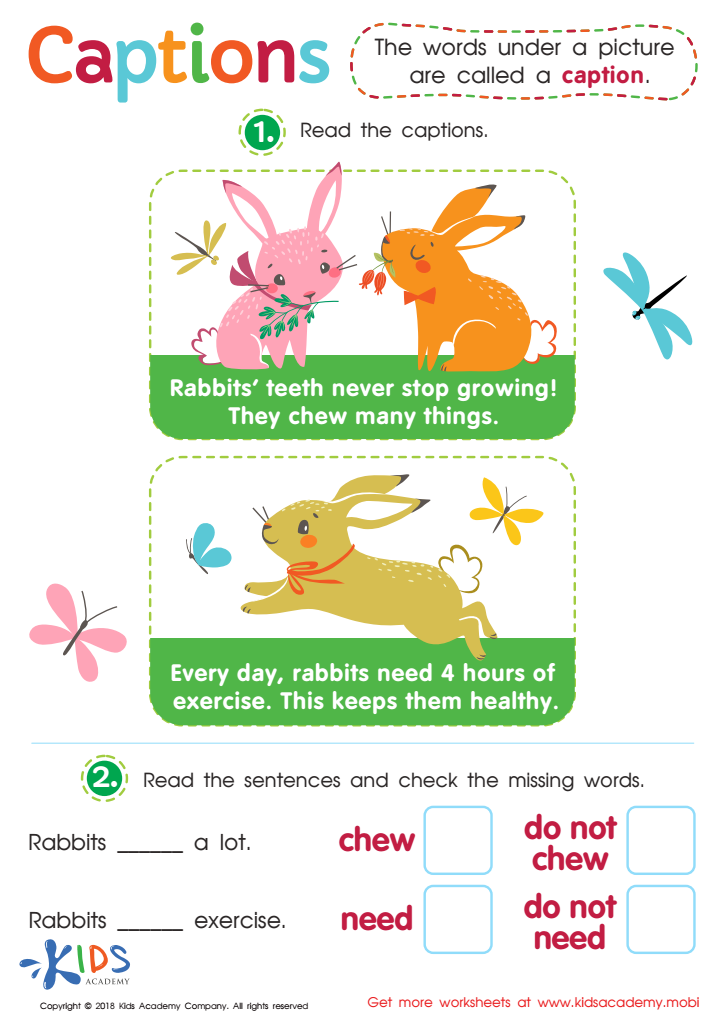
Captions Worksheet
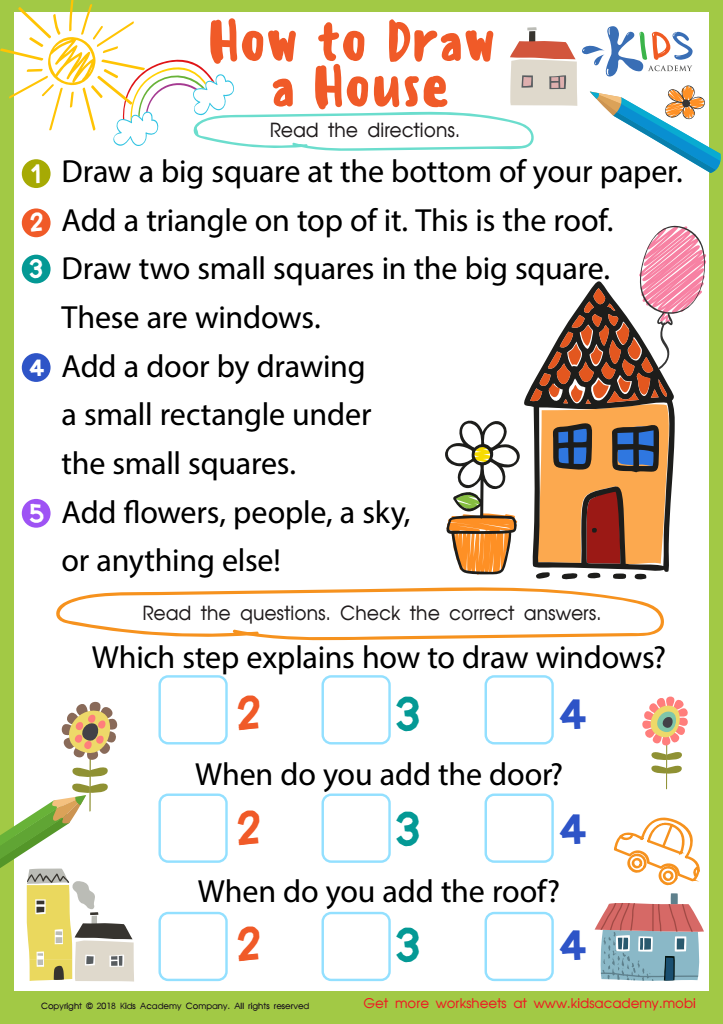
How to Draw House Worksheet
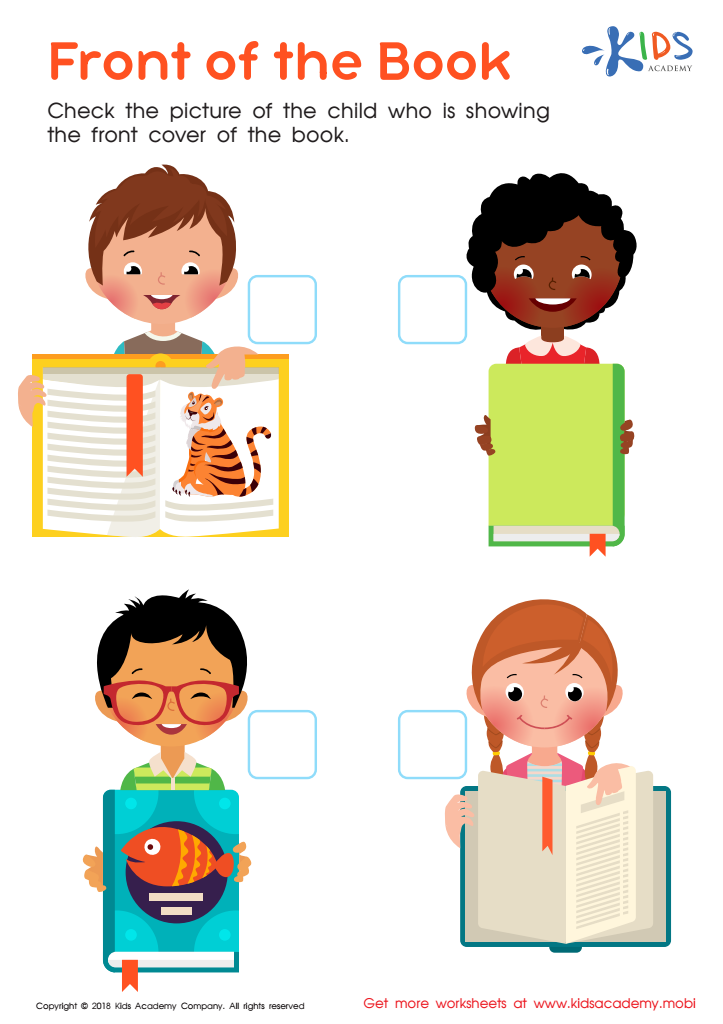
Front of the Book Worksheet








Reading comprehension is a fundamental skill for young learners, directly influencing their academic success and lifelong learning. For children aged 4-7, mastering comprehension sets the stage for effective reading, critical thinking, and communication. Parents and teachers should prioritize easy reading comprehension during these crucial formative years for several compelling reasons.
Firstly, this stage is when children develop their language skills and begin to connect sounds with letters and words. Providing age-appropriate texts encourages them to practice decoding while reinforcing understanding. When children engage with simple, relatable stories, they learn to make predictions, identify main ideas, and draw conclusions, fostering a deeper connection to what they read.
Moreover, strong comprehension skills enhance a child's overall confidence and motivation as they tackle increasingly complex materials. This decisive phase aligns with early literacy standards, and fostering these skills can lead to a more positive attitude toward reading.
In addition, investing time in comprehension activities nurtures parent-child or teacher-student relationships, promoting collaboration in learning. By creating a supportive environment, adults can celebrate small victories with children, bolstering their enthusiasm for reading. Ultimately, prioritizing reading comprehension for young learners cultivates a foundation for a successful, enriching educational journey.