Easy Comparison Worksheets for Ages 4-8
3 filtered results
-
From - To
Discover our Easy Comparison Worksheets designed specifically for children ages 4-8. Our engaging and educational worksheets offer a variety of fun activities that help kids practice comparing sizes, lengths, quantities, and more. Each sheet is crafted to enhance critical thinking and develop essential math skills while keeping young learners entertained. Colorful images and playful themes make learning enjoyable for preschool and early elementary students. Ideal for both classroom and home use, our Easy Comparison Worksheets provide a solid foundation for math proficiency. Visit Kids Academy to explore and download free worksheets today!
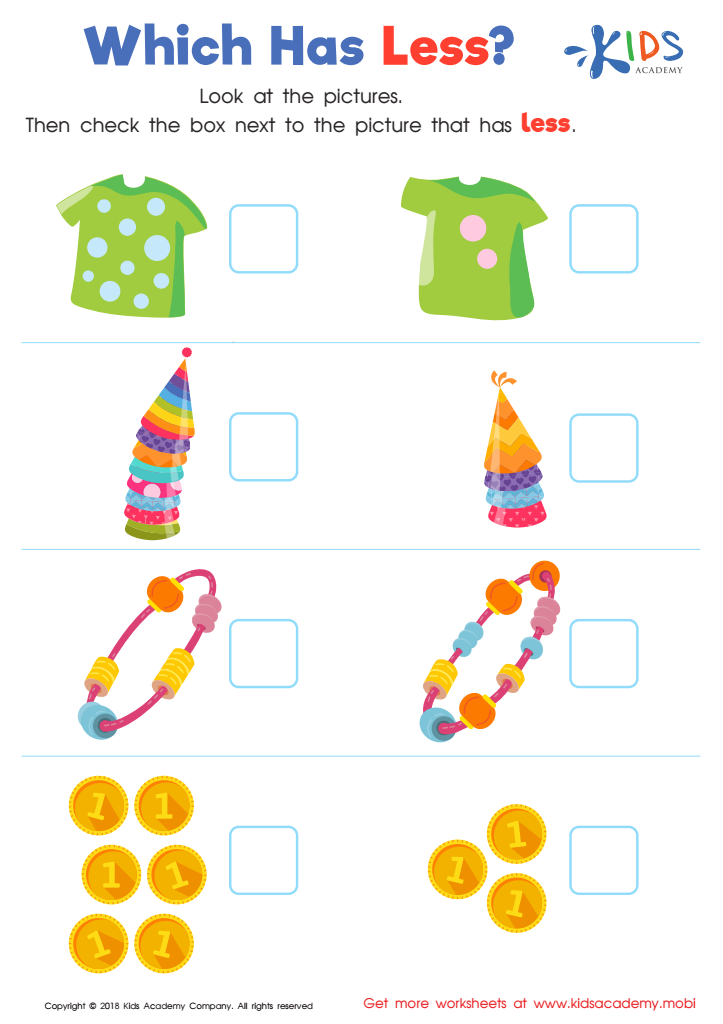
Which Has Less? Worksheet
 Assign to My Students
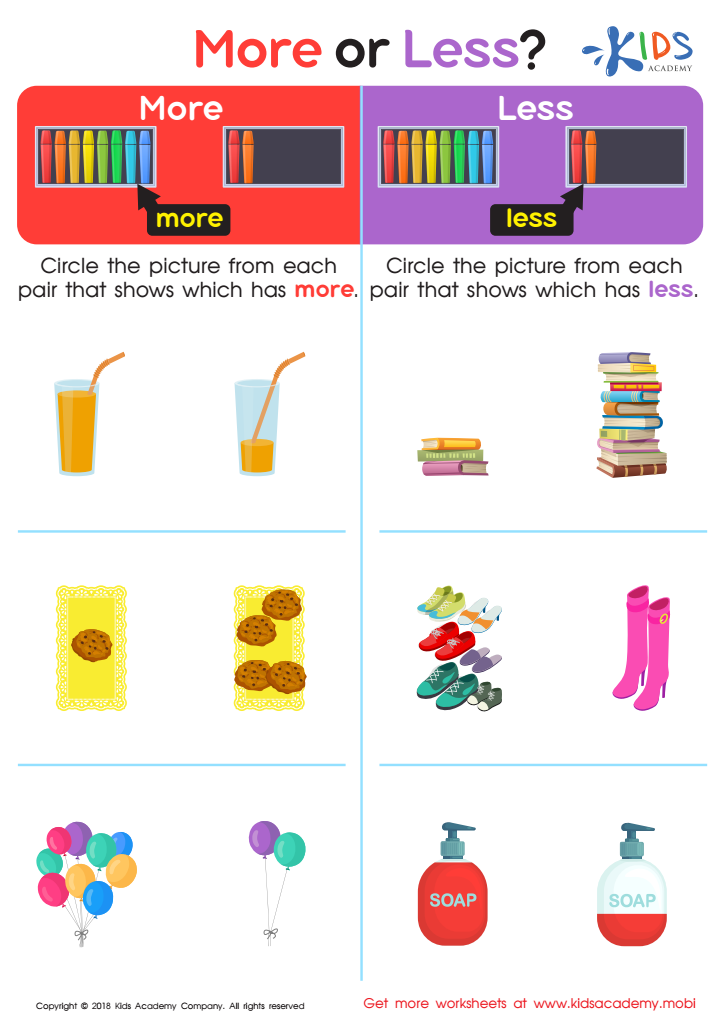
More or Less? Worksheet
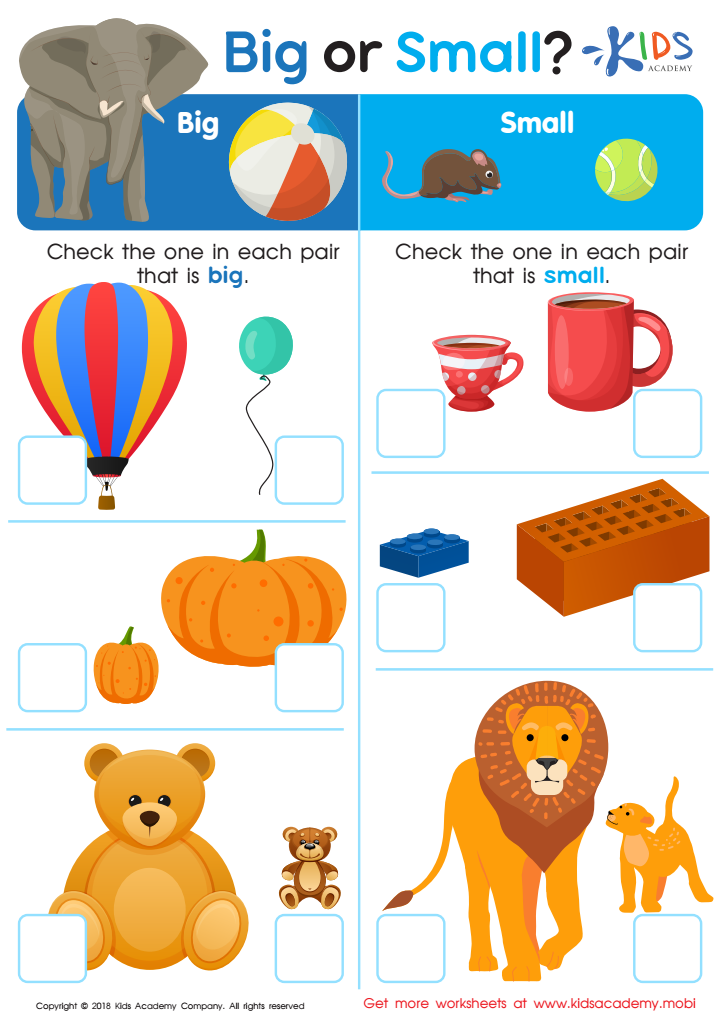
Big or Small? Worksheet






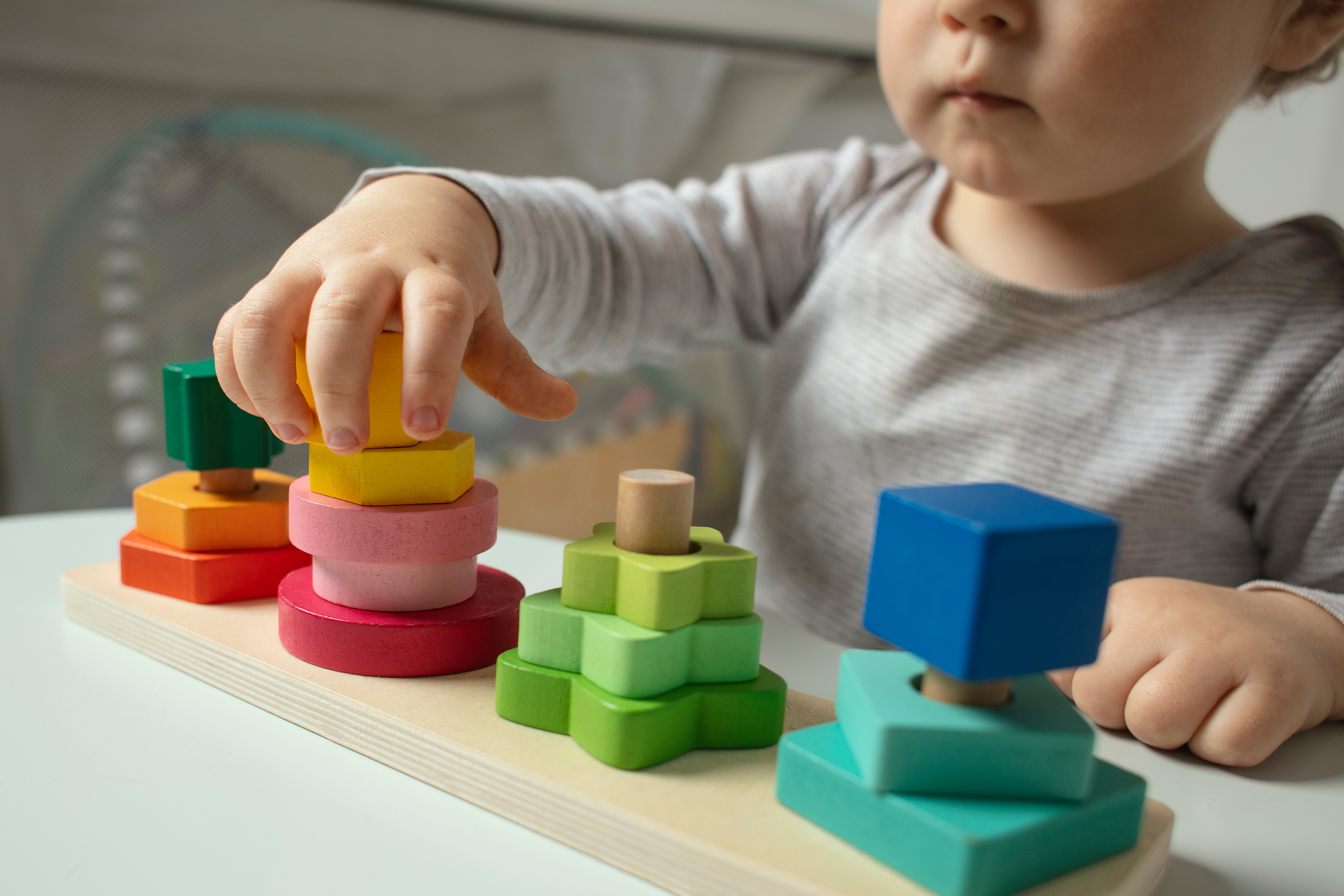
Easy comparison is a crucial skill for children ages 4-8, aiding both cognitive and social development. Parents and teachers should prioritize easy comparison because it lays the foundation for effective learning in many subjects. Through simple comparisons, children learn to observe and differentiate between objects, numbers, and concepts—fundamental abilities for mathematics, reading, and scientific reasoning. For instance, understanding "bigger vs. smaller" or "taller vs. shorter" prepares them for more complex mathematical concepts like measurement and data analysis.
From an early literacy perspective, comparing characters, settings, or events in stories enhances comprehension and critical thinking. These comparison skills help children draw parallels, make predictions, and better understand cause and effect, enriching their reading experience.
Socially, comparing experiences helps children learn empathy and understanding. Noticing differences and similarities among peers fosters inclusion and appreciation for diversity. Early practice with comparison not only aids current learning but also sets a solid base for problem-solving and decision-making skills they'll use throughout life.
Engaging children in games and activities that involve sorting, matching, and simple ranking can make the learning process enjoyable and effective. Parents and teachers can thus ensure a nurturing environment that promotes curiosity, critical thinking, and holistic growth.








