Easy Plants and Animals Worksheets for Ages 5-8
23 filtered results
-
From - To
Discover a delightful collection of easy plants and animals worksheets designed specifically for children ages 5-8! These engaging resources encourage young learners to explore the fascinating world of nature while developing essential skills. Each worksheet combines fun activities with educational content to teach kids about various plants and animals, their habitats, and characteristics. Ideal for classroom use or at-home learning, these worksheets promote critical thinking and creativity. With vibrant illustrations and simple instructions, children can enjoy learning about biodiversity as they color, match, and complete exciting activities. Dive into a hands-on educational experience that makes learning about science both enjoyable and interactive!
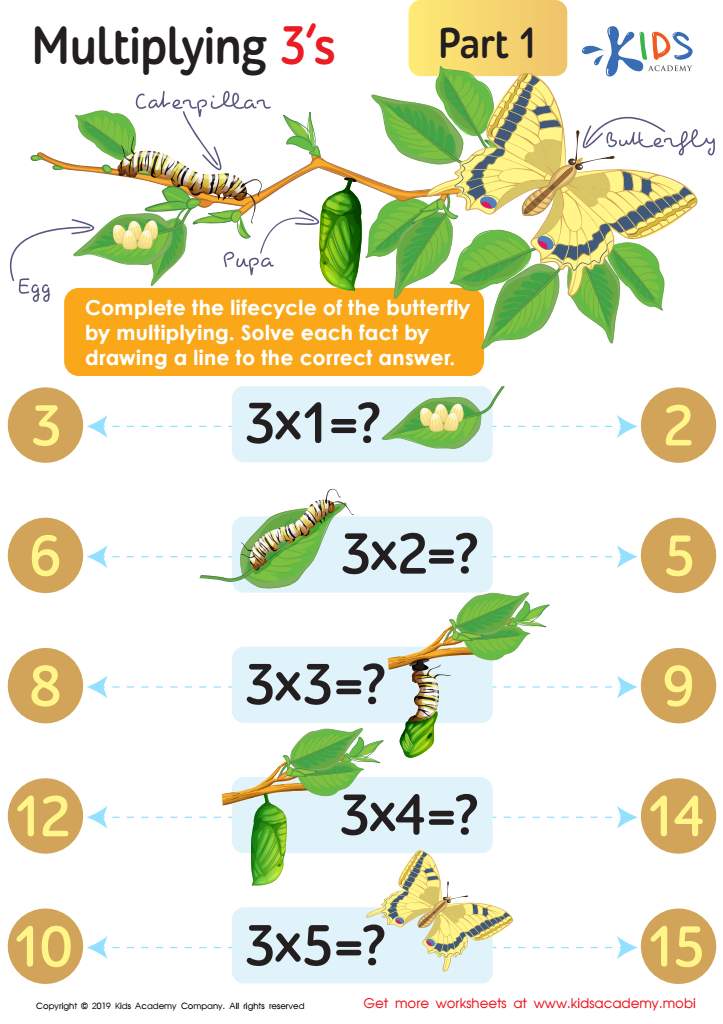
Multiplying 3’s Part 1 Worksheet
 Assign to My Students











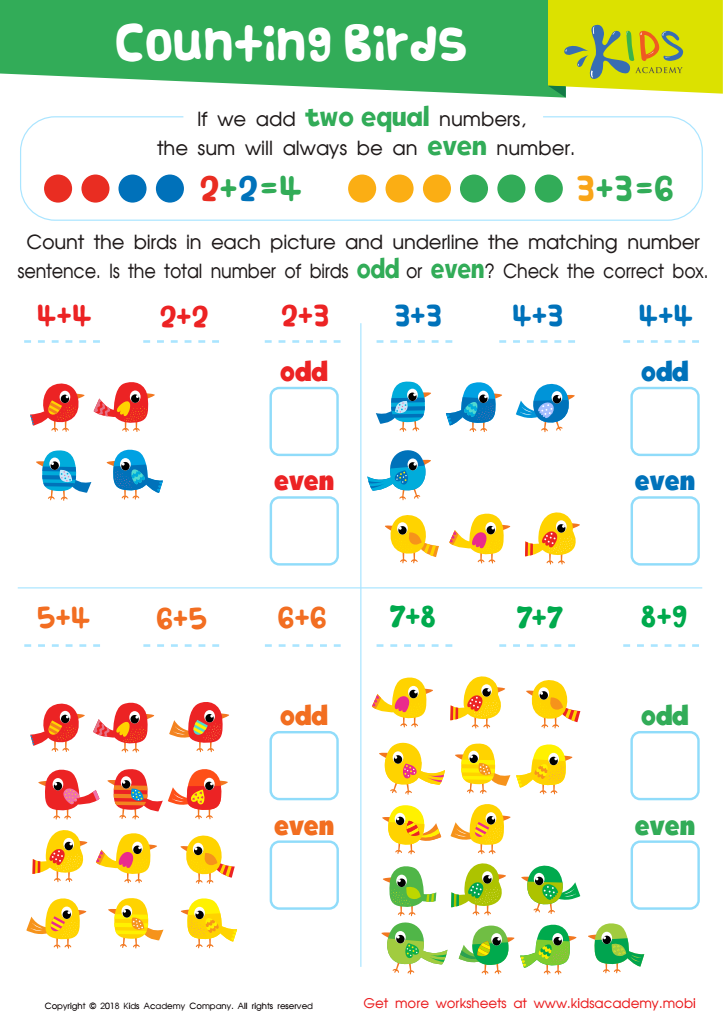
Counting Birds Worksheet
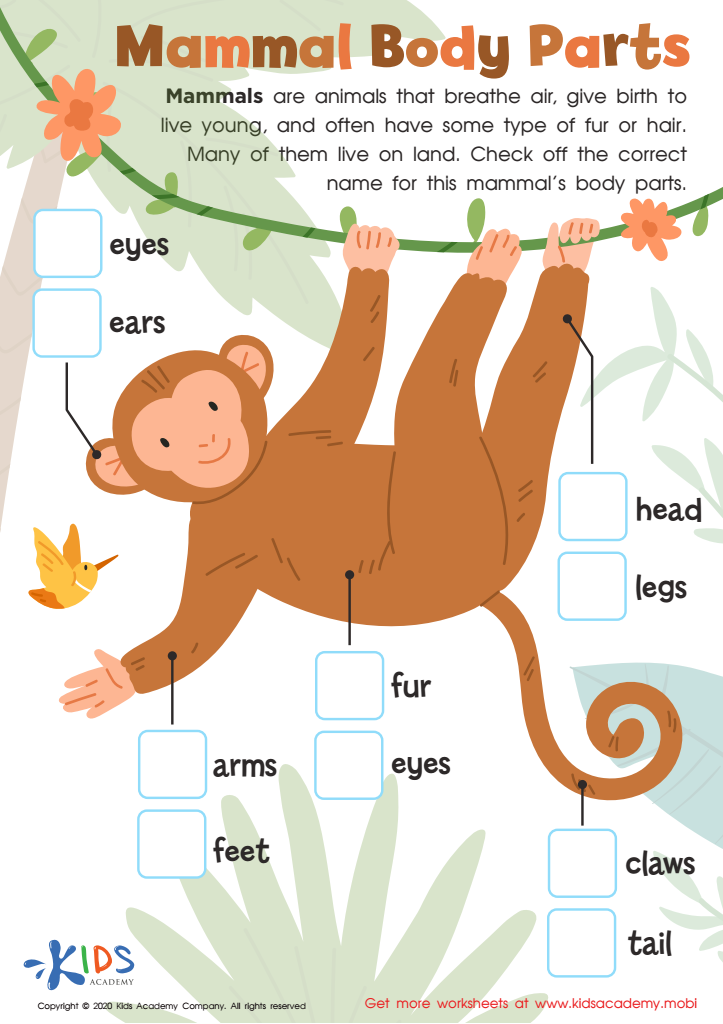
Mammal Body Parts Worksheet
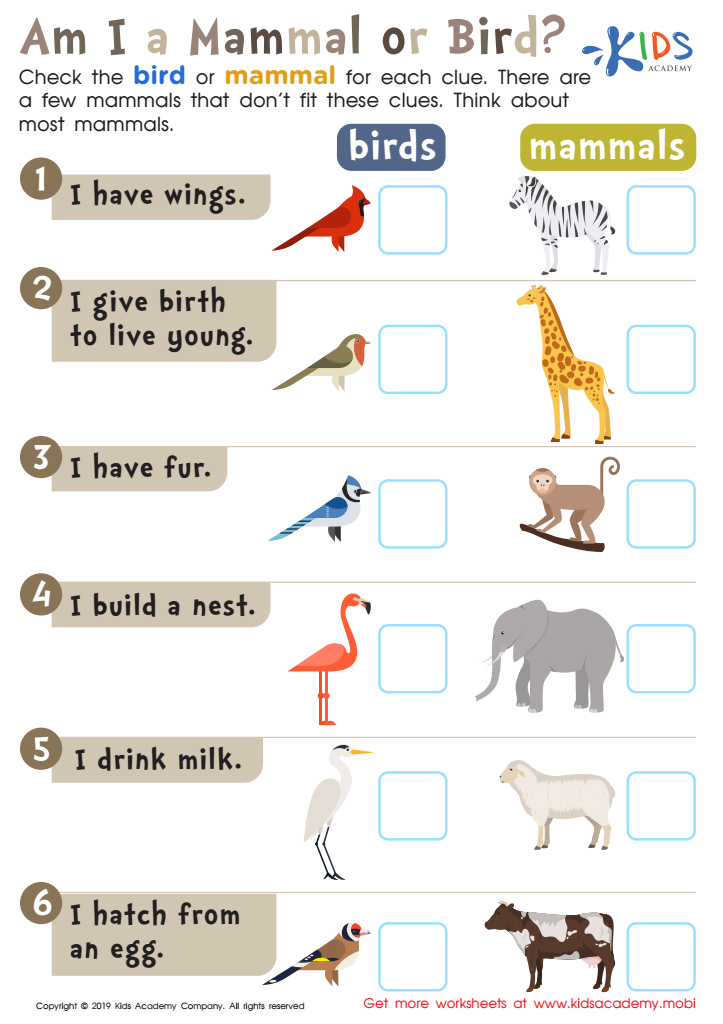
Am I a Mammal or Bird? Worksheet
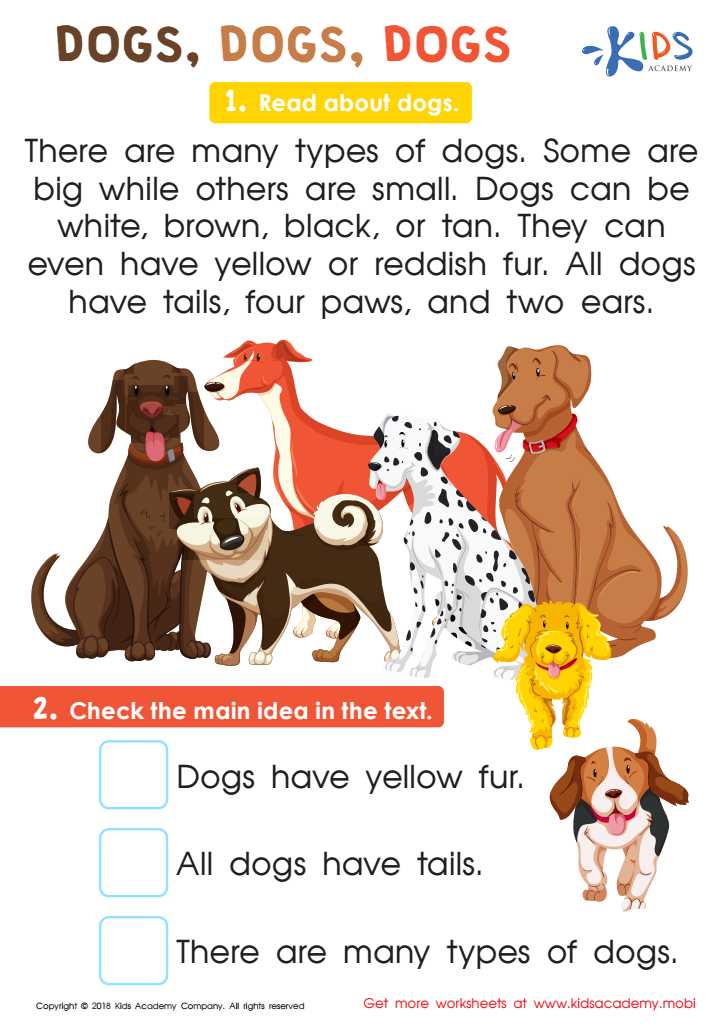
Dogs, Dogs Worksheet
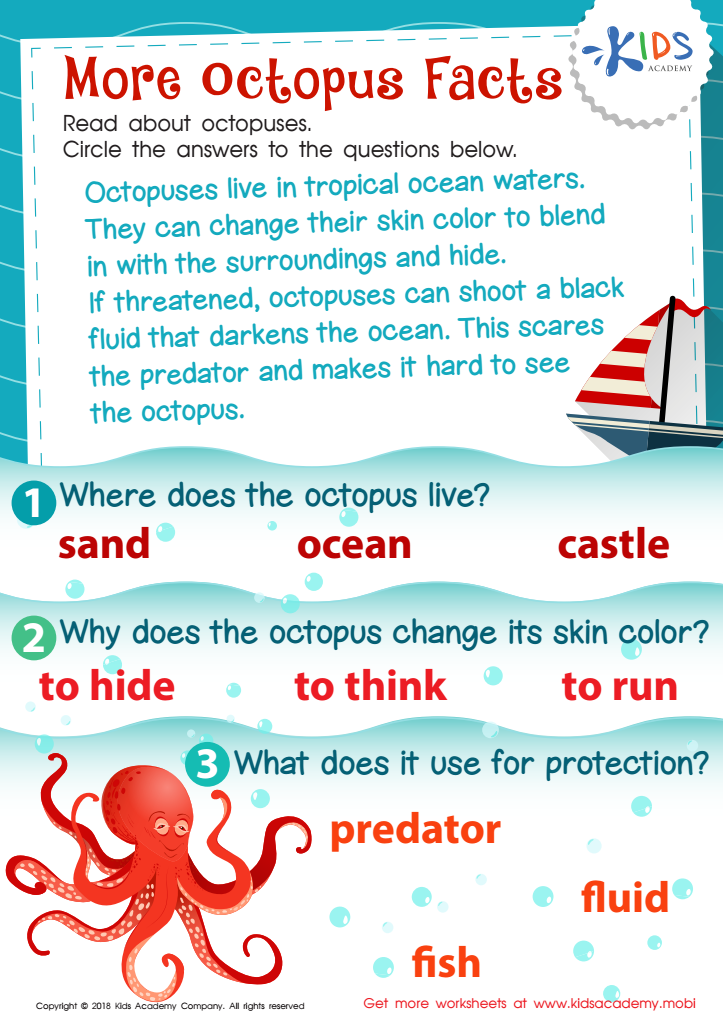
More Octopus Facts Worksheet
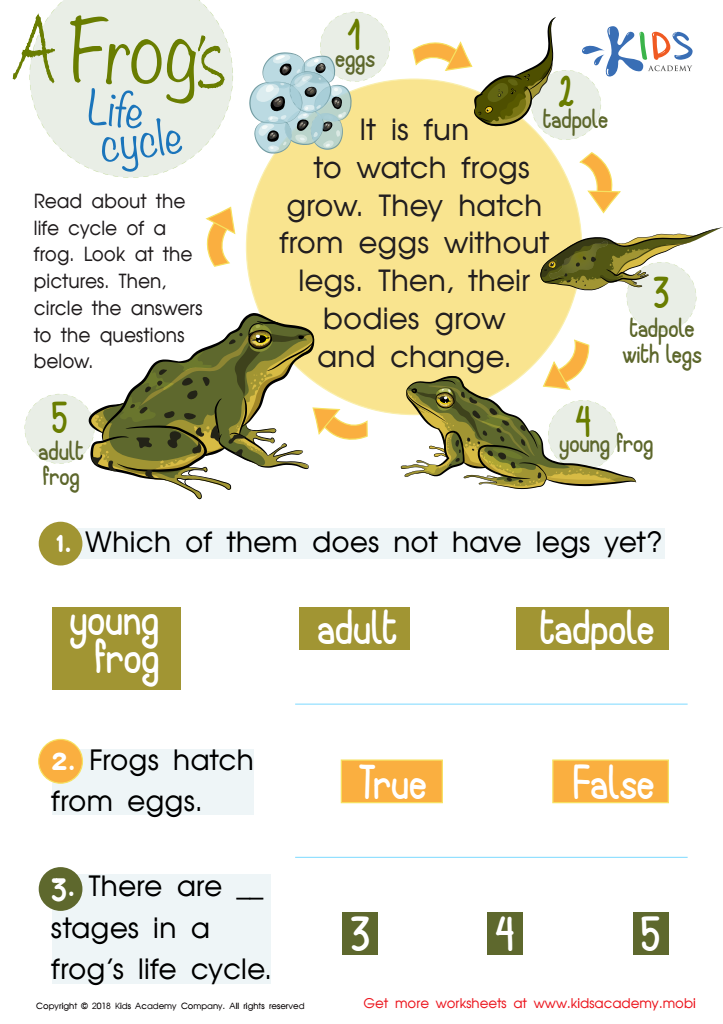
A Frog’s Life Cycle Worksheet
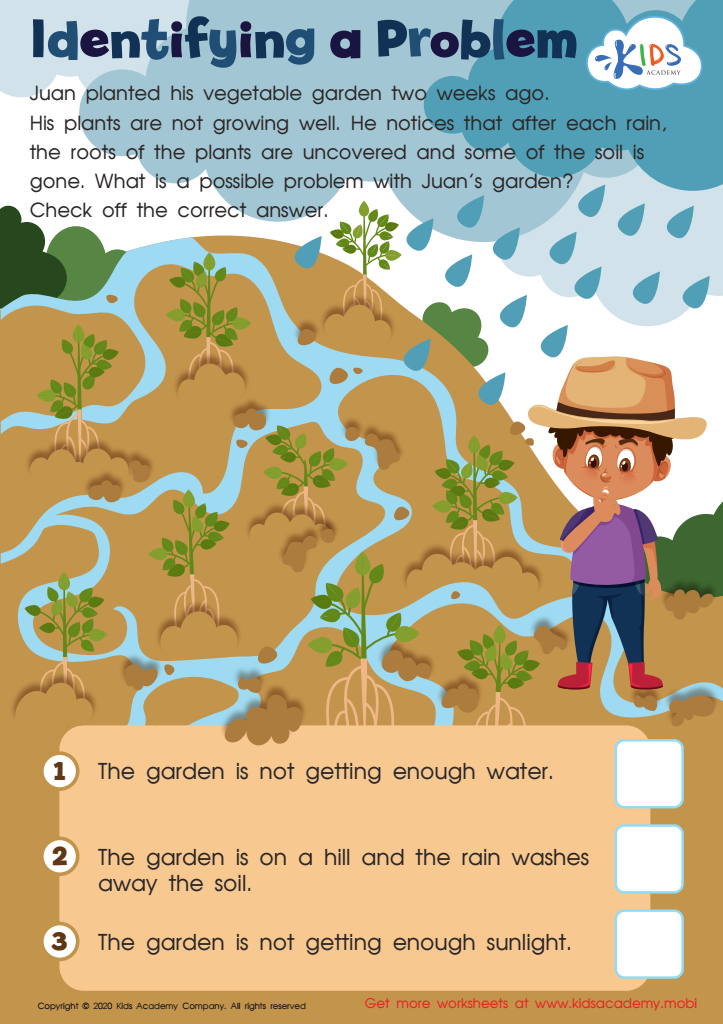
Identifying a Problem Worksheet
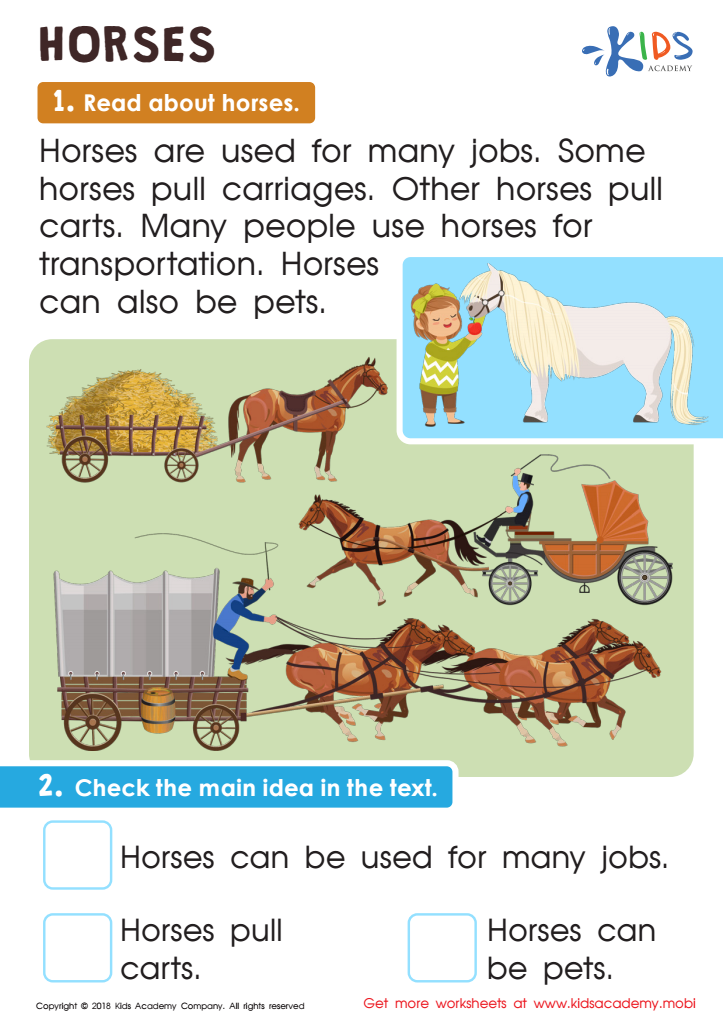
Horses Worksheet
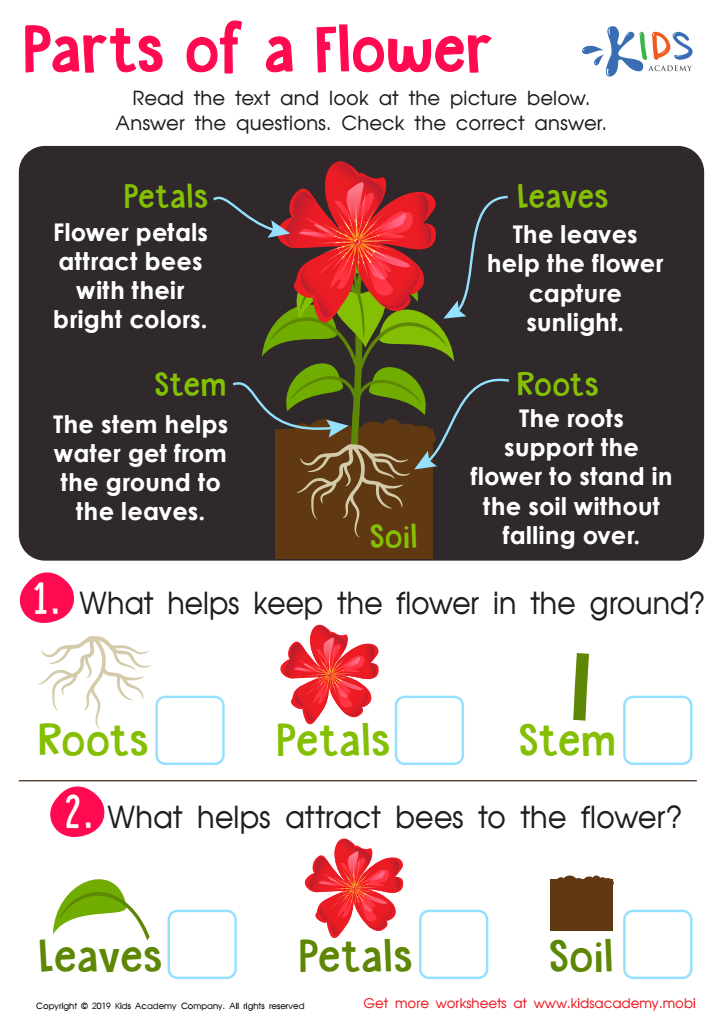
Parts of Flower Worksheet
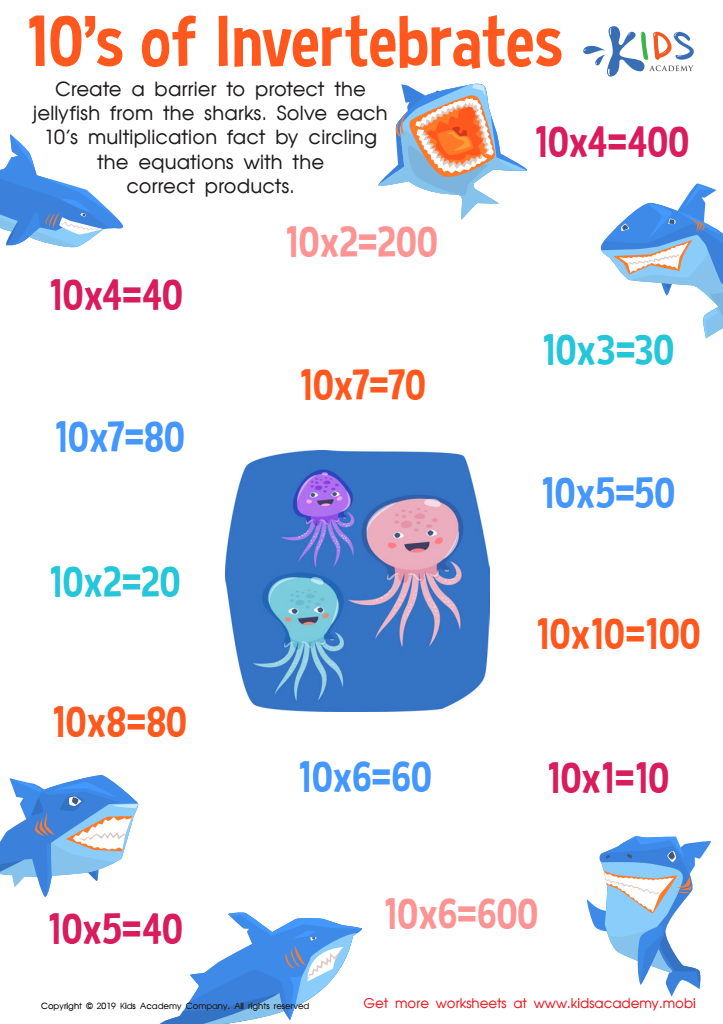
1s Invertebrates Worksheet
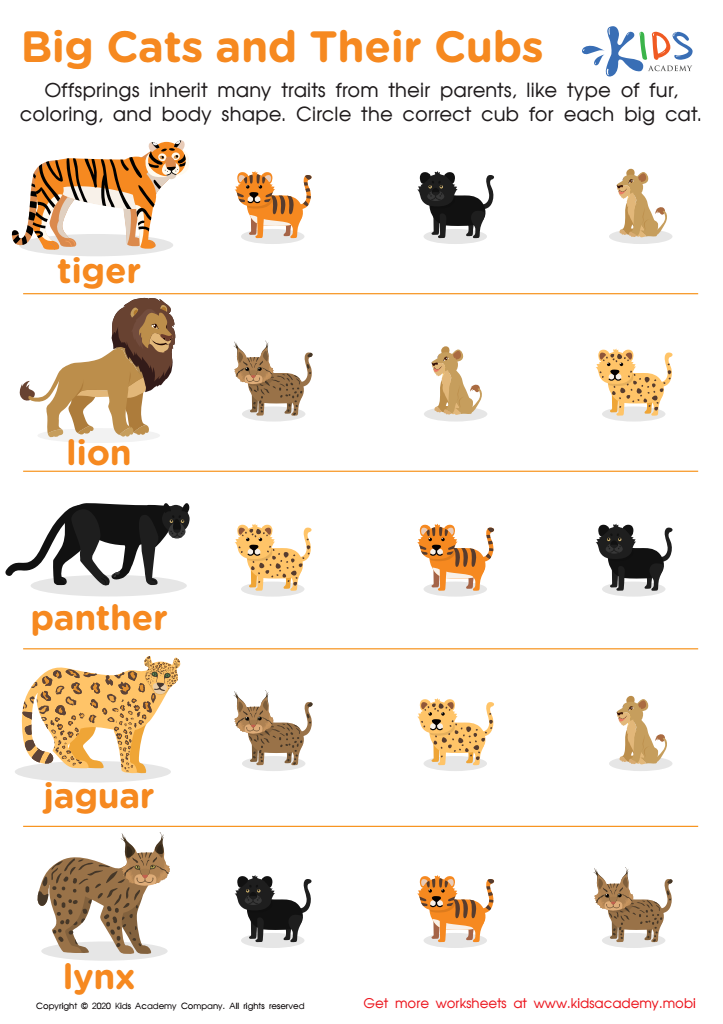
Big Cats and Their Cubs Worksheet
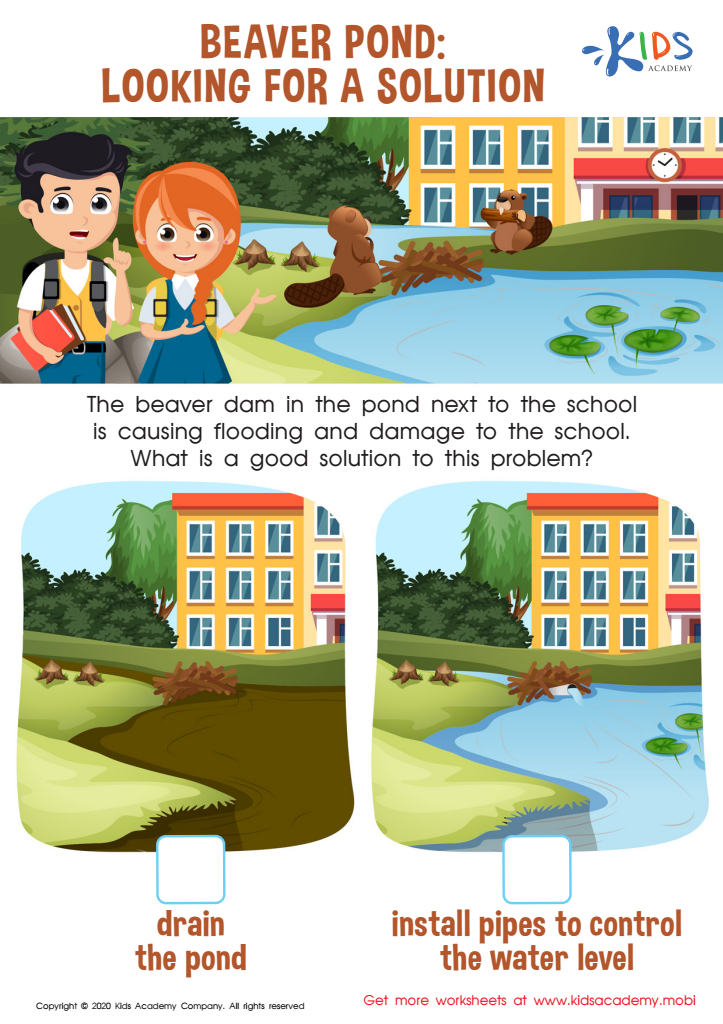
Beaver Pond: Looking for a Solution Worksheet
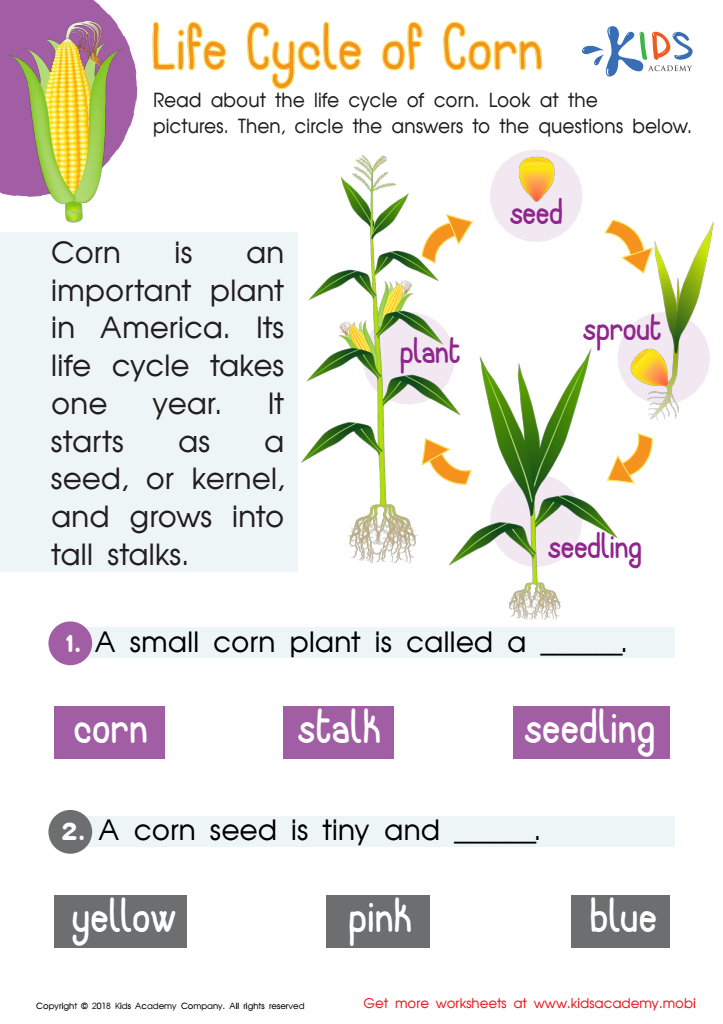
Life Cycle of Corn Worksheet
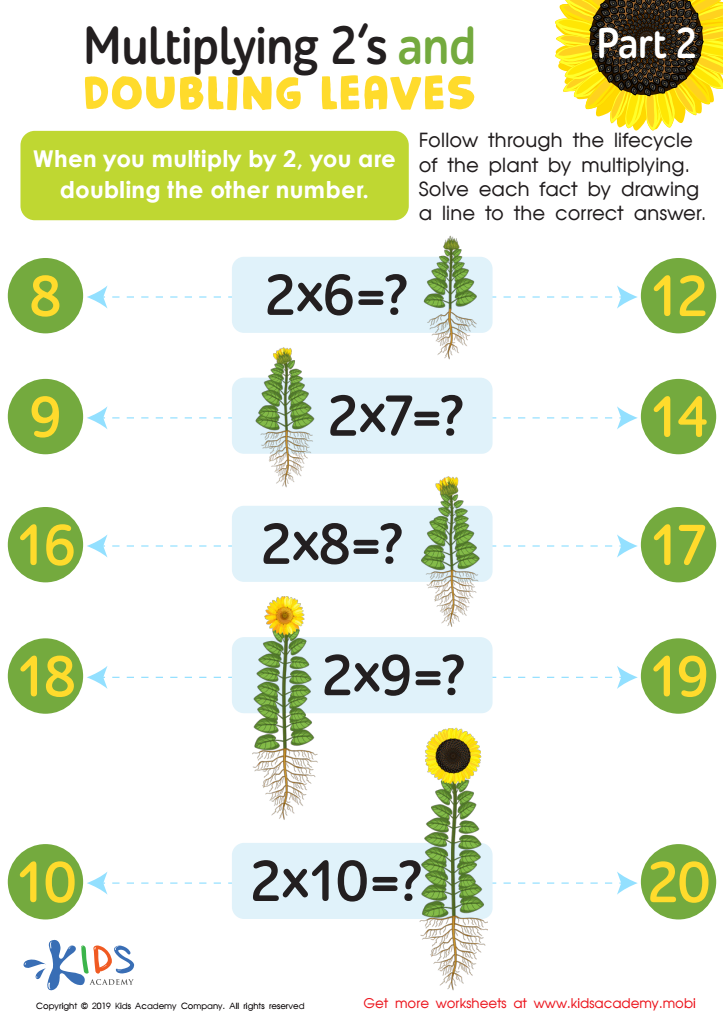
Multiplying 2’s and Doubling Leaves Part 2 Worksheet
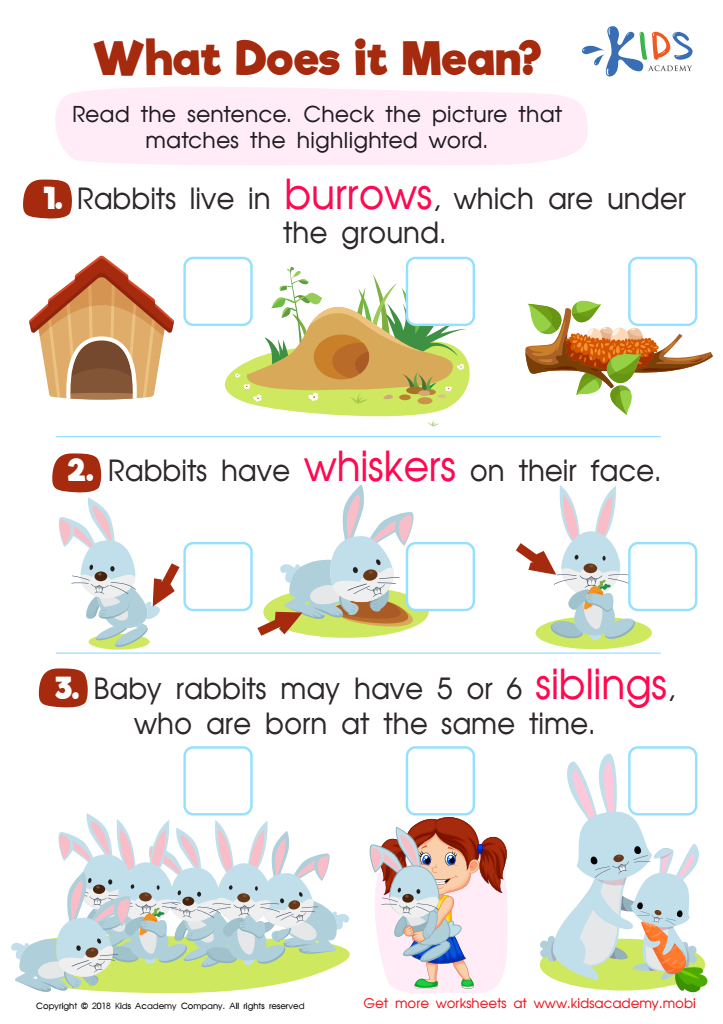
What Does It Mean? Worksheet
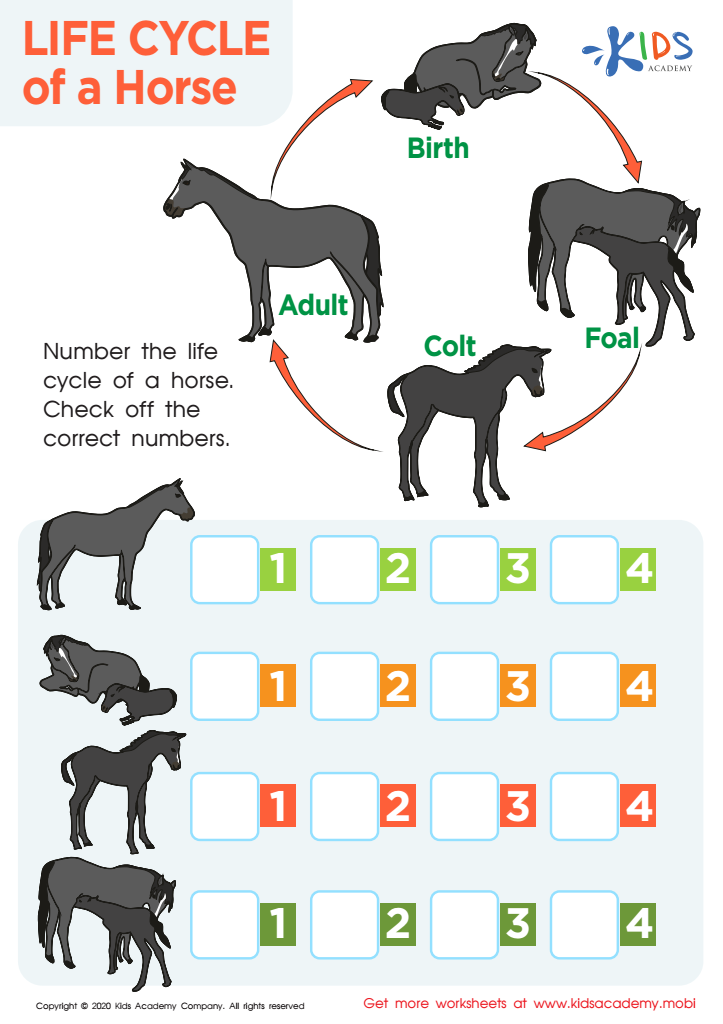
Life Cycle of a Horse Worksheet
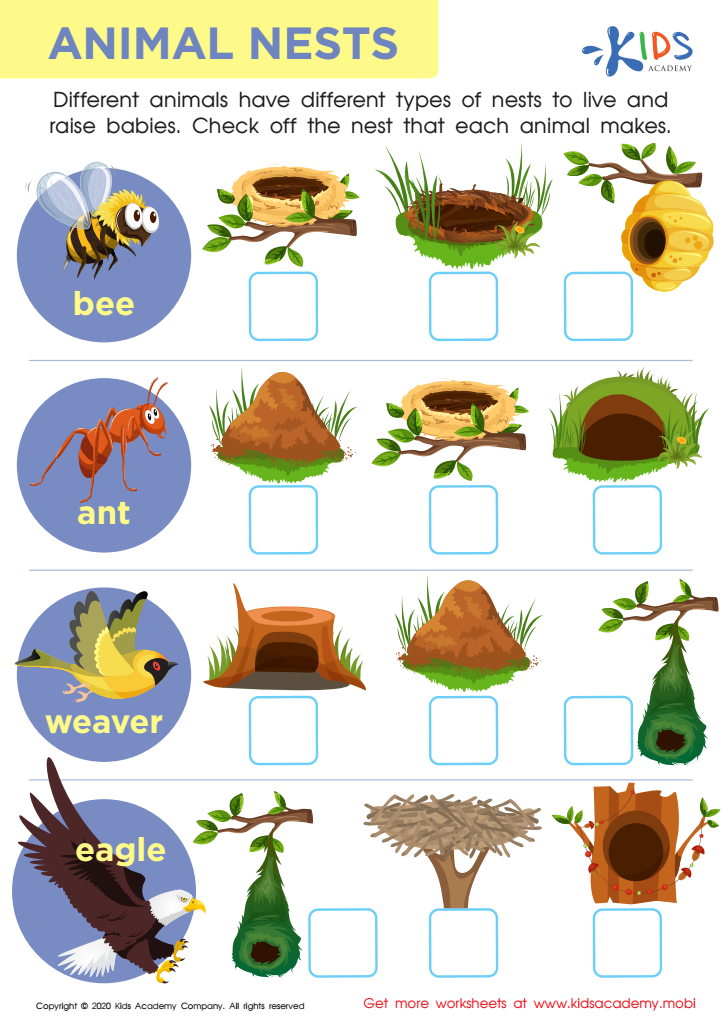
Animal Nests Worksheet
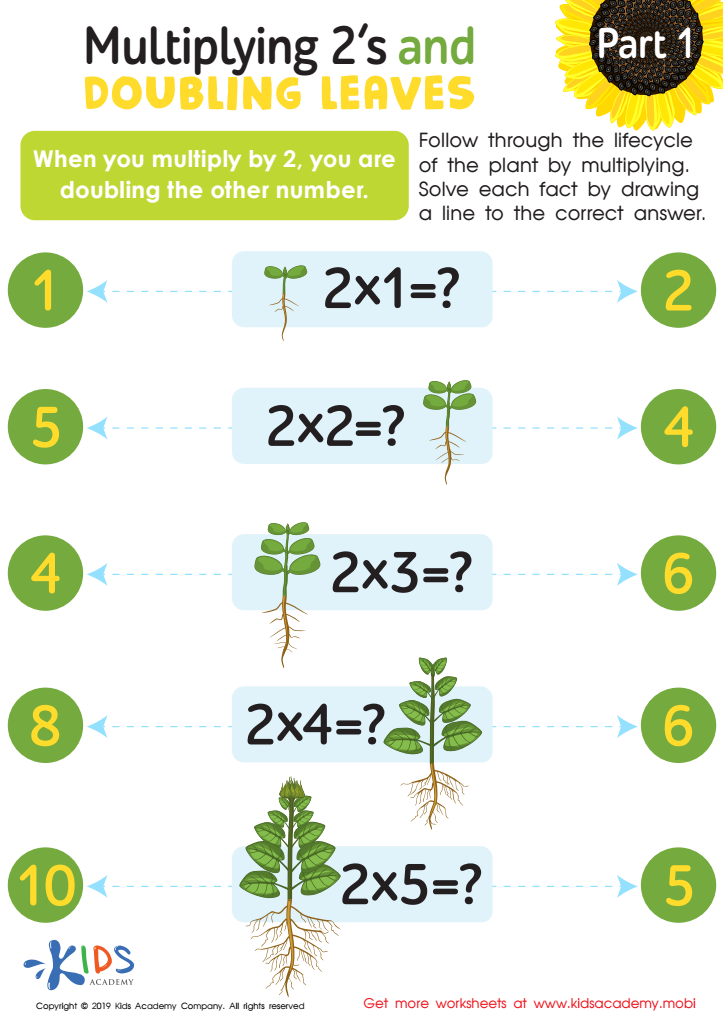
Multiplying 2’s and Doubling Leaves Part 1 Worksheet
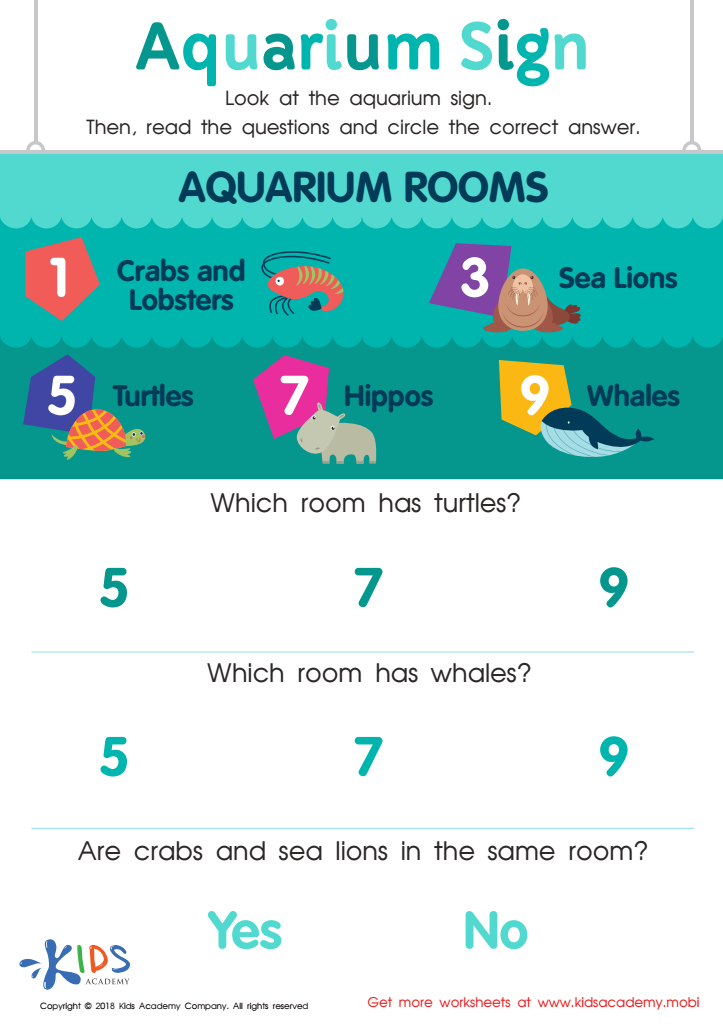
Assessment: Aquarium Sign Worksheet
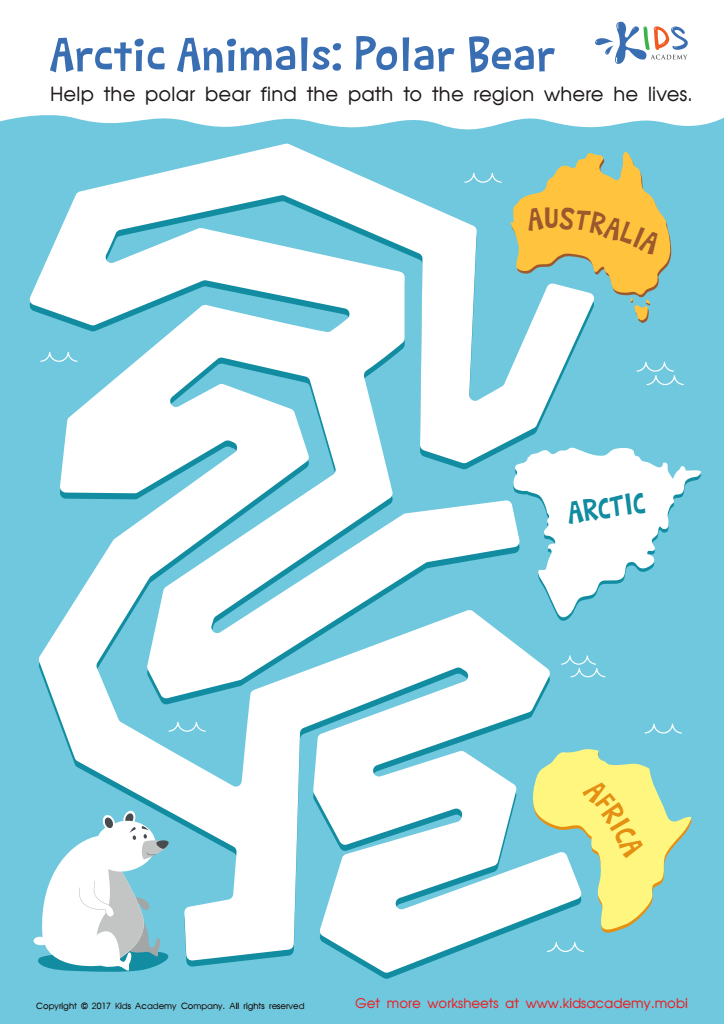
Arctic Animals: Polar Bear Worksheet
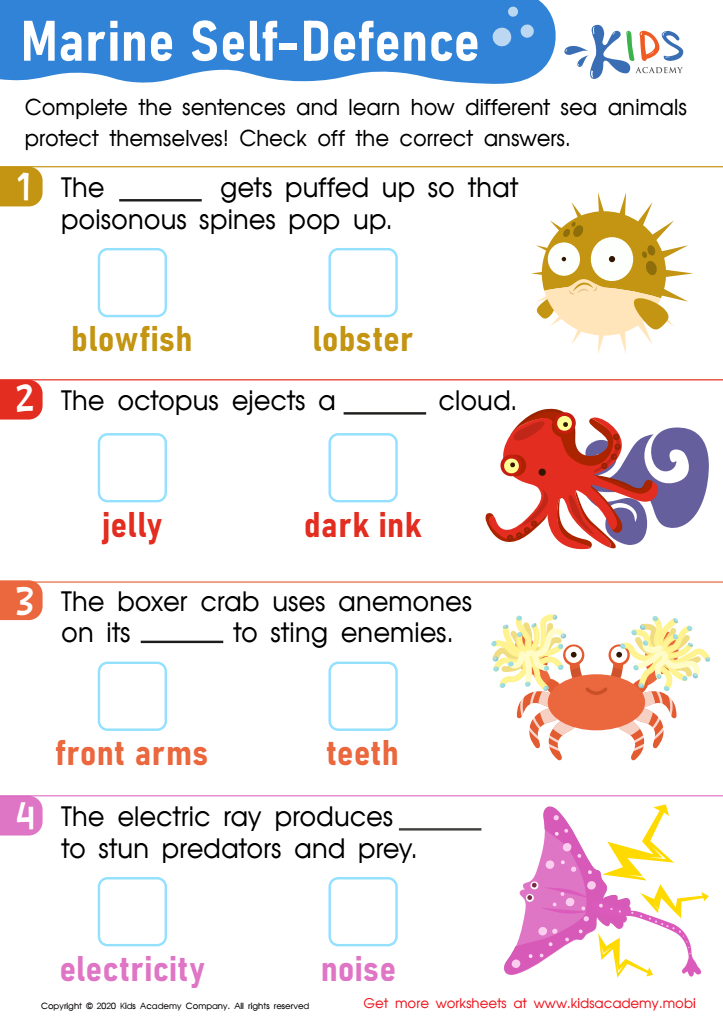
Marine Self-Defence Worksheet
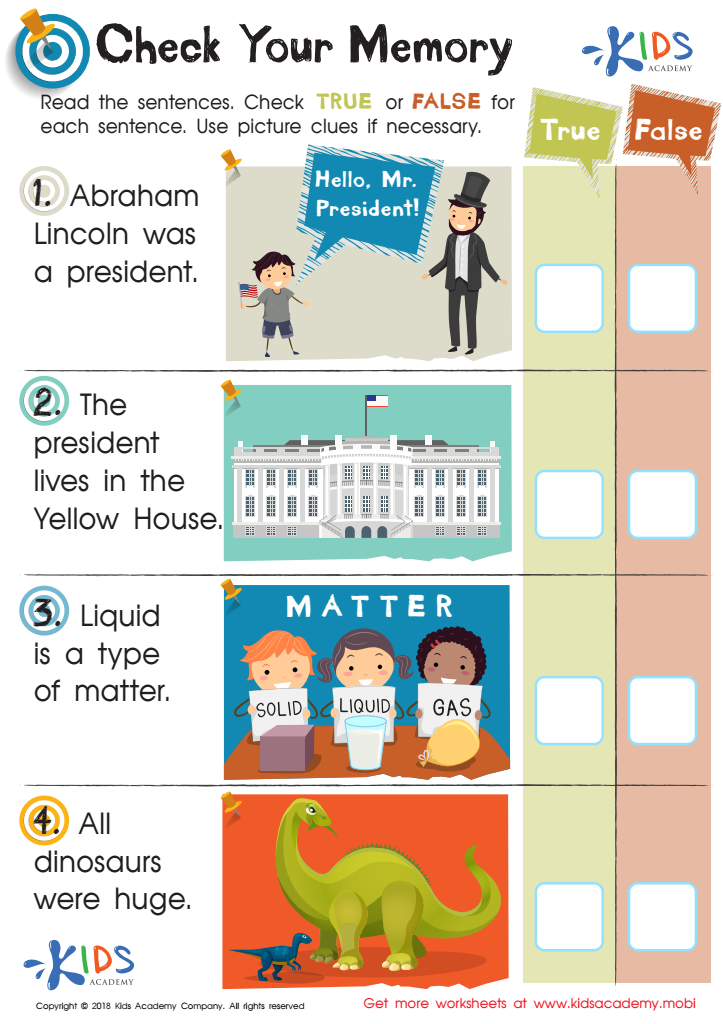
Check Memory Worksheet







Parents and teachers should care about "Easy Plants and Animals" for ages 5-8 because it offers a vital foundation in science literacy at an early age. This age group is naturally curious, and introducing them to basic concepts of botany and zoology helps channel their inquisitiveness into structured learning. Understanding plants and animals contributes to children's comprehension of the world around them, encouraging them to explore ecosystems, food chains, and simple biological processes.
Additionally, engaging children with visual aids, storytelling, and hands-on activities related to plants and animals fosters teamwork and creativity. These approaches cultivate an appreciation for nature, inspiring empathy for living things and a sense of responsibility toward environmental stewardship.
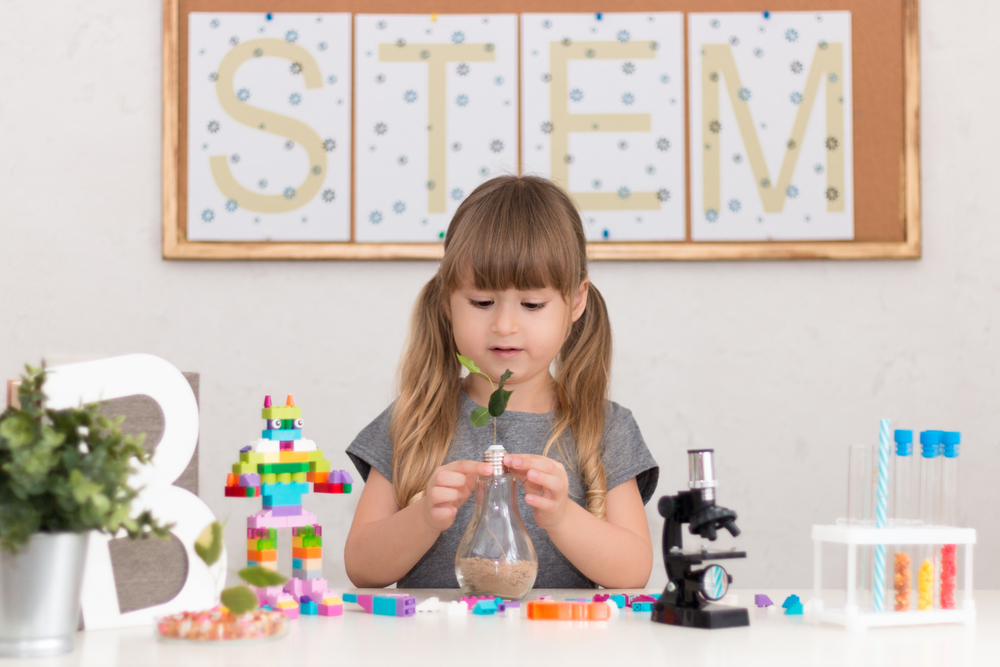
Moreover, early exposure to these topics can lay the groundwork for ongoing interest in science, technology, engineering, and mathematics (STEM) fields. It encourages critical thinking and problem-solving skills as children observe and interact with their surroundings. Ultimately, parental and teacher involvement in learning about plants and animals can strengthen the connection between children and their environment, benefiting both their education and development, while also creating more informed future stewards of our planet.