Easy Science Worksheets for Ages 6-8 - Page 2
38 filtered results
-
From - To
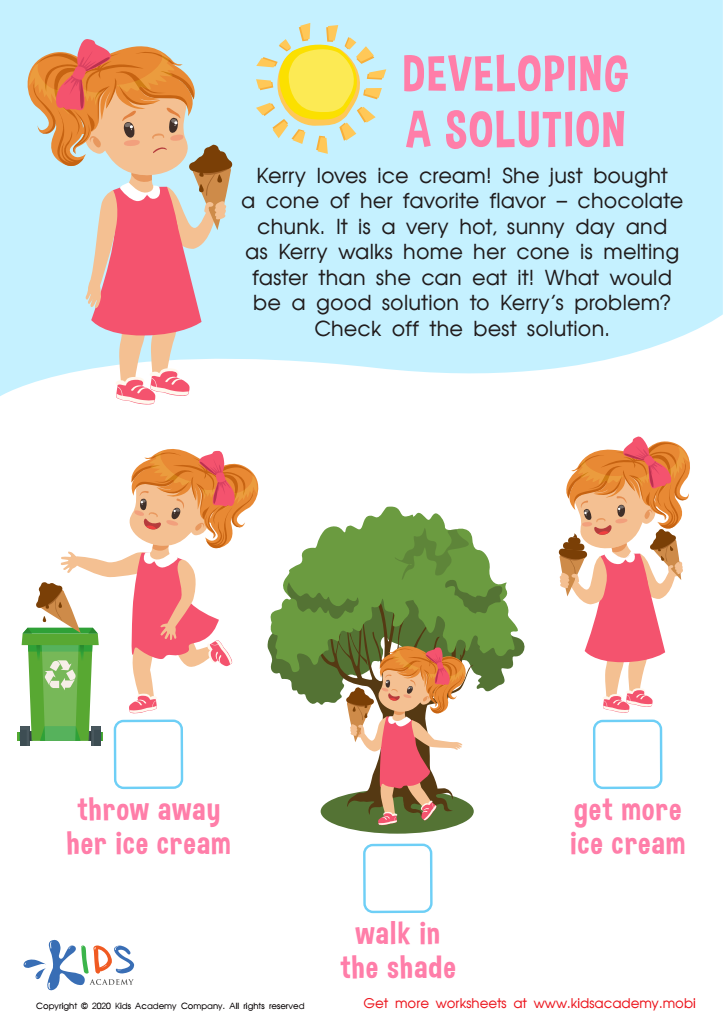
Developing Solution Worksheet
 Assign to My Students
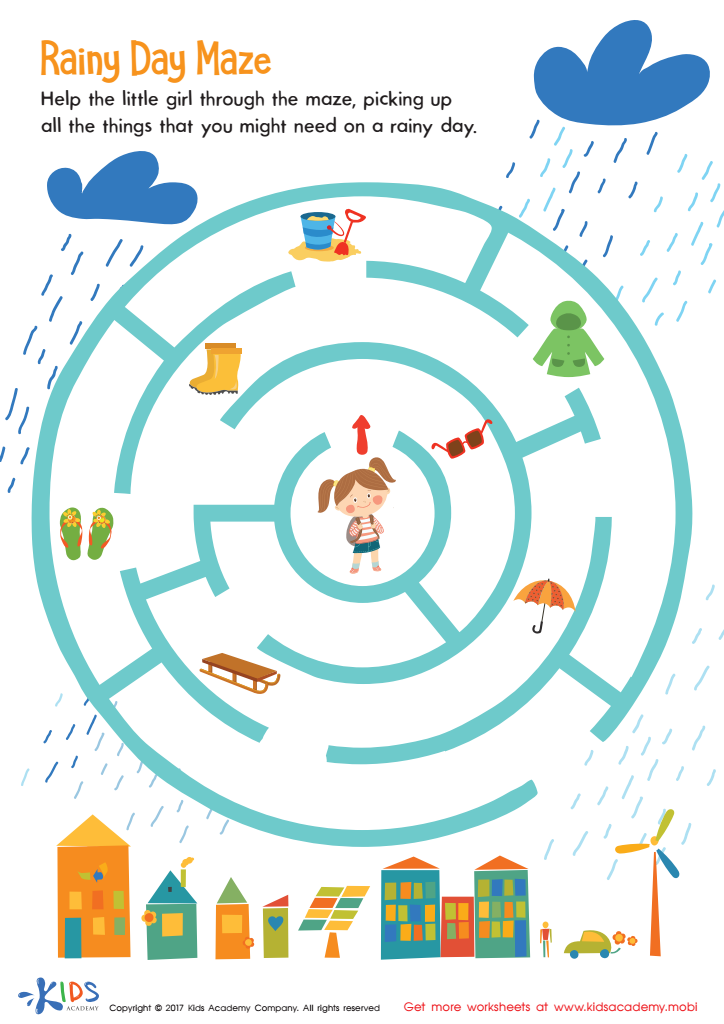
Rainy Day Maze Worksheet
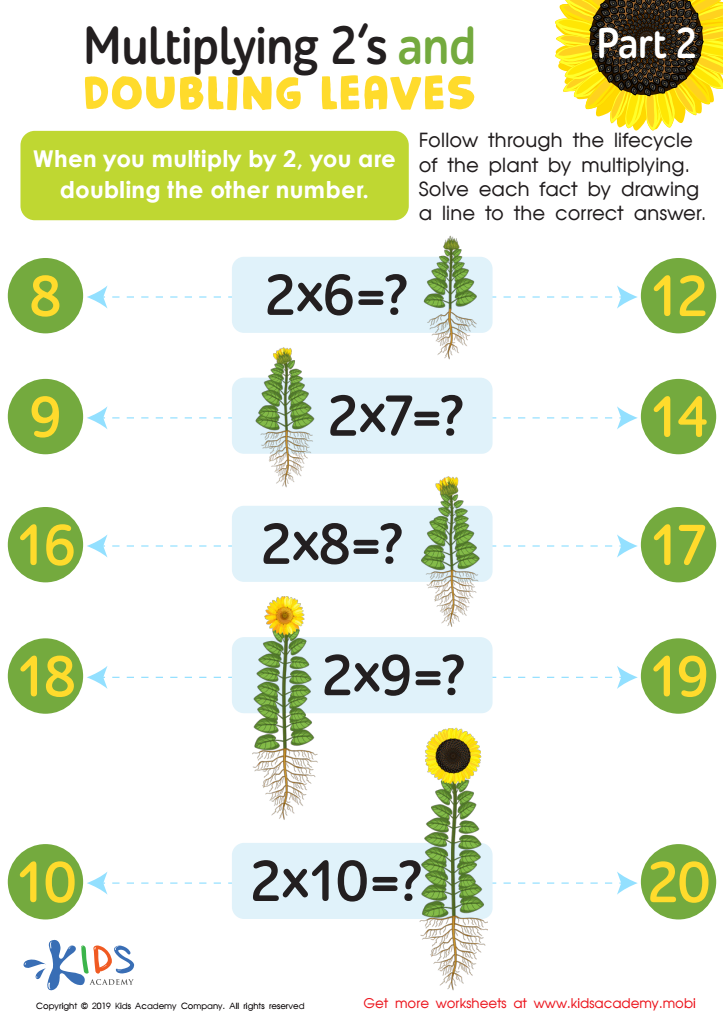
Multiplying 2’s and Doubling Leaves Part 2 Worksheet
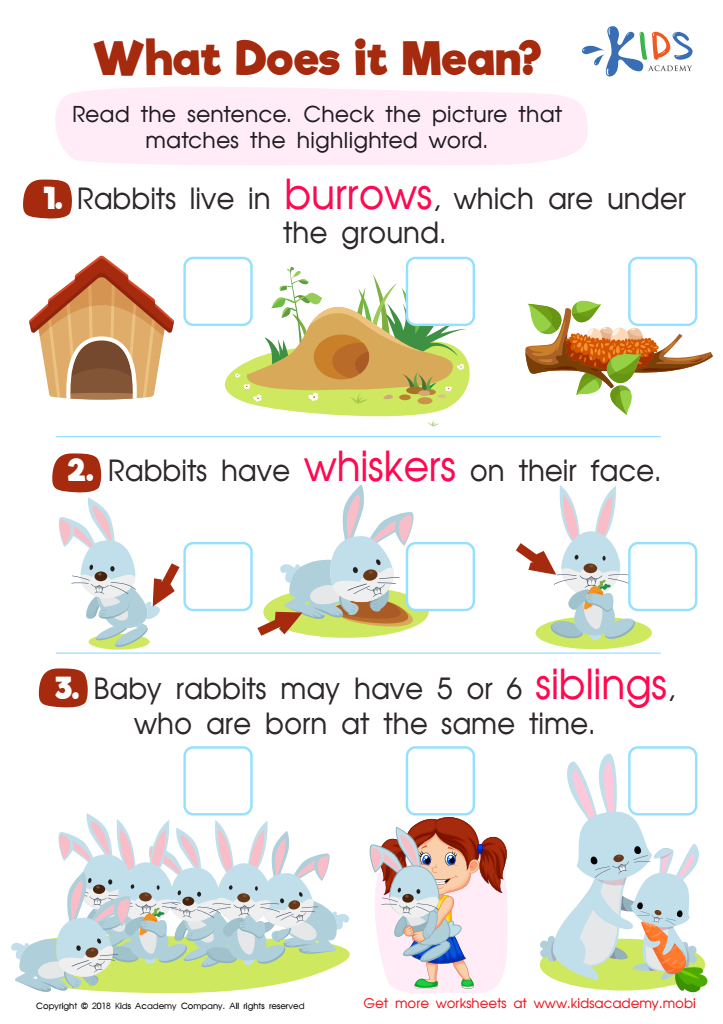
What Does It Mean? Worksheet
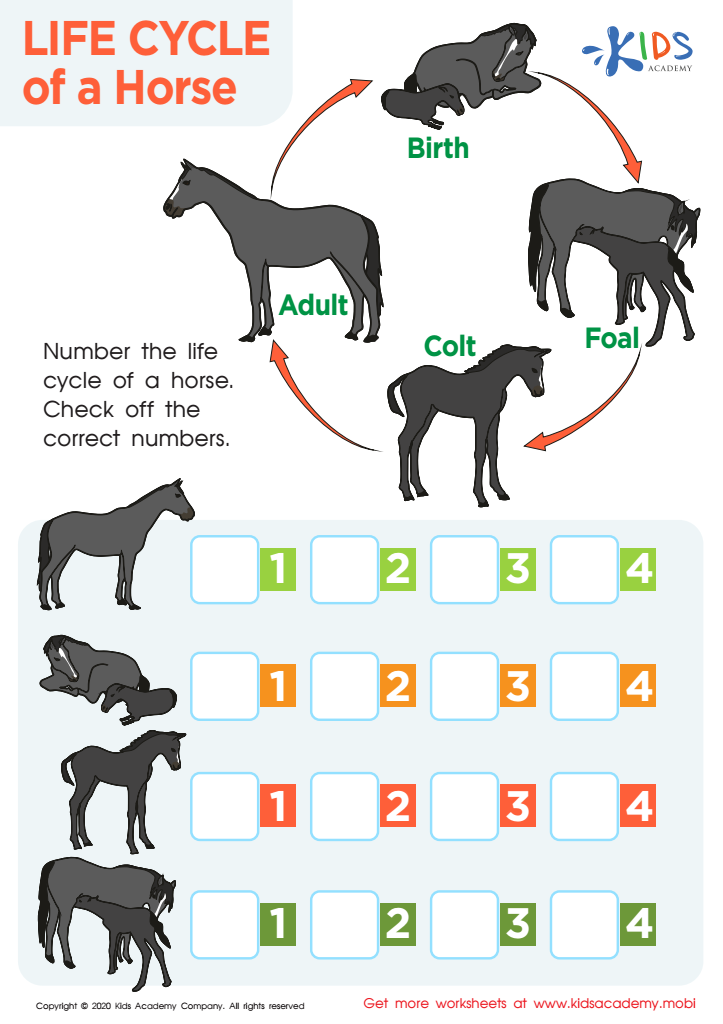
Life Cycle of a Horse Worksheet
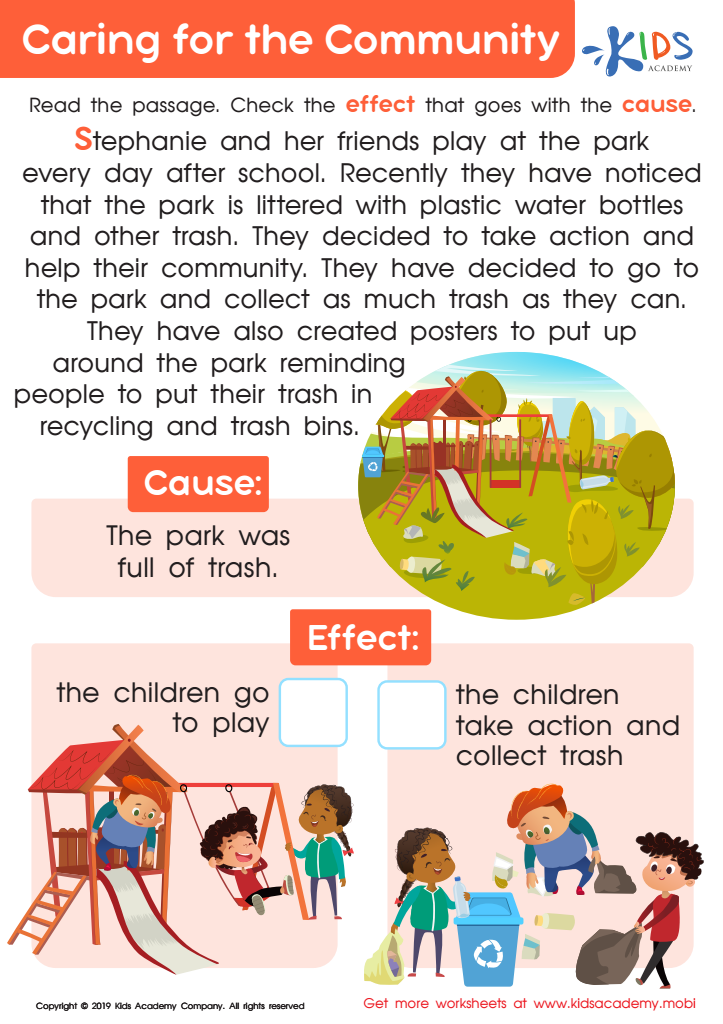
Caring for the Community Worksheet
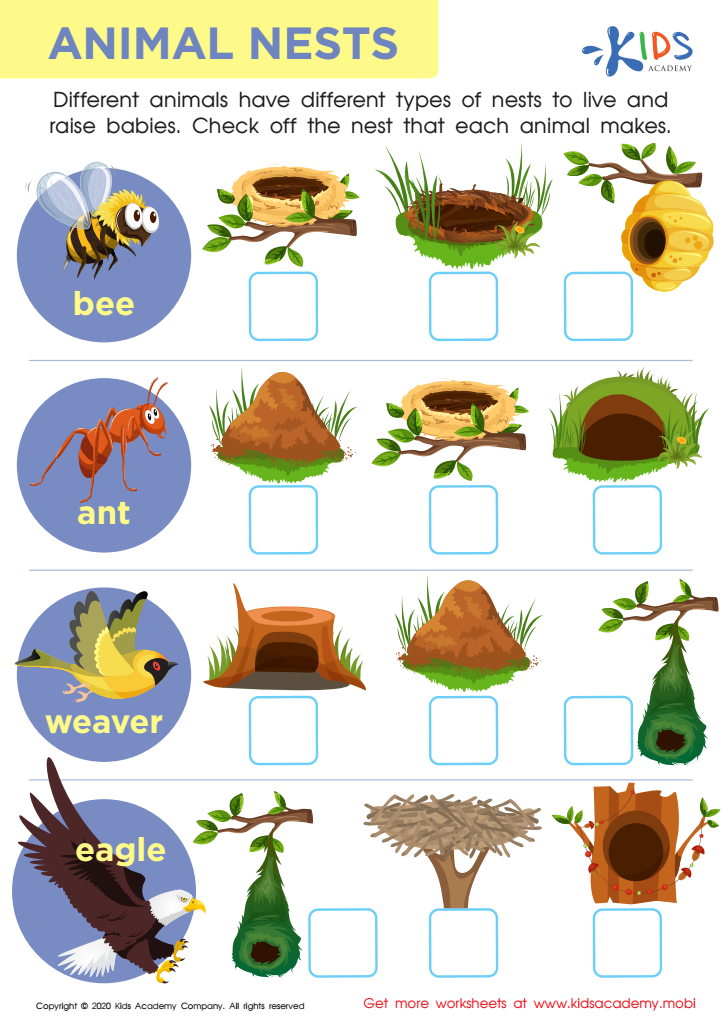
Animal Nests Worksheet
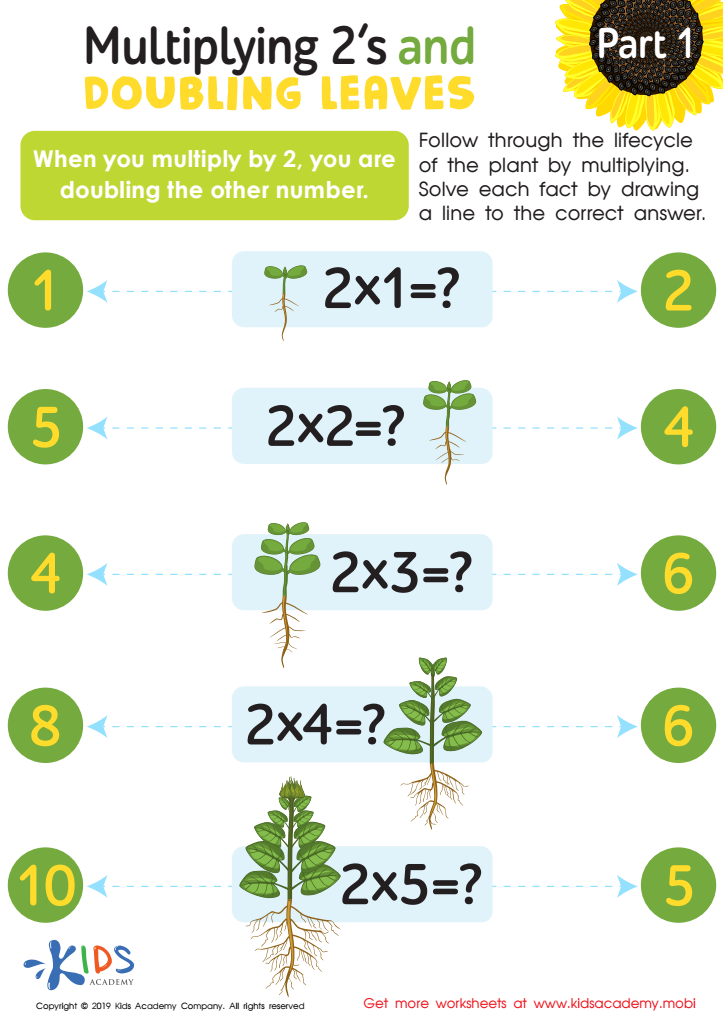
Multiplying 2’s and Doubling Leaves Part 1 Worksheet
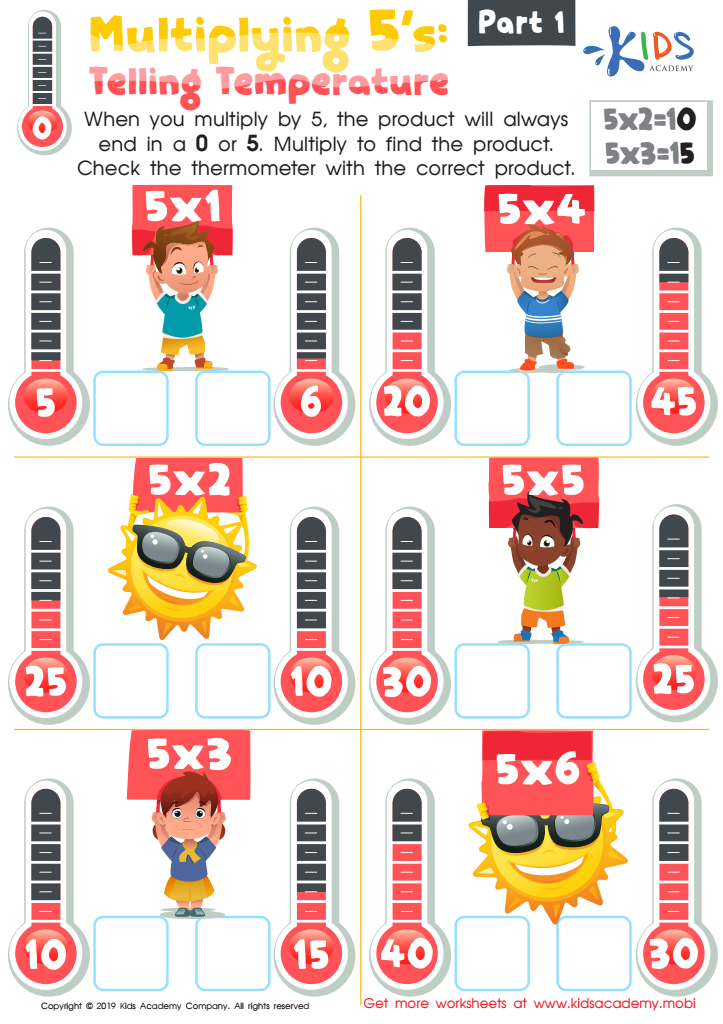
Multiplying 5’s: Telling Temperature Worksheet
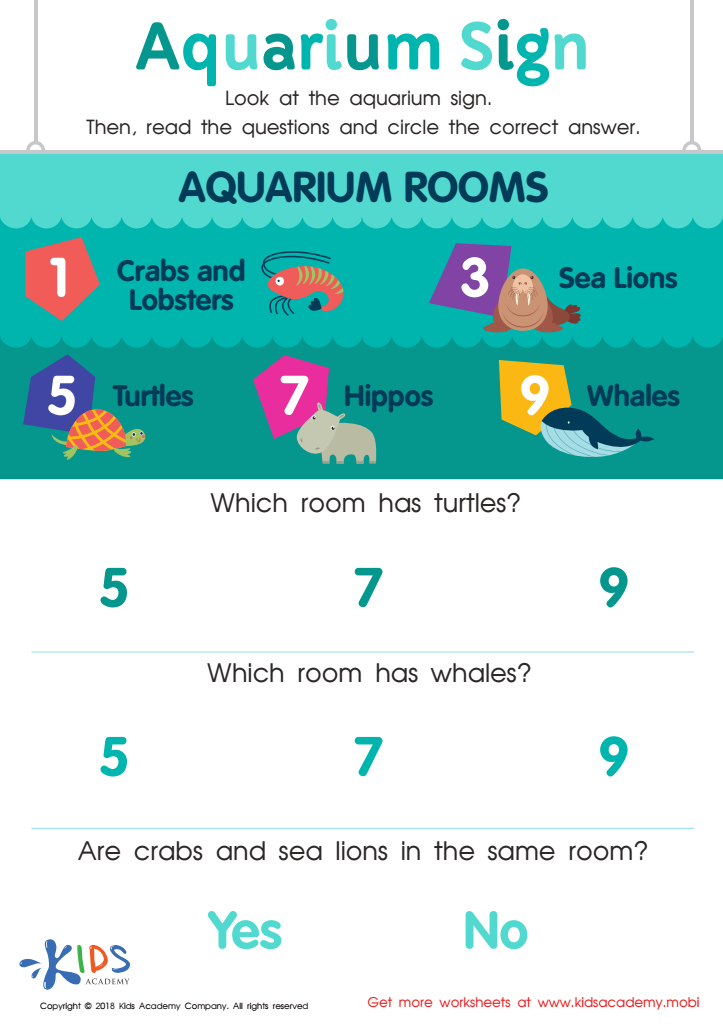
Assessment: Aquarium Sign Worksheet
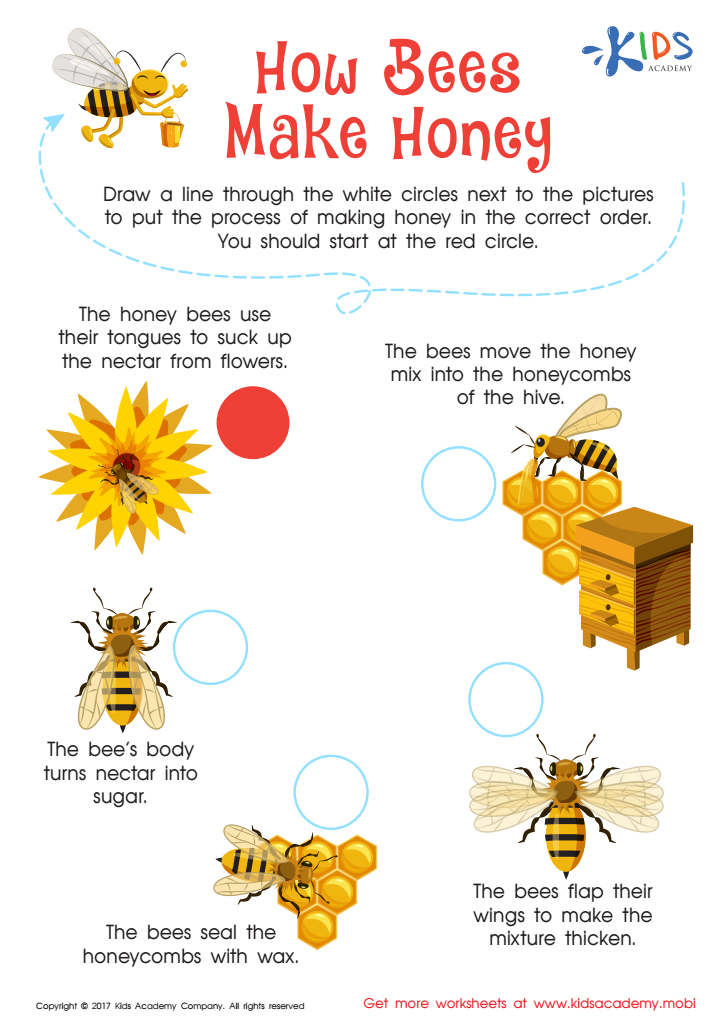
Honey Bee Worksheet
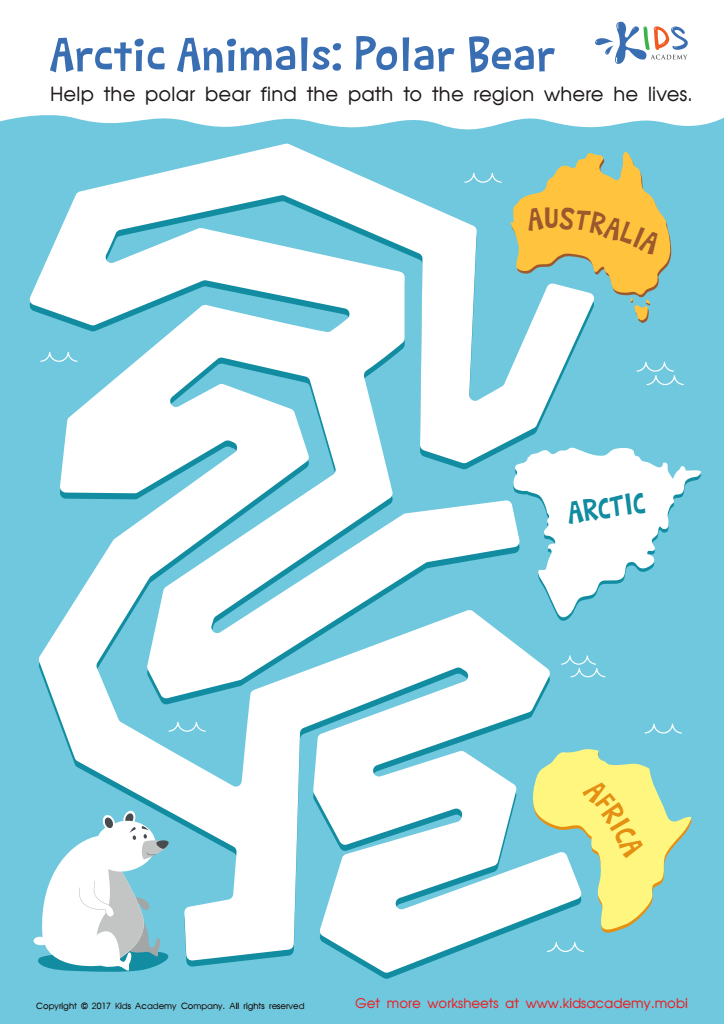
Arctic Animals: Polar Bear Worksheet
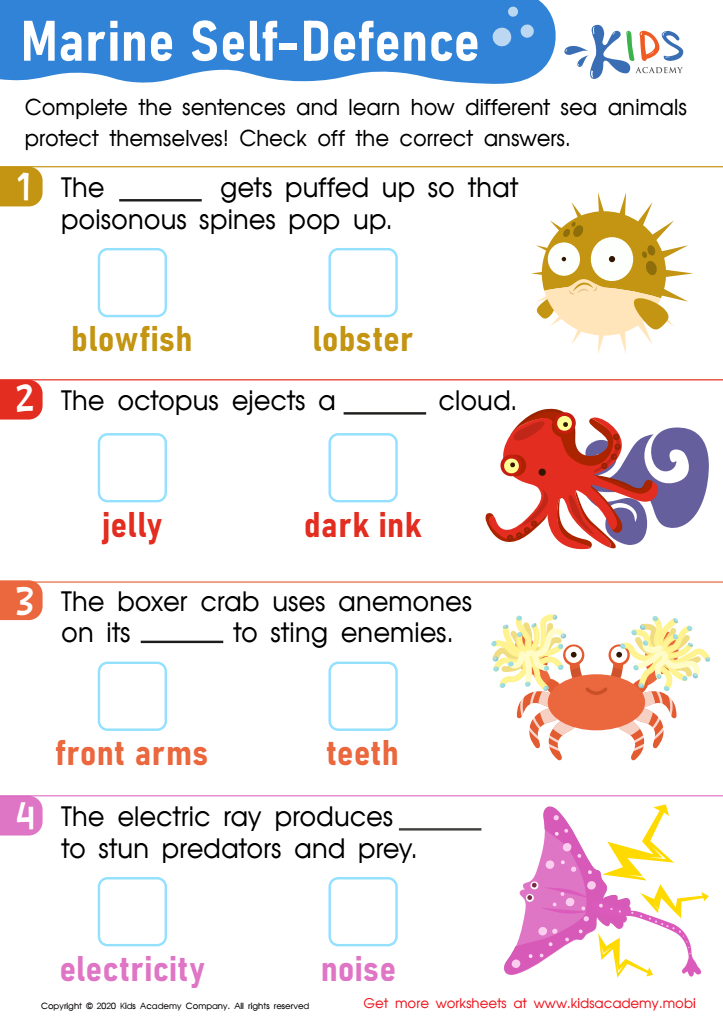
Marine Self-Defence Worksheet
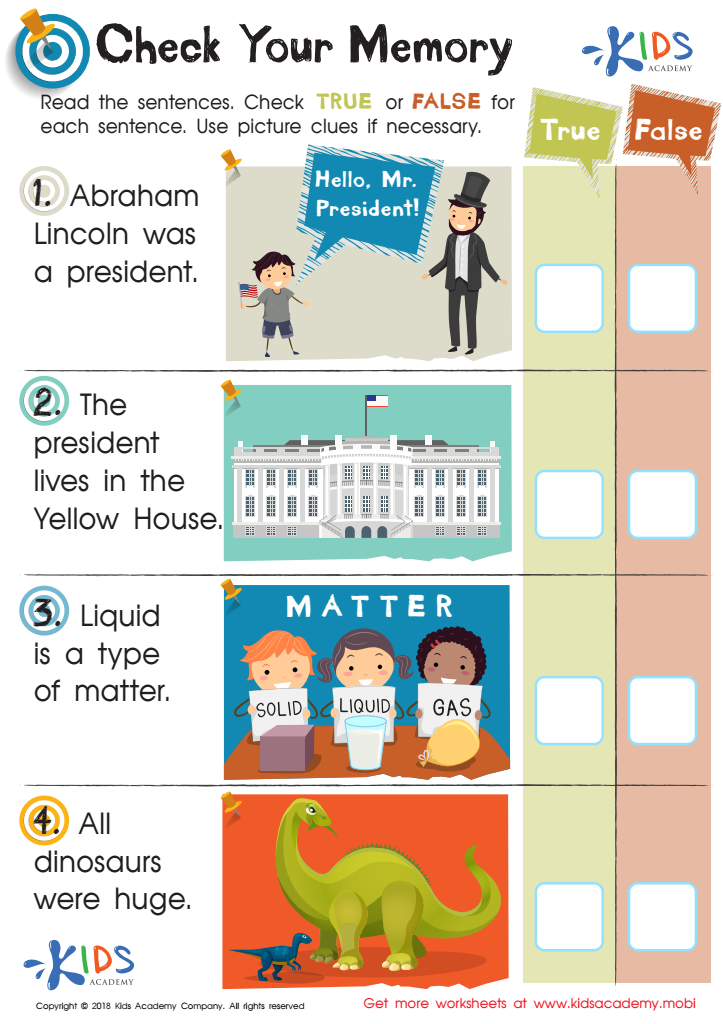
Check Memory Worksheet



.jpg)




Parents and teachers should care about Easy Science for Ages 6-8 because it plays a crucial role in shaping young children’s understanding and appreciation of the natural world. At this developmental stage, children are naturally curious, and engaging them with simple, relatable scientific concepts helps foster a lifelong interest in learning. Easy Science introduces foundational topics—like plants, animals, Earth, and basic physics—in an accessible way, enabling children to make connections between their everyday experiences and the scientific principles behind them.
Moreover, interactive and hands-on activities often emphasized in Easy Science not only enhance comprehension but also develop critical thinking and problem-solving skills. These skills are essential in today’s fast-evolving world and lay the groundwork for more complex learning in the future.
Additionally, science education at an early age promotes inquiry and encourages children to ask questions, fostering creativity and innovation. Encouraging young learners during this stage can also break down barriers to science learning, ensuring that children from diverse backgrounds feel empowered to explore science. Ultimately, by prioritizing Easy Science, parents and teachers play an instrumental role in nurturing curious, informed individuals who will contribute positively to society.