Extra Challenge Chess Worksheets for Ages 3-6 - Page 2
37 filtered results
-
From - To
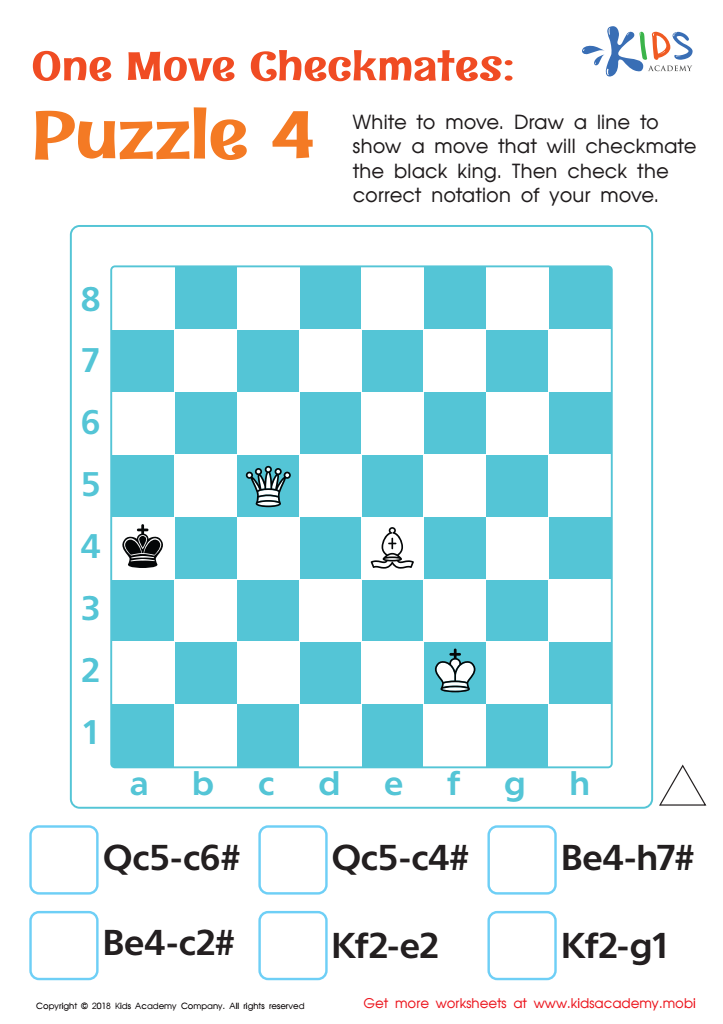
One Move Checkmates: Puzzle 4 Worksheet
 Assign to My Students
Chess Facts Bingo Worksheet
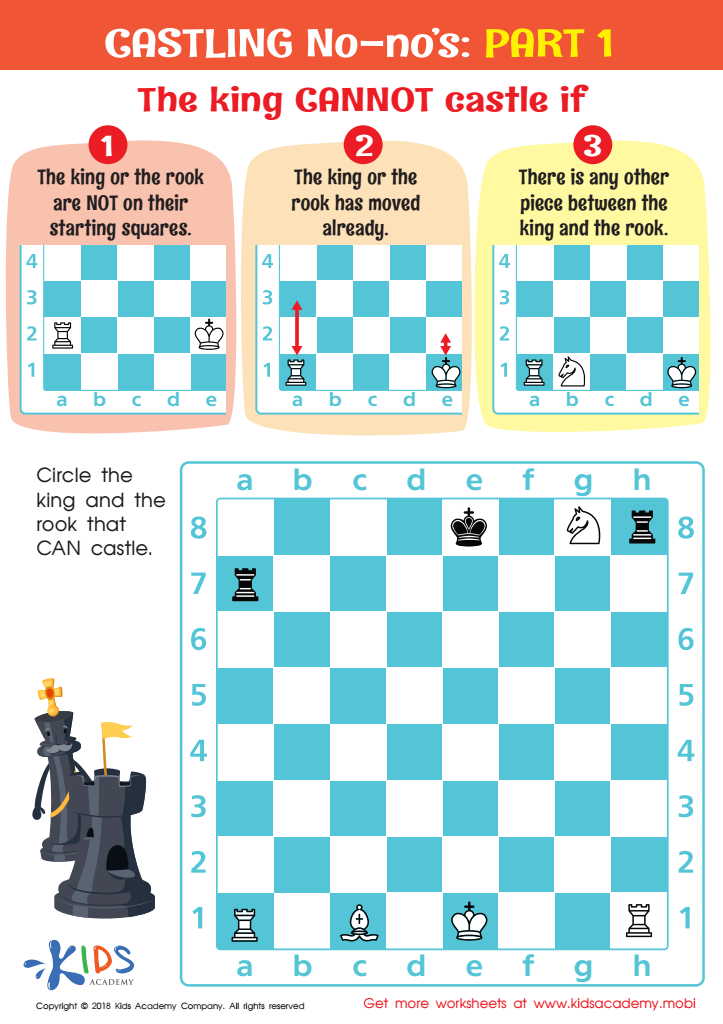
Castling No–no's: Part 1 Worksheet
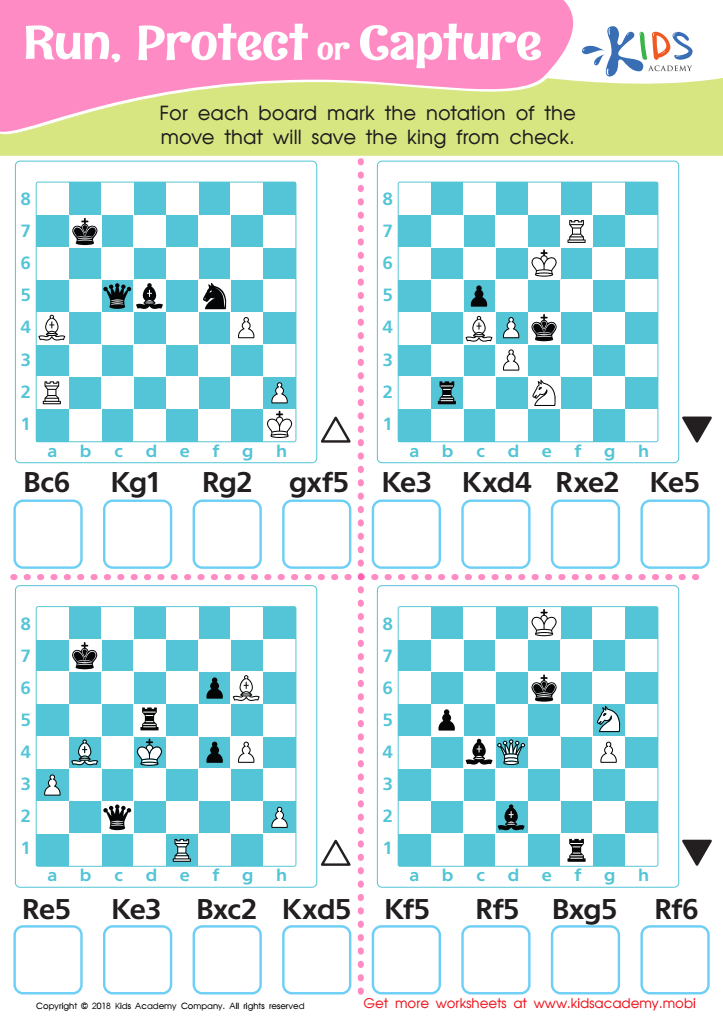
Run, Protect or Capture Worksheet
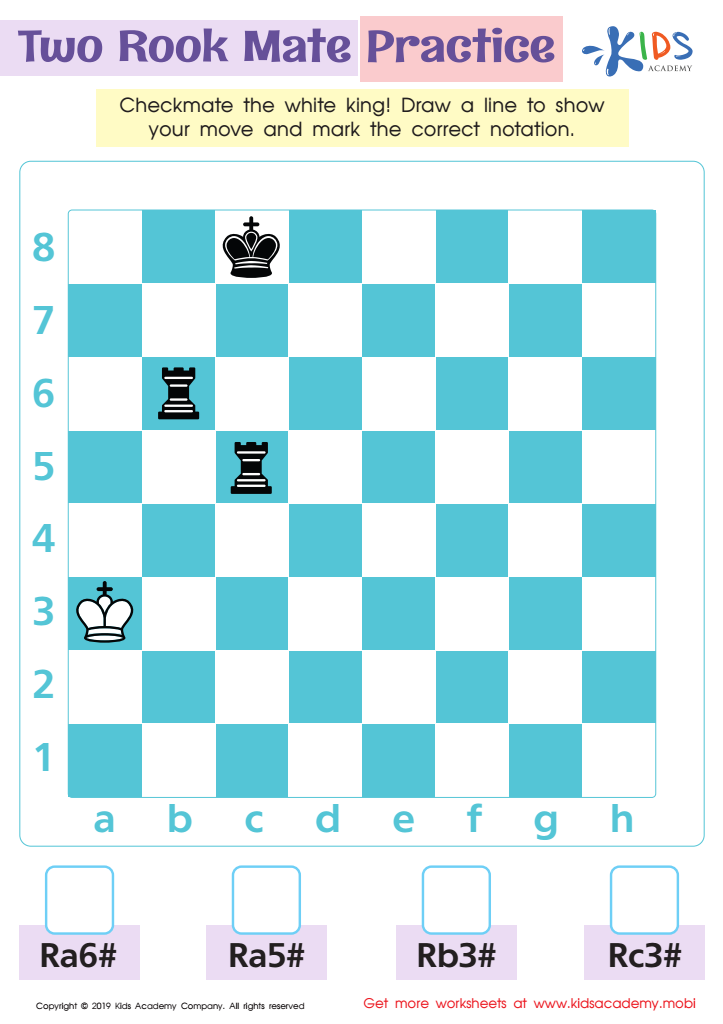
Two Rook Mate Practice Worksheet
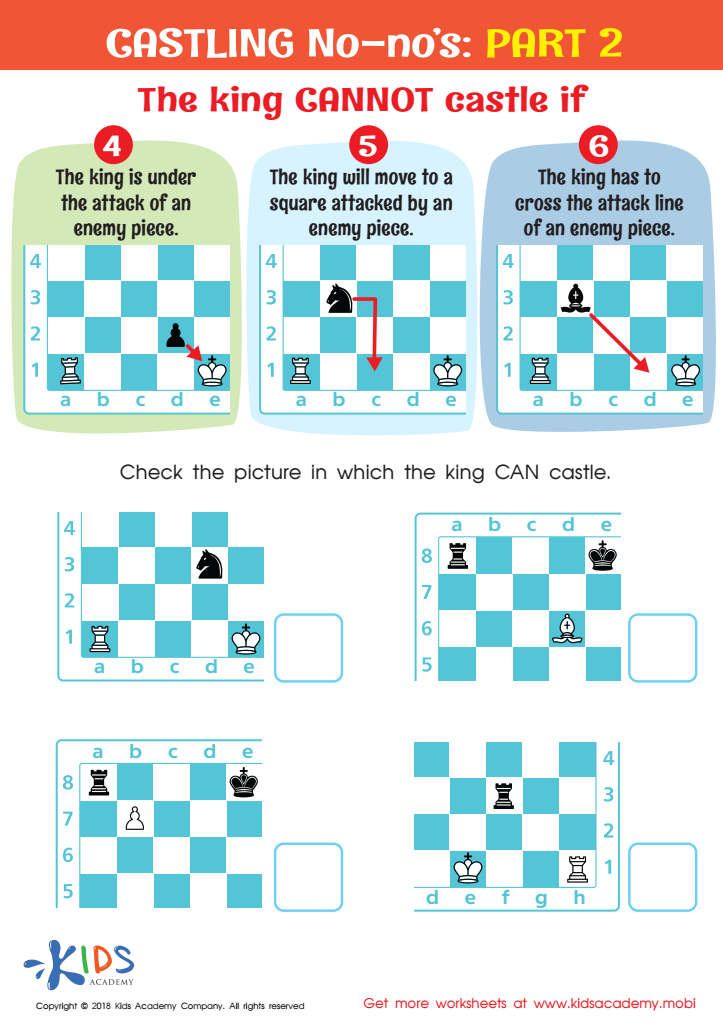
Castling No - no's: Part 2 Worksheet
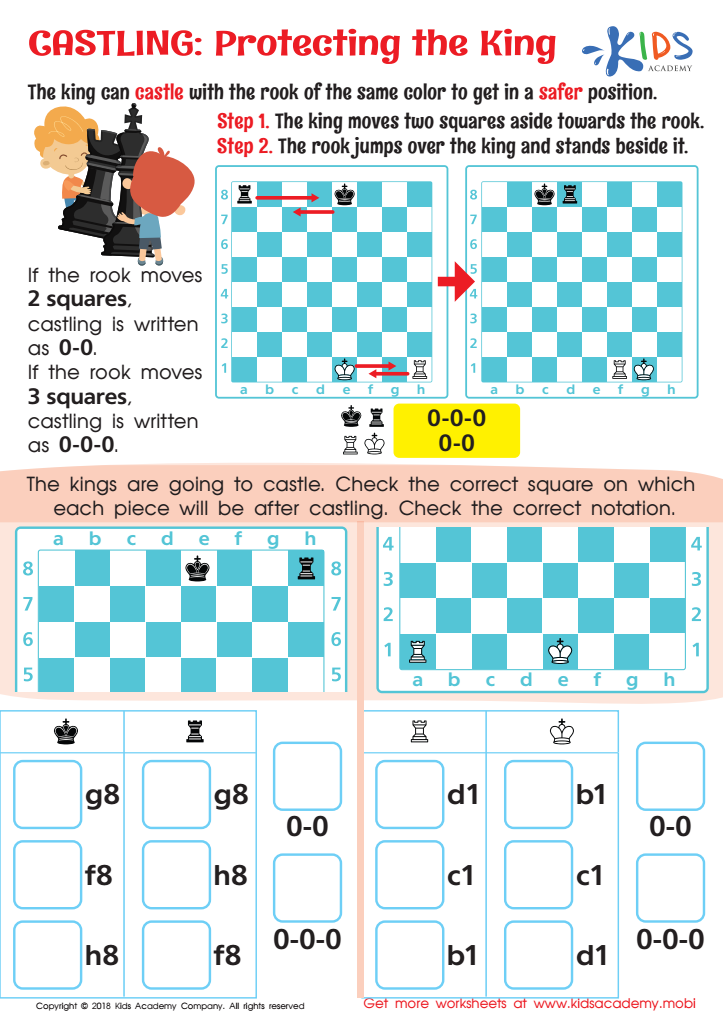
Castling: Protecting the King Worksheet
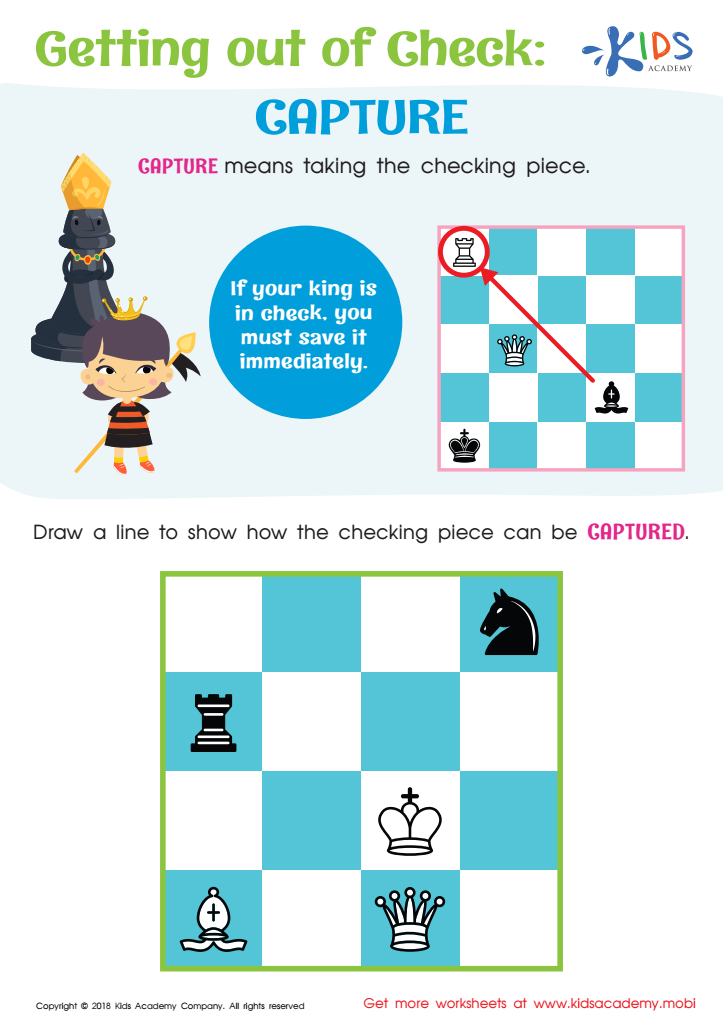
Getting out of Check: Capture
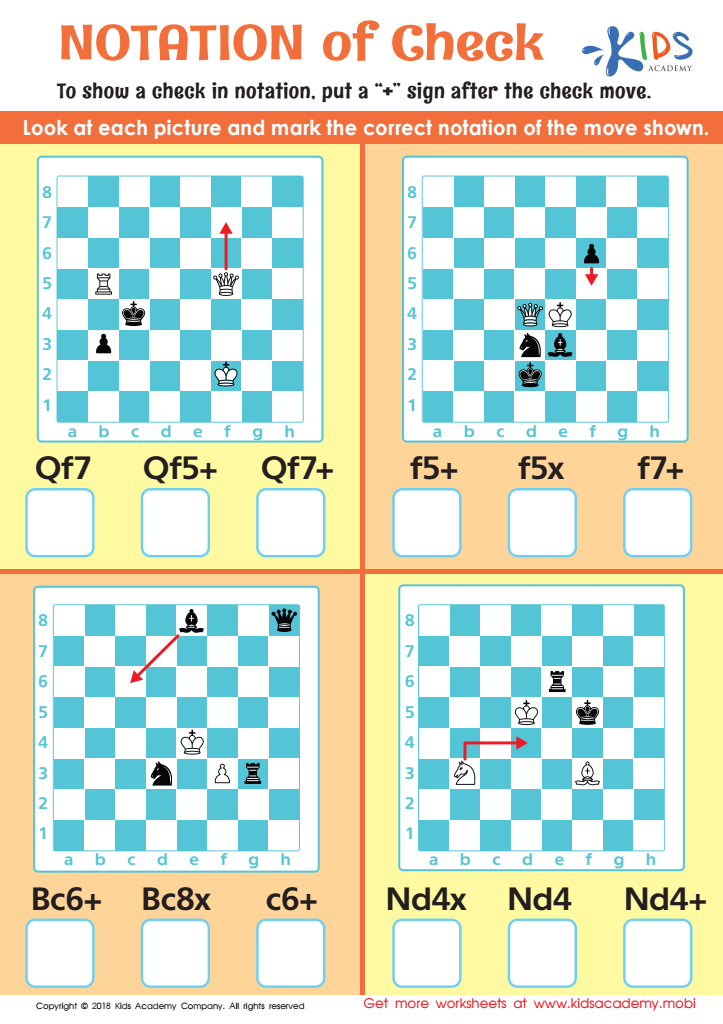
Notation of Check Worksheet
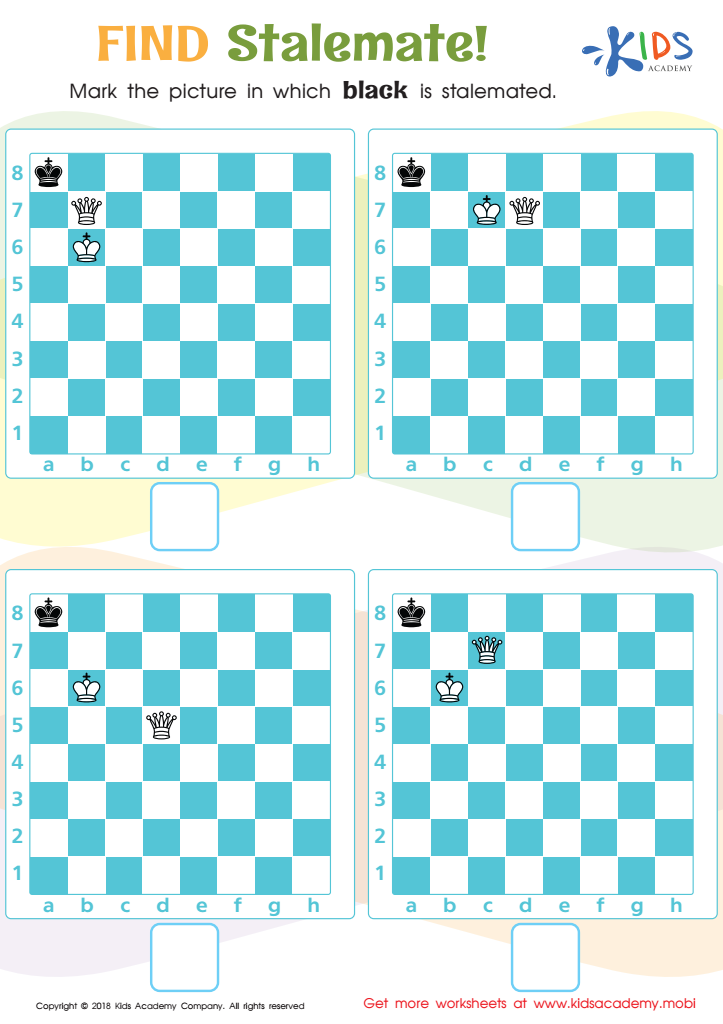
Find Stalemate! Worksheet
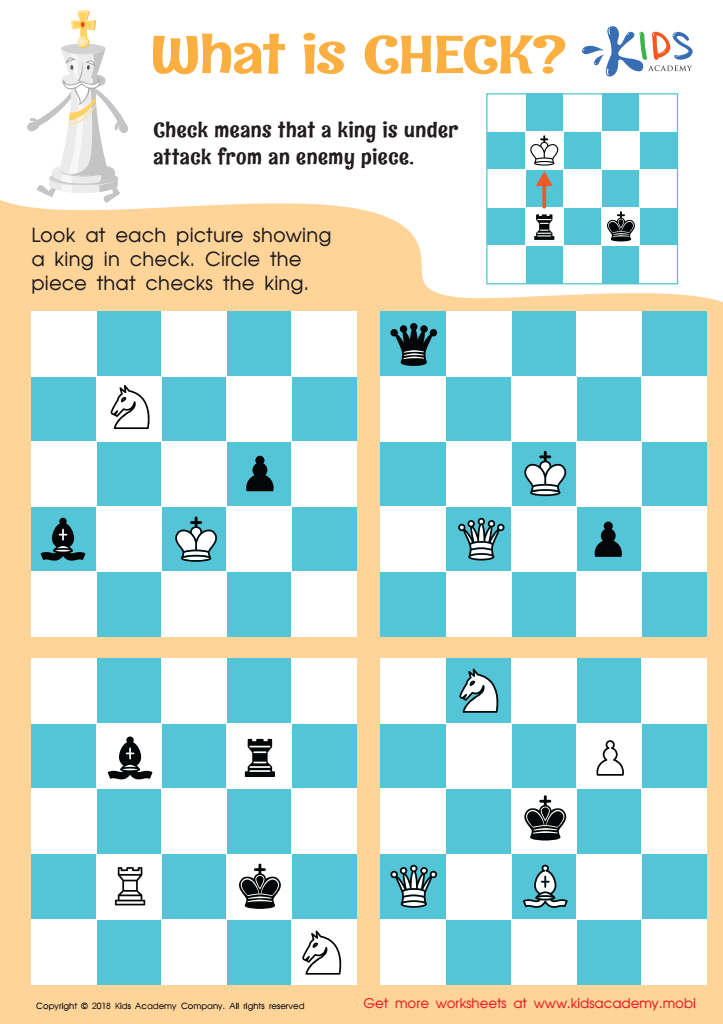
What is Check? Worksheet
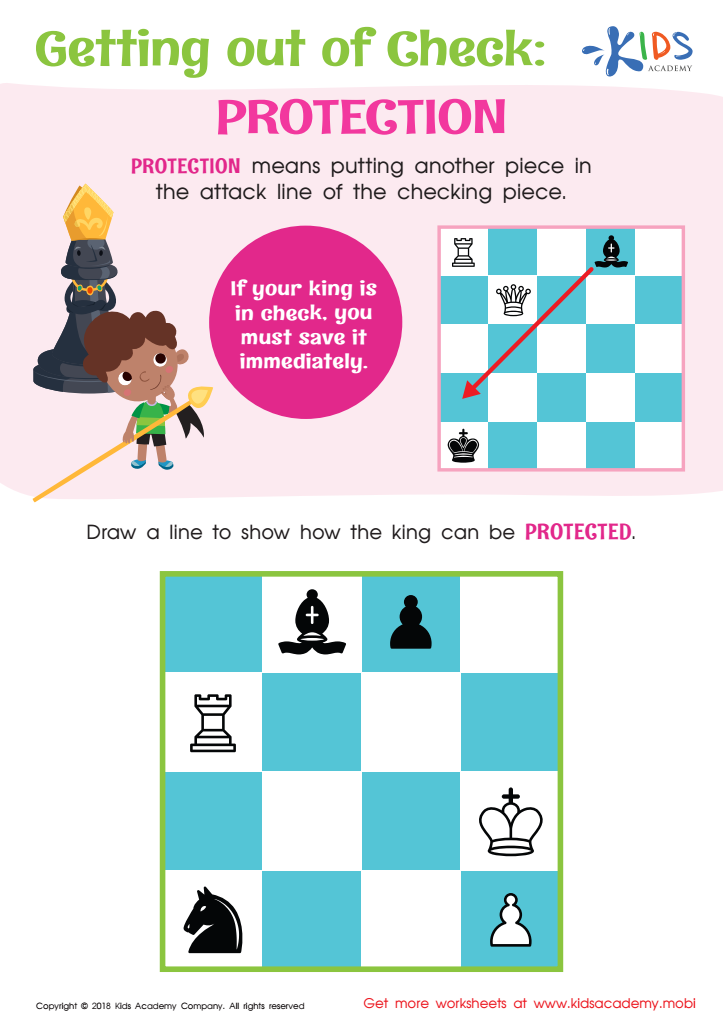
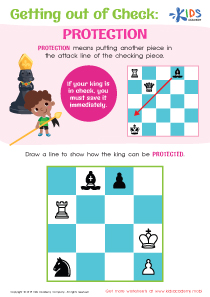
Getting out of Check: Protection
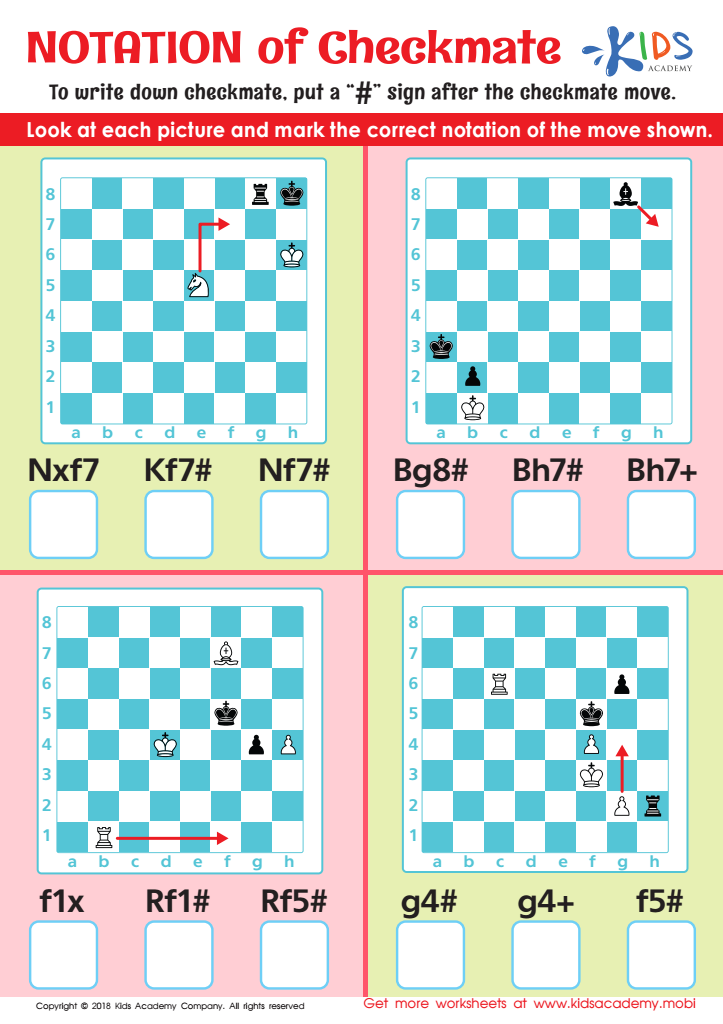
Notation of Checkmate Worksheet






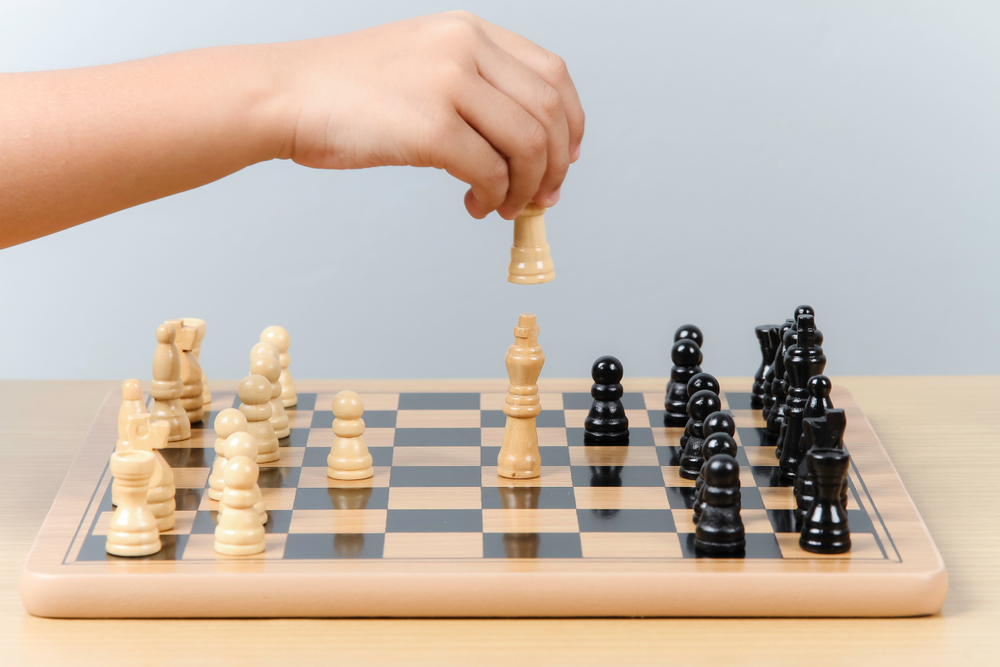
Extra Challenge Chess for ages 3-6 offers remarkable developmental benefits, making it worthy of parents' and teachers' attention. At this tender age, children’s brains are teeming with potential, and chess acts as an impressive cognitive and educational tool. Firstly, it significantly enhances problem-solving skills and critical thinking. Young players learn to analyze the board, anticipate the outcomes of their moves, and develop comprehensive strategies, fostering mental agility.
Moreover, chess promotes patience and concentration. These qualities are crucial for early learning, as they assist children in following instructions, staying focused on tasks, and achieving academic success. Socially and emotionally, chess teaches valuable life lessons like managing wins and losses gracefully, bolstering resilience, and encouraging sportsmanship. Kids also develop better interpersonal skills, as chess often involves play beyond solitary engagements.
Additionally, the game introduces fundamental math concepts, such as patterns, spatial relations, and counting, within an engaging context. Finally, it sparks creativity and innovation, as players are required to think outside the box to trap their opponents.
In essence, Extra Challenge Chess isn't just a game for young children; it’s an enriching, multidimensional experience that establishes foundational skills beneficial throughout their lives. Therefore, parents and teachers should nurture this interest to cultivate a well-rounded developmental environment.