Extra Challenge ABC Order Worksheets for Ages 3-8
10 filtered results
-
From - To
Introducing our "Extra Challenge ABC Order Worksheets for Ages 3-8"! Tailored to boost early literacy skills, these engaging worksheets help young learners practice alphabetizing in fun and interactive ways. Perfect for both classroom and home use, each sheet presents challenges that foster critical thinking and enhance letter recognition. Bright visuals and age-appropriate activities keep kids motivated and eager to learn. Ideal for children who have mastered basic ABC order and are ready to advance, these worksheets support educational growth and ensure a solid foundation in language skills. Download now to inspire a love for learning in your young ones today!
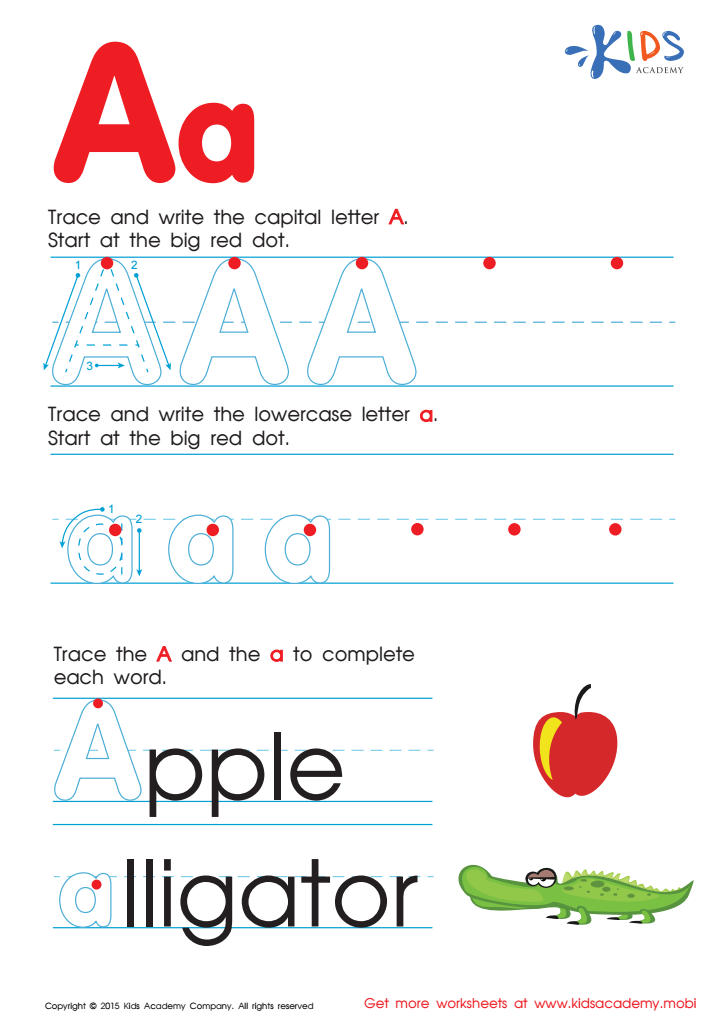
Letter A Tracing Page
 Assign to My Students



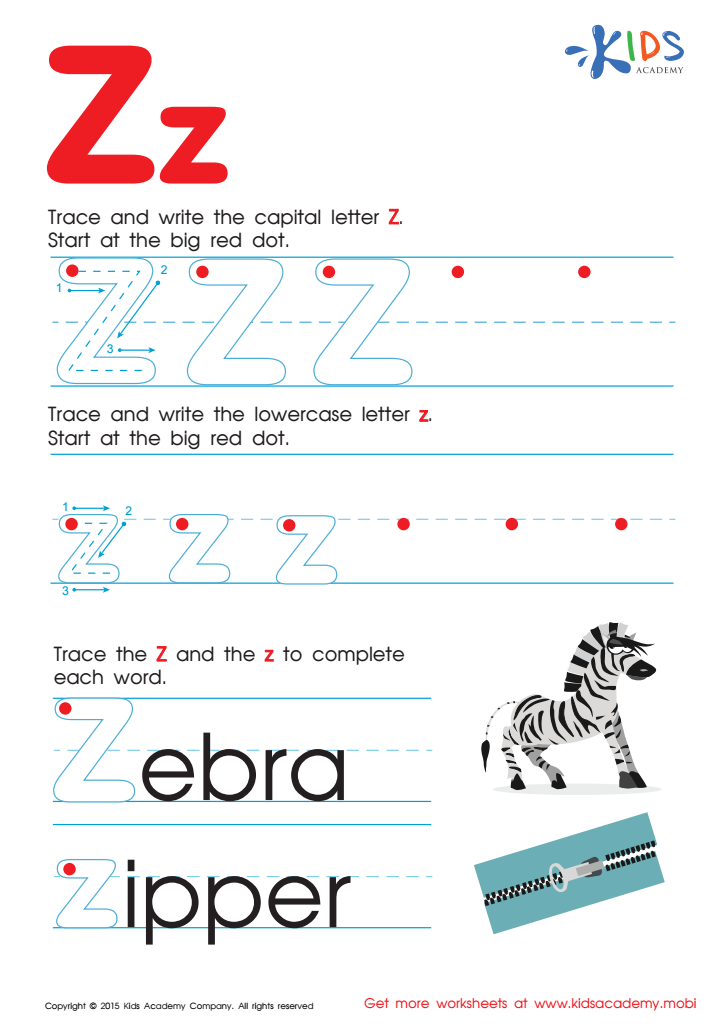
Letter Z Tracing Page
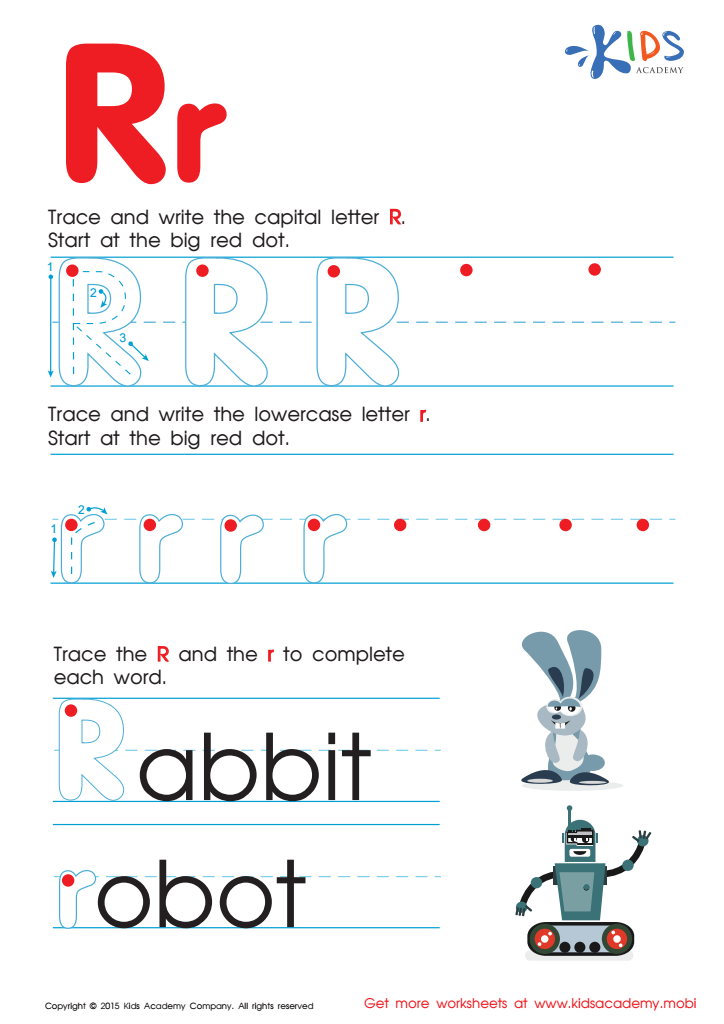
Letter R Tracing Page
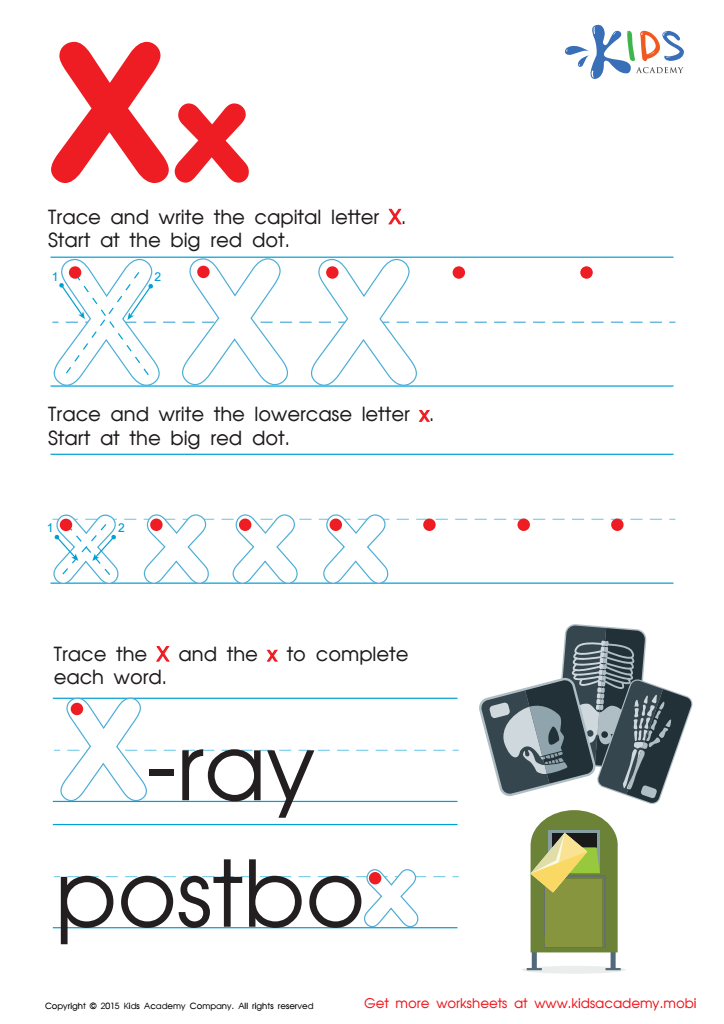
Letter X Tracing Page
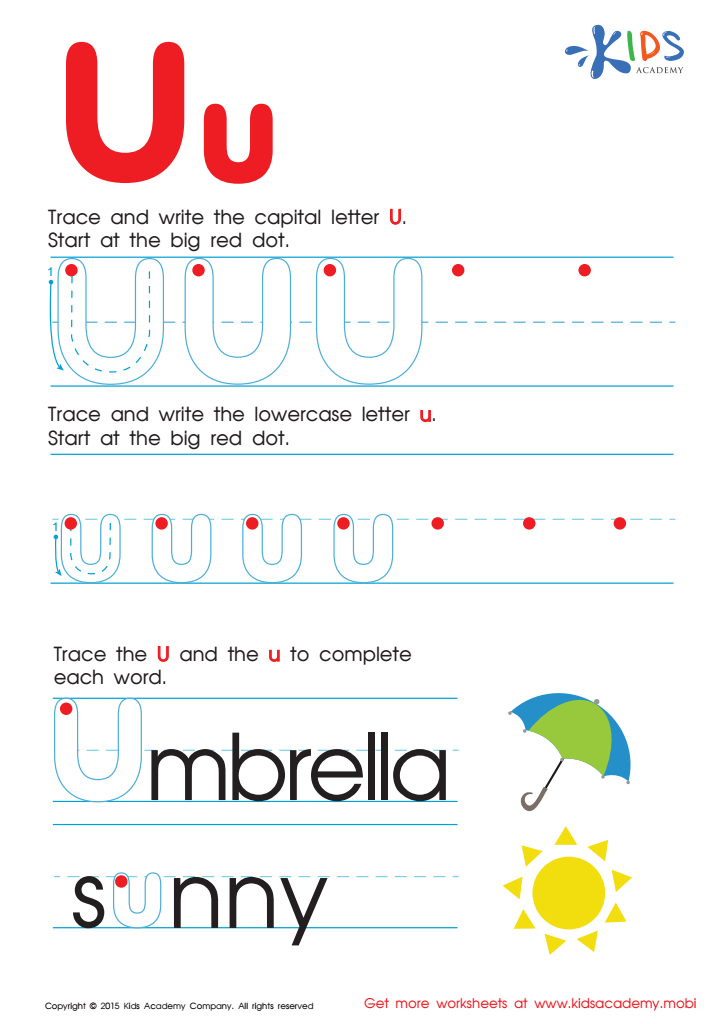
Letter U Tracing Page
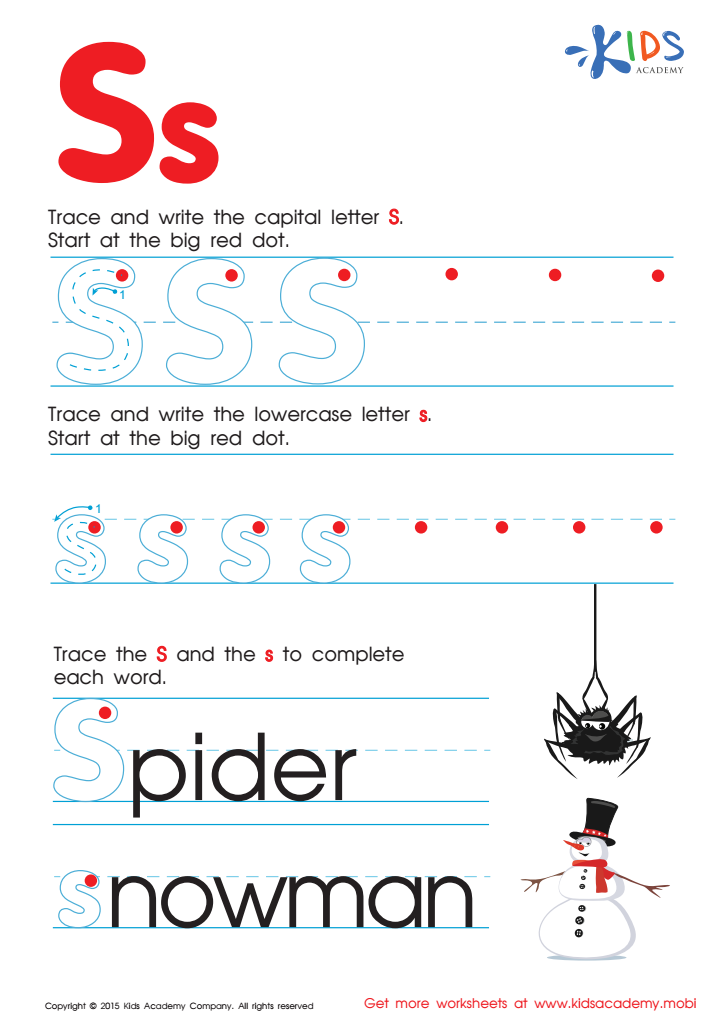
Letter S Tracing Page
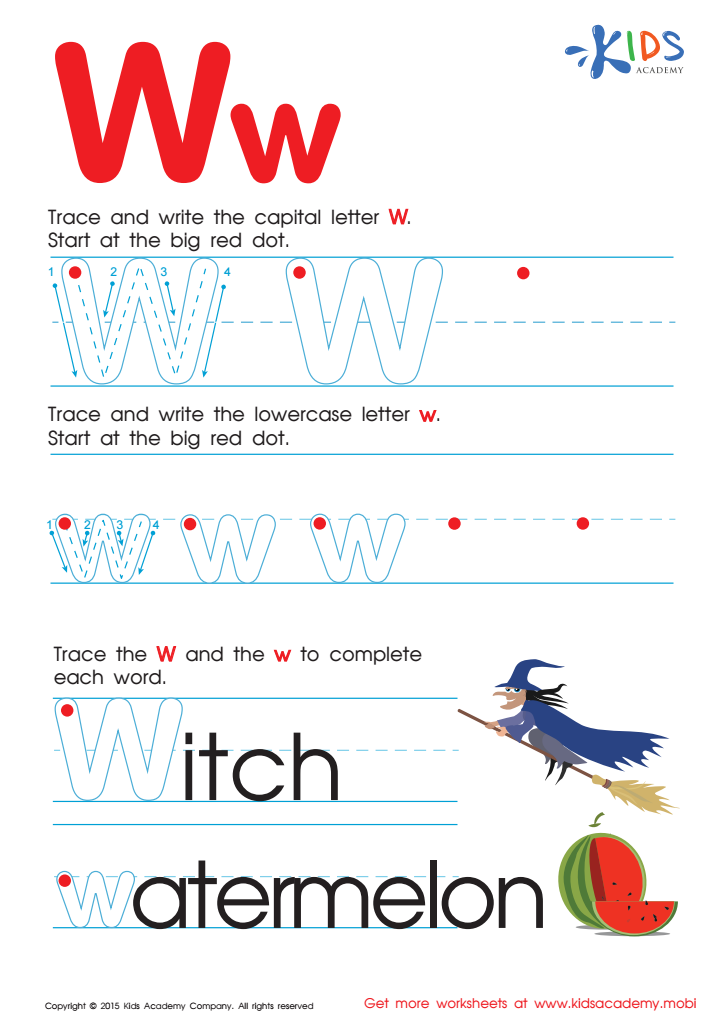
Letter W Tracing Page
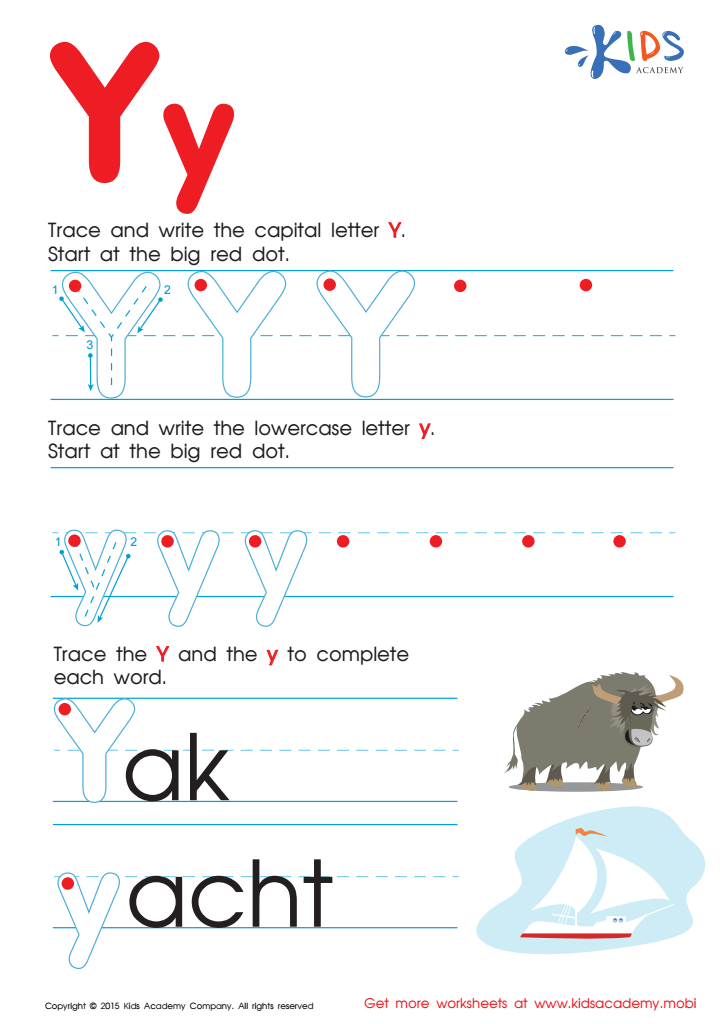
Letter Y Tracing Page
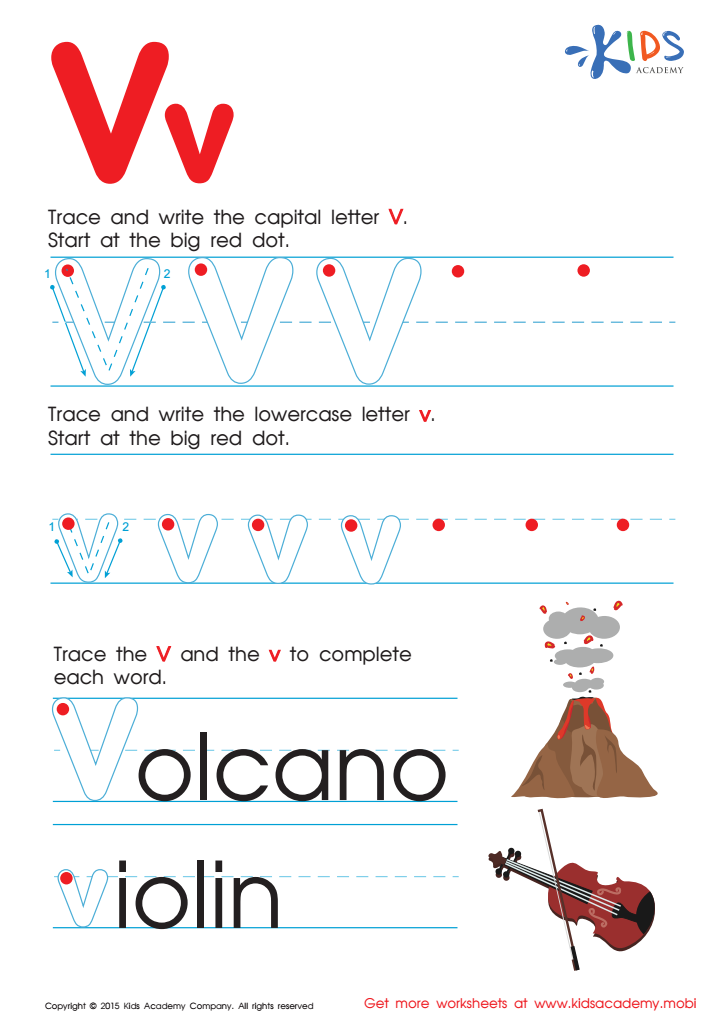
Letter V Tracing Page
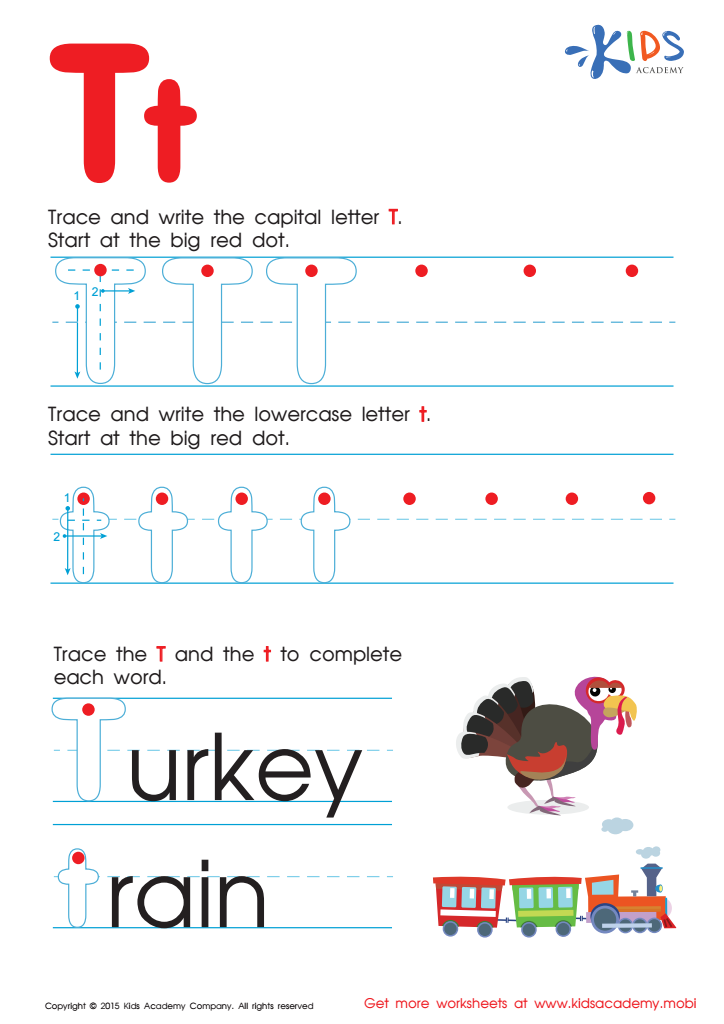
Letter T Tracing Page







Extra Challenge ABC Order activities are particularly beneficial for children aged 3-8 as they lay the groundwork for crucial literacy and cognitive skills. At an early age, young minds are particularly receptive, making it an ideal time to develop their alphabet recognition and sequencing abilities. By engaging in ABC Order challenges, children grow familiar with the alphabet, learning to identify letters and understand their proper sequence.
These activities go beyond simple letter recognition; they enhance vocabulary building, phonetic awareness, and comprehension skills. When children organize words in alphabetical order, they engage in problem-solving and critical thinking, which are foundational cognitive processes.
Involvement in arranging alphabets enables children to develop fine motor skills through actions like writing or manipulating flashcards. Moreover, mastering these skills contributes to a child’s confidence in their academic journey, promoting a sense of achievement.
From a social perspective, activities like Extra Challenge ABC Order can provide opportunities for collaborative learning. As they work in groups or pairs, children develop teamwork and communication skills. Therefore, these challenges are more than mere games—they are integral to building a solid educational foundation, encompassing literacy proficiency, cognitive development, and social skills. Parents and teachers should prioritize these activities to foster a well-rounded learning experience for young children.








