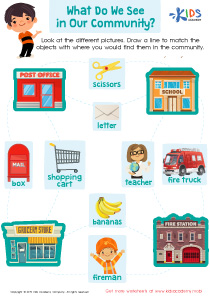
Extra Challenge Measurement Worksheets for Ages 4-8 - Page 2
29 filtered results
-
From - To
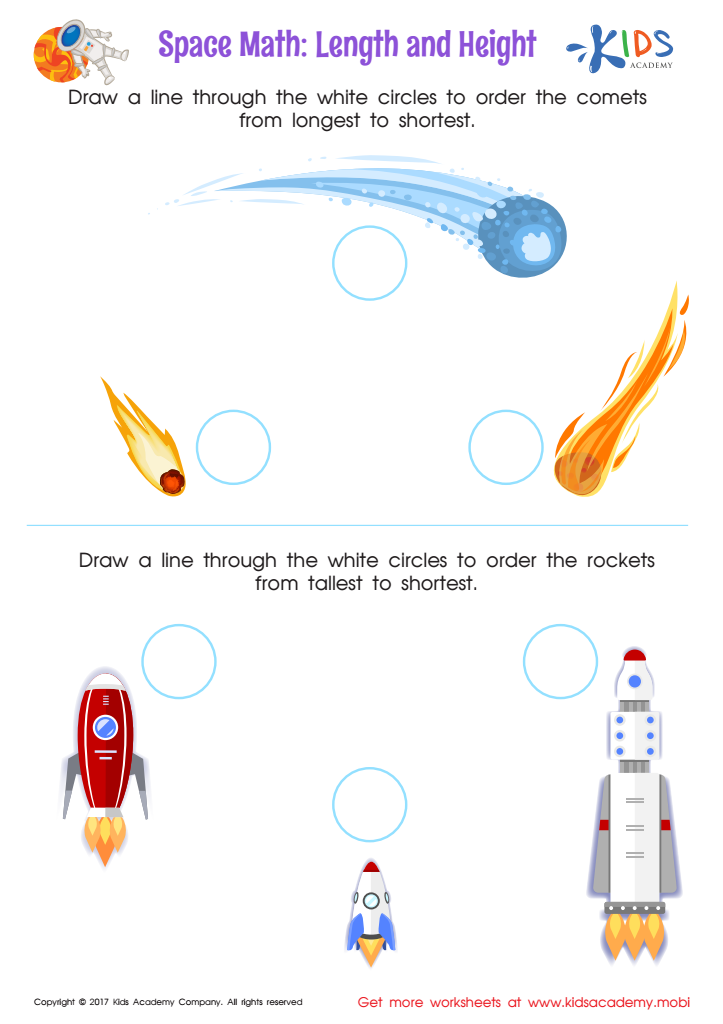
Space Math Worksheet
 Assign to My Students
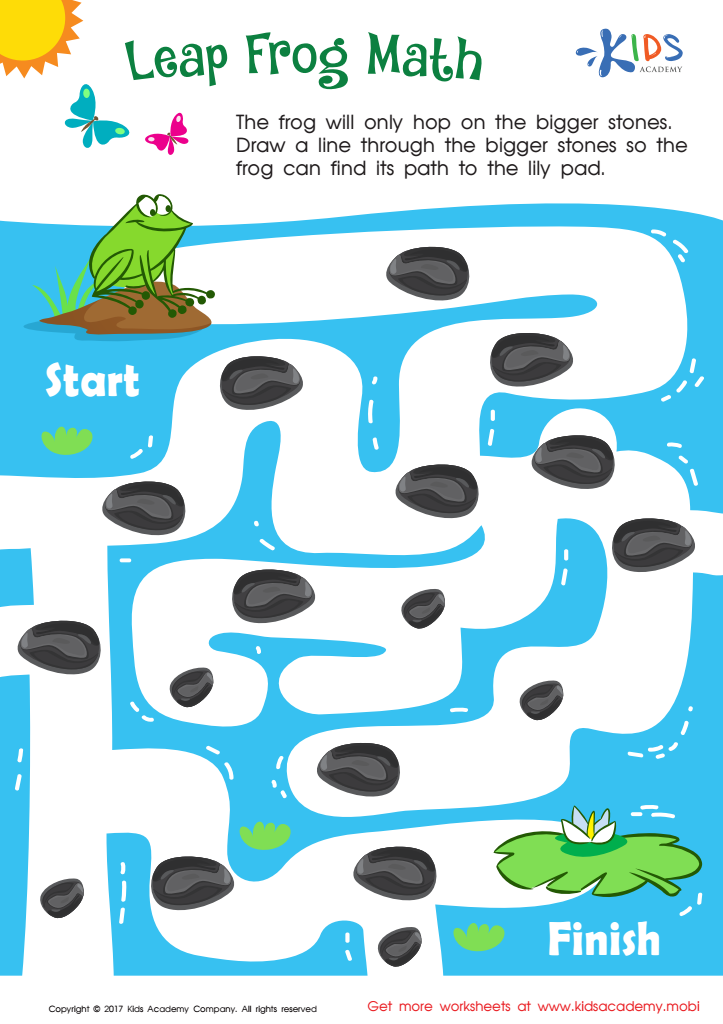
Math Puzzle Worksheet
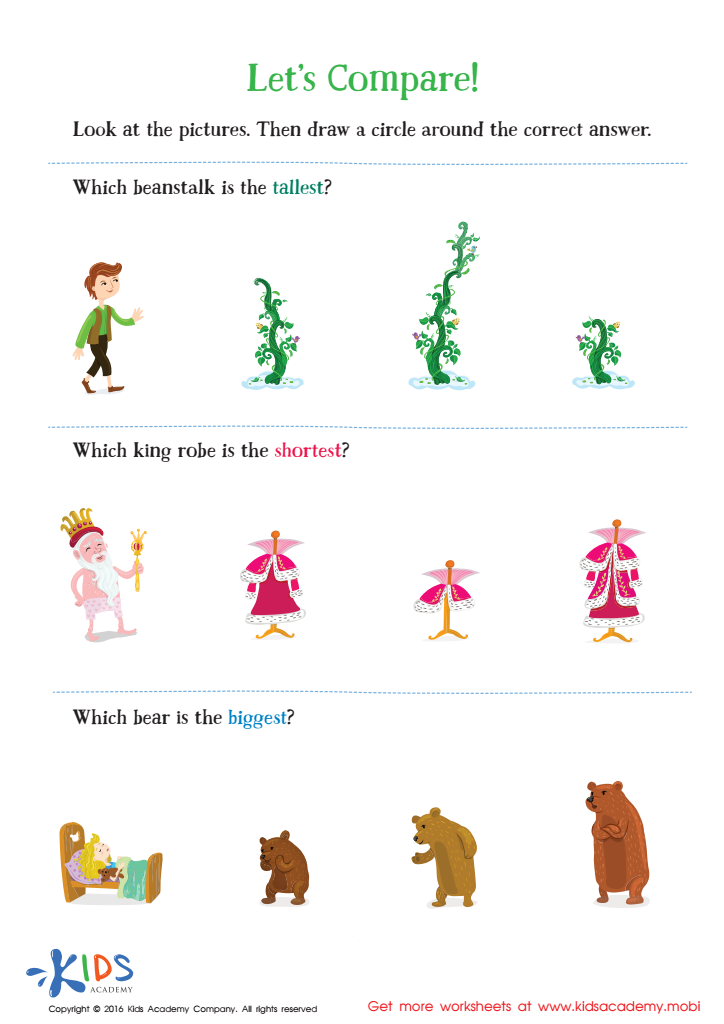
Fairy Tale Worksheet: Let's Compare
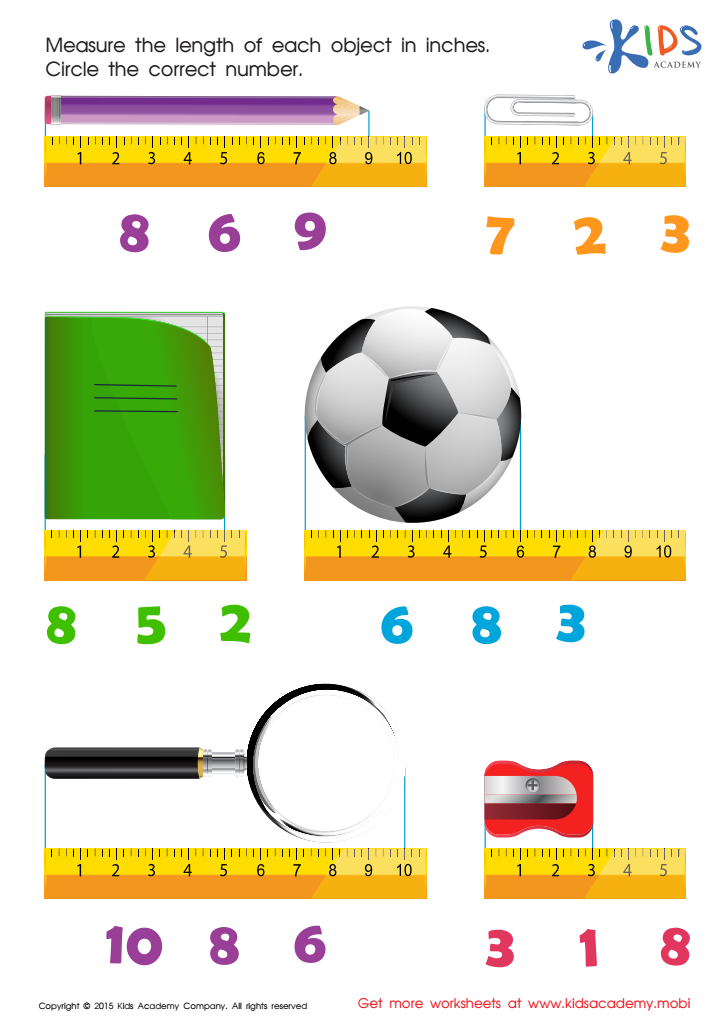
Learning measuring objects in inches Worksheet
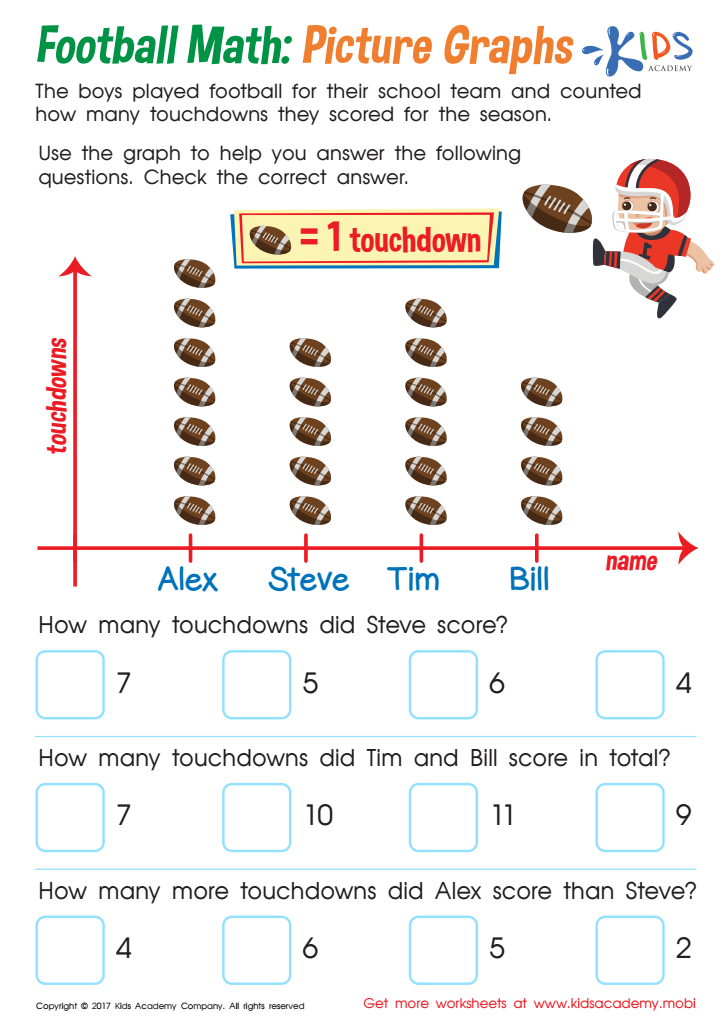
Football Math Worksheet








Extra Challenge Measurement (ECM) for children aged 4-8 is crucial because it provides a structured yet flexible approach to task difficulty, helping to fine-tune cognitive, social, and emotional development. By adjusting challenges based on each child’s abilities, ECM ensures they are neither overstressed nor under-engaged, both of which can hinder learning.
For parents and teachers, focusing on ECM means recognizing that every child progresses at their own pace. It embraces the variability among young learners and allows for differentiated instruction, making learning more effective and enjoyable. Children who are appropriately challenged are more likely to develop critical thinking, problem-solving skills, and resilience. These skill sets lay a foundation for lifelong learning and adaptability.
Furthermore, ECM can help in identifying areas where a child excels or may need more support, providing critical data to inform parental involvement, teacher strategies, and even potential referrals for specialized care when necessary.
Lastly, fostering early positive experiences with manageable challenges can build a child's confidence and motivation. Engaged, confident learners are more likely to be curious and proactive as they grow, setting them up for success in more advanced educational settings. Therefore, integrating Extra Challenge Measurement is essential for nurturing well-rounded, eager-to-learn individuals.