Extra Challenge Reading Non-Fiction Worksheets for Ages 4-8
7 filtered results
-
From - To
Introduce your child to the exciting world of non-fiction reading with our Extra Challenge Reading Non-Fiction Worksheets, designed for ages 4-8. These engaging worksheets provide young learners with an opportunity to explore interesting topics and build comprehension skills. Each worksheet is crafted to challenge and captivate, helping kids develop analytical thinking, vocabulary, and a love for factual texts. Ideal for both classroom and home, these worksheets support various reading levels and learning paces, ensuring every child can succeed and enjoy the journey of non-fiction reading. Give your child the extra challenge they need to thrive academically!
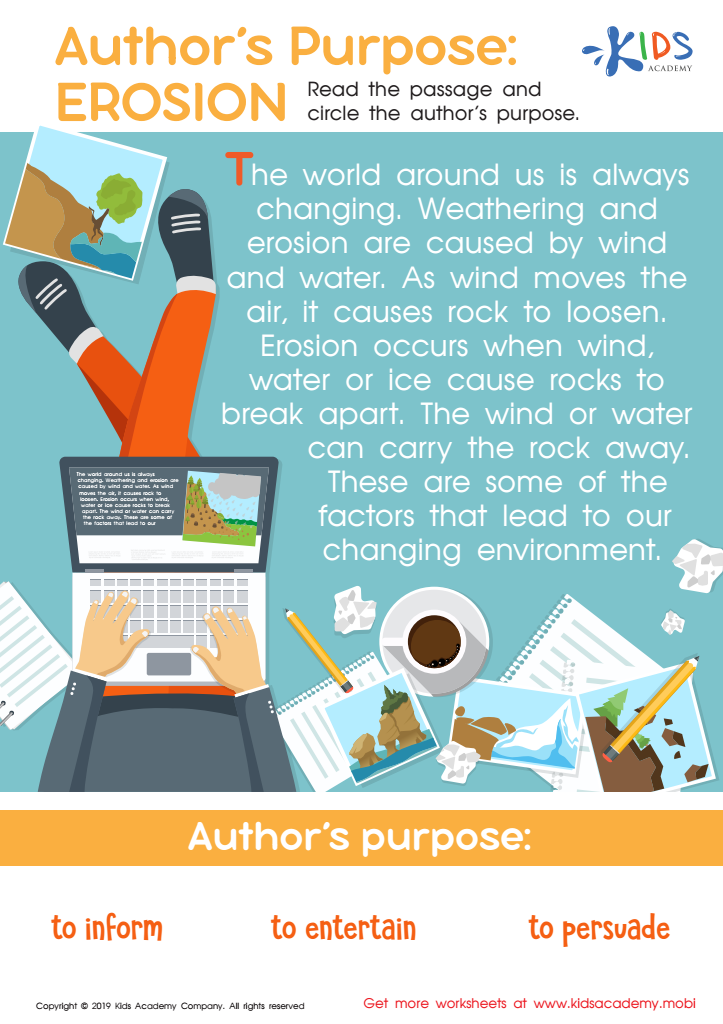
Author’s Purpose: Erosion Worksheet
 Assign to My Students
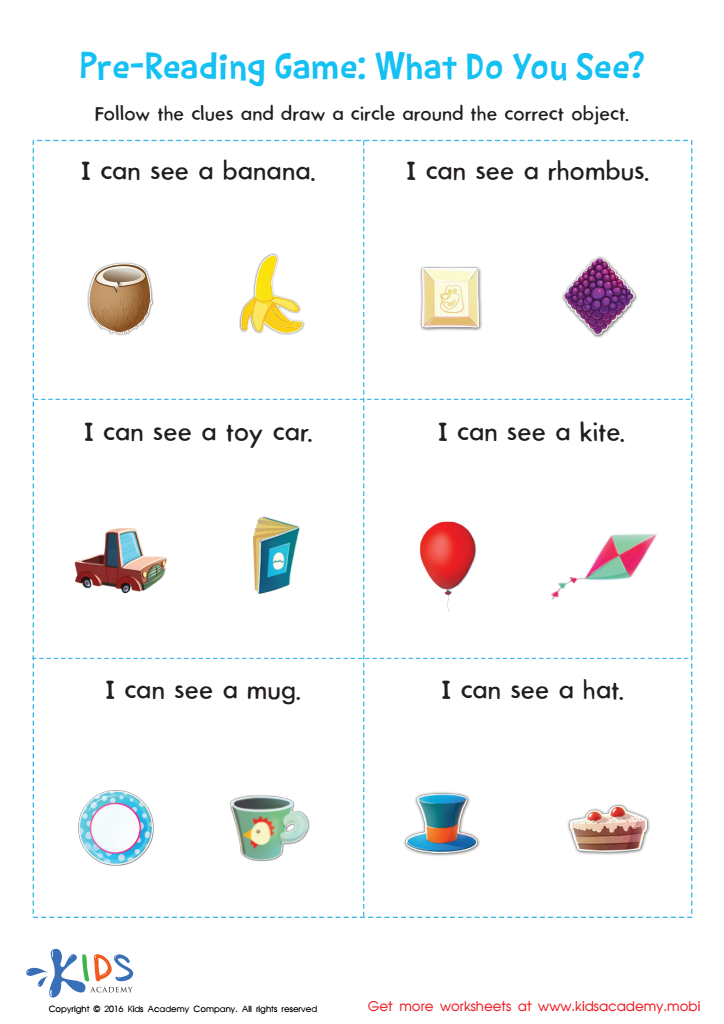
Pre–reading Worksheet: What Do You See?
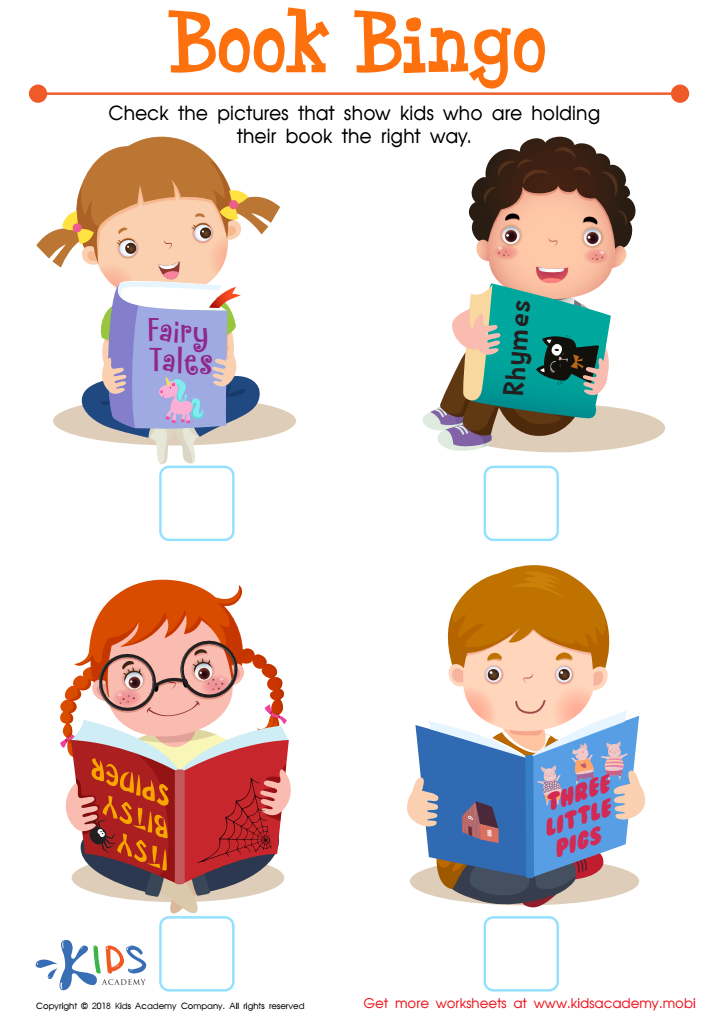
Book Bingo Worksheet
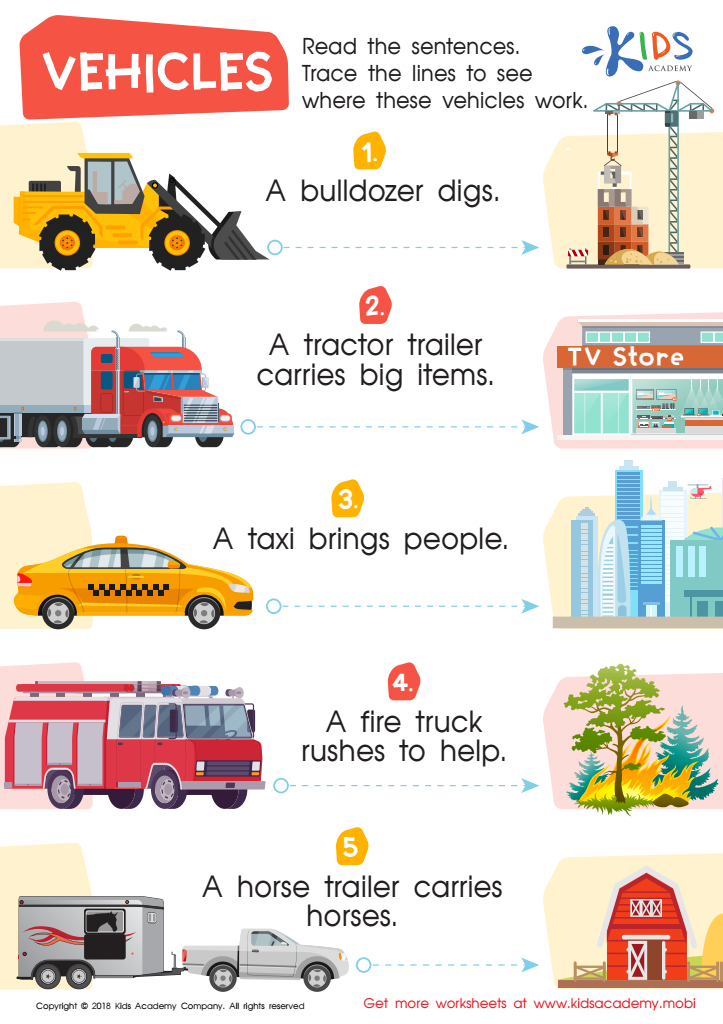
Vehicles Worksheet
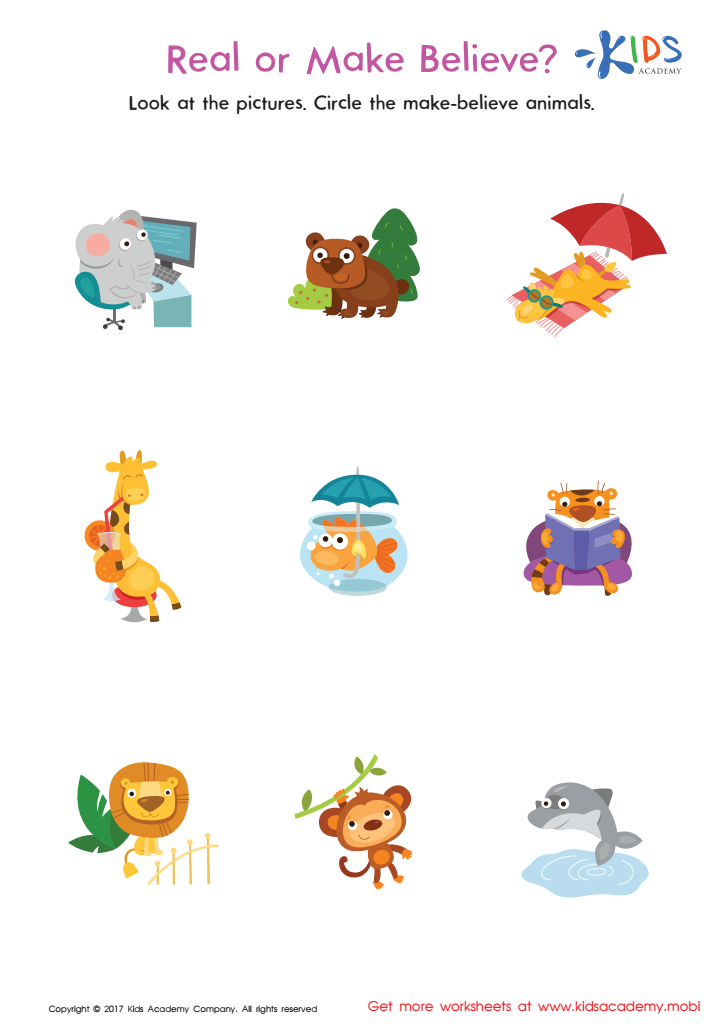
Fact or Make Believe Worksheet
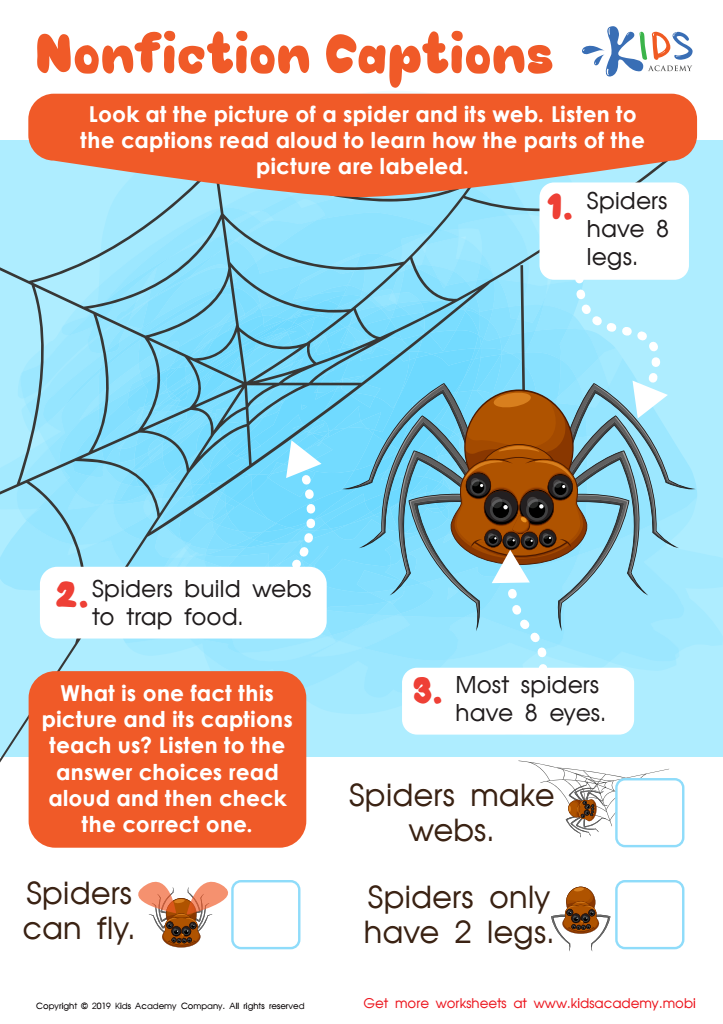
Nonfiction Captions Worksheet
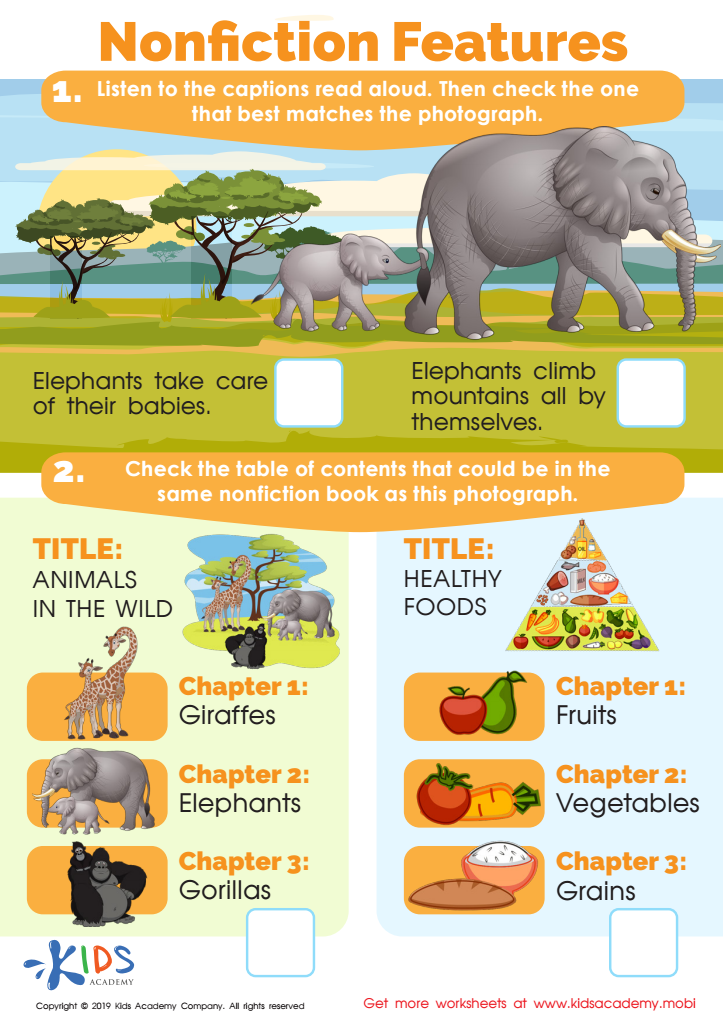
Nonfiction Features Worksheet








Engaging children aged 4-8 in extra challenge reading of non-fiction texts is essential for several reasons. Firstly, it extends their cognitive development by introducing facts and concepts about the world around them, fostering a natural curiosity. When children read about animals, space, or historical events, they build a foundational understanding that can help them grasp more complex subjects in later years.
Secondly, non-fiction reading enhances critical thinking skills. Young readers begin to differentiate between stories based on real events and fictional tales, which is crucial for developing the ability to assess, analyze, and synthesize information. This critical thinking also expands their problem-solving skills as they learn how things work or why events happened a certain way.
Moreover, exposure to a variety of non-fiction subjects helps boost vocabulary and comprehension. When children encounter new terms and contexts, they are required to think deeply and ask questions, which promotes active learning and retention. Teachers and parents who integrate challenging non-fiction texts are also paving the way for lifelong learning habits, encouraging children to become well-rounded, informed individuals.
Lastly, tackling challenging materials with parental or teacher support strengthens relational bonds and creates positive educational experiences, fostering a love for learning that carries into adulthood. Overall, extra challenge reading in non-fiction settings equips children with vital skills and knowledge, nurturing their intellectual and emotional growth.