Extra Challenge Long Vowels Worksheets for Ages 5-9
4 filtered results
-
From - To
Unlock the wonders of reading with our Extra Challenge Long Vowels Worksheets, designed specifically for kids ages 5-9! These fun, engaging worksheets help your child master long vowel sounds through a variety of interactive activities. Perfect for reinforcing classroom learning or providing additional practice at home, our worksheets focus on phonics, word recognition, and spelling of long vowel words. With vibrant illustrations and stimulating exercises, your child will develop essential literacy skills while enjoying the learning process. Boost their confidence and foster a love for reading with our carefully crafted extra challenge worksheets tailored to young learners. Start their reading adventure today!
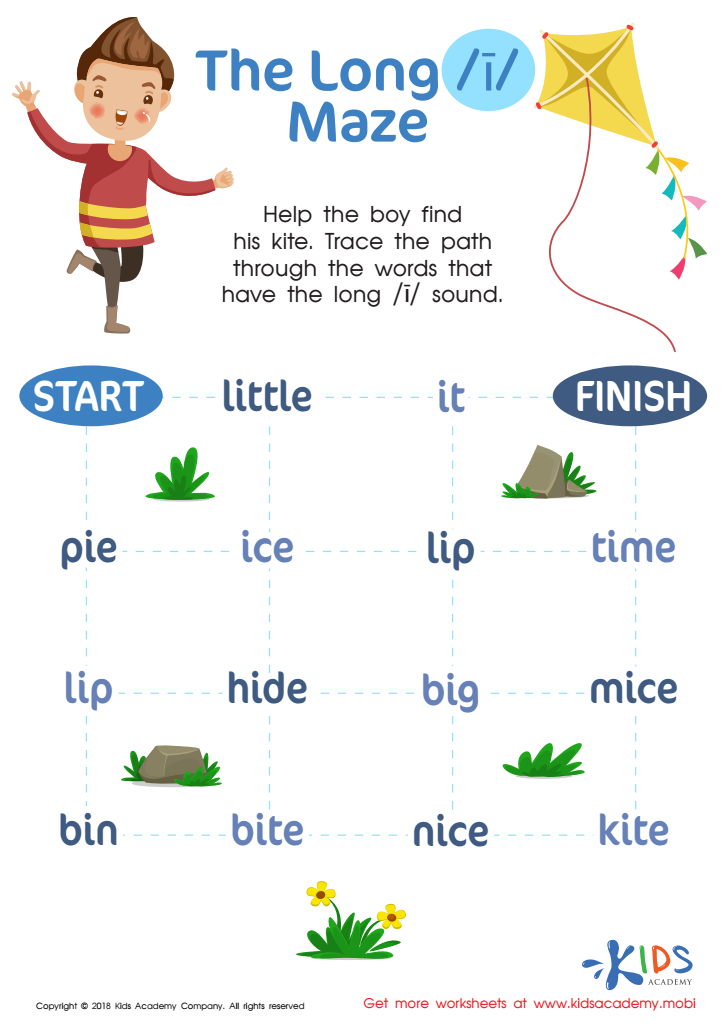
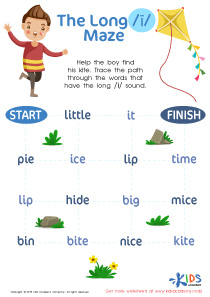
The Long I Maze Reading Worksheet
 Assign to My Students
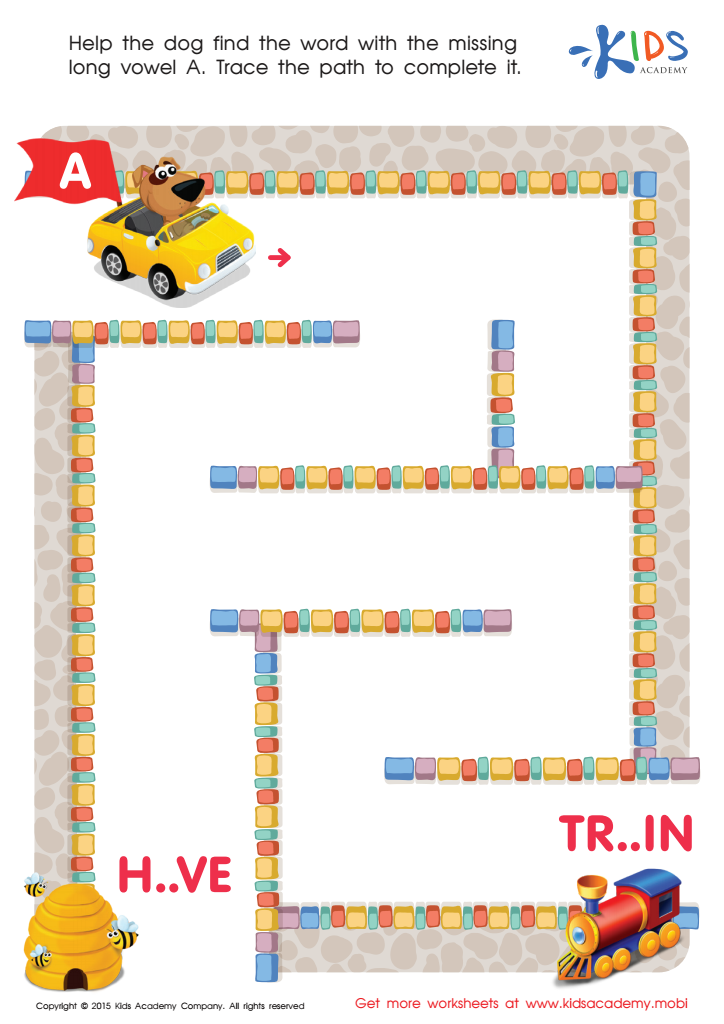
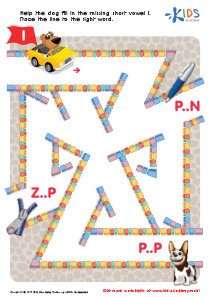
Long Vowel Sound A Worksheet
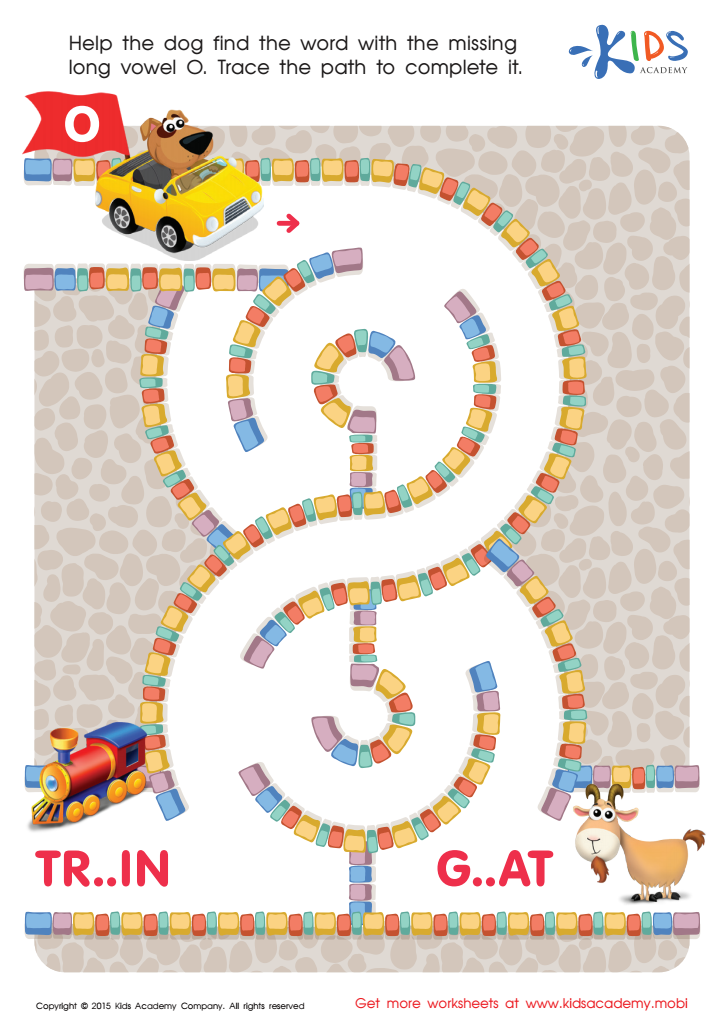
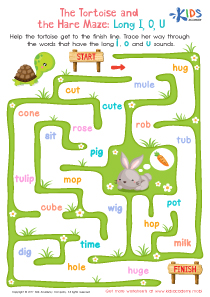
Long Vowel Sound O Worksheet
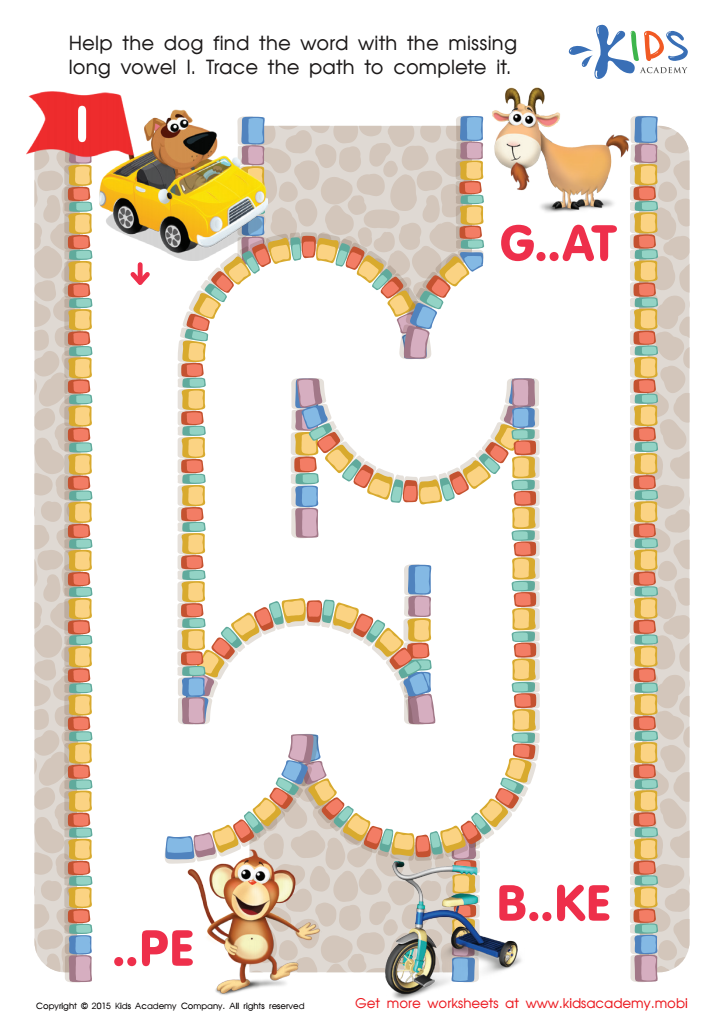
Long Vowel Sound I Worksheet



In the critical early years of learning (ages 5-9), students build foundational skills in reading that shape their overall academic success. One important aspect of this is understanding long vowels, which can be challenging for young learners. Long vowels are essential for reading fluency and comprehension, as they affect how words are pronounced and understood.
Parents and teachers should care about Extra Challenge Long Vowels because mastering this skill improves students' confidence and abilities in reading and writing. When children grasp long vowel sounds, they are better equipped to decode words independently, enhancing their overall literacy skills. This, in turn, leads to improved performance in all subjects that rely on reading comprehension.
Moreover, addressing difficult phonics concepts like long vowels prepares students for more complex language tasks they will face in higher grades. By incorporating fun and challenging activities that focus on long vowels, educators can nurture a love for reading, foster critical thinking, and promote language development.
Additionally, working together at home and in school on extra vowel challenges reinforces the partnership between parents and teachers, ensuring consistent support for a child’s educational journey. In this way, both roles can contribute to building confident, competent readers who are prepared for future learning endeavors.