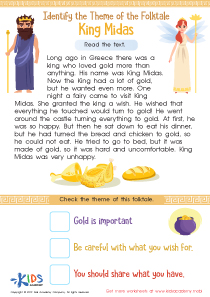
Normal Reading Comprehension Worksheets for Ages 3-6 - Page 4
100 filtered results
-
From - To
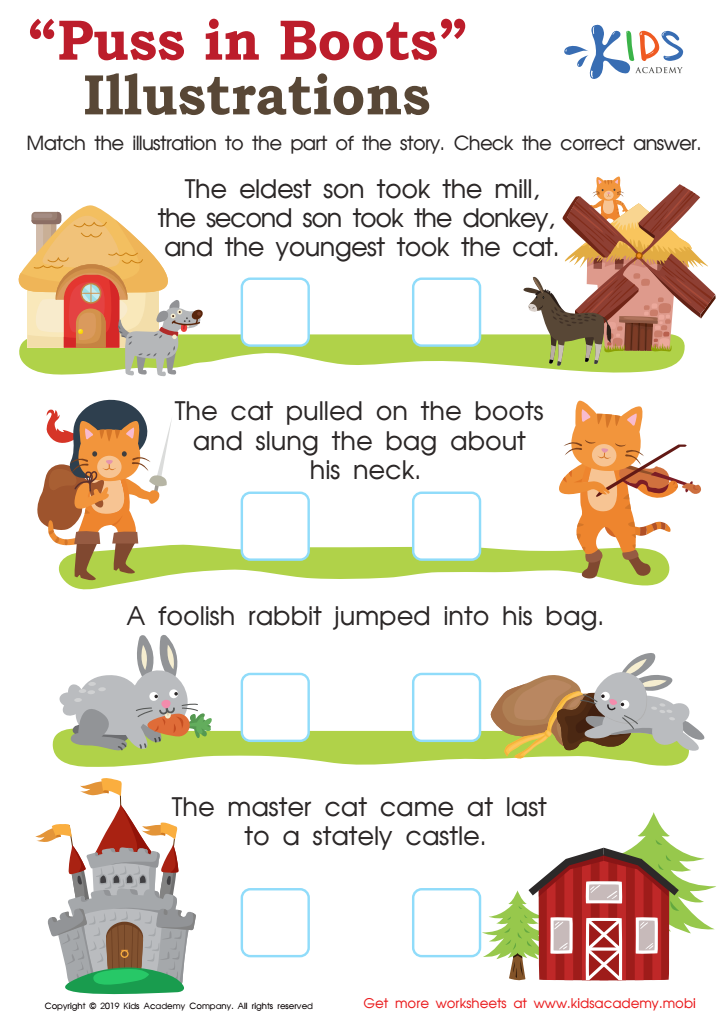
Puss in Boots Illustrations Worksheet
 Assign to My Students
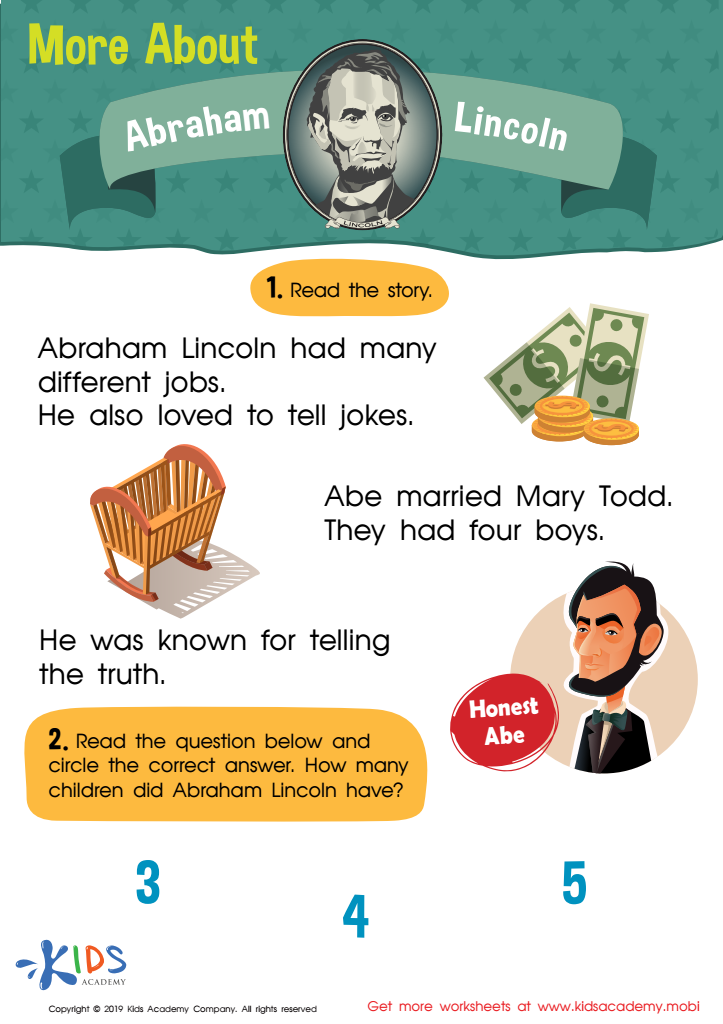
More About Abraham Lincoln Worksheet
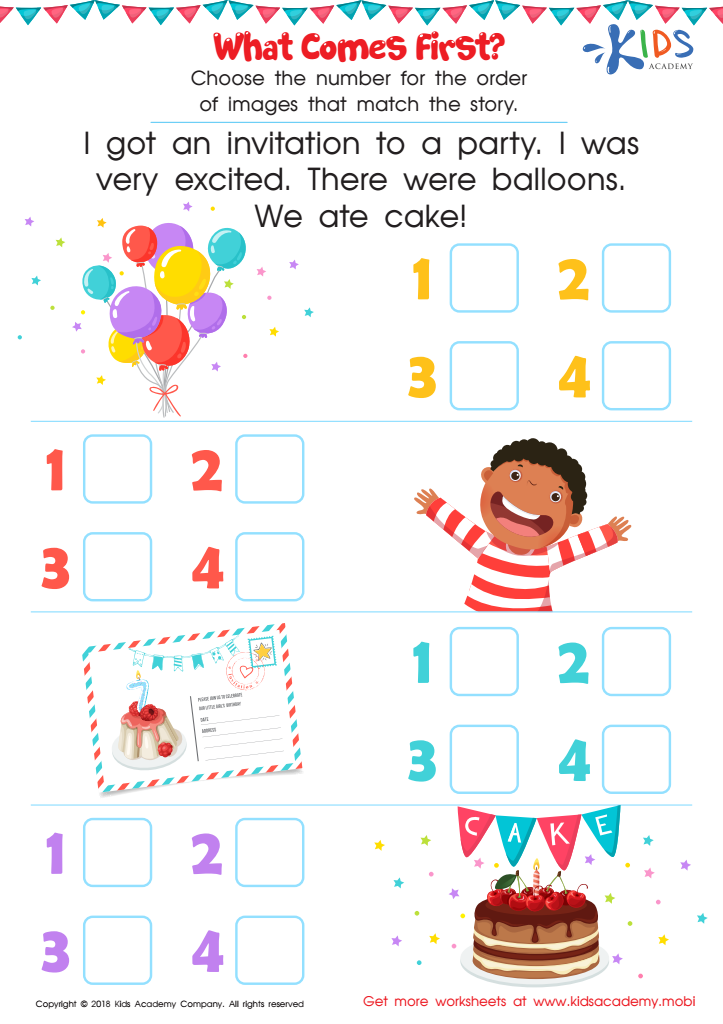
What Comes First Worksheet
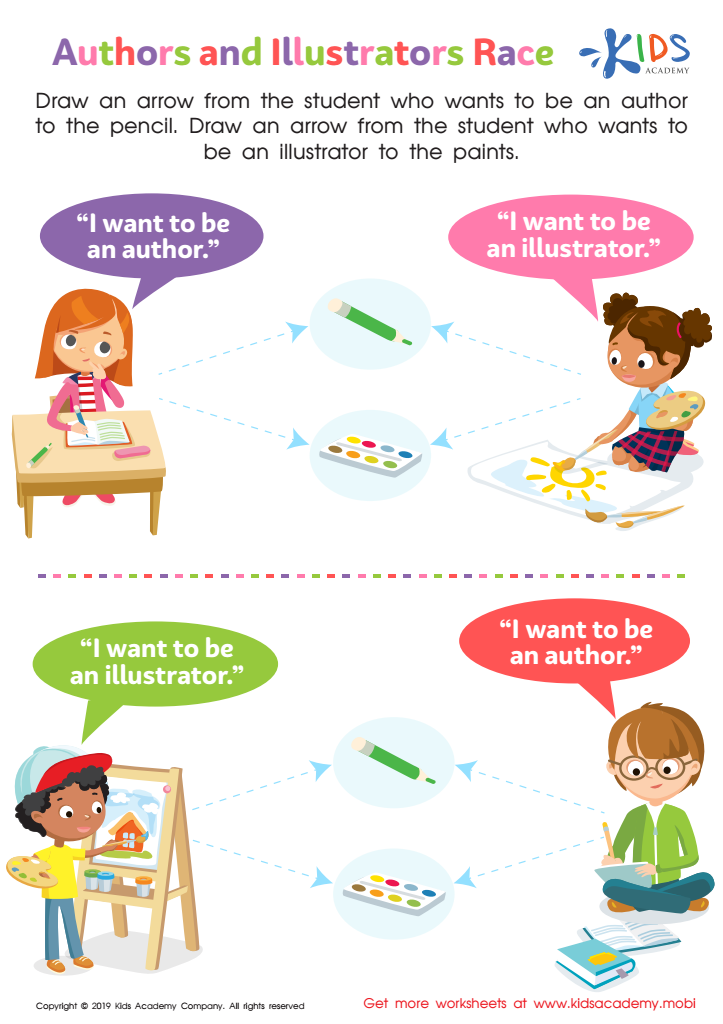
Authors and Illustrators Race Worksheet
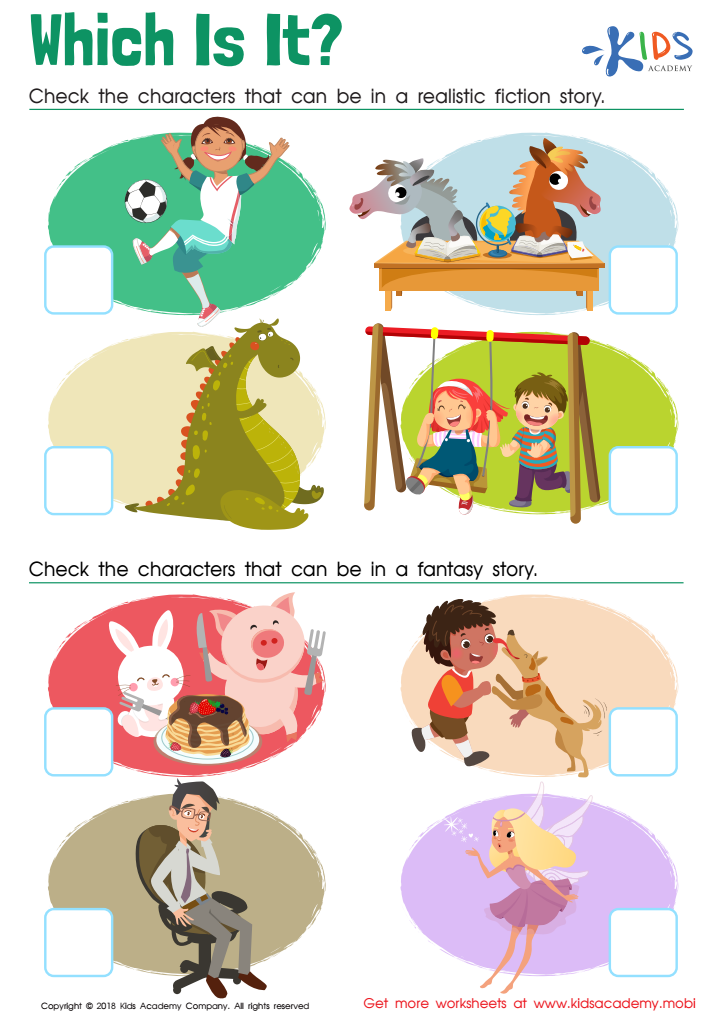
Which Is It? Worksheet
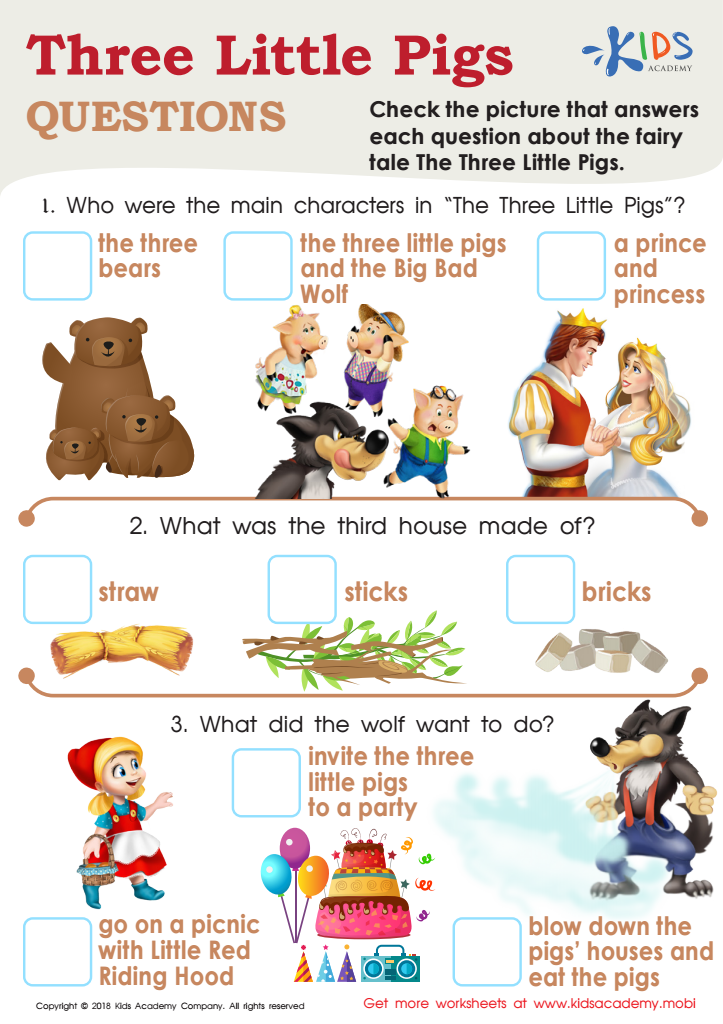
Three Little Pigs Questions Worksheet
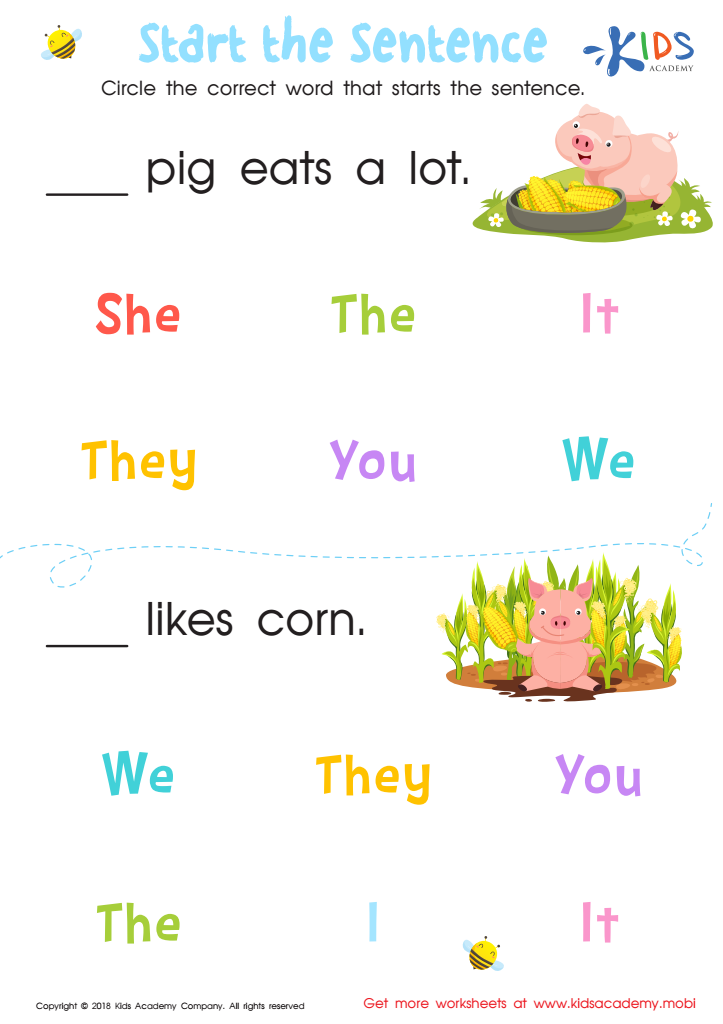
Start the Sentence Worksheet
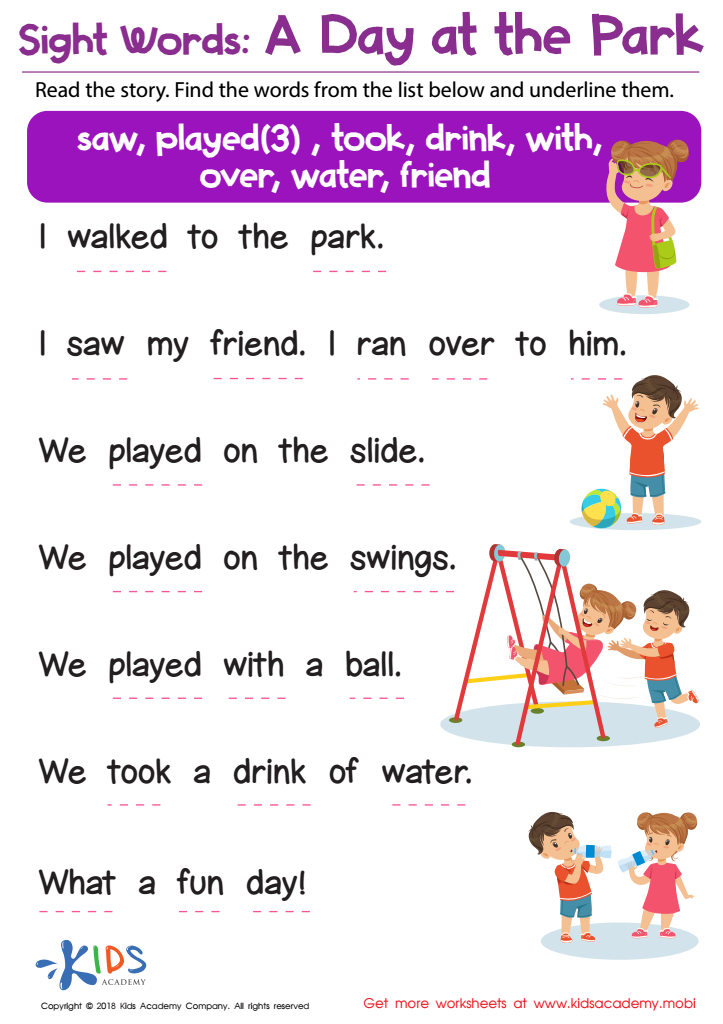
Sight Words: A Day at the Park Worksheet
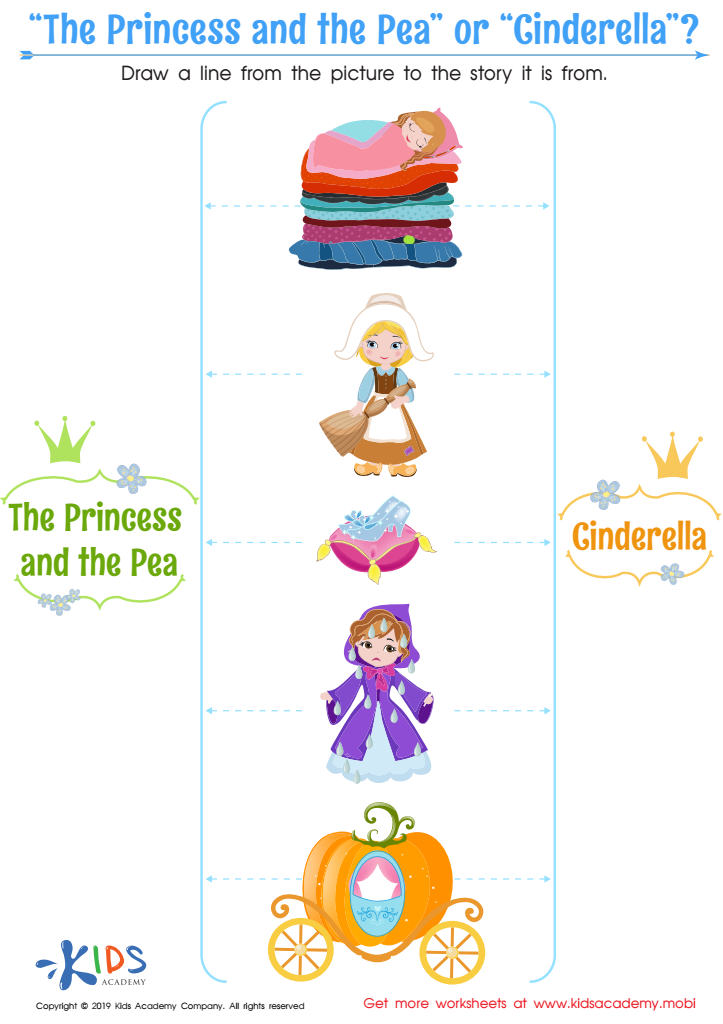
“The Princess and the Pea” or “Cinderella” Worksheet
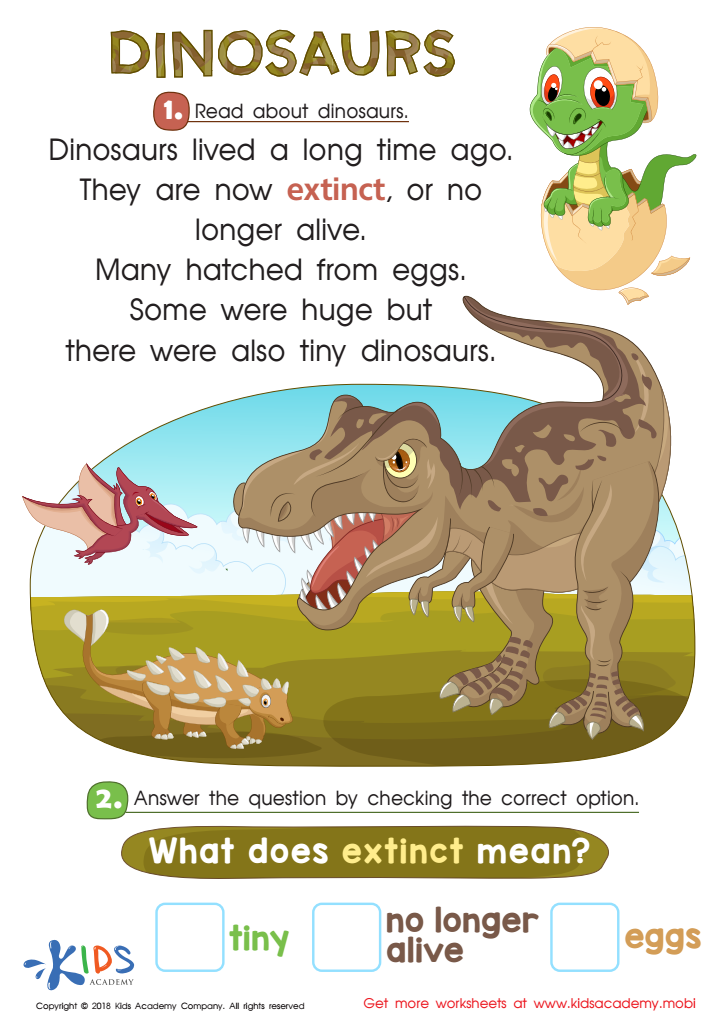
Dinosaurs Worksheet
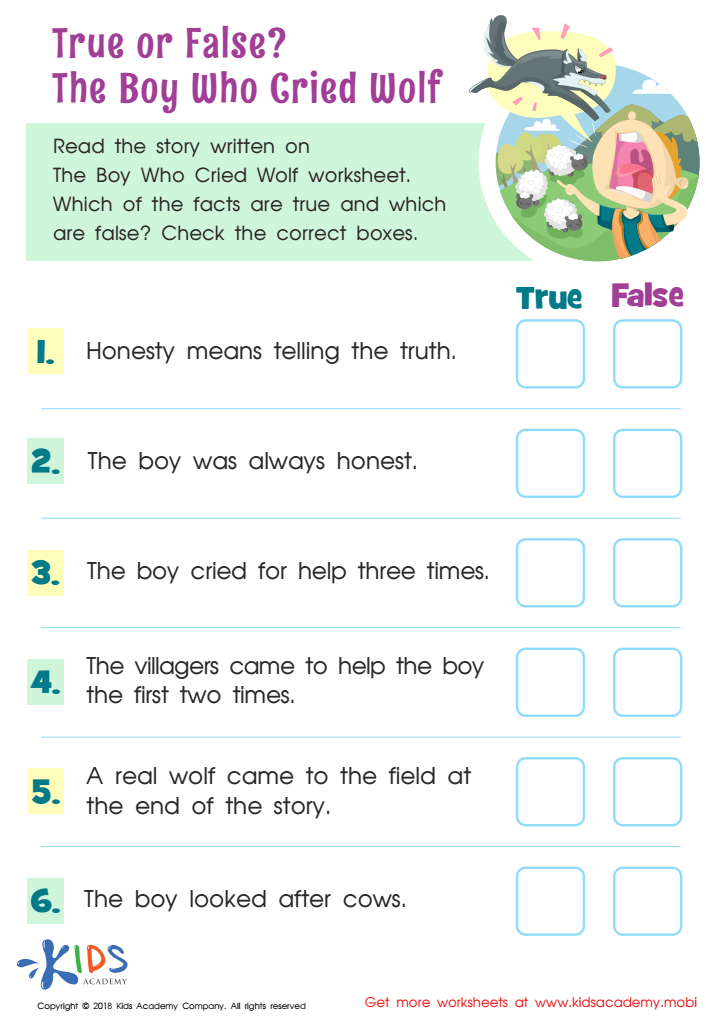
True or False? The Boy Who Cried Wolf Worksheet
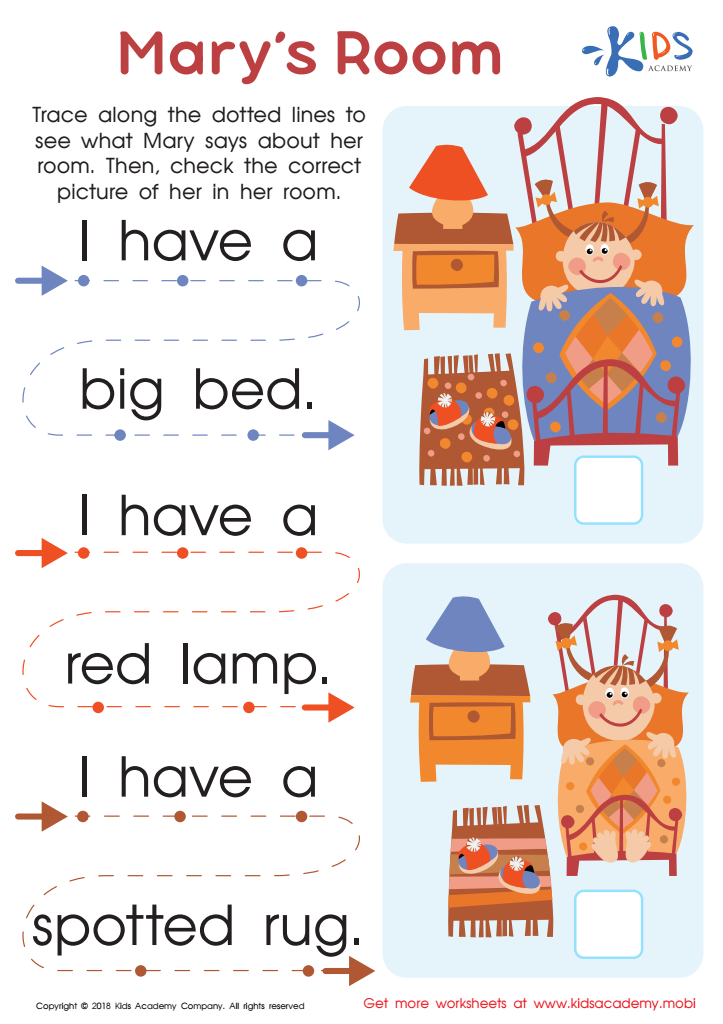
Mary's Room Worksheet

Towns Worksheet
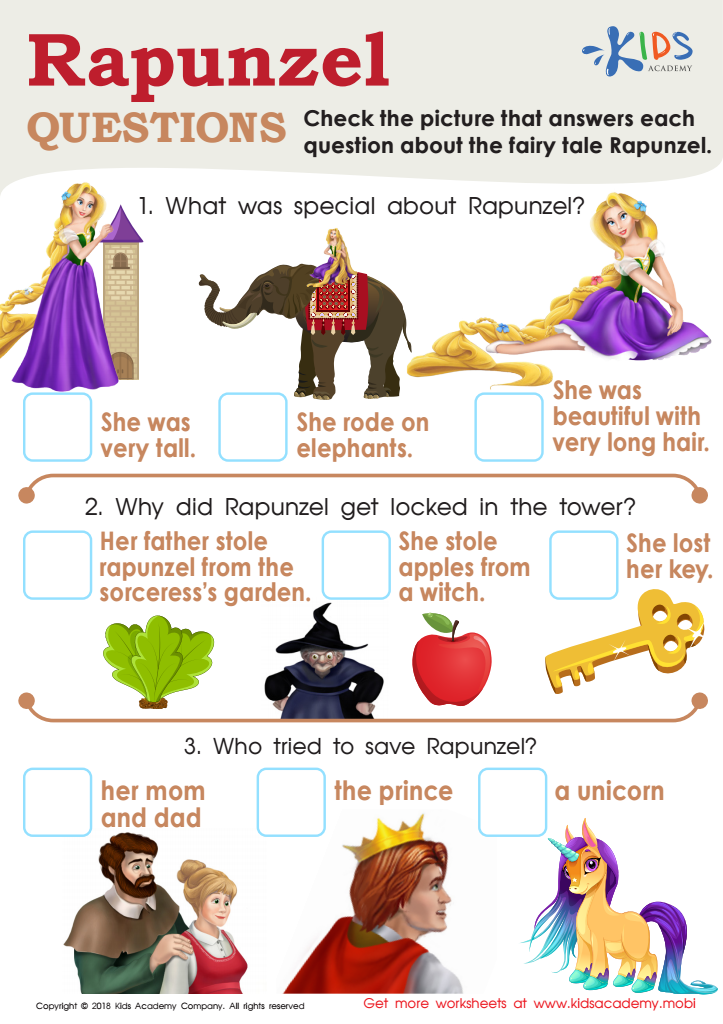
Rapunzel Questions Worksheet
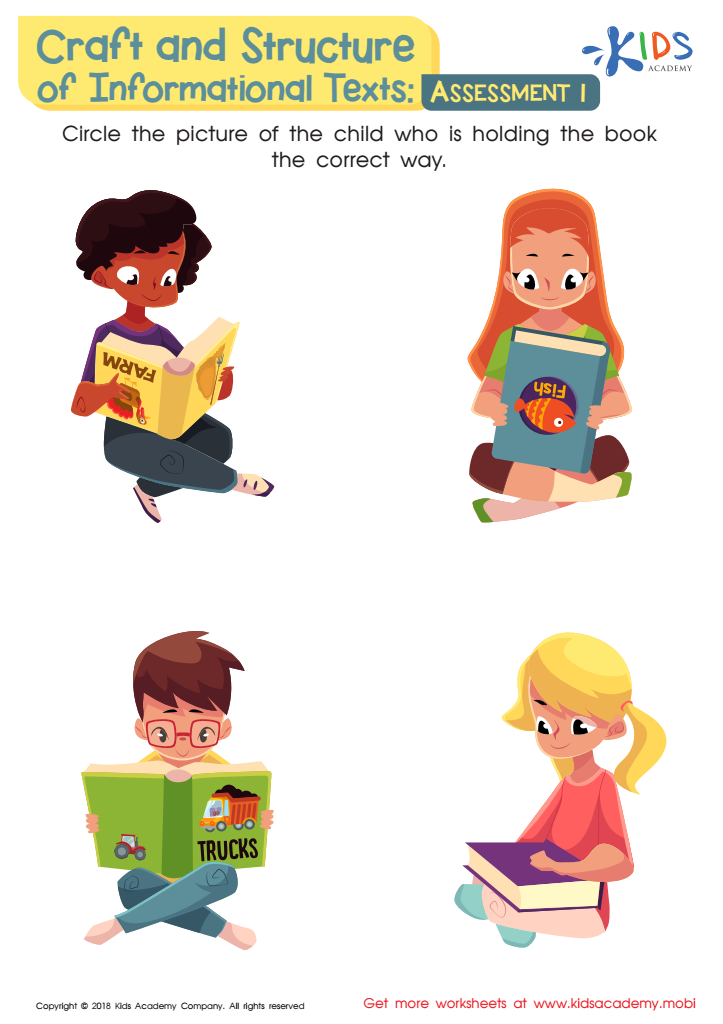
Craft and Structure of Informational Texts: Assessment 1 Worksheet
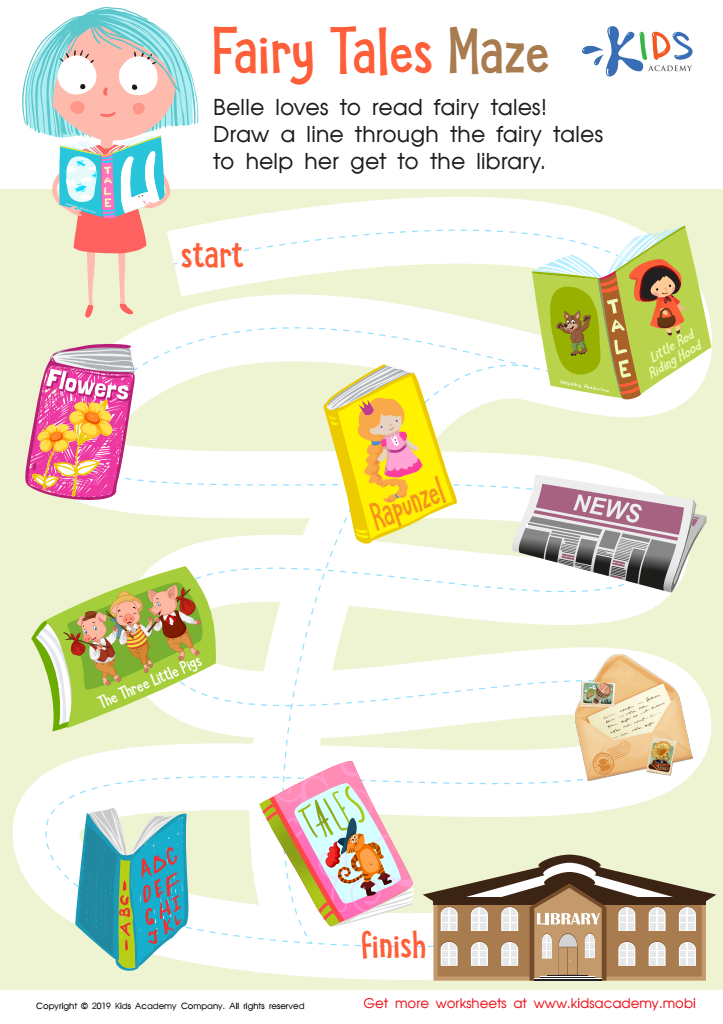
Fairy Tales Maze Worksheet
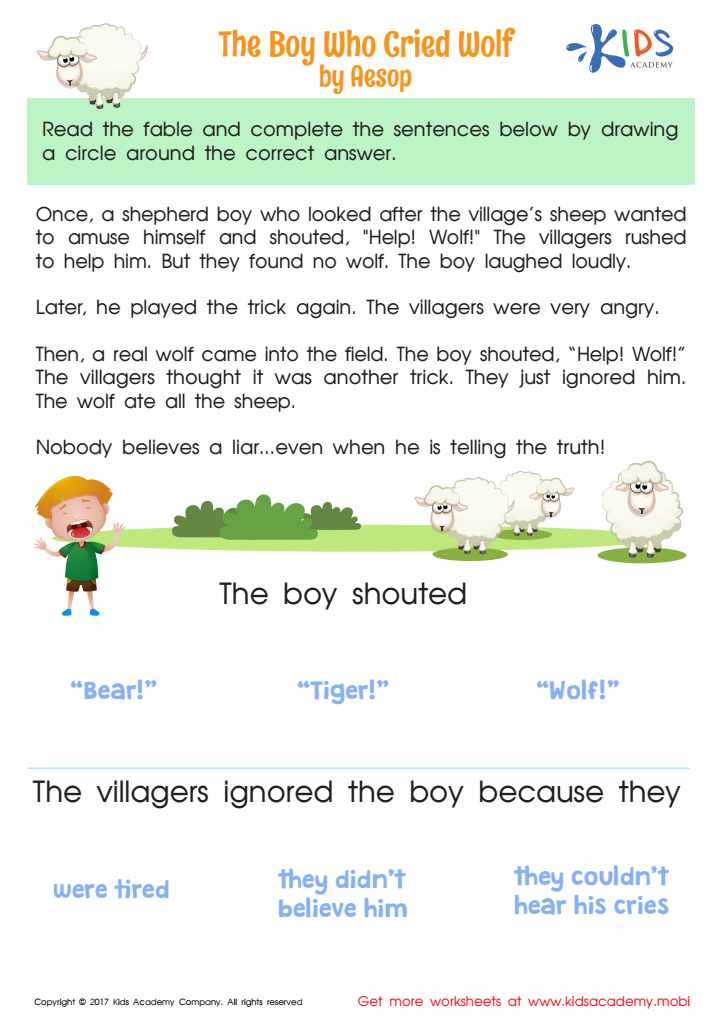
The Boy Who Cried Wolf Worksheet

Take a Look - Part 1 Worksheet
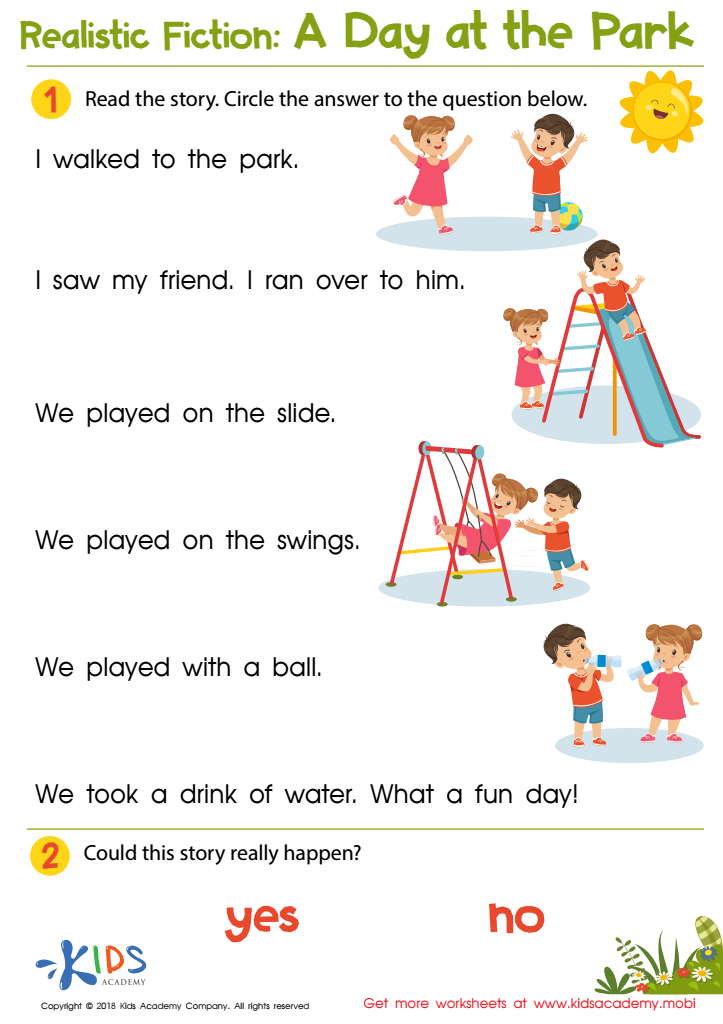
A Day at the Park Worksheet
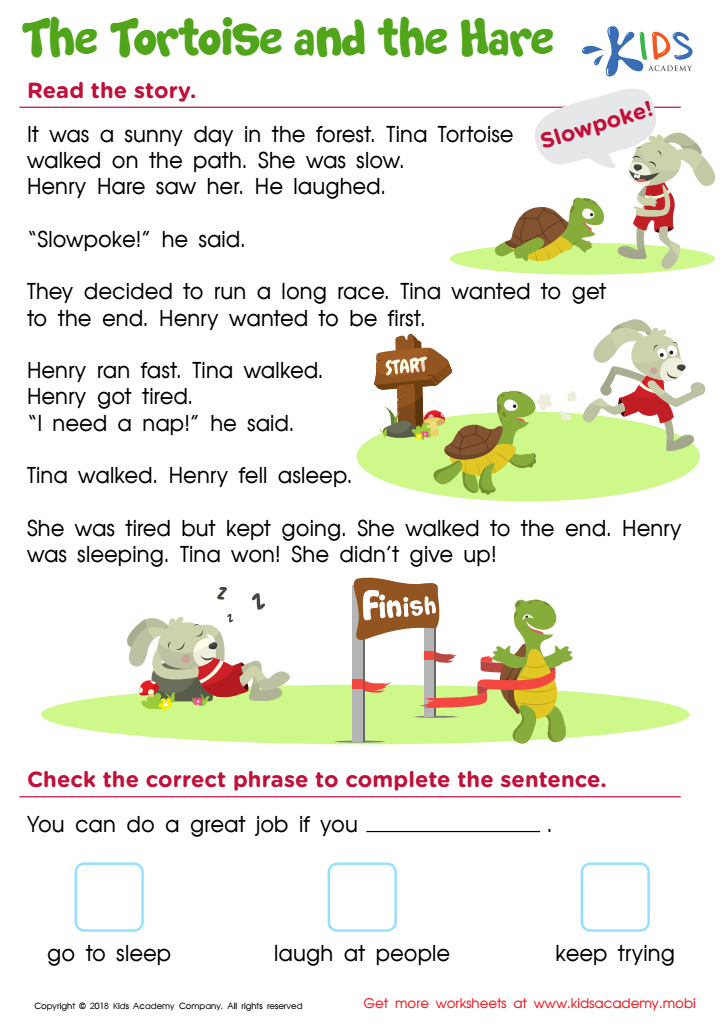
The Tortoise and the Hare Worksheet
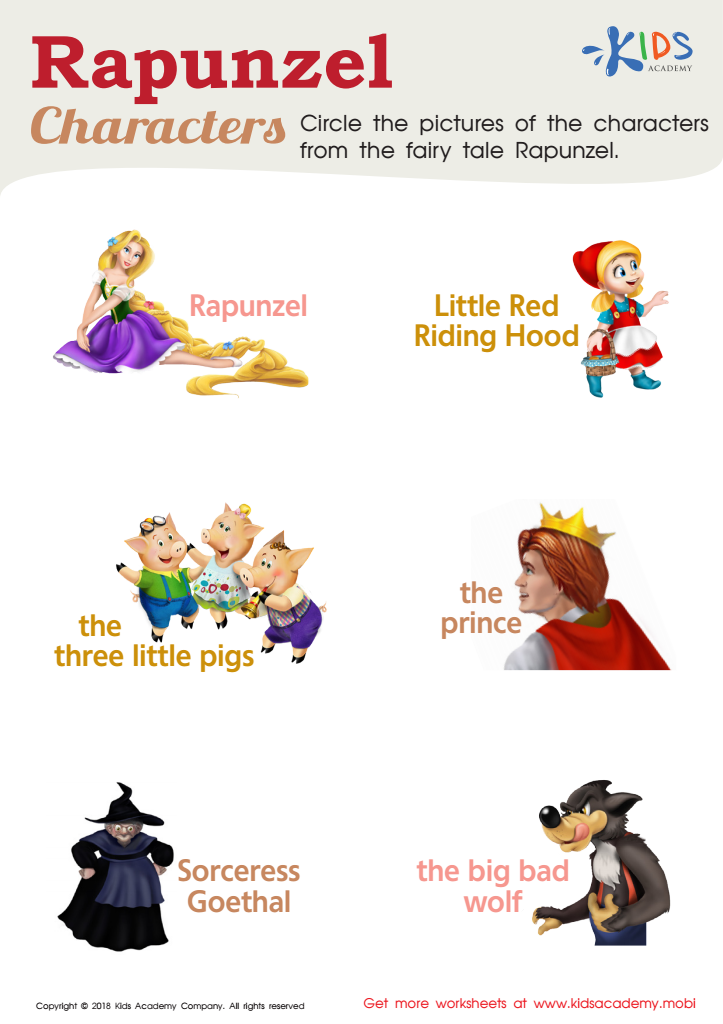
Rapunzel Characters Worksheet
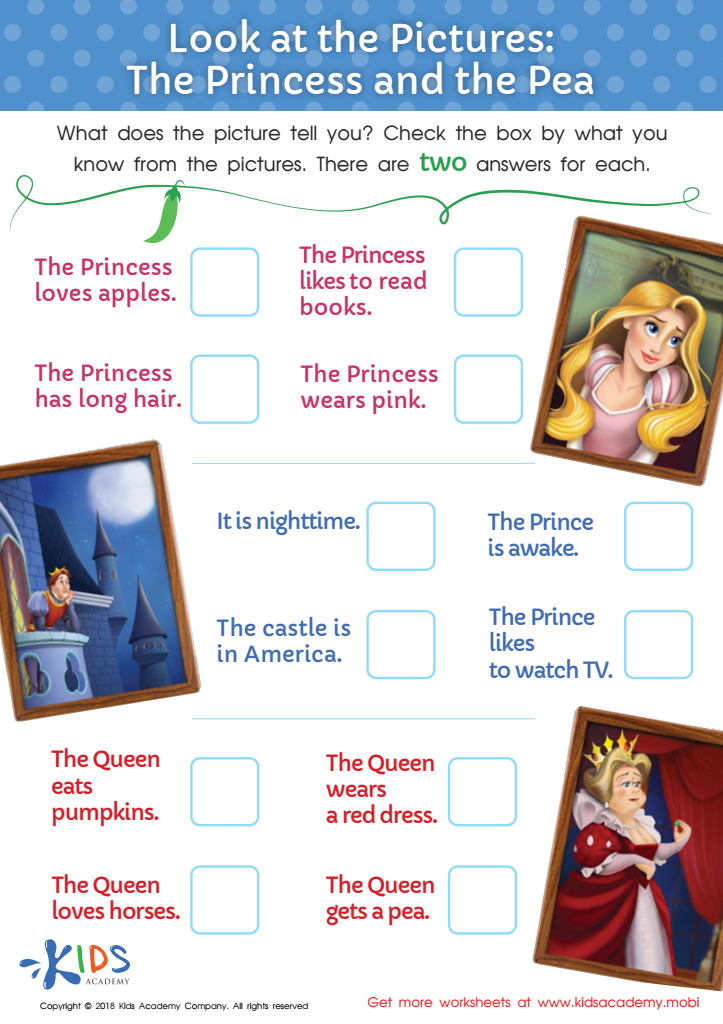
Look at the Pictures: The Princess and the Pea Worksheet
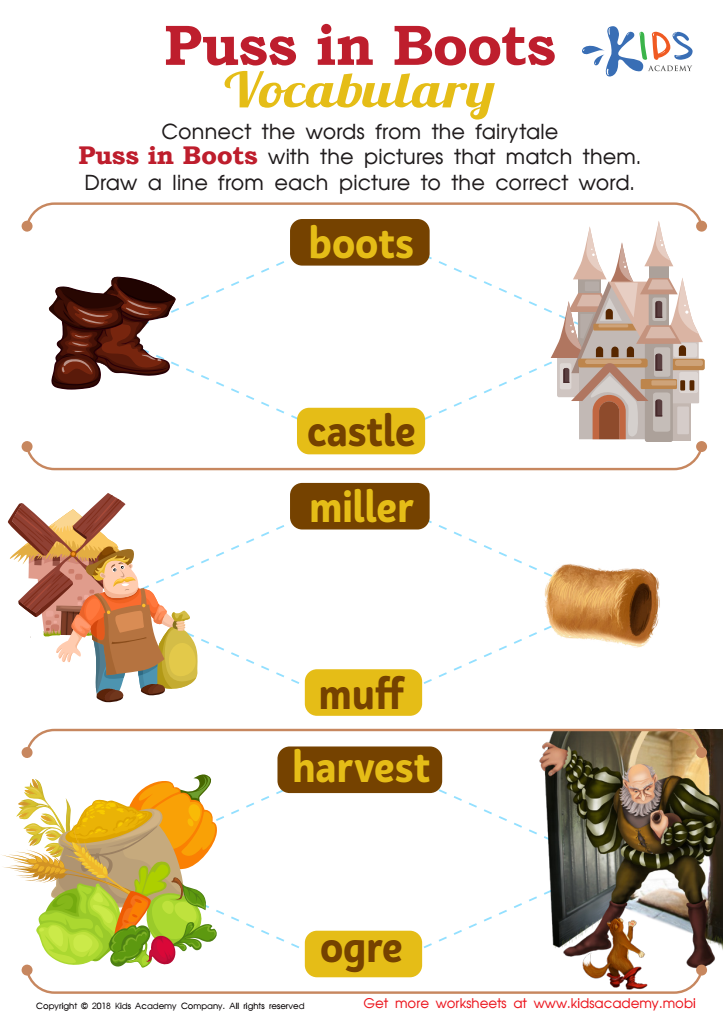
Puss in Boots Vocabulary Worksheet
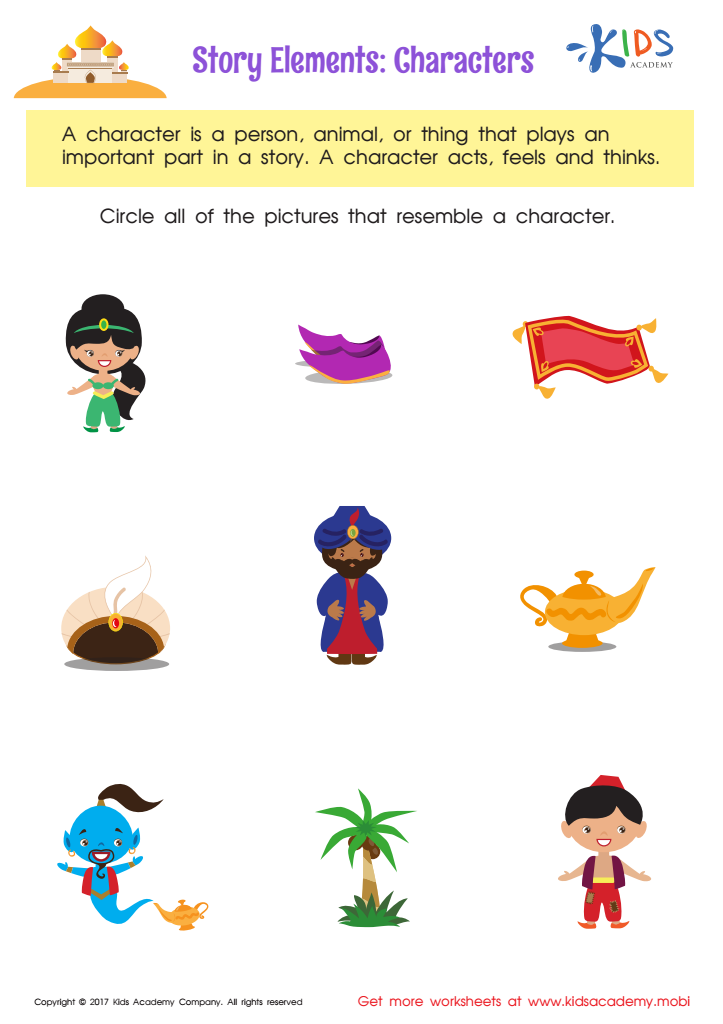
Story Elements Printable








Normal reading comprehension in early childhood (ages 3-6) is crucial for future academic success and overall development. At this stage, children's brains are highly receptive to language and literacy skills. When parents and teachers emphasize reading comprehension, they foster critical thinking, vocabulary development, and a love for learning. Children who understand what they read are more likely to develop strong reading habits and excel in later grades.
Moreover, reading comprehension builds the foundation for effective communication skills. Children learn to express their thoughts and ideas, enhancing their social interactions. Engaging children in discussions about stories encourages them to make predictions, summarize content, and infer meanings—skills that are vital beyond early education.
Incorporating reading comprehension activities prepares children for a variety of subjects and helps them navigate information effectively. When parents and educators promote understanding rather than mere memorization, children develop a deeper sense of curiosity and creativity.
Ultimately, reading comprehension at this young age nurtures a culture of literacy, equipping children with the tools they need to thrive academically and socially throughout their lives. Investing time and resources in early reading practices ultimately pays dividends for children’s lifelong learning journeys.