Normal Phonics Worksheets for Ages 3-7 - Page 7
161 filtered results
-
From - To
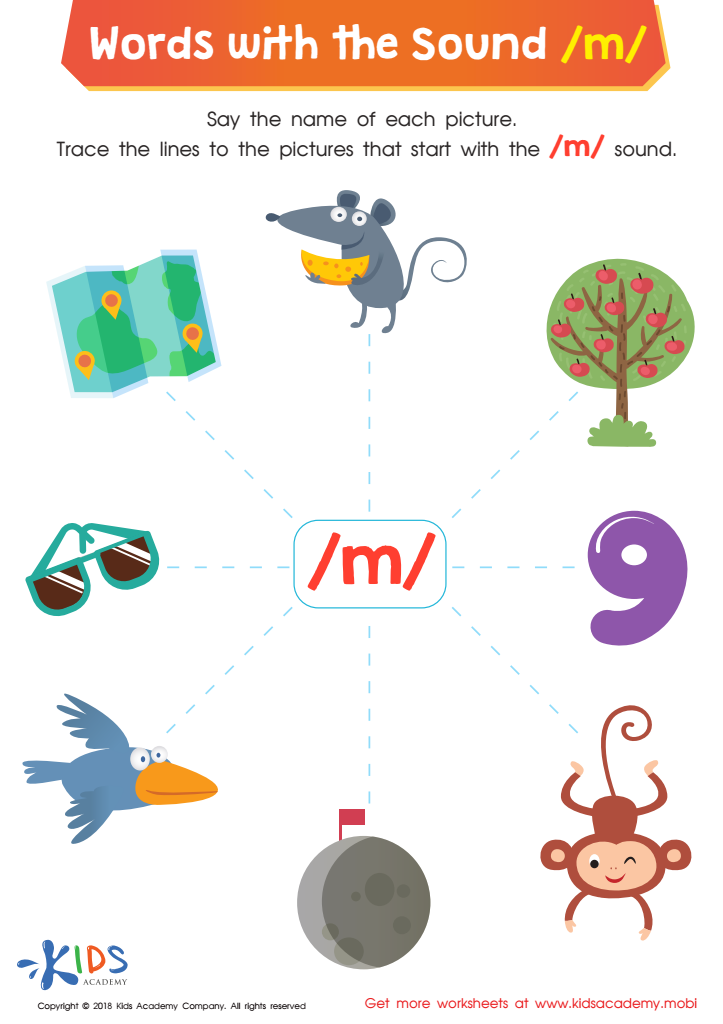
Words with Sound M Reading Worksheet
 Assign to My Students
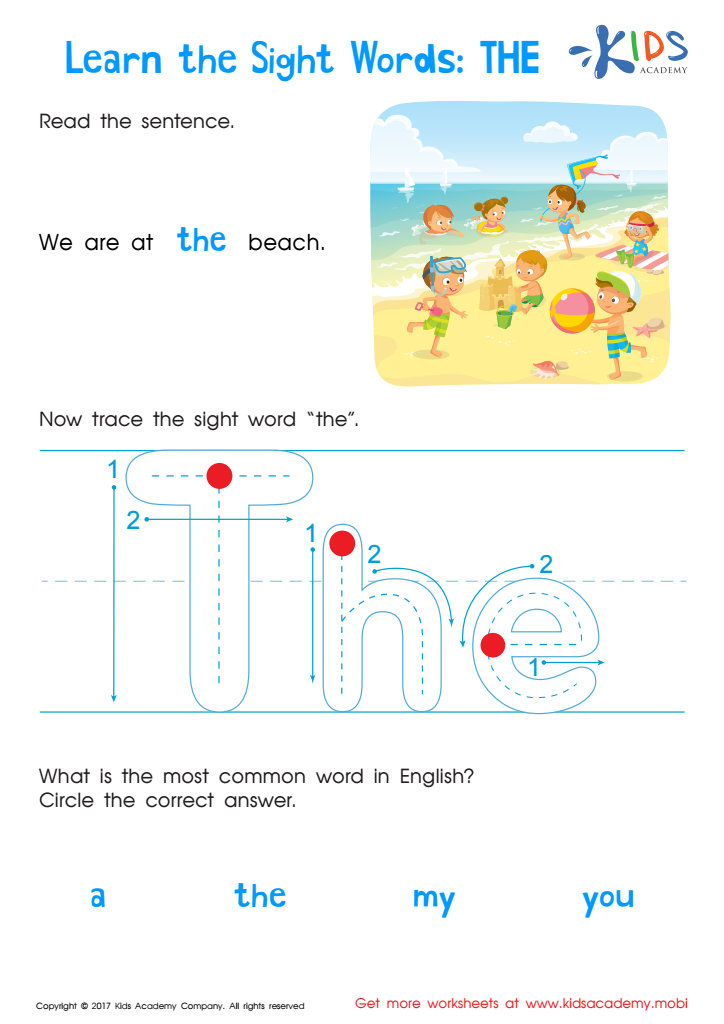
Sight Words: The Worksheet
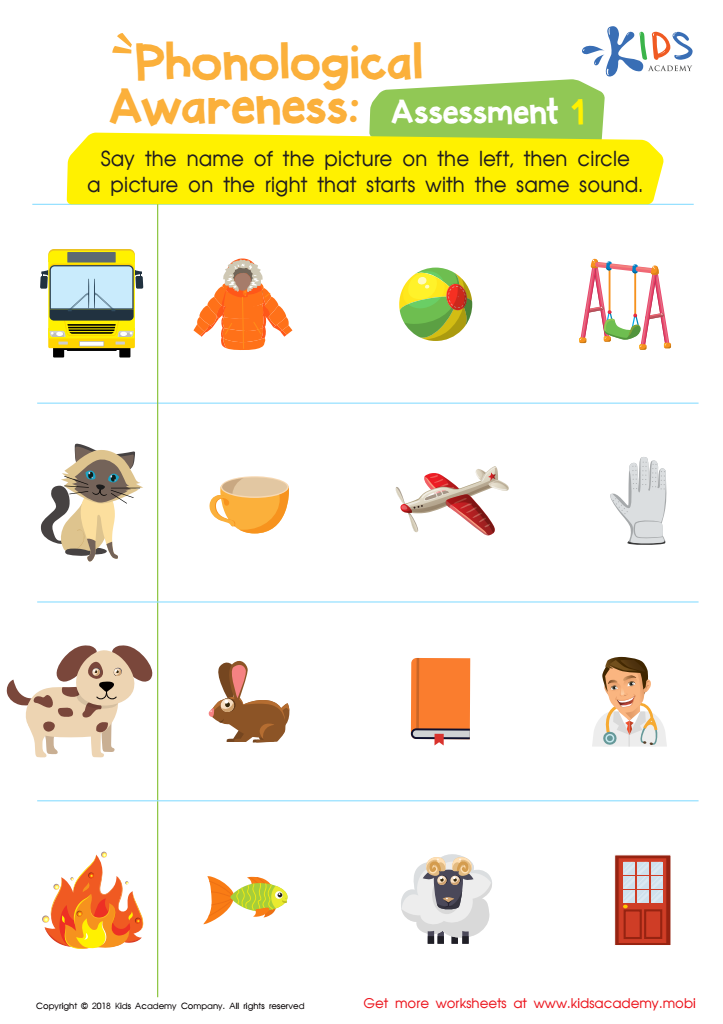
Phonological Awareness: Assessment 1 Worksheet
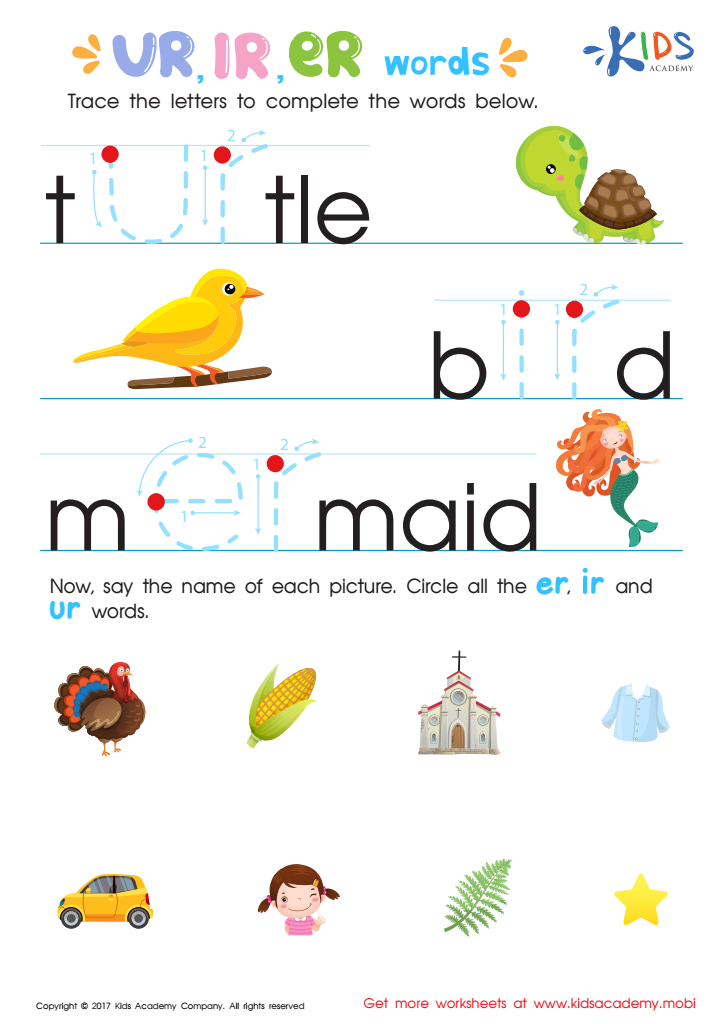
IR UR ER Words Worksheet
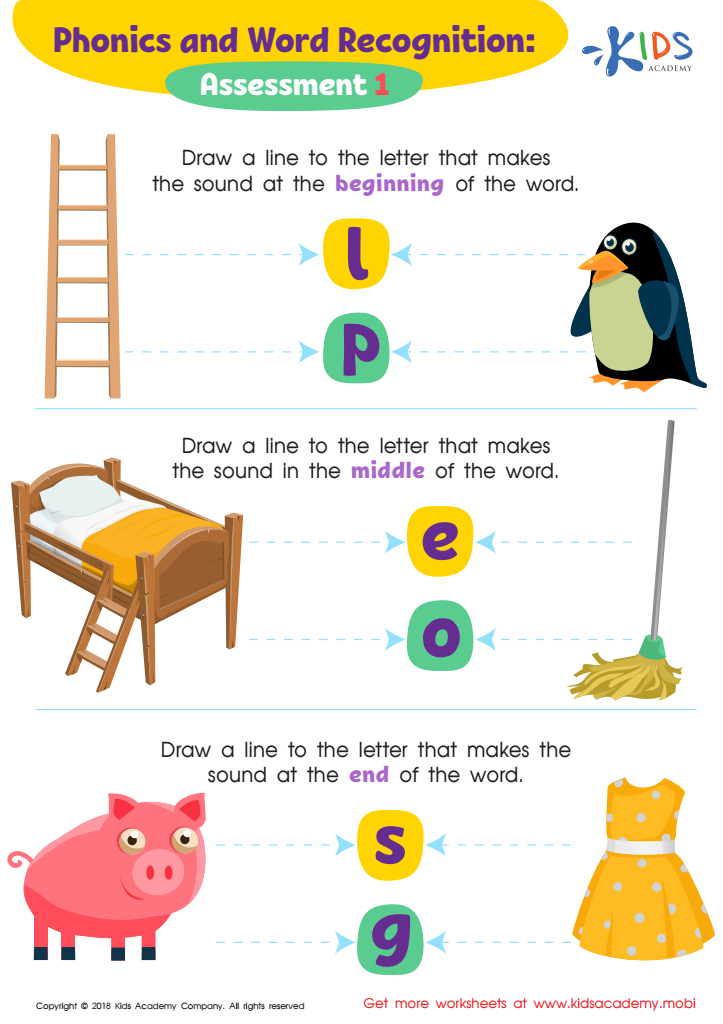
Phonics and Word Recognition: Assessment 1 ELA Worksheet
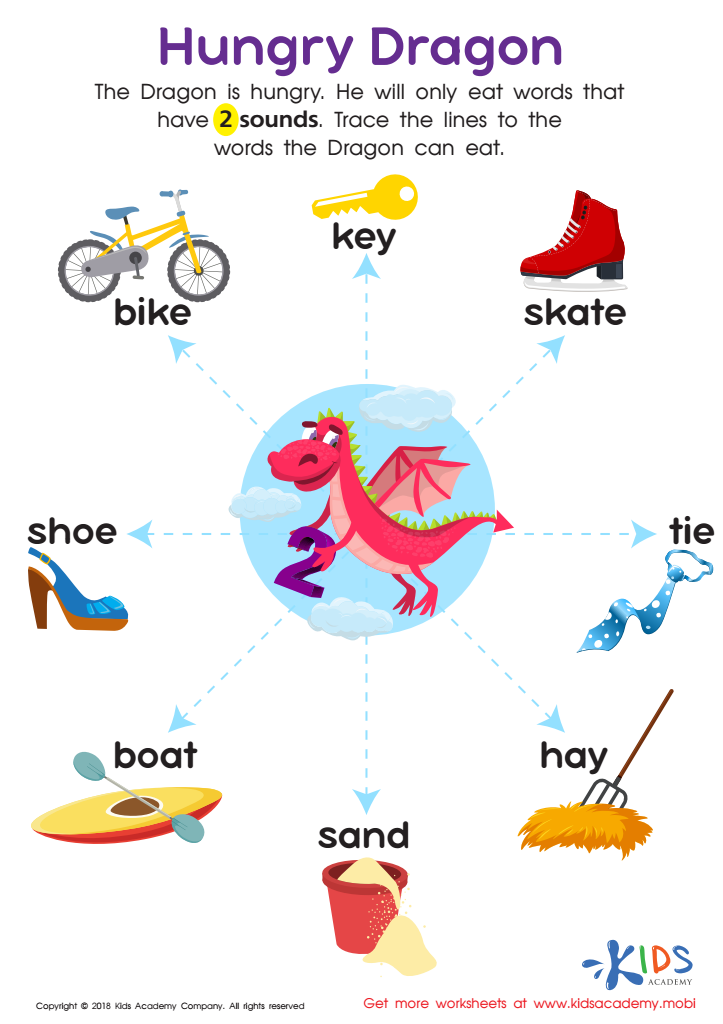
Hungry Dragon Worksheet
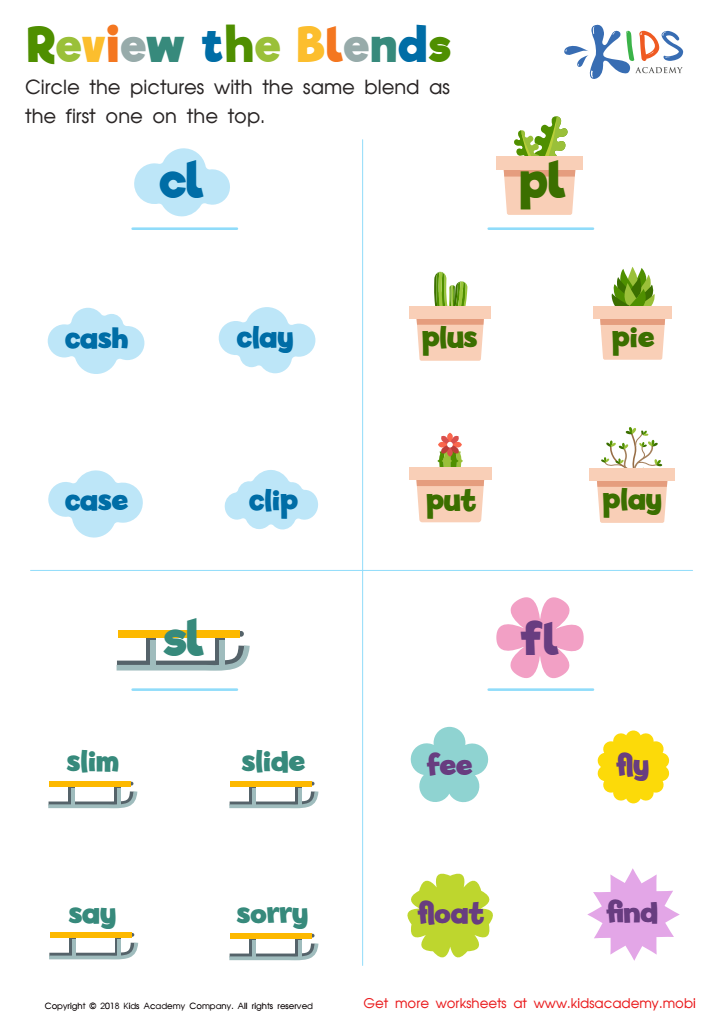
Review the Blends Worksheet
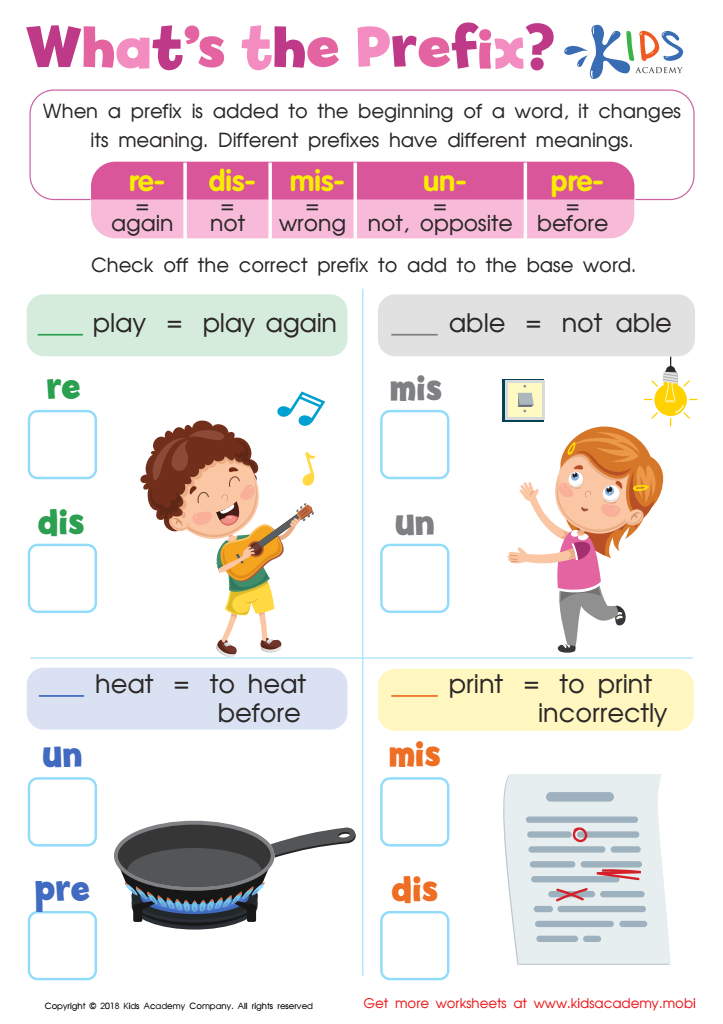
Reading: What Is the Prefix Worksheet
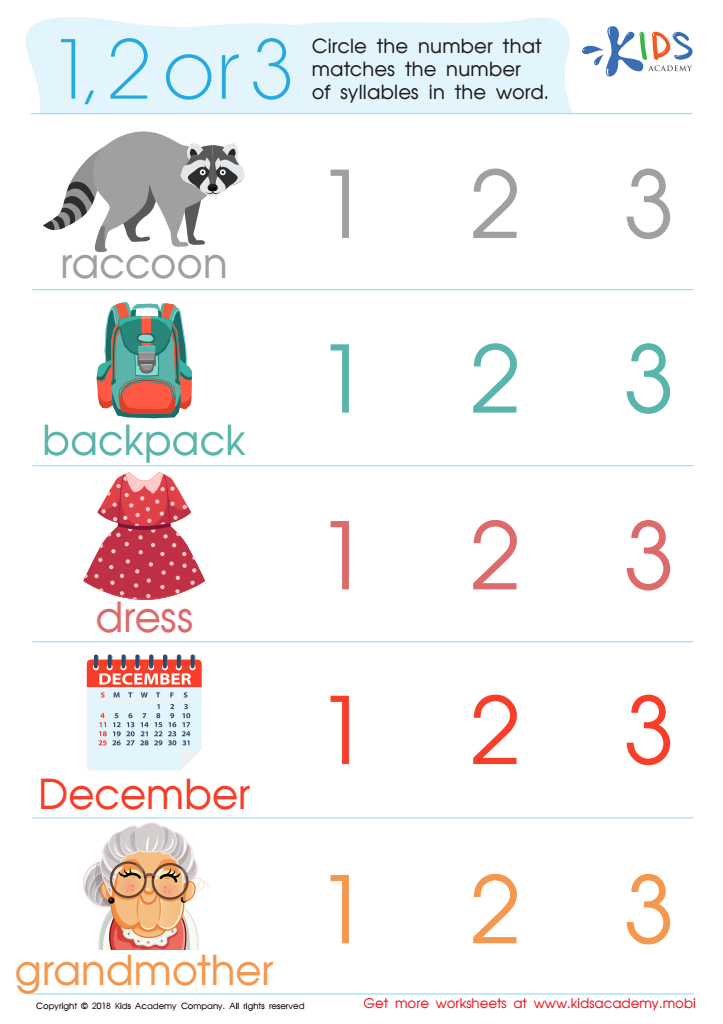
1, 2 or 3? Worksheet
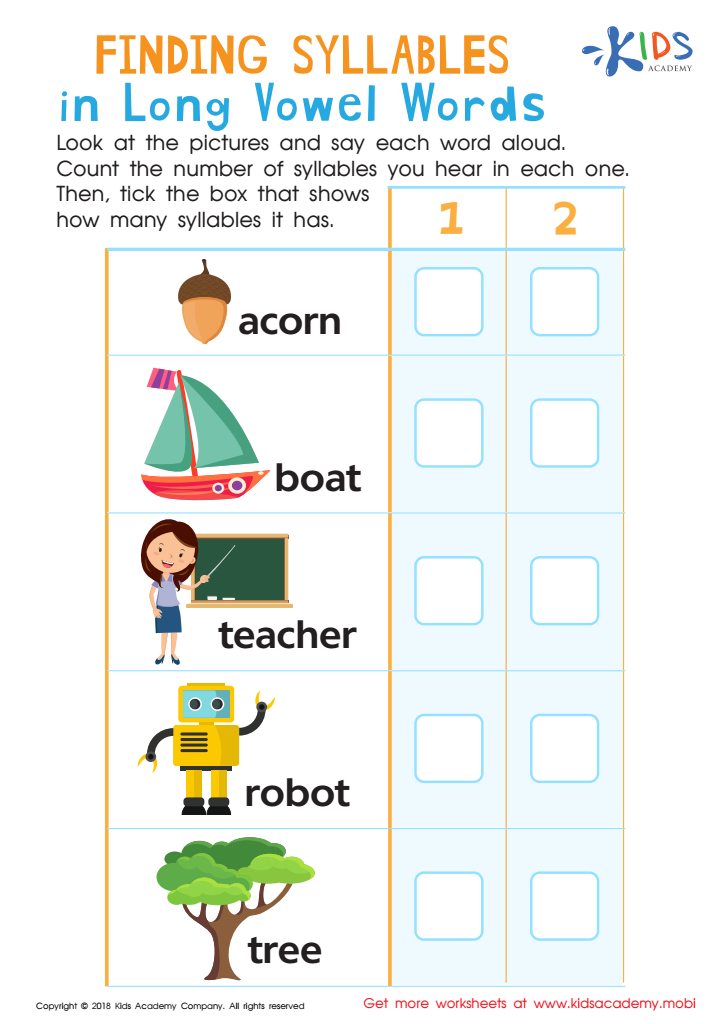
Finding Syllables in Long Vowel Words Worksheet
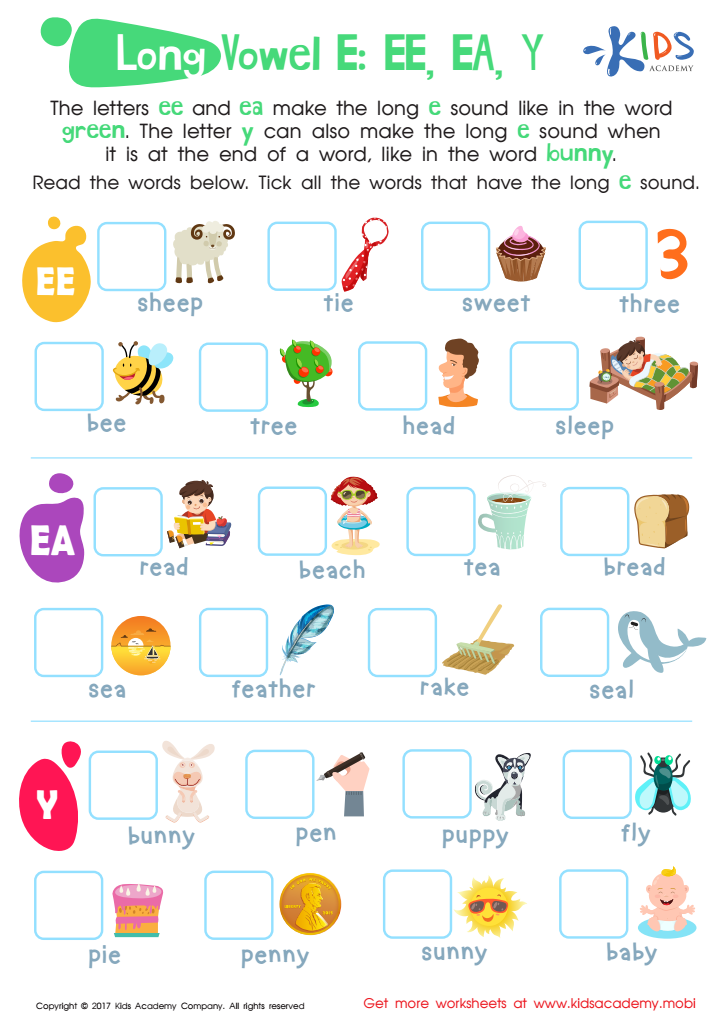
Long Vowel E Printable
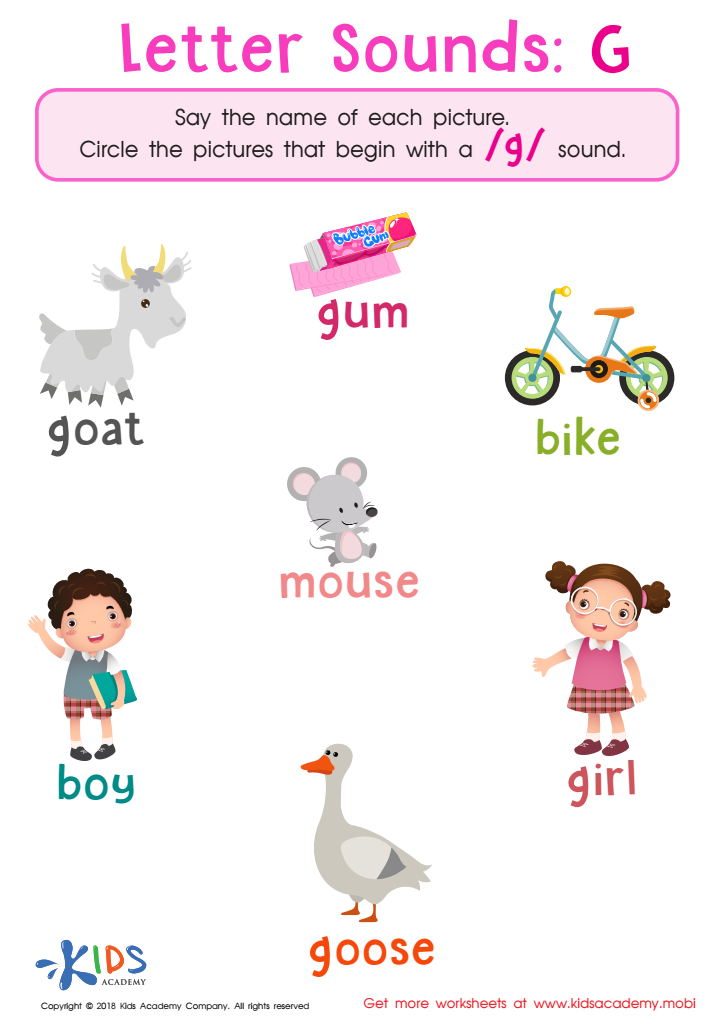
Letter G Sounds Worksheet
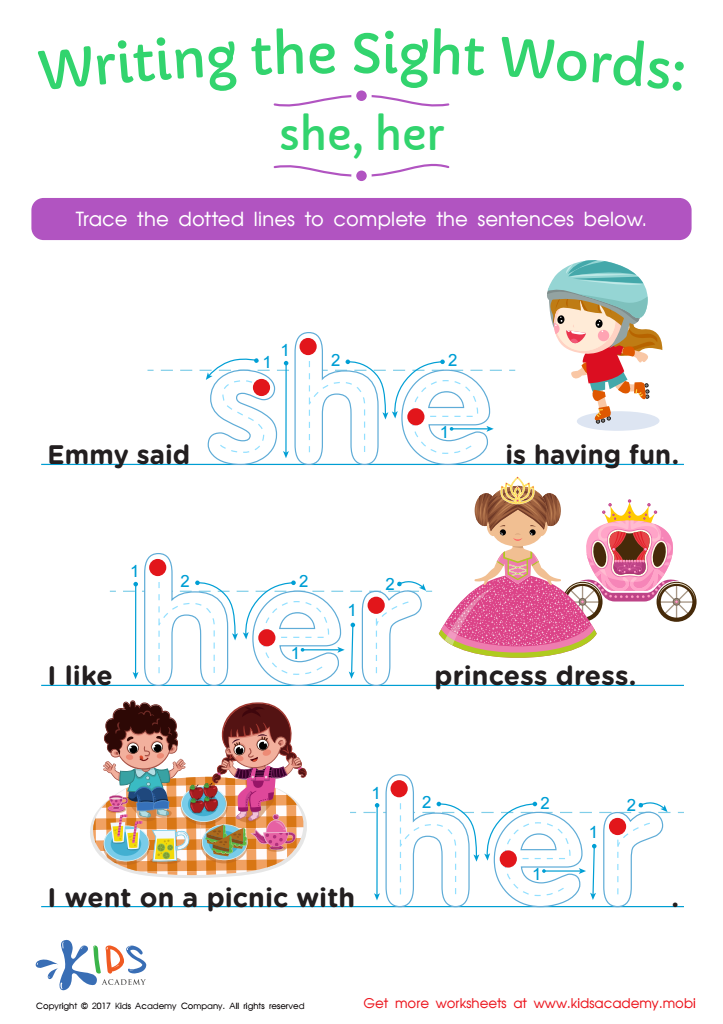
She, Her Printable Sight Words Worksheet
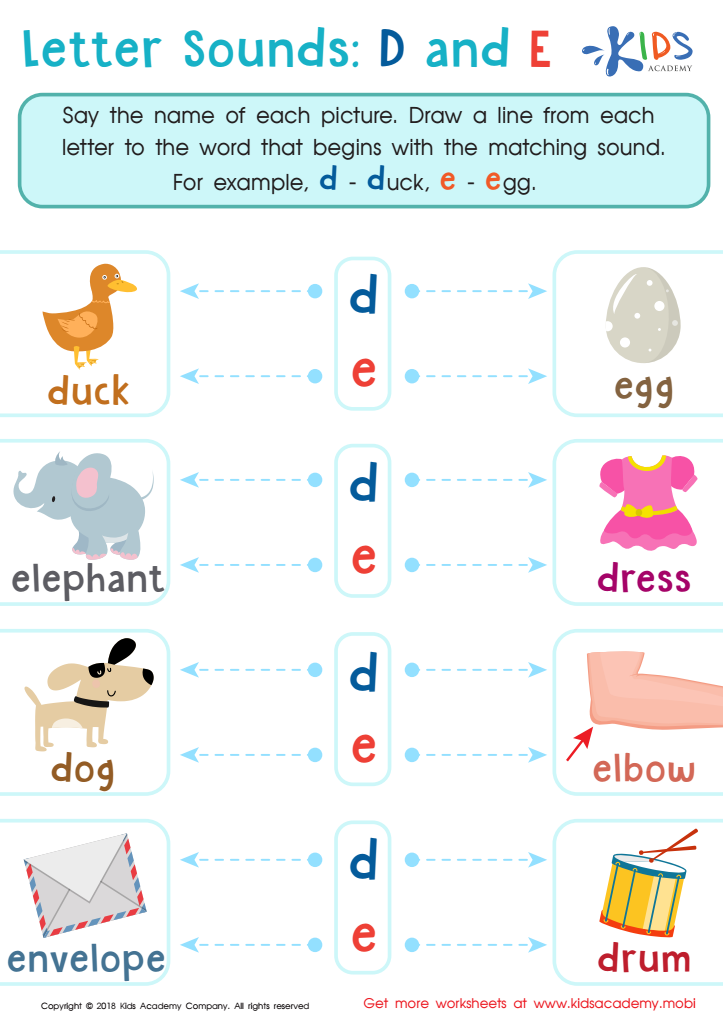
Letter D and E Sounds Worksheet
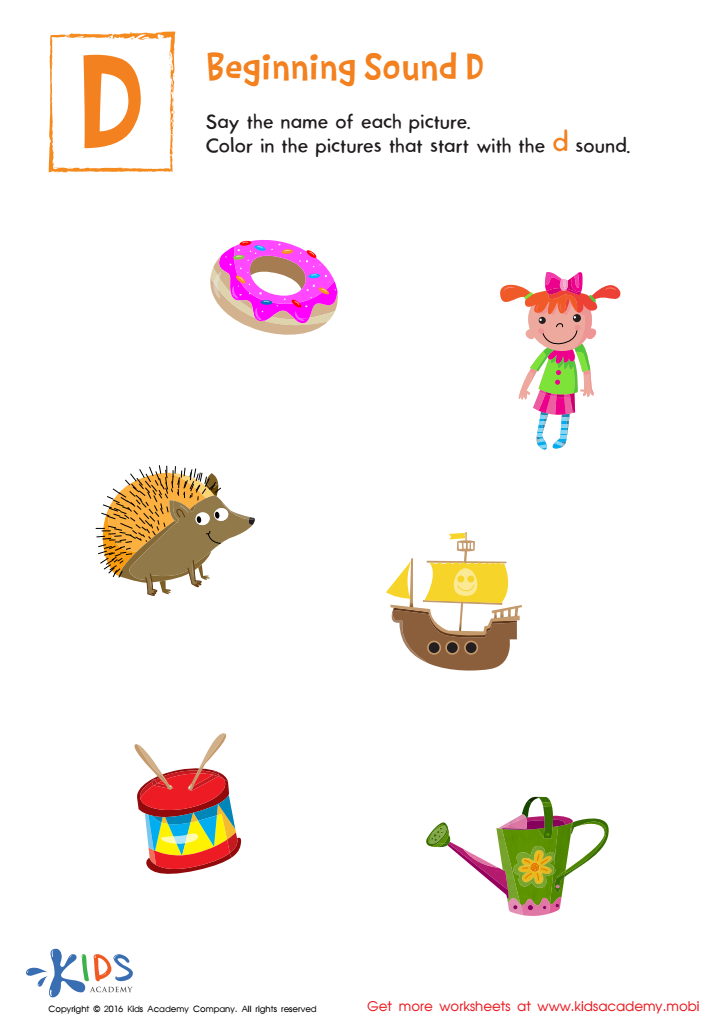
Beginning Sound D Worksheet
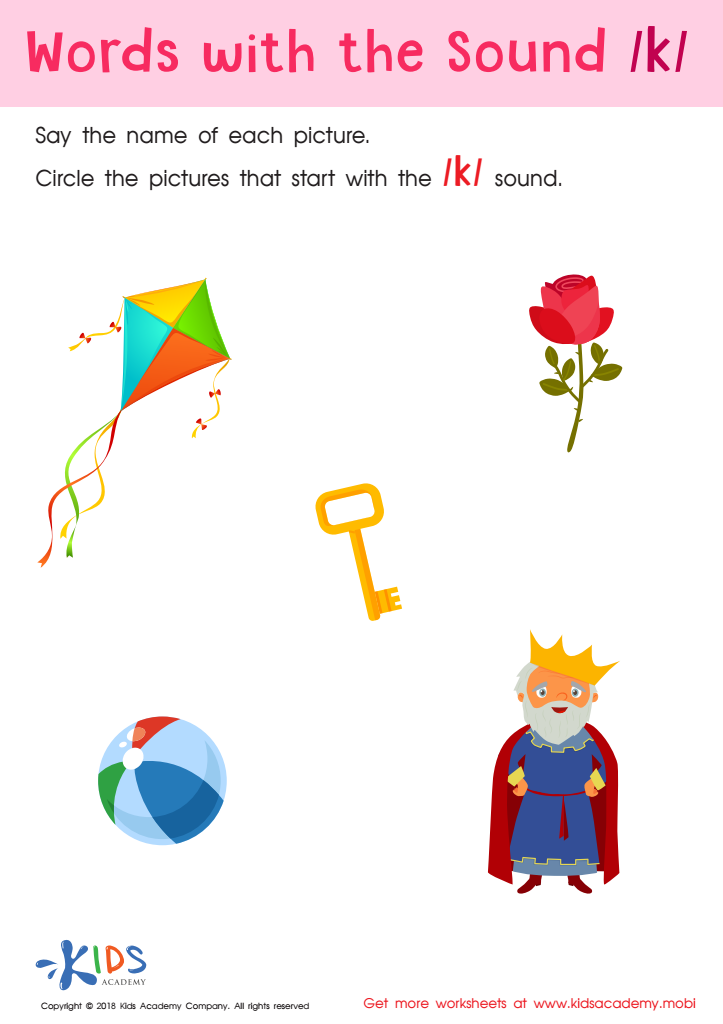
Words with sound k Reading Worksheet








Understanding and embracing Normal Phonics for ages 3-7 is crucial for both parents and teachers as it lays the foundational framework for literacy and language development. Phonics is the systematic approach to teaching reading by correlating sounds with letters or groups of letters. During ages 3-7, children's brains are particularly receptive to language acquisition, making it an optimal period to introduce phonics.
For parents, ensuring that children are proficient in phonics can dramatically influence their ability to decode new words, boost their reading fluency, and improve comprehension skills. When children recognize the relationship between sounds and letter patterns, they become more confident readers who are equipped to tackle increasingly complex texts.
Teachers will find that phonics instruction aligns with curriculum standards and helps identify early readers and struggling learners accurately. Integrating phonics into the classroom provides a structured, evidence-based method that caters to various learning styles, thereby creating an inclusive educational environment.
Both parents and teachers play a pivotal role in reinforcing phonics skills at home and in school, respectively. The collaborative effort ensures a consistent approach to learning, turning reading into a joyful and rewarding experience for children, thereby setting the stage for lifelong academic and personal success.







