Normal Place Value Worksheets for Ages 3-7 - Page 2
37 filtered results
-
From - To
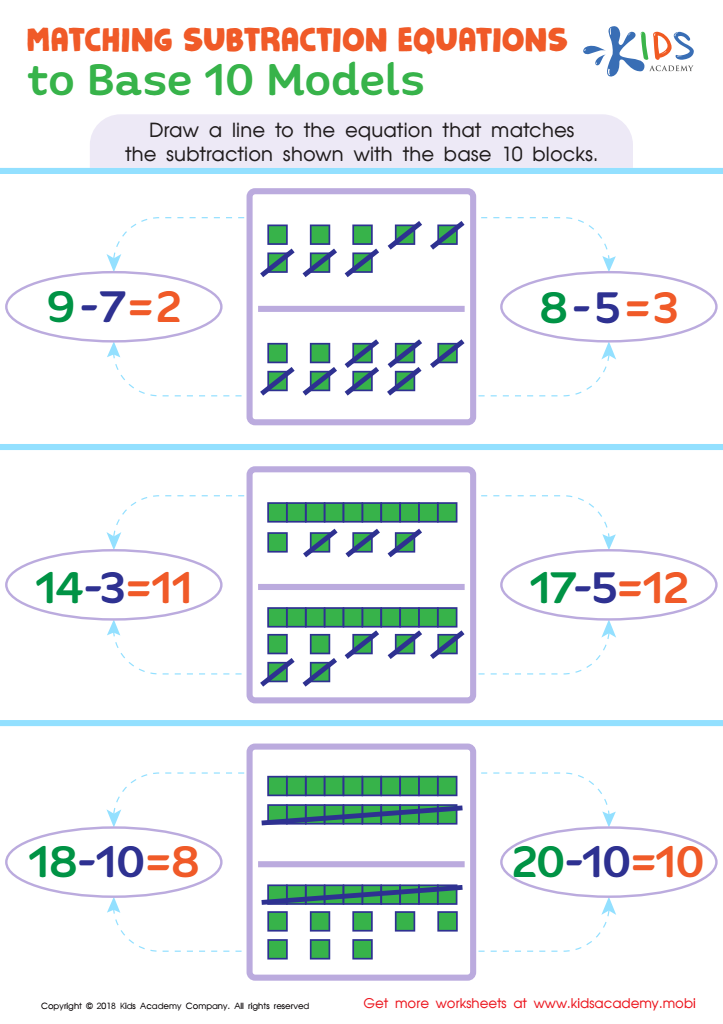
Matching Subtraction Equations To Base 10 Models Worksheet
 Assign to My Students
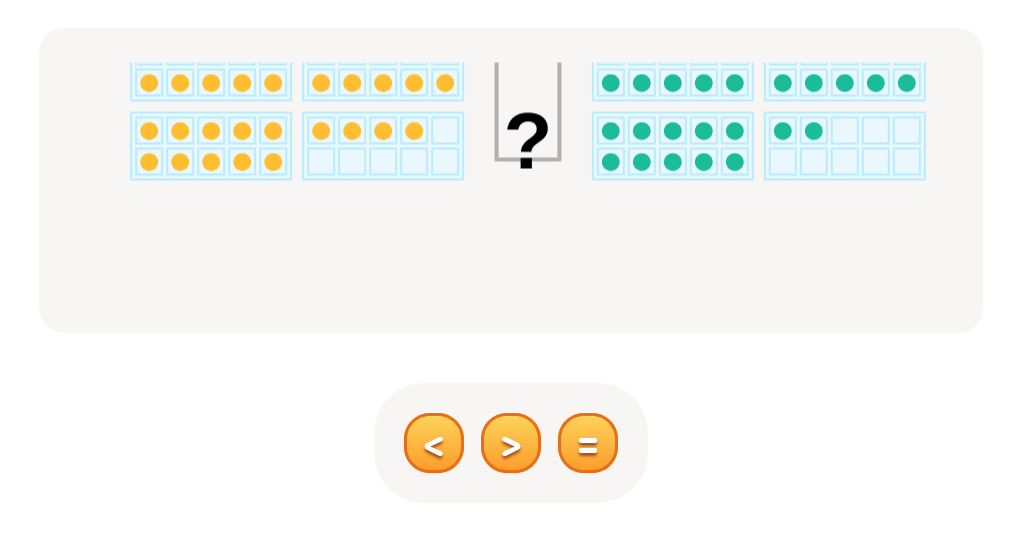

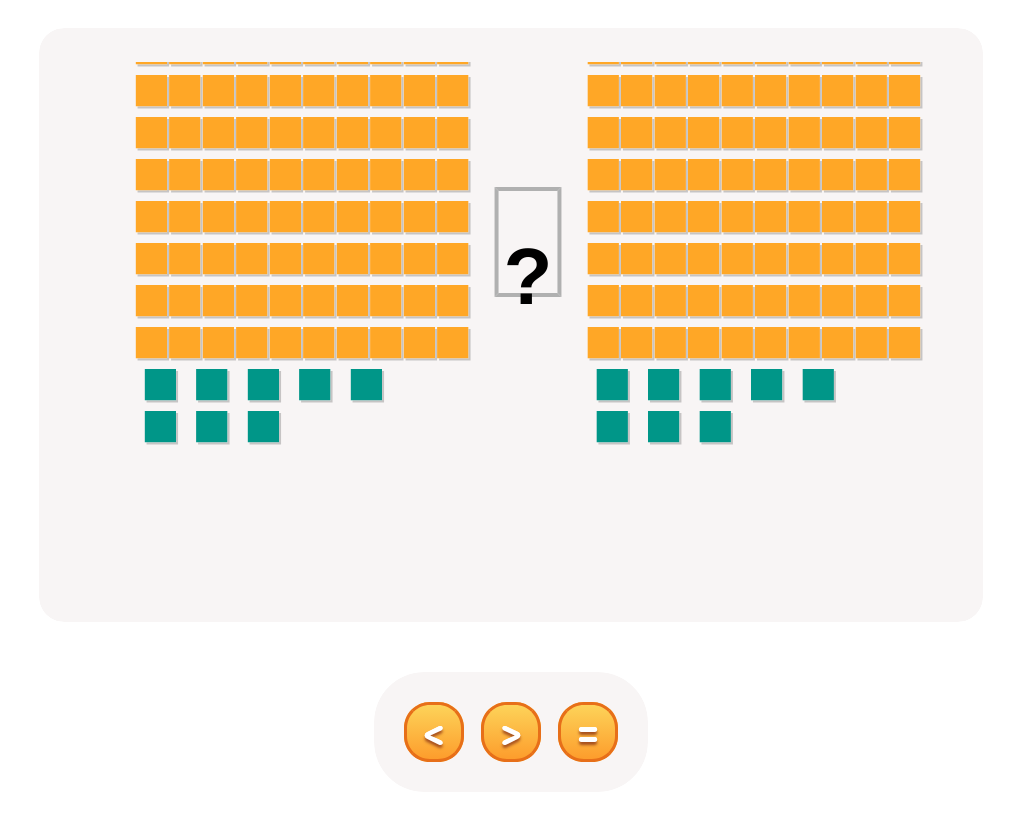
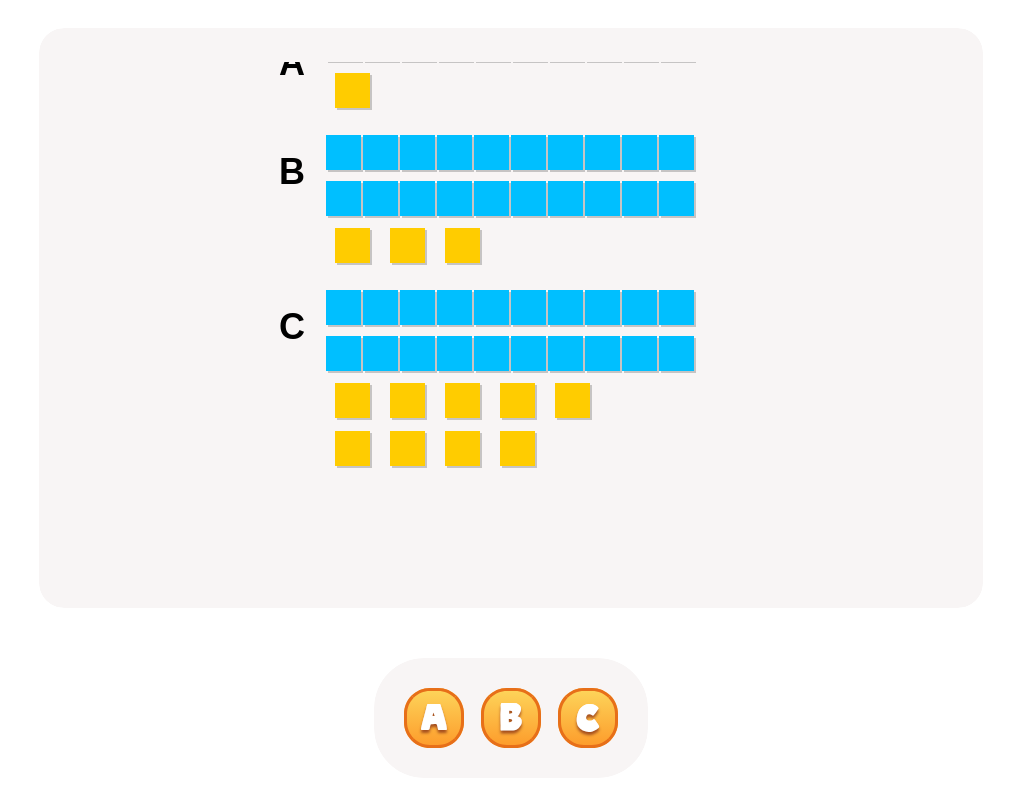
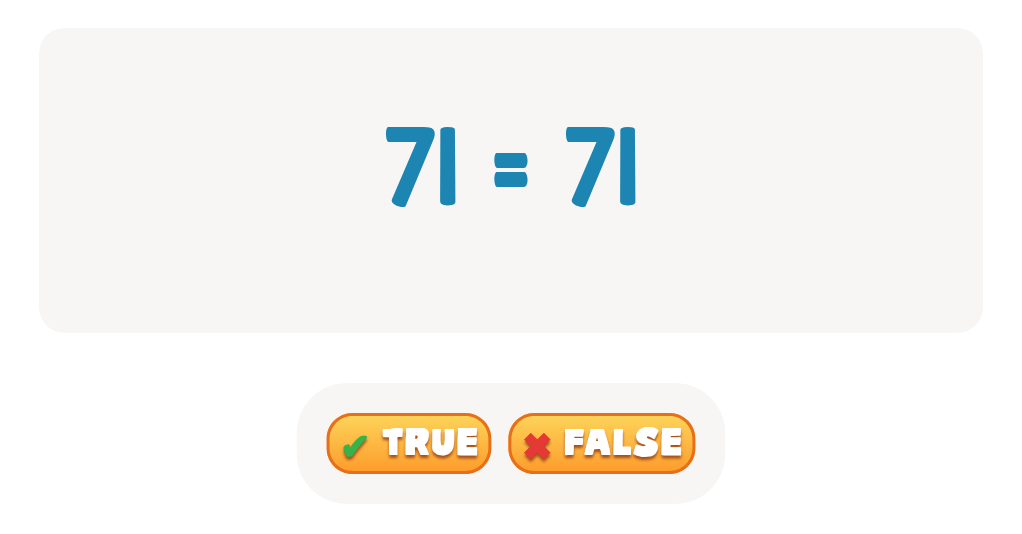
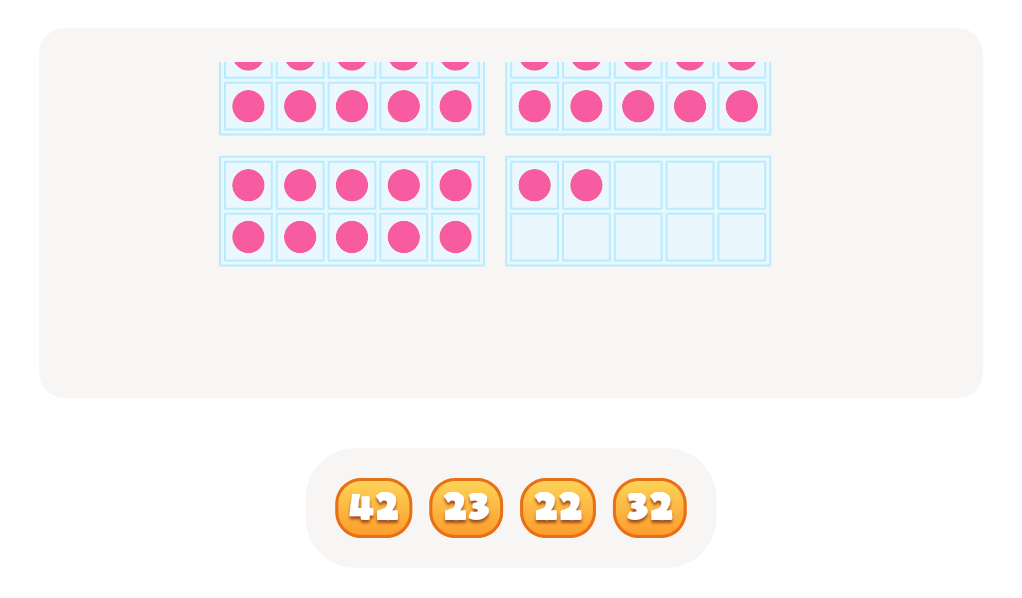
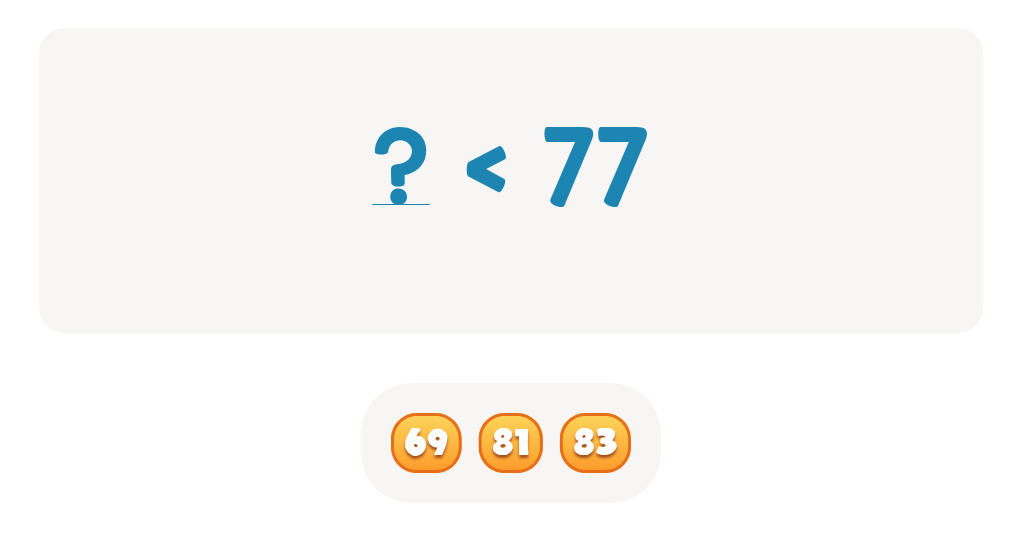
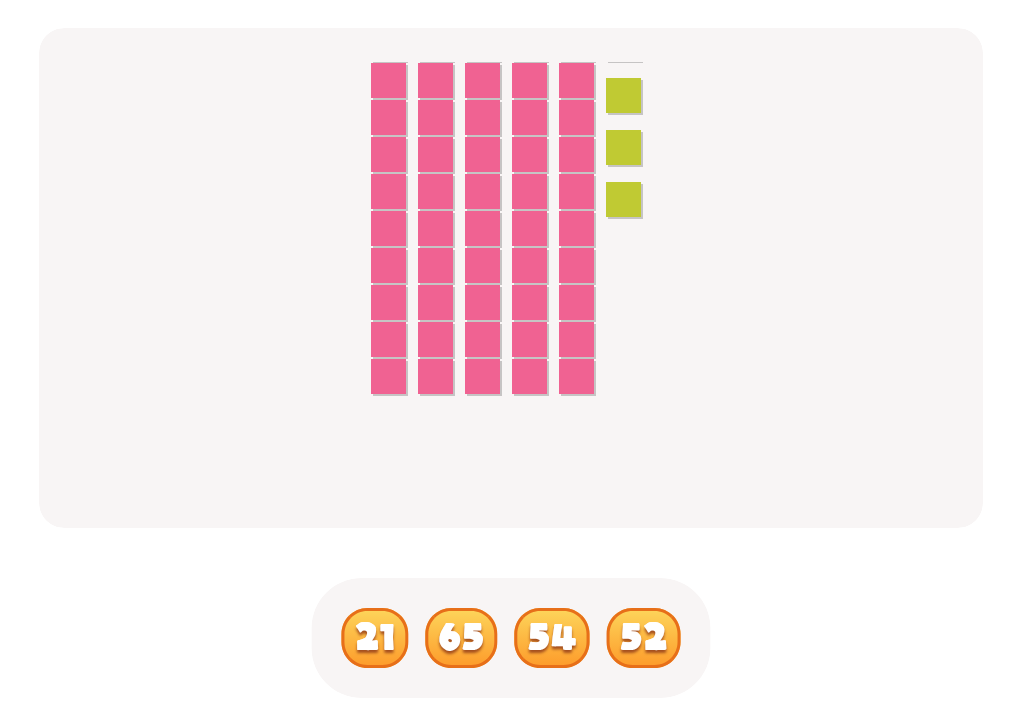
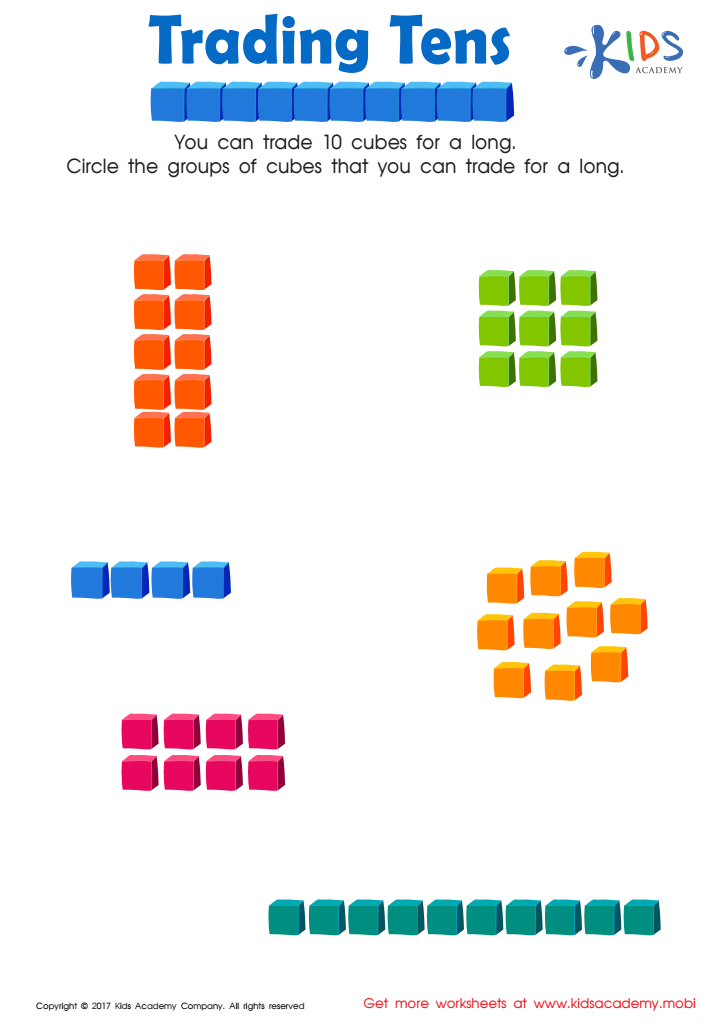
Trading Tens Worksheet
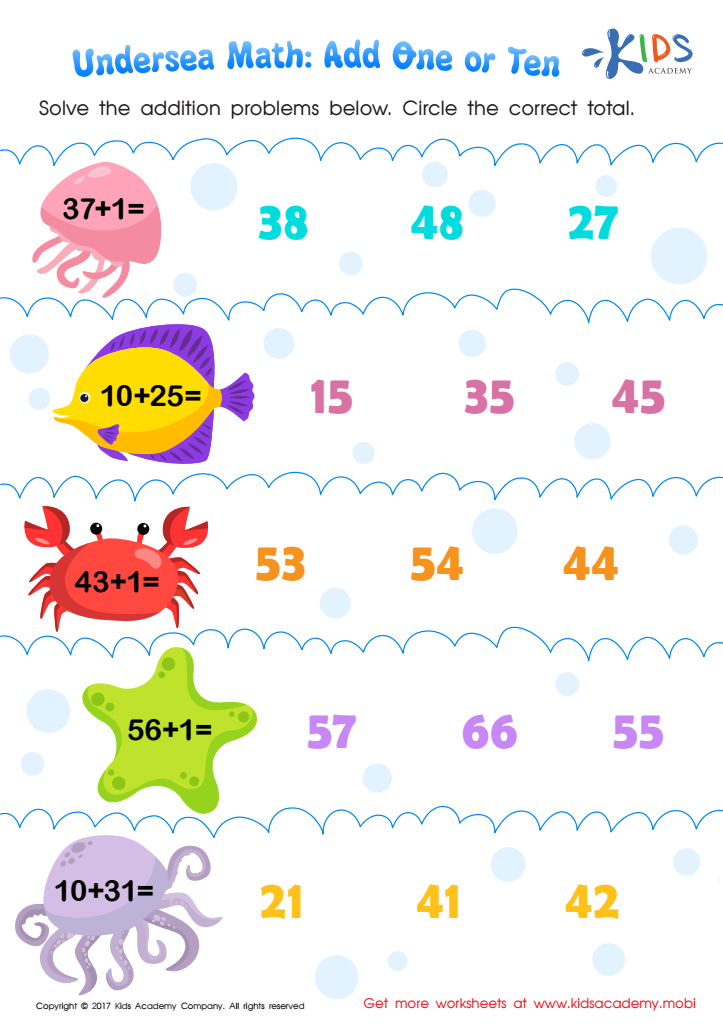
Undersea Math Worksheet
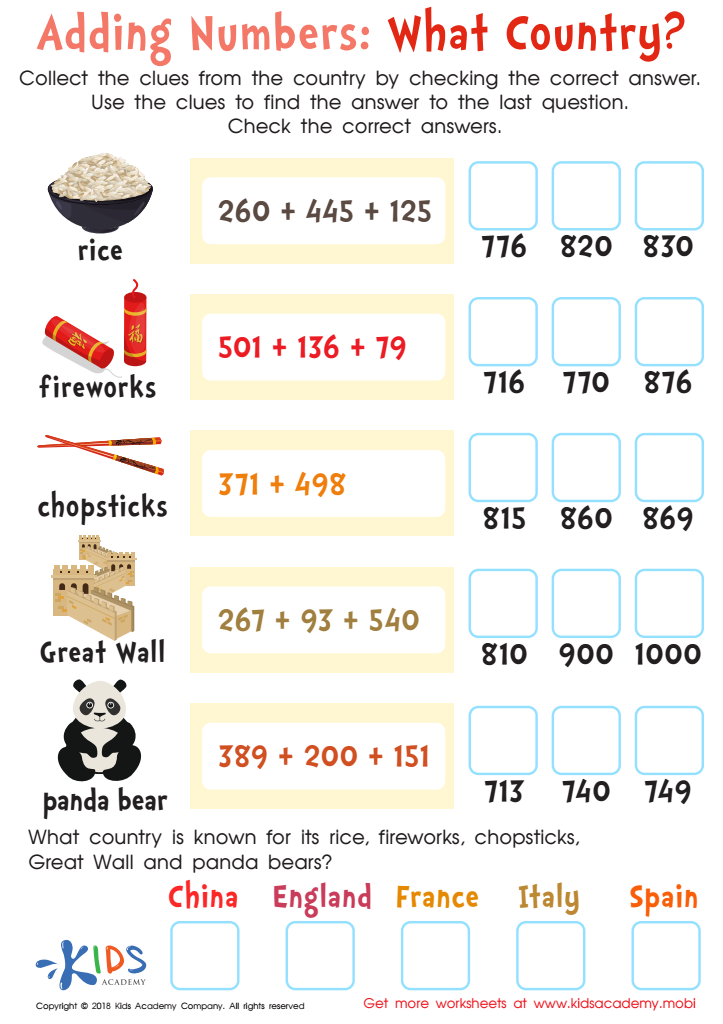
Adding Numbers: What Country Worksheet
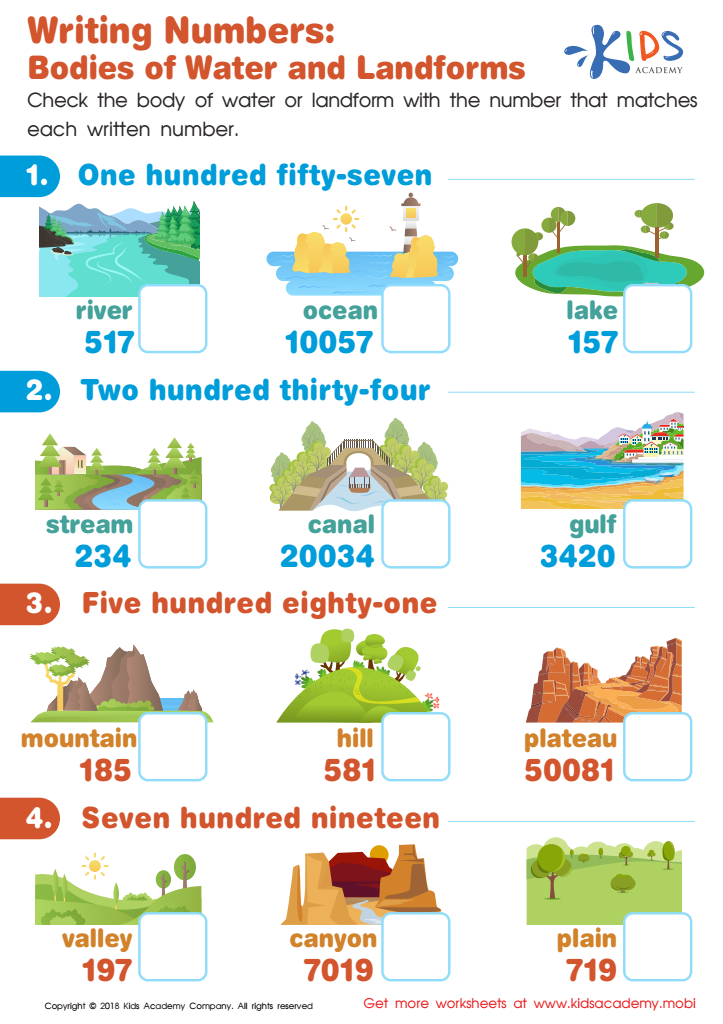
Bodies of Water and Landforms Writing Numbers Worksheet
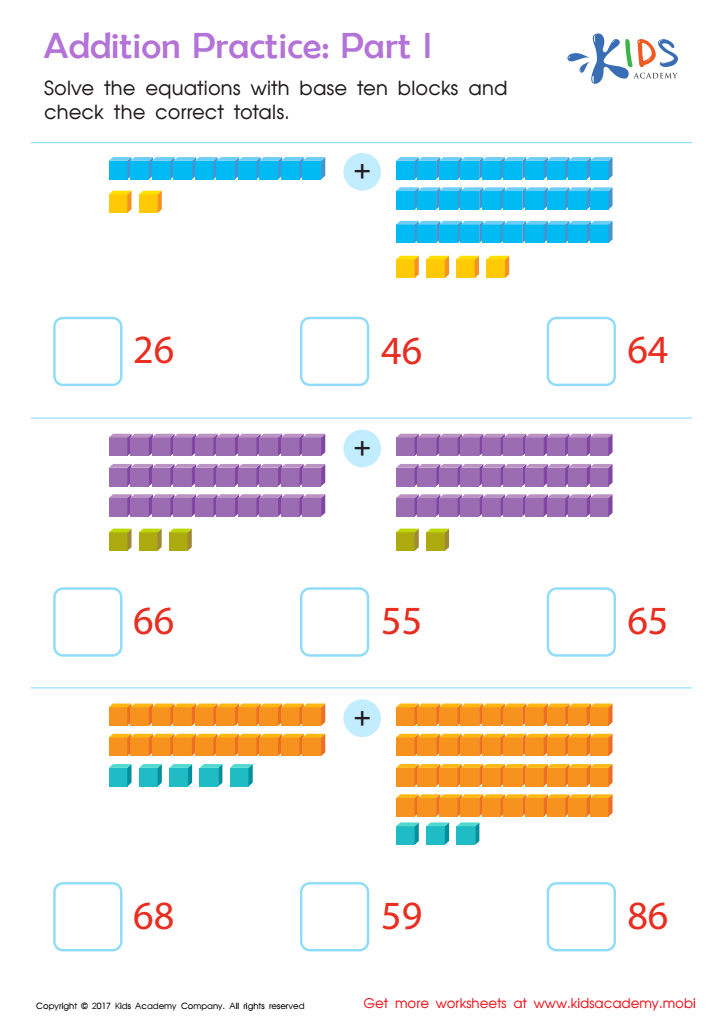
Addition Practice Sheet: Part 1
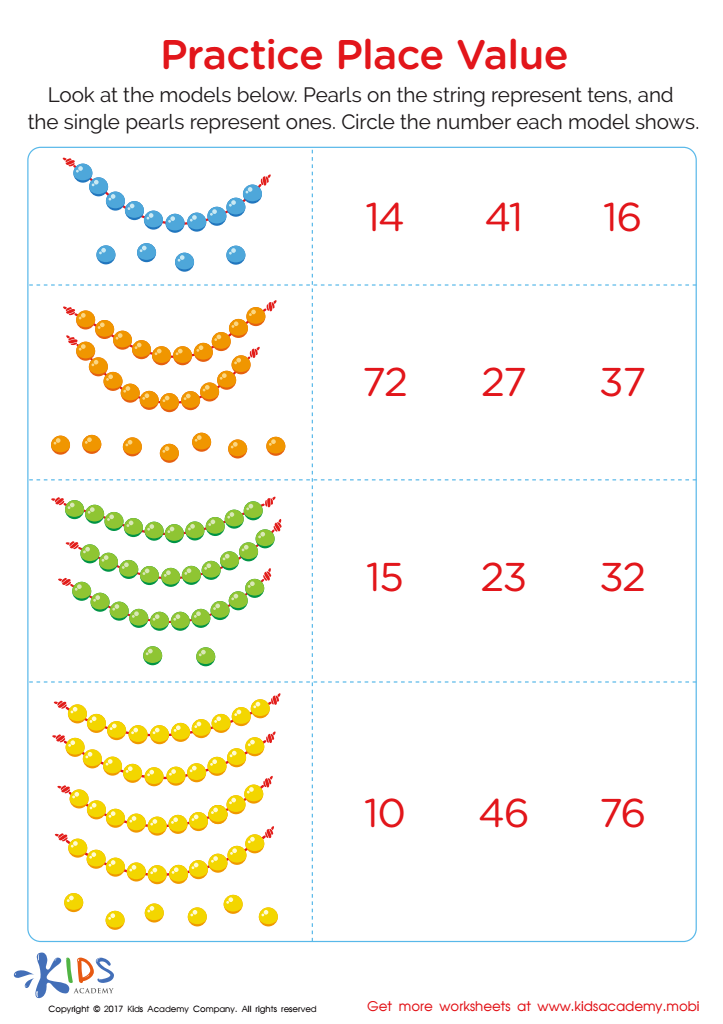
Practice Place Value Printable
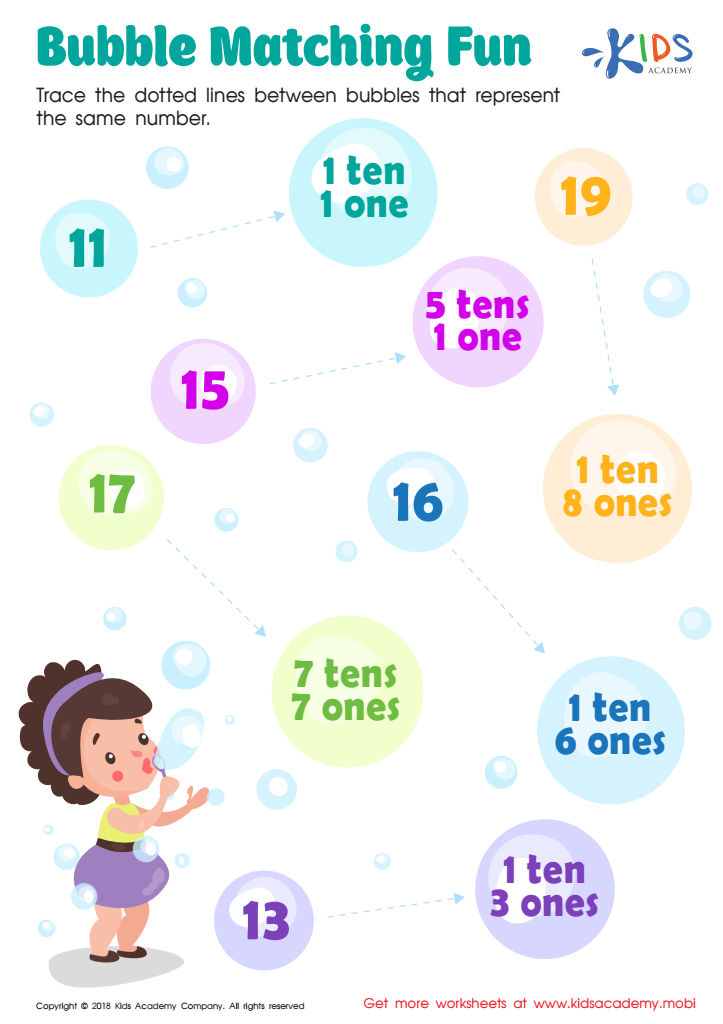
Bubble Matching Fun Worksheet
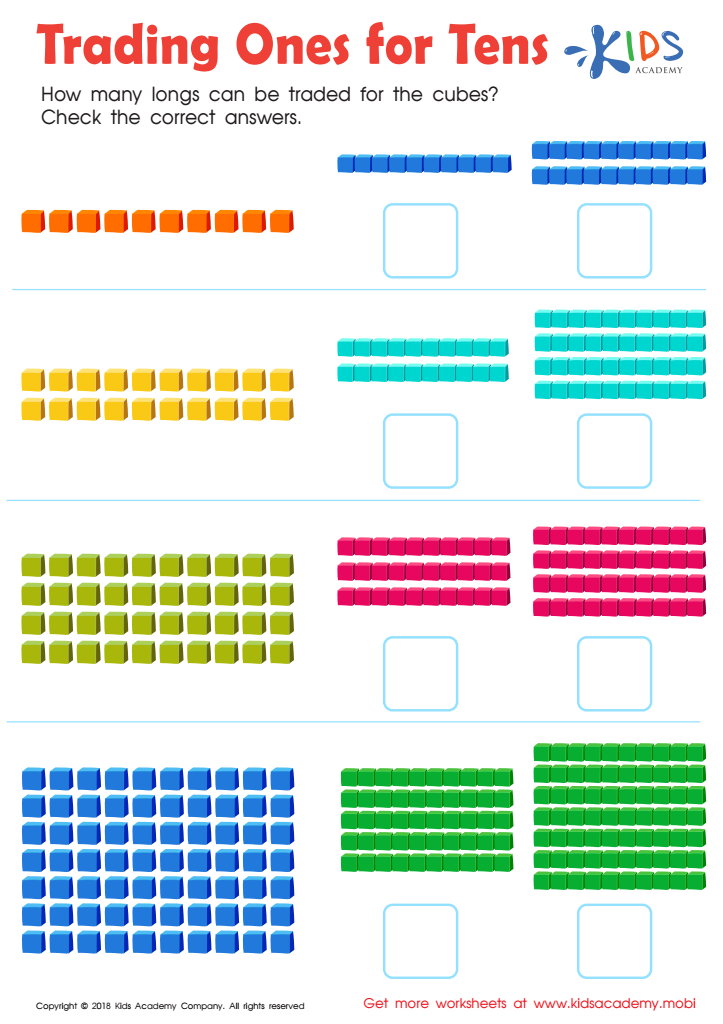
Trading Ones for Tens Worksheet: Part 2
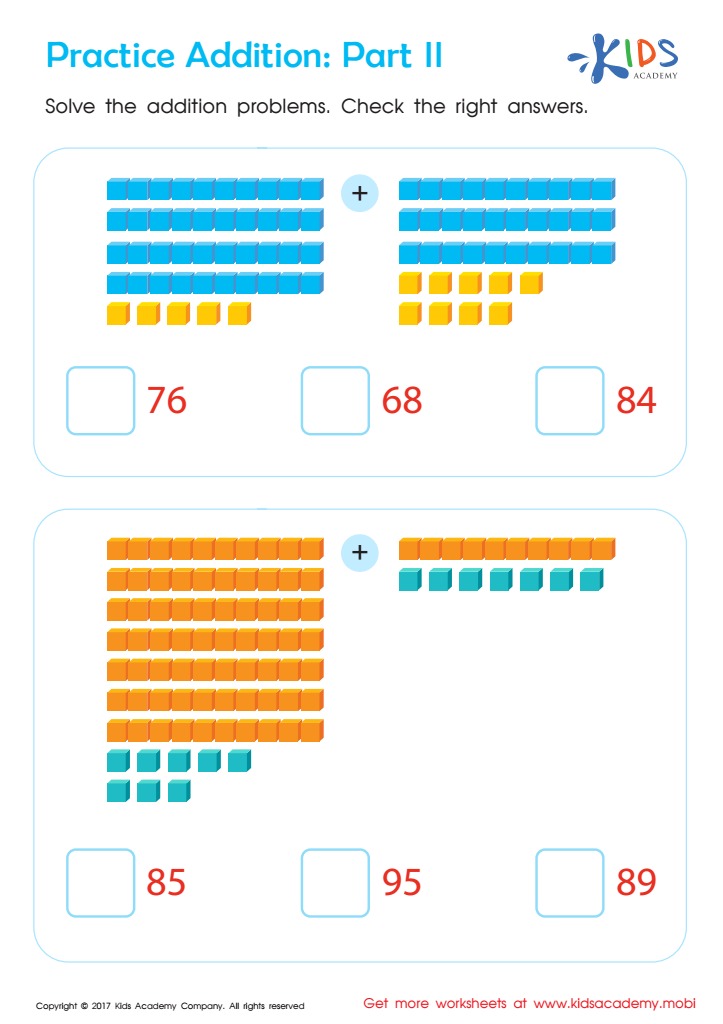
Practice Addition: Part 2 Worksheet
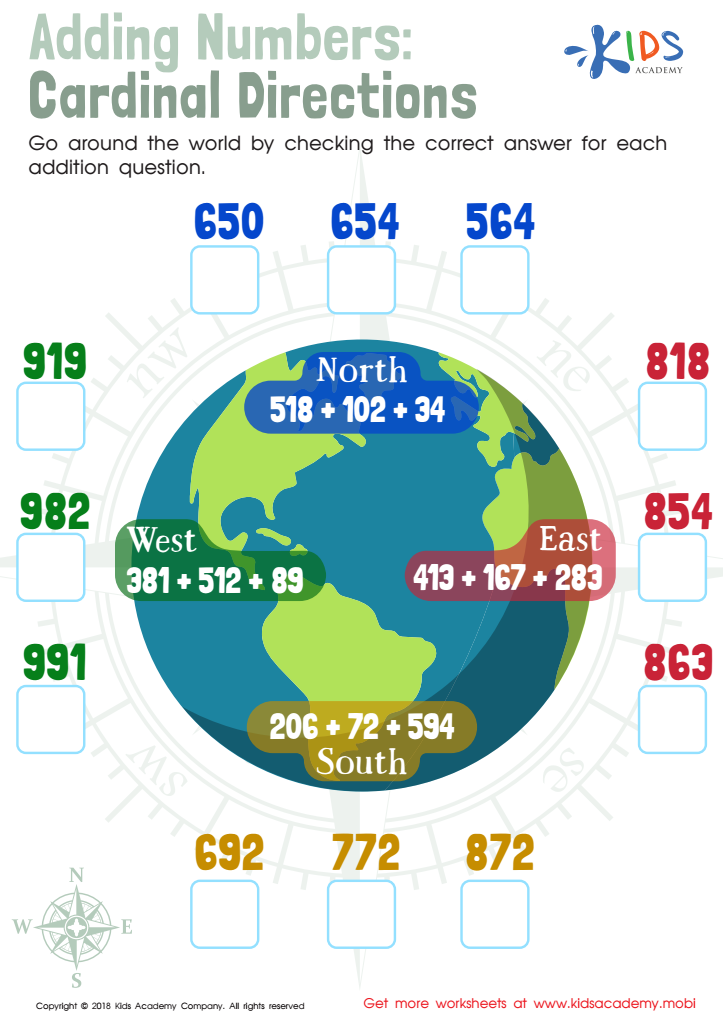
Adding Numbers: Cardinal Directions Worksheet
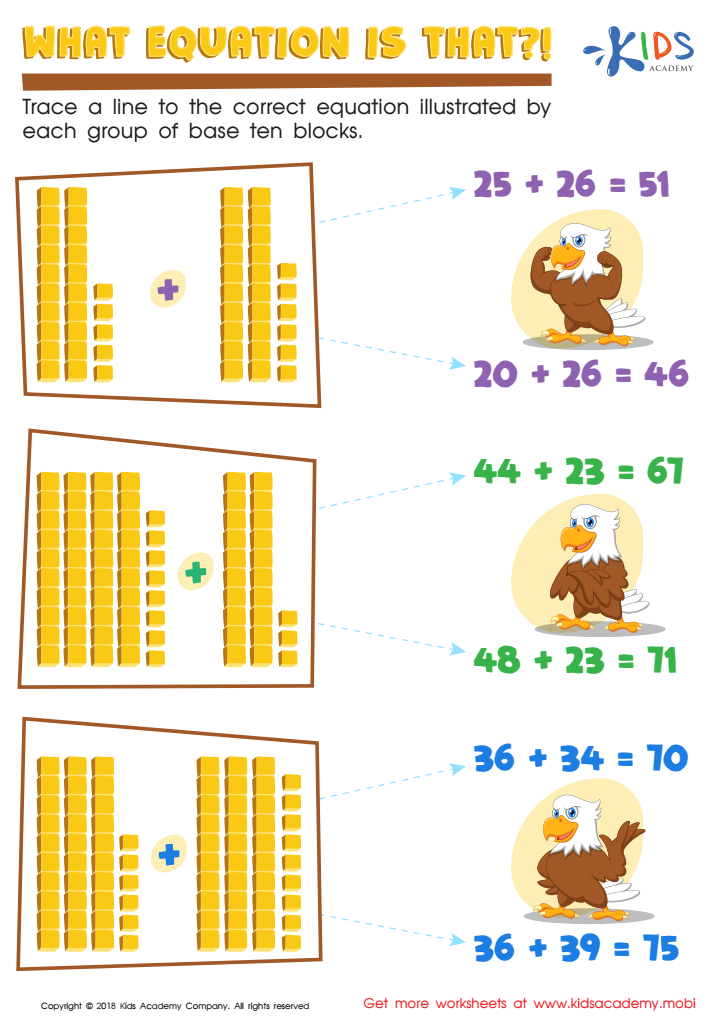
What Equation Is That? Worksheet
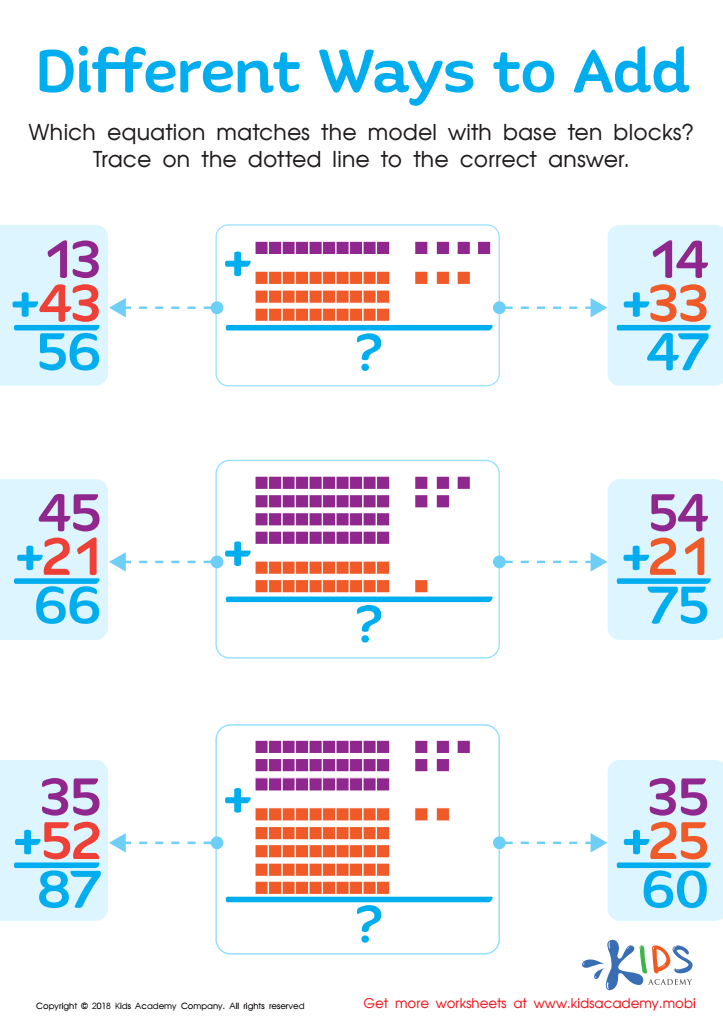
Different Ways to Add Worksheet







Understanding normal place value is essential for children ages 3-7 as it lays the foundational blocks for their mathematical development. At this early age, children are naturally curious about numbers, and grasping place value helps them make sense of quantities and relationships between numbers. It is crucial for them to understand that the position of a digit in a number determines its value; for example, in the number 23, the '2' represents twenty, while the '3' represents three units.
This concept extends beyond mere counting—it enables young learners to engage in more complex mathematical operations like addition and subtraction, and later, multiplication and division. A solid grasp of place value simplifies these processes, making them easier for children to comprehend.
Moreover, the ability to understand and manipulate numbers fosters problem-solving skills critical for lifelong learning. For parents and teachers, investing time in teaching place value fosters confidence in children's mathematical abilities, encouraging them to explore and embrace math rather than fear it. Ultimately, this basic numerical understanding contributes to overall academic success, promoting cognitive growth across various subjects in the future. Encouraging play-based and hands-on activities around place value can make learning enjoyable and effective.