Normal Reading Worksheets for Ages 3-7 - Page 11
258 filtered results
-
From - To
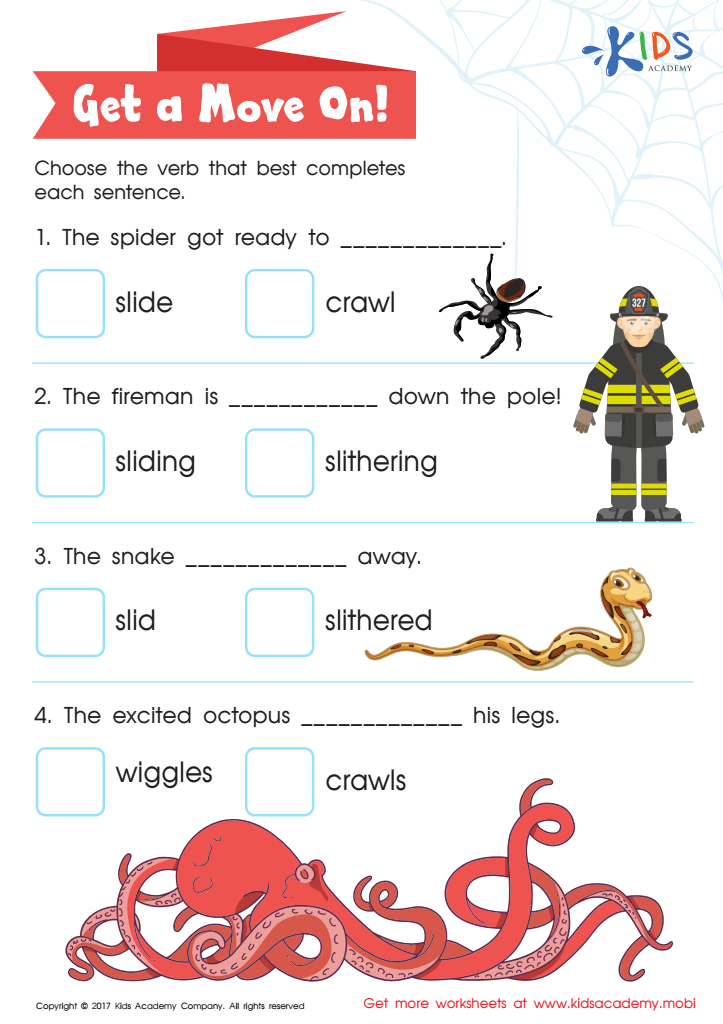
Verb Worksheet
 Assign to My Students
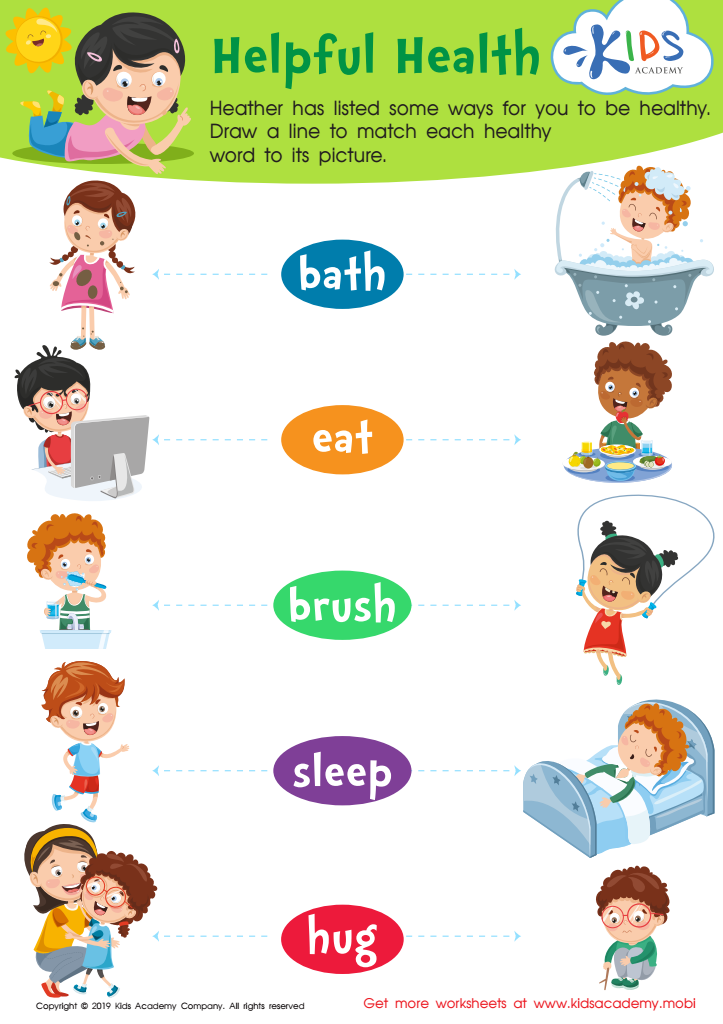
Helpful Health Worksheet
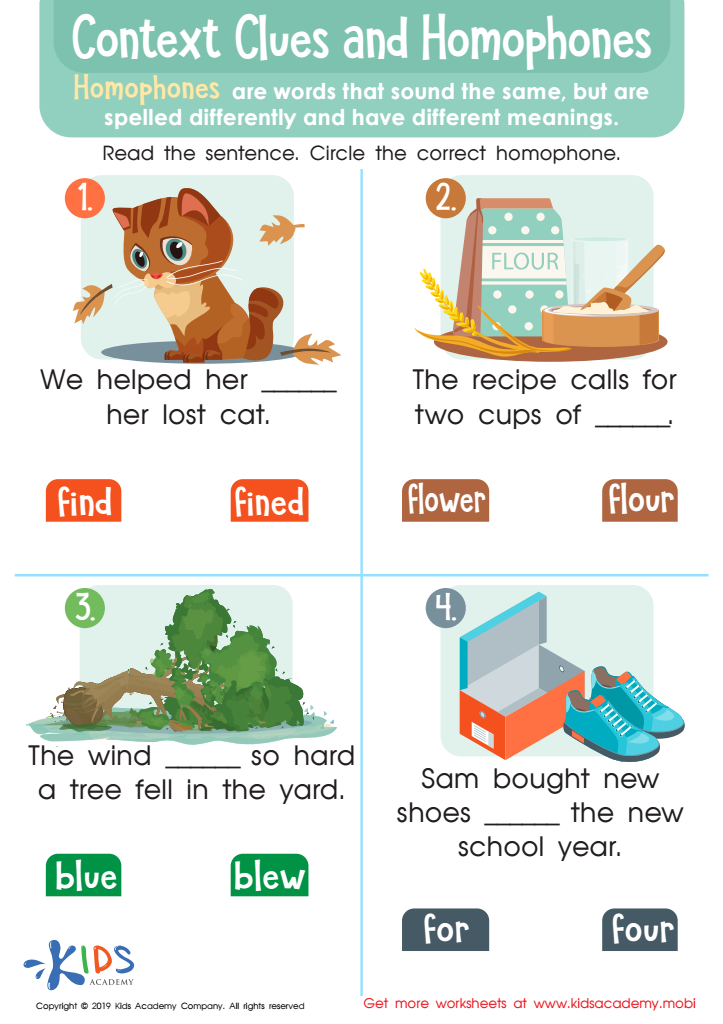
Context Clues and Homophones Worksheet
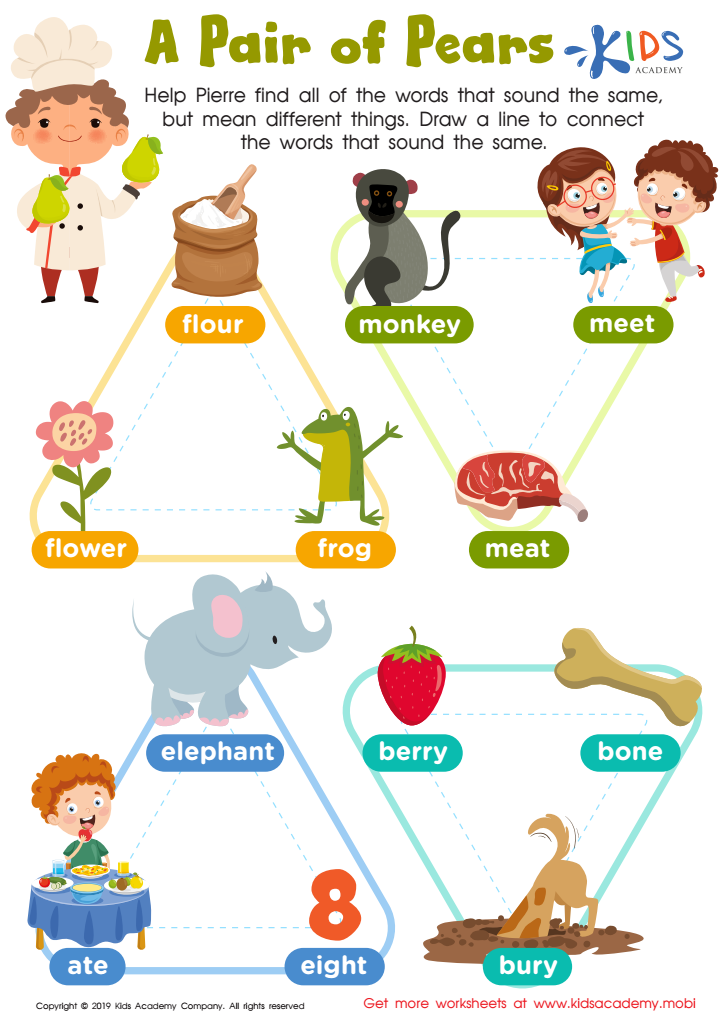
Pair Pears Worksheet
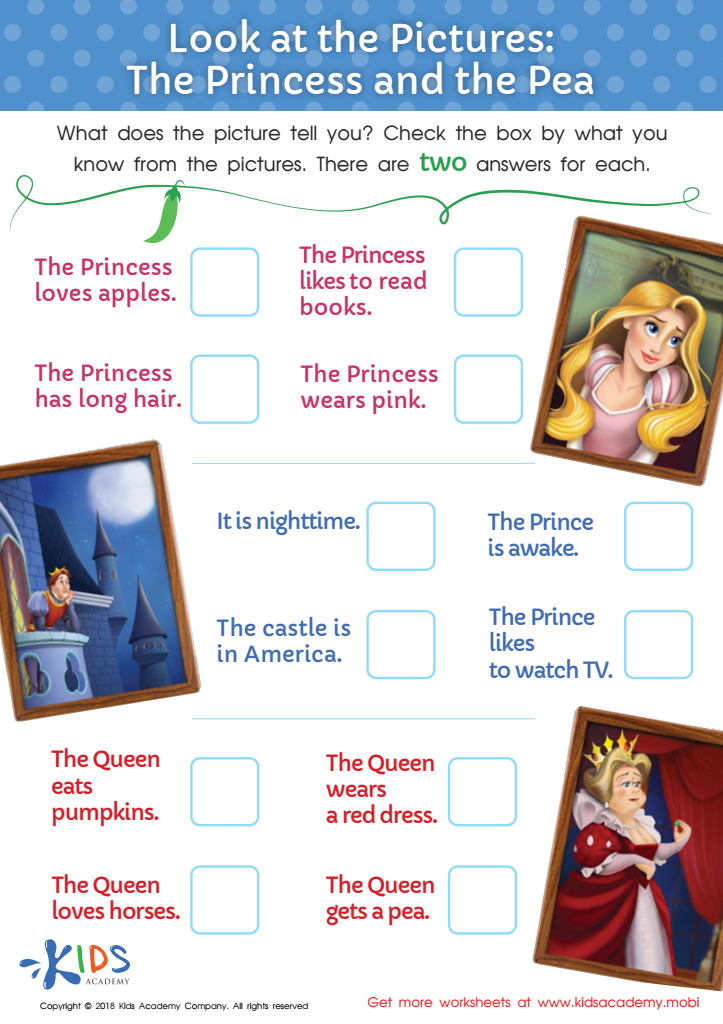
Look at the Pictures: The Princess and the Pea Worksheet
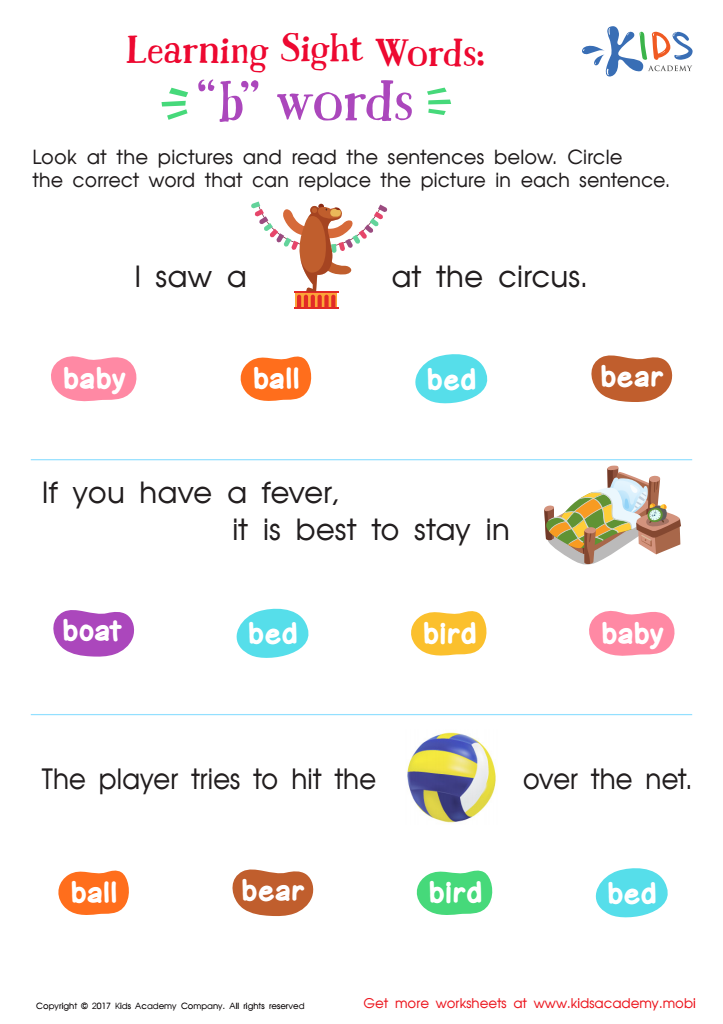
"B" Words Printable Sight Words Worksheet
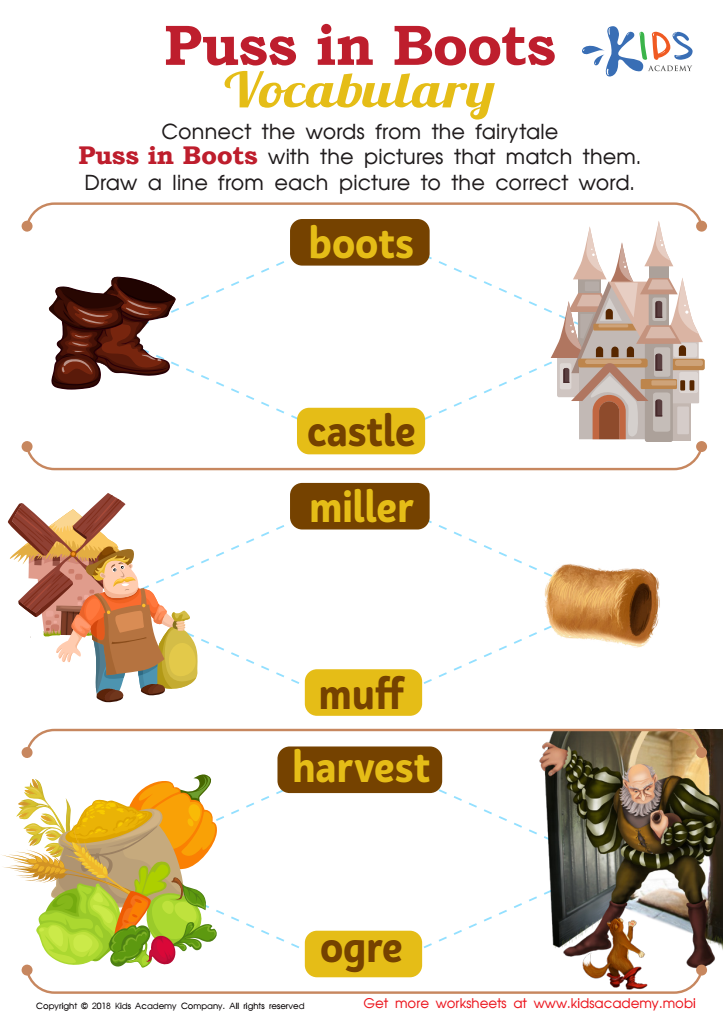
Puss in Boots Vocabulary Worksheet
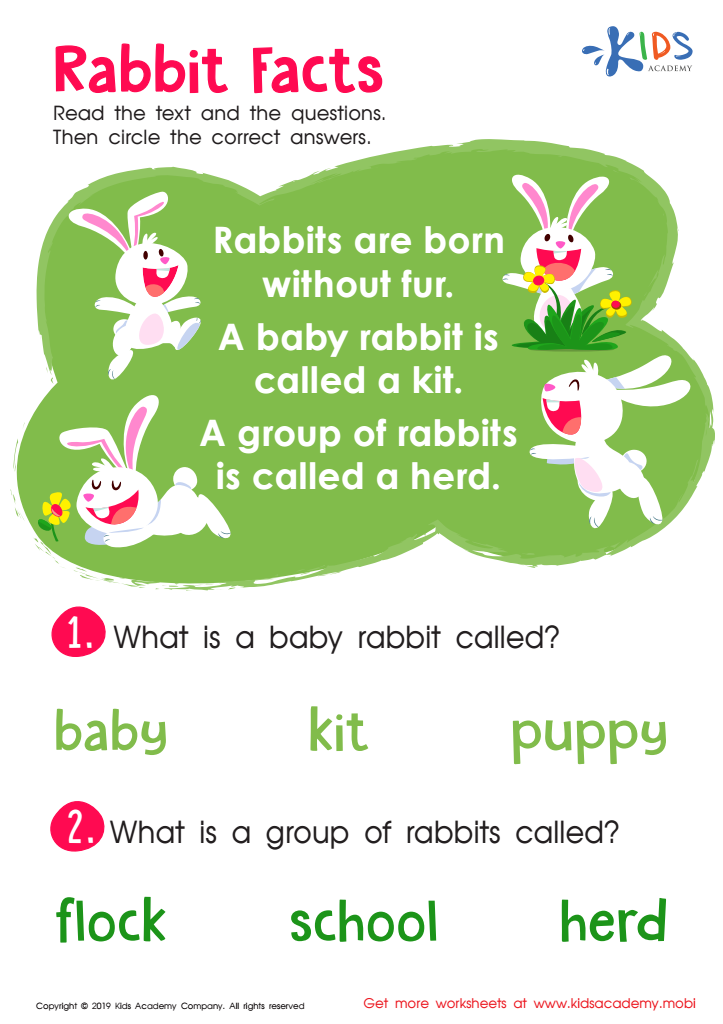
Rabbit Facts Worksheet
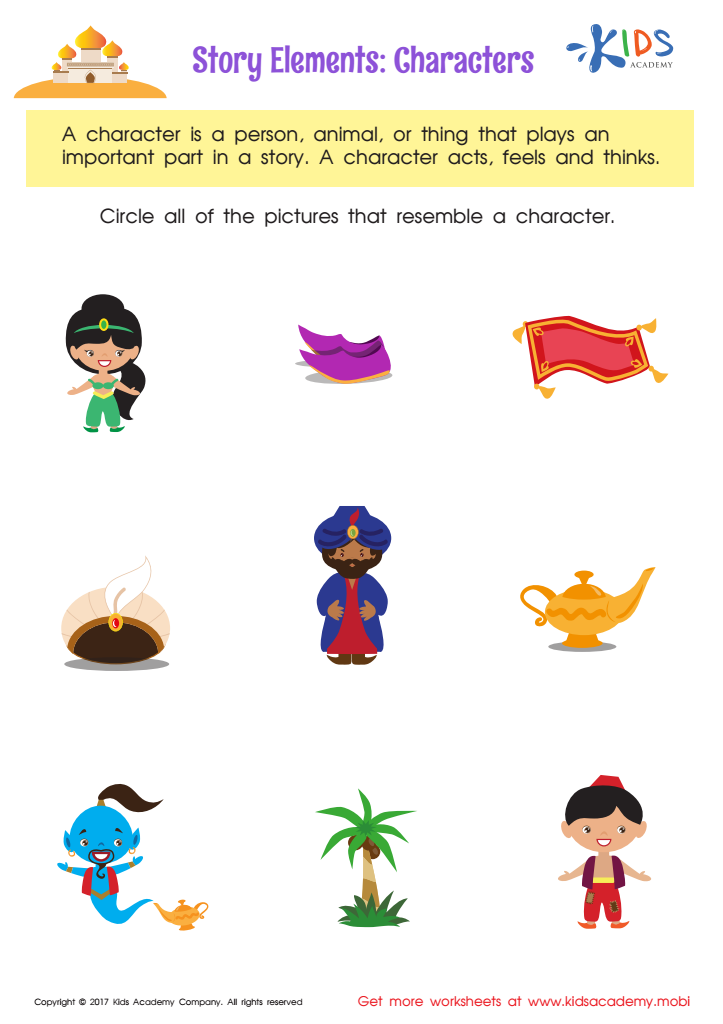
Story Elements Printable
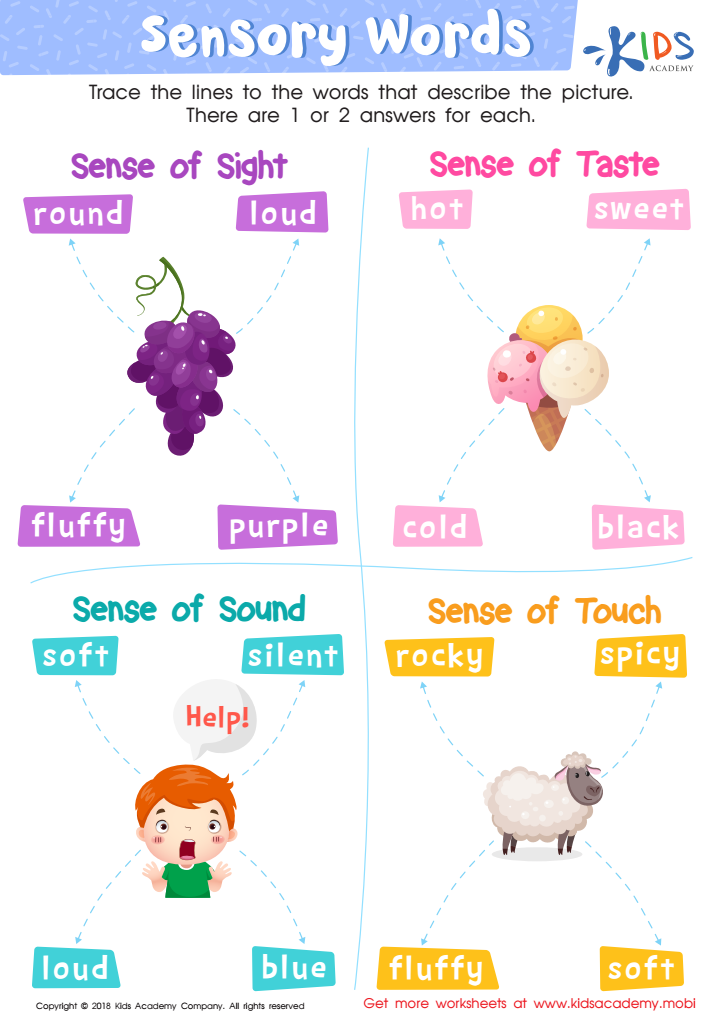
Sensory Words Worksheet
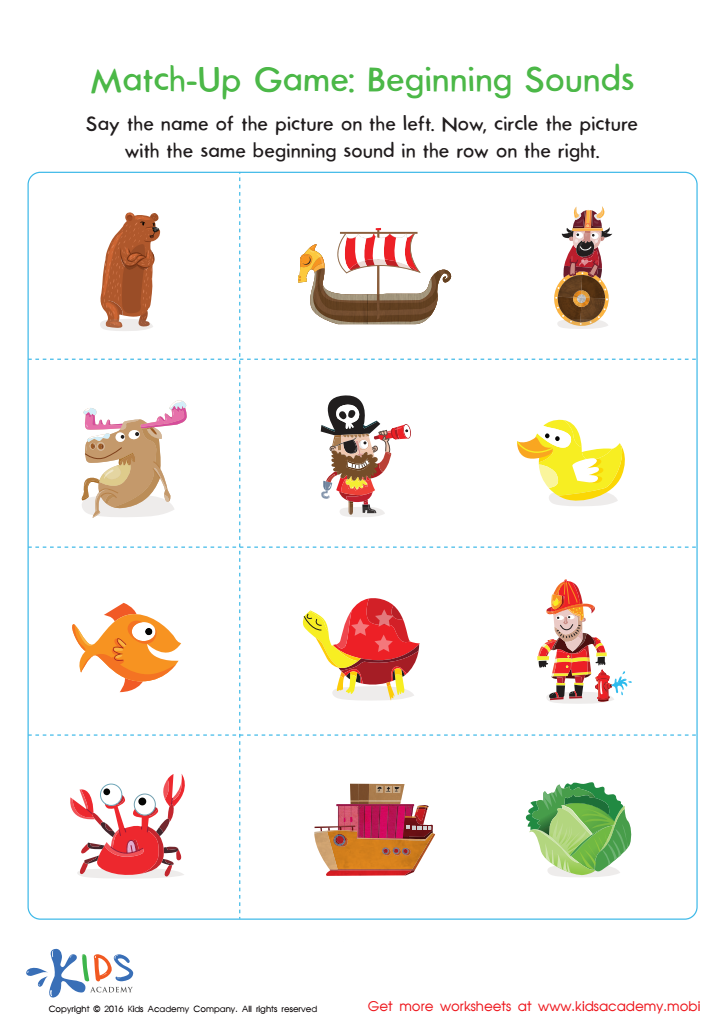
Match–Up Game: Beginning Sounds Worksheet
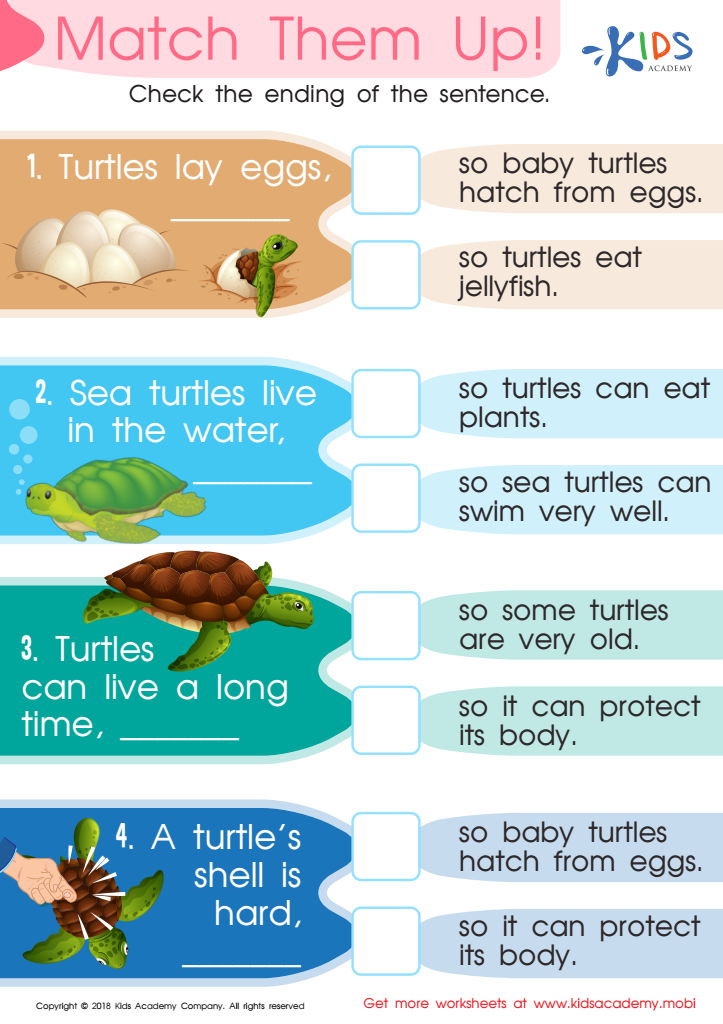
Match Them Up Worksheet
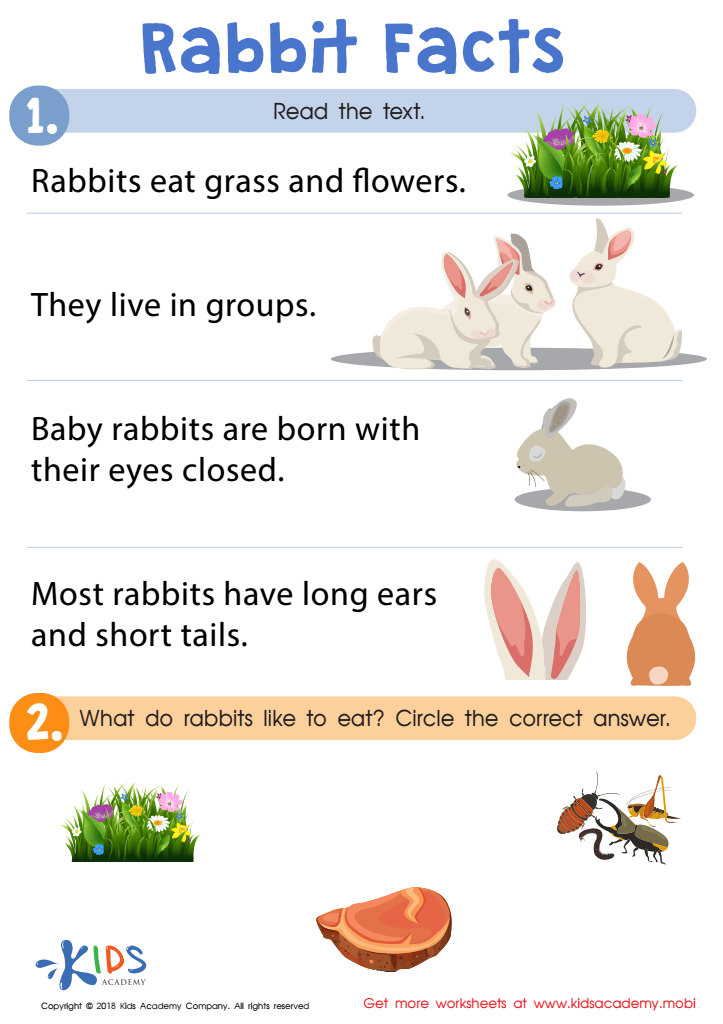
Rabbit Facts Worksheet
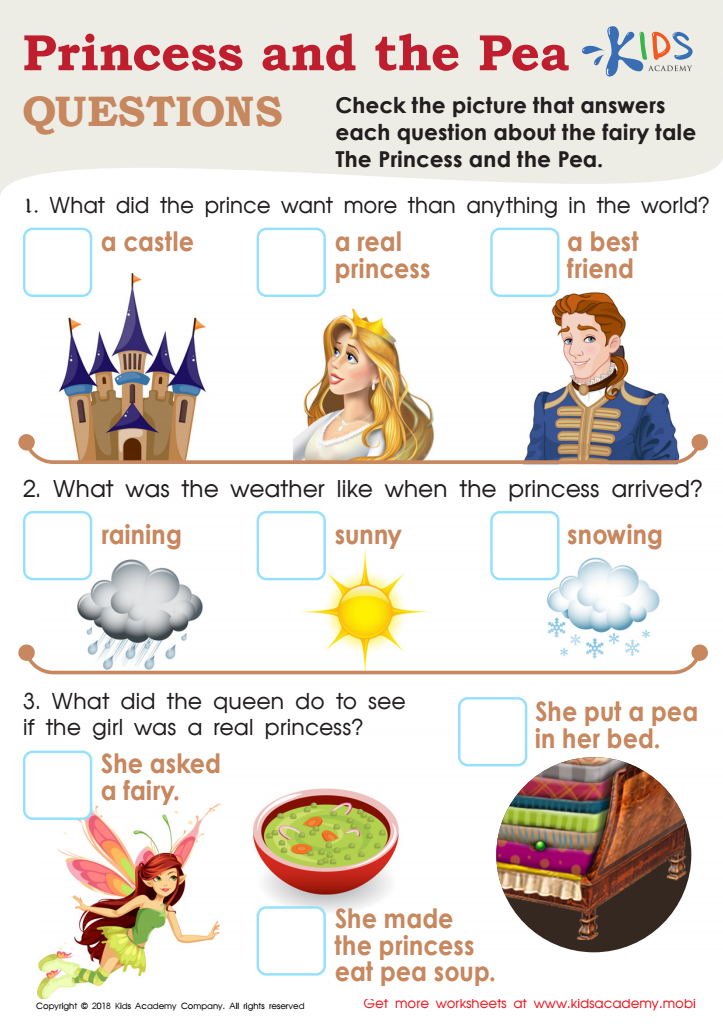
Princess and the Pea Questions Worksheet
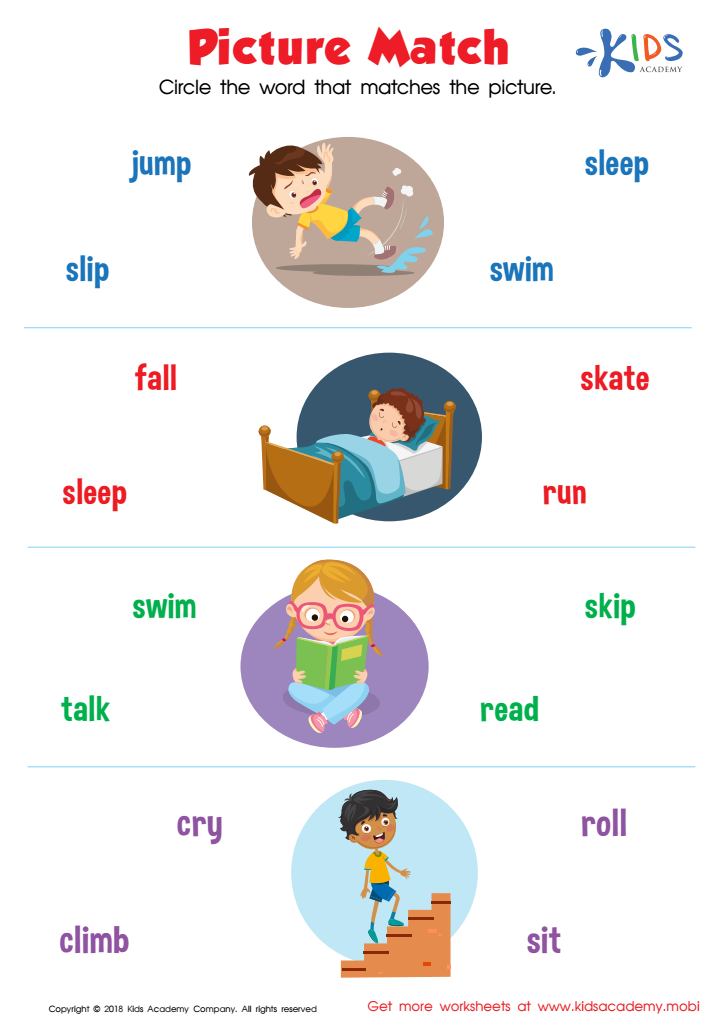
Picture Match Worksheet
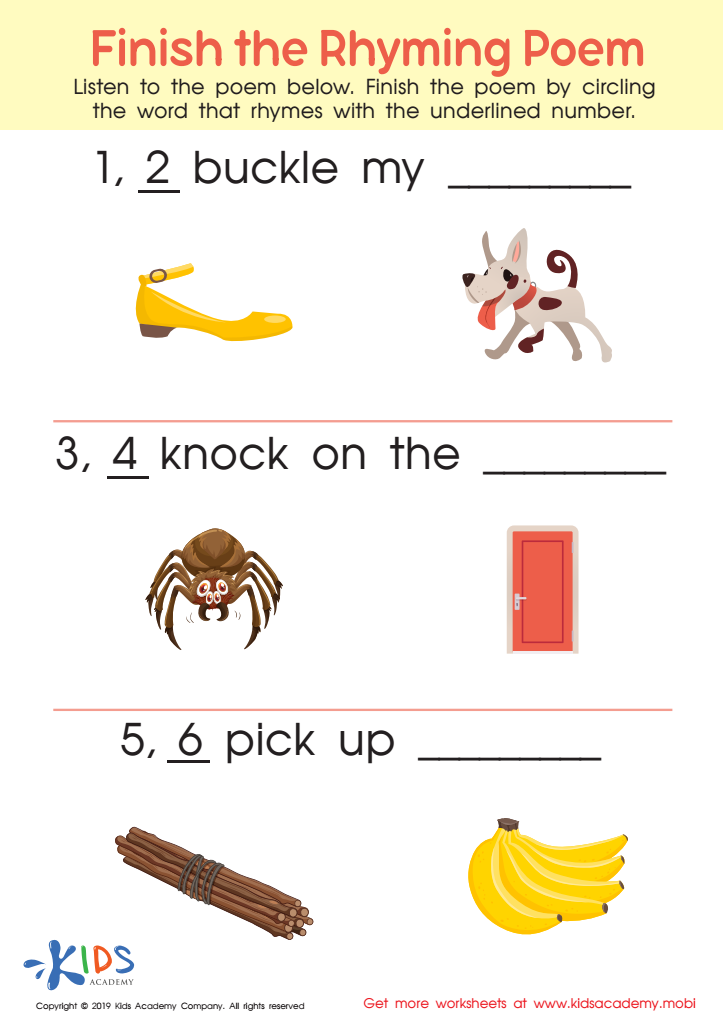
Finish Rhyming Poem Worksheet
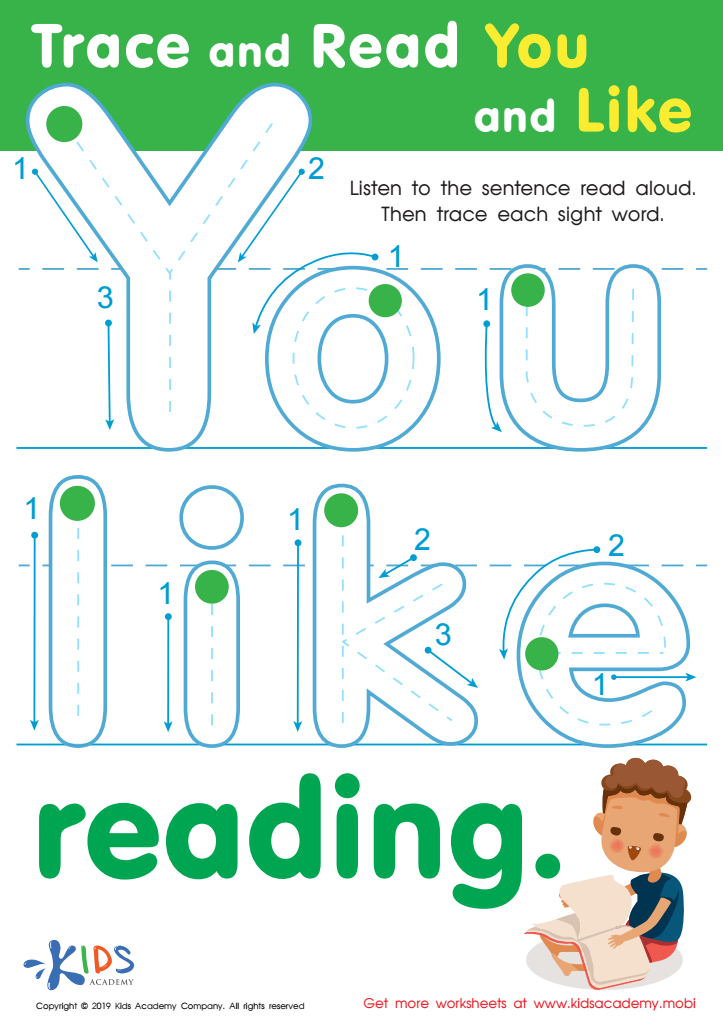
Trace Read You Like Worksheet
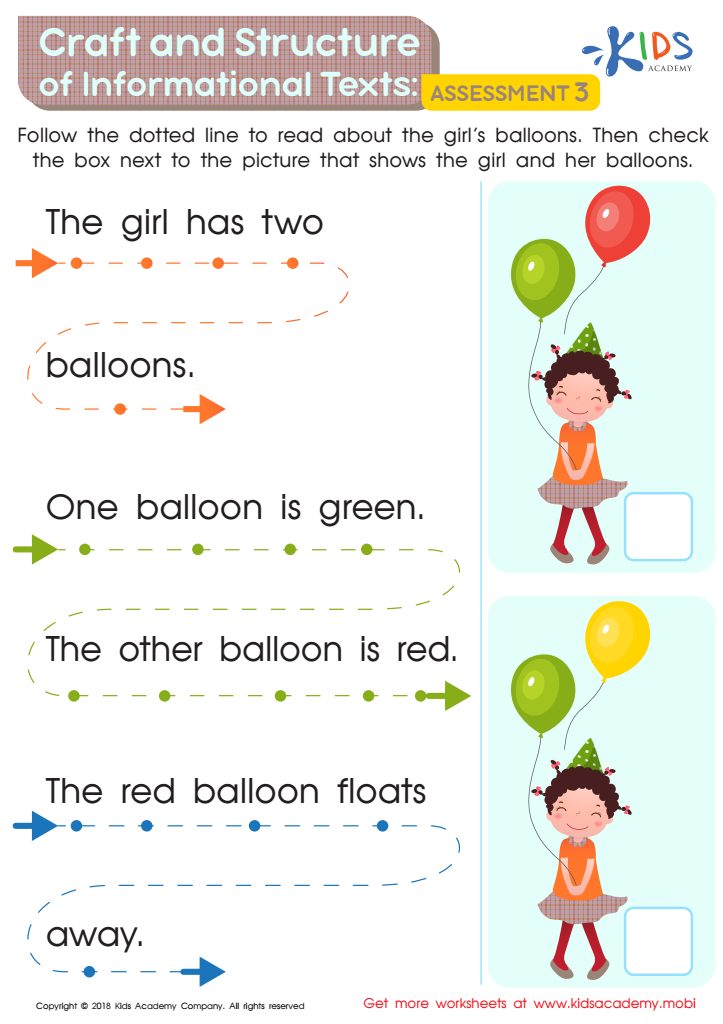
Craft and Structure of Informational Texts: Assessment 3 Worksheet








Normal reading development in children ages 3-7 is crucial because it sets the foundation for future academic success and lifelong learning. During these critical early years, children's brains are highly receptive to language, and their ability to read influences numerous other skills, including comprehension, vocabulary, and critical thinking.
First, reading skills at an early age directly impact a child's cognitive development. When parents and teachers support reading, they enhance the children's ability to understand and process information. Furthermore, early reading fosters a love for learning, making children more likely to engage in educational activities and perform well in school.
Second, early reading skills also support emotional and social development. Reading together, whether in the classroom or at home, forms a bonding experience that can foster a sense of security and attachment. Additionally, literature exposes children to different characters and scenarios, teaching them empathy and social understanding.
Lastly, early reading helps level the playing field for all children. Those who benefit from early reading opportunities are less likely to experience academic difficulties later on. Thus, by prioritizing normal reading development for ages 3-7, both parents and teachers can contribute to holistic child development and long-term success.








