Normal Geography Worksheets for Ages 3-7 - Page 2
43 filtered results
-
From - To
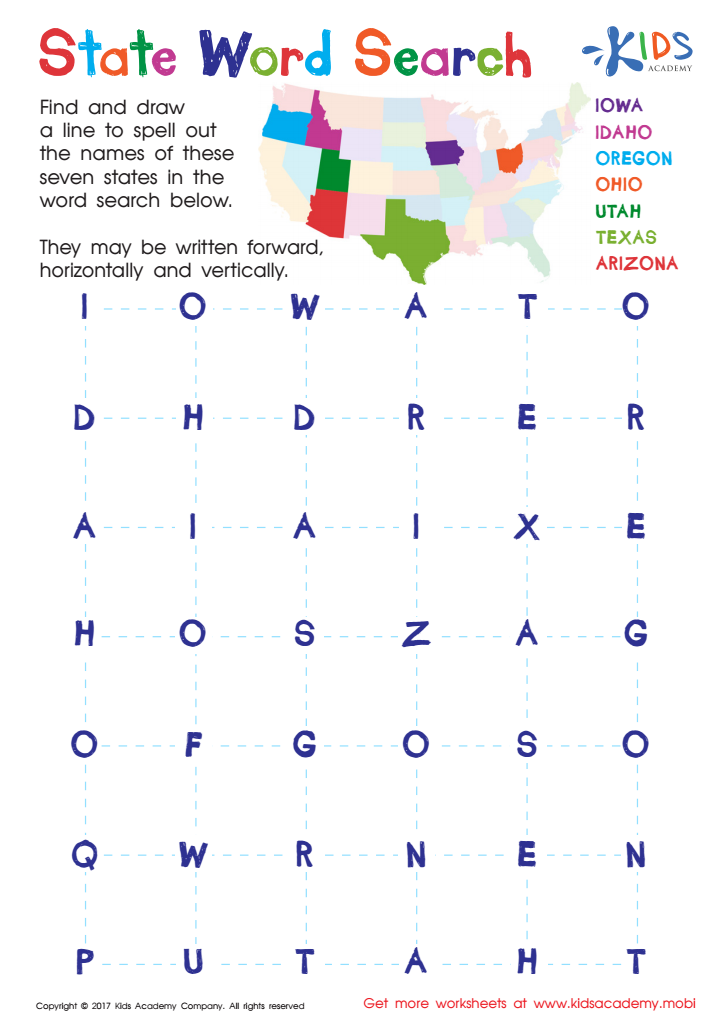
State Word Search Worksheet
 Assign to My Students
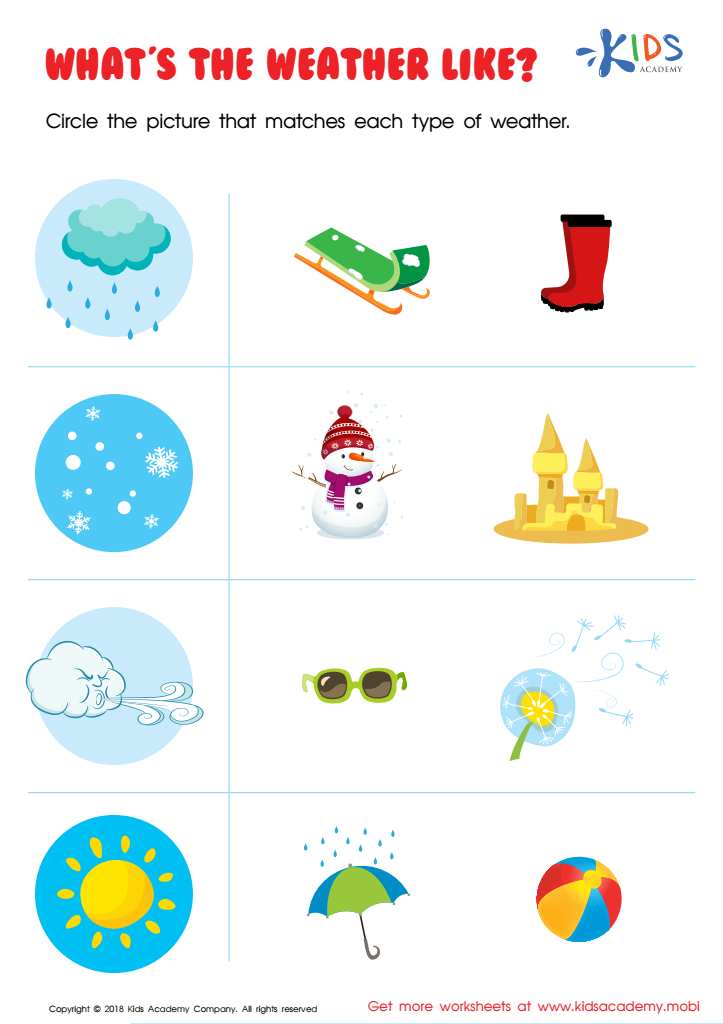
What's the Weather Like? Worksheet
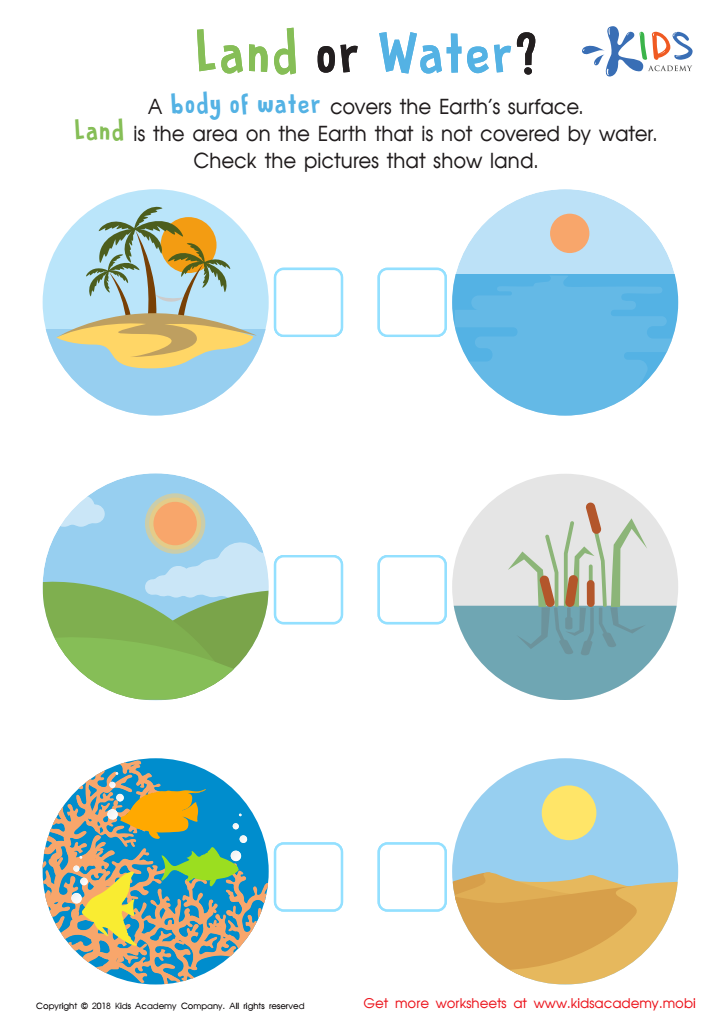
Land or Water Worksheet
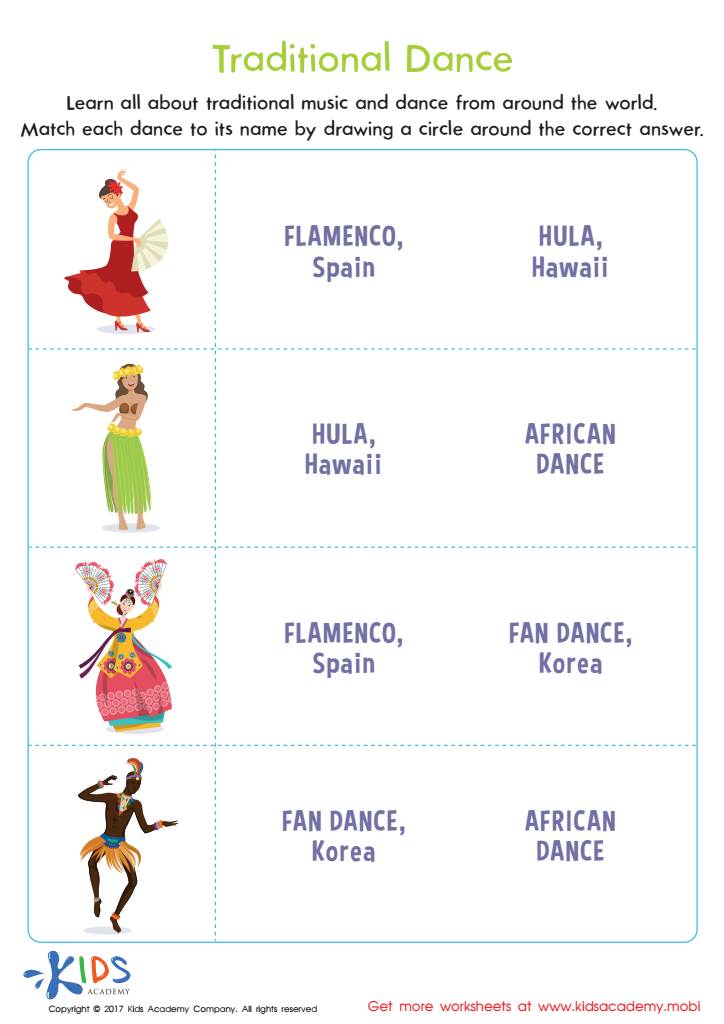
Traditional Dance Printable
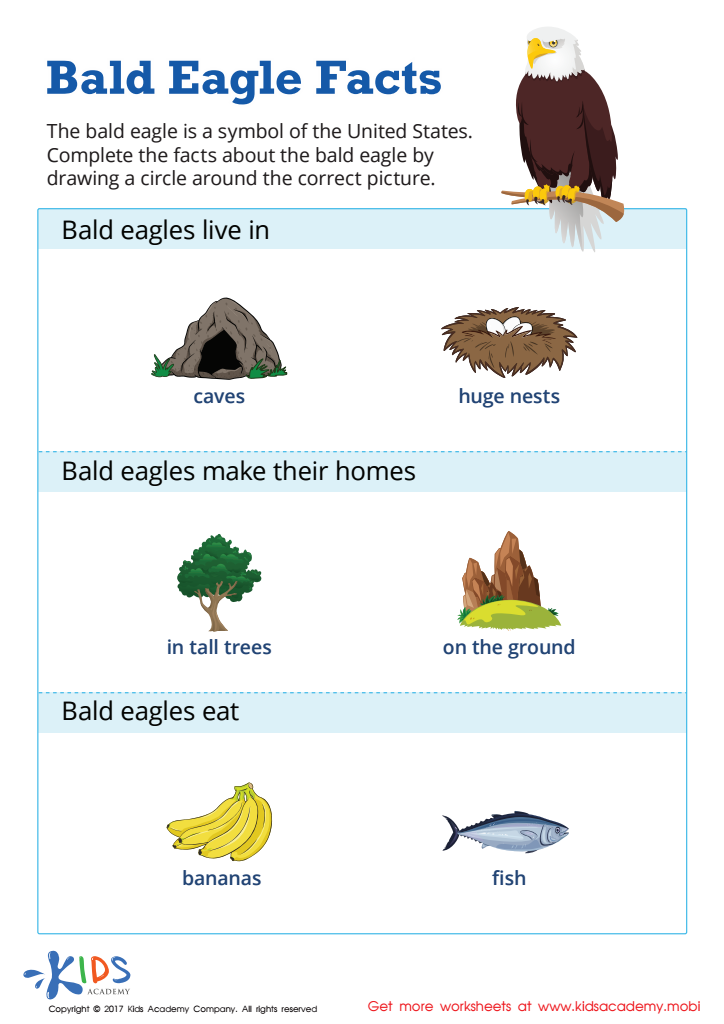
Bald Eagle Facts Worksheet
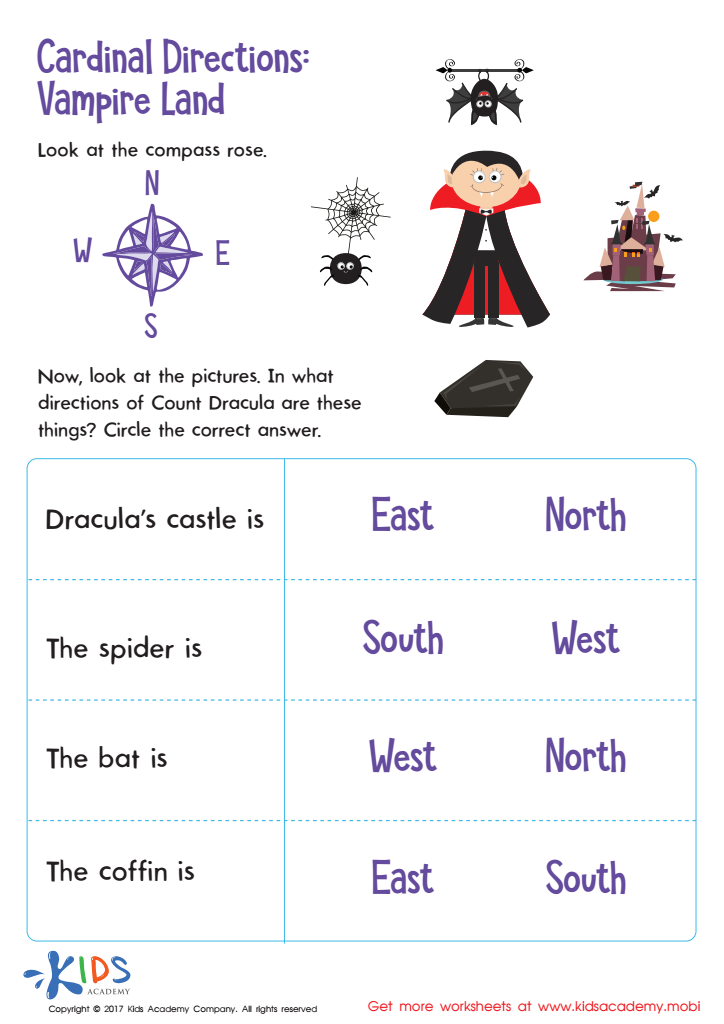
Cardinal Directions Printable
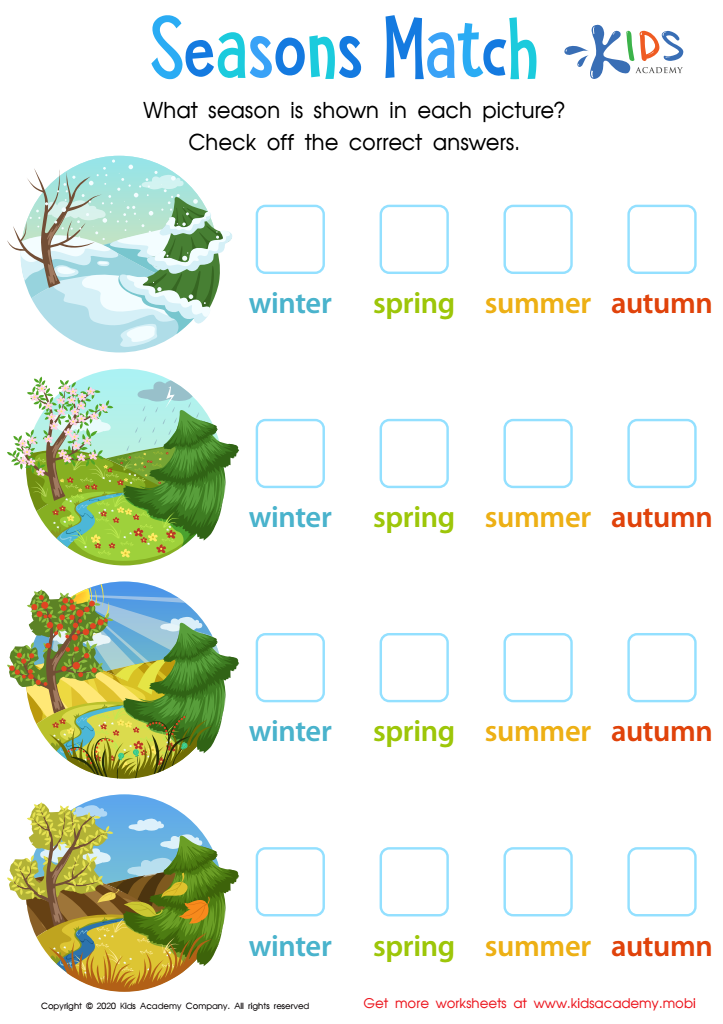
Seasons Match Worksheet
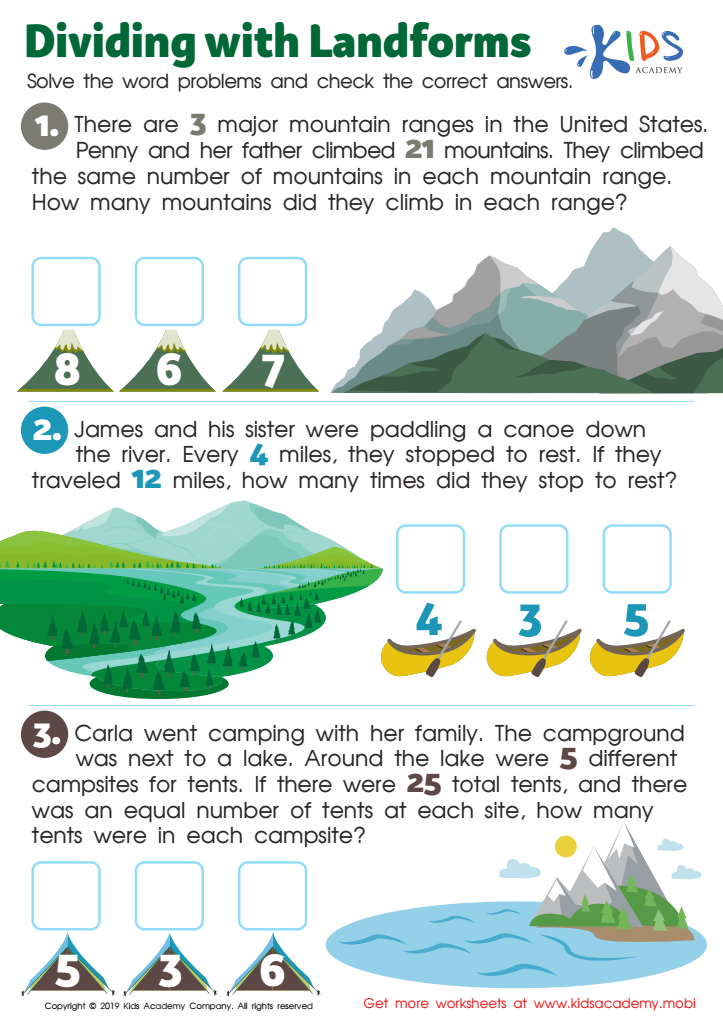
Dividing with Landforms
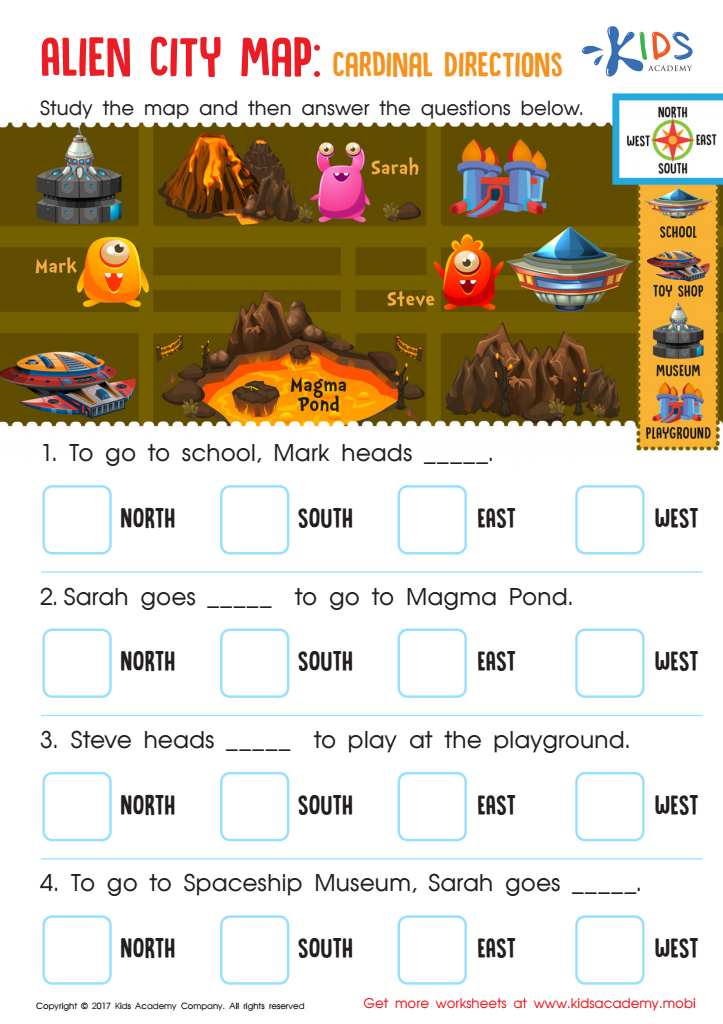
Alien City Map: Cardinal Directions Worksheet
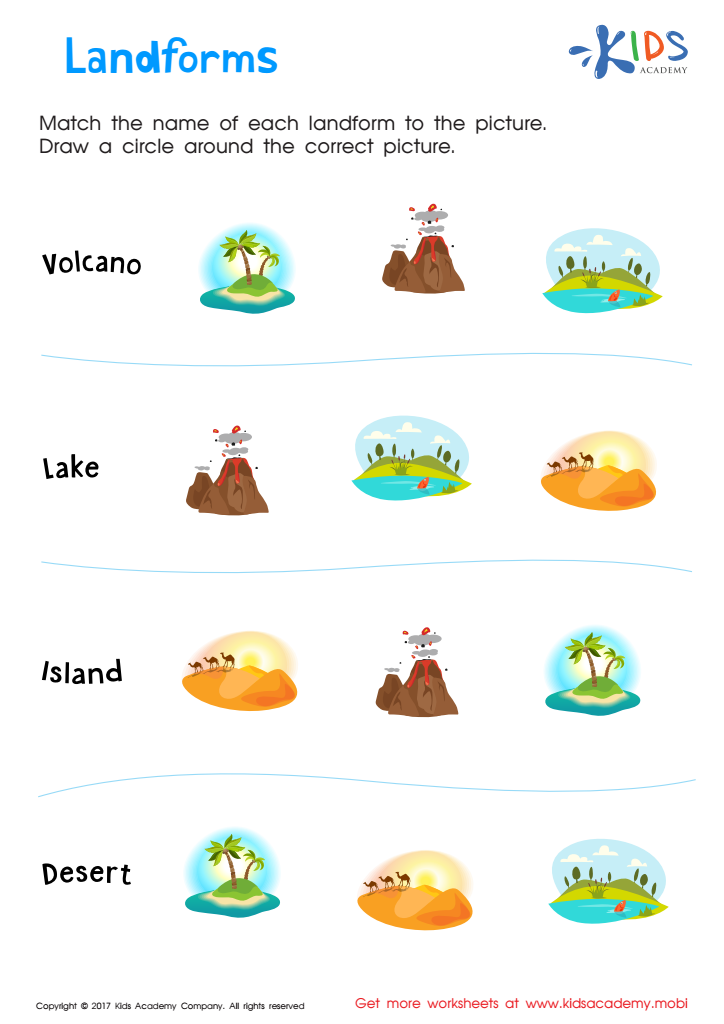
Landforms Printable
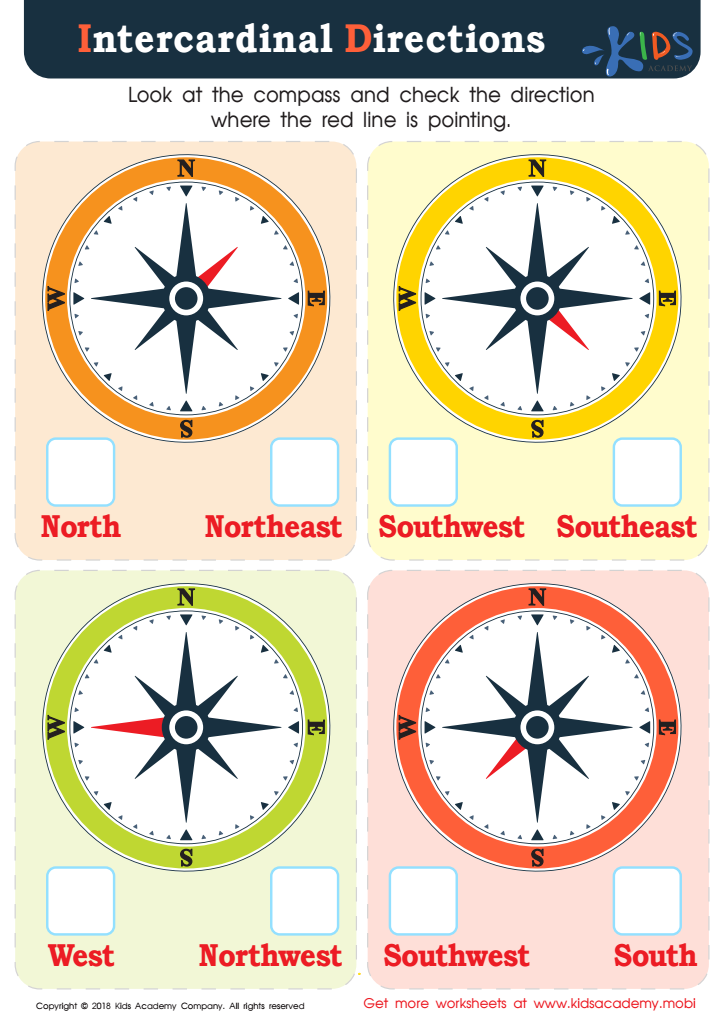
Intercardinal Directions Worksheet
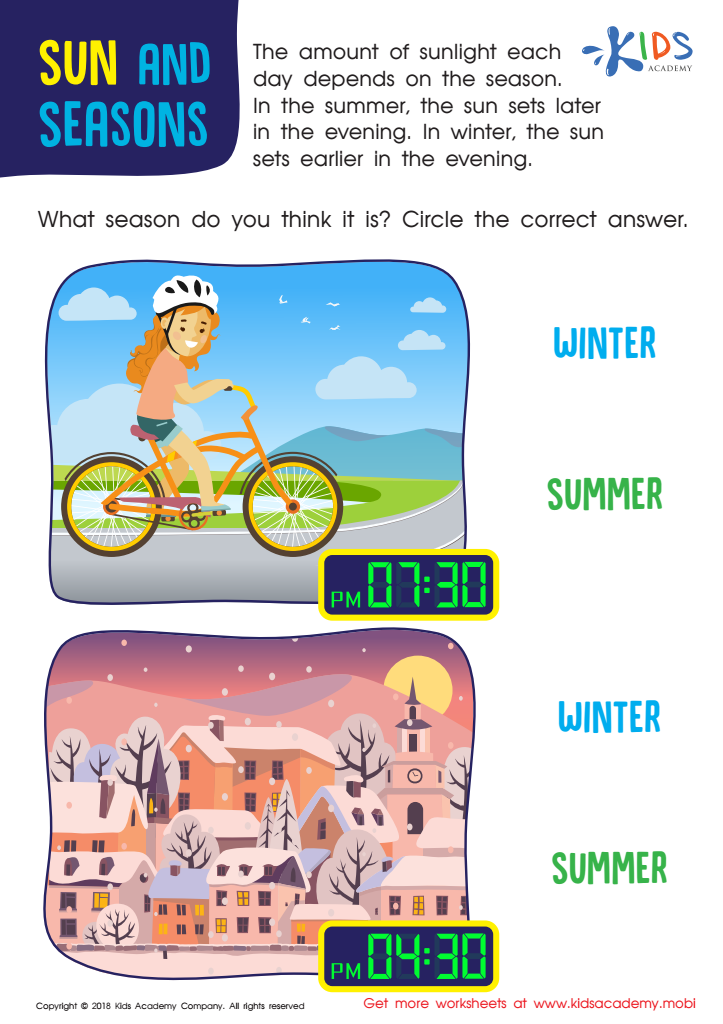
Sun and Seasons Worksheet
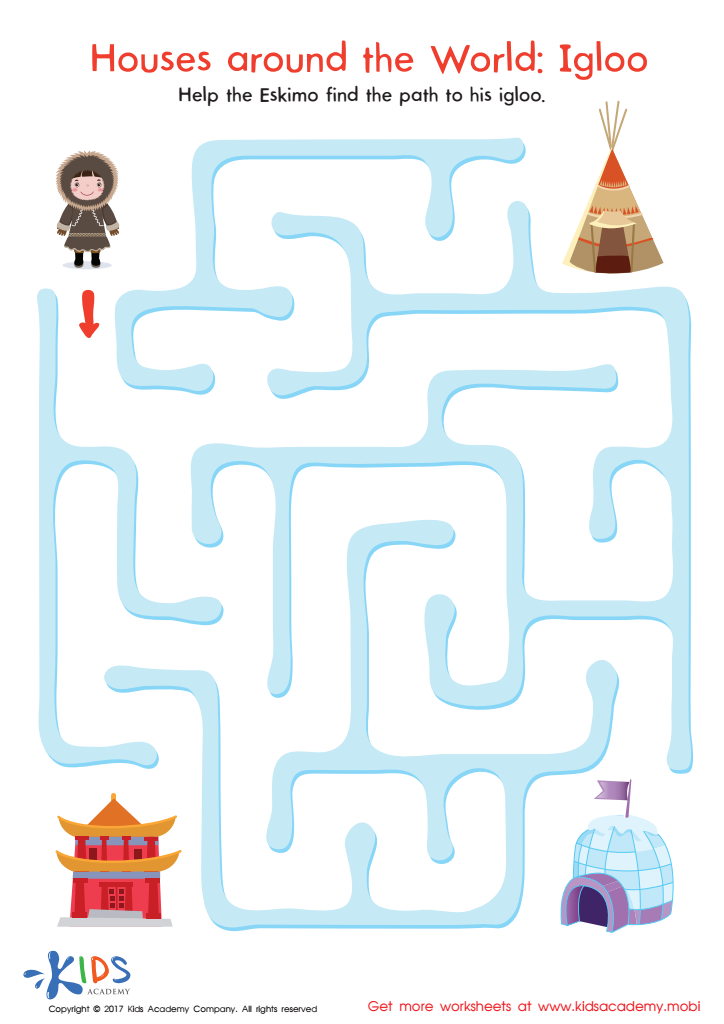
Houses Around the World: Igloo Printable
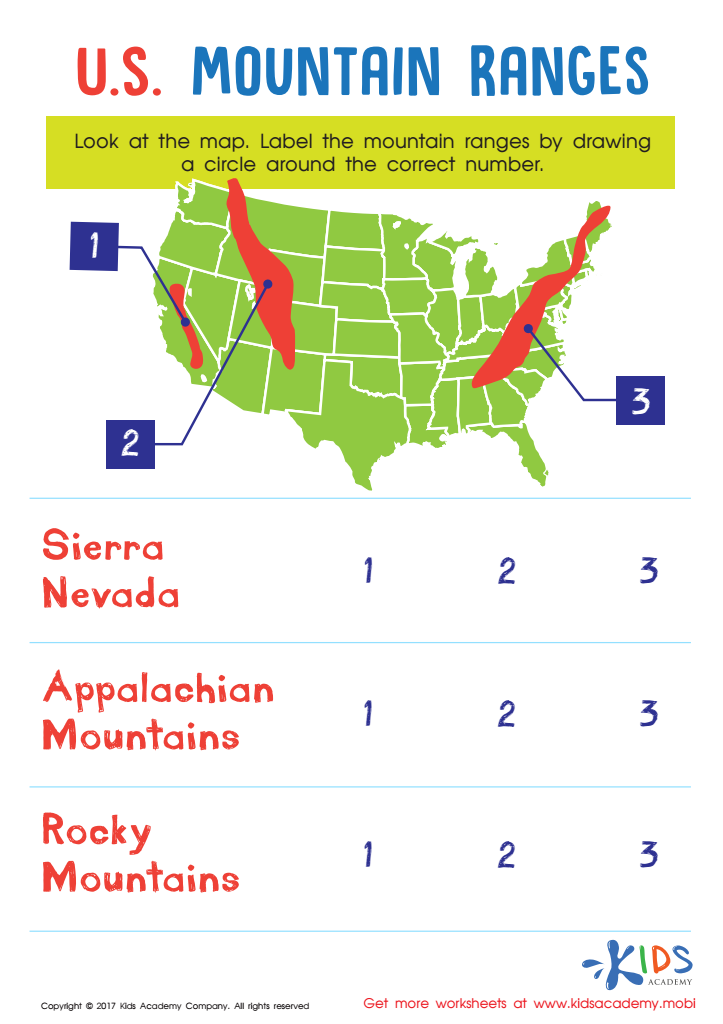
US Mountain Ranges Worksheet
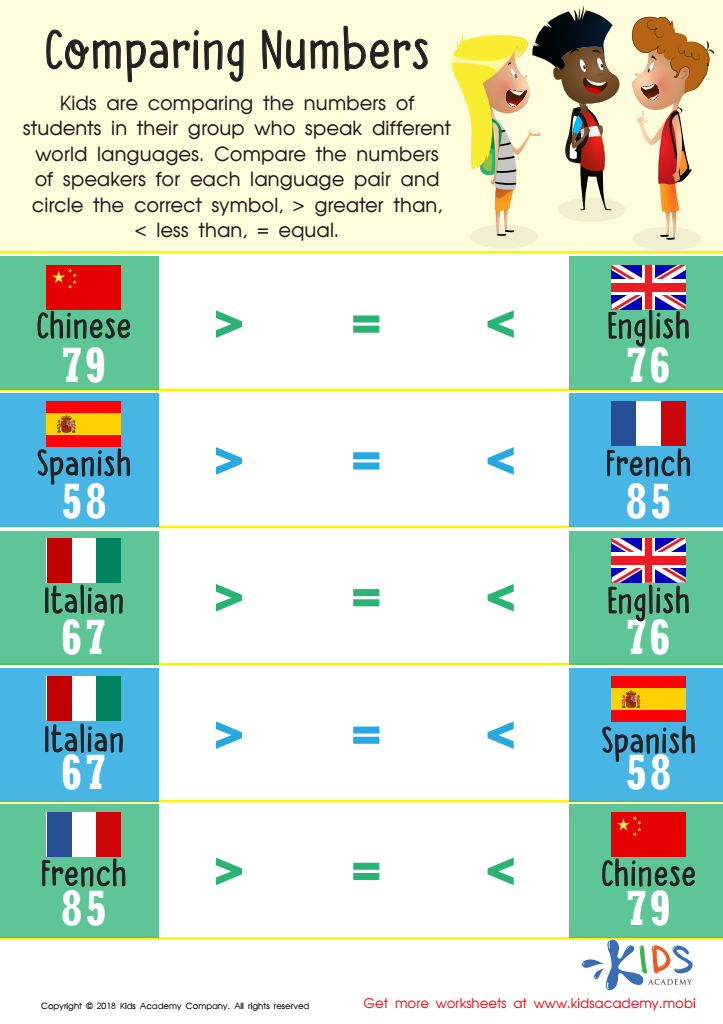
Comparing Numbers Worksheet for 1st Grade
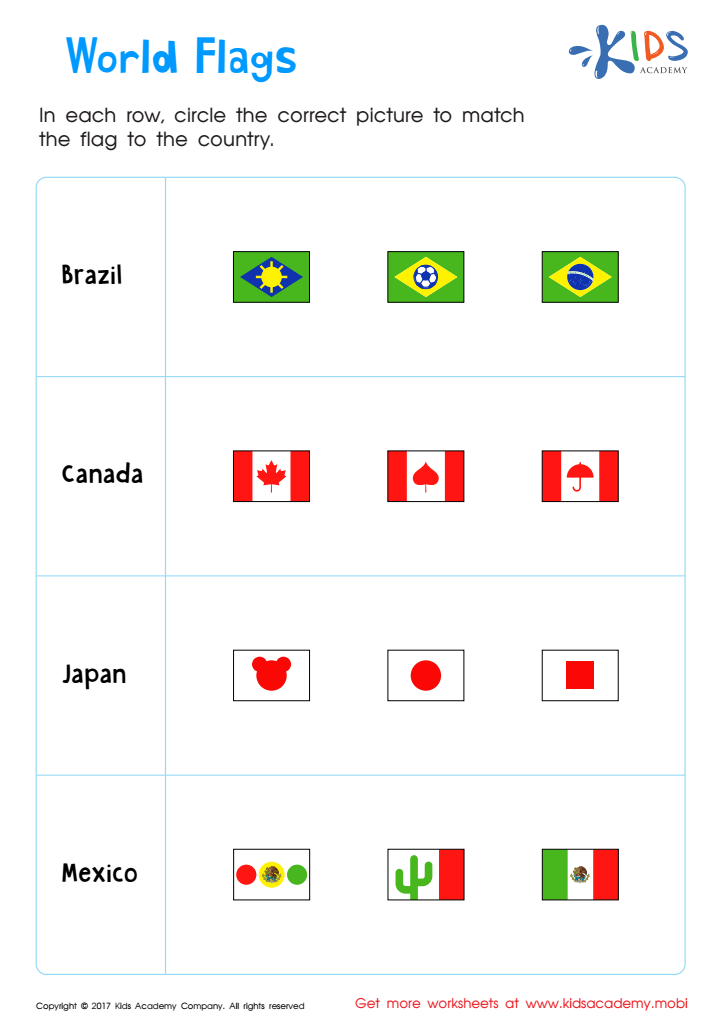
World Flags Printable
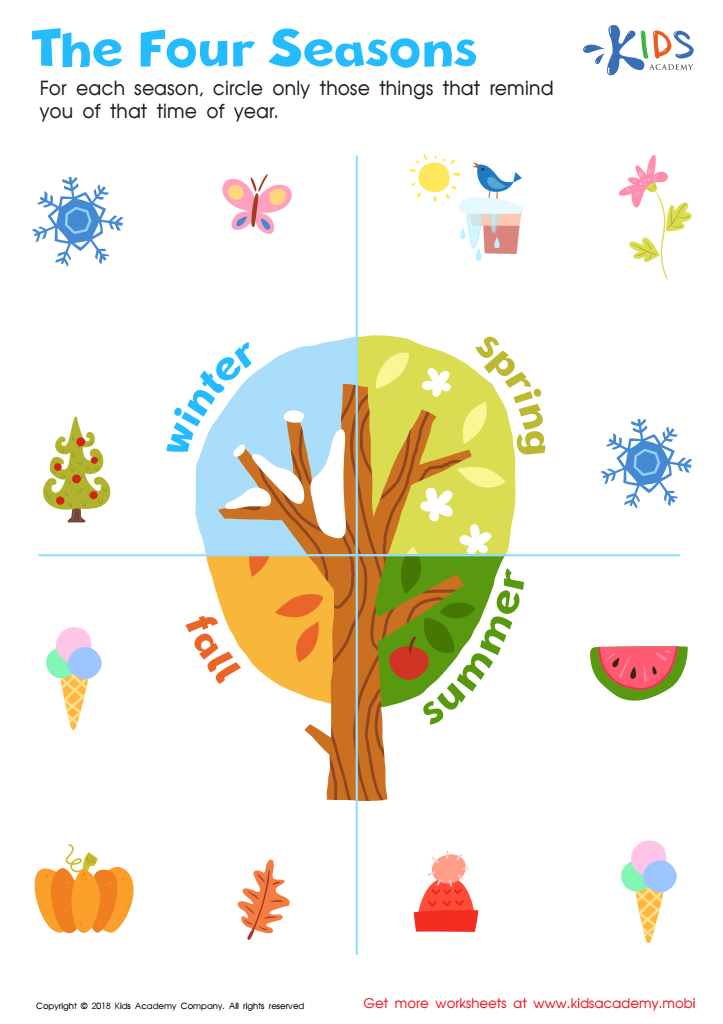
The Four Seasons Worksheet
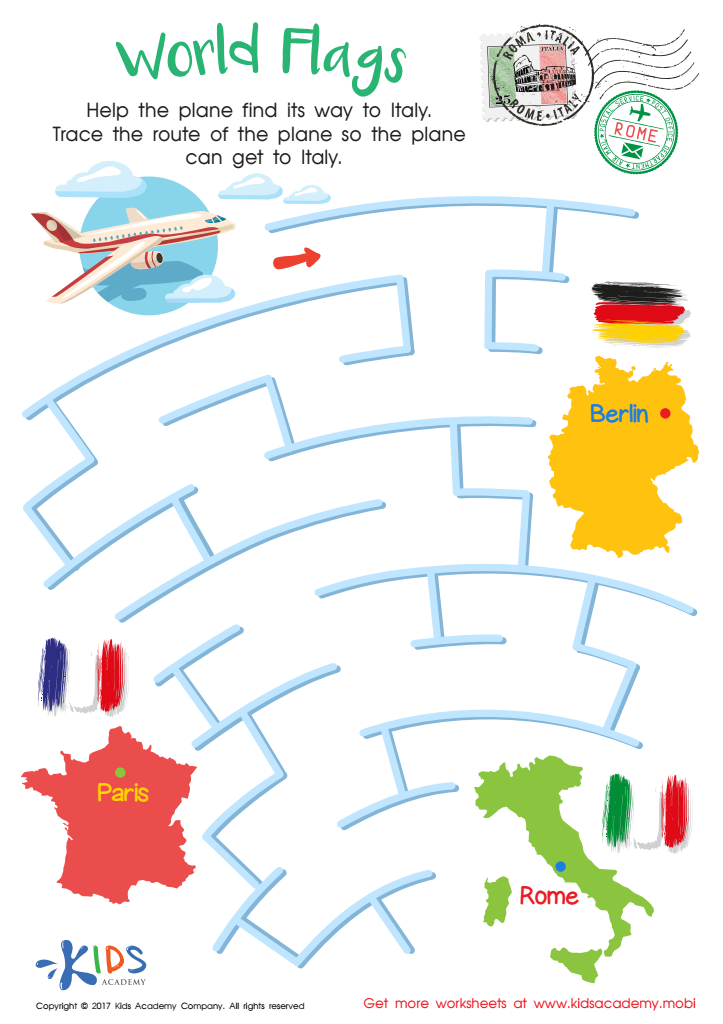
World Flags Maze Worksheet
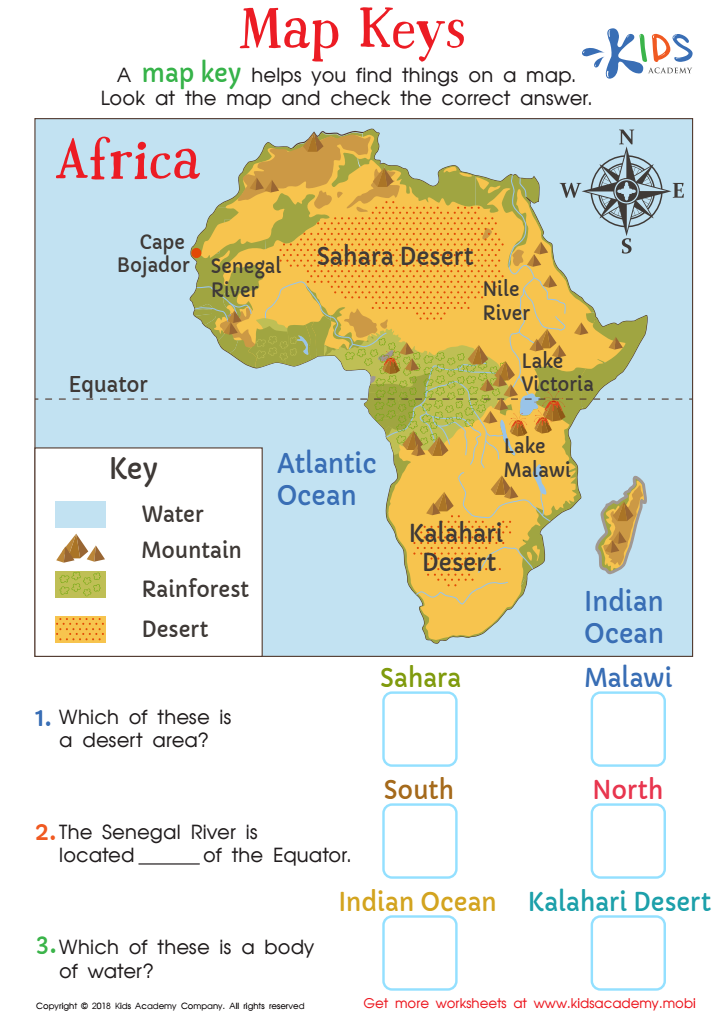
Map Keys Worksheet




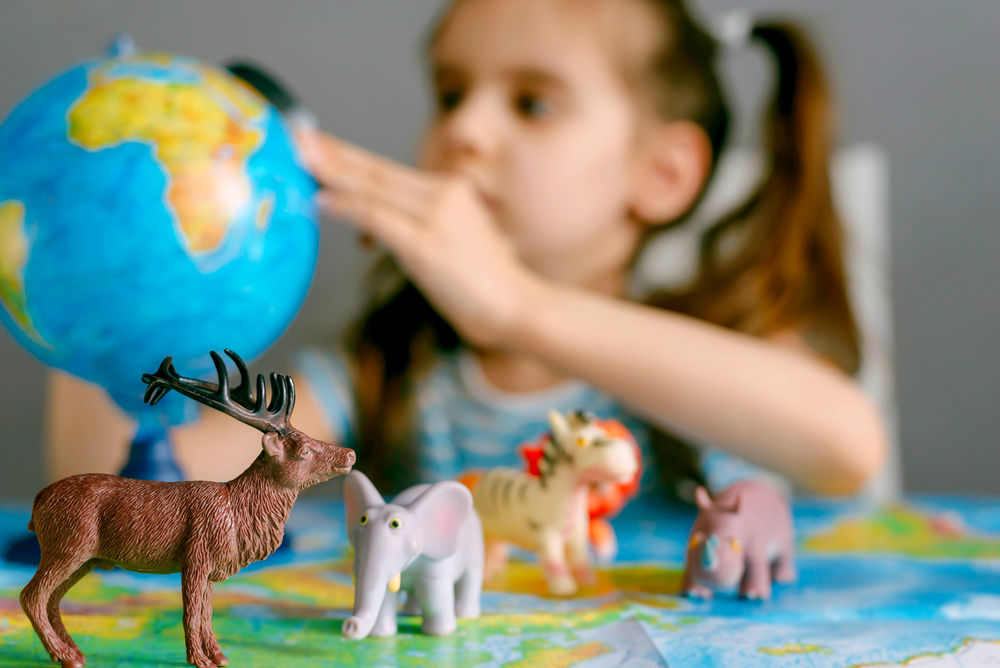


Normal Geography introduces young children to the world around them in engaging and foundational ways. For parents and teachers, fostering an understanding of geography at this early age is crucial for several reasons. First, it enhances spatial awareness, helping children make sense of their world and navigate their environments, both physically and cognitively. Knowledge of maps, landmarks, and location fosters a sense of belonging and comfort.
Moreover, exploring geography cultivates curiosity about diverse cultures, languages, and lifestyles. This early exposure promotes acceptance, empathy, and social awareness, key components in developing well-rounded, socially responsible individuals. Through activities such as storytelling, drawing maps, and identifying animals in various habitats, children can learn about Earth’s features and the interconnections between people and their environment.
Lastly, geography education supports critical thinking and problem-solving skills. Young learners begin to understand concepts like community, resources, and environmental stewardship, laying the groundwork for more complex ideas in the future.
Ultimately, Normal Geography equips children with the knowledge and skills necessary to engage with the broader world, fostering their growth as informed, compassionate global citizens. Investing in children’s geographical understanding today cultivates a more knowledgeable and empathetic generation tomorrow.