Normal 2D Shapes Worksheets for Ages 3-8 - Page 2
33 filtered results
-
From - To
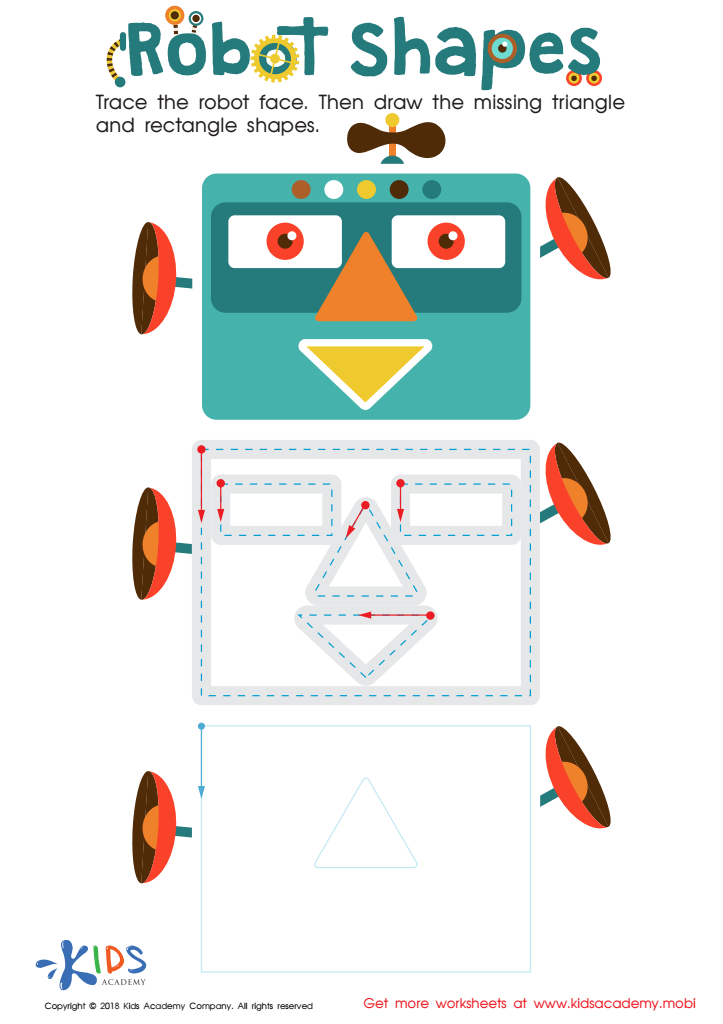
Robot Shapes Worksheet
 Assign to My Students


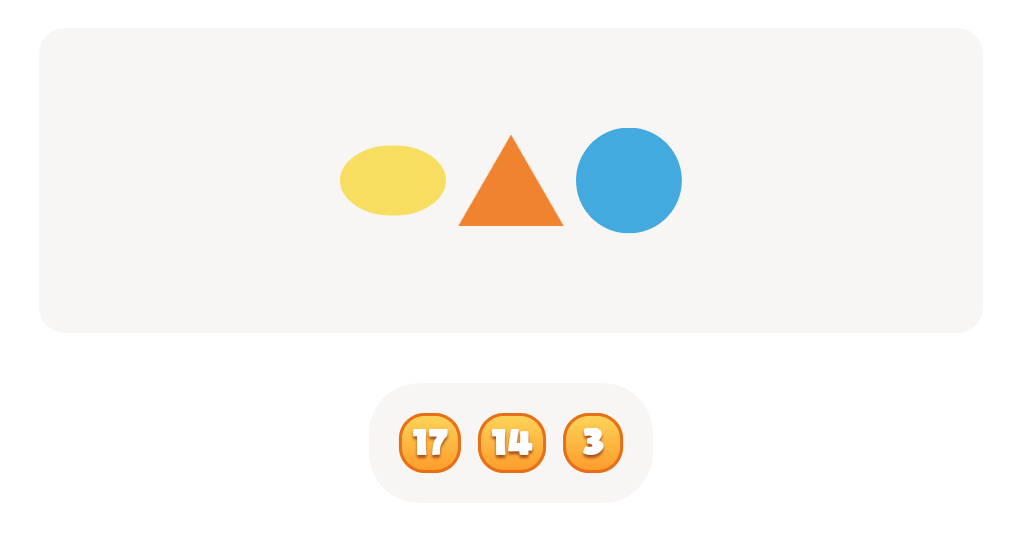
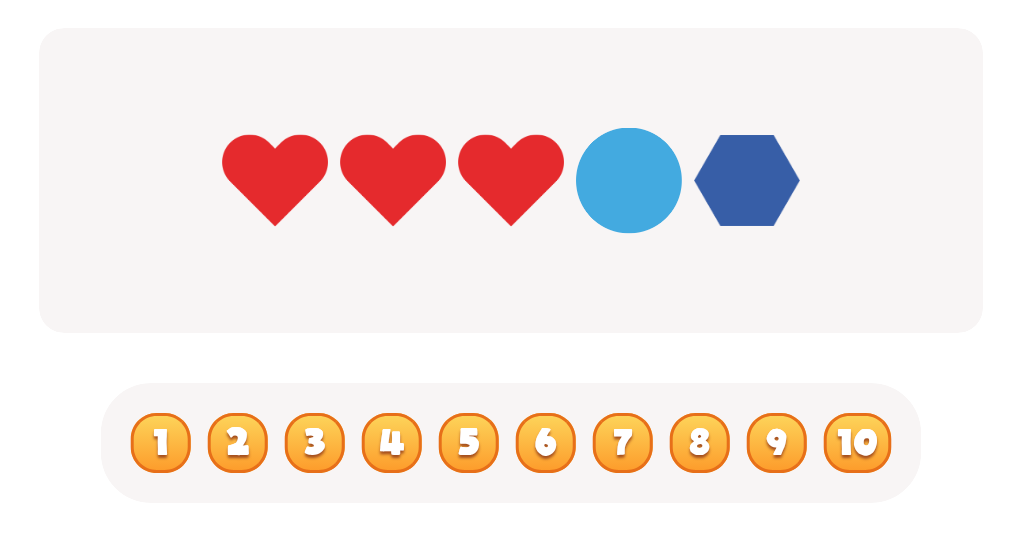
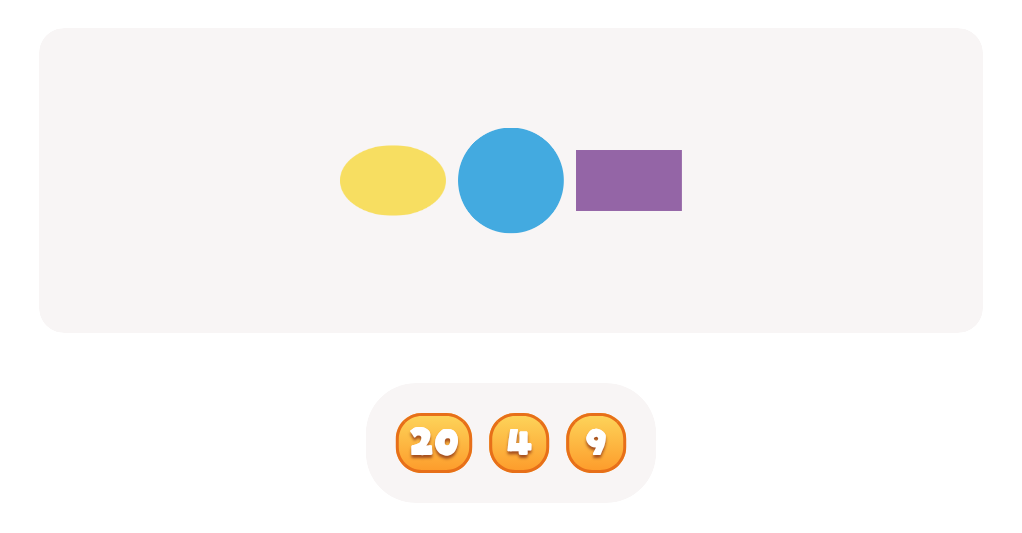
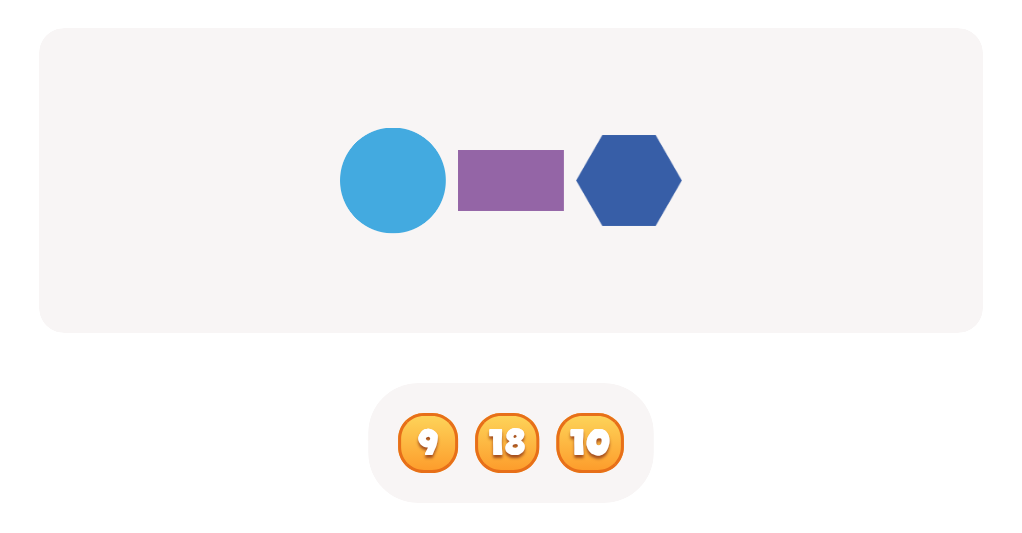
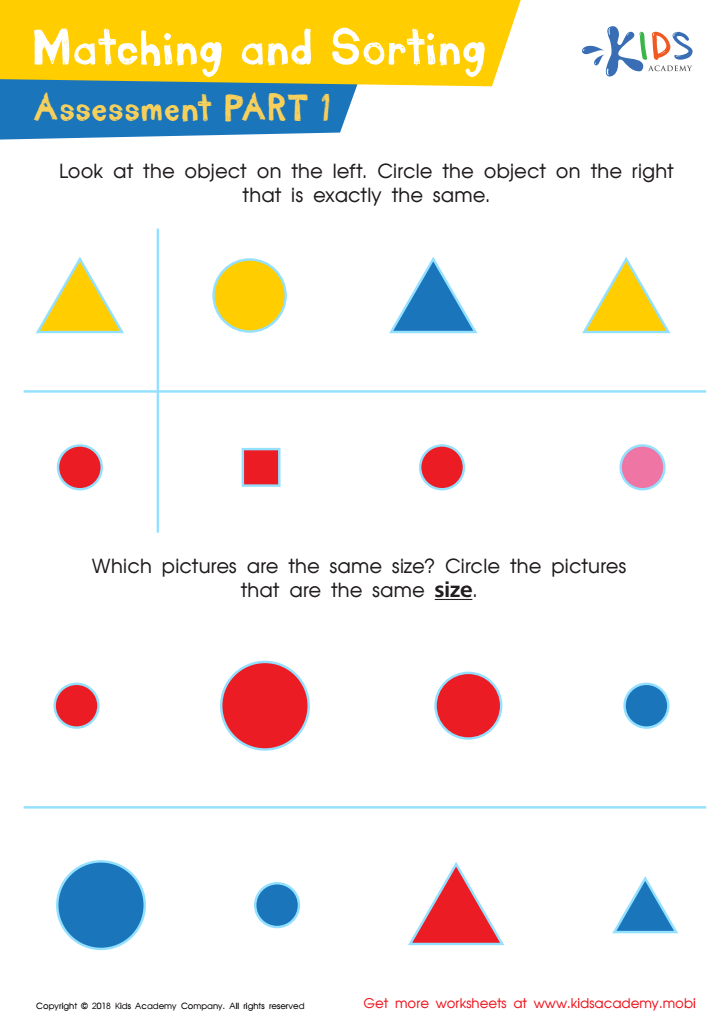
Matching and Sorting for Kindergarten: Assessment 1 Worksheet
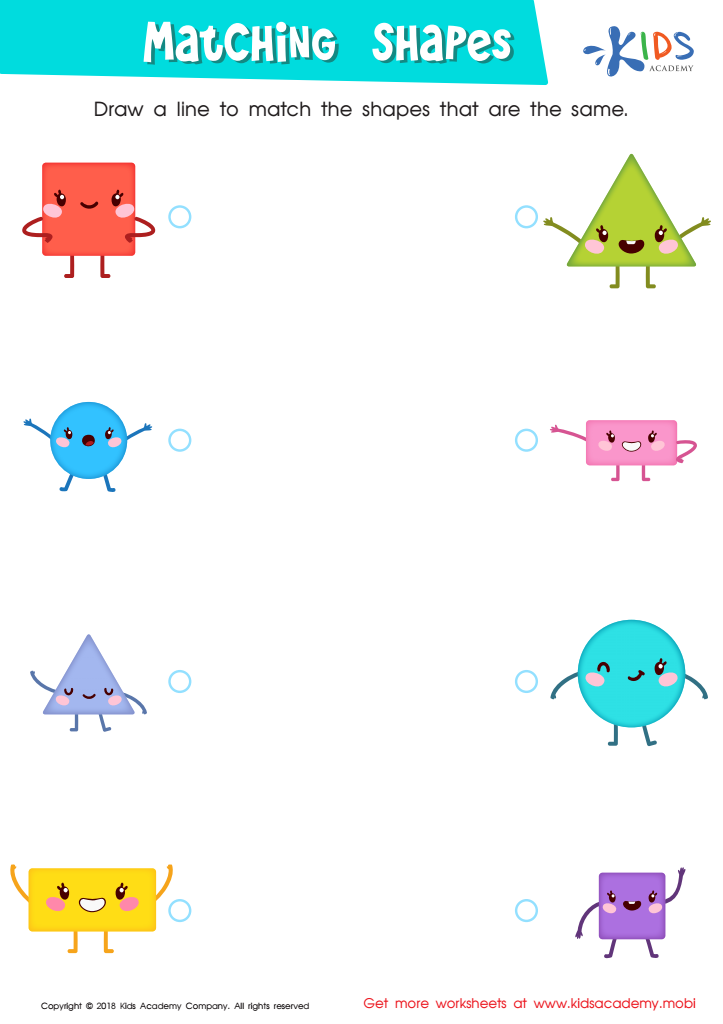
Matching Shapes Worksheet
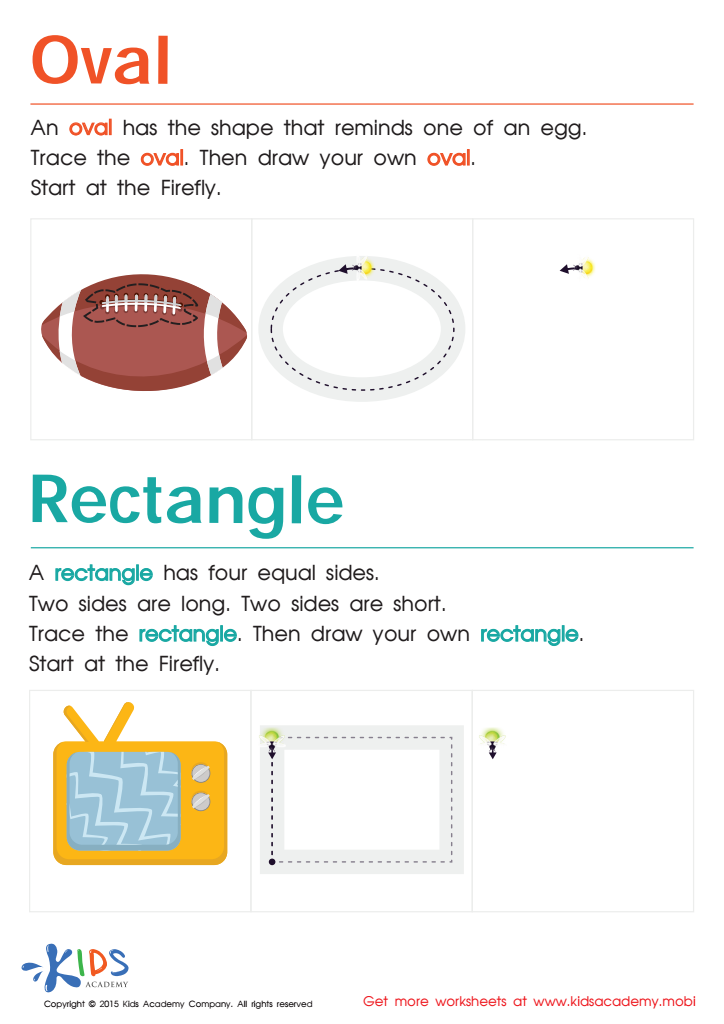
Easy Drawing of Ovals And Rectangles Worksheet
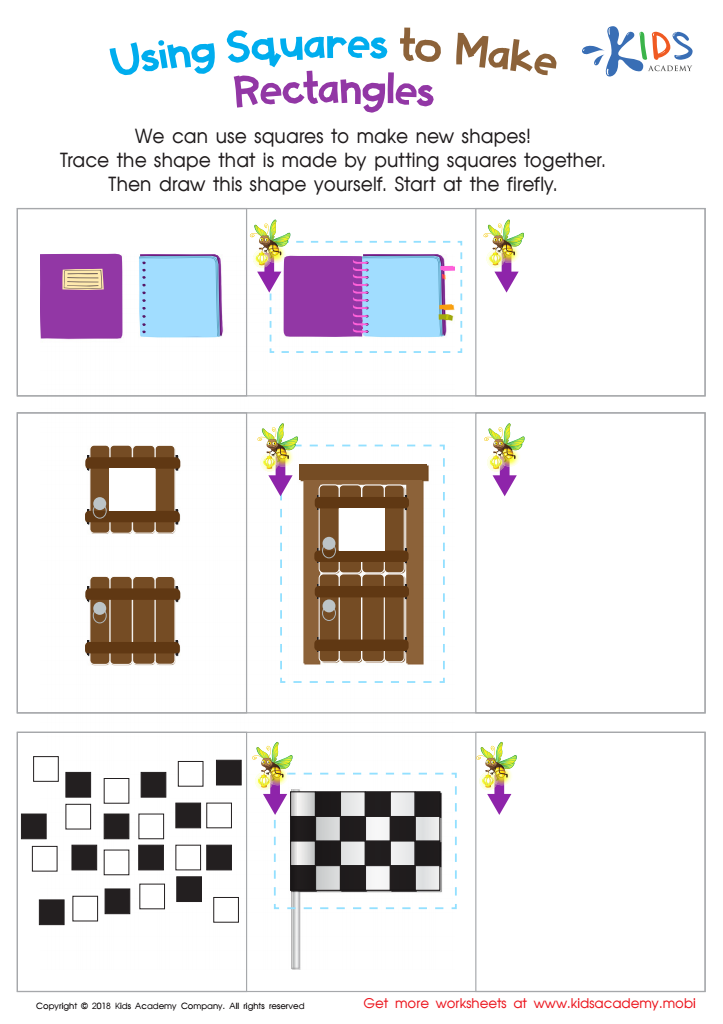
Using Squares to Make Rectangles Worksheet
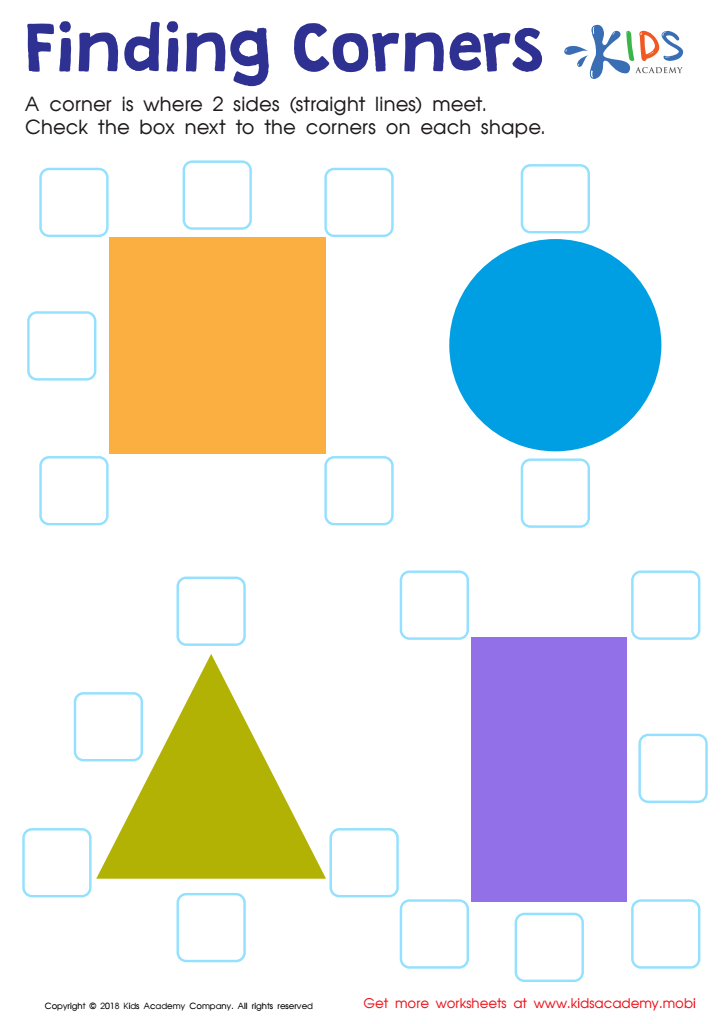
Finding Corners Worksheet
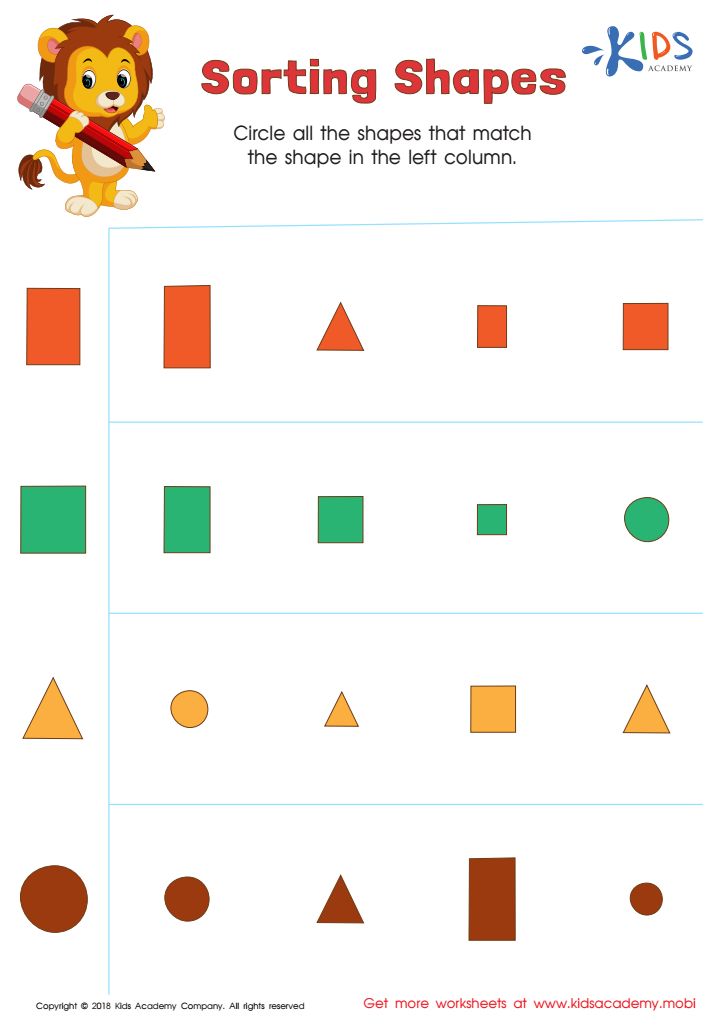
Sorting Shapes - Part 2 Worksheet
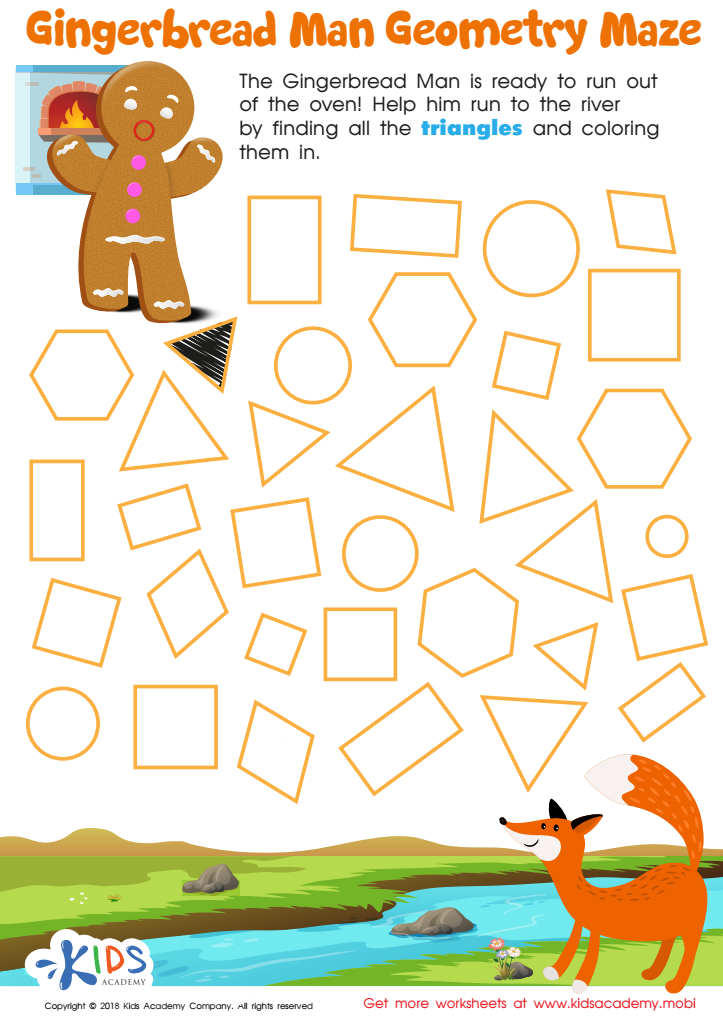
Gingerbread Man Geometry Maze Worksheet
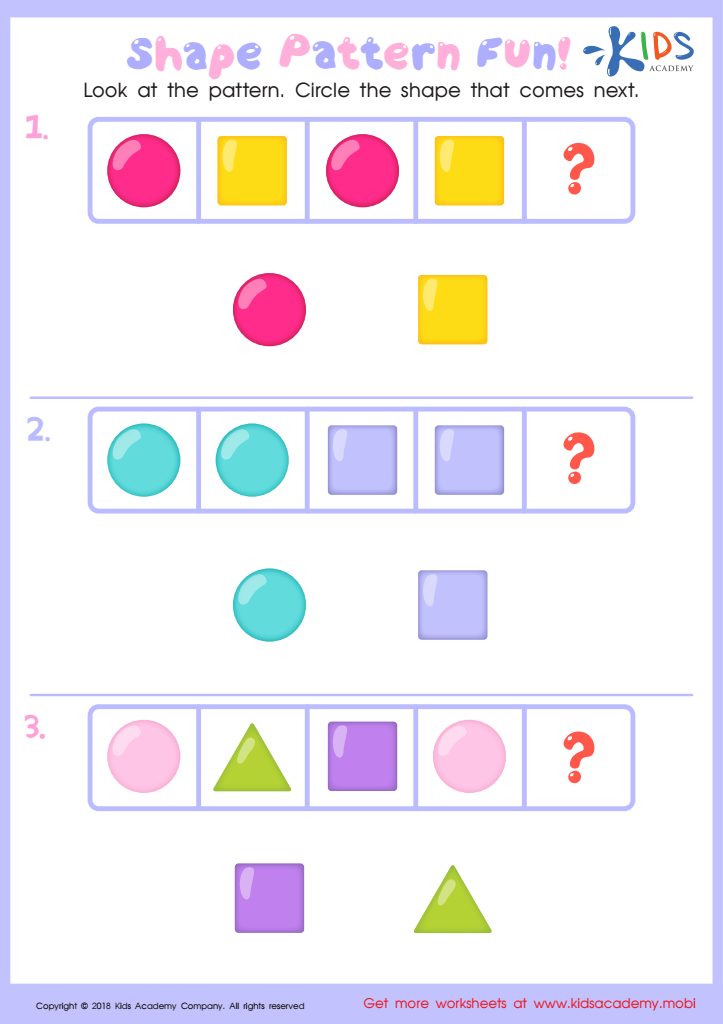
Shape Pattern Fun Worksheet








Understanding basic 2D shapes is fundamental for young children's cognitive development, making it crucial for parents and teachers to invest time in teaching these concepts to kids aged 3-8. Recognizing and distinguishing shapes such as circles, squares, triangles, and rectangles is not just about geometry; it lays the groundwork for emergent math skills, including counting, pattern recognition, and spatial awareness. When kids learn about 2D shapes, they develop critical thinking and problem-solving skills by identifying how shapes can fit together, form patterns, or create new shapes through combination and division.
Moreover, shape recognition enhances fine motor skills as children draw, trace, and manipulate different shapes using their hands. These activities are integral to developing hand-eye coordination and writing skills. Engaging with shapes also directly improves vocabulary and communication, enabling kids to express themselves more clearly when describing the environment around them.
Parents and teachers should incorporate shape-based learning in everyday activities, whether through play, drawing, or storytelling. By making this learning process interactive and fun, adults encourage a natural curiosity that keeps children engaged and makes the foundational math skills feel like an integral part of their world, setting the stage for more advanced learning in later years.